
Eye styes can be a common, yet troubling, issue that many women experience at some point in their lives. These small, painful bumps on the eyelid often raise questions about their seriousness and whether medical attention is necessary. While most styes are harmless and resolve on their own, understanding when to seek help can be crucial to maintaining your eye health.
They not only cause discomfort but can also affect your vision and confidence. With a little knowledge about the signs that indicate when a stye could be more than just a nuisance, you can empower yourself to take action. In this article, we’ll explore the nature of eye styes, their potential complications, and the key indicators that signal it’s time to consult a doctor. Stay informed and ensure your eyes remain healthy and comfortable!
Understanding Eye Styes: What Are They?
Understanding the nuances of eye styes can be crucial in managing their occurrence and ensuring proper care. An eye stye, often resembling a pimple or boil, forms when an oil gland at the base of an eyelash becomes infected or blocked. This localized infection can result from bacteria called Staphylococcus, which are usually harmless but can proliferate in a clogged gland. Styes are typically characterized by a red, swollen lump on the eyelid, making them not only uncomfortable but also unsightly, which may lead to concerns about appearance and eye health.
While eye styes are generally benign and often resolve on their own, they can cause discomfort and irritation, urging many to seek home remedies or medical intervention. This infection is commonly seen in people of all ages, but certain conditions, such as poor hygiene or underlying skin conditions, can increase susceptibility. Understanding the condition’s causes and prevention strategies can help demystify styes and empower individuals to manage their eye health more effectively.
Being well-informed about styes is vital, as many can be mistaken for more severe eye conditions. A clear narrative surrounding what a stye is, its genesis, and the implications of ignoring it can dispel fears and misconceptions surrounding this common ailment. Early recognition and self-care can facilitate healing, allowing for a quick return to clear, comfortable eyesight without escalating to more significant health concerns. Regular eye hygiene and awareness of symptoms are key in preventing the occurrence of styes, which ultimately contributes to overall eye health.
Common Symptoms of Eye Styes
A stye can be more than just an annoying bump on your eyelid; early detection of its symptoms is crucial for appropriate care. Most commonly, eye styes present themselves as a red, swollen lump at the eyelash line or on the eyelid, resembling a pimple or boil. You may also experience associated discomfort, such as tenderness or pain, which often increases with touch. This localized infection can lead to further symptoms like itchiness or burning sensations, significantly affecting your daily activities.
As a stye progresses, other signs may manifest. It’s not uncommon to notice increased sensitivity to light or a feeling that something is in your eye, which can be particularly disruptive. In some cases, the affected eyelid may also produce discharge or crusting, especially upon waking, making effective eye hygiene essential for comfort and recovery.
While styes are generally not serious, recognizing the symptoms enables prompt action. If you notice any of these signs, consider applying a warm compress to alleviate discomfort and promote drainage. However, keep an eye on the symptoms: if you experience rapid swelling, vision changes, or a persistent problem that does not improve with home care, it’s advisable to seek medical attention promptly. Being proactive not only aids in your healing process but also helps prevent complications that could arise from untreated eye styes.
Are Eye Styes Dangerous to Your Health?
While most eye styes are not dangerous and often resolve on their own, it’s essential to be aware of potential risks to your health. A stye, or hordeolum, occurs when oils glands in the eyelids become clogged and infected, usually presenting as a small, painful bump. Although typically minor, styes can sometimes harbor complications if left untreated.
In some cases, what starts as a harmless stye can escalate into more severe infections, such as cellulitis, which is an infection of the surrounding skin. This condition can lead to redness, swelling, and tenderness that might spread to the entire eyelid or even the surrounding facial area. Additionally, recurrent styes may signal an underlying issue, such as blepharitis, an inflammation of the eyelids, which requires targeted treatment.
While the odds of styes leading to vision-threatening complications are low, it’s crucial to be vigilant. Seek medical attention if you experience significant swelling that spreads beyond the eyelid, persistent pain that doesn’t improve, changes in vision, or if the stye fails to improve with home remedies. Early intervention can help manage symptoms effectively and prevent more serious health implications. Always prioritize your eye health and listen to your body’s signals, as acting promptly can safeguard against complications and promote a swift recovery.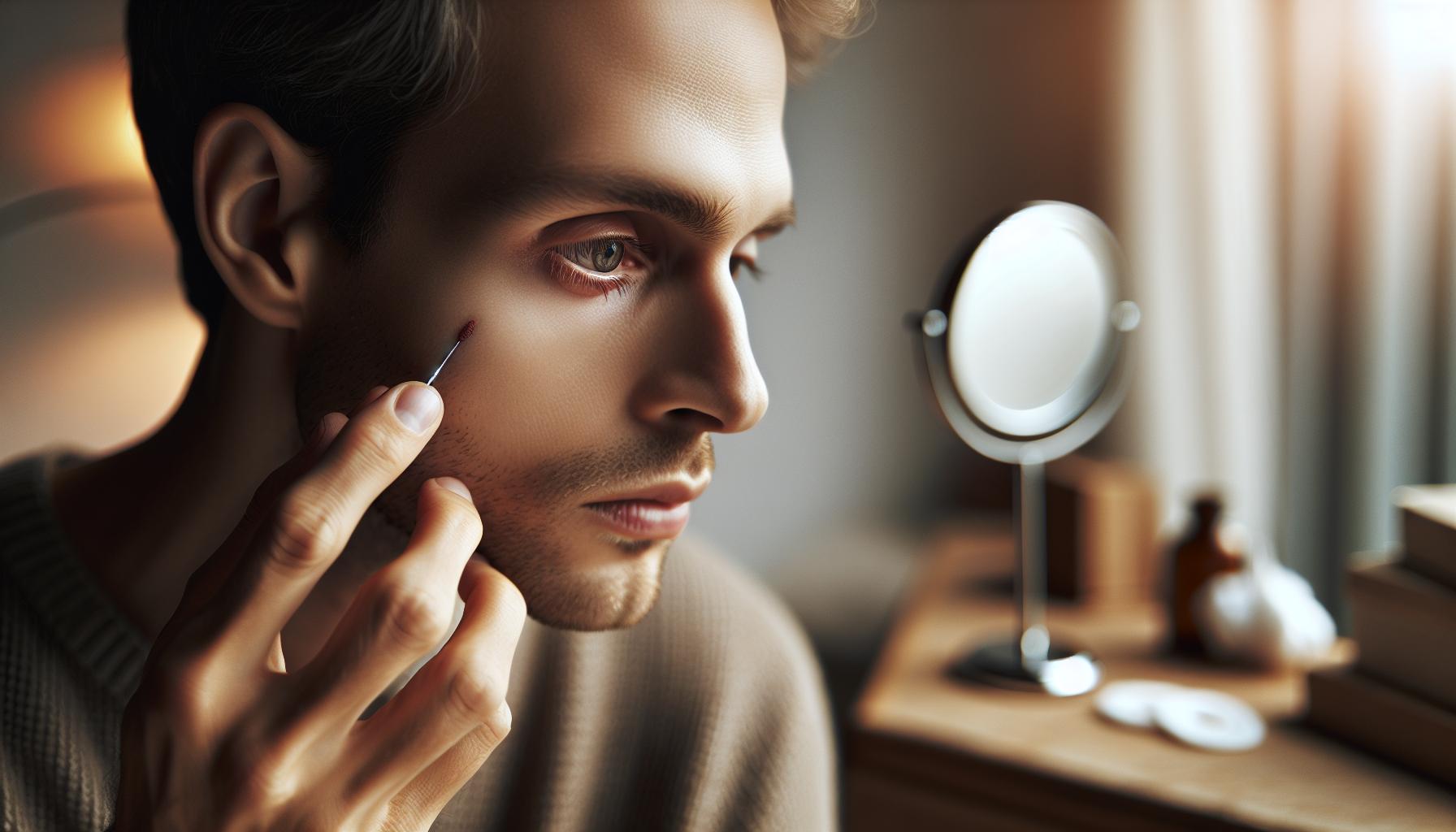
When to Seek Immediate Medical Attention
When you notice a stye forming, it’s often tempting to wait it out, especially since many resolve on their own. However, certain signs signal that it might be time to consult a healthcare professional. If you observe significant swelling that extends beyond the eyelid, it could indicate a more serious infection. This swelling may be accompanied by severe pain that persists despite at-home caring measures like warm compresses. Changes in your vision can also be a critical signal; any blurriness or distortion should not be taken lightly. Also, if the stye shows no improvement after a few days of treatment, it’s important to seek medical advice to prevent complications.
In addition to these symptoms, if you experience any fever or general malaise, it’s a strong indicator of a potential systemic response to infection and warrants immediate medical evaluation. Don’t hesitate to reach out if you’re unsure; it’s better to be cautious with your eye health. Early medical intervention can significantly reduce recovery time and prevent complications such as cellulitis, which can lead to more extensive treatment or even hospitalization in severe cases.
Listening to your body is crucial. If you feel something isn’t right, trust your instincts. Early consultation not only alleviates discomfort but can also equip you with the appropriate treatments tailored to your condition-be it antibiotics or other medical interventions, ensuring you’re back to feeling your best soon. Remember, while styes are common and often benign, your health deserves attention and care.
Risk Factors: Who Is Most Vulnerable?
Certain individuals find themselves more susceptible to developing eye styes, a condition that can be both uncomfortable and unsightly. Understanding who is most vulnerable can empower you to take proactive measures to minimize risk and maintain your eye health.
Those who frequently experience styes often share common lifestyle factors and medical conditions that contribute to their vulnerability. Individuals with oily skin may notice more stye occurrences due to the increased likelihood of clogged glands. Additionally, people who wear makeup, particularly on the eyes, should exercise caution. Improper makeup removal or using old and contaminated products can lead to bacterial growth, heightening the risk of infection.
Moreover, individuals who have a history of skin conditions such as rosacea or eczema are more prone to developing styes. These conditions can affect the skin’s barrier and make it easier for bacteria to flourish. Additionally, chronic conditions like diabetes may compromise the immune system, making it harder for the body to fend off infections, including those responsible for styes.
A few simple practices can help mitigate these risks. Prioritizing good eyelid hygiene, such as regularly cleaning the eyelids and avoiding touching the eyes with dirty hands, can significantly reduce the occurrence of styes. It may also be worthwhile to review your makeup routine, ensuring products are hygienic and suitable for sensitive skin. Remember, awareness of your individual risk factors is essential in maintaining optimal eye health and preventing potential complications from styes.
Effective Home Remedies for Eye Styes
To alleviate the discomfort of an eye stye effectively, several home remedies may offer relief and promote healing. These methods are simple, accessible, and can often be implemented right at home, making them a convenient first-line defense before seeking medical attention.
Applying a warm compress remains one of the most recommended remedies. It helps to soften the stye, encourages drainage, and provides soothing relief. To create a warm compress, soak a clean cloth in warm water, wring it out, and place it gently over the affected area for about 10 to 15 minutes, repeating this process three to four times daily. Ensure the cloth is not too hot to prevent burns.
Another effective option involves the use of diluted tea tree oil, known for its antimicrobial properties. Mix one drop of tea tree oil with a carrier oil, such as coconut or olive oil, and apply it carefully to the affected eyelid using a clean cotton swab. This can help address the underlying bacterial infection while minimizing irritation.
It’s also essential to maintain proper eyelid hygiene. Gently washing your eyelids with diluted baby shampoo or a specialized eyelid scrub can help remove excess oils and debris that may contribute to stye formation. Avoid touching your eyes with unwashed hands, as this can introduce bacteria.
If you’re looking for natural alternatives to soothe the inflamed area, aloe vera gel can be beneficial thanks to its anti-inflammatory properties. Applying a small amount directly to the stye can help reduce swelling and accelerate healing.
Lastly, incorporating stress-relief practices such as yoga or meditation can also be beneficial, as stress is known to affect immune function. A balanced diet rich in vitamins A, C, and E can support overall skin health and immune response, further helping to prevent future styes.
By utilizing these home remedies and maintaining vigilant eye care, individuals can often manage mild styes effectively, minimizing discomfort and promoting quicker recovery. However, if symptoms worsen or do not improve within a few days, it’s crucial to consult with an eye specialist to prevent complications.
Preventive Measures to Avoid Eye Styes
Maintaining good eye hygiene and overall health is key to preventing the bothersome discomfort of eye styes. These small, painful bumps can often be avoided by cultivating daily habits that promote eyelid cleanliness and reduce irritation. A big factor in stye prevention is understanding the triggers and maintaining practices that reduce the likelihood of bacteria buildup around the eyes.
Start by focusing on hygiene practices. Always wash your hands before touching your eyes or face. Use a gentle, hypoallergenic cleanser for your eyelids to remove oil, dirt, and makeup residue. A diluted baby shampoo can work wonders for this-simply mix with warm water and gently scrub your eyelids with a clean cotton ball. Also, ensure that your makeup products, especially eye makeup, are clean and not expired, as these can harbor bacteria that contribute to stye formation.
Next, consider your lifestyle choices. A balanced diet rich in vitamins, particularly A, C, and E, boosts skin health and strengthens the immune system. Hydration is equally important; drinking plenty of water helps keep your skin hydrated and wards off dryness that can lead to irritation. Additionally, reducing stress through practices like yoga and meditation can enhance immune function and contribute to overall skin health.
Another crucial measure is to avoid rubbing or touching your eyes. It’s all too easy to transfer bacteria from our hands to our faces, which can lead to styes. If you wear contact lenses, ensure they are cleaned properly and always wash your hands before handling them. If you’ve had a stye before, it’s important to avoid using the same eye makeup products until they are replaced, as they can reintroduce the infection.
Lastly, regularly replace your pillowcases and towels, as these can accumulate bacteria and oils. Establishing a routine that incorporates these preventive measures can significantly reduce your risk of developing styes, empowering you to maintain your eye health effectively. By taking proactive steps, you create a healthier environment for your eyes to thrive, making discomfort due to styes a thing of the past.
Treatment Options: From Home Care to Medical Interventions
The discomfort of a stye often leads many to seek quick solutions. While it’s true that many styes resolve without medical intervention, understanding the range of treatment options available-from simple home remedies to more involved medical procedures-can empower you to manage the condition effectively.
One of the first lines of defense for a stye is a simple warm compress. Applying a clean washcloth soaked in warm water to the affected eye for about 10 minutes several times a day can help reduce pain and inflammation. This gentle heat encourages drainage and promotes healing. Combined with gentle eyelid massages, this method not only alleviates discomfort but can also assist in clearing the blockage causing the stye.
If home remedies do not yield results after several days, or if the stye appears particularly swollen, painful, or persistent, it may be time to seek medical attention. An eye care specialist might prescribe antibiotic ointments, especially if there is a concern about infection. In some cases, if a stye doesn’t respond to these treatments or if it becomes recurrent, the physician may suggest a minor surgical procedure to drain the stye. This elevates relief and accelerates healing, particularly when home therapies prove insufficient.
For those concerned about the potential severity of a stye, being aware of warning signs is crucial. If you experience significant pain, vision changes, or swelling extending beyond the eyelid, immediate medical consultation is essential. These symptoms could indicate a more serious condition that requires professional intervention.
Remember, maintaining good eye hygiene is an integral part of prevention and treatment. Always wash your hands before touching your eyes, avoid using old makeup products, and replace pillowcases frequently. By incorporating these practices alongside treatment options, you can significantly reduce the risk of future styes and promote overall eye health.
The Link Between Eye Hygiene and Styes
To minimize the risk of developing eye styes, maintaining optimal eye hygiene is essential. A stye typically begins as a small bump at the base of an eyelash, caused by an infection of the oil glands in the eyelid. This infection can be exacerbated by poor hygiene, making it crucial to adopt preventive measures in your daily routines.
One of the most effective ways to protect your eyes is by washing your hands regularly, especially before touching your face or eyes. Our hands come into contact with countless bacteria and viruses throughout the day, which can easily transfer to our eyes and lead to infections. Make it a habit to keep your hands clean, as this simple step can significantly reduce the likelihood of stye formation. Additionally, ensure that you clean your eyelids gently with a suitable eyelid scrub or a diluted baby shampoo to remove excess oil, dirt, and debris that may clog the glands.
Using makeup products safely also plays a pivotal role in eye hygiene. Always opt for high-quality, reputable brands and avoid sharing makeup with others to limit exposure to potential irritants and bacteria. Regularly replace eye makeup products, particularly those applied close to the eyes, like mascara and eyeliner. A good rule of thumb is to discard these products every three months. Moreover, remember to remove your makeup before bed, as sleeping with makeup on can contribute to clogged glands and increase the risk of infections.
Creating a clean sleeping environment is another proactive strategy. Changing pillowcases frequently and washing bedding in hot water can eliminate bacteria and allergens that might irritate your eyes. This combined approach not only fosters overall eye health but also enhances your beauty routine.
By prioritizing these hygiene practices, you empower yourself to reduce the potential of eye styes and other related complications. In doing so, you not only maintain the health of your eyes but also boost your confidence in your appearance. Remember, healthy eyes lead to a brighter, more beautiful you.
Complications of Untreated Eye Styes
Ignoring the warning signs of eye styes can lead to several complications that extend beyond mere discomfort. While most styes are self-limiting and resolve within a week or so, untreated styes can worsen and result in more serious issues that affect your overall eye health. For example, a stye may develop into a chalazion-a larger lump formed when the blockage in the oil gland persists and becomes inflamed. Chalazia can become quite painful and may require medical intervention to drain if they do not improve on their own.
Moreover, an untreated stye poses a risk of spreading the infection. The bacteria responsible for the stye can potentially lead to more severe conditions, such as cellulitis, an infection characterized by redness and swelling of the surrounding skin. This can create further complications, increasing the risk for deeper tissue involvement or even affecting the cornea, which is critical for maintaining vision. Symptoms of cellulitis include increased redness, swelling, warmth, and pain in the eyelid, which typically warrant immediate medical attention.
Another concern is the potential for recurrent styes. Once you experience one, you might be more susceptible to developing others, especially if the underlying causes are not adequately addressed. Maintaining hygiene, managing stress, and avoiding touching your face frequently can contribute to reducing the risk of future occurrences.
If you notice symptoms worsening or persisting, such as swelling that extends to your face, fever, or vision changes, it’s important to seek medical care promptly. Consulting with an eye specialist can help mitigate these complications and ensure that any underlying issues are managed appropriately. Remember, taking prompt action when dealing with a stye not only eases your discomfort but also protects your long-term eye health.
Debunking Myths About Eye Styes
The presence of an eye stye can often lead to misunderstandings and misconceptions regarding its nature and implications. One common myth is that styes are always caused by poor hygiene. While inadequate eye care can contribute to their development, other factors, such as stress and hormonal changes, play significant roles. Understanding that anyone can be susceptible to styes-regardless of their hygiene practices-can empower individuals to approach eye care positively, fostering an attitude of prevention rather than fear.
Another prevalent misconception is that styes require immediate medical intervention. Many people believe that once a stye forms, they must see a doctor right away. In reality, most styes are self-limiting and can often resolve on their own within a week. However, it’s critical to recognize symptoms that indicate a need for professional care. If the stye worsens, does not improve within a few days, or is accompanied by severe pain or changes in vision, seeking medical attention becomes essential. Understanding when to watch and wait versus when to act can help alleviate unnecessary worry while ensuring prompt treatment when needed.
It’s also worth noting the myth that styes are contagious. People often fear that they can transmit styes to others or contract them from someone else. Styes are not contagious; they result from clogged oil glands or bacterial infections, typically involving the individual’s own skin flora. This information can help reduce stigma and anxiety surrounding eye styes while allowing individuals to feel more secure about their health.
Lastly, many believe that the only treatment for styes involves surgical drainage. While this can be a necessary option in some stubborn cases, many effective home remedies exist that can alleviate discomfort and promote healing. Warm compresses, for example, are a gentle and soothing way to reduce swelling and encourage drainage. By dispelling these myths and providing accurate information, individuals can feel more equipped to deal with eye styes effectively, ensuring their eye health is prioritized without undue stress.
When to Consult an Eye Specialist
Experiencing an eye stye can be uncomfortable and concerning, especially when you’re trying to manage your daily activities. While most styes are harmless and tend to resolve on their own, knowing is crucial for maintaining eye health. If you notice that the stye is accompanied by persistent or increasing symptoms, this could be a red flag.
It’s important to visit a doctor if the stye does not improve within a few days or continues to worsen, indicating a potential underlying infection that may need medical intervention. Additionally, if you experience severe pain, swelling that spreads beyond the eyelid, or changes in your vision such as blurriness, these symptoms warrant immediate attention. Your healthcare provider can assess whether the stye has developed into a more serious condition, such as a chalazion or orbital cellulitis.
When to Seek Help
Consider reaching out to an eye specialist if you experience:
- Severe pain or discomfort that doesn’t subside
- Multiple styes appearing at once
- Accompanying symptoms like fever or pus discharge
- Changes in your vision
In such cases, a specialist may recommend treatments ranging from antibiotics to surgical drainage. Knowing the signs for when to seek help not only empowers you to take charge of your eye health but also reduces anxiety, allowing you to focus on effective and timely care.
Q&A
Q: Can eye styes cause vision problems?
A: Yes, while most eye styes do not lead to vision problems, in rare cases, they can cause temporary blurriness or obscured vision if they press against the eyeball. If you experience changes in vision, consult an eye care professional immediately.
Q: What happens if a stye is left untreated?
A: If left untreated, an eye stye can lead to more severe infections, including cellulitis of the eyelid or the development of a chalazion, which is a blocked oil gland. Timely treatment is essential to prevent complications.
Q: How do you differentiate between a stye and a chalazion?
A: A stye usually appears as a red, painful lump on the eyelid, typically accompanied by swelling and tenderness. In contrast, a chalazion is usually painless and develops more slowly, often indicating a blocked gland rather than an infection.
Q: Are there specific types of styes that are more dangerous?
A: While most styes are not dangerous, internal styes (or meibomian cysts) can lead to complications such as blockage of oil glands. Both types require attention, especially if symptoms worsen or persist.
Q: Can stress cause eye styes to form?
A: Stress itself does not directly cause eye styes, but it can weaken the immune system, making the body more susceptible to infections, including those that cause styes. Maintaining stress management techniques is beneficial for overall health.
Q: Is it safe to pop a stye?
A: No, popping a stye can lead to further infection and complications. It is best to allow a stye to drain naturally or seek medical treatment instead. Using warm compresses may help in alleviating the stye.
Q: What home remedies are effective for treating eye styes?
A: Warm compresses can effectively reduce swelling and promote drainage of a stye. It’s also important to keep the area clean and avoid makeup until healed. If symptoms persist, seek medical advice.
Q: How can I prevent future styes?
A: To prevent future styes, maintain good hygiene by regularly washing your hands and face, avoid touching your eyes with dirty hands, and clean your make-up brushes frequently. Regularly replacing eye makeup can also help reduce risk.
Future Outlook
If you’re experiencing an eye stye, it’s essential to stay informed about the potential risks and know when to seek medical attention. Remember, while styes are common and often harmless, they can sometimes lead to more serious conditions if left untreated. Don’t hesitate to reach out to a healthcare professional if you notice increased pain, swelling, or any changes in your vision.
For further insights into eye care, explore our articles on effective eye hygiene practices and natural remedies for soothing eye irritation. Additionally, consider signing up for our newsletter to receive the latest tips on women’s health and beauty, empowering you to maintain your well-being every step of the way. Your health journey is important-let’s keep the conversation going!