
Styes can be an uncomfortable and unsightly nuisance, often prompting concerns about their contagious nature. While these painful bumps on the eyelid can lead to worries about spreading an infection to loved ones, understanding how they develop is crucial for effective prevention and care. Knowing whether styes are contagious helps you take thoughtful steps to protect yourself and those you care about.
In this article, we will explore the key factors surrounding styes, including their causes, symptoms, and the best practices for management and prevention. Whether you’re dealing with a stye yourself or looking out for family members, being informed empowers you to navigate this common eye issue with confidence. Let’s dive in and equip ourselves with the knowledge to safeguard our loved ones from potential discomfort.
Are Styes Contagious? Understanding the Risks
While styes can be bothersome, the good news is that they are not contagious. Styes are typically caused by a bacterial infection that originates from the glands located around the eyelid, specifically from blocked oil glands known as meibomian glands. Understanding this can help alleviate concerns about spreading the condition to others, allowing you to focus on managing and treating your stye effectively.
To minimize the risk of developing a stye or exacerbating an existing one, it’s essential to practice good hygiene. Here are practical steps you can take:
- Wash your hands: Always ensure your hands are clean before touching your face or eyes.
- Avoid eye makeup: If you have a stye, it’s best to refrain from using eye makeup until it has healed.
- Don’t share personal items: Avoid sharing towels, washcloths, or pillowcases with others to prevent any potential bacteria transfer that may lead to similar infections.
Stress and lack of sleep can also contribute to the occurrence of styes, so maintaining a healthy lifestyle is crucial. Additionally, if you’re prone to styes, consider keeping your eyelids clean with gentle eyelid scrubs or wipes to help reduce the buildup of oils and debris.
Ultimately, while you don’t need to worry about spreading a stye to someone else, staying informed and proactive about hygiene and eye care habits can help you prevent their development and promote overall eye health.
How Styes Develop: Causes and Symptoms
A stye, often mistaken for a simple blemish, can be an uncomfortable and unsightly occurrence that many people face. They commonly develop when one of the small glands located at the base of the eyelashes becomes blocked or infected, often due to a bacterial infection. This blockage can cause the gland to become inflamed and filled with pus, leading to the characteristic red, swollen bump that can be both painful and irritating. Understanding how these infections develop can help in their prevention and management.
The primary culprit behind the formation of a stye is bacteria, specifically Staphylococcus, which is naturally found on our skin. When these bacteria enter the gland through a break in the skin, or when oil and other debris accumulate, an infection can occur. Factors such as poor hygiene, stress, and fatigue can increase the likelihood of developing a stye. For instance, not removing makeup thoroughly or sharing personal items like towels can create opportunities for bacterial contamination. Additionally, individuals with existing skin conditions, such as acne, or underlying health issues, including diabetes, may be more susceptible to developing styes.
Symptoms of a stye typically include redness, swelling, and tenderness around the eyelid, along with a painful sensation when touching the area. In some cases, you might also notice a small, yellowish spot at the center of the bump, which indicates the presence of pus. If left alone, styes often resolve on their own within a week or so, but they can be quite bothersome during that time. Education about these symptoms and prompt action can facilitate better eye care, preventing potential complications such as spreading the infection or developing additional styes.
In summary, while the appearance of a stye can be alarming, knowing that they are not contagious should provide reassurance. By practicing good hygiene and recognizing the causes and early symptoms, individuals can manage styes effectively, reducing stress and discomfort.
Effective Prevention Tips for Styes
Effective prevention strategies can significantly reduce your risk of developing styes, providing peace of mind as you navigate your daily beauty and health routines. One of the simplest yet most effective practices is maintaining good hygiene around your eyes. Be diligent in regularly washing your face and eyelids with a gentle cleanser, especially if you wear makeup. Remember to always remove your makeup thoroughly before bedtime, as residual products can clog the oil glands at the base of your eyelashes, creating a conducive environment for bacterial infection.
Another healthy habit to cultivate is avoiding the sharing of personal items, such as towels or eye cosmetics, as this can lead to the spread of bacteria. If you notice an emerging stye or have had one before, consider dedicating your beauty tools-like mascara and eyeliner brushes-exclusively to your use. Opting for disposable contacts instead of reusable ones can also minimize bacterial exposure, particularly if you struggle with chronic styes or have sensitive eyes.
Regularly applying warm compresses can help in prevention too. By doing this, you encourage the natural oil glands to function properly and reduce the chance of blockage. A warm, damp washcloth held over your closed eyes for about 10 minutes can be a soothing addition to your morning or evening routine. This practice not only helps with prevention but also promotes overall eyelid health.
Lastly, it’s essential to be mindful of your overall wellness. Stress management, a balanced diet, and adequate hydration can all contribute to healthier skin, including the delicate area around your eyes. By incorporating these habits into your daily life, you can effectively reduce your chances of experiencing styes and enhance your eye health, ensuring that you-and your loved ones-stay comfortable and free from irritation.
What to Do If You or a Loved One Has a Stye
A stye, often characterized by a swollen and painful bump on the eyelid, can be uncomfortable and distressing, but it’s important to remain calm and informed about how to manage it effectively. If you or someone close to you develops a stye, understanding the right steps to take can help relieve discomfort and prevent further complications.
First, the application of warm compresses can offer significant relief. By using a clean, warm washcloth, you can soothe the affected area, promoting drainage and reducing swelling. Simply hold the compress against the stye for about 10 to 15 minutes, repeating this process several times a day. This not only aids in relieving pain but also helps to unblock the oil glands that may have led to the stye’s formation.
In addition to warm compresses, practicing good hygiene is crucial. Encourage frequent washing of hands and avoid touching the eyes to minimize the risk of transferring bacteria. Avoid using eye makeup or contact lenses until the stye has completely healed; this reduces the risk of irritation or infection. If the stye persists for more than a week or worsens, consulting a healthcare professional is advisable. They may recommend certain medications, such as antibiotic ointments, if necessary.
Lastly, educating yourself and your loved ones about styes can foster understanding and alleviate anxiety. Share insights on prevention methods, such as avoiding the sharing of personal items like towels and cosmetics, and maintaining a consistent skincare routine. Recognizing the signs and knowing when to act can make all the difference in managing this common eye condition. Emphasizing the importance of self-care helps ensure that everyone remains comfortable and healthy while navigating the discomfort of styes.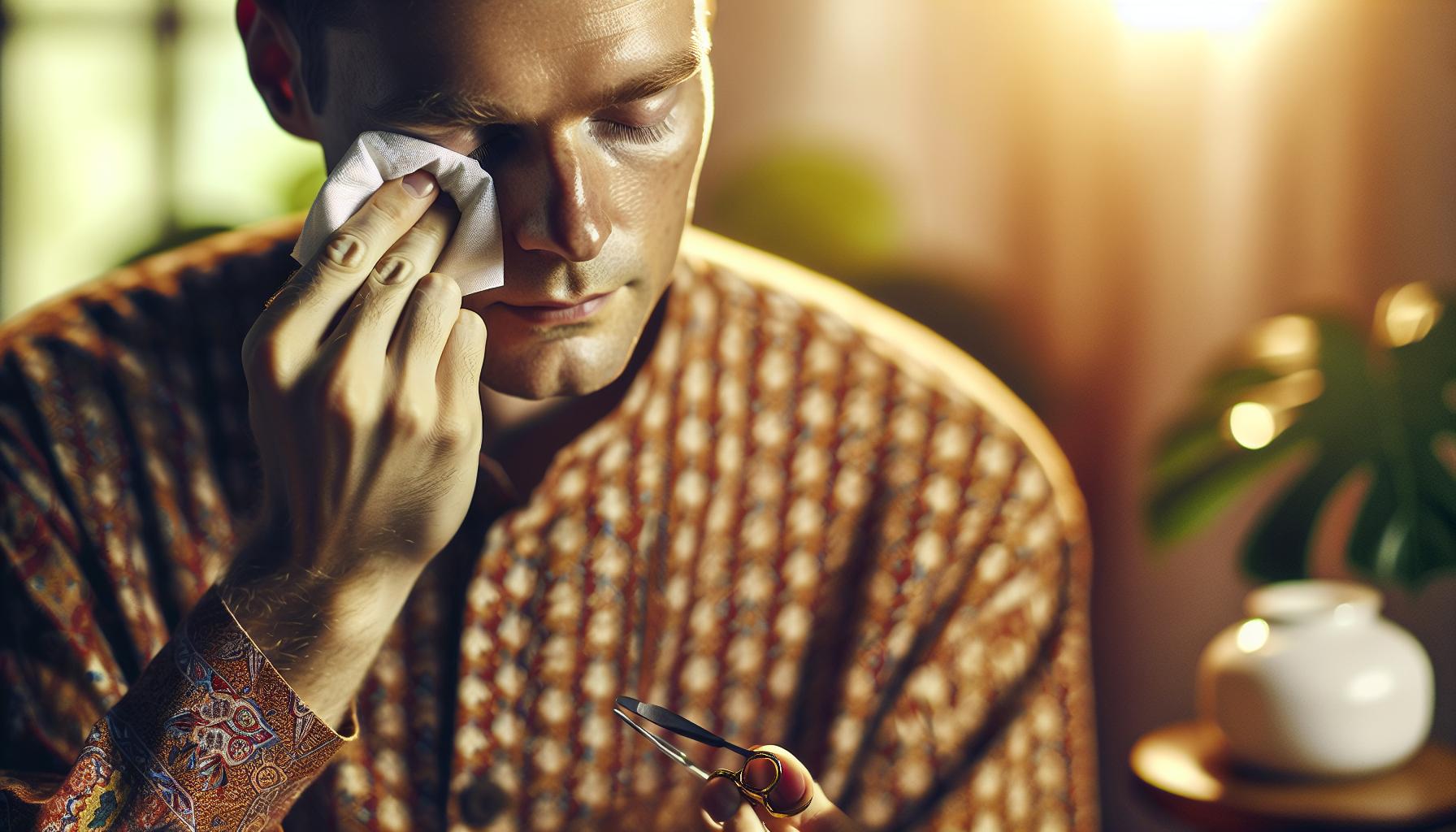
Home Remedies and Treatments for Styes
A stye can be uncomfortable, but there are several effective home remedies and treatments that can help alleviate symptoms and promote healing. One of the simplest and most effective approaches is the use of warm compresses. Applying a clean, warm washcloth to the affected area for about 10 to 15 minutes multiple times a day can soothe discomfort and reduce swelling. This method encourages drainage from blocked oil glands, which can lead to faster recovery.
In addition to warm compresses, maintaining good hygiene is essential. Wash your hands frequently and avoid touching your eyes to prevent bacteria transfer. If you typically wear eye makeup or contact lenses, it’s wise to pause their use until the stye has healed completely. This not only eases irritation but also minimizes the risk of secondary infections that can complicate the healing process.
For those looking for additional relief, consider natural remedies such as tea tree oil or apple cider vinegar. Both have antibacterial properties; however, they should be diluted and used carefully to prevent irritation. Always conduct a patch test before applying any essential oils to your skin.
If the stye does not improve within a week or begins to worsen, it’s important to consult a healthcare provider. They may recommend treatments such as topical antibiotics or, in some cases, minor surgical interventions to drain the stye. By taking these proactive steps and understanding the various treatment options, you can effectively manage a stye and safeguard your eye health while reducing the discomfort associated with this common condition.
When to See a Doctor for a Stye
Experiencing a stye can be frustrating and painful, and knowing when to seek professional help can make a significant difference in your recovery. If you notice that the stye persists for more than a week or if it begins to worsen, it is advisable to consult with a healthcare provider. Oftentimes, a simple evaluation can lead to effective treatments that can expedite healing and alleviate discomfort more efficiently than over-the-counter remedies.
Another critical time to reach out to a doctor is if you observe increased swelling around the eye, or if the stye is accompanied by fever, increased sensitivity to light, or a significant change in vision. Such symptoms could indicate complications or other underlying issues requiring medical attention. In some instances, styes can become recurrent; if this is the case, a medical professional can help identify underlying causes, such as blepharitis or other conditions, and provide tailored treatment options.
Additionally, if the stye causes extreme discomfort or interferes with daily activities, don’t hesitate to make an appointment. Your healthcare provider can prescribe topical antibiotics or, in more severe cases, suggest a minor surgical procedure to drain the stye. These steps not only promote faster recovery but also safeguard your eye health.
By recognizing these signs and acting promptly, you can ensure that you manage a stye effectively and minimize its impact on your quality of life. Remember, it’s always better to err on the side of caution-protecting your eye health is worth the visit to a healthcare professional.
Managing Styes for Optimal Eye Health
Maintaining optimal eye health is crucial, especially when dealing with styes, which can be bothersome and painful. Understanding how to effectively manage styes not only aids in recovery but also ensures that your eyes remain healthy in the long term. Key to this process is being proactive in your eye care routine and recognizing the signs that necessitate professional attention.
One of the most effective steps in managing styes is practicing good hygiene. Regularly washing your hands before touching your eyes and avoiding sharing personal items, such as towels or makeup, can reduce the risk of developing styes. Additionally, gently cleaning your eyelids with a mild cleanser or commercially available eyelid scrub can help prevent blocked glands, which are often a precursor to stye formation. Incorporating warm compresses into your routine can also facilitate drainage of existing styes and soothe any discomfort. Applying a warm, moist cloth to the affected area for about 10-15 minutes a few times a day can enhance circulation and promote healing.
Incorporating other eye care practices can further safeguard your eye health. Ensuring your makeup tools are clean and replacing eye makeup regularly can minimize the risk of irritation or infection. For those who wear contact lenses, it’s vital to maintain a strict cleaning regimen and replace lenses as directed to avoid complications that may contribute to stye development. If you experience frequent styes, consider consulting a healthcare provider to explore underlying conditions that may be contributing to this issue and discuss potential preventive measures.
Lastly, staying informed about potential triggers is essential. Allergies, stress, and hormonal changes can all impact eye health and contribute to the likelihood of developing styes. By managing allergy symptoms with appropriate medications and seeking support for stress management, you can create a healthier environment for your eyes. Embracing these strategies not only supports optimal eye health but empowers you to take control of your well-being, ensuring you safeguard not just your health but also that of your loved ones.
Stye vs. Other Eye Conditions: Key Differences
Understanding the differences between styes and other eye conditions is essential for effective self-care and timely medical intervention. Styes, characterized by a painful red bump on the eyelid caused by blocked oil glands, are often mistaken for other ailments. While some eye conditions like chalazia, conjunctivitis, or hordeolum share symptoms or areas, their origins and treatments vary significantly.
Stye vs. Chalazion
A chalazion is similar in appearance to a stye but is usually larger and less painful. It results from a blocked gland rather than an infection, often developing over time without the swelling and tenderness seen in styes. A stye may resolve quickly, sometimes with warm compresses and proper hygiene, while a chalazion may require prolonged care or even drainage if it persists.
Stye vs. Conjunctivitis
Conjunctivitis (pink eye), on the other hand, is an inflammation of the conjunctiva, presenting with redness, itching, and discharge. Unlike styes, conjunctivitis is often contagious, especially if caused by a viral or bacterial infection. If you notice burning or a gritty feeling associated with eye redness and discharge, consulting with a healthcare provider is vital, as treating conjunctivitis may require antibiotic eye drops or antiviral medications.
Identifying Symptoms
Recognizing the symptoms specific to styes can facilitate early treatment, reducing discomfort. If you’re experiencing:
- A painful, swollen bump on the eyelid
- Increased redness around the bump
- Possible drainage from the stye
These are indicative of a stye. Conversely, symptoms like persistent eye redness, tearing, and increased sensitivity to light suggest the need to visit a healthcare provider to rule out other conditions.
By differentiating a stye from other eye conditions, you can take appropriate actions to protect your eye health and that of your loved ones. This knowledge empowers you to address symptoms confidently, seek proper treatments when necessary, and maintain robust eye hygiene practices that can help prevent these conditions from arising in the first place.
Debunking Common Myths About Styes
Many people harbor misconceptions about styes, which can lead to unnecessary worry and confusion. One prevalent myth is that styes are contagious. In reality, styes, which manifest as painful, red bumps on the eyelid, are not caused by a virus or bacteria that can spread from person to person. Instead, they typically occur due to blocked oil glands, often exacerbated by lack of hygiene, stress, or underlying skin conditions. This means you don’t have to avoid close contact with someone who has a stye, as the condition itself does not transmit to others.
Another common myth revolves around the notion that styes only affect those with poor hygiene. While keeping your eyes and face clean is vital in preventing styes, it’s important to note that everyone, regardless of their hygiene practices, can develop a stye if their oil glands become blocked. Factors such as hormonal changes, certain medications, and skin conditions like rosacea can increase the likelihood of stye formation. Therefore, rather than attributing styes to hygiene alone, consider the broader range of influences at play.
Many also mistakenly believe that popping a stye will provide relief and speed up healing. This is not only unadvisable but can also worsen the situation by introducing bacteria into the area or leading to further infection. Instead, the best approach is to apply warm compresses regularly to encourage drainage naturally. By demystifying these misconceptions, individuals can better understand how to care for their eyes and what preventive steps to take, fostering healthier habits and reducing anxiety related to eye health.
Empowering yourself with factual knowledge about styes enables you to make informed decisions about your eye health, ensuring that you are equipped with strategies to address this common issue effectively.
The Role of Hygiene in Stye Prevention
Maintaining good hygiene is essential not only for personal health but also as a key preventive measure against stye formation. Styes occur when the oil glands in the eyelid become blocked, leading to inflammation and infection. A daily eye care routine can significantly reduce the risk of developing these bothersome bumps.
One of the most effective ways to prevent styes is by keeping the eye area clean. Regularly washing your face with a gentle cleanser helps remove excess oil, dirt, and makeup that can contribute to blocked glands. For those who wear eye makeup, it is crucial to remove it thoroughly at the end of the day. Using a mild makeup remover or micellar water, followed by washing with soap and water, ensures that no residue remains that could clog pores or irritate the eyelids.
In addition to cleansing, using warm compresses can be beneficial. Applying a warm, damp cloth to your closed eyelids for about 5-10 minutes can help loosen any debris and open up clogged glands. This simple practice not only promotes drainage but also soothes irritation, making it an excellent addition to your daily hygiene regimen.
To further safeguard against styes, consider the following best practices:
- Avoid touching your eyes: Always wash your hands before touching your face or eyes to prevent transferring bacteria.
- Don’t share personal items: Avoid sharing towels, eye drops, or makeup, as these can harbor bacteria.
- Be mindful of contact lenses: Follow proper hygiene when handling contact lenses, including using clean hands and storing lenses appropriately.
- Stay hydrated: Proper hydration supports overall skin health, reducing the chances of oil gland blockages.
By implementing these hygiene practices, you’ll not only help prevent styes but also promote overall eye health. Taking proactive steps can reduce the likelihood of future occurrences and keep your eyes feeling comfortable and healthy.
Long-term Eye Care Practices to Avoid Styes
Maintaining long-term eye care practices is key to keeping styes at bay and ensuring optimal eye health. A simple yet effective approach is to integrate eye-friendly habits into your daily routine. Regularly incorporating these practices can significantly reduce the risk of stye development, making your eyes more comfortable and healthier over time.
Start by prioritizing your makeup hygiene. Always use fresh, high-quality cosmetics and discard any products that show signs of expiration. If you use eye makeup, it’s especially crucial to replace mascara every three months to avoid bacterial contamination. Moreover, invest in hypoallergenic products, which are less likely to irritate the delicate skin around your eyes and reduce the chances of blockages in your oil glands.
Daily Cleansing: Establish a consistent routine of cleaning your eyelids and lashes. Use a gentle cleanser designed for the sensitive area around the eyes, and consider using eyelid wipes or a diluted baby shampoo to effectively remove any buildup. This daily ritual not only cleanses away debris but also helps keep the oil glands functional and reduces the chances of infection.
Warm Compresses: Make it a habit to apply warm compresses to your closed eyelids several times a week. This soothing practice not only promotes drainage of clogged glands but also offers relief from stress, making it a calming addition to your self-care routine. Simply soak a clean washcloth in warm water, wring it out, and place it over your eyes for about 5-10 minutes.
Regular Check-ups: Don’t overlook the importance of annual eye exams. Regular visits to an eye care professional can help monitor your eye health and catch any issues before they escalate. Discuss any concerns about styes or other conditions with your eye doctor, as they can provide personalized recommendations tailored to your unique needs.
Incorporating these practices into your lifestyle not only minimizes the risk of developing styes but also enhances your overall eye wellness. By practicing mindful habits and staying informed, you empower yourself to maintain beautiful, healthy eyes that can withstand daily environmental stressors.
Understanding the Impact of Allergies on Stye Formation
Exposure to allergens can play a significant role in the formation of styes, often exacerbating the conditions that lead to blockages in your eyelid glands. When allergens like pollen, pet dander, or dust mites come into contact with the sensitive skin around the eyes, they can trigger an inflammatory response. This can create a perfect storm where the oil glands become clogged, resulting in the painful, red bump known as a stye.
Individuals with allergies may notice that their eyes become watery, itchy, or swollen. These symptoms can prompt frequent rubbing of the eyes, which not only worsens irritation but also increases the risk of transferring bacteria from your hands to your eyelids. Consequently, this cycle of irritation and infection can lead to stye outbreaks, particularly in those who are already predisposed to such conditions. Understanding this connection underscores the need for effective allergy management as a preventive strategy against styes.
To minimize the risk of stye formation linked to allergies, consider adopting these practical tips:
- Keep Allergens at Bay: Regularly clean living spaces to reduce dust and pet dander. Use high-efficiency particulate air (HEPA) filters in your home.
- Practice Eye Care: Avoid rubbing your eyes, especially when experiencing allergy symptoms. Instead, consider using a clean, damp cloth to alleviate itchiness.
- Utilize Allergy Medications: Antihistamines or prescribed allergy medications can help control symptoms, reducing the likelihood of associated eye issues.
Taking these steps not only enhances your comfort during allergy season but also significantly cuts down the chances of stye development. By being proactive in managing your allergies, you promote healthier, stye-free eyes while safeguarding your overall well-being.
FAQ
Q: Can you get a stye from someone else?
A: No, styes themselves are not contagious. They occur when oil glands become blocked, typically due to bacteria that normally live on the skin. However, sharing personal items like towels or eye makeup can increase the risk of bacteria transfer, leading to stye formation in others.
Q: How can I prevent spreading bacteria that cause styes?
A: To prevent spreading bacteria, practice good hygiene by washing your hands frequently and avoiding touching your eyes. Additionally, do not share personal items like towels, makeup, or eye-care products, as these can harbor bacteria.
Q: What increases my risk of developing a stye?
A: Factors increasing the risk of styes include poor hygiene, use of old eye makeup, eyelid inflammation, or having certain skin conditions. Maintaining proper eye hygiene and regularly replacing eye products can help reduce the risk.
Q: Are there specific symptoms that indicate a stye?
A: Symptoms of a stye often include redness, swelling, and tenderness around the eyelid, accompanied by a small bump. It may also cause discomfort when blinking. Early recognition can lead to prompt care and treatment.
Q: When should I see a doctor about a stye?
A: Consult a doctor if a stye does not improve within a few days, worsens, or is accompanied by vision changes or fever. Professional assessment is essential to rule out more serious eye conditions.
Q: Can I still wear makeup if I have a stye?
A: It is best to avoid wearing makeup, particularly eye makeup, until the stye has healed. This can prevent further irritation and reduce the risk of spreading bacteria to other areas of your eyelids.
Q: What home remedies are effective for treating a stye?
A: Warm compresses can effectively soothe a stye and help it drain naturally. Apply a clean cloth soaked in warm water to the area for about 10-15 minutes, several times a day, to alleviate discomfort.
Q: How long does a stye typically last?
A: A stye usually lasts from a few days to a week. Most styes will open and drain on their own during this time. Regular warm compresses can aid in recovery and help relieve symptoms.
The Way Forward
As we’ve explored, understanding whether styes are contagious is essential for safeguarding your loved ones. While they are not directly contagious, the bacteria involved can spread through close contact. To ensure everyone stays healthy, consider adopting good hygiene practices, such as regular handwashing and avoiding sharing personal items like towels.
For additional insights, check out our articles on eye care and preventive measures to protect against infection. These resources can equip you with practical steps for maintaining eye health. Stay proactive by subscribing to our newsletter for expert tips and updates.
Your health is your wealth-take these steps today to empower yourself and those around you! Remember, a little knowledge goes a long way; let’s keep the conversation going! What questions do you have about styes or eye health? Share your thoughts below!