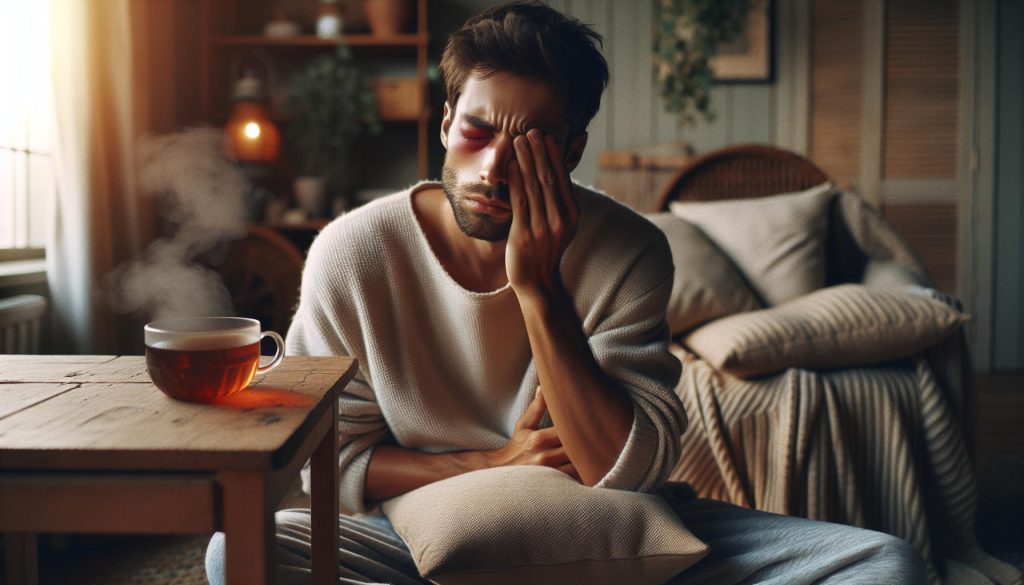
Did you know that a seemingly minor issue like a stye can lead to unexpected symptoms, including bloodshot eyes? A stye, which appears as a painful lump on the eyelid, can cause irritation and redness that may affect your overall eye health. Understanding the connection between a stye and bloodshot eyes is crucial for timely treatment and relief.
If you’ve ever dealt with the discomfort of a stye, you might be concerned about its impact on your appearance and daily life. Bloodshot eyes can be particularly distressing, affecting not just your vision, but how you feel about yourself. By exploring the underlying reasons why a stye can cause redness in your eyes, you’ll empower yourself to take control of your eye health and address the discomfort effectively.
Join us as we delve into the facts behind this common eye condition. Understanding these symptoms will not only help you tackle a stye more effectively but also enhance your eye care routine for lasting health and beauty.
Understanding Styes: What You Need to Know
Styes are not just an inconvenient nuisance; they’re a common and often misunderstood condition that can impact your eye health and appearance significantly. A stye, medically known as a hordeolum, is typically a small, painful lump located on the edge of the eyelid, caused by a bacterial infection of the oil glands. They can develop quickly and may be accompanied by redness, swelling, and discomfort in the affected area. While styes are generally harmless and often resolve on their own within a week or so, their presence can lead to other concerns, such as bloodshot eyes.
When you have a stye, your body’s inflammatory response can cause blood vessels in the eye to dilate, resulting in that familiar reddish hue. The irritation and swelling can also affect how you blink and see, which might further contribute to the appearance of redness in your eyes. It’s important to recognize that this connection between styes and red eyes is a symptom of irritation rather than a sign of a severe problem. However, maintaining proper eye care is essential, as neglecting to address the underlying infection or inflammation could lead to further complications.
To promote healing and comfort, warm compresses applied to the affected area can be a simple and effective remedy. The warmth helps to reduce swelling and encourages the stye to drain naturally. Additionally, practicing good hygiene-such as avoiding eye makeup during an outbreak and ensuring that your hands are clean before touching your face-can prevent further irritation and reinfection. Incorporating these self-care practices can facilitate your recovery while keeping your eyes looking and feeling their best. Always be attentive to changes in your symptoms, and if the stye doesn’t improve or if you develop severe pain or vision changes, seeking medical advice is prudent.
How Styes Affect Eye Health and Appearance
Many people underestimate the impact that styes can have on both eye health and appearance. These small, painful lumps can disrupt not only your comfort but also your confidence. When a stye develops, it can lead to inflammation, causing the delicate blood vessels in the eye to dilate. This dilation often manifests as redness, giving the eyes a bloodshot appearance, which can be especially distressing if you’re preparing for an important event or simply heading out for the day.
The discomfort associated with a stye may also lead to changes in your blinking patterns, which can exacerbate the redness. You might find yourself blinking more often or and rubbing your eyes to relieve irritation, further irritating the sensitive skin around the eyes and promoting a cycle of redness. In addition to the physical effects, styes can alter one’s appearance, making you wary of how you present yourself in social or professional settings.
To alleviate these frustrations, it’s vital to prioritize self-care. Incorporating warm compresses can work wonders; they’re an easy, soothing remedy that helps reduce swelling and encourages the stye to drain. Additionally, maintaining good hygiene can play a crucial role in preventing recurrence. Avoid wearing eye makeup during a stye outbreak, and ensure that your hands are clean when you touch your face to minimize the risk of reinfection. Cultivating a skincare routine that emphasizes the health of the eye area will not only support healing but also enhance your overall appearance, allowing you to face the world with confidence once more.
Symptoms: Identifying Bloodshot Eyes
When styes occur, they can lead to more than just discomfort-they can cause notable changes in the appearance of your eyes, notably manifesting as bloodshot eyes. This redness is primarily due to inflammation around the stye itself, which can irritate the surrounding tissues and cause the small blood vessels in your eyes to swell and dilate. Understanding how to identify bloodshot eyes and recognize their connection to styes is crucial for effective management and treatment.
Observing bloodshot eyes typically involves noticing a pronounced redness in the white parts of your eyes (sclera). This can be accompanied by a sense of dryness or irritation, often leading to increased blinking or the urge to rub your eyes, which can exacerbate the condition. In some cases, you might also experience sensitivity to light or mild tearing. It’s essential to distinguish this condition from other eye issues, keeping in mind that while bloodshot eyes caused by styes are usually temporary and linked to irritation, persistent redness could signal more severe health concerns.
To help alleviate the discomfort and appearance of bloodshot eyes caused by styes, there are simple steps you can take. Performing warm compresses for about 10 minutes multiple times a day can soothe the area and facilitate healing by promoting drainage of the stye and reducing inflammation. Additionally, maintaining strict hand hygiene and avoiding touching your face can prevent further irritation or potential infection, thus keeping your eyes looking clear and healthy.
By being proactive in identifying and addressing the symptoms of bloodshot eyes, you can protect your eye health and maintain your confidence. If you notice the redness persists despite your self-care efforts, consulting an eye care professional is a good course of action to rule out any serious underlying conditions and explore further treatment options.
The Connection Between Styes and Red Eyes
The appearance of bloodshot eyes can be both alarming and bothersome, especially when they are accompanied by a stye. This common eyelid condition manifests as a painful red bump along the lash line, which often leads to localized inflammation. Bloodshot eyes occur when the tiny blood vessels in the white part of the eye (sclera) expand due to irritation or inflammation from the stye. As you deal with the discomfort of a stye, these bloodshot eyes can exacerbate your feelings of self-consciousness about your appearance.
One of the primary reasons for is the body’s inflammatory response. When a stye develops, it can trigger inflammation not just at the site of the stye but also in the surrounding tissues, leading to redness that radiates to the sclera. You might notice your eyes feeling dry, itchy, or even sensitive to light. This irritation often leads to increased blinking or rubbing of the eyes, which can further propagate the redness and discomfort.
In managing these symptoms effectively, home remedies can provide significant relief. For example, applying a warm compress to the affected area several times a day can help reduce inflammation and promote drainage of the stye. This not only alleviates pain but also minimizes associated redness in the eyes. Additionally, practicing good hygiene-such as washing your hands frequently and avoiding touching your face-can prevent further irritation and reduce the risk of infection, maintaining the clarity and health of your eyes.
Overall, understanding the interplay between styes and bloodshot eyes not only empowers you to take proactive steps towards relief but also encourages you to seek proper care when needed. If you find that redness persists even after trying home remedies, consulting with an eye care professional can help address any underlying issues and provide tailored treatment options.
When to See a Doctor for Styes
A stye may be a common issue, but knowing when to seek medical attention can be crucial for effective healing and maintaining your eye health. If you find that your stye is failing to improve with at-home treatments, or if you experience increased discomfort, it’s essential to consult a healthcare professional. Indicators that a visit to the doctor is warranted include:
- Persistent Symptoms: If the stye remains painful and swollen after a week of home care, or if redness continues to spread rather than diminish, it may be time for a professional evaluation.
- Vision Changes: Any alterations in your vision, such as blurriness or significant discomfort when you look at lights, should be assessed immediately.
- Fever or Other Signs of Infection: If you begin to experience systemic symptoms such as fever, increased sensitivity around the eye, or pus discharge, seek medical care promptly.
- Multiple Styes or Recurring Issues: Frequent reoccurrences of styes can signal underlying health issues, necessitating a comprehensive evaluation.
While most styes will resolve with proper home care-such as warm compresses and maintaining good hygiene-observing these cautionary signs can help you prevent complications. Remember, your eyes are incredibly sensitive, and proactive engagement with your healthcare provider can make a significant difference in your recovery and overall eye health. Trust your intuition; seeking help is a proactive step toward feeling better and seeing clearly again.
Effective Home Remedies for Styes
A stye can be an uncomfortable and sometimes painful issue, but there are several effective home remedies to help alleviate discomfort and promote healing. One of the simplest yet most effective treatments is the use of warm compresses. Applying a warm, moist cloth to the affected area for about 10 to 15 minutes, several times a day, can help to soothe inflammation, reduce swelling, and promote drainage of the stye. The heat will soften any hardened oil blocking the gland, making it easier for the body to clear the buildup.
In addition to warm compresses, maintaining clean eyelids is crucial. Gently cleaning your eyelids with a diluted baby shampoo or a specialized eyelid scrub can help remove debris and bacteria, which can exacerbate the stye. It’s important to use a clean cloth or cotton pad and to be gentle to avoid further irritation. Regular hygiene can also prevent future occurrences of styes.
Another useful home remedy involves the application of natural anti-inflammatory agents. Applying a small amount of chamomile tea bag that has cooled down or a paste made from crushed garlic can serve as additional treatments. Both of these ingredients possess soothing and antimicrobial properties, potentially speeding up recovery time. However, always consult with your healthcare provider before trying new remedies, especially if you have sensitive skin or allergies.
Finally, staying well-hydrated and maintaining a balanced diet rich in vitamins A, C, and E can support your body’s healing processes. Foods like leafy greens, citrus fruits, and nuts will provide essential nutrients necessary for overall eye health. Remember, while these remedies can be effective, persistence in implementing them and monitoring your symptoms is key. If your stye does not improve or worsens, it’s important to seek medical advice to prevent complications.
Preventing Styes: Tips for Healthy Eyes
Maintaining healthy eyebrows and eyelids isn’t just about aesthetics; it’s a vital part of overall eye health. Styes, caused by bacterial infections blocking the oil glands in the eyelids, can not only cause discomfort but also lead to red, irritated eyes. Fortunately, there are several proactive measures you can take to minimize your risk of developing styes and promote healthy eyes.
A fundamental practice is maintaining proper eyelid hygiene. Gently cleansing your eyelids regularly with a diluted baby shampoo or an eyelid scrub can help remove debris and bacteria that could lead to infections. This simple routine serves as a preventive barrier, keeping the oil glands from becoming blocked and inflamed.
Moreover, consider your makeup and skincare products carefully. Opt for non-comedogenic cosmetics, as products that clog pores can increase the likelihood of developing styes. It’s also essential to avoid using expired makeup and to replace eye cosmetics every three to six months to limit exposure to bacteria. Remember to always remove makeup before bedtime to give your eyelids a chance to breathe and recover overnight.
Another valuable tip is to avoid touching or rubbing your eyes with unwashed hands. Your fingers can easily transfer oils and bacteria, escalating your risk of irritation and infection. If you wear contact lenses, ensure you’re following a stringent hygiene regimen-cleaning your lenses properly and replacing them as recommended. Lastly, maintaining a balanced diet rich in vitamins-especially vitamins A, C, and E-can strengthen your immune system and enhance overall eye health.
Adopting these preventive measures can significantly reduce the chances of developing styes and the accompanying symptoms, such as bloodshot eyes. By taking these small but impactful steps in your daily routine, you’re not just protecting your eyes but also embracing a healthier lifestyle.
Treating Bloodshot Eyes Linked to Styes
Experiencing bloodshot eyes due to a stye can be uncomfortable and concerning. The redness often results from inflammation and irritation caused by the stye itself, a bacterial infection that leads to a painful lump on the eyelid. Caring for your eyes during this time is crucial not only for comfort but also for promoting healing and preventing further complications.
To alleviate the redness and discomfort associated with bloodshot eyes linked to styes, several effective remedies can be employed. A warm compress is one of the simplest yet most effective treatments. This can help reduce swelling, ease pain, and promote drainage. To create a warm compress, soak a clean cloth in warm water, wring it out, and place it gently over the affected eye for about 10-15 minutes, repeating this several times a day. This soothing method not only helps with the stye but also provides relief to bloodshot eyes.
In addition to home remedies, proper eyelid hygiene is essential in managing symptoms. Gently washing your eyelids with a diluted baby shampoo or an eyelid scrub can help remove debris and bacteria from the area, potentially reducing inflammation and redness. Moreover, be mindful of your eye makeup usage during this time. Avoid using cosmetics until the stye has healed to minimize irritation and allow your eyes a chance to recover fully.
If at-home treatments do not improve your symptoms within a few days or if your eyes continue to appear bloodshot, it’s important to consult with a healthcare provider. In some cases, prescription medications may be necessary to reduce inflammation or address any underlying infections. Taking these proactive steps can help you feel more comfortable and restore your beautiful eyes to their natural state.
Medical Treatments for Styes and Redness
Experiencing bloodshot eyes can be more than just a cosmetic concern; it’s often a signal that something needs attention, especially when linked to a stye. Styes can cause significant discomfort and irritation, leading to inflammation that results in redness around the eye. When home remedies such as warm compresses and eyelid hygiene don’t provide relief, medical treatments can help restore your eye health and comfort.
If your symptoms persist beyond a few days, it’s crucial to consult with a healthcare professional. They might recommend prescription medications like topical antibiotics to manage any underlying bacterial infections or corticosteroids to reduce inflammation. In some cases, particularly if the stye doesn’t drain on its own, a healthcare professional might perform a minor procedure to drain the stye, alleviating pressure and reducing the risk of further irritation. This intervention can bring almost immediate relief and help the area heal more efficiently.
For addressing redness specifically, your doctor may also suggest over-the-counter artificial tears or antihistamine eye drops if they determine that the redness is aggravated by allergies or dryness. These solutions help soothe irritation and provide moisture, further supporting recovery from both the stye and bloodshot appearance.
While you wait for your appointment, maintaining proper lid hygiene remains important. Continue using warm compresses to ease discomfort and reduce swelling, and avoid irritants such as makeup during this healing phase. By combining medical advice with consistent care, you can effectively tackle bloodshot eyes linked to styes and promote a swift return to comfort and clarity.
Understanding Other Causes of Bloodshot Eyes
Experiencing bloodshot eyes can be alarming, especially when it seems linked to other discomforts like a stye. However, several factors contribute to this condition, and understanding them can empower you to take effective care of your eye health. Bloodshot eyes often signal inflammation or irritation, which may stem from various causes beyond just a stye.
Common culprits of red eyes include allergies, environmental irritants, and fatigue. Seasonal allergies can cause the eyes to become itchy and red, while exposure to smoke, pollution, or excessive screen time can lead to irritation and dryness. In such cases, using lubricating eye drops can help soothe discomfort and alleviate redness. Here are some additional elements to consider:
- Eye strain: Prolonged use of digital devices can cause digital eye strain, leading to discomfort and redness. Implementing the 20-20-20 rule-taking a 20-second break every 20 minutes to look at something 20 feet away-can help minimize strain.
- Contact lenses: Poorly fitting or worn contact lenses may contribute to redness and irritation. Ensuring proper hygiene and replacement schedules can mitigate these issues.
- Infections: Conditions such as conjunctivitis (pink eye) can cause significant redness along with discharge. If your eyes feel persistently irritated and painful, it’s crucial to consult a healthcare provider.
- Underlying health conditions: Sometimes, systemic conditions like hypertension or thyroid disorders can manifest as red eyes. Being aware of your overall health and addressing any underlying issues is essential.
While styes are primarily localized issues, increased blood flow to the area around the eye can make adjacent redness more perceptible, creating the appearance of bloodshot eyes. If you find that your eyes remain red and irritated despite home care or if you experience vision changes, it’s advisable to seek medical attention. Not only does maintaining awareness about potential causes empower your self-care strategies, but it also ensures you can act promptly and protect your eye health.
When Styes Indicate a Serious Issue
Experiencing a stye can be uncomfortable, and while most cases resolve without complications, it’s essential to recognize when a stye might signal a more serious issue. If you notice that your stye is accompanied by significant pain, swelling that rapidly worsens, or if there’s excessive redness extending beyond the eyelid, these could be red flags indicating a potential infection or other underlying health issues that require medical attention.
Additionally, if the stye does not improve within a few days of home treatment, or if you start to experience fever, chills, or vision changes, it’s crucial to reach out to a healthcare provider. In some instances, a stye can develop into a more severe condition such as cellulitis, an infection of the skin and underlying tissues. This can lead to considerable swelling and redness around the eye, which may also cause complications if not addressed promptly.
Engaging with your healthcare professional can provide peace of mind and the right course of action. They may recommend treatments such as antibiotics if the infection is extensive or suggest further evaluation to rule out other causes of eye redness and swelling. Remember, while styes are often benign, being vigilant about unusual symptoms is key to maintaining your eye health.
Lifestyle Tips for Eye Health and Wellness
Maintaining optimal eye health is crucial, especially when it comes to preventing issues like styes, which can lead to discomfort and potentially bloodshot eyes. One of the most effective ways to promote eye wellness is by incorporating simple lifestyle habits into your daily routine. Did you know that proper hydration can play a significant role in eye health? Drinking adequate amounts of water helps keep the eyes lubricated, reducing the risk of irritation and inflammation.
Nutrition Matters
A balanced diet rich in vitamins and nutrients can greatly enhance eye health. Incorporate foods high in omega-3 fatty acids, such as fatty fish, flaxseeds, and walnuts, which support eye moisture and reduce dryness. Additionally, antioxidants found in colorful fruits and vegetables-like carrots, spinach, and berries-can help combat oxidative stress and support overall eye function. Aim to include a variety of these foods in your meals to give your eyes the nutrients they need to thrive.
Good Hygiene Practices
When it comes to preventing styes and maintaining eye health, hygiene is key. Always wash your hands before touching your face or eyes, and avoid rubbing your eyes, as this can introduce bacteria. Make it a point to remove makeup before going to bed and regularly clean your eye makeup tools. If you wear contact lenses, ensure they are clean and stored properly to prevent infections.
Limit Screen Time
In the digital age, it’s common to spend prolonged periods staring at screens. To reduce eye strain, adhere to the 20-20-20 rule: every 20 minutes, look at something 20 feet away for at least 20 seconds. Additionally, consider using blue light blocking glasses to minimize potential damage from screens and enhance your comfort during extended use.
Regular Eye Exams
Lastly, don’t overlook the importance of regular eye check-ups. Visiting your eye care professional can help detect early signs of issues, including styes and other eyelid conditions. Building a good relationship with your eye doctor ensures you receive appropriate advice and care tailored to your specific needs.
By integrating these lifestyle tips into your routine, you not only support your eye health but also contribute to a more radiant appearance, minimizing the chances of encountering irritating conditions like styes. It’s all about caring for your eyes with knowledge, preventative measures, and mindful habits that promote long-term wellness.
Frequently asked questions
Q: Can a stye cause bloodshot eyes?
A: Yes, a stye can cause bloodshot eyes. The inflammation and infection associated with a stye can lead to redness and irritation in the surrounding eye area. This can result in bloodshot eyes as your body responds to the infection. For relief, consider warm compresses and consult a doctor if symptoms persist.
Q: What should I do if my eyes are bloodshot due to a stye?
A: If your eyes are bloodshot from a stye, apply a warm compress to reduce inflammation and promote healing. Ensure to keep the area clean and avoid touching the affected eye. If redness persists or worsens, consult your healthcare provider for further advice.
Q: How long can bloodshot eyes from a stye last?
A: Bloodshot eyes from a stye can last several days to weeks, depending on the severity of the infection and your body’s healing response. Most styes heal on their own, but if redness continues beyond a week, it’s essential to see a doctor.
Q: Are bloodshot eyes a sign of a serious condition if caused by a stye?
A: Generally, bloodshot eyes from a stye are not a sign of a serious condition. However, if the redness is persistent and accompanied by significant pain, vision changes, or discharge, it may indicate a more severe infection, warranting medical attention.
Q: How can I prevent bloodshot eyes when I have a stye?
A: To prevent bloodshot eyes while dealing with a stye, avoid rubbing or scratching your eyes, and practice good hygiene by washing your hands frequently. Regularly using warm compresses can also help reduce inflammation and redness. For additional preventive measures, refer to our tips on maintaining eye health.
Q: What other symptoms accompany bloodshot eyes from a stye?
A: Alongside bloodshot eyes, a stye may also present symptoms such as swelling, tenderness, itchiness, and the presence of a red bump on the eyelid. Always monitor these symptoms, and if they escalate, seek professional medical advice.
Q: When should I seek medical help for bloodshot eyes caused by a stye?
A: You should seek medical help if bloodshot eyes persist beyond a week, worsen, or are accompanied by severe pain, visual disturbances, or discharge. Early intervention can prevent complications associated with a stye.
Q: Can a stye lead to other eye conditions affecting redness?
A: While a stye typically resolves on its own, untreated infections can spread and potentially lead to conditions like conjunctivitis. It’s crucial to maintain eye hygiene and consult a healthcare provider if symptoms escalate or do not improve.
For further information on treating bloodshot eyes related to styes, check out our section on “Treating Bloodshot Eyes Linked to Styes.”
The Conclusion
If you’re dealing with bloodshot eyes and are concerned about the role a stye may play, remember that you’re not alone, and you’re taking an important step by seeking answers. Understanding the relationship between styes and eye health can empower you in your self-care journey. Don’t forget to check out our comprehensive guides on effective eye care routines and tips for soothing irritated eyes.
For ongoing support, consider signing up for our newsletter, where we share expert insights on women’s health and beauty concerns tailored just for you. If you’re still experiencing discomfort or have further questions, consult our list of recommended healthcare professionals who can provide personalized advice. We value your health and wellbeing, so feel free to share your experiences in the comments below or explore more articles on managing common eye issues. Together, we can navigate your path to clearer, healthier eyes!