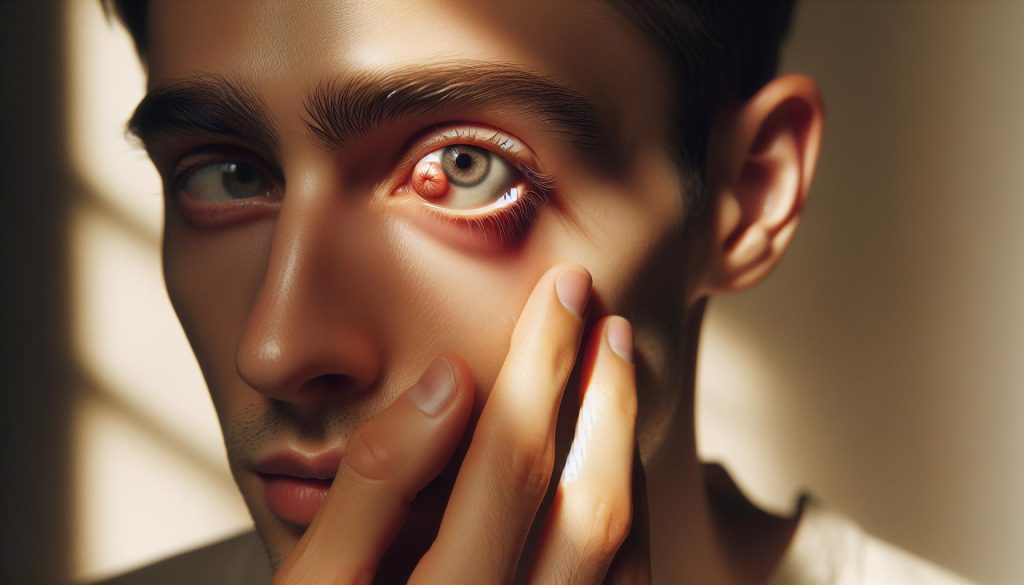
Did you know that the health of your eyes can be affected by a seemingly unrelated issue like a stye? While styes are often seen as minor nuisances, their connection to dryness or discomfort in your eyes might surprise you. Understanding this relationship is crucial, as many women struggle with both styes and dry eyes, leading to daily discomfort and skincare challenges.
In this article, we’ll delve into how a stye can potentially contribute to dry eyes, exploring the underlying mechanisms and offering insights into effective prevention strategies. With the interplay between eyelid health and tear production, it’s essential to recognize the signs and take steps to address both concerns. By the end, you’ll be equipped with knowledge and actionable tips to enhance your eye care routine and achieve lasting comfort. Keep reading to discover more about this surprising connection and how you can take control of your eye health!
Can a Stye Lead to Dry Eyes? Understanding the Connection
In the realm of eye health, it’s essential to understand the intricate connections between various conditions. When it comes to styes and dry eyes, the relationship is not straightforward. While a stye itself does not directly cause dry eyes, the underlying issues associated with styes can indeed contribute to the sensation of dryness and discomfort.
Styes, which are typically caused by an infection in the oil glands of the eyelids, lead to localized irritation and inflammation. This inflammation can disrupt the normal functioning of these glands, which are crucial for producing the oils that help maintain a healthy tear film. When the tear film is compromised due to poor oil production, your eyes may become dry, irritated, and uncomfortable. It’s essential to keep your eyelid area clean and free from irritants, as foreign materials like dust, pollen, or makeup can exacerbate both conditions.
To mitigate the risk of developing dry eyes after experiencing a stye, consider adopting a gentle eye care routine:
- Keep Your Eyelids Clean: Use a warm compress to relieve the stye and clean the eyelids gently with a diluted baby shampoo or eyelid scrub.
- Stay Hydrated: Drink plenty of water throughout the day to help maintain overall hydration, which is vital for tear production.
- Consider Your Environment: Use a humidifier in dry settings and reduce exposure to screens to avoid worsening dry eye symptoms.
- Consult with a Professional: If dry eye symptoms persist, consult an eye care professional for tailored advice and possible treatments.
By being proactive with your eye care, you can manage symptoms, protect against dryness, and promote overall eye health. Understanding these connections empowers you to make informed decisions that enhance your comfort and well-being.
The Science Behind Styes: Causes and Symptoms
The delicate structure of our eyelids holds a complex network of glands, primarily the meibomian glands, which are responsible for producing the oils essential for a stable tear film. A stye, often an infection of these glands, can significantly disrupt their normal function. Typically appearing as a painful, red bump on the eyelid, a stye is a result of bacteria or blockage that inflames these glands. This inflammation can lead to irritation not just of the eyelid, but also of the surrounding tissues-ultimately affecting your overall eye comfort.
When these oil glands are compromised due to infection, the production of oil necessary for moisture retention decreases. This insufficient oil production can hinder the tear film’s integrity, making it difficult for tears to adequately lubricate the surface of the eye. As a result, the eyes may start to feel dry, gritty, or scratchy, especially during activities like reading or screen time. Conversely, overproduction of tears may occur as the eyes try to compensate for the lack of oil, leading to a cycle of irritation that can exacerbate discomfort.
To address potential symptoms from a stye and their implications on dry eyes, it’s vital to adopt proactive eye care practices. Regularly applying warm compresses can help alleviate the infection while promoting better drainage from the affected glands. Additionally, maintaining eyelid hygiene through gentle washing can keep irritants at bay. Here are a few actionable steps to help manage your eye health:
- Warm Compresses: Apply to the affected eyelid for 10-15 minutes to reduce inflammation and encourage gland function.
- Daily Eyelid Care: Use diluted baby shampoo or specific eyelid scrubs to keep the area clean.
- Punctuality in Treatment: If a stye doesn’t resolve within a few days, seeking advice from an eye care professional is crucial.
Understanding the interplay between styes and dry eyes can empower you to take charge of your eye health. Address symptoms promptly, and consider simple changes to your routine that foster a healthier tear film, ultimately enhancing your eye comfort and clarity.
How Styes Impact Tear Production
When we think of eye health, we often overlook the importance of our eyelids and the tiny glands within them. The meibomian glands, located along the edges of our eyelids, play a crucial role in maintaining the moisture of our eyes by producing the oil essential for a healthy tear film. Unfortunately, when a stye forms-usually due to a bacterial infection or blockage in these very glands-it can disrupt this intricate balance, leading to noticeable discomfort and a potential for dry eyes.
A stye manifests as a red, painful bump on the eyelid, which is more than just an aesthetic concern. The inflammation associated with a stye can impair the meibomian glands’ oil production. Without adequate oils in the tear film, the eyes struggle to retain moisture, often resulting in dryness and irritation. This can make day-to-day activities, such as reading or using a computer, increasingly uncomfortable, as you may experience a gritty sensation or the persistent urge to blink. In some cases, the eyes might respond to the deficiency by overproducing watery tears in a misguided attempt to lubricate the eye, exacerbating the irritation further.
To mitigate these effects, adopting a proactive approach to eye care is essential. Incorporating regular warm compresses can provide pain relief and help clear blockages within the glands. Aim to apply a warm compress for about 10-15 minutes, several times a day, which can also facilitate better oil flow once the stye has started to heal. Additionally, practicing good eyelid hygiene by gently washing your eyelids with a diluted baby shampoo or a specifically formulated eyelid scrub can help keep bacteria at bay and support the recovery process.
Lastly, remember that ongoing discomfort or complications from a stye should never be ignored. If you notice that symptoms persist beyond a few days, seeking professional advice from an eye care specialist can help prevent further complications and ensure your eyes remain healthy and comfortable. By understanding how a stye affects tear production, you empower yourself to take actionable steps towards maintaining your eye health and overall well-being.
Are Styes a Sign of Underlying Eye Issues?
While styes may appear as isolated incidents, they can often serve as indicators of underlying eye issues that warrant your attention. These painful lumps, typically caused by bacterial infections or blockages in the meibomian glands, can signal larger problems relating to eyelid hygiene, gland function, or even chronic inflammation. If you find yourself experiencing recurrent styes, it might be worth considering whether there’s an underlying condition contributing to the problem.
Chronic conditions such as blepharitis-an inflammation of the eyelid margins-can make your eyelids more susceptible to infection, increasing the likelihood of developing styes. Individuals with a history of rosacea or seborrheic dermatitis are also at higher risk, as these skin conditions can aggravate eye health. It’s essential to be attentive to your body; any consistent pattern of stye occurrence could be a call to action, prompting a deeper evaluation of your eye care routine and lifestyle.
Practical Steps for Eye Care
In addition to seeking professional advice, integrating some simple eye care practices can help prevent the recurrence of styes. Consider these tips:
- Maintain eyelid hygiene: Regularly clean your eyelids with warm compresses or eyelid scrub pads to remove debris and oils that may clog the meibomian glands.
- Manage underlying skin conditions: If you have conditions like blepharitis or rosacea, work with a dermatologist to put an effective treatment plan in place.
- Reduce stress: Stress can exacerbate inflammatory conditions, so incorporating relaxation techniques into your routine can benefit not only your skin but your overall health.
- Consult an eye care specialist: If you notice frequent styes or persistent discomfort, don’t hesitate to schedule an appointment. A professional can offer tailored advice and treatments to help keep your eyes healthy.
Recognizing the signs and addressing potential underlying conditions can prevent future occurrences of styes, promoting better eye health in the long run. Empower yourself with knowledge and proactive care, making your eye health a priority as an integral part of your overall well-being.
Effective Treatments for Styes and Their Complications
Styes, while generally benign and self-limiting, can lead to discomfort and potential complications if not adequately managed. The primary effective treatments focus on alleviating symptoms and promoting healing of the affected area. At the forefront of these treatments is the application of warm compresses. This simple yet effective remedy helps reduce inflammation and encourages drainage of the stye, often providing fast relief. Applying a warm compress for about 10-15 minutes, several times a day, can be a game-changer in managing the discomfort associated with styes.
In addition to warm compresses, maintaining proper eyelid hygiene is crucial. Regularly cleaning the eyelids with mild soap or specialized eyelid scrub pads can help prevent the recurrence of styes by reducing debris and oil buildup that can clog the meibomian glands. Over-the-counter options such as antibiotic ointments may also be considered, especially if there are signs of secondary bacterial infection. However, these should ideally be used under the guidance of a healthcare professional.
For those who find themselves dealing with persistent or severe styes, it’s important to evaluate underlying causes. Conditions like blepharitis or other skin disorders can lead to repeated stye occurrences and might require a targeted treatment plan from a dermatologist. Awareness of the potential relationship between styes and chronic eye issues underlines the importance of addressing any recurrent symptoms, reinforcing the need for proactive care in your eye health regimen.
Ultimately, being attentive to your body and implementing a regimen of good eyelid hygiene, alongside home treatments, can significantly enhance healing and prevent complications. Consider the inclusion of omega-3 fatty acids in your diet as well, as these may support overall eye health and help reduce inflammation, while also potentially alleviating dry eye symptoms associated with stye complications. Remember, while most styes resolve on their own, maintaining an open dialogue with a healthcare provider can ensure that you’re taking the best steps forward for your eye health.
Dry Eyes: Causes, Symptoms, and Remedies
Experiencing dry eyes can be frustrating, especially when you’re unsure about its causes and how to effectively manage them. One often-overlooked connection is the potential impact of styes. While styes themselves are localized infections at the base of the eyelashes, they can lead to inflammation that affects tear production, thereby contributing to dryness. Understanding the factors that cause dry eyes, recognizing their symptoms, and exploring remedies can empower you to take control of your eye health.
Several factors can lead to dry eyes, including environmental conditions like wind and smoke, prolonged screen time, certain medications, and underlying health issues such as allergic conditions. Styes can further complicate the situation by irritating the eyelids and potentially disrupting the normal functioning of the meibomian glands, which are crucial for maintaining a healthy tear film. Symptoms of dry eyes typically include a scratchy sensation, redness, blurred vision, and a feeling of grittiness, which are inconvenient and can affect daily activities.
To manage and alleviate dry eye symptoms, several remedies can be beneficial. Regularly using artificial tears can help maintain moisture levels. Moreover, maintaining eyelid hygiene is vital; gently cleansing the eyelids with a warm washcloth or specially formulated eyelid scrub pads can decrease irritation and promote healthier tear production. If lifestyle and over-the-counter remedies don’t bring relief, it’s wise to consult an eye care professional who may recommend prescription treatments or suggest lifestyle modifications tailored to your needs.
In addition to these interventions, integrating omega-3 fatty acids into your diet has shown promise in enhancing eye health and reducing inflammation associated with both dry eyes and styes. Aim to include sources like fish, flaxseeds, and walnuts in your meals, as they can support overall eye comfort and function. By understanding the intricate relationship between styes and dry eyes, and employing proactive strategies, you can navigate these challenges and enjoy clearer, more comfortable vision.
Preventing Styes: Essential Eye Care Practices
Preventive measures are crucial for maintaining eye health and avoiding the discomfort of styes, which can aggravate dry eyes. One essential practice is maintaining eyelid hygiene. Regularly cleaning your eyelids can help remove debris and oils that can clog the meibomian glands, the same glands responsible for producing the oils that prevent tear evaporation. Use a warm washcloth or eyelid scrub pads specifically designed for this purpose, making it a part of your daily routine, especially if you wear makeup regularly.
Another important aspect of prevention is being mindful of your environment. Dust, smoke, and other pollutants can irritate your eyes. Whenever possible, protect your eyes by wearing sunglasses outdoors and avoiding rubbing your eyes. Limiting exposure to bright screens can also help; remember the 20-20-20 rule. Every 20 minutes, take a 20-second break to look at something 20 feet away, which can reduce eye fatigue and irritation.
Proper diet plays a significant role in eye health as well. Incorporating omega-3 fatty acids found in fish like salmon, flaxseeds, and walnuts can help maintain optimal tear production and reduce inflammation in your eyes. Staying hydrated is equally important; drinking enough water daily supports overall eye hydration and health.
Finally, regular visits to an eye care professional can catch potential issues early. They can provide personalized advice tailored to your unique situation, ensuring that your eye health remains a priority. By integrating these practices into your daily life, you can reduce your risk of developing styes and mitigate the impact they may have on dry eyes, leading to clearer and more comfortable vision.
Home Remedies for Styes and Dry Eyes
Sometimes, a simple stye can lead to a cascade of discomfort, making your eyes feel dry and irritated. While styes are typically harmless, they can disrupt the sensitive balance of your eyes’ moisture levels, resulting in dryness. Thankfully, there are several effective home remedies you can employ to alleviate both styes and dry eyes.
One of the best-known remedies for treating styes involves applying warm compresses to the affected area. This technique helps to reduce inflammation and promote healing. Soak a clean cloth in warm (not hot) water, gently wring it out, and place it over your closed eye for about 10-15 minutes. This can be done several times a day to soothe irritation and encourage drainage. For dry eyes, consider using lubricating eye drops or over-the-counter artificial tears, which can provide immediate relief and help maintain moisture in your eyes.
Incorporating certain foods into your diet can also work wonders for eye health. Foods rich in omega-3 fatty acids, such as salmon, chia seeds, and walnuts, can help bolster tear production and reduce inflammation. Staying hydrated by drinking plenty of water throughout the day is crucial as well, as this supports overall eye moisture and health.
Remember, maintaining proper eyelid hygiene is key. Cleaning your eyelids with a gentle eyelid scrub or diluted baby shampoo on a cotton pad can help remove debris and prevent clogged glands, which can worsen both styes and dry eye symptoms. Integrating these simple yet effective practices into your daily routine can lead to a healthier eye environment, reducing the likelihood of future styes and alleviating dry eye discomfort.
When to Seek Professional Help for Eye Concerns
Experiencing persistent discomfort in your eyes can be concerning, especially when dealing with styes or symptoms of dry eyes. While many styes resolve on their own, understanding when it’s time to seek professional help is crucial for your eye health. If you notice a stye that lasts longer than a week, seems to worsen, or is accompanied by significant pain or vision changes, it’s wise to consult an eye care professional. They can evaluate the severity of the condition and recommend appropriate treatments.
Additionally, if your eye irritation is accompanied by signs of infection-such as redness spreading beyond the stye, pus discharge, or fever-it’s essential to seek medical advice promptly. These symptoms might indicate a more serious infection that requires antibiotics or further intervention. If you frequently experience styes, connecting with your eye doctor may help identify underlying issues, such as blepharitis or meibomian gland dysfunction, which could be contributing to both styes and dry eyes.
For those already managing dry eye symptoms, watch for signs indicating that the condition is becoming chronic or more severe. If home remedies like warm compresses or artificial tears fail to provide relief and your eyes continue to feel dry, gritty, or painful, professional evaluation can guide you toward more effective treatments and help prevent potential damage to your eye’s surface.
Finally, never underestimate how your overall health impacts eye conditions. Systemic issues, such as autoimmune diseases or hormonal fluctuations, may contribute to both styes and dry eyes. Bringing up these concerns during your appointment can lead to a comprehensive approach to your eye care, ensuring both your symptoms are addressed holistically. Your eyes deserve the best care, so don’t hesitate to reach out if concerns arise.
The Role of Nutrition in Eye Health
Proper nutrition plays a crucial role in maintaining eye health, and certain dietary choices can greatly influence the occurrence of styes and dry eyes. Foods rich in vitamins and antioxidants can help promote good vision and protect against inflammation. For example, a diet high in omega-3 fatty acids, commonly found in fish like salmon and walnuts, is noteworthy not only for its heart-healthy benefits but also for its ability to reduce dry eye symptoms by supporting tear production.
Adding a variety of colorful fruits and vegetables to your meals can also enhance eye health. Foods packed with vitamins A, C, and E, such as carrots, spinach, and oranges, help protect the eyes from oxidative stress. Particularly, vitamin A is essential for maintaining the health of the cornea, which is vital in preventing irritation that could lead to styes or exacerbate existing dry eye conditions. Consider incorporating foods like sweet potatoes, kale, and berries into your diet for a powerful antioxidant boost that supports both eye and overall health.
Moreover, hydration is equally important. Sufficient fluid intake helps maintain tear production, which is essential for keeping the eyes lubricated and free from irritation. Aim to drink plenty of water throughout the day, and include hydrating foods like cucumbers and watermelon in your diet. Balancing your intake of nutrients while being mindful of hydration can significantly contribute to minimizing the risks associated with styes and dry eyes.
In summary, embracing a nutrient-rich diet not only nourishes your body but also serves as a preventive strategy against eye health issues. By being mindful of what you eat and ensuring proper hydration, you can take meaningful steps toward promoting optimal eye health and reducing discomfort from conditions like styes and dry eyes.
Debunking Myths: Styes, Dry Eyes, and Overall Eye Care
Understanding the intricate connection between styes and dry eyes can empower you to take proactive steps in managing your eye health. One common myth is that styes, those painful red bumps along the eyelid, directly lead to dry eyes. In reality, while they are often associated with eyelid inflammation and blocked oil glands, styes themselves do not cause dry eyes. Dry eyes typically arise from various factors, including environmental conditions, prolonged screen time, and underlying health issues. Therefore, it’s crucial to distinguish between the two while recognizing that maintaining good eyelid hygiene can help reduce the risk of styes, which in turn may help preserve eye moisture.
Many women wonder whether there are specific practices to prevent these conditions. Strong evidence suggests that proper hydration and nutrition play critical roles in both preventing styes and promoting optimal tear production. Foods rich in omega-3 fatty acids, such as salmon and walnuts, are particularly beneficial not just for eye moisture but also for overall health. Additionally, focusing on hydration by consuming ample water and hydrating foods-like cucumbers and oranges-can significantly enhance tear production and combat dryness.
Regular eyelid care is also paramount. Incorporating a gentle cleaning routine for your eyelids can help reduce the chances of developing styes while keeping your eyes feeling fresh and hydrated. For instance, using a warm compress to soothe eyelids can open clogged glands and promote a healthy oil layer in tears, which is essential for moisture retention.
In summary, embracing positive eye care habits is fundamental to your overall health strategy. By understanding the nuances of conditions like styes and dry eyes, and adopting comprehensive prevention techniques, you can support your vision and boost your confidence in your eye health journey.
Maintaining Healthy Eyes: Tips Beyond Stye Prevention
Maintaining optimal eye health is essential, especially when navigating the challenges of styes and the discomfort of dry eyes. Simple yet effective changes to your daily routine can significantly enhance your eye health and prevent these common issues. Incorporating small habits, such as regular breaks during screen time, can profoundly impact your tear production and moisture levels. The 20-20-20 rule is a fantastic guideline: every 20 minutes, take a 20-second break to look at something 20 feet away. This not only gives your eyes a moment to rest but also helps reduce fatigue that can contribute to dryness.
Hydration and Nutrition for Eye Health
Good hydration is critical for maintaining eye moisture. Aim to drink an adequate amount of water throughout the day, and consider consuming foods rich in omega-3 fatty acids, which play a vital role in producing healthy tears. Include foods like salmon, flaxseeds, and walnuts in your diet, as these can bolster your oil glands in the eyelids, ensuring a good oil layer on your tears. Additionally, fruits and vegetables with high water content, such as cucumbers and oranges, help keep you hydrated and support overall eye health.
Establishing a Gentle Eye Care Routine
An effective eye care routine can greatly reduce the likelihood of styes and dryness. Implementing a nightly routine that includes cleaning your eyelids with a gentle eyelid scrub or warm compress can help unclog oil glands and maintain a healthy environment for your eyes. To do this, soak a clean cloth in warm water, wring out excess moisture, and place it over your closed eyelids for a few minutes. This not only soothes the eyelids but also promotes oil flow from the glands.
Furthermore, maintain proper hygiene with your contact lenses. Always wash your hands before handling lenses, and ensure that they are cleaned and stored as directed. Additionally, consider limiting the time you wear contacts, allowing your eyes to breathe and reducing the risk of irritation that leads to dryness.
Environmental Factors and Eye Protection
Be mindful of the environments you expose your eyes to. Dry or windy conditions can exacerbate dryness, so consider wearing sunglasses or protective eyewear when outdoors. Indoor environments can also impact eye moisture, particularly air-conditioned or heated spaces. Using a humidifier in your home can help maintain moisture in the air, providing relief to your eyes.
By adopting these tips and making informed decisions about your daily habits, you can effectively manage your eye health. Taking proactive steps not only minimizes the risk of styes and dryness but also enhances your overall comfort and well-being. Remember, taking care of your eyes is an integral part of your self-care routine-your vision deserves it!
Frequently asked questions
Q: Can a stye lead to dry eyes?
A: A stye itself does not directly cause dry eyes, but the irritation and inflammation from a stye can contribute to discomfort and disruption in tear production, thus potentially leading to dry eye symptoms. Maintaining eye hygiene and seeking treatment for a stye can help alleviate these issues.
Q: What are the signs that a stye is affecting my eyes?
A: Signs a stye may be affecting your eyes include increased redness, swelling, tenderness around the eyelid, blurred vision, and a burning sensation. If you experience persistent symptoms, consult an eye care professional for guidance.
Q: Why are styes commonly associated with dry eyes?
A: Styes can be associated with dry eyes because both conditions may result from inflammation and gland dysfunction, such as clogged meibomian glands. Inflammation from a stye could exacerbate dry eye symptoms by impacting tear production and stability.
Q: How can I prevent both styes and dry eyes simultaneously?
A: To prevent both conditions, practice good eyelid hygiene, use warm compresses regularly, stay hydrated, and avoid irritants. Regularly cleaning your eyelids can help ensure meibomian glands function well, minimizing the risk of styes and dry eyes.
Q: When should I seek help for a stye or dry eyes?
A: You should seek medical help if a stye does not improve within a few days, worsens, or is accompanied by significant pain or vision changes. For dry eyes, consult a professional if symptoms persist despite home remedies.
Q: Can lifestyle changes improve both stye and dry eye symptoms?
A: Yes, lifestyle changes such as a balanced diet rich in omega-3 fatty acids, adequate hydration, reducing screen time, and managing allergies can improve symptoms of both styes and dry eyes. Regularly practicing eye care is crucial for maintaining overall eye health.
Q: Are there specific home remedies for styes and dry eyes?
A: Home remedies for styes include warm compresses to ease discomfort and promote drainage. For dry eyes, using artificial tears and staying hydrated can be beneficial. Both strategies can be complementary, addressing symptoms effectively.
Q: What role do nutrition and hydration play in preventing styes and dry eyes?
A: Adequate hydration and a diet rich in nutrients, especially omega-3 fatty acids, support eye health by improving tear production and reducing inflammation. This helps prevent both styes and dry eye symptoms, promoting overall ocular comfort.
Final Thoughts
If you found the connection between styes and dry eyes surprising, you’re not alone. Many people struggle with these seemingly unrelated issues, and understanding them can empower you to take control of your eye health. Remember, regular eye care routines, such as warm compresses or moisturizing eye drops, can make a significant difference. If you’re eager to learn more, check out our guides on effective eye care practices and potential remedies for dry eyes linked below.
To stay informed on women’s health and beauty tips, consider signing up for our newsletter. And don’t hesitate to explore topics like “Natural Remedies for Eye Care” or “Skincare Routines for Sensitive Eyes” for more valuable insights. Your well-being matters, and by prioritizing eye health, you’re taking a proactive step for yourself. Share your thoughts or questions in the comments-we’re here to support you on this journey!