A stye, often appearing as a painful bump along the eyelash line, can lead to swelling around the eye, amplifying discomfort and concern. Understanding this common eyelid infection is vital, as it can signal deeper issues and affect your daily life. Many women worry about the appearance and irritation caused by a stye, but the good news is that effective solutions exist.
In this article, we’ll explore the connection between styes and surrounding swelling, addressing your concerns about the condition. Equipped with expert advice and actionable tips, you’ll learn how to manage symptoms, alleviate discomfort, and prevent future occurrences. Continue reading to empower yourself with knowledge that can improve your eye health and beauty routine.
Causes of Swelling Around the Eye from a Stye
A stye, known medically as a hordeolum, often brings about not just discomfort but also noticeable swelling around the eye. This condition arises when the oil glands at the base of the eyelashes become blocked and infected. As the body responds to this infection, inflammation occurs, leading to an accumulation of fluid and immune cells, which manifests as swelling.
When a stye forms, the area around the eyelid may become red and puffy. This swelling is primarily due to the body’s natural defense mechanisms working to combat the infection. The increased blood flow to the area is intended to deliver white blood cells that fight off the bacteria causing the stye. In some cases, the swelling can extend beyond the eyelid itself, affecting adjacent areas and creating a more pronounced appearance of puffiness around the eye.
Understanding this process emphasizes the importance of patience during recovery. While the swelling from a stye can be alarming, it is typically a temporary condition that improves with proper care. Applying warm compresses can help soothe the area, reduce swelling, and encourage drainage of the clogged gland. Additionally, maintaining good eye hygiene by gently cleansing the eyelid area can prevent further irritation.
Moreover, certain risk factors can exacerbate swelling, such as rubbing your eyes or using old, contaminated cosmetics. Being mindful of these habits can not only alleviate current symptoms but also prevent future occurrences. When symptoms persist or worsen, it’s crucial to consult a healthcare professional to rule out other conditions that may imitate or accompany styes.
Understanding the Symptoms of a Stye
Experiencing a stye can feel quite alarming, especially when it manifests as a red, painful lump on your eyelid. Understanding the symptoms is crucial for identifying and effectively managing this common condition. Typically, a stye begins as a tender bump on the outer or inner eyelid, often accompanied by discomfort that can range from mild irritation to significant pain. You may also notice an increase in redness and swelling around the eyelid, which occurs due to inflammation and the body’s immune response to the infection.
In addition to the visible lump, you might experience other symptoms such as increased sensitivity to light, excessive tearing, and a gritty sensation in the eye. These symptoms are not only uncomfortable but can also hinder daily activities, making it essential to pay attention to the signs your body is giving you. While styes are generally harmless and resolve on their own, the experience of discomfort can be concerning.
Recognizing how styes can develop is also key. They arise from clogged oil glands at the base of the eyelashes, typically due to bacterial infections. If you begin to see a lump forming, it’s advisable to avoid squeezing or trying to pop it, as this can worsen the infection or lead to complications. Instead, apply warm compresses to the affected area for about 10-15 minutes several times a day. This simple home remedy helps to alleviate pain, encourage drainage, and promote healing.
Educating yourself on these symptoms allows for timely action and helps you avoid potential complications. If your stye does not improve within a few days or if the pain and swelling increase, consulting a healthcare professional is vital to rule out other underlying conditions and to receive the appropriate treatment, ensuring your eye health is carefully maintained.
How a Stye Forms: The Basics Explained

A stye forms when one of the small oil glands located at the base of your eyelashes becomes clogged, often leading to a bacterial infection. This situation can be triggered by several factors, including poor eyelid hygiene, touching your eyes with dirty hands, or even using expired makeup. When the gland becomes blocked, inflamed, and infected, it can lead to the characteristic painful bump that many of us recognize as a stye. Understanding this process is crucial, as it empowers you to take preventive measures and manage symptoms effectively.
In a healthy state, these oil glands keep your eyes lubricated and free from irritants. However, when bacteria such as *Staphylococcus* enter the glands, they multiply and cause inflammation, resulting in swelling and redness around the eyelid. The body naturally responds to the infection by sending immune cells to the area, which can create increased swelling and discomfort as the body works to heal the affected site. The stye may grow over a few days, causing sensitivity and irritation, and in some cases, acute pain.
To combat styes effectively, regular eye care and hygiene are fundamental. Implementing a few simple steps in your daily routine can help minimize the risk of developing styes. These include:
- Maintaining Clean Eyelids: Use a gentle eyelid scrub or mild tears to cleanse your eyelids regularly, especially after wearing makeup.
- Hand Hygiene: Wash your hands frequently, particularly before touching your face or eyes.
- Safe Makeup Practices: Avoid sharing cosmetics, and refrain from using products past their expiration date.
By adopting these practices, you can significantly reduce the risk of developing styes and maintain better eye health overall. Recognizing how a stye forms not only helps in prevention but also facilitates early identification and treatment, leading to quicker relief from discomfort.
The Connection Between Styes and Eye Swelling
Swelling around the eyes can often feel alarming, especially when it accompanies a stye. This phenomenon occurs due to the body’s natural inflammatory response to the infection of the oil glands in the eyelid. When a stye develops, generally caused by bacteria like Staphylococcus, it can not only create a painful bump but also trigger surrounding tissues to become inflamed. As your immune system reacts to fight the infection, the area around the stye often becomes red, warm, and swollen, creating discomfort and potentially impacting your daily activities.
When you experience a stye, the infected gland, usually located at the base of the eyelashes, may produce pus as the immune response intensifies, leading to localized swelling. This is a typical sign that your body is attempting to heal itself, but the discomfort associated with swelling-often exacerbated by touching or rubbing the eyes-can feel quite unpleasant. It’s essential to remember that while the visible swelling may be concerning, it’s a natural part of the body’s healing process. However, if you notice that the swelling spreads beyond the eyelid or is accompanied by worsening pain, it may be indicative of a more serious condition requiring medical evaluation.
Addressing the swelling effectively can often be managed at home through simple remedies. Applying a warm compress to the affected area can promote drainage and reduce inflammation. Simply soak a clean cloth in warm water, wring it out, and place it gently on the swollen area for about 10-15 minutes, several times a day. This method not only helps alleviate pain but also encourages healing by soothing the inflamed tissue. Additionally, ensure that you practice good eyelid hygiene by keeping the area clean and avoiding touching or rubbing your eyes, as this can worsen the swelling or introduce more bacteria.
If swelling persists or you have recurrent styes, it may be a sign to consult with an eye care professional. They can provide tailored advice and treatment options that will best suit your health needs, ensuring your eyes remain healthy and your confidence intact. Understanding empowers you to respond appropriately and take control of your eye health.
Home Remedies for Stye-Related Swelling
Applying simple and natural home remedies can significantly alleviate stye-related swelling, bringing comfort and aiding in the healing process. Many people find that a warm compress is one of the most effective and accessible solutions to manage swelling and discomfort. This technique not only helps soothe the affected area but also promotes better drainage of pus, which can expedite recovery. Here’s how to effectively use this approach:
- Warm Compress: Soak a clean cloth in warm water, wring out the excess, and gently place it on the swollen area for about 10-15 minutes. Repeat this several times a day. The warmth increases blood circulation and can help reduce inflammation, providing relief while aiding your body’s natural healing.
In addition to warm compresses, maintaining proper eyelid hygiene is essential. Gently cleansing the eyelid can help prevent the accumulation of bacteria that can exacerbate styes. Here are a few tips for effective eyelid care:
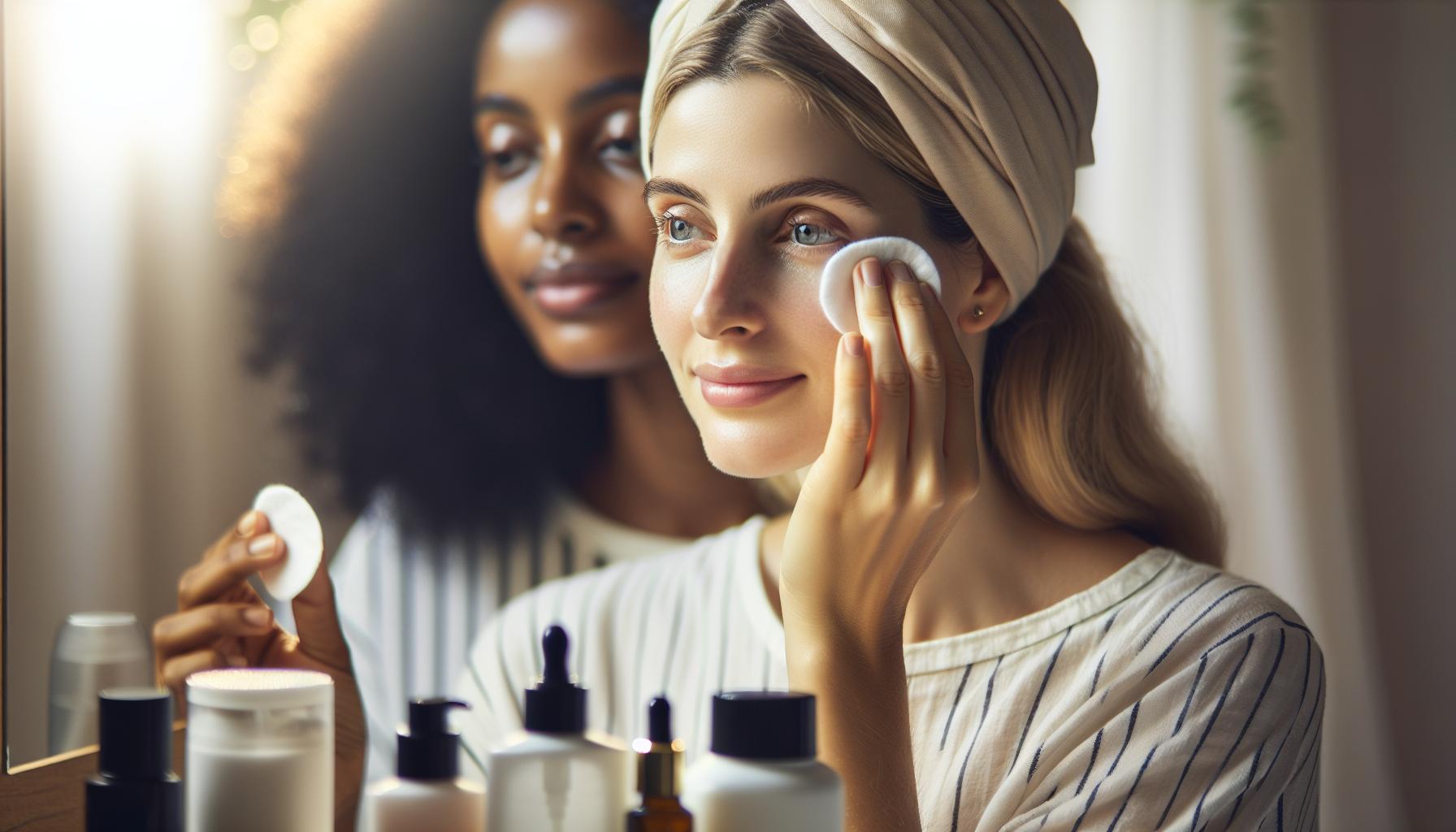
- Gentle Cleansing: Use a mild soap or eyelid scrub specifically designed for sensitive skin. Apply it gently to the eyelid using a clean, soft cloth or a cotton pad. This can help remove any crust or debris that may have built up and promote healing.
To further enhance your at-home care, consider incorporating these additional remedies:
- Tea Bags: Green or chamomile tea bags can also serve as soothing compresses. After steeping the tea bag in hot water, allow it to cool slightly before placing it over the stye for about 10-15 minutes. The antioxidants and anti-inflammatory properties in certain teas can provide added relief.
- Aloe Vera Gel: Known for its soothing properties, applying a small amount of aloe vera gel around the stye – without getting it directly in the eye – can help reduce swelling and irritation.
- Apple Cider Vinegar: Diluted apple cider vinegar can aid in reducing inflammation. Mix one part apple cider vinegar with two parts water, and using a clean cotton ball, gently dab the mixture on the affected area. Be cautious to avoid contact with the eyes and rinse thoroughly afterward.
Remember, while these home remedies can be effective, it’s important to listen to your body. If swelling persists or you experience increased pain, consult a healthcare professional for further evaluation. Taking proactive steps at home can empower you in managing your eye health and ensuring a swift recovery from styes and their related discomforts.
Professional Treatments for Styes and Swelling
For many, a stye can be a bothersome experience, but understanding the professional treatments available can provide relief and reassurance. When home remedies no longer suffice, or if the stye persists, seeking professional help is essential. Healthcare providers have several approaches to treat styes effectively, ensuring that inflammation and swelling are managed appropriately.
Diagnosis typically starts with a thorough examination of your eye by an eye care professional. They will evaluate the stye and assess the surrounding swelling to determine the best course of action. One common professional treatment involves antibiotic ointments or drops, which can help fight the infection causing the stye. In some cases, healthcare providers may prescribe oral antibiotics if the infection spreads or is more severe.
In instances where the stye does not respond to medication, or if it’s particularly large or painful, a healthcare provider may recommend drainage. This minor procedure involves making a small incision in the stye to allow the pus to escape, thus providing almost immediate relief. It’s a simple process that typically requires minimal recovery time and can significantly reduce swelling.
Follow-Up Care
Post-treatment care is crucial for proper healing. Following your provider’s advice on eye care and hygiene is vital. Keeping the eyelid clean can prevent further infections. Additionally, if drainage has occurred, warm compresses can still be beneficial in promoting healing. It’s important to monitor for any signs of complications, such as worsening pain or increased redness, and to follow up with your healthcare provider as needed.
In summary, while styes can indeed cause swelling around the eye, professional treatments like antibiotics and drainage can offer significant relief. Understanding these options empowers you to take control of your eye health, ensuring timely and effective care.
Preventing Styes: Tips for Healthy Eyes
Maintaining eye health is not just about reacting to problems like styes; it’s also about proactive prevention. Did you know that simple daily habits can significantly reduce your risk of developing styes and other eye-related issues? By incorporating effective eye care practices into your routine, you can help keep your eyes healthy and comfortable.
To begin with, proper hygiene is your most powerful ally. Make it a habit to wash your hands before touching your face or eyes. Oil and bacteria from your hands can easily be transferred to your eyelids, leading to clogged glands and potential infection. Additionally, avoid sharing personal items like towels and makeup with others to minimize exposure to bacteria.
Another essential measure is to regularly clean your eyelids. Using a gentle cleanser or eyelid scrub can help remove debris and prevent blockages in the oil glands. Look for products that are specifically designed for eyelid hygiene, or you can simply use diluted baby shampoo. Apply it gently, ensuring you do not irritate the eyes, and rinse thoroughly.
Consider your makeup routine as well. If you wear eye makeup, be sure to replace your products regularly-mascara, for instance, should be replaced every three months. Always remove all makeup before bed to prevent residue from clogging your glands overnight. When applying makeup, keep brushes and applicators clean to reduce the risk of transferring bacteria.
It’s also important to pay attention to your diet. A diet rich in antioxidants, omega-3 fatty acids, and vitamins A and E supports overall eye health. Foods like carrots, spinach, fatty fish, and nuts can help maintain healthy tear production and reduce inflammation.
Lastly, be mindful of environmental factors that can impact eye health. Protect your eyes from excessive sunlight by wearing sunglasses with UV protection, and try to limit exposure to irritants like smoke or pollution. If you wear contact lenses, ensure you follow proper care and hygiene protocols to reduce the risk of infection.
By prioritizing these easy yet effective practices, you can significantly lower your chances of experiencing styes and enjoy healthier, happier eyes. Embracing these routines not only helps avoid discomfort but also enhances your overall well-being-in both beauty and health.
When to Seek Medical Attention for Eye Swelling
Persistent swelling around the eyes can be alarming, especially when stemming from conditions like a stye. While many styes may resolve on their own with proper home care, certain signs indicate it’s time to consult a healthcare professional. Recognizing when self-care isn’t sufficient is key to avoiding complications.
If you experience significant swelling that doesn’t improve within a few days or continues to worsen, it’s crucial to seek medical advice. Accompanying symptoms like fever, increased pain, sensitivity to light, or worsening vision should also prompt immediate consultation. These indicators may suggest that the infection is spreading or has developed into a more serious condition, such as cellulitis, which requires prompt treatment to prevent complications.
In some cases, the swollen area may become increasingly warm, red, or pus-filled. A stye that becomes large or hard and doesn’t drain could necessitate professional intervention. Your healthcare provider may choose to drain the stye or prescribe antibiotics if there’s a bacterial infection that isn’t responding to home treatment.
It’s crucial to listen to your body and respond proactively. Ignoring symptoms can lead to a more complicated recovery process. By seeking timely medical attention when faced with these signs, you can ensure a swift and safe resolution to your eye concerns and maintain optimal eye health.
Myths and Facts About Styes and Eye Health
It’s a common misconception that styes are simply decorative nuisances. Many people fear that a stye is something shameful or indicative of poor hygiene. In reality, styes are quite prevalent-nearly anyone can experience one at some point, regardless of their cleanliness. This is primarily due to a bacterial infection of the oil glands in the eyelid, which can happen to anyone, even those with meticulous eye care routines.
Another myth is that styes can spread from person to person, leading to widespread panic. However, styes are not contagious; they result from a distinct bacterial infection related to individual skin conditions or poor eyelid hygiene, rather than being a infectious disease. It’s vital to maintain proper hygiene, as touching or rubbing the eyes can introduce bacteria, but rest assured that being near someone with a stye won’t cause you to develop one.
Some may believe that once a stye appears, it should be popped like a pimple for relief. This is misleading. Squeezing or attempting to drain a stye yourself can introduce more bacteria and worsen the infection. Instead, applying a warm, moist compress several times daily can facilitate drainage naturally and reduce swelling.
Lastly, many assume that all eye bumps are styes. While styes are certainly common, other conditions, such as chalazia or allergic reactions, can cause lump-like swellings. Understanding these differences is crucial, as the treatments vary significantly. For optimal eye health, distinguishing between conditions, maintaining a proper hygiene routine, and seeking professional guidance when necessary are essential steps to ensure healthy and beautiful eyes.
Comparing Styes to Other Eye Conditions
A stye, though common, can sometimes be confused with other eye conditions that produce similar symptoms, such as bumps or swelling around the eyes. Understanding these differences can be crucial for appropriate treatment and care. For instance, a chalazion may present with swelling in the eyelid, but unlike a stye, which is painful and often red due to infection, a chalazion is typically painless and occurs when a blocked oil gland becomes inflamed rather than infected. Recognizing this distinction can help individuals choose more effective home remedies or determine when professional intervention is necessary.
Another condition to consider is blepharitis, which is inflammation of the eyelid margins and can cause red, swollen eyelids with flaky skin. Unlike a stye, blepharitis may also accompany symptoms such as itching or burning, leading to persistent discomfort. This condition often stems from oily skin, bacterial growth, or even seborrheic dermatitis, and requires a different approach involving eyelid hygiene and possibly medicated ointments.
Those who experience allergies can similarly develop swelling and redness around the eyes, which may mimic styes or chalazia. Allergic reactions may lead to itchy, watery eyes and general swelling which can be alleviated with antihistamines or cold compresses, contrasting significantly with stye treatments.
Understanding these differences not only empowers women with the knowledge to identify their symptoms more accurately but also promotes the right care strategies. Here’s a quick reference table to further clarify these conditions:
| Condition | Symptoms | Treatment |
|---|---|---|
| Stye | Painful, red bump on eyelid | Warm compress, avoid squeezing |
| Chalazion | Painless bump, swelling | Warm compress, possible incision for drainage |
| Bacterial Conjunctivitis | Redness, discharge, tearing | Antibiotic eye drops |
| Bacterial Blepharitis | Itchy, red eyelids, crusted flakes | Eyewash, medicated ointments |
| Allergic Reaction | Itchy, watery eyes, swelling | Antihistamines, cool compresses |
In conclusion, being informed about the various eye conditions helps prioritize health and maintain beauty routines effectively. When faced with symptoms, assess them carefully and consider the context of your overall health and hygiene practices.
Caring for Your Eyes After a Stye
After experiencing a stye, proper care is essential to support your healing process and prevent future occurrences. A stye is not only uncomfortable but can also leave your eyelid sensitive for some time. Establishing a gentle routine can significantly aid in recovery while also maintaining your overall eye health.
Start with warm compresses, as they are one of the most effective ways to encourage drainage and alleviate discomfort. Soak a clean cloth in warm water, wring it out, and gently place it over your closed eyelid for about 10 to 15 minutes, several times a day. This practice can help to reduce swelling and soothe irritation. Remember to always use a clean cloth to prevent any additional bacteria from entering your eye area.
In addition to warm compresses, maintaining good hygiene is critical. Thoroughly wash your hands before touching your face or applying any treatments. Keep your eyelids clean by using a mild eyelid scrub or diluted baby shampoo. Gently wipe the eyelid margins to remove any debris or crust that may accumulate during healing. Avoid makeup and skincare products around your eyes until completely healed, as these can irritate the area or contribute to further infections.
Ensure your diet supports your recovery by focusing on anti-inflammatory foods rich in omega-3 fatty acids, vitamins A and C, and antioxidants. Incorporating foods like salmon, spinach, berries, and nuts can help your body repair itself more efficiently. Staying well-hydrated is also crucial, so aim to drink plenty of water throughout the day.
Lastly, compare symptoms in the healing process. If swelling persists or worsens, or if you notice increased redness, pain, or discharge, don’t hesitate to consult a healthcare professional. Prompt attention can prevent complications and help maintain your eye health. Your eyes deserve the best care, especially after a stye!
Expert Advice: Maintaining Eye Hygiene
Maintaining eye hygiene is crucial, especially if you’re dealing with the discomfort of a stye. A stye, characterized by a red, swollen bump on the eyelid, can be exacerbated by improper hygiene practices. To ensure your eyes remain healthy and the risk of recurrence is minimized, consider implementing the following steps in your daily routine.
Start by washing your hands thoroughly with soap and water before touching your face or eye area. This simple yet effective measure can significantly reduce the transfer of bacteria that might trigger infections. When cleaning your eyelids, opt for a gentle approach. You can use mild eyelid scrubs available at pharmacies or create your own solution using diluted baby shampoo. Gently scrub along the eyelid margins where oils and debris might accumulate. It’s essential to remember to use a different clean cloth for each eye to avoid cross-contamination.
Here are some additional tips to maintain eye hygiene:
- Avoid eye makeup: Until your stye has completely healed, refrain from wearing eye makeup. Products can irritate the eyelid and potentially trap bacteria, prolonging recovery.
- Change pillowcases regularly: Clean pillowcases can help prevent the spread of bacteria that might lead to eye infections. Consider washing them every few days.
- Use clean towels: Always use a clean towel for your face, and avoid sharing towels with others to prevent infection.
- Stay hydrated: Drinking plenty of water supports overall skin health, including that around your eyes.
By prioritizing these habits, not only will you promote healing, but you’ll also empower yourself with the knowledge to maintain good eye health. If you notice persistent symptoms after a stye or if new issues arise, don’t hesitate to reach out to a healthcare professional for guidance. Your eyes deserve attentive care, ensuring they remain vibrant and free from discomfort.
Faq
Q: Can a stye cause swelling in other parts of the eye?
A: Yes, a stye can lead to swelling in surrounding areas, including the eyelid and potentially the surrounding skin. This occurs due to inflammation and irritation caused by the infection. For relief, apply warm compresses to reduce swelling, and consider over-the-counter pain relief if needed.
Q: How long does swelling from a stye last?
A: Swelling from a stye typically lasts 3 to 7 days as the stye matures and resolves. If swelling persists beyond this period or worsens, it’s advisable to consult a healthcare professional for further evaluation and treatment options.
Q: What other conditions can mimic stye-related swelling?
A: Other conditions such as chalazia, blepharitis, or even allergic reactions can cause similar swelling around the eye. It’s essential to differentiate between these conditions through a proper diagnosis, especially if swelling does not improve with home care.
Q: When should I see a doctor for a stye?
A: You should seek medical attention if swelling worsens, affects vision, or does not improve within a week. Additionally, if you experience fever, severe pain, or repeated styes, it’s important to consult a healthcare provider.
Q: Are there any complications from a stye that can cause further swelling?
A: Yes, complications such as the development of an abscess or cellulitis can occur, leading to increased swelling and redness. Prompt medical intervention is necessary if these symptoms arise to prevent further complications.
Q: Can allergies cause similar swelling near the eye as a stye?
A: Yes, allergies can cause swelling around the eye, which may resemble that of a stye. Identifying additional allergy symptoms, such as itching or redness, can help distinguish between the two and guide appropriate treatment.
Q: What are the most effective home treatments for stye-related swelling?
A: Warm compresses are the most effective at-home treatment for reducing stye-related swelling. Applying a clean, warm cloth to the eye for 10-15 minutes multiple times a day can help alleviate discomfort and promote drainage.
Q: Is it safe to wear makeup with a stye?
A: It’s advisable to avoid wearing makeup while you have a stye, as it can irritate the affected area further and introduce bacteria, potentially worsening the condition. Prioritize proper eye hygiene during this time.
In Summary
If you’ve been wondering, “Can a stye cause swelling around the eye?” it’s crucial to take swift action. Remember, recognizing the signs early can lead to effective treatments and quicker relief. Should you have lingering symptoms, speaking with an eye care professional can provide personalized advice tailored to your situation.
Explore our detailed guides on managing common eye conditions and effective home remedies to maintain healthy eyesight. For more insights, check out our articles on “Best Practices for Eye Care” and “Skincare Routines for Bright Eyes” to empower your self-care journey. Don’t forget to subscribe to our newsletter for the latest tips on women’s health and beauty! Stay informed and take charge of your well-being today.