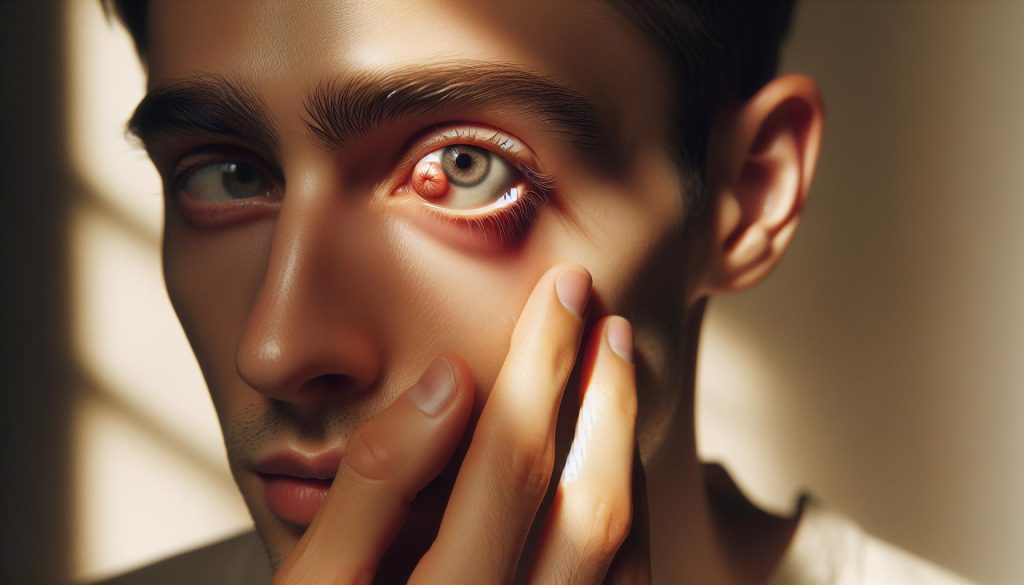
Did you know that a common eyelid condition, a stye, can lead to significant swelling and discomfort, sometimes making your eye nearly shut? Understanding the implications of a stye is crucial, especially if you’re experiencing irritation or pain. With insights into how styes develop from bacterial infections and why they’re something everyone can face, you can better navigate this unsettling experience.
This guide aims to empower you with essential knowledge on the potential consequences of a stye, including when you should seek emergency care. By learning about the symptoms and effective home remedies, you can take proactive steps to manage your eye health and alleviate concerns. Stay curious, and let’s dive deeper into understanding styes and their impact on your well-being.
Can a Stye Cause Swelling in Your Eye?
A stye can indeed lead to noticeable swelling around the eye, sometimes even causing it to swell shut. This occurs because a stye, which is essentially a painful infection of the oil glands at the base of the eyelashes, can provoke local inflammation. When these glands become clogged or infected, the body’s immune response kicks in, causing swelling and redness in the surrounding tissues. As the infection worsens, you may notice increased tenderness and puffiness around the eyelid, which can obstruct your vision if severe enough.
If you’re experiencing a stye, it’s essential to manage the symptoms early to prevent significant swelling. You can start by applying warm compresses to the affected eye several times a day. This simple, gentle treatment helps increase circulation to the area, promoting drainage and healing. Keep in mind that avoiding touching or rubbing your eyes is crucial, as this can exacerbate the infection and lead to more swelling or further complications.
In addition to these immediate measures, maintaining good eyelid hygiene is vital. Regularly cleaning your eyelids with diluted baby shampoo or specialized eyelid scrubs can help prevent future occurrences of styes and limit inflammation if a stye does develop. If you notice signs of severe swelling, pain, vision changes, or if the stye does not improve with at-home care within a few days, it is important to consult a healthcare professional. They can provide guidance on appropriate treatments, which may include antibiotic ointments or, in some cases, a minor medical procedure to drain the stye. Remember, taking proactive steps can ensure a speedier recovery and maintain the health of your eyes.
Understanding Styes: Causes and Symptoms
Understanding a stye is crucial for managing both your eye health and overall well-being. Styes, often misunderstood, are typically caused by the blockage or infection of oil glands located at the base of your eyelashes. This condition arises primarily due to the presence of bacteria, often the same species responsible for other common infections. When these glands become inflamed, they can lead to a painful bump on the eyelid, characterized by symptoms like redness, tenderness, and swelling. Although not contagious, styes can be influenced by various factors including poor hygiene, stress, inadequate sleep, and existing dermatological conditions.
Recognizing the symptoms of a stye is essential for prompt treatment. The most common indications include a small, painful lump on the eyelid, sensitivity to light, tearing, and a gritty sensation. As the infection progresses, you may experience significant swelling that can obstruct your vision, particularly if the stye causes your eye to swell shut. In addition to these physical symptoms, many individuals report discomfort and irritation that can affect daily activities.
To effectively prevent styes, incorporating healthy habits into your routine is key. Maintaining proper eyelid hygiene is one of the most impactful strategies. Regularly cleansing your eyelids with diluted baby shampoo or using over-the-counter eyelid scrubs can help keep the glands clear of debris and bacteria. Furthermore, being mindful of how you handle cosmetics and ensuring that makeup brushes are clean can significantly reduce the risk of developing styes.
If you find yourself dealing with a stye, it’s important to take immediate steps to alleviate discomfort and prevent further complications. Applying warm compresses can be particularly soothing, helping to loosen crusts and promote drainage. These easy-to-implement practices can provide significant relief, allowing you to manage symptoms effectively while mitigating the risk of your condition worsening.
How a Stye Can Lead to Eye Swelling
The sight of a small, painful bump along the eyelash line can be alarming, but understanding the potential impact of a stye on your eye health is crucial. A stye, medically known as a hordeolum, results from the blockage of oil glands in your eyelids, often leading to inflammation and infection. This painful condition can trigger a cascade of symptoms, the most concerning of which is swelling around the eye.
When a stye develops, the body responds to the infection with increased blood flow and immune activity, which can cause the surrounding tissues to swell. This inflammation is often characterized by redness and tenderness, and if the stye becomes significantly swollen, it can begin to obstruct your vision. In some cases, especially if left untreated, the swelling can extend to the entire eyelid, leading to the sensation that your eye is swollen shut. This swelling can also cause discomfort and increased sensitivity to light, further complicating everyday activities.
Managing a stye promptly is essential to minimize swelling and prevent complications. Regular application of warm compresses can promote drainage and help reduce inflammation. By gently pressing a warm, damp cloth against the affected area, you can encourage the stye to burst naturally, alleviating pain and decreasing swelling. If you notice signs of spreading redness, ongoing pain, or vision changes, seeking medical attention becomes vital, as persistent swelling may indicate the need for further treatment or antibiotics to tackle the infection effectively.
In summary, understanding how a stye leads to eye swelling empowers you to take proactive measures for both prevention and treatment. Monitoring your symptoms and adopting good hygiene practices can significantly reduce the risk of developing styes and their associated complications, ensuring your eyes remain healthy and comfortable.
Immediate Home Remedies for Eye Swelling
Applying a few simple home remedies can effectively alleviate swelling caused by a stye, helping you regain comfort and normalcy. One of the most recommended techniques is the use of warm compresses. This method is not only easy but also scientifically supported, as heat can help reduce inflammation and promote drainage of the stye. To create a warm compress, soak a clean cloth in warm (not hot) water, wring it out, and then gently place it over the affected eyelid. Keep it there for about 10 to 15 minutes, repeating this process three to six times a day. This consistent warmth can facilitate the natural drainage of the stye and decrease swelling significantly.
In addition to warm compresses, maintaining proper eye hygiene is crucial. Ensure that your hands are clean before touching your face or eyes to prevent further irritation or infection. If you wear makeup, abstaining from eye cosmetics until the stye heals may prevent additional irritation. Also, try avoiding contact lenses and opt for glasses instead during this period, as they can exacerbate symptoms and discomfort.
Utilizing over-the-counter treatments can provide added relief. For instance, lubricating eye drops can hydrate the eye and reduce the feeling of dryness that may accompany swelling. Additionally, antihistamine tablets or topical antihistamine creams can help if your swelling is accompanied by itching or irritation, though these are generally more effective for allergic reactions rather than infections.
Lastly, consider natural remedies like chamomile tea bags or aloe vera gel, both known for their soothing properties. After brewing chamomile tea, let the bag cool down, and then place it over the closed eye for 10 to 15 minutes. Similarly, applying cooled aloe vera gel can hydrate and soothe the skin.
Using these immediate home remedies can make a significant difference in managing styes and their accompanying swelling, facilitating a quicker return to your daily routines. However, it’s essential to monitor the symptoms closely and consult a healthcare professional if the condition worsens or fails to improve.
When to Seek Medical Attention for a Stye
Recognizing can be crucial, particularly if you notice that the condition is worsening or if it leads to significant discomfort. While many styes can be managed effectively at home, there are certain warning signs that indicate a need for professional medical evaluation. If your eye begins to swell significantly, making it difficult to open, or if the area around the stye becomes increasingly red and tender, it’s time to consult a healthcare provider.
Another critical factor to consider is the duration. If a stye has not shown signs of improvement after a few days of diligent home treatment, such as warm compresses and maintaining hygiene, you should reach out to a doctor. Persistent symptoms may suggest that the stye could be infected or may require additional intervention. Additionally, if you develop fever, chills, or blurred vision alongside the stye, these symptoms could indicate a more serious underlying condition, necessitating immediate medical care.
As a woman managing your health, it’s essential to listen to your body. If you notice that your stye is accompanied by excessive tearing, increased sensitivity to light, or a change in vision, these are significant indicators that you should seek medical advice without delay.
For peace of mind and to ensure your treatment plan is effective, don’t hesitate to contact a healthcare professional for a thorough assessment. Early intervention can help prevent complications and promote quicker recovery, ensuring that you can return to your normal routines without the burden of discomfort and swelling.
Preventing Styes: Tips for Healthy Eyes
Preventing eye health issues like styes is essential, especially for those whose daily routines expose them to irritants or allergens. Interestingly, styes are not just a product of poor hygiene; they can be triggered by factors you might not readily associate with eye care. Keeping your eyes healthy starts with adopting a few proactive habits that can significantly reduce the risk of developing styes.
To maintain eye health and prevent styes, follow these practical tips:
- Practice Good Hygiene: Regularly wash your hands, especially before touching your eyes or face. Avoid rubbing your eyes as this can transfer bacteria.
- Clean Eyelids: Gently clean your eyelids with a warm, damp cloth or a specialized eyelid scrub. This helps remove debris and oil that could clog glands.
- Avoid Sharing Personal Items: Do not share towels, cosmetics, or other personal grooming items that come into contact with your eyes.
- Limit Makeup Use: If you wear eye makeup, try to avoid formulas that are thick or oily. Always remove makeup before sleeping to prevent product buildup.
- Manage Allergies: If you have environmental allergies, take steps to reduce exposure and consult with a healthcare professional for appropriate treatment.
- Regular Eye Check-ups: Schedule regular appointments with an eye care specialist to monitor your eye health and discuss any concerns.
These steps are straightforward yet impactful, serving to minimize irritations and decrease the likelihood of styes. Being aware of how various aspects of your lifestyle affect your eye health empowers you to make informed decisions. By incorporating these preventive measures into your daily routine, you can enjoy clearer sight and possibly avoid the discomfort that comes with eye infections like styes.
The Role of Hygiene in Stye Prevention
Maintaining proper hygiene is crucial for keeping your eyes healthy and preventing issues like styes, which can lead to discomfort and even swelling. Styes occur when oil glands in your eyelids become clogged or infected, often due to bacteria. One of the simplest yet most effective ways to combat this is by adopting good hygiene practices that not only reduce the risk of developing styes but also promote overall eye health.
Start by ensuring you wash your hands regularly, especially before touching your face or eyes. This small step can significantly lower the chances of transferring harmful bacteria to your eye area. When applying makeup, always use fresh brushes and sponges, and remember to remove makeup thoroughly before bed. Not only does this prevent product buildup, but it also reduces the risk of irritating your eyelids and blocking oil glands. Additionally, consider avoiding sharing personal items like towels or eye cosmetics, as this can spread bacteria easily.
Cleaning your eyelids is another vital aspect of hygiene that can help prevent styes. Use a warm, damp cloth or a specialized eyelid scrub to gently cleanse the area. This practice dislodges debris and excess oil, reducing the likelihood of clogged glands. Incorporating this into your routine, especially if you are prone to styes, can be a game-changer for your eye health.
In summary, prioritizing these hygiene practices not only helps in stye prevention but also contributes to a brighter, healthier appearance. Proactive care in regards to your eye hygiene empowers you to maintain comfort and well-being, ensuring that your eyes stay free from irritants and infections that could lead to further complications like swelling.
Understanding Treatment Options for Styes
Styes can be both uncomfortable and unsightly, making it essential to know how to treat them effectively. The good news is that most styes are manageable and often resolve with simple at-home care. When faced with one, consider starting with warm compresses. Applying a clean, warm cloth to the affected eyelid for about 10-15 minutes several times a day can help reduce pain and promote drainage by softening the oil blockage. This method is widely endorsed by health professionals, recognizing its efficacy in alleviating symptoms without invasive procedures [1[1].
If a stye persists despite your initial efforts, it might be time to consult with a healthcare provider. They may recommend topical treatments such as antibiotic ointments or drops to combat any underlying infections. It’s crucial to follow the prescribed course diligently, as this can prevent the condition from worsening. In more severe cases, a physician might perform a minor procedure to lance the stye, allowing it to drain and heal properly – a quick intervention that can provide significant relief [2[2].
Beyond immediate care, it’s wise to adopt preventive measures to avoid future occurrences. Maintaining proper eyelid hygiene is vital, including regular cleansing with warm, soapy water or specialized eyelid scrubs. Equally important is to avoid using expired makeup or sharing personal items that may harbor bacteria. Regularly cleaning your makeup tools and being mindful of your eye health can greatly reduce the likelihood of developing styes in the first place. Remember, while styes are common and usually benign, staying informed and proactive about eye health enhances your overall well-being and comfort.
At-Home Care Tips: Reducing Eye Swelling
Reducing eye swelling caused by a stye can be both a comforting and effective process when approached with care. The warmth from a compress, for instance, can do wonders not just for alleviating discomfort but also for promoting healing. Begin by soaking a clean cloth in warm water (not hot, to avoid burns), wringing it out, and gently applying it to the affected eye. This can be done for about 10-15 minutes, several times a day. The heat helps to soften the blocked oils in the gland and encourages drainage, offering relief and reducing inflammation.
In addition to warm compresses, gentle eye massages can assist in relieving pressure and facilitating drainage. With clean hands, lightly massage around the eyelid, being cautious not to apply too much pressure directly on the stye itself. This can stimulate circulation and promote healing without aggravating the irritation. Remember to wash your hands thoroughly before and after touching your eyes to minimize the risk of further infection.
Moreover, it’s important to stay hydrated, as proper hydration supports overall skin health, potentially aiding in quicker recovery from swelling. Incorporating foods rich in antioxidants, such as berries, leafy greens, and nuts, can enhance the body’s natural healing processes. If you choose to use over-the-counter antihistamines or anti-inflammatory medications, ensure they are appropriate and consult with a healthcare provider if you’re uncertain about use.
When to Use OTC Remedies
In some cases, topical treatments such as artificial tears or anti-inflammatory eye drops may provide additional comfort by lubricating the eyes and reducing swelling. However, avoid using any eye drops that claim to reduce redness without consulting a healthcare professional, as these can sometimes worsen the situation if there is an underlying issue like a stye.
Through these mindful steps and home remedies, the discomfort caused by a stye can be managed effectively. Should you notice any worsening of symptoms or if the swelling persists beyond a few days, seeking medical attention is crucial to ensure the health of your eyes. By taking proactive and gentle measures, the goal of alleviating swelling and promoting healing can be more readily achieved, ultimately supporting your overall eye health.
Long-Term Eye Care Strategies After a Stye
Maintaining optimal eye health after experiencing a stye is crucial for preventing future occurrences and ensuring the long-term well-being of your eyes. One of the best preventive measures is to maintain good eyelid hygiene. Regularly cleaning your eyelids with a gentle cleanser or commercially available eyelid wipes can help remove debris, excess oils, and bacteria that may lead to infections. Incorporating this practice into your daily routine, particularly if you are prone to styes, can significantly reduce potential issues.
Nutrition plays an essential role in supporting overall eye health. A balanced diet rich in vitamins A, C, and E, as well as omega-3 fatty acids, can enhance the resilience of your eyes. Foods such as carrots, sweet potatoes, spinach, walnuts, and fatty fish can provide these beneficial nutrients. Moreover, staying hydrated is vital; aim for at least eight glasses of water a day. Proper hydration helps maintain the moisture balance in your eyes, which can prevent irritation and dryness that may invite infections.
Another key strategy is to be mindful of your makeup and eye products. Using non-comedogenic cosmetics and regularly replacing them can minimize the risk of irritation and blockage of oil glands. Additionally, never share eye makeup; doing so can transfer bacteria and increase the likelihood of developing a stye or other eye infections. When it comes to contact lenses, ensure that you practice meticulous hygiene by washing your hands before handling your lenses and following proper cleaning protocols.
Lastly, while thoughtful eye care can significantly mitigate the risk of future styes, it’s important to recognize when to seek professional help. If you experience recurrent styes, persistent swelling, or any significant changes in your vision or discomfort, consult with an eye care professional immediately. Taking these long-term eye care strategies into account not only protects your eye health but also empowers you to feel confident and informed about your well-being. Embracing these practices ensures your eyes remain vibrant, healthy, and free from unwanted issues in the future.
Common Misconceptions About Styes Explained
Misunderstanding styes can lead to unnecessary worry and ineffective self-care strategies. One prevalent misconception is that styes are caused by poor hygiene alone. While inadequate hygiene can contribute to their development, styes often arise from clogged oil glands or infections stemming from bacteria that naturally reside on the skin. Therefore, even with a meticulous skincare routine, individuals can still experience styes, highlighting the need for comprehensive eye care rather than solely focusing on hygiene.
Another common myth is that styes are contagious. This is false; they cannot be spread from person to person. Styes develop when glands in the eyelids become blocked, rather than as a result of an infectious process that can be transmitted. This understanding alleviates unnecessary concern about close contact with others who might have styes or eye infections.
Additionally, some believe that all eye swelling is due to styes. Although styes can indeed cause localized swelling in the eyelid, other conditions like allergies, conjunctivitis, or more serious infections can also lead to significant swelling around the eyes. It’s essential to evaluate all symptoms in context and consult healthcare providers if uncertain about the cause of any persistent or severe swelling.
To manage styes effectively, many individuals might think that popping or squeezing a stye can expedite healing. In reality, this can worsen the situation, spreading the infection and leading to complications. Instead, applying a warm compress helps to promote drainage and relieve discomfort without risking further irritation. Understanding these facts empowers individuals to take proactive steps in their eye care routine, fostering better eye health and a more relaxed approach to managing potential eye issues.
Q&A
Q: Can a stye make your eye swell shut?
A: Yes, a stye can cause significant swelling around the eye, and in some cases, it may lead to the eye swelling shut. This occurs when inflammation and fluid accumulate due to infection in the eyelid glands. Seek medical attention if the swelling worsens rapidly or persists.
Q: What should you do if your eye swells shut from a stye?
A: If your eye swells shut due to a stye, apply a warm compress to the affected area for 10-15 minutes several times a day to ease discomfort. If swelling does not improve or worsens, consult a healthcare provider for potential drainage or prescription treatments.
Q: How long does it take for a stye to cause eye swelling?
A: A stye can develop and cause noticeable eye swelling within a few days. The swelling severity can vary depending on individual factors and if a bacterial infection is present. Immediate treatment may help reduce the swelling quicker.
Q: Are there any symptoms indicating a stye might cause severe swelling?
A: Symptoms of a stye that may lead to severe swelling include increased redness, significant pain, and pus formation. If you experience these symptoms along with swelling, consult an eye care professional promptly.
Q: When should you see a doctor for a swollen eye due to a stye?
A: You should see a doctor if your eye is swollen shut, if the stye does not improve within 48 hours, or if you experience vision changes, severe pain, or fever. Early intervention can prevent more serious complications.
Q: Can styes lead to other eye problems besides swelling?
A: Yes, while swelling is the most common symptom of a stye, other issues such as conjunctivitis or persistent infections can arise if left untreated. Maintaining good hygiene and seeking treatment early can prevent complications.
Q: What is the best way to prevent styes from causing swelling in the future?
A: To prevent styes and associated swelling, maintain proper eye hygiene, avoid touching your eyes with dirty hands, and regularly clean eyelids with a gentle cleanser. Incorporating these habits can significantly reduce the risk of developing styes.
Q: Can warm compresses help reduce swelling from a stye?
A: Yes, applying a warm compress can help reduce swelling and facilitate drainage of a stye. Use a clean cloth soaked in warm water and place it on the affected eye for 10-15 minutes; this routine can be repeated multiple times daily for relief.
Future Outlook
If you’re dealing with a stye, it’s crucial to act quickly. Remember, while styes can cause swelling, they are generally treatable with proper care. For immediate relief, consider warm compresses and over-the-counter options, but if symptoms persist or worsen, don’t hesitate to reach out to a healthcare professional. Your eye health is paramount!
Curious about how to maintain vibrant eye health? Check out our articles on “Home Remedies for Eye Care” and “Understanding Eye Infections” for more insights. Don’t forget to subscribe to our newsletter for ongoing tips and resources tailored for your health and beauty journey. Your knowledge is your power, so stay informed and confident in managing your wellbeing! And if you found this guide helpful, share your thoughts or experiences in the comments below-your voice matters!