Did you know that a stye, a common eyelid infection, can lead to noticeable swelling around your eye? While often minor, this condition can cause discomfort and concern, prompting many to wonder about its potential effects. Understanding how a stye can cause your eye to swell is crucial for managing your health and beauty routines effectively.
When faced with the discomfort of a swollen eye, it’s natural to seek answers. Is it just a cosmetic issue or a sign of something more serious? Knowing the causes, symptoms, and preventive care for styes not only alleviates anxiety but also empowers you to take control of your eye health. Join us as we unravel the facts behind styes and provide valuable insights to keep your eyes feeling and looking their best.
Can a Stye Lead to Eye Swelling? Understanding the Condition
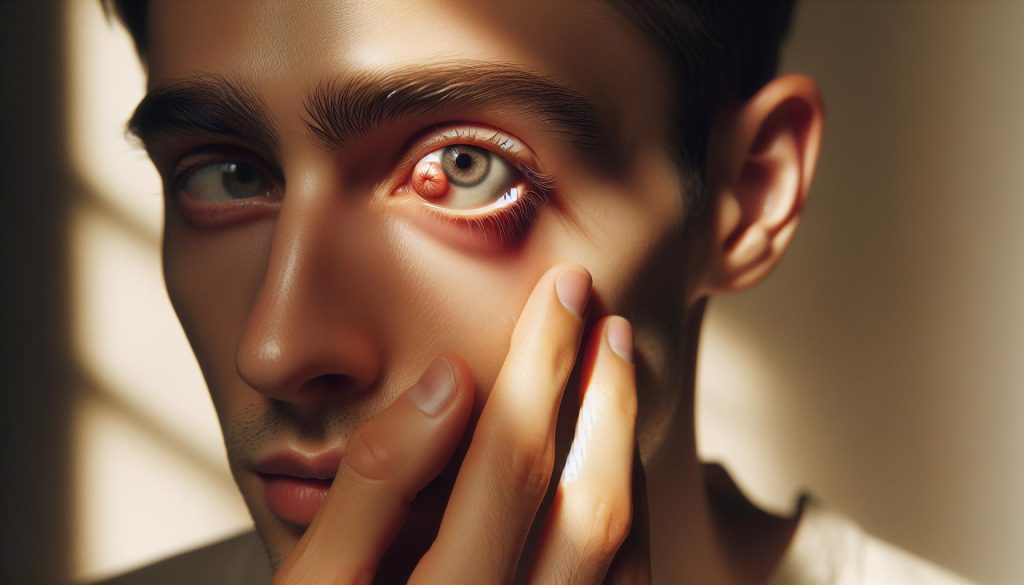
A stye, or hordeolum, can indeed lead to noticeable eye swelling, making this common condition not just a cosmetic issue but one that can affect comfort and functionality. When a stye forms, it often manifests as a small, painful bump on the eyelid; this inflammation can cause surrounding tissues to swell due to the body’s natural immune response to the infection. The swelling may be more pronounced if the stye is left untreated or if the underlying infection spreads.
In mild cases, the swelling might be localized around the stye, yielding a puffiness along the eyelid. However, in more severe instances, the entire eyelid can become swollen, potentially affecting vision. This swelling can be accompanied by redness, irritation, and tenderness, as the area becomes inflamed. A stye can also trigger symptoms such as tearing, light sensitivity, and a feeling of having something in the eye, all of which can contribute to discomfort and the perception that the eye itself is swollen.
To address a stye and minimize swelling, it’s essential to follow proper care routines. Keeping the area clean and applying warm compresses can promote drainage and alleviate inflammation. If swelling persists or worsens, it may be necessary to consult a healthcare provider to assess the need for more advanced treatment options to prevent complications affecting eye health.
Recognizing the Symptoms of a Stye
A stye can be both uncomfortable and concerning, but recognizing its symptoms early can significantly improve your experience and help you find relief sooner. Typically, a stye starts as a small, red, painful bump on the eyelid, often resembling a pimple. This bump, or hordeolum, is caused by the blockage or infection of the glands at the base of the eyelashes. One of the first signs to look for is tenderness at the site, which may be accompanied by a warm sensation in the area.
You may also notice increased tearing or discharge, and while styes usually affect only one eye, it’s important to watch for any signs that the infection might be spreading. Symptoms can escalate to include swelling, redness, and even light sensitivity, resulting in discomfort that affects your daily activities. In some cases, the eyelid itself can become so swollen that it temporarily affects your vision.
In understanding your body’s signals, it’s vital to pay close attention to changes around your eyes. If you observe a growing bump, persistent pain, or worsening redness, these could indicate that the stye requires prompt attention. Conducting regular self-examinations when you notice discomfort can provide you with insights needed to make informed decisions about your eye care. Through early recognition, you can take proactive steps toward soothing the stye and minimizing its impact on your appearance and well-being.
How Styes Affect Eye Health and Appearance
A stye, often appearing as a small, painful bump along the eyelid, doesn’t just mar your appearance; it can significantly impact both your eye health and your overall sense of well-being. When a stye forms, it signals an infection of the oil glands, leading to inflammation and discomfort that can be a reminder of how vital our eyes are to our daily lives. The presence of a stye can result in irritation, leading to excessive tearing and even light sensitivity, making even routine tasks such as reading or using a digital device increasingly challenging.
Beyond the physical discomfort, a stye can affect your appearance, causing noticeable swelling around the eyelid. This swelling can be particularly concerning for those who value their visual aesthetics, as the puffiness associated with a stye can influence how you feel about yourself in social or professional settings. It’s not merely a transient annoyance; a stye can disrupt confidence and encourage feelings of self-consciousness, particularly if it becomes inflamed and prominent.
However, understanding that a stye is typically a self-limiting condition can help ease concerns. While treatment can lead to quick resolution, the emotional toll it takes shouldn’t be overlooked. If a stye persists or if the swelling becomes excessive, it’s essential to consult a healthcare professional. They can provide guidance on effective treatments to minimize discomfort and prevent future occurrences. Regularly practicing good hygiene, such as washing your hands and avoiding touching your face, is crucial in safeguarding your eye health and maintaining that beautiful, confident appearance.
Incorporating warm compresses can also promote healing, as they encourage drainage and soothe inflammation. Remember, taking proactive steps will not only address the immediate concerns of a stye but can also enhance your long-term eye health and appearance.
The Connection Between Styes and Swelling
A stye, characterized by a painful lump on the eyelid, can indeed lead to noticeable swelling around the eye. This condition occurs when the oil glands near the eyelashes become blocked and infected, resulting in localized inflammation that not only causes discomfort but also promotes swelling. The delicate skin of the eyelids is particularly susceptible to inflammation because of its thinness and the concentration of vascular tissue, which can amplify the visible effects of a stye.
The swelling associated with a stye can affect your overall facial appearance and create feelings of self-consciousness, especially in social situations. Understanding the mechanics behind the swelling can help you manage it effectively. When inflammation occurs, blood flow increases to the area to help combat the infection, which can result in warmth and redness. Furthermore, if a stye becomes large enough, it may exert pressure on the surrounding tissues, exacerbating the swelling and potentially leading to a feeling of heaviness or tightness in the eyelid.
To mitigate swelling, employing warm compresses is a practical and soothing approach. These compresses help to increase blood flow to the area, promote drainage of the infected glands, and provide relief from discomfort. Aim to apply a warm compress for about 10-15 minutes several times a day. Over time, you may notice a reduction in both swelling and pain, encouraging quicker healing of the stye.
While most instances of styes resolve on their own, understanding that they can lead to swelling emphasizes the importance of early intervention. If swelling persists or increases, it might indicate a need for medical attention, particularly if accompanied by other symptoms like fever or spreading redness. Maintaining a consistent eye care routine, including good hygiene practices, can prevent the development of future styes and their associated complications, ensuring that your eye health remains a priority.
When to Seek Medical Attention for a Stye
Recognizing when a stye requires professional evaluation can be crucial for your eye health and overall well-being. While most styes are harmless and resolve on their own, there are circumstances when seeking medical attention becomes necessary. For instance, if you notice persistent or increasing swelling around your eye, it may indicate that the infection is worsening or that additional complications, such as cellulitis, could be developing.
Clear symptoms that warrant a doctor’s visit include:
- Severe Pain: If the pain from the stye becomes overwhelming or unmanageable, it’s time to consult a healthcare professional.
- Systemic Symptoms: Fever or chills could signal that the infection is spreading, requiring immediate medical intervention.
- Excessive Redness or Warmth: If the swelling and redness extend beyond the stye and affect the surrounding area significantly, it may indicate a more serious condition.
- Changes in Vision: Any blurriness or altered vision must be taken seriously, as this might suggest pressure on the eye or other issues that need urgent care.
- Duration: If the stye persists for more than a week without improvement, professional assessment is advised.
In some cases, a stye could be mistaken for other eye conditions like chalazia or conjunctivitis; thus, accurate diagnosis is key. An eye care professional can determine the appropriate course of action, whether it’s prescribing antibiotic ointments to manage an infection or draining the stye if it has become particularly large and painful.
Additionally, navigating the emotional toll that styes can take is important. If you find that a stye is making you feel insecure or impacting your daily life significantly, don’t hesitate to reach out for help. Your comfort and health should always come first, and a routine eye examination can help you maintain both. Prioritizing your eye care ensures that you can enjoy a clearer vision and a confident appearance.
Home Remedies to Soothe a Stye
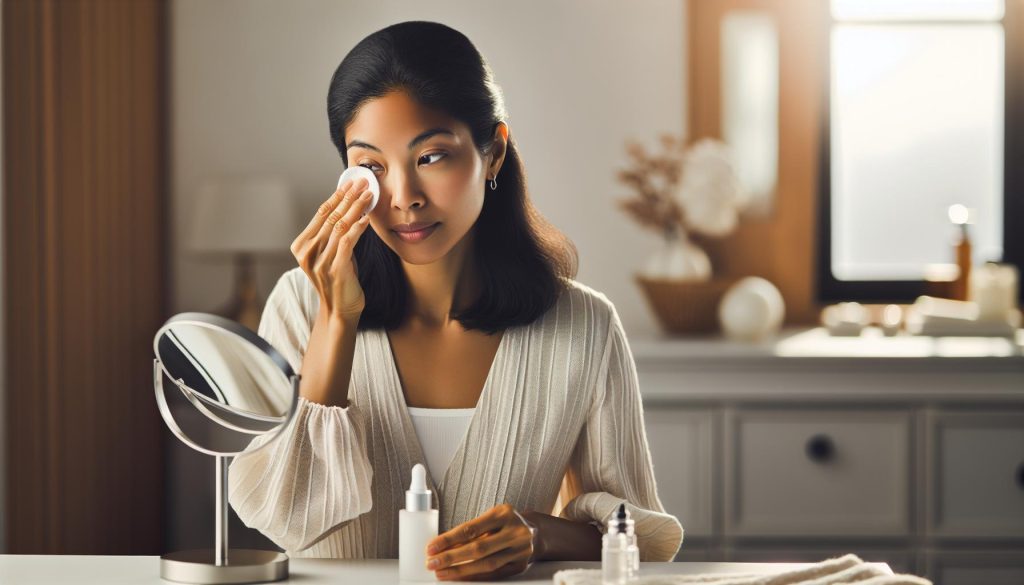
To alleviate the discomfort associated with a stye, there are various home remedies you can employ to soothe the affected area and promote faster healing. One of the most effective and accessible methods is the warm compress. By soaking a clean washcloth in warm water, wringing out the excess, and placing it over the stye for about 10 to 15 minutes a few times a day, you can help reduce inflammation, ease pain, and encourage drainage of the stye. This gentle warmth can increase blood flow to the area and accelerate the healing process.
Another remedy involves practicing good eyelid hygiene. Use a gentle eyelid scrub or diluted baby shampoo to clean your eyelids and lashes. This practice helps eliminate bacteria and debris that could contribute to the stye. Be sure to use clean hands when touching your eyes or face, as maintaining proper hygiene plays a significant role in preventing future styes.
You might also consider using diluted tea tree oil. Known for its antimicrobial properties, a small amount of diluted tea tree oil can be applied cautiously around the stye. However, it’s important to avoid getting it directly in your eye, as it can be irritating. Always do a patch test first to ensure you don’t have a sensitivity to the oil.
Lastly, nourishing your body with a balanced diet rich in vitamins A, C, and E can help support your skin health and immune system, potentially reducing the likelihood of stye formation. Staying hydrated and managing stress through relaxation techniques can also play a vital role in your overall eye health. Embracing these remedies not only addresses the current stye but also empowers you to take proactive steps in caring for your eye health moving forward.
Preventing Styes: Tips for Healthy Eyes
To keep your eyes healthy and minimize the risk of developing styes, adopting preventive habits is essential. Styes are often caused by bacterial infections in the glands of the eyelids and can lead to discomfort and, at times, swelling. By understanding how to care for your eyes, you can significantly reduce your chances of experiencing this irritating condition.
Start with daily hygiene. Make it a habit to wash your hands frequently and avoid touching your eyes with dirty hands. Each morning, cleanse your eyelids gently using a warm washcloth or a specifically designed eyelid scrub. This practice helps remove oil, dirt, and bacteria that can obstruct the glands in your eyelids. Regular cleaning not only prevents styes but also enhances overall eye health.
Additionally, be mindful of your makeup and eye care products. Always ensure that eye makeup is from reputable brands and check expiration dates. Replace any mascara or eyeliner that is older than three months, as cosmetics can harbor bacteria. Never share makeup or applicators with others, and clean your makeup brushes regularly. Furthermore, consider using hypoallergenic and non-comedogenic makeup products to minimize irritation and potential blockages in your eyelid glands.
Maintaining a balanced diet is another excellent strategy in your preventive toolkit. Foods rich in vitamins A, C, and E, along with omega-3 fatty acids, support skin health and can bolster your immune response. Incorporate plenty of fruits, vegetables, nuts, and seeds into your meals. Staying well-hydrated is equally vital; drink plenty of water throughout the day to keep your skin and eyelids healthy.
Finally, if you wear contact lenses, prioritize proper lens care. Always follow your eye care provider’s instructions related to cleaning and wearing lenses. Ensure that you replace them as recommended and avoid wearing them overnight unless specifically designed for extended wear. These simple yet effective practices can greatly contribute to eye health and diminish the likelihood of developing styes, leaving you feeling vibrant and confident.
Understanding the Risks of Untreated Styes
Ignoring a stye may seem like a trivial issue, but untreated styes can lead to significant complications that affect both eye health and overall well-being. Styes, which are essentially bacterial infections of the eyelid glands, often manifest as painful red lumps resembling pimples. While many resolve on their own with proper care, neglecting treatment can escalate their severity, potentially leading to chronic swelling, persistent discomfort, and even more severe infections.
One of the most concerning risks of leaving a stye untreated is the possibility of developing an abscess, which is a collection of pus that can form if the infection deepens. This condition not only causes increased pain and swelling but may also require medical intervention such as drainage or oral antibiotics, complicating what initially seemed like a minor issue. Furthermore, untreated styes can lead to blepharitis, a chronic inflammation of the eyelids, which brings its own set of symptoms, including redness, scaling, and persistent irritation.
In addition to physical discomfort, the aesthetic impact of an untreated stye can affect self-esteem, particularly for those who are conscious of their appearance. Swelling and redness around the eyes can be distressing, leading to social withdrawal or anxiety. Beyond the immediate cosmetic concerns, untreated styes can disrupt everyday activities, such as wearing makeup or using contact lenses, making eye care a daily chore rather than a routine.
To prevent these complications, addressing a stye promptly with home treatments, such as warm compresses and maintaining eyelid hygiene, is crucial. If symptoms persist or worsen, seeking medical advice is imperative. Remember, taking care of your eyes and addressing minor issues like styes can save you from more significant problems down the road. Empowering yourself with knowledge about eye care and staying proactive can help ensure your eyes remain healthy and beautiful.
Styes vs. Other Eye Conditions: Key Differences
A stye may initially appear as a small, painful bump near the eyelash line, but understanding how it differs from other eye conditions can significantly aid in managing eye health. At first glance, symptoms of a stye can be mistaken for other conditions, such as a chalazion or conjunctivitis, but recognizing their unique characteristics is essential for proper treatment.
A stye, medically known as a hordeolum, is characterized by a red, swollen bump caused primarily by a bacterial infection in the oil glands of the eyelid. Styes are typically painful and may accompany symptoms like tearing and sensitivity to light. In contrast, a chalazion is a painless lump resulting from a blocked oil gland, which can develop after a stye has healed. While both conditions occur on the eyelid and can lead to swelling, chalazia tend to be more chronic and less acute than styes.
Another distinction lies in conjunctivitis, or pink eye, which presents more diffuse redness, itching, and discharge from the eye rather than a localized lump. Conjunctivitis can be viral, bacterial, or allergic in nature and usually affects both eyes simultaneously, unlike the isolated swelling associated with styes. When assessing any eyelid-related discomfort or swelling, always consider the specific symptoms and their progression.
Ultimately, keeping these differences in mind empowers you to respond accurately to your eye conditions. If you experience a painful bump that develops rapidly, is associated with significant swelling, or does not resolve with home care, it’s advisable to consult with a healthcare professional for an accurate diagnosis and appropriate treatment plan. Prioritizing eye health and being informed about distinct conditions can support not only your physical well-being but also your confidence and comfort in daily interactions.
Treatment Options: What You Should Know
If you’re dealing with a stye, you’re not alone-these painful little bumps can be quite common. Understanding your treatment options is essential for a swift recovery and to alleviate the discomfort styes can cause, including potential swelling in the eye. Fortunately, most styes heal on their own, often in about 7 to 10 days, but there are various approaches you can take to speed up the healing process and soothe symptoms.
Home Remedies to Try
Home remedies can be a great first line of defense when treating a stye. Here are some effective options to consider:
- Warm Compress: Applying a warm compress to the affected area for 10 to 15 minutes several times a day can help reduce swelling and promote drainage. Simply soak a clean cloth in warm water, wring it out, and place it gently over your eyelid.
- Gentle Massage: Once the stye starts to drain, gently massaging the eyelid can promote further drainage and alleviate discomfort. Ensure your hands are clean to prevent any additional infection.
- Tea Bags: Using a warm, moist tea bag (especially black tea) can impart soothing properties and assist in reducing inflammation, thanks to its natural antioxidants and antibacterial properties.
Over-the-Counter Options
If home remedies aren’t sufficient, consider over-the-counter treatments. While antibiotics aren’t typically necessary for uncomplicated styes, if you notice any signs of infection such as increased redness or pus, topical antibiotic ointments can be helpful. Additionally, artificial tears or lubricating eye drops may assist in alleviating discomfort or dryness.
When to Consult a Healthcare Professional
If your stye persists beyond two weeks, enlarges significantly, or is accompanied by severe pain or vision changes, don’t hesitate to seek medical advice. Your healthcare provider might prescribe oral antibiotics or, in more severe cases, recommend drainage procedures to clear the stye.
Taking proactive steps, both in treatment and prevention, can keep your eyes healthy and free from the discomfort of styes. Prioritizing hygiene by washing your face regularly and avoiding touching your eyes can reduce the risk of future occurrences, empowering you to enjoy a clearer, more comfortable vision.
The Role of Hygiene in Stye Prevention
Maintaining proper hygiene can make a significant difference in preventing styes and promoting overall eye health. Styes occur due to bacterial infections often linked to blocked glands surrounding the eyelashes, so keeping your eyelids clean is essential. Washing your face every day, particularly in the morning and before bed, helps remove dirt, oil, and makeup that can contribute to the blockage of these glands. Use a gentle cleanser suitable for your skin type to avoid irritation, especially around the delicate eye area.
Additionally, avoiding touching or rubbing your eyes plays a crucial role in stye prevention. Our hands carry bacteria that can easily transfer to the eyelids. If you must touch your face, ensure that your hands are clean. Implementing regular sanitization habits, such as using hand sanitizer or washing your hands thoroughly, can drastically reduce the risk of introducing harmful bacteria to your eyes.
For safe eye makeup practices, consider using only high-quality, hypoallergenic products, and remember to replace your makeup regularly to avoid using expired products. Always remove makeup at the end of the day, as leftover residue can cause irritation and block gland openings. When applying eyeliner or mascara, avoid getting products directly in your lash line, and adhere to the principle of clean and responsible application and removal.
Incorporating these simple but effective hygiene practices into your daily routine can empower you to minimize the chances of experiencing a stye, ultimately leading to clearer, healthier eyes and enhancing your overall well-being.
Empowering Your Eye Care: Lifestyle Changes to Consider
One of the most effective ways to improve your eye health and prevent styes, along with their potential complications like swelling, is to make conscious lifestyle changes. These changes can nurture both your eyes and your overall well-being. Consider incorporating foods with anti-inflammatory properties into your diet, such as fatty fish rich in omega-3s, green leafy vegetables, and nuts. These foods not only help combat inflammation but also improve your skin’s resilience, keeping the delicate skin around your eyes healthy.
Staying hydrated is equally essential; drinking enough water daily can help flush out toxins from your body and maintain skin hydration. Proper hydration aids in the production of tears, which keeps your eyes moist and less prone to infection. Additionally, aim for a balanced diet rich in vitamins A, C, and E, which support eye health. Foods like carrots, citrus fruits, and almonds can contribute to better vision and skin condition, significantly reducing the risk of blockages in eyelash glands.
Another crucial aspect of empowering your eye care lies in managing stress. High stress levels can weaken your immune system, making you more susceptible to infections, including styes. Incorporating stress-reduction techniques such as yoga, meditation, or even simple breathing exercises can significantly enhance your resilience against various health issues. Routine eye exercises can also promote relaxation and increase blood circulation around your eyes, preventing fatigue that might contribute to inflammation and swelling.
Lastly, prioritize getting adequate sleep. During sleep, your body undergoes restorative processes, which include repairing any skin or tissue damage. Aim for 7-8 hours of quality sleep each night to bolster your immune response. Establishing a calming bedtime routine, free from screens, can support better sleep quality and, subsequently, healthier eyes.
By integrating these lifestyle changes, you not only enhance your eye health but also uplift your overall wellness. Making these conscious choices provides you with the tools to maintain clear, healthy eyes, and minimize the likelihood of styes and their associated symptoms, including swelling.
Frequently Asked Questions
Q: Can a stye cause swelling in the eye?
A: Yes, a stye can cause swelling in the eye as it occurs when an oil gland at the base of an eyelash becomes infected. This infection leads to inflammation, resulting in noticeable swelling and redness around the affected area.
Q: What are the signs of a stye?
A: Signs of a stye include a red, painful bump on the eyelid, swelling, tenderness, and potentially even watery eyes. These symptoms often signal the need for home care or medical attention, as detailed in the article’s section on recognizing the symptoms of a stye.
Q: How long does a stye usually last?
A: Typically, a stye lasts about one to two weeks. Most styes resolve on their own with appropriate at-home care. However, if swelling or pain persists, professional evaluation is recommended to prevent further complications.
Q: Are there complications from untreated styes?
A: Yes, untreated styes can lead to more serious issues, such as the formation of a chalazion, which is a hard lump resulting from a blocked oil gland. This can be further explained in the section on understanding the risks of untreated styes.
Q: Can styes affect vision?
A: While styes themselves do not usually affect vision, significant swelling may temporarily obstruct your line of sight. It’s crucial to monitor symptoms closely and seek medical advice if you notice any changes in vision.
Q: What home remedies can help with a stye?
A: Effective home remedies for soothing a stye include warm compresses applied several times a day and maintaining eyelid hygiene. These methods are discussed in more detail in the home remedies section of the article.
Q: When should I see a doctor for a stye?
A: You should consult a healthcare provider if a stye does not improve within a week, worsens, or if you experience severe pain and vision changes. Early intervention is essential, as highlighted in the article’s section on when to seek medical attention.
Q: Can stress cause styes to develop?
A: While stress may not directly cause styes, it can weaken the immune system, making you more susceptible to infections, including those that lead to styes. Managing stress can therefore be a preventive measure for eye health.
For more insights and tips on styes and eye care, explore the various sections of our article!
In Conclusion
Understanding the implications of a stye on eye swelling is crucial for your eye health. If you’re experiencing discomfort or persistent swelling, don’t hesitate to reach out to a healthcare professional for tailored advice. For more insights, explore our articles on effective home remedies for eye care and the best skincare practices to maintain a healthy glow.
Take charge of your wellness journey today by subscribing to our newsletter for the latest tips on eye and skincare. Remember, consistency is key to effective beauty routines-your eyes deserve the best care! Share your experiences or questions in the comments below; we love hearing from you. Keep exploring our resources to empower your health-conscious choices!