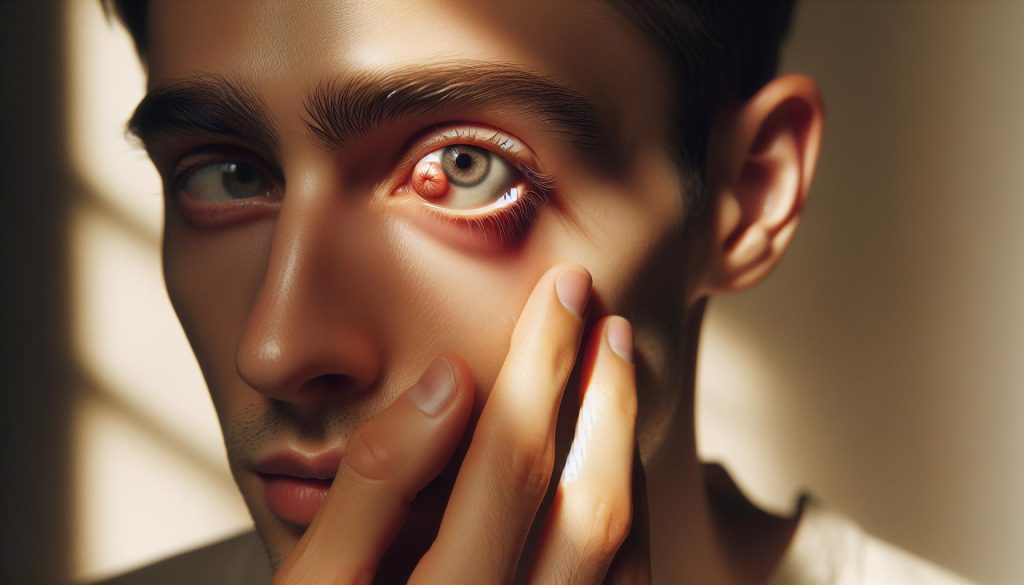
Did you know that painful styes, while primarily an eye issue, might also contribute to those nagging headaches? Many women might overlook this connection, but understanding how these pesky lumps can affect your overall well-being is crucial. While styes are often localized to the eye, the discomfort they cause can lead to tension and aching sensations in the head.
If you’ve ever experienced a stye, you know the frustration that comes with it-from irritation to possible swelling. It’s essential to address these symptoms holistically, especially when you notice your head starting to throb as well. By exploring the potential link between styes and headaches, you can empower yourself to take proactive steps in your eye care routine, ultimately leading to a more comfortable and confident you.
Curious about how to manage these effects and ensure your eye health remains optimal? Read on to uncover the hidden connection between styes and headaches, and learn effective strategies for prevention and treatment.
Can a Stye Lead to Headaches? Understanding the Link

A stye, while often seen as a minor irritation, can lead to significantly more discomfort than merely a red bump on your eyelid. The inflammation and resulting tightness can create substantial pressure around the eye area, which may contribute to headaches for some individuals. Understanding the connection between a stye and headaches involves delving into the intricate relationship between our eyes, facial muscles, and the neural pathways involved in pain perception.
When a stye develops, the body’s inflammatory response can irritate the surrounding tissues, including those near the forehead and temples. This inflammation may cause tension in the muscles involved in eye movement and facial expression, which can trigger tension headaches. Furthermore, the constant discomfort from the stye may lead to an involuntary squinting response or increased eye strain, both of which can exacerbate headache symptoms.
In addition, some individuals report experiencing headaches due to the psychological stress of dealing with a bothersome stye, particularly if it affects their appearance or daily activities. Understanding this mind-body connection can encourage proactive measures not just for physical relief but also for emotional well-being. If headaches persist or intensify alongside a stye, it’s essential to consult a healthcare professional for further evaluation and tailored treatment options. Keeping stress levels manageable through relaxation techniques, such as deep breathing or gentle eye exercises, may also help alleviate some of the discomfort associated with both styes and headaches.
In summary, while a stye might seem like just a small nuisance, its effects can ripple through to cause headaches, highlighting the importance of comprehensive eye care and wellness.
What is a Stye? Causes and Symptoms Explained

A stye is more than just a minor annoyance; it’s a localized infection that occurs on the eyelid, typically resulting from blocked oil glands. These small, red bumps can be painful and are often filled with pus, causing discomfort that might hinder your daily activities. Understanding the causes and symptoms of a stye is essential, especially since this condition can reflect underlying issues related to eye hygiene and overall health.
The most common causes of a stye include poor hygiene, stress, and certain skin conditions such as seborrheic dermatitis. When bacteria like Staphylococcus aureus invade the glands of the eyelid, inflammation occurs, leading to the characteristic swelling and irritation. Symptoms you may notice include tenderness, redness around the eyelid, a feeling of a foreign body in the eye, and sometimes sensitivity to light. While most styes resolve on their own within a week, the discomfort they cause can be significant, affecting your quality of life.
To manage a stye effectively, it’s beneficial to incorporate some simple home remedies. Applying warm compresses for about 10-15 minutes, several times a day can help ease the pain and promote drainage. Practice good eye hygiene-wash your hands before touching your face, avoid sharing personal items like makeup, and refrain from squeezing the stye, which can worsen infection. Furthermore, keeping stress levels low through relaxation techniques can be beneficial, as stress can exacerbate skin issues and contribute to stye development.
In summary, while styes may seem like small, isolated occurrences, they can lead to broader health implications, including headaches due to associated discomfort. Maintaining a robust eye care regimen and recognizing stye symptoms early can help mitigate the risks, preserving not only your eye health but also your overall wellness.
How Styes Impact Eye Health and Comfort

A stye can significantly disrupt your eye health and overall comfort, often leading to a cascade of issues that can affect your daily life. This small, painful bump on your eyelid-typically caused by blocked oil glands or bacteria-doesn’t just bring physical discomfort; it can create a distracting focus point that hinders your concentration and productivity. Intense pain or irritation can even jolt you out of tasks, making it hard to focus on anything but your eye’s discomfort.
The impact of a stye extends beyond the localized area, often resulting in increased sensitivity to light and surrounding discomfort. This heightened sensitivity can lead to squinting or straining, which in turn may exacerbate any existing tension headaches. In essence, the discomfort caused by a stye can spiral into further challenges, as the relentless irritation and distraction can push your body into a heightened stress response. When you’re unable to manage everyday visual demands comfortably, it’s common to feel fatigued or overwhelmed, contributing to headaches or a general sense of unease.
Caring for your eye health while managing a stye is crucial. Here are some effective strategies to help restore comfort and well-being:
- Cold Compresses: While warm compresses are typically recommended for styes to encourage drainage, a cold compress can significantly reduce inflammation and numb discomfort. This can provide immediate relief and allow you to function better throughout the day.
- Gentle Eye Hygiene: Keeping the eyelid clean can help prevent further irritation and promote healing. Use mild soap or eyelid scrubs regularly, especially if you’re prone to developing styes.
- Avoid Eye Strain: If you find that a stye is affecting your vision or comfort, take frequent breaks from screens and tasks that require intense focus. Follow the 20-20-20 rule: every 20 minutes, look at something 20 feet away for 20 seconds.
Taking these steps can help alleviate the discomfort that styes introduce, promoting not only eye health but also overall wellness. Understanding how these symptoms interconnect empowers you to make informed health decisions, ultimately seeking a balance that encourages both beauty and well-being.
The Science Behind Headaches Induced by Eye Issues
The connection between eye issues, such as styes, and headaches is often overlooked, yet it plays a significant role in understanding how discomfort in one area can lead to pain in another. When your eye is injured or inflamed, the body responds by increasing tension in specific muscle groups around the eye and forehead. This muscular tension can lead to tension-type headaches, which are characterized by a dull, pressure-like sensation. The impact of the stye, primarily along the eyelash line, can exacerbate sensitivity to light and create a distracting discomfort, causing strains that can trigger headaches.
Additionally, the discomfort associated with a stye can lead to a heightened sensitivity to visual stimuli. As you squint or strain to see clearly, your eye muscles become fatigued, putting additional stress on the neck and shoulders. This overcompensation can manifest as tension in these areas, further contributing to the development of headaches. Moreover, the psychological stress of dealing with a painful and visible condition can elevate your overall tension levels, leading to a cycle of discomfort.
Managing this intertwined pain effectively starts with understanding the root of the issue. Here are some strategies to break the cycle:
- Regular Breaks: If you spend long hours on screens or engaging in focused tasks, make it a point to take breaks every 20 minutes. This can help reduce strain on your eyes and neck.
- Proper Lighting: Ensure adequate lighting when reading or working to minimize the need to squint, which can lead to further muscle tension.
- Relaxation Techniques: Incorporate relaxation exercises, such as deep breathing or gentle yoga stretches, to help alleviate tension in the neck and shoulders.
- Hydration and Nutrition: Stay well-hydrated and maintain a balanced diet rich in magnesium, which may help reduce the frequency of tension headaches.
Taking these proactive steps can not only bring relief from the discomfort of a stye but also help mitigate the headache symptoms that may accompany it. When discomfort arises due to eye health issues, addressing both physical and mental well-being can lead to a more holistic recovery.
Other Eye Conditions That Cause Headaches
Certain eye conditions can significantly contribute to headaches, often mirroring the discomfort associated with a stye. Understanding these conditions can help you manage your eye health and alleviate the associated pain.
One common condition is eye strain, often caused by prolonged screen use or inadequate lighting. When you focus intensely for long periods, your eye muscles become fatigued, leading to tension that can translate to headaches. This situation is particularly relevant in today’s digital age, where many engage in extended periods of screen time, resulting in a spectrum of symptoms known as digital eye strain. To combat this, remember the 20-20-20 rule: every 20 minutes, take a 20-second break to look at something 20 feet away. This simple practice can reduce muscle fatigue and strain on the eyes, ultimately helping to ease headache symptoms.
Another condition to consider is sinusitis, or sinus infection, which can lead to pain around the eyes and forehead. The inflammation associated with sinusitis creates pressure in the sinus cavities, causing discomfort that can mimic a headache. This headache typically presents as a dull ache and may intensify when moving the head or leaning forward. Ensuring good hydration and using saline nasal sprays can help alleviate sinus-related headaches by keeping the mucus membranes moist and reducing inflammation.
Glaucoma, a more serious condition, is marked by increased intraocular pressure and can also lead to headaches. In its advanced stages, glaucoma might be accompanied by severe eye pain, vomiting, and a halo effect around lights. Early detection through regular eye exams is crucial, as it can prevent vision loss. If you experience any noticeable changes in your vision or persistent headaches, consulting with an eye care professional is essential.
Lastly, allergies can trigger headaches as well. Allergic reactions can lead to inflammation in the eyes (allergic conjunctivitis) and can also result in sinus pressure and discomfort. Managing allergens in your environment and using antihistamines can provide relief.
By recognizing these conditions and adopting proactive eye care strategies, you can mitigate the risk of headaches related to eye health issues. Always listen to your body-if headaches persist, it’s vital to consult with a healthcare professional who can guide you towards the right treatment options.
At-Home Remedies for Managing Styes and Headaches
Managing a stye can feel uncomfortable, but there are several effective at-home remedies to help alleviate both the stye and any related headaches that may arise from eye discomfort. One of the most soothing methods is applying warm compresses. Simply soak a clean cloth in warm water, wring it out, and place it gently over the affected eye for about 10 to 15 minutes. This can help reduce swelling, encourage drainage of the stye, and may also ease associated tension headaches by relaxing the surrounding muscles.
In addition to warm compresses, you can incorporate gentle eyelid massages. Using clean hands, lightly massage the area around the stye to promote circulation and potentially expedite healing. While this can provide relief, it’s important to avoid any direct pressure on the stye itself, as this may aggravate the condition or risk spreading infection.
Hydration plays a crucial role in overall eye health, especially when dealing with a stye. Drinking plenty of water can help maintain moisture levels and support the body’s natural healing processes. Pairing increased hydration with a nutrient-rich diet-particularly foods high in omega-3 fatty acids, vitamins A and C, and antioxidants-can also bolster your immune response and help prevent future occurrences of styes.
Lastly, managing stress is integral, as it can exacerbate eye discomfort and headaches. Techniques like mindfulness, meditation, and even short breaks from screens not only benefit your mental health but also reduce eye strain. Engaging in these practices can lead to improved wellness overall, allowing you to face the day with clarity and comfort.
When to Seek Professional Help for Styes
Experiencing a stye can be both uncomfortable and concerning, especially when it starts to impact your daily life, potentially leading to headaches due to the related eye strain or discomfort. While many styes can be treated effectively at home, there are certain signs and symptoms that indicate it’s time to seek professional help. Recognizing these red flags can help prevent complications and ensure your eye health remains at its best.
If your stye is persistent, failing to improve after a week of home treatment, it’s essential to consult with an eye care professional. Styes that do not respond to at-home remedies such as warm compresses could signal a more severe infection or an underlying issue that requires medical intervention. Additionally, if the stye worsens, with increased swelling, redness, or pain radiating not just to your eye but also into your head, this may indicate a spreading infection that necessitates timely treatment.
Your health history plays a critical role as well. If you have a weakened immune system, diabetes, or any conditions that might complicate an eye infection, don’t hesitate to seek care sooner. Prompt medical attention can prevent further complications, including the risk of cellulitis or other serious infections. Lastly, if you experience changes in vision or persistent headaches, these symptoms should never be ignored, as they can indicate more significant problems that need immediate evaluation.
In summary, keep an eye on your symptoms and don’t hesitate to reach out to a healthcare provider if you notice persistent or worsening issues. Staying proactive about your eye health can make a notable difference in both your comfort and overall well-being.
Preventive Care: Avoiding Styes and Associated Headaches
Keeping your eyes healthy goes beyond just wearing sunglasses and avoiding harsh winds; it’s also about understanding how to prevent common issues like styes, which can lead to discomfort and even headaches. A stye, often caused by bacteria blocking the oil glands at the base of your eyelashes, can create not just a painful bump but also strain on the surrounding areas of your eye, potentially resulting in headaches. By integrating a few simple yet effective practices into your daily routine, you can reduce your risk of developing styes and alleviate related headaches.
One essential preventive measure is to maintain good eyelid hygiene. Regularly cleansing your eyelids with a gentle, moisturizing soap or pre-made eyelid scrub can help keep bacteria at bay. Consider the following steps for effective eyelid care:
- Wash your hands thoroughly before touching your eyes.
- Use a warm, clean washcloth to gently cleanse your eyelids and lashes, focusing on the oil glands.
- Incorporate this cleansing routine into your nightly skincare regimen, much like brushing your teeth.
Another key aspect is avoiding eye strain, which can exacerbate discomfort from a stye and contribute to headaches. Make sure to follow the 20-20-20 rule while using screens: every 20 minutes, look at something 20 feet away for at least 20 seconds. This simple practice can help reduce strain on your eye muscles and prevent tension headaches.
Staying hydrated and maintaining a balanced diet rich in vitamins A, C, and E, along with omega-3 fatty acids, can bolster your eye health as well. Foods like carrots, spinach, and walnuts are great choices that support overall wellness.
Lastly, it’s essential to be mindful of your makeup and skincare products. Avoid sharing eye makeup or using expired products, as these can harbor bacteria that lead to styes. Regularly replacing your mascara and disposing of old eye makeup can significantly reduce your risk.
By implementing these strategies, you’re not only caring for your eye health but also managing potential discomfort that can lead to headaches, empowering you to maintain your daily activities with greater ease and comfort.
Understanding the Role of Stress in Eye Health
Stress can significantly impact your overall health, and surprisingly, your eye health is no exception. Research suggests that stress can lead to various physical symptoms, including eye discomfort and, in some cases, the development of conditions like styes. When you experience stress, your body enters a state of heightened alertness, which can affect blood flow and moisture levels in your eyes. This can make your eyes feel dry, strained, and more vulnerable to infections.
When it comes to styes, stress can contribute indirectly by weakening your immune response. A compromised immune system may struggle to fend off bacteria that usually reside harmlessly on your skin, allowing them to infect the oil glands in your eyelids. Insightfully managing stress through mindfulness techniques, regular exercise, and adequate sleep can enhance your immune function and potentially reduce the likelihood of developing styes.
Moreover, stress is often accompanied by behaviors that can exacerbate eye issues, such as inadequate sleep or excessive screen time. Prolonged periods in front of screens not only add strain to your eyes but can also increase the likelihood of poor hygiene practices-like rubbing your eyes-which can introduce bacteria. Adopting strategies to manage daily stress could not only provide mental relief but may also improve your eye health and comfort.
Consider integrating relaxation techniques into your routine, such as yoga or deep-breathing exercises. These practices can help lower cortisol levels-the stress hormone-and promote healthier bodily functions, including eye care. Remember, taking time for self-care is vital for maintaining both your mental and physical well-being, so indulge in activities that uplift you and keep your eyes, and mind, feeling their best.
Essential Eye Care Tips for Overall Wellness
Taking care of your eyes goes beyond simply addressing immediate concerns like styes or discomfort; it encompasses a holistic approach to overall wellness. Healthy eyes contribute significantly to a better quality of life and can even mitigate related issues such as headaches, particularly those connected with visual strain. Prioritizing eye health can be as simple as establishing a daily routine that includes regular check-ups and adopting protective measures.
One vital practice is the 20-20-20 rule, which encourages you to take a 20-second break to look at something 20 feet away, every 20 minutes when you’re engaged in screen time. This helps reduce eye strain, which can play a role in inducing headaches. Additionally, ensure your workspace is well-lit to minimize glare and consider using anti-reflective lenses if you wear glasses. Maintaining a proper distance from screens and using features like ‘night mode’ can significantly alleviate discomfort.
Nutrition also plays a crucial role in eye health. Incorporate foods rich in vitamins A, C, and E, along with omega-3 fatty acids, to support eye function. Leafy greens, carrots, and fish like salmon are excellent choices that can contribute to retinal health. Staying hydrated is equally important, as it helps maintain moisture in your eyes and prevents dry eye syndrome.
Lastly, practicing good hygiene is essential, especially when it comes to handling make-up and eye products. Avoid touching your eyes with unwashed hands, and ensure that all applicators are clean. Regularly replacing eye products, such as mascara and eye shadow, can also prevent bacterial growth, reducing the risk of styes and their associated discomfort. By integrating these practices into your routine, you can not only promote eye wellness but also create a solid foundation for overall health.
Nutrition and Lifestyle Factors Affecting Eye Health
Maintaining optimal eye health goes far beyond occasional check-ups; it involves a daily commitment that can significantly influence your overall wellness. The connection between nutrition, lifestyle choices, and eye health is profound. What you eat can play a crucial role in preventing conditions like styes and mitigating related headaches, making dietary awareness an essential aspect of caring for your eyes.
To begin with, incorporating foods rich in vitamins and antioxidants can enhance your eye health. Key nutrients include:
- Vitamin A: Essential for good vision, this vitamin helps to maintain a clear cornea. Sources include carrots, sweet potatoes, and spinach.
- Vitamin C: This antioxidant helps protect against cataracts and macular degeneration. Found in citrus fruits, strawberries, and bell peppers.
- Vitamin E: Another potent antioxidant that may reduce the risk of eye diseases. Nuts and seeds are excellent sources.
- Omega-3 Fatty Acids: These are vital for retinal health and can help alleviate dry eyes, which are often linked to visual strain. Fatty fish like salmon and walnuts are great choices.
Hydration is equally critical; drinking plenty of water prevents dry eyes and helps maintain moisture in the eyelids, thereby reducing the risk of infections, such as styes, that could lead to headaches.
Furthermore, lifestyle factors can exacerbate or relieve eye strain. Regularly practicing the 20-20-20 rule during screen time-looking away at something 20 feet away for 20 seconds every 20 minutes-can prevent fatigue and headaches. Reducing time spent on screens and ensuring your workspace has ample lighting can ease eye strain, helping keep headaches at bay.
Incorporating these dietary choices and lifestyle habits into your daily routine not only promotes healthier eyes but can also improve your overall comfort, potentially alleviating headaches associated with eye conditions. Prioritizing your nutritional intake while managing your screen habits is an empowering way to support your eye health and enhance your quality of life.
Addressing the Emotional Impact of Styes and Headaches
Experiencing a stye can be not only physically uncomfortable but also emotionally challenging. The visibility of a stye and its accompanying discomfort can lead to feelings of self-consciousness, frustration, and even anxiety, particularly in social situations or professional settings. Emotional well-being is intricately linked with physical health, and addressing the emotional impact of a stye, especially when it contributes to headaches, is essential for holistic care.
Understanding the emotional toll is the first step towards effective management. The discomfort from a stye can trigger tension headaches as the body responds to pain with muscle tightening, especially around the eyes and neck. This can create a cycle where the pain leads to stress, and stress, in turn, amplifies the perception of pain. Recognizing this connection empowers you to take proactive measures to alleviate both physical and emotional discomfort.
Building a supportive environment is crucial. Engaging in relaxation techniques such as deep breathing, mindfulness, or gentle yoga can significantly reduce stress. Finding time for activities that bring joy-be it reading a book, taking a warm bath, or enjoying time with loved ones-can shift focus and improve mood. Additionally, having open conversations with friends or family about your discomfort can help mitigate feelings of isolation. Sharing your experiences often leads to emotional support and understanding.
Practical Steps to Address Emotional Well-being:
- Stay Educated: Learning more about styes and their management can demystify the condition, reducing anxiety.
- Practice Self-Care: Ensure you are practicing good eye hygiene and using home remedies to soothe discomfort (warm compresses can be particularly helpful).
- Seek Professional Help: If headaches and emotional distress persist, consulting a healthcare provider or therapist can provide tailored strategies and support.
By focusing on both emotional and physical care, you can create a balanced approach to managing styes and the associated headaches. Prioritizing your mental well-being not only enhances your overall quality of life but also fosters resilience against future discomfort.
Q&A
Q: Can a stye in your eye really cause headaches?
A: Yes, a stye can cause headaches. The inflammation and discomfort associated with a stye may lead to tension in the eye area, resulting in headaches. Managing the stye effectively can help alleviate these symptoms. For more insights, refer to the section on “The Science Behind Headaches Induced by Eye Issues.”
Q: What are the symptoms of a stye that could lead to headaches?
A: Symptoms of a stye that can contribute to headaches include localized pain, swelling, and redness around the eyelash line. This discomfort may provoke tension headaches. Identifying and treating these symptoms early can prevent further complications.
Q: How can I treat a stye to avoid headaches?
A: Treat a stye with warm compresses to reduce inflammation and promote drainage. Over-the-counter pain relievers can also help alleviate headache pain. For more effective management tips, check the section on “At-Home Remedies for Managing Styes and Headaches.”
Q: Are there any specific eye conditions associated with headaches besides styes?
A: Yes, various eye conditions such as conjunctivitis, sinusitis, or even eye strain can also lead to headaches. Understanding the connection can help in identifying underlying issues. Review the section on “Other Eye Conditions That Cause Headaches” for more details.
Q: When should I see a doctor about my stye and headaches?
A: Seek professional help if your stye worsens, persists beyond a few days, or is accompanied by severe headaches, vision changes, or fever. It’s essential to address these symptoms promptly to prevent complications. For more guidance, see the section “When to Seek Professional Help for Styes.”
Q: Can stress make a stye worse and lead to headaches?
A: Yes, stress can exacerbate inflammation and may increase the likelihood of developing styes. Additionally, stress-related tension may contribute to headaches. Managing stress through relaxation techniques might be beneficial. Explore the section on “Understanding the Role of Stress in Eye Health” for strategies.
Q: What nutritional factors can help prevent styes and related headaches?
A: A balanced diet rich in vitamins A, C, and E can support eye health and may reduce the risk of styes. Staying hydrated and limiting unhealthy fats can also benefit overall well-being. For more on nutrition’s role in eye health, see “Nutrition and Lifestyle Factors Affecting Eye Health.”
Q: How can I manage the emotional impact of having a stye and headaches?
A: It’s normal to feel frustrated when dealing with a stye and associated headaches. Seeking support from friends or professionals, practicing mindfulness, and engaging in relaxing activities can aid in emotional management. For more insights, refer to “Addressing the Emotional Impact of Styes and Headaches.”
Key Takeaways
If you’ve learned that a stye in your eye can indeed be linked to headaches, don’t wait to take action. Knowing how to care for your eyes can make a significant difference in your overall well-being. Consider exploring our articles on eye hygiene and natural remedies for common eye issues to further enhance your knowledge and health.
For those concerned about persistent discomfort or more serious symptoms, we encourage you to consult with a healthcare professional to get personalized advice. Remember, maintaining a proper eye care routine is vital not just for relief, but for long-term health. Sign up for our newsletter for more insights and tips on women’s health and beauty, ensuring you’re always informed about the best practices for your wellness journey.
Feel free to share your thoughts or ask questions in the comments below; your engagement helps create a supportive community. Stay curious and keep exploring related topics like skincare or headache management-it’s all part of taking control of your health!