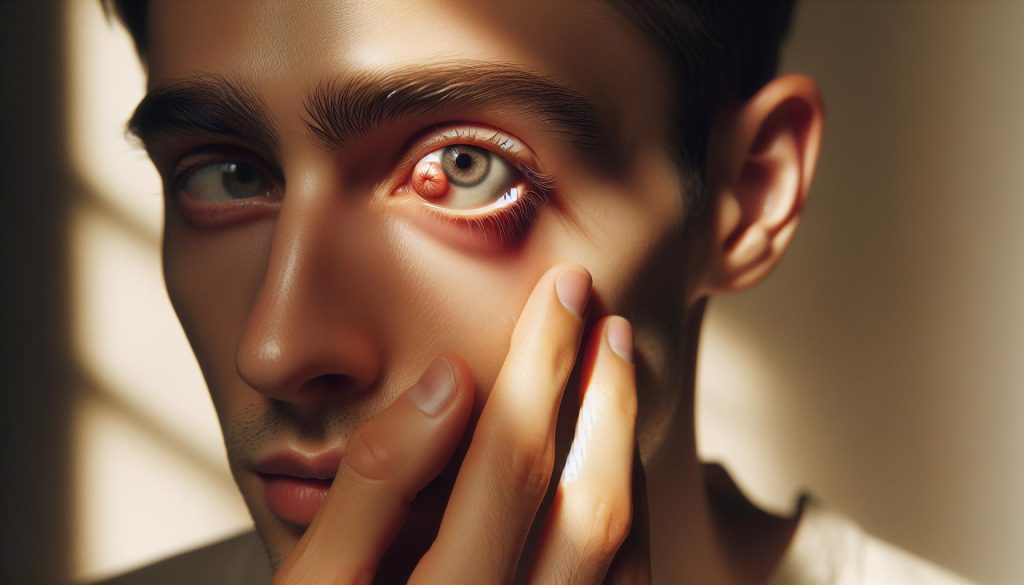
Did you know that a stye, a common eye condition caused by bacterial infection, can be quite contagious? If you’ve ever experienced the discomfort of a stye-those painful, swollen bumps at the base of your eyelashes-you may wonder whether it can spread to your other eye. Understanding the nature of styes is crucial, especially if you want to prevent potential discomfort and protect your eye health.
While styes typically result from blocked glands, how we care for our eyes can play a significant role in their recurrence. For many, the concern of spreading an infection adds an extra layer of anxiety. But don’t worry-by following effective preventive measures, you can significantly reduce the risk of another stye appearing.
Curious about how to keep your eyes healthy and free from styes? Join us as we unravel the facts, explore preventive tips, and empower you to maintain beautiful, irritation-free eyes for years to come.
Can a Stye Spread to the Other Eye? Understanding the Risks
A stye, while often bothersome, is typically a localized issue that forms due to a bacterial infection in the glands of the eyelids. The good news is that styes are not contagious in the traditional sense, meaning they cannot be directly spread from one eye to another like a viral infection. However, the bacteria that cause styes can be transferred from one eye to the other, particularly if proper hygiene measures are not observed. This can occur through touching the stye and then touching the other eye without washing your hands.
To minimize any risk of spreading bacteria, it’s essential to adopt a few preventive practices. First, refrain from touching your face and always wash your hands thoroughly before applying makeup or touching your eyes. If you have a stye, avoid sharing towels, pillowcases, or cosmetics until the infection has fully cleared. Remember, maintaining good eye hygiene is key to preventing recurrence or the development of styes on the opposite eyelid.
In addition to hygiene, it’s also wise to be cautious with eye makeup. If you’re experiencing a stye, consider pausing makeup use until it heals. This prevents irritation and reduces the risk of bacteria spreading. If you must use makeup, ensure that all products are clean and are not expired, as old cosmetics can harbor bacteria. Adopting these habits not only helps control stye outbreaks but also contributes to overall eye health.
What Is a Stye? Key Symptoms and Causes
A stye is more than just a bothersome bump on your eyelid; it signifies an infection in the oil glands at the base of your eyelashes. Understanding the key symptoms and causes can help you address this common issue promptly. Typically, styes manifest as a red, painful lump that resembles a pimple or boil. The swelling and tenderness that accompany a stye can be uncomfortable, but knowing what to look for makes it easier to recognize and manage.
Common symptoms include localized swelling, redness around the affected area, and a sensation of fullness or discomfort in the eyelid. Often, you might notice pus or a small yellow spot at the tip of the stye, indicating the presence of infection. It’s essential to differentiate between a stye and other eyelid issues, such as chalazia (a blockage of the oil gland) or conjunctivitis (pink eye), as these conditions may require different approaches to treatment.
The principal cause of styes is bacterial infection, which most frequently involves the Staphylococcus bacteria. This bacteria can enter through tiny openings in the skin, often exacerbated by factors like stress, poor hygiene, or underlying skin conditions such as acne. Using dirty makeup brushes or cosmetics can also introduce bacteria into the eye area, leading to infections. Beyond hygiene, styes may develop due to factors such as hormonal changes, certain skin conditions, or even blepharitis (inflammation of the eyelid), which collectively highlight the importance of keeping your eyelids healthy.
By maintaining proper hygiene, such as regularly washing your face and avoiding touching your eyes, you can significantly reduce the risk of developing styes. When you do notice one forming, remember that early intervention with warm compresses can provide relief and potentially speed up healing.
Can Styes Be Contagious? How They Spread
A common concern many face with styes is whether they can be passed from one eye to the other. Interestingly, while styes themselves are not contagious in the traditional sense, the bacteria that cause them can indeed spread in ways that may lead to a stye developing in the other eye. The primary culprits are bacteria from the Staphylococcus family, which naturally reside on our skin. When these bacteria enter through small breaks in the skin or oil glands near the eyelashes, they can trigger an infection, resulting in a stye.
To help minimize this risk, it’s essential to practice good hygiene. Here are some practical tips:
- Wash Your Hands Frequently: Always wash your hands before touching your eyes to prevent transferring bacteria.
- Avoid Touching Your Eyes: Refrain from rubbing or touching your eyes unnecessarily, especially if you have a stye.
- Use Separate Towels: Use clean towels and washcloths to avoid the transfer of bacteria; consider designating one for your face that’s washed regularly.
- Be Cautious with Makeup: If you are using eye makeup, ensure all products are clean, and avoid sharing makeup with others.
Maintaining these habits not only helps prevent the risk of spreading a stye to your other eye but also promotes overall eye health. If you do notice a stye forming, treating it promptly with warm compresses can help mitigate discomfort and speed up healing while avoiding potential complications. Remember, being proactive with hygiene makes a significant difference in protecting your eyes from infections and irritations.
Preventing Styes: Essential Hygiene Practices
Maintaining optimal eye hygiene is one of the most effective ways to prevent the occurrence of styes and protect against the potential spread of bacteria to your other eye. Good hygiene practices not only help in keeping infections at bay but also promote overall eye health. Staphylococcus bacteria, which can cause styes, are a part of everyday life but managing their presence around your eyes can significantly lower the risk of infection.
To start, make frequent handwashing a part of your routine, especially before touching your eyes or face. Even if your hands seem clean, they can carry bacteria that may lead to infections. When you do need to touch your eyes for any reason-applying makeup, cleaning, or dealing with irritation-ensure your hands are impeccably washed.
Additionally, be mindful of personal items that come into contact with your face. Use separate, clean towels and washcloths exclusively for your face and eye area to prevent cross-contamination. Instead of using a single towel for multiple purposes, consider establishing a designated “eye towel.” This minor adjustment can significantly decrease the chances of transferring bacteria to your eyelids.
Another critical point involves makeup hygiene. Always use fresh makeup, and regularly replace items like mascara and eyeliner, as these can harbor bacteria over time. In cases of irritation or if you are experiencing a stye, it’s prudent to avoid eye makeup entirely until the area has healed completely. If you must share products with friends or family, be cautious; bacteria can easily be transferred through common makeup items, exacerbating the risk of infection.
By implementing these essential hygiene practices into your daily routine, you can empower yourself to minimize the risk of styes not only in one eye but also in the other, ensuring a healthier and more comfortable experience for your eyes. Ultimately, staying proactive about your eye health can lead to significant benefits in your overall well-being.
How to Treat a Stye: Home Remedies and Medical Options
When dealing with a stye, understanding effective treatment options can significantly enhance your comfort and promote healing. Both home remedies and medical interventions play vital roles in alleviating symptoms and preventing complications, including the potential spread to the other eye.
Start with the simple yet incredibly effective method of applying warm compresses. Soak a clean washcloth in warm water, wring it out, and place it gently over the stye for 10-15 minutes, several times a day. This not only helps to soothe the pain but also encourages drainage, promoting healing. Make sure to use clean towels to prevent bacterial spread, and avoid applying pressure directly on the stye.
In addition to warm compresses, consider gentle eyelid hygiene. Use a diluted baby shampoo solution to clean your eyelids. Apply the diluted shampoo with a clean cotton swab or finger, avoiding aggressive scrubbing, which can exacerbate irritation. This practice helps remove excess oil and debris that can contribute to the development of styes.
If your stye does not improve with home care within a few days, it might be time to seek medical attention. A healthcare professional can assess the situation and may prescribe antibiotic ointments or, in some cases, recommend drainage if the stye is especially severe or persistent. It’s important to avoid squeezing or popping the stye yourself, as this can lead to bacteria spreading to other areas, including your other eye.
Taking steps early to treat a stye effectively is crucial, as timely intervention can prevent complications and relieve discomfort. Keeping your hands clean before touching your eyes and avoiding eye makeup during a stye outbreak can further protect your eye health. Embracing these treatment options empowers you to take control of your eye care, enhancing both comfort and healing.
When to Seek Medical Help for Styes
When dealing with a stye, knowing when to seek medical help can make a significant difference in your recovery. If home treatments, such as applying warm compresses or maintaining eyelid hygiene, do not lead to improvement within a few days, it’s important to consult a healthcare professional. A stye that persists or worsens may require medical intervention to prevent complications, including the risk of spreading the infection to your other eye.
Look out for warning signs that indicate it’s time to get medical advice. These include severe pain, swelling that extends beyond the eyelid, vision changes, or if the stye does not begin to drain after several days of home care. Additionally, if you develop a fever or notice green or yellow discharge from the eye, these symptoms suggest a more serious infection that may necessitate professional treatment.
In some cases, healthcare providers may prescribe antibiotic ointments to help combat the infection. If the stye becomes especially large or painful, they might suggest a minor surgical procedure to drain the stye effectively. It’s crucial to avoid attempts to pop or squeeze the stye on your own, as this not only delays healing but can also spread bacteria, potentially resulting in an infection of the other eye.
Being proactive about your eye health can ensure that minor issues do not escalate into major concerns. If in doubt, it’s always safer to err on the side of caution and consult with a medical professional, empowering you to manage your health with confidence.
Understanding the Connection Between Styes and Other Eye Conditions
is crucial for effective eye health management. Styes are often linked with various eyelid and eye issues, such as blepharitis and conjunctivitis. Blepharitis, an inflammation of the eyelid margins, can lead to blocked glands, creating an environment where styes are more likely to develop. This condition can also cause redness, flaking skin, and crustiness around the eyes, further complicating existing stye issues.
Moreover, styes can coexist with other bacterial infections of the eye, such as conjunctivitis, which is commonly known as pink eye. Both conditions stem from bacterial growth, frequently leading to discomfort, increased tearing, or irritation, and may spread if not treated promptly. For example, rubbing the eyes when experiencing itchy conjunctivitis can inadvertently transfer bacteria to the eyelid, triggering a stye.
To mitigate these risks and promote better eye health, it’s vital to adopt a comprehensive approach to hygiene and care. Regular cleaning of the eyelid area, especially for individuals prone to blepharitis, can aid in preventing blockages in the oil glands. Simple practices include gentle washing with mild soap and warm water or using eyelid scrubs specifically designed to reduce bacteria and oil buildup. Additionally, maintaining good overall health through a balanced diet and staying hydrated can strengthen the body’s immune response, making it less susceptible to infections.
Ultimately, awareness of how styes can relate to other eye ailments can empower individuals to take proactive steps in their eye care routines. By integrating diligent hygiene practices and seeking timely medical advice, particularly when symptoms of related conditions arise, it’s possible to maintain optimal eye health and minimize the occurrence of styes and their associated complications.
Managing Styes: Tips for Comfort and Relief
One of the best ways to find relief from a stye and speed up recovery is by employing warm compresses. Just soak a clean cloth in warm water, wring it out, and place it gently over the affected eye for about 10-15 minutes. This simple technique can help reduce swelling and promote drainage, which is key to alleviating discomfort. Repeat this several times a day, and the soothing warmth can also ease any associated pain.
Maintaining a clean eyelid area is also crucial for managing a stye. Gently washing your eyelids with mild soap and water or using eyelid scrubs can help remove irritants and prevent further blockage of the oil glands. An extra tip is to avoid heavy makeup or eyelash extensions until the stye heals; these can aggravate the condition and hinder recovery.
If you’re looking for some additional comfort, over-the-counter pain relief like ibuprofen or acetaminophen can help manage any discomfort you might be experiencing. Just be sure to follow the recommended dosages on the packaging. Moreover, while tempting, it’s critical to avoid popping or squeezing the stye, as this can lead to further infection or even the spread of bacteria to other areas of your eye.
Lastly, lifestyle adjustments, such as ensuring you get enough sleep and drinking plenty of water, can enhance your body’s healing processes. A balanced diet rich in vitamins, particularly those that support eye health, like vitamin A and omega-3 fatty acids, can also be beneficial. Ultimately, combining these practical measures will not only help you find relief from the stye but also contribute to healthier eyes overall.
The Role of Diet and Nutrition in Eye Health
Maintaining optimal eye health goes beyond your daily routines and personal care-it includes being mindful of the nutrients you consume. Did you know that the food you eat can significantly influence the health of your eyes and potentially reduce the risk of conditions like styes? A diet rich in certain vitamins and minerals can bolster your immune system, promote healthy skin and mucous membranes, and ensure your tear production is consistent, creating a natural barrier against infections.
To support your eye health, focus on incorporating the following components into your diet:
- Vitamin A: This vitamin is crucial for maintaining good vision and healthy skin around your eyes. Foods rich in vitamin A include carrots, sweet potatoes, spinach, and kale. They help keep the cornea clear and may help reduce the risk of styes by improving the skin’s resilience.
- Omega-3 Fatty Acids: Found in fatty fish like salmon and tuna, omega-3s are known to promote healthy tear production and reduce inflammation. This can be especially beneficial in preventing eye irritations that may lead to styes.
- Zinc: This essential mineral helps maintain the health of the retina and might even aid in healing. Sources of zinc include nuts, legumes, and whole grains. Adequate zinc levels can enhance your body’s ability to fend off infections.
- Antioxidants: Vitamins C and E, found in citrus fruits, nuts, and seeds, are powerful antioxidants that protect cells from oxidative stress. They can enhance overall skin health, including the delicate area around your eyes.
By tailoring your meals to include these nutrients, you not only support your eye health but also empower your body to fight off potential infections, including styes. Healthy eating habits help create a robust defense against the bacteria responsible for such conditions, allowing you to maintain clear and vibrant eyes. Prioritize hydration as well-staying well-hydrated is fundamental for optimal tear production and skin health.
Incorporating a variety of colorful fruits and vegetables not only makes meals more appealing but also ensures a diverse intake of essential nutrients. This holistic approach to nutrition, combined with good hygiene practices, can significantly reduce the likelihood of experiencing styes or other complications.
Common Misconceptions About Styes and Eye Health
Many people harbor myths about styes that can lead to unnecessary worry or even inaction when it comes to eye health. One common misconception is that styes are contagious. In reality, styes typically arise from bacterial infections related to blocked oil glands or hair follicles at the eyelid margin, primarily caused by staphylococcus bacteria. While it’s important to maintain good hygiene to prevent the bacteria that cause styes from spreading, they cannot be passed from one person to another through casual contact. Understanding this can alleviate fears and promote a healthier perspective on managing eye health.
Another widespread belief is that wearing eye makeup during a stye will affect its healing process. While it’s advised to avoid makeup around the infected area, many believe that using it can worsen the condition. In truth, makeup may harbor bacteria, which can exacerbate the stye or lead to additional irritation. Hence, it’s best to allow your eyelids to breathe and heal undisturbed while a stye is present. This supports a quicker recovery and helps minimize the chance of complications.
Furthermore, some individuals think styes can develop into more severe eye conditions. While styes can be uncomfortable and unsightly, they are generally benign and can be managed effectively at home through warm compresses and good eyelid hygiene. However, neglecting treatment or ignoring symptoms could potentially lead to complications, such as the development of a chalazion, which is a blocked oil gland that can be slower to resolve.
Understanding these misconceptions empowers individuals to take proactive steps in their eye care routine, promoting better health habits. By keeping eyelids clean, avoiding makeup during flare-ups, and realizing the limits of contagion regarding styes, individuals can reduce their risk of developing styes and maintain overall eye health with confidence.
Maintaining Eye Hygiene: Best Practices for Daily Care
Keeping your eyes healthy and clean is essential, not just for preventing styes but for overall eye health. Did you know that regular eye hygiene can significantly reduce the risk of developing infections? By integrating simple yet effective practices into your daily routine, you can help protect your eyes and maintain their well-being.
To start, it’s crucial to clean your eyelids regularly. Use a gentle cleanser specifically designed for eye care or mild soap and water. Here’s how to do it effectively:
- Wash your hands thoroughly before touching your face or eyes.
- Soak a clean washcloth in warm water, and gently wipe your eyelids using soft, circular motions.
- For a more targeted approach, you can also use pre-moistened eyelid wipes that are safe for daily use.
Preventing irritation from makeup is another vital step. Avoid applying eye makeup, especially eyeliner and mascara, when you have a stye or any eye irritation. Makeup can harbor bacteria and exacerbate the condition. Additionally, ensure to replace any eye makeup products every three to six months to minimize the risk of bacterial contamination.
Lastly, consider your contact lens care. If you wear contacts, always follow the manufacturer’s guidelines for cleaning and storage. Avoid sleeping in your lenses unless they are specifically designed for extended wear. And don’t forget to give your eyes a break; try to reduce screen time and take regular breaks during long periods of reading or computer use to alleviate strain.
By embracing these practices, you’ll not only lower your risk of styes and similar issues but also promote a healthier, brighter future for your eyes. Regular vigilance and simple habits can make a remarkable difference in your eye health, allowing you to enjoy clearer vision and greater comfort every day.
FAQ
Q: Can a stye spread from one eye to another?
A: A stye typically does not spread from one eye to another. However, touching the stye and then touching the other eye can potentially introduce bacteria, leading to a new stye. Always practice good hygiene to minimize this risk.
Q: What are the common signs that a stye is developing?
A: Common signs of a developing stye include redness, swelling, pain, and the presence of a small lump on or near the eyelid. It may also feel itchy or tender. If symptoms persist, consult a healthcare professional.
Q: How can I prevent a stye from recurring?
A: To prevent a stye from recurring, maintain good eyelid hygiene by gently cleaning your eyelids daily, avoiding touching your eyes, and keeping makeup brushes and contact lenses clean. Regular washing with gentle soap helps as well.
Q: Are there specific foods that can help prevent styes?
A: While no specific foods can prevent styes, a balanced diet rich in vitamins A, C, and E can support overall eye health. Hydrating and consuming antiflammatory foods may also benefit your eyes.
Q: What home remedies can I use to soothe a stye?
A: Warm compresses applied several times a day can help soothe a stye by increasing circulation and promoting drainage. Avoid squeezing the stye, as this can worsen inflammation and lead to infection.
Q: When should I see a doctor for a stye?
A: You should see a doctor if the stye persists for more than a week, worsens, affects vision, or if you experience severe pain or swelling. Professional medical advice can guide appropriate treatment options.
Q: Can stress trigger a stye?
A: Stress itself might not directly cause a stye, but it can weaken the immune system, making you more susceptible to infections. Managing stress through relaxation techniques can support your overall eye health.
Q: Is it safe to wear makeup if I have a stye?
A: It’s best to avoid wearing makeup while you have a stye, as it can irritate the area further and introduce bacteria. Wait until the stye has completely healed before resuming makeup use for eye areas.
Closing Remarks
If you’re worried about a stye spreading to the other eye, it’s essential to remember that prompt care and prevention can make a significant difference. Keeping your eyelids clean and practicing good hygiene can help protect against potential infections. If you experience recurring styes, consider exploring our detailed guides on maintaining eye health and effective treatment options to empower you in your daily care routine.
Don’t hesitate to dive deeper into our resources, like “Understanding Blepharitis: Symptoms and Management” or check out tips for “Effective Eye Care Practices.” Your health is a journey, and we’re here to provide you with the tools you need every step of the way.
Take action today by subscribing to our newsletter for the latest insights, expert advice, and tips tailored to your health and beauty needs. Together, we can ensure your eyes remain healthy and bright-because you deserve to feel your best!