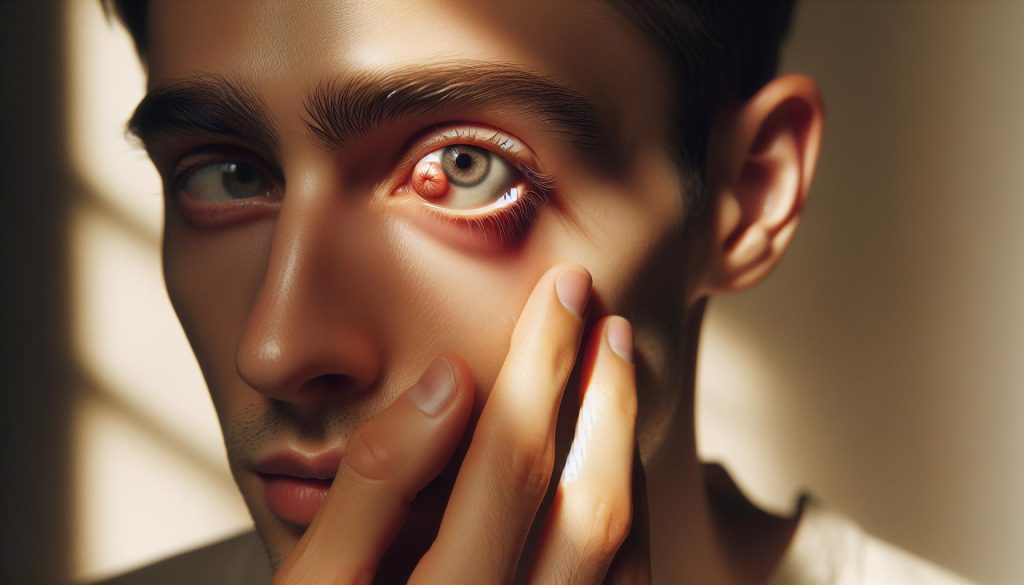
Did you know that while styes and pink eye are both common eye issues, they differ significantly in symptoms and treatment? Understanding the connection between these conditions is crucial, especially since a simple stye can lead to the discomfort of pink eye, or conjunctivitis. Many people experience the pain and frustration of eye infections, impacting daily life and wellness.
In this article, we will explore whether a stye can turn into pink eye and discuss practical steps you can take to prevent this painful transition. By arming yourself with knowledge about these conditions, you can make informed decisions about your eye care, helping to keep your eyes healthy and irritation-free. Let’s delve into the details to equip you for effective prevention and management.
Understanding the Difference: Styes vs. Pink Eye
Distinguishing between a stye and pink eye (conjunctivitis) is essential for effective treatment and prevention. A stye is a localized infection that manifests as a small, painful lump on the eyelid, often resulting from bacteria entering the hair follicle of an eyelash. It typically causes discomfort, redness, and swelling and may even produce some pus. On the other hand, pink eye is an inflammation of the conjunctiva, characterized by redness, itching, and discharge from the eye. Understanding these differences not only helps in relieving symptoms but also determines the appropriate care required for each condition.
When it comes to their causes, styes generally arise from bacterial infections, often linked to the bacteria normally present on the skin. This can be exacerbated by poor hygiene, touching the eyes with unwashed hands, or using contaminated cosmetics. Conversely, pink eye can result from various factors, including viral infections, bacterial infections, allergens, or irritants like smoke or chlorine. Given these causes, it’s imperative to maintain good hygiene practices to avoid the crossover between these two conditions, as addressing one does not automatically protect against the other.
To protect yourself from developing pink eye from a stye, it’s crucial to avoid touching or rubbing your eyes, as this can spread the infection. If you notice the onset of symptoms typical of pink eye-such as increased tearing or a sticky discharge-alongside a stye, it’s wise to consult a healthcare professional. They can provide guidance on appropriate treatment and help manage symptoms effectively, reducing the risk of complications.
In summary, while both styes and pink eye can significantly affect your eye health, recognizing their differences can empower you to take proactive steps in both treatment and prevention. Prioritizing hygiene, being vigilant about symptoms, and seeking timely medical advice are all essential practices for maintaining optimal eye health.
What Causes a Stye and Its Symptoms?

The occurrence of a stye can often catch you off guard. This small, painful bump on the eyelid generally arises from a bacterial infection, typically linked to Staphylococcus species, which are naturally present on the skin. When these bacteria infiltrate a hair follicle, they can lead to localized inflammation and the formation of a stye. Factors such as poor hygiene practices, not removing makeup before bed, or touching your eyes with unwashed hands can exacerbate this condition, making it essential to adopt good eye care routines to minimize your risk.
Symptoms of a stye are easily recognizable. Initially, there may be a tender spot where the bump will develop, followed by redness and swollen eyelids. You might also notice some pain when blinking, a gritty sensation in the eye, and occasionally, the presence of pus that can discharge if the stye bursts. These symptoms can be bothersome but are usually manageable with proper care.
To help avoid the discomfort of a stye, consider integrating some daily prevention tips into your routine. Regularly washing your hands and avoiding touching your face can significantly reduce the likelihood of bacterial transfer. Furthermore, keeping your eyelids clean by gently washing them with mild soap and water can help eliminate any bacteria before they have a chance to cause infection. These simple practices not only help to prevent styes but also protect your overall eye health, guarding against complications such as the transition from a stye to pink eye (conjunctivitis), which can occur when infection spreads.
By staying vigilant and maintaining good hygiene, you can empower yourself to keep your eyes healthy and free from troublesome conditions. If you ever experience discomfort that feels persistent or worsening, don’t hesitate to seek advice from a healthcare professional to ensure your eye health stays in check.
Can Styes Progress to Pink Eye? Here’s What You Should Know
Although a stye may appear as a simple nuisance, it’s crucial to be aware of how infections can evolve. In some cases, a stye, which is caused by a bacterial infection in the oil glands of the eyelid, can potentially lead to conjunctivitis, commonly known as pink eye. This transition happens when the bacteria from the stye spread to the conjunctiva, the thin membrane that covers the white part of the eye and the inside of the eyelids. Understanding this progression can help you take timely actions to prevent further complications and maintain your eye health.
The initial signs of a stye include localized pain, swelling, and redness on the eyelid. If these symptoms begin to worsen or if you notice increased tearing, redness not confined to the stye, or a discharge that’s not just pus from the stye, it may signal that the infection is spreading to the conjunctiva. Your eyes may feel more sensitive or gritty, which are common signs of irritation associated with pink eye. Early recognition of these symptoms is key; if you’re experiencing worsening conditions, adjusting your hygiene routine can be beneficial.
Preventive measures are paramount in halting the transition from a stye to pink eye. Good hygiene practices play a significant role. Here are some practical steps you can take:
- Wash your hands: Frequent hand washing with soap and water can help minimize the spread of bacteria.
- Avoid touching your face: This simple act can prevent bacteria from your hands from migrating to your eyes.
- Use clean towels: Always use a clean towel to dry your face and avoid sharing linens or makeup.
- Don’t wear contact lenses: If you have a stye, it’s wise to avoid contact lenses until the infection has cleared.
In conclusion, staying aware of the symptoms and the potential for a stye to develop into pink eye will allow you to take proactive measures. Engaging in proper eye care practices, along with seeking professional medical advice when needed, can help maintain your eye health and prevent further complications. If you find your symptoms worsening or persisting, don’t hesitate to consult a healthcare provider for tailored treatment options.
Risk Factors for Developing Pink Eye from a Stye

Understanding the connection between styes and pink eye can significantly impact how you manage your eye health. While a stye typically manifests as a painful bump on the eyelid due to a bacterial infection, certain risk factors can increase the likelihood of this infection spreading to the conjunctiva, resulting in pink eye. Recognizing these factors empowers you to take proactive steps and minimize your chances of developing this uncomfortable condition.
Some individuals may be more susceptible to developing pink eye from a stye due to various health conditions or habits. For example, individuals with compromised immune systems, whether from chronic illnesses like diabetes or from medications that suppress immunity, have a higher risk of infections overall, including eye infections. Stress and insufficient sleep can also weaken your immune response, making you more vulnerable to both styes and their potential progression to pink eye.
Another significant risk factor is poor hygiene practices. Touching your eyes with unwashed hands, especially when dealing with a stye, can facilitate the spread of bacteria. Additionally, sharing personal items such as towels, makeup, or even contact lenses can transfer harmful bacteria to your eyes. If you wear contact lenses, it’s crucial to maintain a strict hygiene routine-failure to do so can exacerbate irritation and lead to complications such as pink eye. Creating a habit of cleaning and replacing contact lenses as recommended can greatly reduce your risk.
Lastly, pre-existing conditions affecting the eyelids or surrounding areas, such as blepharitis (inflammation of the eyelid), can create an environment conducive to infections. If you notice consistent eyelid inflammation or irritation, it may be worth seeking a professional assessment to address underlying issues.
By staying vigilant about these risk factors, you can significantly reduce your chances of a stye turning into pink eye, allowing you to maintain healthy and comfortable eyes. Prioritizing hygiene and proper eye care is key to preventing irritation and supporting your overall eye health.
Preventive Measures to Avoid the Transition

Did you know that practicing good hygiene can significantly reduce your chances of a stye developing into pink eye? It’s crucial to understand that, while both conditions stem from infection, styes originate externally, but their bacteria can irritate the eye and potentially lead to conjunctivitis. By being proactive and adopting a few preventative measures, you can protect your eye health effectively.
To minimize the risk of a stye transitioning into pink eye, consider implementing these essential practices:
- Wash Your Hands Regularly: Keeping your hands clean is vital. Make a habit of washing your hands with soap and water frequently, especially before touching your eyes or face. Using hand sanitizer when soap is unavailable can also be beneficial.
- Avoid Touching Your Eyes: Resist the urge to touch, rub, or poke your eyes, particularly if you have a stye. If you do need to touch your eyes, ensure your hands are thoroughly clean to prevent transferring bacteria.
- Do Not Share Personal Items: Items like makeup brushes, towels, and contact lenses can harbor bacteria. To avoid infection spread, use your own products and ensure they are clean. For makeup, remember to replace old products regularly to avoid contamination.
- Maintain Eye Hygiene: If you wear contact lenses, follow the recommended care guidelines strictly. Clean and properly store your lenses, and avoid wearing them while you have a stye.
Additionally, consider incorporating a warm compress to soothe and cleanse the eyelid when a stye appears. This simple practice can help reduce inflammation and may prevent further irritation that could lead to pink eye. If you notice any signs of discomfort or if your symptoms worsen, it’s essential to consult a healthcare professional promptly.
By staying informed and vigilant about these practices, you empower yourself to maintain optimal eye health and reduce the risk of complications. Prioritizing eye hygiene is a small investment in your overall well-being that can yield significant benefits.
Effective Treatments for Styes: Over-the-Counter and Home Remedies

Managing a stye effectively can make a significant difference in your comfort and the health of your eyes. These small, painful bumps can be bothersome, but with the right approach, you can find relief. One of the most popular home remedies is the application of warm compresses. Gently applying a warm, damp cloth to the affected area for about 10-15 minutes several times a day can help reduce swelling and promote drainage. The warmth increases circulation to the area and can help loosen any blockage in the gland, allowing the stye to heal more quickly.
Over-the-counter treatments also play a vital role in managing styes. Look for eye drops that contain lubricants to soothe irritation, or consider pain relief medications like acetaminophen or ibuprofen for discomfort. In more severe cases, topical antibiotics may be recommended to prevent any potential secondary infections, especially if the stye seems persistent or shows signs of worsening. Always ensure to consult with your healthcare provider before starting any medication to discuss the best approach for your specific situation.
While you’re tackling the stye, maintaining good hygiene is essential. Avoid eye makeup and contact lenses until the stye has healed to minimize irritation and reduce the risk of spreading bacteria. Additionally, be sure to wash your hands frequently and avoid touching your eyes, as this can exacerbate the issue or even lead to conditions like pink eye.
Implementing these treatment strategies not only aids in the speedy recovery from a stye but also significantly decreases the likelihood of developing further complications, such as pink eye. Keeping your eye health in check is an empowering step you can take, ensuring that you remain comfortable and confident in your daily life.
Top Signs Pink Eye Is Developing from a Stye
A stye can be an uncomfortable condition, but it’s crucial to recognize when it may be evolving into something more concerning, like pink eye (conjunctivitis). Early detection can be key in preventing further irritation or complications. If you notice your stye is accompanied by increasingly pronounced symptoms, it could indicate a transition to pink eye. Here are some signs to watch for:
- Increased Redness and Swelling: While styes are characterized by a small, localized bump, the surrounding eye area may begin to appear redder and more swollen if pink eye is developing. A significant increase in redness that spreads beyond the stye should be taken seriously.
- Discharge from the Eye: A typical stye might create some discharge, but if you start observing a yellow or green pus-like discharge, this could signal an infection that might be causing pink eye. Pay attention to any persistent discharge that causes your eyelids to stick together, particularly in the morning.
- Teary Eyes: Enhanced tearing or watering of the eyes can suggest an allergic reaction or an infectious process taking place, often seen with pink eye. If you feel like your eyes are unusually watery along with your stye, it may indicate you’re dealing with more than just a stye.
- Increased Irritation and Itching: As pink eye sets in, irritation often escalates. While a stye can cause discomfort, the overarching itchiness or irritation that feels pervasive and affects both eyes might suggest that pink eye is developing, possibly as a response to bacteria or allergens.
Recognizing these warning signs enables proactive steps to be taken. If any of these symptoms present themselves, it is advisable to consult with a healthcare provider for appropriate intervention. This could include antiseptic eye drops or medications aimed at alleviating symptoms, which can help prevent the condition from worsening and ensure a swift recovery.
Maintaining a proactive approach to your eye health is essential. Since both styes and pink eye can be contagious under certain circumstances, it’s vital to practice good hygiene, such as frequent hand washing and avoiding touching your eyes, to minimize the risk of spreading irritants or infection to others.
When to Seek Professional Medical Advice
Experiencing a stye can be an unsettling journey, but understanding when to reach out for professional help is crucial for eye health. A stye, although often benign, can sometimes signal the onset of more serious conditions, like pink eye (conjunctivitis). If symptoms escalate beyond the typical stye characteristics-such as the appearance of increased redness, discomfort spreading around the eye, or any unusual discharge-it’s essential to seek medical advice.
Persistent or worsening symptoms warrant a visit to your healthcare provider. If you experience a significant discharge that is yellow or green, or if your eyelids feel glued shut in the morning, these can be signs of an infection that could progress to or indicate pink eye. Increased tearing, discomfort that affects both eyes, or if the stye doesn’t improve within a few days, are also indications to consult a professional.
Don’t hesitate to seek advice if the stye is accompanied by vision changes. Even a minor fluctuation in your eyesight or heightened sensitivity to light can be a reason to see an eye care specialist. It’s always better to err on the side of caution when it comes to your vision.
Being proactive about your eye health means being informed and attentive to changes. Remember that early intervention can lead to a quicker recovery, ensuring you maintain clear, healthy vision. Prioritize your well-being by recognizing symptoms that require more than at-home remedies and knowing that support is readily available when you need it.
Living with Styes and Protecting Eye Health
Experiencing a stye can create discomfort and concern, but there are steps you can take to manage this condition effectively while protecting your eye health. Understanding the nature of styes and their potential complications, such as pink eye, empowers you to make informed decisions regarding care and prevention.
Maintaining rigorous hygiene is essential in preventing the transition from a stye to pink eye. Always wash your hands thoroughly before touching your face or eyes, and avoid sharing personal items like towels or eye makeup, which can harbor bacteria. If you wear makeup, consider discarding any product used around the eye during a stye occurrence to prevent re-infection. Additionally, avoid squeezing or popping a stye; this can exacerbate irritation and potentially spread infection.
Incorporating warm compresses can be a soothing and effective home remedy for styes. Applying a clean, warm, damp cloth to the affected eyelid for ten to fifteen minutes, several times a day, can help alleviate discomfort and encourage drainage. However, if you notice any signs of infection that worsen, such as increased redness, swelling that extends to the surrounding areas, or discharge, consult a healthcare provider promptly.
Another critical aspect of living with styes is monitoring for any progression toward pink eye. Keep an eye out for symptoms such as excessive tearing, itchy or swollen eyes, or a sticky discharge. If these symptoms arise, it might be a signal that you need further medical evaluation. By taking proactive measures and being attentive to your eye health, you can navigate this common eye condition with greater confidence and peace of mind. Always remember, your eyes are uniquely vital, and prioritizing their care helps ensure they remain healthy and clear throughout your life.
Myths and Facts About Styes and Pink Eye
There’s a common misconception that styes and pink eye are essentially the same condition, leading to confusion and unnecessary alarm. Understanding the distinction between these two eye issues can empower you to manage your eye health more effectively. A stye, technically known as a hordeolum, is generally a localized infection or blockage of an oil gland in the eyelid, often presenting as a red, painful lump. In contrast, pink eye, or conjunctivitis, refers to inflammation of the conjunctiva-the delicate membrane covering the white part of the eye and the inner eyelids-often characterized by redness, swelling, and discharge.
Myths Surrounding Styes and Pink Eye
Myth 1: A stye will definitely turn into pink eye.
While a stye can lead to symptoms resembling pink eye, such as redness and irritation, it does not always progress to conjunctivitis. Good hygiene measures can significantly reduce this risk.
Myth 2: You can catch a stye from someone with pink eye.
Styes are caused primarily by bacteria that block oil glands and are not contagious, unlike pink eye, which can be spread through direct or indirect contact with the infectious source. Understanding these causes can help alleviate unnecessary fear when encountering someone with these conditions.
Myth 3: Styes are only caused by dirty eyes.
While poor hygiene can contribute to the development of styes, they can also occur due to stress, hormonal changes, or even underlying skin conditions like eczema. So, maintaining hygiene is crucial, but it’s not the only factor to consider.
Facts to Consider
Fact 1: A warm compress can help.
Using a warm compress helps in both conditions. For a stye, it promotes drainage and reduces discomfort. In pink eye, it can ease irritation and swelling. Just remember to keep your compress clean-using a fresh, clean cloth each time can prevent further infection.
Fact 2: Both require different treatments.
Over-the-counter treatments and home remedies are effective for styes, but pink eye may necessitate medical evaluation, especially if caused by bacteria. Your healthcare provider may recommend antibiotic drops for bacterial conjunctivitis, while viral forms typically resolve on their own.
By demystifying these myths and sharing the facts, you can navigate your eye health with confidence and care. Always prioritize preventive measures, like proper eye hygiene, and consult a healthcare professional if you notice changes in your eye health, allowing for timely and effective management of both styes and pink eye.
Best Practices for Eye Hygiene and Care
Taking good care of your eyes is crucial, especially when navigating conditions like styes and pink eye. Maintaining proper eye hygiene can help prevent complications and promote overall eye health. Start by washing your hands thoroughly before touching your face or eyes. This simple act is your first line of defense against introducing bacteria that could lead to infections.
When dealing with a stye, applying a warm compress for 10-15 minutes several times a day can provide comfort and promote drainage. Make sure to use a clean cloth each time to avoid reinfection. It’s equally important to avoid rubbing your eyes or squeezing the stye, as this can spread bacteria and potentially lead to pink eye.
For makeup wearers, consider using hypoallergenic and non-comedogenic products to minimize risk. Replace eye makeup every three months, and if you have a stye or pink eye, dispose of any products used during the infection to prevent reinfection. Additionally, sanitize your eyeglasses regularly with a soft cloth and a gentle cleaner.
Remember, if you experience symptoms like excessive redness, discharge, or prolonged irritation, consult with a healthcare professional. Early intervention can prevent more severe issues and protect your eye health in the long run. Keeping up with regular eye exams is also key, as professionals can help identify underlying issues that might predispose you to styes or pink eye. Prioritizing your eye care not only helps manage current concerns but also sets the stage for lasting eye health.
Faq
Q: Can a stye lead to pink eye?
A: While a stye and pink eye are different conditions, a stye can potentially lead to pink eye if the bacteria causing the stye spread to the conjunctiva. Maintaining good hygiene can help prevent this progression. For more details, refer to the section on “Can Styes Progress to Pink Eye?” in the article.
Q: What are the signs of pink eye developing from a stye?
A: Signs of pink eye developing from a stye may include increased redness around the eye, discharge, swelling of the eyelids, and irritability when exposed to light. If you notice these symptoms, consult the section on “Top Signs Pink Eye Is Developing from a Stye” for further guidance.
Q: Is it common for styes to cause pink eye?
A: It is not common, but it can occur under certain circumstances, particularly when proper hygiene is not maintained. Understanding the risk factors outlined in “Risk Factors for Developing Pink Eye from a Stye” can help mitigate this risk.
Q: How can I prevent a stye from turning into pink eye?
A: Preventing a stye from turning into pink eye involves proper hand hygiene, avoiding touching your eyes, and not sharing personal items like towels or eye makeup. For comprehensive preventive measures, see the section on “Preventive Measures to Avoid the Transition” in the article.
Q: What treatments are effective if pink eye develops from a stye?
A: If pink eye develops, treatments may include antibiotic eye drops or ointments, depending on whether the pink eye is bacterial or viral. The section on “Effective Treatments for Styes” provides useful remedies that can also be helpful for managing symptoms.
Q: When should I seek medical help for a stye or pink eye?
A: Seek medical advice if the stye persists for over a week, worsens, or if there are signs of pink eye such as severe redness or discharge. For detailed advice, refer to “When to Seek Professional Medical Advice” within the article.
Q: What over-the-counter medications are recommended for styes and pink eye?
A: Over-the-counter pain relievers, warm compresses, and specific eye drops can relieve symptoms. Consult the “Effective Treatments for Styes” section for recommendations suitable for treating both styes and potential pink eye.
Q: Can allergies cause a stye to mimic pink eye symptoms?
A: Yes, allergic reactions can cause redness and irritation that may resemble pink eye, often alongside a stye. For more insights into differentiating conditions, refer to “Understanding the Difference: Styes vs. Pink Eye” in the article.
In Retrospect
Understanding the potential transition from a stye to pink eye is crucial for maintaining your eye health and comfort. Remember, prompt action can prevent complications; if you notice changes in your symptoms, don’t hesitate to consult a healthcare professional. For more insights, check out our related articles on eye care best practices and natural remedies for styes, or visit our comprehensive guide on preventing common eye infections.
Your journey toward informed health choices continues here-sign up for our newsletter for expert tips and updates tailored to your needs. Empower yourself with knowledge and take charge of your wellness today. Together, we can ensure that your vision remains clear and healthy. Share your thoughts below, and let’s keep the conversation going!