
Did you know that dry eyes can often lead to a condition known as styes? These painful, red bumps on the eyelid can be not only uncomfortable but also affect your daily life. Understanding the connection between dry eyes and styes is crucial for effective prevention and treatment.
Many women face the dual challenge of maintaining healthy eyes while juggling busy schedules, and dryness can arise from screen time, environmental factors, and even skincare routines. By addressing the root causes of dry eyes, you can reduce your risk of developing styes and enhance your overall eye health.
In this article, we’ll delve into the causes of dry eyes, explore how they can lead to styes, and share actionable steps to restore moisture and balance to your eyes. You’ll discover practical tips and remedies designed to empower you to take charge of your eye health. Let’s embark on this journey to brighter, more comfortable eyes together!
Understanding the Connection Between Dry Eyes and Styes
Dry eyes can play a significant role in the development of styes, offering a compelling link between these two commonly experienced eye issues. Styes, or hordeola, are often caused by blocked oil glands in the eyelids, leading to painful swelling and discomfort. When your eyes are dry, the natural lubrication that helps maintain eye health and eyelid functionality is compromised. This dryness can lead to increased friction and irritation of the eyelids, making them more susceptible to infections and blockages that result in styes. Dry eyes lower the overall barrier against bacteria and other irritants, which can exacerbate gland blockages and thus, stye formation.
Understanding the symptoms associated with both dry eyes and styes can help in early detection and management. Common symptoms of dry eyes include a gritty or sandy sensation, burning, and redness, whereas styes typically present as a painful bump on the eyelid, accompanied by swelling and tenderness. Recognizing these signs early can lead to more effective home treatment options and preventive strategies. For instance, if you frequently notice dry eyes in conjunction with the onset of a stye, it would be prudent to incorporate remedies that replenish moisture and support eyelid health.
Maintaining proper eye hygiene is crucial in preventing both dry eyes and styes. Regularly cleaning the eyelids can help clear away debris and oils that can clog glands. Consider using warm compresses as a soothing treatment, which can not only provide relief for dry eyes but also encourage the drainage of blocked glands. In addition, ensuring that you blink regularly, especially during screen time, can help distribute tears evenly across the eyes, preventing dryness and minimizing the risk of styes.
The delicate balance of moisture, cleanliness, and nutrition plays a vital role in eye health. Incorporating omega-3 fatty acids into your diet, found in fatty fish and flaxseeds, can enhance tear production and anti-inflammatory responses, providing an added layer of defense against both dry eyes and styes. Understanding and addressing the connection between these two conditions can empower you to take proactive steps towards maintaining eye health, fostering a regimen that protects against discomfort and promotes clarity and wellness.
Why Do Dry Eyes Lead to Styes?

Experiencing dry eyes can be more than just a nuisance; it can significantly contribute to the development of styes, a painful and often embarrassing condition. When your eyes lack sufficient moisture, the natural oils and lubrication needed to maintain healthy eyelids are compromised. This drying effect can lead to increased friction and irritation, making eyelids more vulnerable to blockages and infections-two primary culprits behind stye formation. Essentially, dry eyes create a fertile ground for bacteria and irritants to thrive, which can trigger inflammation and the painful lumps known as styes.
Understanding the mechanics of this connection can empower you to take proactive steps toward your eye health. When your eyelids become dry, the oil glands within them may not function properly, leading to insufficient oil production. These oil glands are essential for creating a protective barrier that keeps moisture in the eye and harmful elements out. When these glands become blocked-often due to irritation from dryness or environmental factors like dust or screen exposure-the result can be a stye. Thus, effectively managing your dry eyes becomes critical in preventing these unwelcome occurrences.
Moreover, the irritation caused by dry eyes may encourage behaviors like rubbing or touching your eyes for relief. Unfortunately, this aggravation can exacerbate the situation, pushing bacteria nearer to the glands and increasing the risk of developing styes. To break this cycle, maintaining eye hygiene is fundamental. Regularly cleansing your eyelid area can help minimize irritation and reduce the chances of infection. Utilizing warm compresses can also soothe dry eyelids and promote the drainage of any potential blockages.
Incorporating restorative practices is vital for healthy eyelid and eye function. By addressing the underlying causes of dry eyes-be it environmental triggers, prolonged screen time, or certain health conditions-you can bolster your defense against styes. Simple lifestyle adjustments, like using artificial tears and ensuring adequate hydration, can make a significant difference in how your eyes feel and function, ultimately keeping those stubborn styes at bay. Taking these small but impactful steps ensures your eyes remain comfortable, healthy, and stye-free.
Common Symptoms of Dry Eyes and Styes
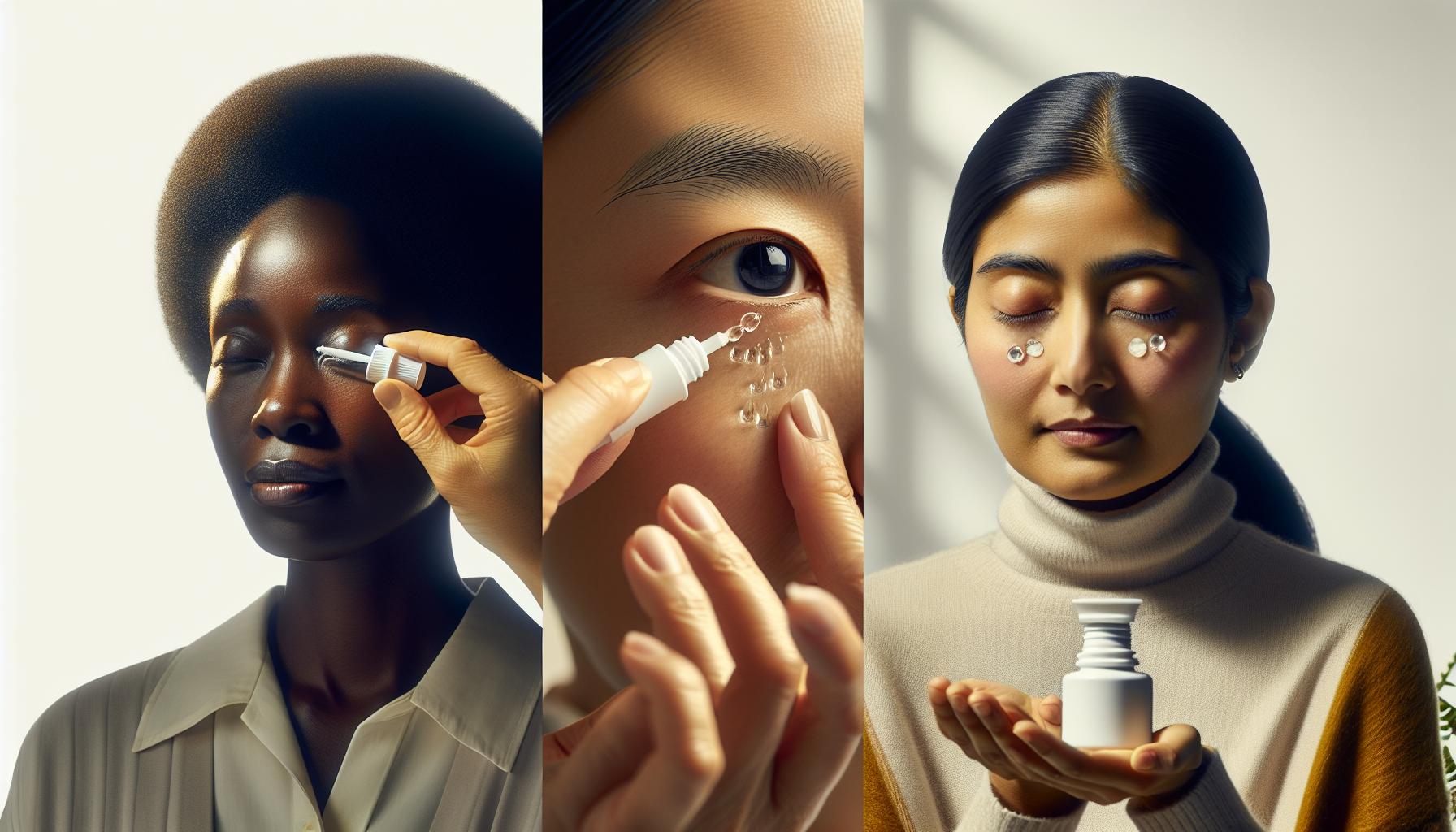
Experiencing dry eyes can lead to a host of uncomfortable symptoms that may often be overlooked. Those with dry eyes frequently report feelings of itchiness, a gritty or sandy sensation, and redness in the eye area. When left unchecked, these symptoms can escalate, contributing to fatigue and strain, especially after prolonged screen time or exposure to environmental irritants. Moreover, the discomfort of dry eyes can lead to reflex tearing, which might seem like a solution but often results in fluctuating vision and an increase in irritation.
Styes, on the other hand, present their own distinct set of symptoms. They often appear as painful red bumps on the eyelids, often resembling pimples or cysts. Beyond their unsightly appearance, styes can cause localized swelling and tenderness around the eye, and in some cases, they may become filled with pus. If you already suffer from dry eyes, the added irritation of a stye can intensify discomfort and lead to further complications, reinforcing the need for effective management strategies.
To better understand how these two conditions intertwine, consider the overlapping symptoms that can occur. For instance, both conditions may lead to increased sensitivity to light or the sensation of having something in the eye. This duality can leave individuals feeling frustrated as they navigate through discomfort and the potential for more serious eye issues. Recognizing these symptoms early on is crucial, as it allows for timely intervention and the potential to alleviate both dry eye symptoms and prevent styes from developing.
In summary, being attuned to the symptoms of dry eyes and styes not only helps in maintaining comfort but also empowers you to take proactive steps. Implementing a routine that includes regular eye hydration and hygiene can significantly reduce the likelihood of these issues escalating. By focusing on preventive measures and addressing the precise symptoms as they arise, you can preserve your eye health and enhance overall well-being.
The Role of Eye Hygiene in Preventing Styes
Maintaining proper eye hygiene is crucial in keeping styes at bay, especially for those who experience dry eyes. Styes often develop when the meibomian glands in the eyelids become clogged and infected, leading to uncomfortable swelling and redness. A diligent eye care routine can effectively minimize this risk and protect your eyes from irritation and infection.
To establish a robust eye hygiene practice, consider incorporating the following steps into your daily routine:
- Wash your hands regularly: Before touching your face or applying makeup, ensure your hands are clean to avoid transferring bacteria.
- Clean eyelids gently: Use a mild eyelid scrub or a diluted baby shampoo to cleanse your eyelids and remove debris. Doing this once a day can clear oil and grime that may clog your glands.
- Remove makeup before bed: Always remove eye makeup thoroughly at the end of the day to prevent residue from irritating your eyelids and causing potential blockages.
- Avoid rubbing your eyes: Rubbing can aggravate dry eyes and introduce bacteria, heightening the risk of styes.
- Keep your eye products organized: Regularly check and replace expired makeup or skincare products to avoid contaminants that can lead to infections.
Using warm compresses can also be beneficial. Applying a warm, clean cloth over your closed eyelids for 5-10 minutes can help unclog the glands and promote proper oil secretion, reducing the likelihood of styes forming. This simple act not only enhances comfort but also rejuvenates your eyes, especially during periods of dryness.
Another pivotal aspect is staying hydrated and ensuring your environment is conducive to eye health. Using a humidifier in dry settings and taking regular breaks during screen time can further alleviate dry symptoms, thereby supporting the natural defenses of your eyelids against stye development. By prioritizing eye hygiene and hydration, you empower yourself to enjoy clearer, more vibrant vision while minimizing the discomfort associated with both dry eyes and styes.
At-Home Remedies for Dry Eyes and Styes
Keeping your eyes hydrated and free from irritation is essential not only for comfort but also to prevent conditions like styes. For those struggling with dry eyes, adopting effective at-home remedies can make a significant difference. Here are some practical solutions that cater to both dry eyes and the prevention of styes.
One of the simplest yet most effective remedies is employing warm compresses. By soaking a clean cloth in warm water, wringing it out, and placing it gently over your closed eyelids for about 10 minutes, you can help to unclog the meibomian glands, which produce the oil component of tears. This can alleviate dryness and also reduce the risk of styes forming. Regularly performing this routine can enhance your overall eye comfort and promote better tear production.
Another beneficial practice is to stay well-hydrated. Ensuring you drink sufficient water throughout the day is crucial for maintaining optimal eye moisture levels. Aim for about 8 glasses of water a day, but adjust based on your activity level and climate. Incorporating omega-3 fatty acids into your diet can also be tremendously helpful. Foods rich in omega-3, like fatty fish (salmon, sardines), flaxseeds, and walnuts, can help improve the quality of your tears, reducing dryness significantly.
You can also create an environment conducive to eye health. Using a humidifier in your living space can combat dryness in the air, especially during winter months or in arid climates. Additionally, take frequent breaks during screen time using the 20-20-20 rule: every 20 minutes, look at something 20 feet away for at least 20 seconds. This simple step can reduce eye strain and dryness.
Lastly, consider natural ingredients for soothing relief. Aloe vera gel is known for its moisturizing properties and can be applied around the eyes to hydrate the skin without irritation. Similarly, chamomile tea bags, cooled and placed over your eyes, can provide a comforting effect while also reducing inflammation, thus warding off potential stye development.
By integrating these easy at-home remedies into your routine, you can take proactive steps to combat dry eyes and minimize the risk of styes, empowering yourself with the knowledge and practices that promote healthier and more comfortable eyes.
Nutrition for Healthy Eyes: Foods to Consider
Eating a well-rounded diet is a cornerstone of maintaining not just overall health, but also eye health. The foods you consume can play a significant role in mitigating dry eyes and helping to prevent styes. Research suggests that certain nutrients directly support eye function and moisture levels, ultimately leading to better eye comfort.
Including a variety of foods rich in omega-3 fatty acids is particularly beneficial. These healthy fats promote tear production and can help reduce dryness. Consider incorporating the following into your meals:
- Fatty Fish: Salmon, mackerel, and sardines are excellent sources.
- Flaxseeds: These tiny seeds are packed with omega-3s and can be easily added to smoothies or yogurt.
- Walnuts: A great snack or salad topper, walnuts provide both crunch and essential fats.
Antioxidants also deserve attention, as they combat inflammation and help maintain tissue health. Foods high in vitamins C and E, as well as beta-carotene, can deeply benefit eye wellness. Include vibrant fruits and vegetables in your diet, such as:
- Carrots: A classic choice, they’re rich in beta-carotene which the body converts to vitamin A.
- Citrus Fruits: Oranges and grapefruits are packed with vitamin C, vital for eye tissue integrity.
- Leafy Greens: Spinach and kale are powerful sources of lutein and zeaxanthin, antioxidants that help filter harmful light.
Lastly, hydration cannot be overlooked. Drinking adequate water throughout the day is essential for maintaining optimal eye moisture levels. Aim for at least 8 glasses a day, adjusting for your activity level and environment. By making these dietary adjustments, you not only enhance your overall health but also create an environment that supports your eyes, reducing the risk of conditions like dry eyes and styes. Embrace these food choices for radiant health and eyesight!
When to Seek Professional Help for Eye Issues
Recognizing is crucial, especially if you are experiencing persistent dryness or have noticed the development of styes. These conditions, while often manageable at home, can sometimes indicate underlying problems that require intervention. For instance, if dry eyes are accompanied by excessive redness, significant discomfort, or a sensation of something foreign in your eye, it’s beneficial to schedule an appointment with an eye care professional. Ignoring these symptoms could lead to further complications, including infections or chronic dry eye syndrome.
Furthermore, if you find that over-the-counter treatments for dry eyes and styes are not providing relief after a couple of weeks, this is a sign that you may need to consult a healthcare provider. A professional can offer tailored advice and may recommend prescription medications or specialized therapies. Additionally, styes that persist or recur frequently can indicate issues with eyelid hygiene or meibomian gland dysfunction, both of which warrant a thorough evaluation.
In certain situations, sudden changes in vision or symptoms such as intense pain, discharge, or swelling that spreads should prompt immediate medical attention. These could be signs of more serious conditions, including infections or other ocular diseases. Being proactive about your eye health not only alleviates discomfort but can also prevent long-term damage. Always remember, it’s better to err on the side of caution when it comes to your eyesight. Regular check-ups with an eye care professional help maintain optimal eye health and address any arising concerns before they escalate.
Effective Over-the-Counter Treatments for Dry Eyes
Suffering from dry eyes can be not only uncomfortable but also a gateway to additional problems like styes. Fortunately, there are numerous effective over-the-counter treatments available to alleviate dryness and ultimately reduce the risk of developing styes. Many popular products are specifically designed to mimic natural tears, providing moisture and protection to the eyes.
To begin with, artificial tears are among the most commonly recommended treatments for dry eyes. These eye drops come in various formulations, including preservative-free options for those with sensitive eyes. Users can apply these throughout the day as often as needed to reduce discomfort and keep the eyes adequately lubricated. Look for drops that are thicker in viscosity during nighttime, as they provide longer-lasting moisture.
Additionally, eye gels or ointments can be beneficial, particularly for those who experience dry eyes at night. These products create a protective barrier that seals in moisture and reduces evaporation. Applying them before bed can lead to a more comfortable sleeping experience, potentially preventing dryness-related issues the following day.
Another useful option is warm compresses, which can soothe the eyes and help clear blocked glands that can lead to styes. Simply soaking a clean cloth in warm water, wringing it out, and placing it gently over closed eyelids for several minutes can alleviate dryness while promoting better eyelid hygiene. This practice is especially helpful if done regularly.
Choosing the Right Products
When selecting over-the-counter treatments, consider the following tips to ensure you choose the best option for your needs:
- Ingredients: Opt for products that contain hydrating ingredients like hyaluronic acid or glycerin.
- Preservative-free: If you have sensitive eyes, gravitate towards preservative-free formulations to avoid irritation.
- Consultation: Don’t hesitate to discuss your choices with an optometrist or ophthalmologist, especially if you’re dealing with chronic dry eyes.
By effectively managing dry eyes using these treatments, you can significantly improve your eye comfort and reduce the chances of developing styes, thereby enhancing your overall eye health. Embracing these simple solutions supports not only immediate relief but also contributes to long-term eye wellness.
Preventive Measures: Avoiding Common Triggers
Taking proactive steps to reduce triggers associated with dry eyes can significantly decrease the likelihood of developing styes. Certain environmental and lifestyle factors can exacerbate dry eyes, leading to irritation and making styes more likely to form. Here are some actionable strategies to help you avoid these common triggers.
First and foremost, pay attention to your immediate environment. Dry, windy, or air-conditioned spaces can exacerbate dryness. To combat this, consider using a humidifier in your home or office to add moisture to the air. This simple adjustment can create a more comfortable environment for your eyes. Additionally, try to limit exposure to strong winds by wearing sunglasses outdoors, which not only protects your eyes from the elements but also reduces evaporation.
In terms of daily habits, it’s crucial to maintain a balanced routine that avoids excessive screen time, as prolonged digital exposure can lead to reduced blinking and increased dryness. Follow the 20-20-20 rule: every 20 minutes, take a 20-second break, and focus on something 20 feet away. This practice encourages blinking and helps refresh your eyes. Regularly practicing eye exercises or gently massaging your eyelids can stimulate tear production and improve overall eye health.
Another vital component of eye care involves staying hydrated. Drinking plenty of water throughout the day helps maintain your body’s natural moisture levels, including in your eyes. Consider incorporating omega-3 rich foods into your diet, like fatty fish, walnuts, and flaxseeds, which are known to boost tear production and support eye health.
Finally, be mindful of makeup and skincare products. Use hypoallergenic or non-comedogenic formulations to reduce the risk of irritation. Always remove makeup thoroughly before bed to prevent clogging the meibomian glands, which can lead to styes. Regularly cleaning your eyelids with gentle, non-irritating wipes can also enhance hygiene and keep irritants at bay.
By implementing these simple preventive measures and being conscious of your lifestyle choices, you can create a supportive environment for your eye health, ultimately reducing the chances of dry eyes and the development of styes.
Exploring Long-Term Solutions for Eye Health
Finding lasting solutions for eye health, particularly in preventing conditions like dry eyes and styes, is essential for maintaining both comfort and aesthetics. Chronic dry eyes not only lead to discomfort but can also create an ideal breeding ground for styes due to compromised eyelid health and increased irritation. Adopting long-term strategies can significantly enhance your eye wellness and reduce the occurrence of these bothersome issues.
To begin your journey towards optimal eye health, prioritize consistency in eye care routines. Implementing a daily regimen that includes gentle eyelid cleansing can help remove debris and excess oil that might contribute to blockages in the oil glands of the eyelids. Use hypoallergenic wipes or diluted baby shampoo on a clean cloth to wipe along the lash line. Aim to practice this routinely, as it sets a foundation for healthier tear production and minimizes the risk of infections.
In addition to hygiene practices, consider reducing screen time and incorporating regular breaks-known as the 20-20-20 rule. Not only does this reduce eye strain, but it also encourages more frequent blinking, which is vital for tear distribution. Pair these adjustments with hydration and a diet rich in omega-3 fatty acids (found in fish or flaxseed) to support tear production. Look for eye supplements containing omega-3 or vitamin D to further bolster tear film stability if dietary intake is a challenge.
Moreover, addressing environmental factors can profoundly impact your ocular health. If you frequently encounter dry conditions, a humidifier can be a game changer in your living or working spaces. Keeping indoor air moist creates a buffer against the drying effect of air conditioning or heating. Additionally, protective eyewear like wrap-around sunglasses can shield your eyes from wind and dust while outdoors, further preventing moisture loss.
Finally, engage with your healthcare provider to explore potential underlying conditions that may contribute to dry eyes, such as autoimmune disorders, allergies, or even medication side effects. By understanding your health Holistically, you can address root causes and take appropriate actions tailored to your unique needs. Remember, investing in your eye health today will not only ease discomfort but also contribute to vibrant, clear vision for years to come.
Natural Ingredients for Soothing Dry Eyes
Natural remedies can be a gentle yet effective way to soothe dry eyes and, in turn, reduce the risk of developing styes. Embracing ingredients that promote moisture and comfort can significantly enhance your eye health routine. Here are some remarkable natural ingredients that can help alleviate dryness and irritation.
One of the most widely recognized natural remedies is pomegranate extract. Rich in antioxidants, pomegranate can help combat oxidative stress around the eyes, which is often exacerbated by dryness. Similarly, aloe vera gel is known for its hydrating properties and can be applied carefully around the eyes (avoiding direct contact with the eyeball) to provide relief. Its soothing qualities help mitigate inflammation and enhance moisture retention.
Another excellent option is castor oil. This natural oil is often used as a remedy for various skin conditions, and its thick consistency creates a protective barrier that locks in moisture. You can apply a small amount to the eyelid margin before bed, allowing it to work overnight, promoting hydration and reducing inflammation. Additionally, coconut oil is also a popular choice; its antimicrobial properties help protect the eyes from potential infections when dry eyes lead to compromised skin barriers.
For those seeking a truly nourishing experience, consider breast milk. It contains natural antibodies and is sometimes used as a home remedy for eye discomfort. If breastfeeding, a drop can be gently applied inside the lower eyelid as a soothing treatment. Lastly, maintaining hydration is crucial-drinking plenty of water throughout the day not only benefits overall health but also supports eye wellness by promoting tear production.
Using these ingredients can be a simple yet powerful strategy to combat dry eyes. Incorporating them into your daily routine provides relief and creates an environment less conducive to the formation of irritating styes. However, always conduct a patch test first to ensure these remedies are suitable for your skin.
Lifestyle Changes to Support Eye Wellness
Maintaining eye wellness is not just about addressing immediate discomfort; it involves a holistic approach that integrates lifestyle changes to enhance overall health, especially for those prone to dry eyes and styes. By adopting a few strategic practices, you can significantly improve your eye health and reduce the likelihood of recurring issues.
One crucial aspect is to stay hydrated. Drinking adequate water throughout the day is essential for supporting tear production, which naturally lubricates the eyes. Aim for about 8 glasses daily, or more if you’re active or in a dry environment. Additionally, including foods rich in omega-3 fatty acids, such as salmon, walnuts, and flaxseeds, can enhance the quality of your tears, promoting moisture retention.
Manage your screen time effectively to reduce eye strain. The 20-20-20 rule is a great guideline-every 20 minutes, look at something 20 feet away for at least 20 seconds. This simple practice can alleviate the stress on your eyes caused by prolonged screen use, a common contributor to dryness. Incorporating regular breaks into your routine allows your eyes to rest and reset, promoting overall comfort and health.
Protective Measures
Wearing sunglasses with UV protection when outdoors not only shields your eyes from harmful rays but also guards against wind and dust, which can exacerbate dryness. Additionally, consider using a humidifier in your home, especially during dry seasons, to maintain moisture in the air. This can be particularly beneficial during winter months or if you live in a dry climate, as it helps prevent indoor air from drying out your eyes.
Establishing a gentle eye care routine can also be beneficial. Regularly cleaning your eyelids and lashes can prevent buildup that leads to irritation and infections. Gentle warm compresses can soothe discomfort while promoting oil gland function, crucial for proper tear stability. Simple practices like these can go a long way in enhancing your eye health and reducing the risk of developing styes.
Incorporating these lifestyle changes does not require major overhauls but rather small, manageable adjustments that can lead to significant improvements in eye wellness. Prioritize these habits, and you’ll be well on your way to enjoying healthier, more comfortable eyes.
Frequently asked questions
Q: Can dry eyes contribute to the development of styes?
A: Yes, dry eyes can contribute to styes. Inadequate lubrication leads to inflammation and clogged oil glands, increasing the risk of infection. Maintaining adequate moisture through hydration and proper eye care routines can help prevent this issue.
Q: What are styes, and how do they form?
A: Styes are painful red lumps that occur at the eyelid margin due to infected oil glands. Poor eye hygiene, debris, and conditions like dry eyes can block these glands, causing inflammation and infection.
Q: How can I tell if my dry eyes are causing a stye?
A: If you experience symptoms like redness, swelling, and discomfort at the eyelid along with dry, itchy eyes, it may indicate that dry eyes are contributing to a stye. It’s essential to monitor these symptoms closely.
Q: What immediate actions can I take if I suspect a stye?
A: Apply a warm compress to the affected area several times a day to relieve discomfort and promote drainage. Ensure you maintain good eye hygiene, as outlined in the “The Role of Eye Hygiene in Preventing Styes” section of the article.
Q: Are there specific foods that can help with dry eyes and stye prevention?
A: Foods rich in omega-3 fatty acids, like fish and flaxseeds, can improve eye moisture and reduce inflammation. Additionally, staying hydrated is crucial for overall eye health, which is discussed in the “Nutrition for Healthy Eyes” section.
Q: When should I consult a healthcare professional about dry eyes and styes?
A: Consult a healthcare professional if symptoms persist despite home treatment, or if you experience severe pain or vision changes. As noted in “When to Seek Professional Help for Eye Issues,” timely intervention can prevent further complications.
Q: What role does eye hygiene play in preventing styes related to dry eyes?
A: Proper eye hygiene helps prevent blockage of oil glands, reducing the risk of styes. Regularly cleaning eyelids and avoiding touching your eyes can mitigate the effects of dry eyes and prevent infection, as explained in the relevant article section.
Q: Can increasing screen time worsen dry eyes and lead to styes?
A: Yes, prolonged screen time can decrease blinking and exacerbate dry eyes, increasing the likelihood of developing styes. Taking regular breaks, using lubricating eye drops, and following the “Preventive Measures: Avoiding Common Triggers” guidelines can help alleviate these issues.
The Conclusion
If you’re experiencing dry eyes and styes, take action today to address these common issues and improve your eye health. Understanding the relationship between dry eyes and styes is essential for prevention and effective treatment. Don’t let discomfort hold you back-implement the strategies shared in this guide to find relief fast.
For further insights, dive into our articles on effective eye care routines and the best natural remedies for styes to expand your knowledge and empower yourself with solutions. Also, be sure to explore our ultimate skincare guide, which covers how hydration plays a key role in maintaining both eye and skin health.
Your journey to vibrant, comfortable eyes is just beginning! Feel free to leave your thoughts or questions below, and don’t forget to sign up for our newsletter for the latest tips and advice in women’s health and beauty. Your wellbeing is our priority, and we’re here to support you every step of the way!