
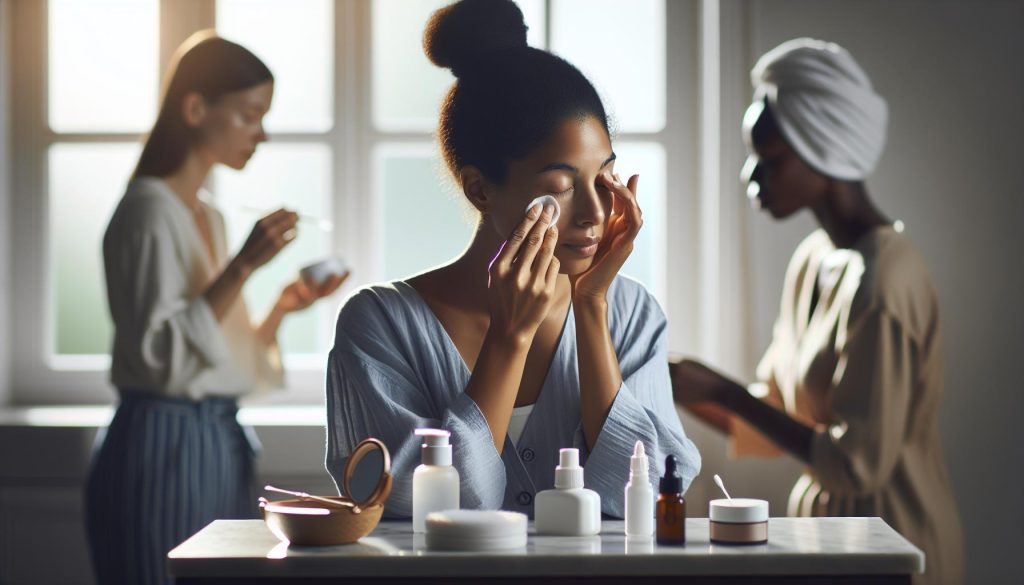
An eye stye, while common and often harmless, can be quite bothersome, leading to discomfort and self-consciousness. If you’re wondering whether a stye can clear up on its own, you’re not alone. Many people seek quick relief and solutions that fit into their daily routines. Understanding the timeline for healing and exploring effective home remedies can empower you to take control of your eye health.
In this article, we’ll delve into the natural progression of a stye, when medical attention may be necessary, and practical steps you can take at home to encourage healing. By arming yourself with knowledge, you can not only alleviate the current issue but also prevent future occurrences, helping you feel more confident in your everyday life. Curious to learn more? Let’s explore how you can manage a stye effectively!
Can Eye Styes Develop Into Serious Conditions?
Although eye styes are typically benign and resolve on their own, there are rare instances where they can lead to more serious conditions. It’s important to understand that while most styes are merely an annoyance and may cause discomfort, persistent or recurrent styes could signal underlying issues that warrant attention.
If a stye doesn’t heal within a week or begins to worsen, there’s a possibility of secondary infections, such as cellulitis, which can cause swelling and redness spreading beyond the eyelid. In very rare cases, an untreated stye can develop into a chalazion, which may require medical intervention if it affects vision or turns chronic. Include a few gentle reminders to monitor symptoms closely, seeking medical advice if you notice increased pain, vision changes, or if the stye drains pus, indicating an infection that may need antibiotics.
In summary, while a stye itself is not generally serious, vigilance is key. Addressing symptoms promptly can prevent possible complications and ensure your eye health remains intact. Regularly practicing good eye hygiene and recognizing the signs that necessitate professional medical care can empower you to manage styes more effectively and maintain overall eye wellness.
Understanding the Causes of Eye Styes
A common misconception about eye styes is that they are merely a product of poor hygiene or external irritants. However, understanding the root causes of these painful bumps can empower you to take proactive measures for prevention and management. Eye styes, medically known as hordeola, occur when the glands at the base of your eyelashes become infected, typically by the bacterium Staphylococcus aureus. When these glands are blocked or inflamed, it leads to the development of a red, swollen bump on the eyelid.
Several factors can contribute to the formation of styes. One major factor is eyelid hygiene; inadequate cleaning can lead to the buildup of oil and debris, creating an environment ripe for infection. Additionally, conditions like blepharitis, an inflammation of the eyelids, can increase the likelihood of styes by causing blockage in the oil glands. Moreover, if you touch your eyes with unwashed hands, the transfer of bacteria can initiate an infection. Stress, hormonal changes, and certain skin conditions could also make individuals more susceptible to this minor yet bothersome infection.
It’s also essential to note that underlying health issues may play a role in recurrent styes. For example, individuals with diabetes or those who have weakened immune systems may experience more frequent outbreaks. To sidestep the discomfort of eye styes, consider adopting a consistent eyelid care regimen. Regularly washing your eyelids with warm water and a gentle soap can help keep the area clean, while warm compresses can relieve symptoms and hasten healing by promoting drainage of the clogged glands.
In summary, eye styes are caused by a variety of factors including bacterial infection, poor hygiene, and underlying health conditions. By maintaining good eyelid hygiene and being mindful of your overall health, you can significantly reduce your risk of developing these annoying infections.
What Are the Symptoms of an Eye Stye?
Recognizing the early signs of an eye stye can help you manage this common ailment effectively. The primary symptom is the appearance of a small, red bump on the edge of the eyelid, which is usually tender to the touch. This bump occurs due to the inflammation of the oil glands in your eyelid, most commonly caused by a bacterial infection. As the stye develops, you may also notice other accompanying symptoms that can enhance the discomfort.
Typically, a stye will be characterized by:
- Swelling: The affected eyelid may appear swollen, and you might find it difficult to open your eye fully.
- Pain or tenderness: The area around the stye can be sensitive, leading to a dull ache or sharp tenderness, particularly when touched.
- Crustiness: As the bump matures, you may experience crusty debris along the eyelid edge, especially after sleeping.
- Tearing: Increased tear production can be another symptom, as the body attempts to flush out the irritation.
- Redness: The stye may cause the entire eyelid or just the area surrounding the bump to become red and inflamed.
In some cases, a stye can also result in mild vision issues, particularly if the swelling extends significantly or if it begins to press against the eyeball itself. While these symptoms are typically mild and self-limiting, understanding their presence can empower you to take early action, such as applying warm compresses to alleviate discomfort and encouraging drainage. Monitoring the symptoms and being proactive in your eye care can help speed up recovery and minimize the chances of recurrence. If symptoms persist beyond a few days or worsen significantly, consulting a healthcare professional for advice and treatment options is always recommended.
Expected Timeline for Natural Recovery
Typically, an eye stye will follow a predictable timeline for natural recovery, which can be reassuring for those experiencing this common condition. At the onset, when you first notice a small, red bump at the edge of your eyelid, it’s important to understand that early intervention can significantly affect the healing process. Most styes begin to improve within a few days-often ranging between three to five days-if they are managed effectively. During this initial period, you may want to apply a warm compress to the affected area for about 10 to 15 minutes, multiple times a day. This practice helps to reduce swelling and encourages the stye to drain naturally.
As the stye progresses, you might notice the bump becoming larger and more painful before it eventually softens and heads toward recovery. This phase lasts about one week. In many cases, the stye will begin to drain on its own, alleviating discomfort and leading to significant improvement in symptoms. By the end of the week, you should see clearer eyelids, with redness and swelling diminishing substantially.
In some instances, however, a stye may not completely resolve on its own, potentially extending the issue for over a week, especially if proper eye care is neglected. If you find that your stye isn’t improving, or if you notice an increase in pain or vision issues, it’s essential to consult a healthcare professional. They can provide additional treatments that may not only speed recovery but also prevent future occurrences. Engaging in good hygiene practices, such as regularly washing your hands and avoiding touching your eyes, can be beneficial in promoting quicker recovery and preventing new styes from forming.
When to Seek Medical Attention for Eye Styes
Recognizing when to reach out for medical attention regarding an eye stye is crucial in managing your eye health effectively. While many styes can resolve on their own with the right home care, there are certain signs that indicate it’s time to consult a healthcare professional. If your stye persists beyond a week or increases in size and pain, these are clear red flags that suggest the need for a professional evaluation. The presence of excessive redness, swelling, or if you’re experiencing vision changes should never be ignored.
Additionally, if you begin to notice signs of infection, such as pus drainage or a fever, immediate medical advice is warranted. Styes can occasionally lead to more serious conditions, such as cellulitis or the development of other infections. An eye care provider can diagnose the issue more accurately and offer treatments like antibiotics or other interventions that may not only speed up recovery but also help prevent future occurrences.
The initial step if you suspect a stye is to use warm compresses at home regularly. However, if after 48 hours of diligent care there is no noticeable improvement, don’t hesitate to seek help. A simple check-up could provide relief and ensure that your eyes remain healthy and comfortable. Remember, maintaining good eye hygiene, including properly cleaning your makeup brushes and removing eye makeup thoroughly, is key to preventing future styes.
Effective Home Remedies for Eye Stye Relief
A stye can be both uncomfortable and frustrating, but thankfully there are effective home remedies that can help alleviate discomfort and expedite recovery. Recognizing the importance of self-care is vital, especially when it comes to soothing your eyelids and ensuring their health. Home remedies harness simple, everyday items that can make a significant difference.
One of the most recommended methods is the use of warm compresses. This time-honored technique can help reduce inflammation and increase blood circulation to the area, promoting healing. To apply, soak a clean washcloth in warm water, wring it out, and place it directly over the stye for about 10 to 15 minutes, repeating this several times a day. Not only does this method ease pain, but it also helps to bring any pus to the surface, allowing the stye to drain naturally.
Another gentle yet effective approach is to keep the affected eyelid clean. Use a mild soap or eyelid scrub specifically designed for eye care to cleanse the area gently. This helps remove any debris or oils that may contribute to the infection. Make sure to wash your hands thoroughly before touching your eyes and avoid rubbing or scratching the stye, as this can exacerbate irritation and lead to further complications.
For those interested in utilizing natural ingredients, a few can provide soothing benefits. Chamomile tea bags can be a great option; simply brew and cool the bags, then place them over the stye for about 10-15 minutes. Chamomile’s anti-inflammatory properties can ease discomfort and aid in healing. Additionally, aloe vera gel is renowned for its soothing effects and can be applied gently to the afflicted area to provide relief and hydration, promoting healing without causing irritation.
While most styes will clear up on their own, these home remedies offer comforting relief, encouraging a quicker path to recovery. Pairing these practical steps with consistent eye hygiene is a powerful way to not only address current discomfort but also safeguard against future occurrences. As always, if the stye does not improve after a few days of treatment or if you notice increased redness or swelling, don’t hesitate to consult a healthcare professional for further advice.
How to Prevent Eye Styes from Recurring
Maintaining good eye hygiene is essential not just for personal comfort but also for preventing the recurrence of eye styes. Regularly washing your face and eyelids can help remove excess oils and debris that may contribute to the infection of the oil glands. Using a gentle cleanser or eyelid scrub can make a noticeable difference, helping to keep the eyelid area clear and healthy. Additionally, make it a habit to wash your hands frequently, particularly before touching your eyes, as bacteria can easily be transferred from your hands to your eyelids.
Another effective preventive measure is to avoid sharing personal items that come into contact with your eyes, such as towels, eye makeup, or contact lenses. If you frequently wear makeup, it’s wise to switch to hypoallergenic products, and always ensure that you remove your makeup thoroughly before sleeping. This practice not only prevents irritation but also guards against infections that can stem from using expired or contaminated products.
Incorporating warm compresses into your routine can also serve as a preventative strategy. Applying a warm, moist cloth to your eyelids for a few minutes several times a week can help keep the oil glands functioning properly, lessening the risk of blockages that can lead to styes. When you experience any signs of an impending stye, such as redness or swelling, taking early action with warm compresses can often prevent the condition from developing fully.
Finally, a well-balanced diet that includes plenty of fruits, vegetables, and sources of omega-3 fatty acids can enhance your overall eye health. Staying hydrated and managing stress levels can play a role as well, helping to maintain your body’s natural defenses. By incorporating these simple yet effective strategies into your daily routine, you empower yourself to reduce the likelihood of eye styes recurring, allowing for greater comfort and ease in your daily life.
Over-the-Counter Treatments: Do They Work?
When it comes to treating eye styes, many people wonder if over-the-counter (OTC) options are effective. One of the best-known treatments available at pharmacies is the use of *anti-inflammatory ointments* or *topical antibiotics*. These products can help reduce inflammation and prevent infection, although they won’t necessarily eliminate a stye that has already formed.
What to Look for in OTC Treatments
When selecting OTC products, it’s essential to choose items with ingredients specifically designed to comfort the eye area. Here are some commonly used options:
- Warm compress packs: These are simple yet highly effective. They provide instant relief by reducing swelling and promoting drainage of the stye. Look for reusable, microwaveable packs that can easily conform to the eyelid.
- Topical antibiotic ointments: While these won’t directly address the stye itself, they can help in preventing a secondary bacterial infection, especially if the stye has burst. Consult with a pharmacist for recommendations that are suitable for eye use.
- Eyewash or sterile saline drops: These can aid in keeping the eye clean and free from further irritation, reducing the chances of aggravating the stye.
However, it’s crucial to know that while OTC treatments can provide symptom relief and possibly prevent further irritation, they are not a substitute for proper medical care if the stye worsens or does not show signs of improvement after a few days.
Understanding the Limitations
Most eye styes resolve on their own within a week or two. If your stye persists longer than this or is causing significant discomfort, seeking medical advice is critical. In some cases, a healthcare provider may need to drain the stye or prescribe stronger medications.
Using OTC treatments responsibly can complement at-home care strategies, such as warm compresses, to facilitate healing and comfort. Always remember to read labels carefully and consult healthcare professionals if uncertain about what products to use, ensuring your approach is safe and effective. Your eye health is paramount, so taking informed steps gives you the best chance for a quick recovery.
Natural Ingredients to Soothe Eye Styes
Natural remedies can play a significant role in alleviating the discomfort associated with eye styes. Harnessing the power of certain ingredients can help soothe inflammation and promote healing, offering gentle yet effective relief. For instance, warm compresses remain one of the simplest but most effective treatments. By soaking a clean cloth in warm water and applying it to the affected eye for 10-15 minutes several times a day, you can reduce swelling and help the stye drain naturally.
In addition to warm compresses, ingredients like tea bags can also be beneficial. Green or black tea contains antioxidants and anti-inflammatory properties that can aid in reducing swelling. Once the tea bag has cooled to a comfortable temperature, place it on the stye for about 10 minutes, letting the tannins work their magic. Similarly, aloe vera gel is renowned for its soothing effects. Applying pure aloe vera directly to the stye can help reduce redness and inflammation due to its natural anti-inflammatory properties.
Another natural option is turmeric, known for its antibacterial and anti-inflammatory qualities. You can create a paste by mixing turmeric powder with a little water and applying it carefully around (not directly on) the stye. This may help in preventing further infection and expedite healing. Lastly, utilizing coconut oil can be soothing as well; its moisturizing qualities can help prevent irritation and keep the area hydrated.
When using these natural ingredients, always ensure they are applied with clean hands to avoid further irritation or infection. It’s essential to monitor the stye’s progression and, if you notice no improvement after several days or if the condition worsens, consult a healthcare professional for appropriate treatment. These natural remedies, while beneficial, are best used as complementary approaches alongside proper eye care routines.
Tips for Maintaining Overall Eye Health
To maintain optimal eye health, it’s essential to establish a proactive approach that encompasses not just immediate care but also long-term habits. One fundamental practice is ensuring proper hygiene around the eyes. Regularly washing your hands and avoiding touching your face can significantly reduce the risk of transferring bacteria to the eyes, thereby lowering the likelihood of developing styes.
Incorporating a balanced diet rich in vitamins and nutrients can also vastly improve eye health. Foods high in antioxidants, such as leafy greens, carrots, and fatty fish, can support eye function and mitigate inflammation. Additionally, staying hydrated is crucial; drinking enough water helps maintain moisture in your eyes, preventing dryness and irritation.
Regular eye check-ups with an optometrist are another cornerstone of eye care. These visits can help catch potential issues early on, ensuring any problems are addressed promptly. On the home front, incorporating daily eye exercises can enhance strength and flexibility around the eye muscles, reducing fatigue from screen time. Simple exercises, like focusing on an object for a few seconds and then switching to a different distance, can alleviate tension and improve overall eye comfort.
Moreover, if you frequently use digital devices, consider adopting the 20-20-20 rule: every 20 minutes of screen time, take a 20-second break and look at something 20 feet away. This simple practice helps to combat digital eye strain and keeps your vision sharp. By integrating these habits into your daily routine, you not only help prevent styes but also contribute to the overall longevity of your eye health.
Debunking Myths About Eye Styes
It’s a common misconception that eye styes are solely the result of poor hygiene. While maintaining clean hands and a clean environment can help prevent these uncomfortable bumps, other factors play a significant role in their development. Fear not! Understanding the myths surrounding eye styes can help you approach their care and prevention with confidence.
One prevalent myth is that eye styes are contagious. They are, in fact, caused by bacterial infection of the glands in the eyelid, particularly Staphylococcus bacteria, which many people carry on their skin without it affecting them. Therefore, touching or being close to someone with a stye will not transfer the infection to you. It’s essential to remember that personal health practices, like washing hands frequently and avoiding rubbing your eyes, are key to reducing your own risk.
Another common belief is that you should not apply any heat to a stye. On the contrary, applying a warm compress can be one of the most effective home remedies. This gentle heat can encourage the stye to drain naturally, alleviating discomfort and speeding up healing. Use a clean cloth soaked in warm water and apply it to the affected area for 10-15 minutes several times a day.
When it comes to treatment, many people think it’s necessary to pop or squeeze a stye to get rid of it. This is a dangerous approach that can worsen the infection or spread it to other areas of the eye. Instead, let your body do the healing. Most styes will resolve naturally within a week, and if they last longer or worsen, seeking medical attention is a wise choice.
Lastly, some believe that using home remedies without any scientific backing, like raw onions or garlic, can help heal styes. While these ingredients are often cited in folk medicine, there’s little clinical evidence to support their effectiveness. Instead, stick to tried-and-true practices like warm compresses and good hygiene to support the healing process. By understanding and debunking these myths, you can take informed steps toward proper care and prevention of styes, helping to keep your eyes healthy and beautiful.
Q&A
Q: How long does it take for an eye stye to go away?
A: An eye stye typically resolves on its own within 5 to 7 days. However, it may take longer if not treated properly. Keeping the area clean and applying warm compresses can help speed up recovery. For detailed home remedies, refer to the section on effective home remedies for eye styes.
Q: What can I do at home to relieve a stye?
A: Warm compresses placed on the stye for 10-15 minutes, several times a day, can provide relief and promote healing. Additionally, maintaining eyelid hygiene and avoiding eye makeup during recovery are recommended. For more home remedy options, see our effective home remedies section.
Q: Are there any foods that can help with eye styes?
A: Foods rich in vitamin A, like carrots and spinach, may support overall eye health and help prevent styes. Additionally, anti-inflammatory foods such as salmon and walnuts can boost the immune system. For tips on maintaining overall eye health, explore our related article section.
Q: Why do I keep getting eye styes?
A: Recurring eye styes may be due to poor hygiene, stress, or underlying conditions like blepharitis. It’s essential to cleanse your eyelids regularly and avoid touching your eyes. Learn more about prevention strategies in the section on preventing eye styes from recurring.
Q: Can stress cause eye styes?
A: Yes, stress can weaken the immune system, making it easier for your body to develop infections, including eye styes. Managing stress through relaxation techniques may help reduce the occurrence of styes. For further insights on eye health, check out our tips on maintaining overall eye health.
Q: Are eye styes contagious?
A: No, eye styes are not contagious. They are caused by clogged glands or bacterial infections. However, it’s essential to avoid sharing personal items like towels to prevent bacteria spread. For more on stye causes, refer to our section on understanding the causes of eye styes.
Q: When should I seek professional help for a stye?
A: You should consult a healthcare provider if the stye does not improve within a week, becomes increasingly painful, or significantly affects your vision. For detailed guidance, see the section on when to seek medical attention for eye styes.
Q: Can I pop a stye?
A: No, you should not attempt to pop a stye as it may worsen the infection and cause further complications. Instead, focus on applying warm compresses and consult a healthcare professional if necessary. For more information, explore our effective home remedies section.
Closing Remarks
As we’ve explored, a stye often resolves on its own within a week, but understanding the best home remedies and care steps can significantly ease discomfort and hasten healing. If you’re experiencing persistent symptoms, don’t hesitate to consult a healthcare professional for tailored advice and treatment options. Meanwhile, why not check out our guides on Eye Care Tips for Healthy Vision and Skincare Routines for Sensitive Skin to further enhance your wellness journey?
Remember, taking proactive steps in your eye care can make a big difference. Join our community by signing up for our newsletter to receive more valuable insights on women’s health and beauty, and be sure to leave a comment below sharing your experiences or any questions you may have. Together, we can empower each other to make informed, confident choices for our health!


