
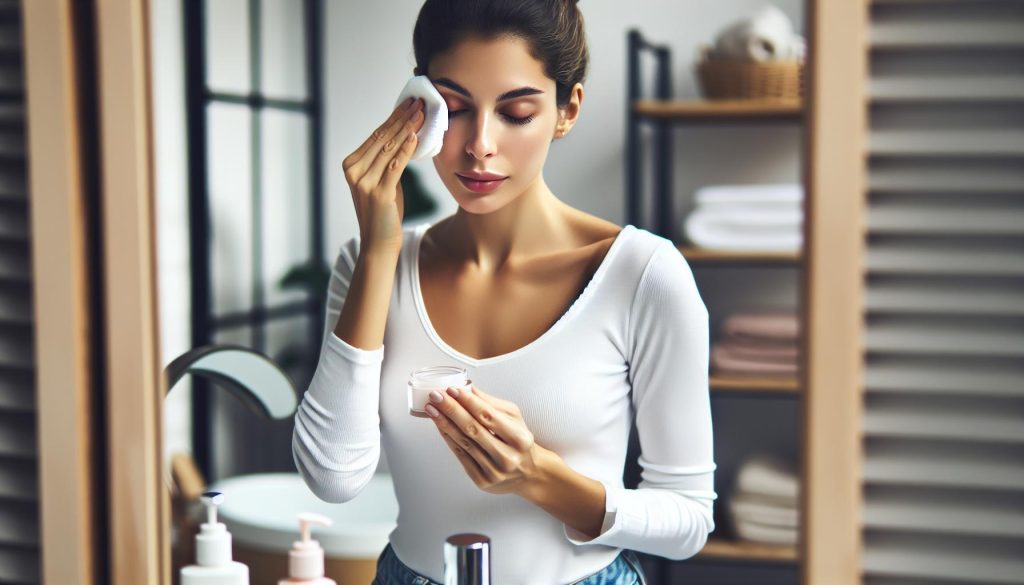
Eye styes, those pesky red bumps that form at the edge of your eyelid, can be both uncomfortable and concerning. While many wonder if it’s safe to pop a stye, the truth is more complex. Understanding the risks and safe methods to address these irritations is crucial for your eye health and overall well-being.
Most styes can resolve on their own with simple home treatments, but knowing when to seek medical advice or take action is key. Improper handling can lead to further irritation or infection, making it vital to approach solutions with care and knowledge. In this article, we’ll explore effective ways to manage styes, helping you make informed decisions that empower you to prioritize your health while alleviating discomfort. Keep reading to uncover safe practices and comprehensive guidance on navigating this common eye issue.
Understanding What Causes Eye Styes
A common yet often misunderstood ailment, eye styes are small, painful bumps that form on the eyelid due to infected oil glands. These infections occur when the gland becomes blocked, creating a breeding ground for bacteria. In many cases, a stye may arise from poor hygiene, stress, or the use of contaminated cosmetics. Understanding these causes can empower you to take preventive steps-such as maintaining a clean makeup application routine and washing your hands frequently.
Moreover, it’s important to recognize that certain conditions can exacerbate the likelihood of developing styes. Individuals with skin conditions like rosacea or seborrheic dermatitis may find they are more prone to these annoying bumps. Additionally, inadequate eyelid hygiene, such as failing to remove makeup properly at the end of the day, can lead to blockages and increase the risk of infection. Using non-irritating cleansers can help keep your eyelids healthy and clear of debris that may contribute to stye formation.
To minimize the risk of experiencing styes, consider incorporating a few simple habits into your daily routine. Regularly clean not only your eyelids but also any makeup brushes and applicators you use. This simple practice can help prevent the transfer of bacteria that can lead to infection. Furthermore, it’s advisable to replace your eye makeup every few months to avoid the buildup of harmful microorganisms. By understanding the root causes of styes and adopting these preventive measures, you can take charge of your eyelid health and enhance your overall well-being.
Are Eye Styes Contagious? Debunking Myths
Understanding the nuances of styes can empower you to address them more effectively and alleviate concerns about contagion. A prevalent myth is that eye styes are contagious; however, they are not transmittable from one person to another. While a stye can develop due to the overgrowth of bacteria-often from touching or rubbing the eyes-this does not mean that the stye itself can spread through direct contact in the same manner as a cold or flu. Instead, the bacteria responsible for the stye typically reside harmlessly on the skin and only cause issues when they infiltrate blocked oil glands within the eyelid.
It’s essential to clarify the difference between a stye and other infectious conditions. For instance, conditions like pink eye (conjunctivitis) are contagious, but styes arise as localized infections. The most effective way to minimize your risk is by adhering to good hygiene practices, such as frequently washing your hands and avoiding touching your face. Additionally, if you have a stye, it’s prudent to refrain from sharing personal items like towels or eye makeup to prevent bacteria from spreading to others.
While the temptation to pop a stye may arise, this can lead to further complications such as increased inflammation or the spread of bacteria. Instead, focus on safe management strategies like warm compresses to promote drainage naturally and provide relief. Adopting a proactive approach to eye hygiene can drastically reduce your chances of experiencing styes, ensuring your eyelids remain healthy and clear of blockages. By understanding what styes are, debunking myths surrounding their contagion, and prioritizing hygiene, you empower yourself to maintain your eye health effectively.
Can Eye Styes Pop? What You Need to Know
Styes can be quite uncomfortable, leading you to wonder if they can pop like a pimple. While this may seem like a quick solution to alleviate your discomfort, it’s important to approach the situation with caution. Popping a stye is not advisable as it can cause more harm than good. When you attempt to squeeze or pop a stye, you risk pushing bacteria deeper into the eyelid, potentially leading to increased inflammation or an even more severe infection.
Instead of trying to pop a stye, consider these safe alternatives that focus on gentle management:
- Warm Compresses: Applying a warm compress to the affected area multiple times a day can help soften the stye and promote drainage naturally.
- Proper Hygiene: Maintain cleanliness by washing your hands before touching your face. Avoid using makeup or contact lenses until the stye heals.
- Over-the-Counter Treatments: If the stye is painful or bothersome, consult with your pharmacist about suitable over-the-counter treatments that may help relieve symptoms.
- Patience: Most styes will resolve on their own within a week to ten days. Allowing them to drain naturally is generally best for your eye health.
In some cases, if a stye persists or becomes increasingly painful, seeking professional medical advice is crucial. A healthcare provider might recommend prescription treatments or, in rare instances, perform a minor procedure to drain the stye safely. Prioritizing your eye health and opting for gentle, non-invasive methods will help you manage styes effectively while minimizing the risk of complications.
Safe Ways to Manage an Eye Stye at Home
Applying a warm compress is one of the simplest and most effective methods to help manage an eye stye at home. This technique can effectively reduce inflammation and promote healing. Simply soak a clean washcloth in warm water, wring out excess moisture, and place it over the affected eyelid. Aim to do this for 10 to 15 minutes, several times a day. The heat helps to soften the stye and may encourage it to drain naturally without any need for invasive approaches.
Maintaining proper hygiene during this process is crucial. Always wash your hands thoroughly before touching your face, and avoid the use of eye makeup and contact lenses until the stye has completely healed. These precautions can help prevent further irritation or the spread of bacteria. If irritation occurs, consider using a gentle, hypoallergenic cleanser to keep the area clean without exacerbating the problem.
For those experiencing pain or discomfort from the stye, over-the-counter treatments like anti-inflammatory eye drops or pain relievers can be helpful. It’s advisable to consult with a pharmacist who can recommend suitable options based on your specific symptoms. Remember, while these products can provide temporary relief, they do not replace the importance of home remedies and good hygiene practices.
Lastly, patience is key when dealing with a stye. Most will resolve on their own within a week to ten days. If your stye persists or becomes increasingly painful, seeking medical attention is a wise choice. A healthcare provider might offer additional treatments, including prescription medications or minor procedures to safely drain the stye, all while ensuring that your overall eye health remains a priority. By utilizing gentle home management techniques, you can support your body’s natural healing process.
When to Seek Medical Attention for an Eye Stye
Eye styes, though often benign and self-limiting, can sometimes escalate into more serious issues. Recognizing when medical intervention is necessary will not only ease your discomfort but also protect your overall eye health. If a stye does not begin to improve after 48 hours of home treatment-such as warm compresses and gentle eyelid hygiene-it may be time to consult a healthcare provider. Persistent pain, swelling, or redness can indicate a more severe infection requiring professional assessment.
Additionally, keep an eye out for symptoms that extend beyond the stye itself. If you notice significant vision changes, fever, or other systemic symptoms, these could signal that the infection is spreading or that you might be dealing with a different eye condition altogether. It’s crucial to address these concerns promptly, as timely treatment can prevent complications.
In certain cases, a stye may become increasingly painful or swollen, and if you find that it has not responded to at-home treatments after a week, do not hesitate to seek a medical opinion. A healthcare provider can offer treatments such as prescription medications or in-office procedures to safely drain the stye, if necessary. Prioritizing eye care is essential-not only for immediate relief but also for your long-term vision health. By staying vigilant and proactive about your symptoms, you can ensure a safer and more comfortable path to recovery.
Risky Methods to Avoid: Popping vs. Not Popping
Attempting to pop an eye stye can be tempting, especially when it causes discomfort or affects your appearance. However, it’s crucial to understand that while a stye may seem like a pimple, it’s not just a simple blemish that can be squeezed away. Popping a stye can lead to a host of complications, including worsening the infection, spreading bacteria to other areas of your eye or face, and even causing scarring.
Instead of using your fingers or any sharp objects to rupture the stye, which heats the risk of introducing new infections, it’s far safer to let the stye heal naturally. Warm compresses are a reliable home remedy that can help to reduce the inflamed area, promote drainage internally, and provide soothing relief. Making a simple compress involves soaking a clean cloth in warm water, wringing it out, and placing it over the affected eye for 10-15 minutes, several times a day. The warmth helps soften the material inside the stye, and your body’s natural healing process takes over.
If the stye does not show signs of improvement after a few days, or if there’s increasing pain and swelling, it’s important to consult with a healthcare provider. They can provide professional care, which might include a safe procedure to drain the stye in a sterile environment, ultimately minimizing risks associated with self-treatment. Choosing a cautious, informed approach is vital; it protects not only your eye health but also your overall well-being. Prioritizing proper eye care is a significant step toward recovery and maintaining your vision health.
Effective Home Remedies for Eye Stye Relief
Swollen and painful, an eye stye can be an irritating distraction from daily life. Fortunately, several effective home remedies can alleviate discomfort and promote healing without the need for popping it, which is risky and can worsen the situation. By incorporating simple yet soothing techniques into your routine, you can help your body combat the infection naturally.
One of the most universally recommended remedies involves the use of warm compresses. The heat helps improve blood circulation and encourages the stye to drain naturally. To create a warm compress, fill a bowl with warm water and soak a clean washcloth before wringing it out. Gently place the cloth over the affected eyelid for 10-15 minutes, repeating this process 3-4 times a day. This not only reduces inflammation but also provides immediate relief from discomfort. For added efficacy, some people find that adding tea bags (such as chamomile or black tea) to the warm compress can infuse additional soothing properties, as these teas contain anti-inflammatory compounds.
Another gentle yet effective remedy is the application of eyelid scrub pads or a diluted baby shampoo rinse. Eyelid scrubs can help remove crust and debris around the stye, reducing irritation while promoting a clean environment conducive to healing. To make a rinse, mix a few drops of baby shampoo with warm water, then use a clean cotton ball to dab the mixture around the eyelid area. Ensure you avoid direct contact with the eye itself; rinse with cool water afterward.
Aloe vera gel, known for its anti-inflammatory and antiseptic properties, can also be helpful. After ensuring the gel is pure and safe for topical use, applying a small amount externally around the stye can soothe and support the healing process. Just remember to keep it away from your eyes to avoid irritation.
Lastly, maintaining overall eye hygiene is critical. Wash your hands frequently, avoid touching your eyes, and refrain from using eye makeup or contact lenses until the stye has fully resolved. By staying mindful of these practices and using home remedies like warm compresses, eyelid scrubs, and aloe vera gel, you can facilitate a quicker recovery while steering clear of risky popping attempts. Always listen to your body; if the stye worsens or doesn’t improve, it’s essential to consult a healthcare professional for further guidance.
Preventing Eye Styes: Tips for Healthy Eyelids
Maintaining healthy eyelids is essential not only for comfort but also for preventing pesky styes from developing. The skin around your eyes is delicate and requires special care to avoid blockages in the oil glands that can lead to irritation and infection. Simple adjustments to your daily routine can dramatically reduce the likelihood of stye outbreaks.
First and foremost, practice regular eye hygiene. Gently cleanse your eyelids daily using warm water and a mild soap or eyelid scrub. This practice removes oil, debris, and bacteria that can accumulate and cause styes. When cleaning, use a soft, lint-free cloth or a cotton pad to avoid irritating the sensitive skin. Avoid using harsh cleansers or rubbing your eyes too aggressively, which can exacerbate irritation.
Lifestyle Adjustments
In addition to cleansing, incorporating a few lifestyle changes can significantly impact eyelid health. Here are some tips to consider:
- Avoid Touching Your Face: Regularly touching your face introduces bacteria and oils from your hands, increasing the risk of infection.
- Limit Eye Makeup Use: If you frequently experience styes, consider reducing or eliminating cosmetic use around the eyes, especially products that are old or contaminable.
- Choose Non-Comedogenic Products: Opt for skincare and makeup formulations that do not clog pores and are specifically designed to be safe for sensitive skin.
- Maintain Eye Health: Stay hydrated and eat a balanced diet rich in vitamins A, C, and E, which support skin health and can enhance your body’s ability to fight infections.
Allergies and Conditions
If you have allergies or skin conditions such as blepharitis, managing these effectively is crucial. Daily warm compresses can help maintain eyelid cleanliness and soothe inflammation. If you notice persistent irritation or redness, consulting a dermatologist or eye care professional can provide tailored solutions to keep your eyelids in optimal condition.
By fostering mindful eye-care habits and fortifying your skincare routine, you can help maintain the health and integrity of your eyelids, minimizing the chances of encountering styes. Staying proactive not only enhances your eye health but also boosts your confidence and comfort in your daily activities.
Over-the-Counter Treatments for Eye Styes
Over-the-counter treatments can be a quick and effective way to manage the discomfort of an eye stye while promoting healing. Many individuals seek relief without resorting to invasive methods or prescription medications, relying on readily available products. It’s essential to review these options carefully and choose those that align with your needs and health concerns.
One of the most popular categories of over-the-counter treatments is topical antiseptics. Products containing bacitracin or polysporin can help prevent infection and soothe irritation when applied around the stye (avoiding direct contact with the eye). Additionally, anti-inflammatory ointments that contain ingredients like hydrocortisone may reduce swelling and discomfort, but should only be used sparingly and under guidance, as prolonged use can lead to further irritation.
Another effective option is the use of warm compresses, facilitated by over-the-counter eye masks or heat pads designed specifically for stye treatment. These products can provide gentle heat, increasing blood flow to the eyelid and promoting natural drainage of the stye. Alternatively, you can create your own warm compress at home with a clean cloth dipped in warm water, ensuring it isn’t too hot to avoid burns.
In more severe cases, a doctor may recommend over-the-counter pain relievers like ibuprofen or acetaminophen to manage discomfort associated with the stye. Always follow dosage recommendations and consult with a healthcare provider if you have existing health conditions or are taking other medications.
Incorporating these over-the-counter treatments into your routine can offer effective, gentle care for your eyes. Maintaining a proactive approach to your eye health will not only help in managing current issues but can also aid in preventing future stye occurrences.
Understanding the Role of Hygiene in Eye Care
Good hygiene is crucial in maintaining eye health and preventing conditions like eye styes. Styes, often caused by blocked oil glands or bacterial infections, can be exacerbated by poor hygiene practices. Understanding effective ways to maintain cleanliness can make a significant difference in your eye care routine and help in preventing stye occurrences.
One of the simplest yet most impactful practices is regular hand washing. Always wash your hands thoroughly with soap and water before touching your face or eyes. This reduces the risk of transferring bacteria that can lead to infections. Avoid rubbing your eyes as this can irritate the delicate skin around them and introduce harmful germs. Instead, make it a habit to gently blot any excess oil or discharge with a clean tissue or soft cloth.
It’s also important to be mindful of makeup application and removal. Use hypoallergenic products and clean brushes to minimize the risk of introducing bacteria to your eyelids. Ensure that eye makeup is removed thoroughly before going to bed, as sleeping with makeup on can contribute to clogged glands and irritation. Consider using a specialized eye makeup remover that effectively cleanses without causing further irritation.
Another key aspect of hygiene is the cleanliness of personal items that come into close contact with your eyes. Regularly clean items like eyeglasses, sunglasses, and contact lenses-following the manufacturer’s guidelines for cleaning and storage. For contact lens users, ensure you’re using proper techniques for insertion and removal, and never share lenses with anyone.
Incorporating these hygiene practices into your daily routine can significantly enhance your eye health. By being proactive and attentive to cleanliness, you can reduce the likelihood of developing styes and other eye-related issues, allowing you to maintain beautiful and healthy eyes.
The Importance of Eye Care: Protecting Your Vision
Protecting your vision goes beyond just regular eye exams; it’s about being proactive in the care of your eyes and understanding conditions like eye styes. These uncomfortable bumps, often mistaken for cosmetic issues, can signal that your eyelids and eyes require a bit more attention. While many styes may resolve independently, their presence serves as a reminder of the importance of maintaining eye health and hygiene to prevent future occurrences.
Effective eye care is deeply intertwined with daily habits. For instance, wearing eye makeup is a common practice, but improper application or removal can lead to clogged glands and infections. Choosing hypoallergenic products and ensuring meticulous removal at the end of the day are crucial steps. Moreover, sleeping in makeup can put your eyelids at greater risk of developing styes due to the buildup of bacteria and oils that can clog the delicate glands. Consider integrating an evening routine focused on comfortable, gentle cleansing with an eye makeup remover that’s suitable for your skin type.
Additionally, understanding the environment where your eyes thrive plays a significant role. Dry, polluted, or overly sunny conditions can irritate your eyes, making them more susceptible to infections like styes. Shield your eyes from harsh elements-wear sunglasses that block UV rays, use a humidifier in dry settings, and ensure you’re staying hydrated throughout the day. These simple lifestyle changes can provide your eyelashes and eyelids with the care and protection they need, supporting your overall eye health.
Incorporating regular eye check-ups is equally important. By consulting with an eye care professional, you can catch any underlying issues early and receive tailored advice on how to protect your vision effectively. This diligence not only helps in managing styes but also contributes to long-term eye health, ensuring that you can enjoy all the visual beauty life has to offer. Remember, your eyes deserve the best care, and being informed is the first step towards maintaining their health.
Lifestyle Changes to Minimize Eye Stye Recurrence
To reduce the likelihood of developing eye styes, incorporating healthy lifestyle changes can be incredibly beneficial. A key factor in preventing these uncomfortable bumps lies in hygiene. Simple practices such as regularly washing your face and eyelids can keep sweat, oils, and dirt from clogging pores. Use a gentle cleanser and avoid products that might irritate your skin. For those who regularly wear makeup, it’s crucial to remove it thoroughly each evening. Opt for hypoallergenic products to minimize the risk of irritation and ensure you cleanse your eyelids properly with a soft, lint-free cloth or a designated eyelid wipe.
Another important aspect is your diet. Consuming a balanced diet rich in vitamins and minerals can support your skin and overall health. Foods high in omega-3 fatty acids, such as fish, and antioxidants found in fruits and vegetables can help maintain healthy skin and reduce inflammation. Staying well-hydrated also plays a vital role in keeping your skin supple and resilient, which can further stave off irritation and infections.
Managing stress levels can also contribute significantly to eye health. High stress can lead to habits such as rubbing your eyes or neglecting proper hygiene, creating a perfect storm for conditions like styes to develop. Incorporating stress-relief practices such as yoga, meditation, or regular exercise can have positive effects not only on your mental well-being but also on your physical health-including your eyes.
Lastly, be mindful of environmental factors. If you frequently find yourself in dusty or windy areas, wear protective eyewear or sunglasses to shield your eyes. Maintaining a clean living environment, along with using a humidifier during dry seasons, can help preserve optimal eye health. All of these adjustments offer simple yet effective strategies to minimize the recurrence of eye styes, ensuring that you keep your eyes healthy and irritation-free.
Faq
Q: What are the signs that an eye stye is ready to pop?
A: An eye stye may be ready to pop if there is increased swelling, redness, and tenderness, often accompanied by a white or yellowish tip on the stye. If your symptoms progress, consider hot compresses to help it drain naturally and relieve discomfort.
Q: How can I safely relieve pressure from an eye stye?
A: To safely relieve pressure, apply a warm compress to the affected area for 10-15 minutes, 3-4 times a day. This technique promotes drainage and alleviates discomfort without risking infection or further irritation.
Q: Is it safe to use makeup while having an eye stye?
A: It’s best to avoid using makeup while you have an eye stye, as it can introduce bacteria and worsen the irritation. Allow the stye to heal completely before resuming your makeup routine for the health of your eyelids.
Q: Can eye styes lead to other infections if popped?
A: Yes, popping an eye stye can increase the risk of further infection, including potential spread to the surrounding skin or even the eye itself. It’s safer to allow it to drain on its own or seek professional treatment.
Q: What over-the-counter treatments can help with eye styes?
A: Over-the-counter treatments such as antibiotic ointments and eye drops can be effective in managing symptoms of eye styes. Always ensure to consult a healthcare provider before starting any medication to confirm it’s suitable for your condition.
Q: Can I prevent eye styes from forming again?
A: You can help prevent recurrent eye styes by practicing good hygiene, such as regularly washing your hands, avoiding eye makeup if you have lingering eyelid issues, and keeping eyelids clean. Regularly cleaning your makeup brushes can also minimize risk.
Q: When will an eye stye typically go away on its own?
A: Most eye styes will resolve on their own within 7 to 10 days. If symptoms persist or worsen within that time, seek medical attention to prevent complications and ensure proper treatment.
Q: What is a common misconception about popping eye styes?
A: A common misconception is that popping a stye can provide immediate relief. In reality, this can lead to complications such as increased swelling or infection. It’s essential to let it heal safely, typically with home treatments like warm compresses.
The Conclusion
In conclusion, understanding the safe and risky ways to handle eye styes empowers you to make informed decisions for your eye health. While it may be tempting to pop a stye for immediate relief, knowing the proper methods to manage it can prevent complications. For immediate steps, consider warm compresses and consult with an eye care professional if you’re unsure about the right approach.
Explore more about eye care with our articles on common eye conditions and preventive care tips. Join our community by signing up for our newsletter for the latest insights and advice tailored to your needs. Have questions or experiences to share? We encourage you to comment below and connect with others seeking advice on similar issues. Your vision is vital-let’s keep it healthy together!


