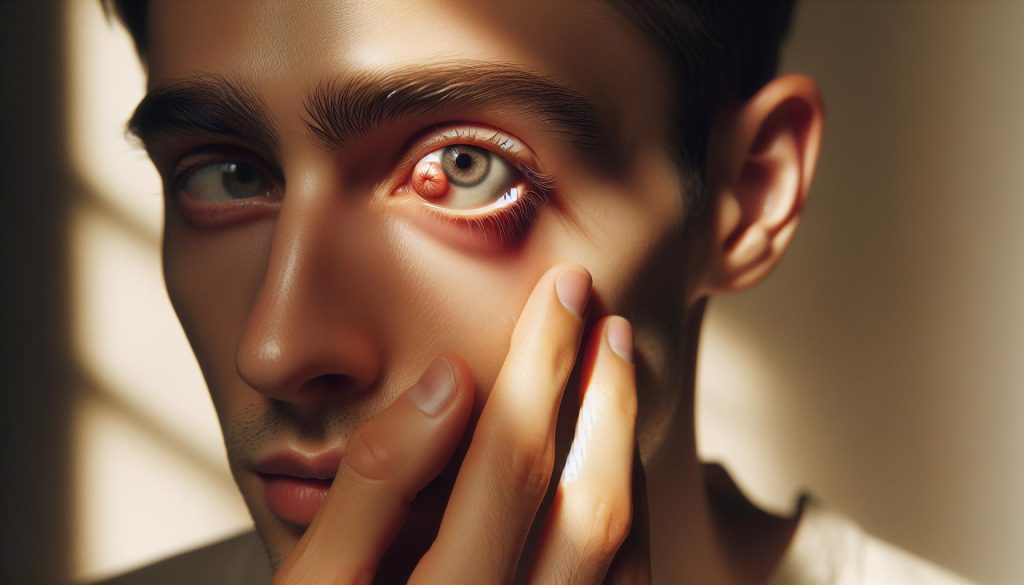
Did you know that everyday occurrences, like a stray hair finding its way into your eye, can lead to surprisingly uncomfortable conditions, such as styes? Styes are not just a nuisance; they can be quite painful and annoying. Understanding the subtle triggers behind these painful bumps, including hair, is essential for maintaining your eye health and comfort.
As we navigate our daily routines, it’s easy to overlook the potential connection between hair and styes. By learning about how foreign substances, including hair, can irritate your eyes and lead to infections, you can take proactive steps to prevent discomfort. In this article, we’ll explore various triggers that can lead to styes, offering insights and practical tips to help you safeguard your eyes. Get ready to empower yourself with knowledge that keeps your eyes healthy and stye-free!
Can Hair in Your Eye Cause a Stye? Understanding the Connection
The delicate balance of our eye health can be easily disturbed by various factors, and one surprising culprit could be as simple as a stray hair. When hair falls into or brushes against the eye, it can cause irritation. This irritation may lead to excessive rubbing or scratching of the eye, which can inadvertently introduce bacteria or disrupt the natural oil barrier of the eyelid, creating an ideal environment for a stye to develop. A stye is essentially an infection of the oil glands in your eyelid or the base of the eyelashes, often manifested by a painful lump that can become swollen and red.
Though having hair in your eye doesn’t directly cause a stye, the indirect consequences can play a significant role in its formation. For instance, if a hair causes discomfort leading you to touch or rub your eyes, this increases your likelihood of transferring bacteria from your hands to the delicate skin surrounding your eyes. Consequently, it is essential to maintain a routine that includes regular eyelid hygiene to minimize the chances of contact with irritants, including hair.
To safeguard your eyes, especially if you have longer hair, consider styling it away from your face, using hair clips or ties. Additionally, if you notice hair frequently causing irritation, be proactive in removing it gently, using a clean tissue, and taking care not to apply unnecessary pressure. In doing so, you can help prevent the cascade of issues that might lead to a stye and promote overall eye health. Understanding this connection empowers you to take effective preventive measures and maintain a mindful approach to your daily beauty and health routines.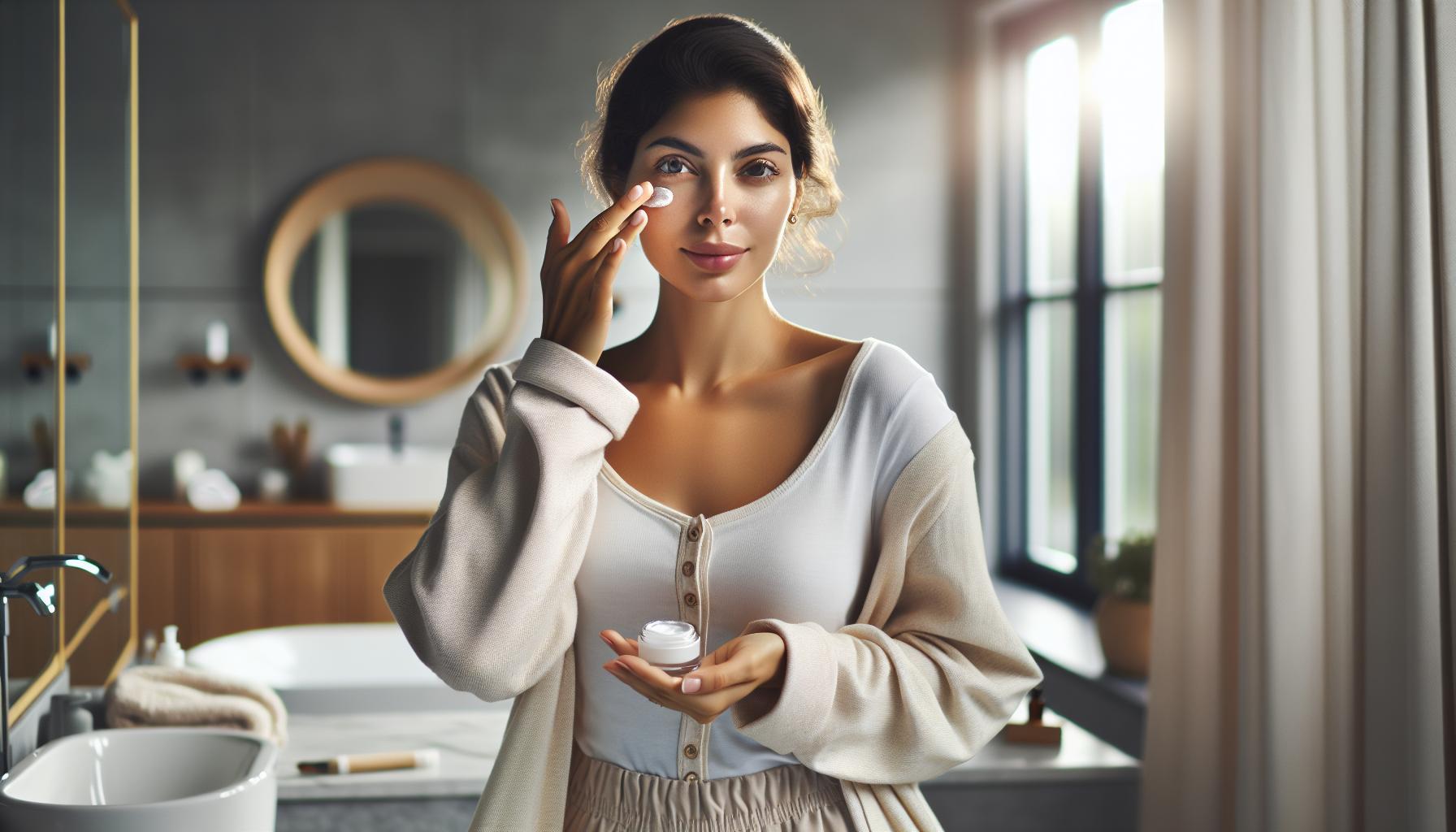
Common Causes of Styes You Need to Know
Keeping your eyelids healthy is crucial to preventing conditions like styes, which can cause discomfort and frustration. Styes, essentially infections of the oil glands in the eyelids, can arise from a variety of common triggers. Understanding these factors is vital for maintaining your eye health and avoiding unpleasant occurrences.
One of the most significant causes of styes is the presence of bacteria, particularly Staphylococcus aureus, which naturally resides on our skin. When this bacteria infiltrates the oil glands, often due to irritation or the introduction of foreign particles, an infection can ensue. Hair in your eye, while not a direct cause, may encourage rubbing or touching, escalating the risk of bacterial transfer. Additionally, other common irritants-such as dust, makeup, and contact lenses-can contribute to this cycle by irritating the eyelids or blocking the oil glands, leading to inflammation and potential infection.
Other lifestyle factors may increase your vulnerability to styes. Poor hygiene practices, like not washing your face before bed or sharing personal items such as towels and makeup, can lead to bacterial build-up around the eyes. Moreover, stress has been linked to both eye health and increased susceptibility to infections, with hormonal changes potentially paving the way for skin disturbances that may foster styes.
To protect yourself, adopt a few straightforward habits:
- Practice good eyelid hygiene: Clean your eyelids regularly with a gentle cleanser or eyelid scrub to remove dirt and bacteria.
- Avoid touching or rubbing your eyes whenever possible, especially with unwashed hands.
- Keep hair tied back and clear of your face to minimize the risk of irritation.
- Always remove eye makeup before sleeping to prevent clogging of the oil glands.
By being aware of these common causes of styes and implementing preventive measures, you can significantly reduce your chances of experiencing this irritating condition.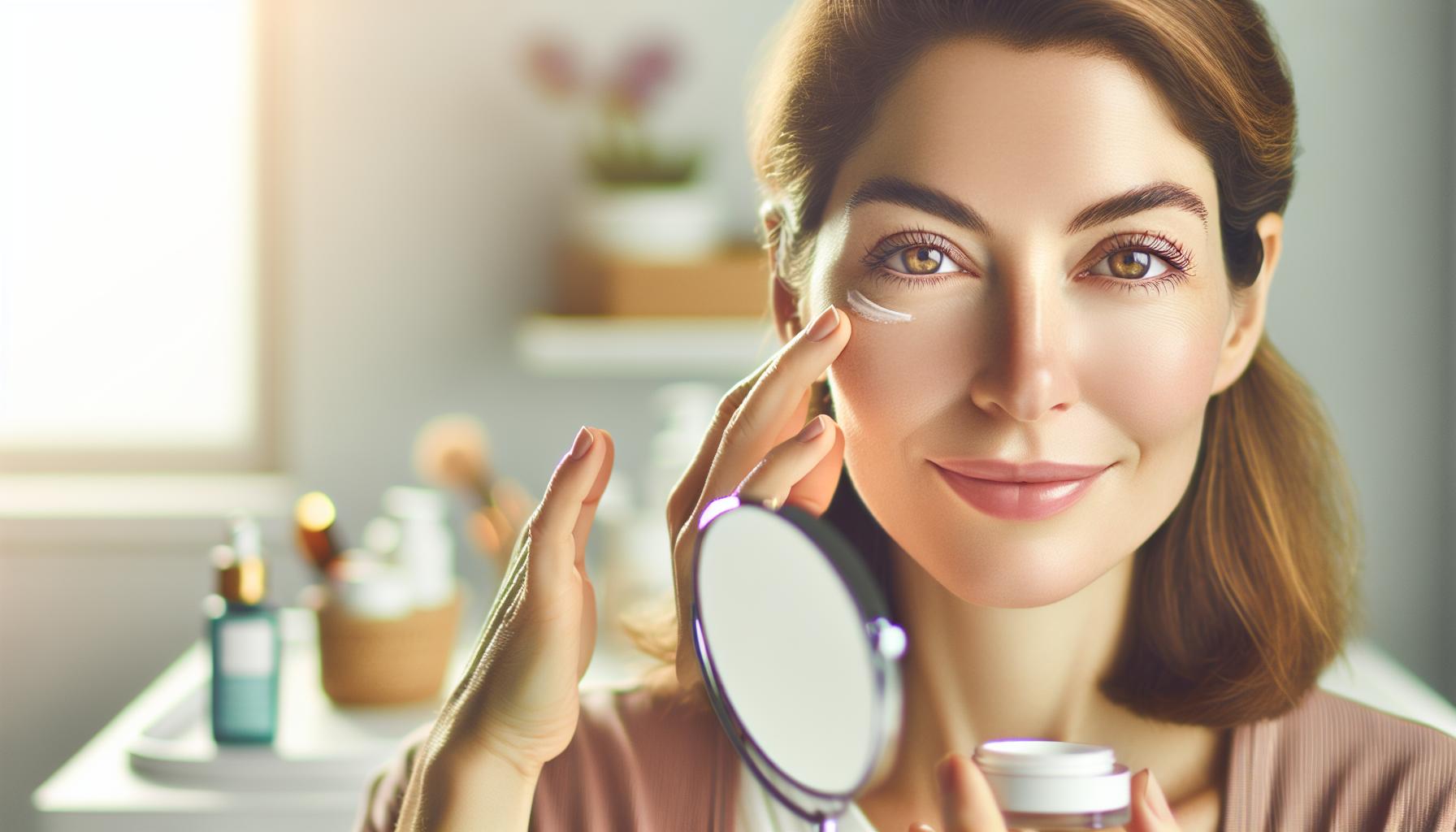
How Hair and Debris Can Trigger Styes
Hair strands and tiny debris can easily become unwelcome intruders in our eyes, creating potential discomfort and contributing to the development of styes. When hair falls into our line of sight, it often triggers an instinct to rub or touch our eyes, which is an essential factor in increasing the chances of introducing bacteria. Particularly, the oils and debris that accumulate on hair can carry a variety of microorganisms that, when transferred to the eye area, can lead to infections. This transfer of bacteria disrupts the delicate balance necessary for healthy eyelid function, increasing the likelihood of inflammation and the subsequent formation of a stye.
Understanding the role of hair and environmental debris is vital for effective prevention. Hair can trap dust, pollen, and other particulates, which not only irritate the eyes but also serve as potential breeding grounds for bacteria. The problem is exacerbated in individuals who frequently apply eye makeup or use contact lenses-both of which can further block the natural drainage of the oil glands along the eyelids. Therefore, it is essential to keep hair neatly tied back and maintain a clean environment for our eyes.
Here are some practical steps to minimize the risks associated with hair and debris:
- Tie Your Hair Back: Keeping hair out of your face can dramatically reduce the chances of irritation and minimize hair-related contamination.
- Regularly Clean Your Environment: Ensure that your living and working spaces are free from dust and allergens that can aggravate your eyes.
- Be Mindful of Touching Your Face: Try to avoid rubbing your eyes or touching your face without clean hands, particularly after handling your hair.
- Invest in Good Makeup Removers: Always ensure that any makeup is thoroughly removed to prevent clogging oil glands, which can lead to styes.
By implementing these strategies, you can significantly diminish the chances of developing styes while fostering healthier eyes and eyelids. Ultimately, being proactive about hair management and environmental cleanliness will not only enhance your comfort but also support better eye health overall.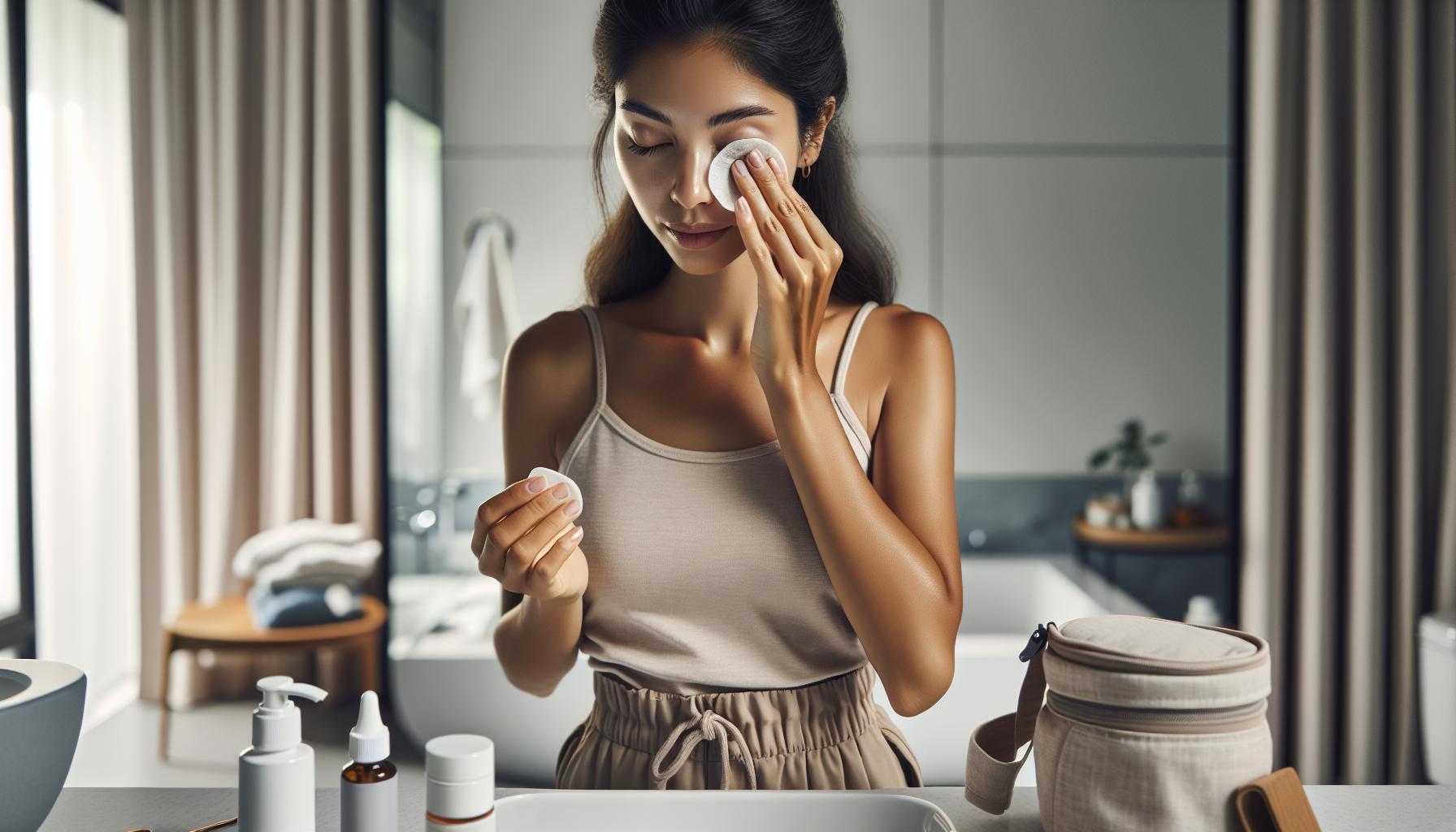
The Role of Eye Hygiene in Stye Prevention
Maintaining excellent eye hygiene is a crucial yet often overlooked factor in preventing the discomfort of styes. Just as we take care of our skin and general health, our eyes deserve the same level of attention and care. Poor hygiene practices can lead to the accumulation of oil, dirt, and bacteria, all of which contribute to the risk of developing styes, especially when hair and debris come into contact with the eyes.
To create an effective eye hygiene routine, regularly clean your eyelids and the surrounding area. Use gentle, non-irritating cleansers specifically designed for the eyes, which can help remove impurities without causing irritation. For those wearing makeup, ensure that you are using a quality makeup remover to prevent residue buildup, which can block tear ducts and oil glands around the eyelids, creating an environment conducive to stye formation.
In addition to proper cleansing, it’s vital to establish a habit of keeping your hands clean. Frequent handwashing is essential, particularly before touching your face or applying makeup. Remember that bacteria can easily transfer from the hands to the eyes, amplifying the risk of infection. If you wear contact lenses, adherence to proper lens care protocols-including daily cleaning and using appropriate solutions-creates a barrier against potential contaminants.
Here are actionable steps you can incorporate into your daily routine to boost eye hygiene:
- Daily Lid Cleaning: Use a soft, warm washcloth or pre-moistened eyelid scrub pads to gently clean your eyelids, removing any buildup of oil or debris.
- Always Remove Makeup: Make it a habit to thoroughly remove all eye makeup at the end of the day to prevent clogged glands.
- Keep Hair Tied Back: Minimizing the contact between your hair and eyes helps reduce irritation and contamination.
- Regular Eye Check-ups: Schedule routine visits to your eye care professional to ensure your eye health is monitored, allowing for early interventions if necessary.
Incorporating these practices into your life not only helps in stye prevention but also promotes overall eye health. By prioritizing eye hygiene, you empower yourself with the knowledge and tools to safeguard your eyes against common irritants and infections.
Identifying Symptoms of a Stye Early
Identifying the early signs of a stye can make a significant difference in managing the discomfort and preventing further irritation. Most people may not realize that what starts as a subtle sensation can quickly escalate into a more troublesome condition. Styes usually manifest as a red, swollen bump on the eyelid that often resembles a pimple. If you notice any discomfort or an increased sensitivity in your eyelids, it’s essential to pay attention to these subtle signs.
One of the most common early symptoms includes a feeling of tenderness or soreness near the eyelid margin, often accompanied by mild swelling. You might also observe some redness around the affected area. Additionally, you may experience a feeling of heaviness in your eyelid, accompanied by increased tearing or watery eyes. If you find that your eyelid becomes sticky or crusted, this could also indicate the onset of a stye. Recognizing these early changes can provide you with an opportunity to take quick action.
Taking proactive measures when you identify these symptoms is crucial. Applying a warm compress to the affected area for about 10-15 minutes several times a day can help soothe discomfort and encourage drainage, minimizing the likelihood of the stye worsening. This simple self-care step can significantly alleviate symptoms and speed up recovery. If you find that your symptoms persist or worsen, especially with increasing pain or the development of additional bumps, seeking professional help is wise. Your eye care provider can assess the situation and recommend appropriate treatments, ensuring your eye health remains a priority.
Effective Home Remedies for Stye Relief
Applying warm compresses can work wonders when dealing with a stye. This simple yet effective remedy involves soaking a clean cloth in warm water, wringing it out, and placing it gently over the affected eye for about 10-15 minutes. The warmth helps to increase blood circulation, ease discomfort, and promote drainage of any trapped pus, significantly speeding up recovery. To enhance this technique, you can also use a warm tea bag-green or black tea bags contain antibacterial properties that can further aid healing while being soothing.
In addition to warm compresses, gentle eyelid massages can be beneficial. After applying the compress, using a clean finger, gently massage the area around the stye. This action can help in breaking down any blockage in the oil glands, enabling the stye to drain more effectively. Be careful to wash your hands before and after touching your face to prevent any further irritation or infection.
Over-the-counter treatments such as stye ointments or antibiotic eye drops can also provide relief and speed up the healing process. However, it’s crucial to consult with a healthcare professional before starting any new treatment to ensure it is appropriate for your specific situation. Some find relief by using natural products like chamomile or aloe vera, known for their soothing properties; they can be applied around the eye area to help reduce irritation and inflammation.
Incorporating these home remedies into your routine can empower you to manage styes effectively. However, remember that maintaining good eye hygiene is vital. Regularly washing your face and avoiding touching your eyes with dirty hands can go a long way in preventing future occurrences. If symptoms persist beyond a few days despite home care, seek professional medical advice to explore other treatment options.
When to Seek Professional Help for a Stye
Experiencing discomfort from a stye can be bothersome, but knowing when to seek professional help can make all the difference in your recovery journey. If you notice that a stye is persistent, lasting more than a few days despite your home care efforts, it’s time to consult a healthcare professional. Styes are usually manageable with home remedies, but if you find that symptoms such as increasing pain, redness, or swelling around the eye are escalating rather than improving, professional evaluation is warranted.
Another crucial moment to seek help is if you experience vision changes. While styes typically do not impair vision, any sudden blurriness or loss of vision should prompt immediate medical attention. This could indicate other underlying issues that may need prompt treatment. Additionally, if you notice any unusual discharge or the stye appears to be spreading, these symptoms are red flags that should be addressed by a professional.
If you’re frequently developing styes, it might be a sign of an underlying condition such as blepharitis or a blocked gland. A healthcare provider can help identify these issues and offer solutions tailored to your situation, which might include prescription medication or specific skincare routines designed to improve eyelid hygiene and prevent recurrences. Keeping your regular eye check-ups can provide valuable insights into your overall eye health, and your doctor might suggest preventive measures to help limit future occurrences.
Ultimately, your eye health is paramount. If at any point you feel unsure about a stye’s behavior or your healing process, don’t hesitate to reach out to a professional. This proactive approach ensures that you maintain not just comfort but the best possible health for your eyes.
Misconceptions About Styes and Eye Health
Many individuals have misconceptions regarding the formation of styes and their connection to everyday experiences, such as hairs or debris getting into the eye. One widespread myth is that a stye is solely caused by poor hygiene or not cleaning the eyes often enough. While maintaining good eye hygiene is essential, it’s not the only factor. Styes actually result from bacterial infections, typically affecting the oil glands located at the base of the eyelashes. These infections can occur even with prudent care, as bacteria can thrive in various environments.
Another myth is that hair in the eye directly causes styes. While foreign materials like hair or dust can irritate the eye and lead to inflammation, they are not direct triggers for stye formation. Instead, if an oil gland becomes blocked, these irritants can exacerbate the issue or contribute to inflammation surrounding the eyelid area, making it more susceptible to bacterial infection. Keeping your eyes clean and free from debris is vital, but understanding that the underlying cause is often linked to bacterial growth is crucial for effective management and prevention.
It’s also essential to recognize that styes can develop in anyone, regardless of their eye care habits or the cleanliness of their environment. Stress, hormonal changes, and other health conditions may also increase susceptibility to these irritating bumps. Women, in particular, may experience hormonal fluctuations which can lead to increased oil production in the glands, potentially causing blockages. Therefore, staying informed about one’s health, managing stress, and maintaining a consistent eye-care routine can collectively help reduce the likelihood of developing these bothersome conditions.
Understanding these common misconceptions empowers individuals to take proactive steps in their eye care. Adopting a regular cleaning routine-using warm compresses on the affected area-can help maintain the eyelid’s health and prevent future occurrences. Remember, effective prevention goes beyond simple hygiene: maintaining overall physical and emotional well-being plays a crucial role in your eye health.
Long-Term Strategies for Eye Care
Taking proactive steps towards eye care can significantly reduce the risk of developing styes and other eye-related issues. One of the simplest yet most effective strategies is incorporating a daily hygiene routine for your eyes. This doesn’t just mean washing your face regularly, but also taking the time to cleanse your eyelids gently. Using a warm compress for a few minutes each day can help to keep the oil glands at the base of your eyelashes open and functioning properly, which can prevent blockages that lead to styes.
Nourishing your body with a balanced diet rich in vitamins and minerals can also play a crucial role in maintaining eye health. Foods rich in omega-3 fatty acids, such as salmon, and antioxidants found in fruits and vegetables can help reduce inflammation and strengthen your immune system. Staying hydrated is equally important, as proper hydration can contribute to the overall health of your skin and eyes, keeping them moist and less prone to irritation.
Another key aspect of long-term eye care is to be mindful of environmental factors that might affect your eyes. Reducing exposure to allergens by keeping your living space clean and implementing air purifiers can help mitigate issues like inflammation that might contribute to stye formation. Additionally, being cautious with cosmetics and skincare products around the eyes is essential. Choose hypoallergenic formulations and avoid touching your eyes with unclean hands.
Stress management is another vital component. High-stress levels can lead to hormonal changes that exacerbate the conditions for stye formation. Engaging in regular physical activity, practicing mindfulness or yoga, and ensuring you have time for relaxation can help maintain not just eye health, but overall well-being. By adopting these long-term strategies, you’ll empower yourself to enjoy healthier eyes and reduce the likelihood of encountering annoying styes.
Understanding Risk Factors for Developing Styes
Certain factors can significantly increase the likelihood of developing a stye, turning a simple annoyance into a persistent concern. Understanding these risk factors empowers you to make informed decisions about your eye health and implement effective prevention strategies.
One of the primary culprits is poor hygiene. If the eyelids and surrounding areas aren’t regularly cleaned, oils, debris, and bacteria can accumulate, leading to infections that result in styes. For women, heavy makeup or using expired cosmetic products near the eyes can exacerbate this risk. If makeup brushes and applicators are not cleaned regularly, they can harbor harmful bacteria that may come into contact with the delicate skin of your eyelids.
Additionally, underlying conditions such as blepharitis, a condition characterized by inflammation of the eyelids, can significantly increase stye susceptibility. If you have a history of skin conditions like rosacea or eczema, or if you struggle with oily skin, your chances of experiencing styes are higher. Furthermore, chronic stress has been linked to increased susceptibility to various infections, including those that cause styes. Stress can affect your immune system, making it less capable of fighting off bacteria.
Genetics can also play a role. If your family has a history of recurrent styes, you may be predisposed to developing them yourself. Understanding your family health history can provide insights that guide your eye care routine. Taking proactive steps-like maintaining eyelid hygiene, managing stress levels, and being cautious with makeup-can mitigate these risks effectively. By being aware of these risk factors, you can foster a preventative approach to your eye health, keeping styes at bay and your eyes looking vibrant and healthy.
The Impact of Stress on Eye Health and Styes
Chronic stress may not only take a toll on your emotional well-being but can significantly impact your physical health, including your eye health. It can weaken your immune system, making you more susceptible to infections, including those that lead to styes. When stressed, your body produces higher levels of the hormone cortisol, which, in excess, can suppress your immune response. This suppression makes it harder for your body to fight off bacteria that can cause infections in the eyelids, leading to painful styes.
To manage stress effectively, consider incorporating relaxation techniques into your daily routine. Practices such as yoga, meditation, and deep-breathing exercises can help keep stress levels in check. Additionally, engaging in regular physical activity not only boosts your mood but also supports a healthier immune system. Aim for at least 30 minutes of moderate exercise most days of the week.
Moreover, maintaining a balanced diet rich in vitamins, minerals, and antioxidants can empower your immune system to combat infections. Foods such as leafy greens, berries, nuts, and fatty fish are excellent choices. Staying hydrated is equally important; adequate fluid intake supports overall health, including eye health. Remember, prioritizing self-care is not a luxury but a necessity, especially when it comes to maintaining your overall well-being and preventing conditions like styes. By managing stress, you not only safeguard your eyes but also enhance your quality of life.
Common Eye Conditions Confused with Styes
When dealing with the discomfort of a potential stye, it’s easy to mistake it for other common eye conditions. Understanding what differentiates these can help you seek appropriate treatment and alleviate your concerns more effectively. Conditions such as chalazia, blepharitis, and conjunctivitis often present similar symptoms, but each has its distinct characteristics and underlying causes.
A chalazion, often confused with a stye, arises from a blocked oil gland in the eyelid rather than an infection. It typically appears as a firm bump that can be painless, in contrast to the tenderness associated with styes. Blepharitis, characterized by inflammation of the eyelid margins, may cause redness, flaking, and crusting but usually does not lead to the localized swelling of a stye. Meanwhile, conjunctivitis, commonly known as pink eye, presents with redness and discharge from the eye but is not localized to the eyelid like a stye.
Recognizing these differences is essential for effective self-care and treatment strategies. For instance, styes often resolve with warm compresses and maintaining proper eyelid hygiene, while blepharitis may require a more thorough cleansing regimen and possibly topical antibiotics. If you notice swelling or redness persisting beyond a few days, or if you have frequent occurrences of similar symptoms, it’s wise to consult an eye care professional to ensure proper diagnosis and treatment. By educating yourself about these conditions, you empower yourself to take control of your eye health and seek timely interventions when needed.
Frequently asked questions
Q: Can touching my eyes with unwashed hands cause a stye?
A: Yes, touching your eyes with unwashed hands can introduce bacteria, increasing the risk of developing a stye. Always maintain proper hygiene by washing your hands before touching your eyes. For more on prevention, see the section on eye hygiene.
Q: What are the symptoms of a stye?
A: Common symptoms of a stye include redness, swelling, tenderness, and pain on the eyelid. You may also experience crusting or a bump that resembles a pimple. For early identification, refer to the symptoms section in the article.
Q: How can I prevent hair from causing a stye?
A: To prevent hair from causing a stye, practice good eye hygiene, avoid touching your eyes, and regularly clean your eyelids. Keeping hair products away from your eyes is also advisable. More tips can be found in the hygiene section of the article.
Q: Are there any foods that can trigger styes?
A: While no specific foods are directly linked to styes, a diet high in processed foods may influence inflammation. Focus on a balanced diet rich in fruits, vegetables, and omega-3 fatty acids for overall eye health. More strategies are discussed in the long-term care section.
Q: Can stress cause styes to form?
A: Yes, stress can weaken your immune system, making you more susceptible to infections that can lead to styes. Managing stress through relaxation techniques may help. For more insights on the impact of stress on styes, check the relevant section in the article.
Q: What is the best way to treat a stye at home?
A: Applying a warm compress to the affected area for 10-15 minutes several times a day can help relieve pain and promote drainage. For additional remedies, see the effective home remedies section for guidance.
Q: How long does it take for a stye to go away?
A: Most styes typically resolve within 1-2 weeks with appropriate care. If symptoms persist, consult a healthcare professional. More information on when to seek help can be found in the article.
Q: Can wearing contact lenses contribute to styes?
A: Yes, wearing contact lenses without proper hygiene can lead to irritation and introduce bacteria, increasing the risk of styes. Ensure you follow recommended cleaning and handling practices for lenses. For related eye care tips, refer to the long-term strategies section.
To Conclude
Understanding how hair in your eye can trigger a stye is crucial for maintaining your eye health. Remember, proper hygiene and regular eye care routines are your first line of defense, so don’t hesitate to remove any irritants gently and consistently. If you’re still experiencing discomfort, consider visiting our guides on effective eye care and skincare routines for immediate solutions.
Take the next step in safeguarding your health-sign up for our newsletter for expert tips and resources tailored to your beauty and wellness journey. Your eyes deserve the best care, and being proactive can make all the difference. Have questions or insights to share? We encourage you to join the conversation in the comments below! Keep exploring our site for more valuable information that empowers you to make informed decisions every day.