
While it may be tempting to pop an eye stye, doing so can lead to complications that worsen your condition. Styes are often caused by bacterial infections, and attempting to squeeze them can push the infection deeper into the eyelid, potentially leading to more severe issues. Understanding the risks of popping a stye is crucial for your eye health and overall wellbeing.
Many people experience styes but may not know the best way to treat them or how to avoid common mistakes. You might wonder if just a little pressure could provide relief, but this action could lead to pain, inflammation, or even scarring. It’s essential to approach treatment with care and knowledge rather than impulse.
As you read further, you’ll discover safer at-home remedies and learn when to seek professional help. By empowering yourself with this information, you can take control of your eye care and ensure a swift recovery, allowing you to enjoy clear, healthy vision once again.
Can Eye Styes Be Popped? Understanding the Risks
Attempting to pop an eye stye may seem like a tempting solution to alleviate discomfort and hasten healing, but it can pose significant risks. A stye, which appears as a small, painful lump on the eyelid due to a bacterial infection in the oil glands, is often best left alone. When an attempt is made to pop a stye, there’s a chance of pushing the bacteria deeper into the eyelid or spreading it to other areas of the eye, leading to further complications.
One of the primary concerns with popping a stye is the introduction of additional bacteria into the already infected area. This action can exacerbate the infection, potentially transforming what could have been a minor issue into a more severe condition. In some cases, self-popping can lead to the development of a chalazion, a larger and often more persistent bump that occurs when the oil gland becomes blocked and inflamed. Moreover, the trauma to the eyelid can result in scarring or more serious infections, which may necessitate medical intervention.
Instead of considering this approach, individuals dealing with a stye should focus on effective at-home remedies that promote healing. Warm compresses applied to the affected area can help reduce swelling and encourage drainage without the need for invasive actions. Furthermore, maintaining good eye hygiene and avoiding contact lenses or eye makeup during the healing process can support recovery and prevent additional irritation. If symptoms persist or worsen, consulting a healthcare professional is always the best course of action to ensure proper treatment and care.
The Anatomy of an Eye Stye: What Happens?
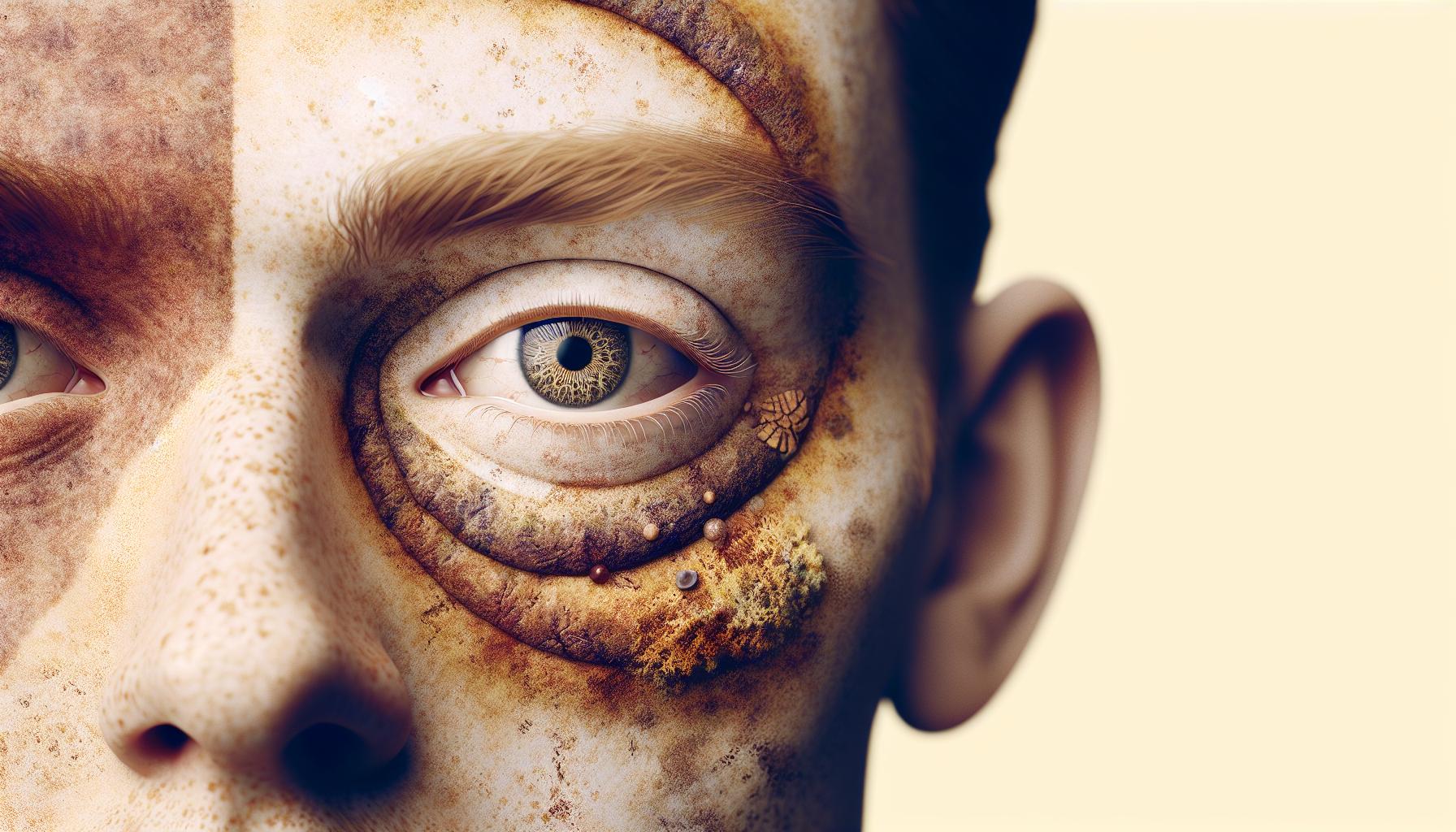
A stye typically forms at the edge of the eyelid as a result of an infection in one of the oil glands or hair follicles. This small, painful bump is caused by bacteria, often from the skin or the eyes, invading these glands, which can lead to inflammation and blockage. Understanding the anatomy of a stye is crucial in recognizing why popping one can be detrimental.
At the core of a stye’s formation is a blocked meibomian gland, located inside the eyelid, which is responsible for producing oil that lubricates the eye. When bacteria enter these glands, they trigger an inflammatory response, leading to the characteristic redness and swelling. This localized outbreak is not just a superficial skin issue; it represents a deeper struggle within the eyelid’s structure that can worsen with improper handling. The stye can sometimes develop into a chalazion, a more extensive and persistent lump, if not appropriately treated, as the inflammation may seal the clog within the gland rather than clear it.
Attempting to pop a stye may provide immediate relief from discomfort, but it risks pushing the bacteria further into the eyelid or causing it to spread. Additionally, the trauma caused by this action can lead to further complications, including a more severe infection or scarring, which might require medical intervention. Instead of resorting to such measures, focusing on gentle treatments, such as warm compresses, can facilitate the natural drainage process. This approach lessens the need for intervention and mitigates the risk of complications, affirming that sometimes, the best course is to allow nature to take its healing course.
Why You Shouldn’t Pop a Stye: Medical Insights

Attempting to pop a stye may seem like a tempting way to find immediate relief, but medical experts strongly advise against it. The stye is essentially an inflamed oil gland within the eyelid, caused by bacterial infection and blockage. Popping the stye can actually exacerbate the problem, pushing bacteria deeper into the tissue and leading to a more severe infection. This action may also cause increased inflammation and additional swelling, creating a larger hurdle for your body to overcome in its healing process.
When you attempt to pop a stye, you risk not only spreading the infection but also potentially causing trauma to the surrounding skin. This trauma can lead to complications such as scarring or the development of a chalazion, which is a more chronic and larger lump that may require surgical intervention. Therefore, instead of seeking quick fixes, it is much safer to adopt gentle treatments that encourage natural drainage. The use of warm compresses for 10-15 minutes several times a day can significantly help to relieve discomfort and allow the stye to heal naturally by promoting circulation and facilitating drainage without the risk of further infection.
Additionally, it’s essential to consider hygiene; the eyes are sensitive, and introducing bacteria from unwashed hands or inappropriate tools can lead to further complications. Understanding these risks empowers you to make informed health choices rooted in self-care. Engaging in gentle and consistent treatment methods not only fosters recovery but also protects your eyes from the potential fallout of hastily popping a stye. Prioritizing patience over urgency is key in managing your eye health effectively.
Potential Complications of Popping a Stye

Attempting to pop a stye may seem like a quick fix for discomfort, but this could lead to a cascade of complications that worsen the situation. At the core, a stye is an inflamed oil gland exacerbated by bacteria. When you try to pop it, you risk pushing the bacteria deeper into surrounding tissues, which can result in a more significant infection. This heightened risk of infection isn’t just a theoretical concern; it can manifest in painful conditions such as cellulitis, where the infection spreads to nearby skin, leading to more severe symptoms and requiring aggressive medical treatment.
Moreover, the trauma caused by popping a stye can result in lasting scars or skin changes around the eyelid. One common consequence of this trauma is the formation of a chalazion, which is a larger, chronic lump that can take weeks or even months to resolve without medical intervention. Chalazia often require professional drainage or surgical procedures, throwing you deeper into a cycle of treatment that could have been avoided.
To naturally support healing, warm compresses can serve as an effective and simple remedy, promoting circulation and assisting in the gentle drainage of the stye. Maintaining clean hands and proper hygiene is paramount, as introducing germs can exacerbate complications. The discomfort and risks associated with impulsive actions highlight the importance of patience and gentleness in caring for eye health. Prioritizing careful management can protect your eyes from unnecessary complications and support a smoother recovery journey.
Effective At-Home Remedies for Eye Styes
There’s a common misconception that popping a stye might be a quick solution to relieve discomfort, but this often leads to more complications. Instead, there are effective at-home remedies to soothe and support the healing of an eye stye without the risks associated with attempting to pop it.
One of the simplest and most effective remedies is applying warm compresses. This not only alleviates pain but also promotes blood circulation and helps the stye drain naturally. To perform this remedy, soak a clean washcloth in warm (not hot) water, wring it out to remove excess moisture, and gently place it over the affected eye for about 10 to 15 minutes. Repeat this process several times a day to enhance its effectiveness.
Incorporating gentle eyelid hygiene can also aid healing. Consider using a diluted baby shampoo or eyelid scrub pads specifically designed to cleanse the eyelid area without harsh chemicals. Cleanliness is crucial, as it minimizes the risk of introducing new bacteria to the already inflamed area. Remember to wash your hands thoroughly before touching your face or preparing any treatment.
For additional relief, consider herbal remedies such as chamomile tea bags. After steeping tea bags in hot water and allowing them to cool down slightly, you can place them onto the eyelid for a soothing effect. Chamomile is known for its anti-inflammatory and calming properties, which can further assist in reducing swelling and discomfort.
Lastly, maintaining a nutrient-rich diet is key to overall eye health. Foods rich in omega-3 fatty acids, like walnuts and flaxseeds, can help reduce inflammation, while foods high in vitamins A and C, such as carrots and oranges, support your immune system to ward off infections. Staying hydrated is also essential; aim for at least eight glasses of water a day to keep your body and eyes healthy.
Incorporating these at-home remedies can bring comfort and assist in the healing of an eye stye while avoiding the perilous route of popping it. Stay patient and give your body the time it needs to recover.
When to Consult a Doctor for a Stye
It’s essential to know when a stye requires medical attention, as certain symptoms and circumstances can indicate a more serious condition. If a stye persists for more than a week without improvement, it is advisable to consult a healthcare professional. Styes should ideally resolve themselves within a reasonable timeframe, and prolonged symptoms may signify complications or an underlying issue that needs addressing.
Additionally, if you experience increasing pain, swelling, or redness that spreads beyond the eyelid, seeking medical help is crucial. These signs could suggest an infection that requires intervention or even the need for antibiotics. Moreover, if you notice any change in your vision or if the eyelid becomes hot to the touch, these are clear indicators that a doctor’s assessment is necessary.
It’s also wise to reach out to a physician if your stye recurs frequently. Frequent occurrences may indicate that your eyelid hygiene habits need improvement or that there are other underlying conditions to consider. For those who wear contact lenses, it’s best to remove them until the stye heals, and consulting with an eye care professional can provide tailored advice based on your situation.
In summary, staying proactive about your eye health ensures you can nip any potential issues in the bud. Knowing when to seek professional advice not only alleviates discomfort but also safeguards your overall well-being. Always listen to your body and don’t hesitate to reach out for help when something feels off. Your eyes deserve the best care possible!
Preventive Care: How to Avoid Eye Styes
Maintaining good eye health is essential, not just to avoid the discomfort of styes but to enhance your overall quality of life. Styes, which are often caused by bacterial infections in the eyelid’s oil glands, can be preventable with a few proactive measures. By adopting healthy habits and being mindful of your eye care routine, you can significantly reduce the risk of developing these pesky eyelid bumps.
Practice Good Hygiene
One of the most effective ways to avoid styes is to prioritize hygiene around your eyes. Be sure to wash your hands thoroughly before touching your face or eyes. Regularly cleaning your eyelids can help remove dirt, oil, and potential irritants. For optimal cleanliness, use a mild, hypoallergenic cleanser specifically formulated for eye care. Additionally, always remember to remove makeup before going to bed; sleeping with eye makeup on can block glands and lead to infections.
Avoid Sharing Personal Items
Another key preventive measure is to avoid sharing personal items that can come into contact with your eyes, such as towels, makeup brushes, or eye makeup. Bacteria can easily transfer from one person to another through these shared items, increasing the risk of stye formation. Invest in your own set of eye cosmetics and maintain personal hygiene practices that minimize the risk of infection.
Manage Stress and Stay Healthy
Stress management is crucial too, as stress can impact your immune system. A weakened immune system makes it easier for bacteria to thrive, potentially leading to sties. Consider incorporating stress-reduction techniques such as exercise, meditation, or hobbies that you enjoy. Furthermore, a balanced diet rich in vitamins and minerals-particularly Vitamin A and Vitamin C-can support your immune health and help ward off infections.
Regular Eye Care
Lastly, if you wear contact lenses, be diligent about lens cleaning and replacement schedules. Remove your lenses if you notice any irritation or if you develop a stye. Regular checks with an eye care professional can keep your vision in top shape and help identify any underlying issues that could lead to frequent styes.
By integrating these simple yet effective practices into your daily routine, you can help protect your eyes from the discomfort of styes while enhancing your overall eye health. Remember that a proactive approach is always better than waiting for issues to arise; your eyes deserve the best care possible!
Lifestyle Changes for Eye Health and Comfort
To maintain optimal eye health and comfort, making a few lifestyle adjustments can go a long way in preventing issues like styes. These small but impactful changes not only enhance overall wellness but also empower you to take charge of your eye care. For example, incorporating a diet rich in antioxidants, such as leafy greens and colorful fruits, nourishes your body and eyes alike. Foods high in omega-3 fatty acids, like salmon, can reduce inflammation and support tear production, creating a brighter, more hydrated appearance.
Staying hydrated is another critical aspect of eye health that is often overlooked. Drinking sufficient water throughout the day helps maintain the moisture balance in your body and minimizes the risk of dry eyes, which can exacerbate irritation and lead to infections. Aim for at least eight glasses of water daily, and consider herbal teas as hydration boosts that also offer additional health benefits.
Additionally, paying attention to your screen time can significantly impact your eye comfort. The blue light emitted from screens can strain your eyes, leading to discomfort and fatigue. Follow the 20-20-20 rule: every 20 minutes, look at something 20 feet away for at least 20 seconds. This simple technique gives your eyes a much-needed break, reducing the risk of developing styes and other issues.
Creating a regular eye care routine is equally important. This should include cleaning your eyelids gently to remove any oil or debris that might lead to blockages. Use a warm compress for a few minutes daily to help keep the oil glands functioning properly. Such consistent self-care practices not only keep your eyes fresh but also deter infections, maintaining your eye health for years to come.
Recognizing Symptoms: Is It Really a Stye?
Recognizing the signs of an eye stye is your first step to effective care and relief. Typically presenting as a small, red bump on the edge of the eyelid, these often painful lesions are caused by blocked oil glands. While they may resemble pimples, there are key differences in symptoms and underlying causes that help distinguish a stye from other eye issues.
Common symptoms include:
- Redness and Swelling: The eyelid may appear inflamed and tender.
- Pain or Discomfort: You might experience pain localized to the affected area, especially when blinking.
- Watery Eyes: Increased moisture can occur as your eyes try to flush out irritation.
- Crusty Eyelids: In some cases, a stye can lead to discharge, causing crust to form on the eyelids.
Often, a stye can also cause a sensation of a foreign body in the eye. This can be accompanied by increased sensitivity to light, making it uncomfortable to engage in daily activities like reading or using screens. If these symptoms arise, it’s essential to observe the progression. If the bump persists beyond a week or you notice rapid changes, including spreading redness or increasing pain, it is crucial to consult a healthcare provider.
Differentiating a stye from similar conditions such as chalazia or even conjunctivitis can be challenging. A chalazion, for instance, is usually painless and may not exhibit the same degree of inflammation as a stye. Understanding these nuances can empower you to take appropriate action and avoid undue harm that might arise from attempting to pop a stye, which can lead to severe complications, including infection or scarring.
Given the discomfort and potential for complications, ensuring you practice diligent eye hygiene and seeking professional advice when needed can significantly aid in maintaining your eye health.
Alternative Treatments to Manage Eye Styes
Managing an eye stye can feel frustrating, especially when you want immediate relief. Fortunately, there are several alternative treatments that can help soothe discomfort and support healing without the risks associated with popping the stye. These methods are accessible, practical, and can be easily integrated into your daily routine.
Warm Compresses
One of the simplest yet most effective ways to manage an eye stye is through warm compresses. By applying a warm, moist cloth to your eyelid for 10 to 15 minutes several times a day, you can help unblock the oil glands and encourage drainage. This not only reduces pain but also promotes healing. Just be sure that the compress is clean to prevent any additional irritation or infection.
Gentle Eye Washes
Using a gentle eye wash can also provide relief and help maintain eye hygiene. Look for saline solutions or over-the-counter eye washes specifically designed for soothing irritated eyes. Rinsing your eyelids gently can help remove debris and reduce inflammation. Be careful not to rub your eyes, as this can exacerbate the problem.
Over-the-Counter Treatments
In some cases, over-the-counter pain relievers like ibuprofen or acetaminophen can alleviate discomfort associated with a stye. If the stye causes significant swelling or redness, topical antibiotic ointments may help prevent secondary infections. Always consult a healthcare provider before starting any medication to ensure it’s appropriate for your situation.
Natural Remedies
Natural ingredients can also play a significant role in managing a stye. For instance, tea bags-especially chamomile or green tea-can be beneficial due to their anti-inflammatory properties. After steeping a tea bag in hot water, allow it to cool to a comfortable temperature and place it on the affected eye for about 10 minutes. This can help reduce swelling and provide soothing relief.
By adopting these alternative treatments, you can effectively manage the symptoms of a stye and support your eye health without resorting to popping it. Always remember that if symptoms persist or worsen, it’s crucial to seek medical advice, ensuring that you prioritize your eye health and well-being.
Misconceptions About Eye Styes: Debunking Myths
Many people believe that popping an eye stye can bring immediate relief, but this common misconception can lead to a range of complications and further discomfort. A stye, medically known as a hordeolum, is essentially a bacterial infection of the oil glands in the eyelid. No matter how tempting it might be to squeeze it like a pimple, doing so can push the infection deeper, spreading bacteria and worsening inflammation. Instead of providing the desired relief, it can lead to more severe symptoms, including additional swelling, pain, and even the formation of more styes.
Another prevalent myth is that styes are contagious. People often worry about spreading the infection to others or catching one from someone else. In reality, styes develop due to a combination of factors, including blocked oil glands and bacterial growth, typically involving bacteria that are already present on the skin. Good hygiene practices, like regular handwashing and avoiding touching the face, can help minimize the risk of developing styes without the fear of contagion.
Many also erroneously think that styes result exclusively from poor hygiene or lifestyle choices. While these factors can contribute, styes can occur in anyone, regardless of cleanliness. Stress, hormonal changes, and even using expired cosmetics can trigger their formation. Understanding these nuances helps demystify styes and allows for more effective prevention and management strategies.
It’s essential to approach the treatment of styes with knowledge rather than succumbing to common myths. Rely on proven methods such as warm compresses to reduce swelling and promote drainage naturally instead of resorting to popping, which only leads to heightened risks and complications. Empowering yourself with accurate information about styes not only alleviates unnecessary worry but also supports better eye health overall.
Natural Ingredients for Eye Stye Relief
Natural solutions can be an effective way to provide relief from the discomfort of eye styes while avoiding the risks associated with popping them. Nature offers a variety of ingredients known for their soothing and anti-inflammatory properties that can facilitate healing. Here are some particularly helpful options:
Warm Compresses
Applying a warm compress is one of the simplest and most effective home remedies for relieving the discomfort of a stye. The heat from the compress helps to soften and unclog blocked oil glands, promoting drainage. To create a warm compress, soak a clean cloth in warm water, wring it out, and place it over your closed eyelid for 10-15 minutes, several times a day. This method can not only ease pain but also accelerate the healing process.
Chamomile
Chamomile, widely recognized for its calming effects, can also be beneficial for styes. Prepare a chamomile tea bag, allow it to steep, and then let it cool until it’s warm but not too hot. Place the tea bag over the affected eye for about 15 minutes. Chamomile has anti-inflammatory and antimicrobial properties that may help reduce swelling and soothe irritation.
Honey
Honey is not just a delicious natural sweetener; it has impressive antibacterial properties as well. Applying a small amount of raw honey to the affected area can help combat the bacteria causing the infection. Ensure that you apply it carefully, avoiding contact with the eyes, and allow it to sit for about 30 minutes before rinsing gently with warm water. This natural remedy not only aids in fighting bacteria but also promotes healing.
Turmeric
Known for its potent anti-inflammatory properties, turmeric can also play a role in managing styes. You can make a paste by mixing turmeric powder with a little water. Gently apply it around the affected area, avoiding direct contact with the eye, and leave it on for 20 minutes before rinsing off. Its healing qualities can help reduce inflammation and speed up recovery.
By utilizing these natural ingredients and remedies, you can find relief from the discomfort of styes without resorting to popping them. Incorporating these approaches into your routine not only supports quicker healing but also aligns with a holistic approach to eye care. Always remember, however, that if symptoms persist or worsen, consulting a healthcare professional is the best course of action.
Q&A
Q: What are the risks of popping an eye stye?
A: Popping an eye stye can lead to infection, worsening inflammation, and potentially spreading bacteria to other areas of the eye. It’s advisable to avoid this practice and to seek safer treatment options, as indicated in the section on complications in your article.
Q: How can I relieve the discomfort of a stye without popping it?
A: To ease discomfort, apply a warm compress to the affected area for 10-15 minutes several times a day. This promotes drainage and helps reduce swelling. Over-the-counter pain relievers may also provide relief, complementing the home remedies discussed in your article.
Q: When should I see a doctor about an eye stye?
A: Consult a doctor if the stye persists for more than a week, worsens, or is accompanied by severe pain, vision changes, or excessive swelling. Immediate medical advice is essential for these symptoms, as noted in your article on when to consult a doctor.
Q: Can at-home remedies really help reduce a stye?
A: Yes, at-home remedies such as warm compresses, eyelid hygiene, and over-the-counter ointments can effectively manage styes. Following the effective at-home remedies section in your article can guide you through the best practices.
Q: Are there any lifestyle changes to prevent eye styes?
A: Implementing regular eye hygiene, avoiding eye makeup during flare-ups, and maintaining moisture can help prevent styes. The preventive care section of your article offers detailed strategies to minimize occurrence.
Q: What happens if a stye doesn’t go away on its own?
A: If a stye does not resolve within a week, it could develop into a chalazion or indicate a more serious infection. It is recommended to consult a healthcare professional, as highlighted in your article regarding management of persistent styes.
Q: What types of treatments are available if home remedies fail?
A: If home remedies fail, treatments may include prescription ointments, oral antibiotics, or in-office procedures to drain the stye. Refer to the alternative treatments section in your article for more information on professional options.
Q: How can I identify symptoms to differentiate a stye from other eye issues?
A: Symptoms of a stye include localized redness, swelling, and tenderness on the eyelid. If you experience more severe symptoms or frequent recurrences, it may be vital to explore these concerns further, as described in your article on recognizing symptoms.
Key Takeaways
While the temptation to pop an eye stye may seem appealing, it’s crucial to understand the potential risks involved. Instead, consider safe alternatives like warm compresses or consulting a healthcare professional for effective treatment options. If you’re interested in preventive care or skincare routines that enhance your eye health, explore our articles on natural remedies for eye health and eyelid hygiene practices.
Don’t let uncertainty hold you back. Take the next steps towards healthy eyes and skin-sign up for our newsletter for expert tips and exclusive content tailored just for you. Have questions or experiences to share? Join the conversation in the comments below, and let’s empower each other to make informed choices. Remember, taking care of your health is an ongoing journey, and we’re here to support you every step of the way!