
Dealing with an eye stye can be frustrating and uncomfortable, making you wonder about effective remedies to ease the discomfort. One common question people ask is whether Neosporin, a popular topical antibiotic ointment, can be safely used on an eye stye. Understanding the proper treatment options is essential in avoiding complications while promoting healing.
In this guide, we will explore the safety of using Neosporin on eye styes, sharing crucial insights into eye health and the effectiveness of available treatments. You’ll learn about recommended practices, potential risks, and alternative solutions that can help alleviate your concerns while ensuring your eye care routine is both effective and safe. So, if you’ve found yourself struggling with the pesky pain of a stye, keep reading to discover how to manage it wisely and get back to feeling your best.
Can Neosporin Help My Eye Stye?
Using Neosporin for an eye stye might seem like a quick and easy fix, but it’s essential to be cautious. An eye stye, caused by a clogged oil gland along the eyelid, manifests as a red, painful bump that can be both irritating and unsightly. While Neosporin is a well-known over-the-counter antibiotic ointment for minor cuts and scrapes, applying it directly to the eye area can lead to complications, primarily because the eyes are extremely sensitive and any foreign substance can provoke irritation or allergic reactions.
The ingredients in Neosporin, which include bacitracin, neomycin, and polymyxin B, are targeting bacteria but have not been specifically formulated for use in the eye or on mucous membranes. This poses potential risks, such as worsening the inflammation or introducing new bacteria if the ointment isn’t applied with sterile techniques. Given the sensitive nature of the eye, it’s advised to seek alternatives that are safer and designed for ophthalmic treatment.
If you’re dealing with an eye stye, there are more appropriate treatments available. Warm compresses applied to the area can help soothe discomfort and promote drainage of the stye, which often resolves the issue naturally. Over-the-counter medications specifically for styes, such as eye drops that contain soothing ingredients, may also provide relief without the risks associated with using Neosporin.
In summary, while Neosporin is excellent for minor external injuries, it’s best to avoid using it for eye conditions like styes. For safe and effective treatment, consider home remedies like warm compresses or consult with a healthcare professional for targeted eye care products that can assist in healing without the risks associated with inappropriate use of topical antibiotics.
Understanding What an Eye Stye Is
An eye stye, or hordeolum, is a common and often painful condition that typically manifests as a small red bump on the edge of the eyelid. This swelling results from the inflammation of the oil glands (meibomian glands) or hair follicles of the eyelashes, often caused by bacterial infection. Though harmless in most cases, styes can bring discomfort, irritation, and cosmetic concern, leading many to seek quick remedies. Understanding the nature of a stye can empower you to treat it effectively and reduce the likelihood of future occurrences.
Styes can develop in various forms, including external styes, which appear on the outside of the eyelid, and internal styes, which occur beneath the eyelid. While the causes often include blocked glands or microbial growth, factors such as stress, hormonal changes, or poor hygiene may exacerbate the condition. Symptoms typically include tenderness, redness, and swelling, often accompanied by a sensation of grittiness in the eye. In most situations, styes will resolve on their own within a week or so, but addressing them promptly can help alleviate discomfort and promote faster healing.
Understanding how to manage a stye also involves recognizing when to seek medical intervention. If a stye does not improve, if you experience significant pain, or if there is a rapid increase in swelling, it’s wise to consult a healthcare professional. They can differentiate between a benign stye and other potential issues, ensuring you receive appropriate care.
In managing a stye, it’s essential to avoid the temptation to squeeze or pop it, as this could lead to further infection. Instead, home treatments like warm compresses can help relieve symptoms while encouraging drainage of the clogged gland. This simple yet effective practice can provide soothing relief, often starting with 10-15 minutes of application several times a day, allowing you to avoid more invasive interventions.
Overall, awareness about what an eye stye is and its typical progression can empower you to tackle this common ailment with confidence and knowledge, elevating your approach to eye care and overall health.
Risks of Using Neosporin on Styes
Using Neosporin on a stye might seem like a straightforward solution to relieve discomfort, but this approach carries significant risks. Neosporin is an over-the-counter antibiotic ointment commonly used for minor cuts and skin injuries, yet it is not formulated for use in or around the eyes. Applying Neosporin to a stye can lead to irritation and potentially harmful effects, as the ingredients in the ointment may be toxic to the sensitive eye area.
The primary components of Neosporin-neomycin, polymyxin B, and bacitracin-are intended for external skin use. When introduced into the eye, these substances can cause serious complications, including allergic reactions or irritation, which may exacerbate the condition rather than improve it. As stated by healthcare professionals, using regular Neosporin in the eye is unsafe and prohibited for treating eye conditions such as styes. This alternative approach can lead to an increase in swelling and sensitivity, delaying your healing process and affording you greater discomfort.
For those looking for ways to address a stye, embracing alternative treatments is not only safer but often more effective. Simple at-home remedies like warm compresses can soothe pain and promote drainage. Additionally, maintaining hygiene by gently cleaning the eyelid can help reduce bacterial growth and prevent the development of new styes. When in doubt about treatment options, consulting a healthcare provider is a prudent step to ensure you receive the best care without risking further irritation or injury. Always prioritize products specifically designed for eye care to protect your health and well-being.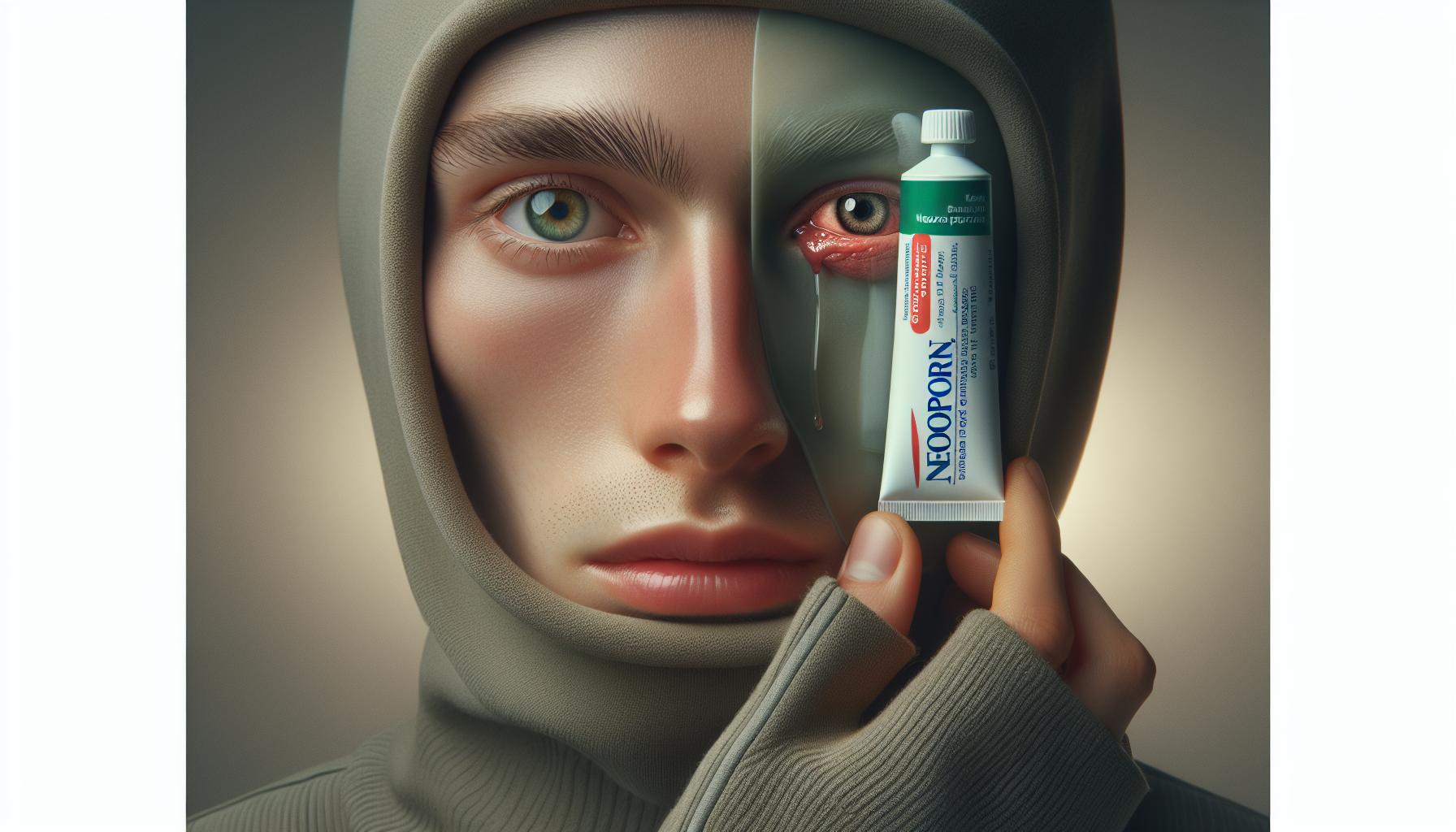
Safe Application Techniques for Eye Styes
When dealing with a stye, knowing safe application techniques is essential for effective treatment and to avoid aggravating the condition. While many might be tempted to reach for an antibiotic ointment like Neosporin, it’s critical to stick to methods that are specifically designed for eye care. The sensitivity of the eye area means that any incorrect treatment approach could lead to increased irritation or further complications.
One of the most recommended remedies is using warm compresses. This simple yet effective technique involves soaking a clean washcloth in warm (not hot) water, wringing it out, and gently applying it to the affected eyelid for about 10-15 minutes. This can be repeated several times a day. The warmth helps enhance blood circulation to the area, which can promote healing and encourage the stye to drain naturally. It’s also vital to ensure that your hands are clean before touching your eyes or any treatment materials to prevent introducing additional bacteria.
Additionally, if the stye is persistent or painful, it’s essential to consult a healthcare provider. They can offer guidance tailored to your specific situation and may even suggest medical treatments if necessary. Keep in mind that maintaining proper hygiene can prevent future styes-regularly cleaning your eyelids with mild soap or specially formulated eye cleansers can reduce the risk of infection. Emphasizing safe, prescribed products over over-the-counter remedies not designed for eye care is key to maintaining your eye health and comfort.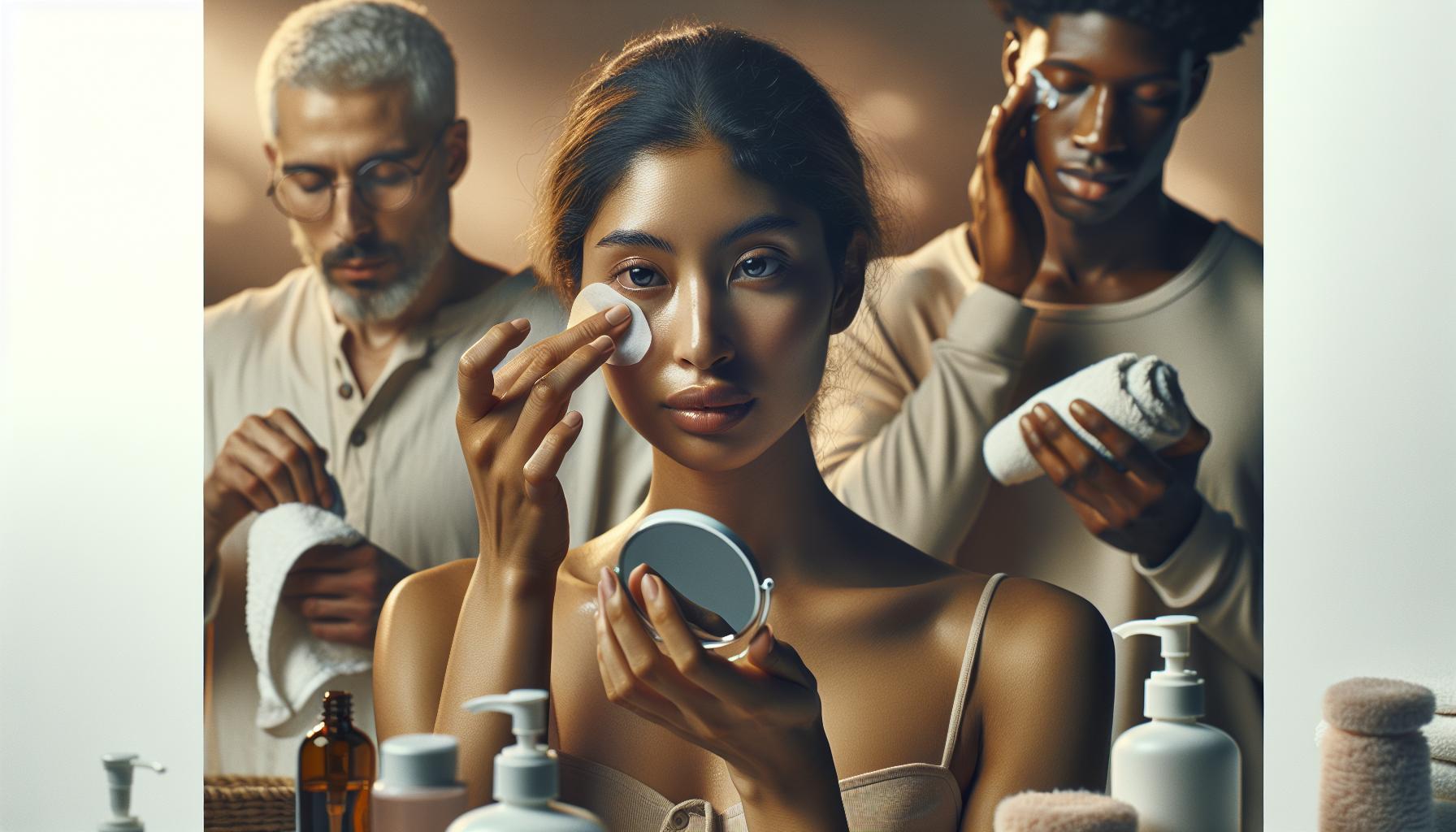
Alternative Treatments for Eye Styes
Applying Neosporin or any topical antibiotic directly to an eye stye is not advisable-there are safer and more effective alternative treatments to alleviate discomfort and promote healing. One of the most popular methods involves the use of warm compresses. This approach helps soothe irritation, reduce swelling, and encourage drainage of the stye. To create a warm compress, soak a clean washcloth in warm water, wring out the excess, and gently press it against the affected eyelid for approximately 10-15 minutes. This process can be repeated several times a day for optimal results.
In addition to warm compresses, maintaining proper eyelid hygiene can significantly help manage and prevent future styes. Regularly cleansing your eyelids with a gentle, non-irritating soap or a specialized eyelid scrub can remove excess oil and debris that contribute to blockage of oil glands. Special eyelid scrubs are available at pharmacies and can be particularly helpful for individuals prone to styes.
Another effective method is the use of over-the-counter treatments designed specifically for eye care. Look for eye drops or ointments that are formulated to reduce redness and relieve discomfort without irritating the eye. While some believe that applying an antibiotic ointment like Neosporin can help with an eye stye, it is important to remember that ingredients meant for skin use may not be suitable for the sensitive eye area.
Lastly, if your stye persists despite home treatment or if you experience significant pain or changes in vision, consulting a healthcare professional is essential. They can assess your condition and may prescribe medication or other treatments to help speed up recovery and prevent potential complications. Remember, your eye health is paramount, so opt for methods specifically tailored for the delicate nature of the eye.
When to Seek Medical Attention for a Stye
It can be distressing to deal with an eye stye, especially when discomfort persists despite home remedies. Knowing when to seek medical attention can make a significant difference in your healing journey. If you notice symptoms that extend beyond the typical swelling and redness associated with a stye, it’s crucial to consult an eye care professional promptly. For instance, if you experience severe pain that doesn’t alleviate with at-home treatments, or if the stye grows larger instead of shrinking, these could be signs of a more serious condition that requires intervention.
Additionally, keep an eye out for changes in your vision. Blurred vision, sensitivity to light, or a constant feeling of pressure around the eye can indicate that complications may have arisen, and professional assessment is necessary. It’s also essential to contact your doctor if the stye doesn’t start to improve after several days of home care. Styes usually resolve on their own within a week, so persistence indicates the need for medical advice.
Another signal that indicates it’s time to seek help is the presence of fever or widespread swelling, which could suggest an infection that’s spreading beyond the stye. In such cases, antibiotics or other treatments prescribed by a healthcare provider may be required to ensure prompt recovery. Always prioritize your eye health; the sooner you seek advice, the better positioned you are to mitigate potential complications and embrace effective healing strategies.
Preventing Future Eye Styes: Tips and Tricks
To keep those pesky eye styes at bay, adopting a few proactive measures can make all the difference. Styes often result from blocked glands or bacteria, which means that maintaining good hygiene and eye care practices is essential for prevention. One of the simplest yet most effective strategies is to wash your hands regularly. Not only does this reduce the risk of transferring harmful bacteria to your eyes, but it is also a good practice before applying any makeup or touching your face.
Incorporating a gentle skincare routine around the eyes can further protect against styes. Consider using a warm compress on your eyelids for a few minutes daily; this can help unclog oil glands and promote overall eye health. If you wear makeup, ensure to always remove it before bed and replace eye makeup products regularly, as bacteria can thrive in old cosmetics.
Additionally, be mindful of the materials that come in contact with your eyes. Using clean towels and pillowcases can significantly reduce the risk of reintroducing bacteria. Protective eyewear, such as sunglasses, can also shield your eyes from irritants and allergens that might lead to stye formation during outdoor activities. If you tend to touch your face frequently, try to break this habit-it might seem small, but it can greatly reduce your chances of developing an eye stye.
Lastly, if you have a history of frequent styes, it might be worth discussing with your healthcare provider whether common allergens or your diet could be influencing the recurrence. Sometimes, making dietary modifications or managing allergies more effectively can lead to fewer flare-ups. With these simple yet effective strategies, you’ll be well on your way to maintaining healthier, stye-free eyes.
Common Misconceptions About Eye Styes and Treatments
The common perception surrounding eye styes often leads to confusion and misinformation. Many believe that using topical antibiotics, such as Neosporin, can quickly resolve a stye, but this is not always the case. In fact, despite its effectiveness for minor cuts and scrapes, Neosporin isn’t recommended for use on an eye stye due to the delicate nature of the eye area. Applying such ointments might lead to irritation, allergic reactions, or complications that could worsen the condition. It’s essential to understand what is safe and effective for treating these bumps on your eyelids.
Another widespread myth is that styes are caused solely by lack of hygiene. While poor hygiene can contribute to their formation, other factors like stress, hormonal changes, and specific medical conditions, such as blepharitis or rosacea, can also play significant roles. Styes occur when oil glands become blocked, leading to inflammation and bacterial infection. Thus, maintaining cleanliness is essential, but addressing underlying issues is equally crucial in preventing recurring styes.
Additionally, there’s a misconception that styes should always be drained or squeezed to relieve discomfort. This is not advisable. Attempting to pop or squeeze a stye can result in further infection or complications. Instead, warm compresses applied several times a day can help promote drainage of the blocked gland naturally, providing relief without the risks associated with invasive actions. Understanding these common misconceptions equips you with the knowledge to manage styes effectively and confidently.
Ultimately, if you’re struggling with recurrent styes or unsure about the best treatment options, consulting a healthcare provider is the best course of action. They can provide personalized advice and safe, effective treatments tailored to your specific situation. Trust your instincts and take caution with your eye health-it’s always better to err on the side of care.
Effects of Neosporin Ingredients on Eye Health
The ingredients in Neosporin, primarily neomycin, polymyxin B, and bacitracin, are potent antibacterial agents designed to combat infections in minor wounds and cuts. However, when it comes to the delicate tissues of the eye, these ingredients could pose significant risks. The eye is more sensitive than skin, and applying products not specifically formulated for ocular use can result in irritation, allergic reactions, or even corneal damage.
Neomycin Risks
Neomycin, while effective against certain bacteria, is known to cause allergic reactions in some individuals. This can manifest as redness, swelling, and itching, worsening the very discomfort a stye causes. Additionally, prolonged use of neomycin around the eye can disrupt the natural flora, possibly leading to secondary infections.
Polymyxin B and Bacitracin Considerations
Polymyxin B is also a common ingredient, primarily targeting Gram-negative bacteria. While it is less irritating than neomycin, it still can cause discomfort in sensitive individuals. Bacitracin, though less likely to cause allergies, is still not recommended for use near the eye due to the risk of toxicity to the eye’s sensitive structures.
In general, while Neosporin may be a staple in your first-aid kit, it’s crucial to seek treatments specifically formulated for eye conditions when dealing with a stye. Over-the-counter antibiotic eye drops or ointments designed for use on or near the eye are much safer alternatives and can effectively address the infection without the potential side effects of Neosporin.
Home Remedies for Eye Styes: What Works?
A warm compress can be your best friend when dealing with an eye stye. This simple and soothing remedy involves soaking a clean cloth in warm (not hot) water and applying it to the affected eyelid for about 10 to 15 minutes, multiple times a day. The heat helps to reduce swelling, promote drainage of the stye, and relieve discomfort. Not only is this method safe, but it can also accelerate healing by encouraging blood flow to the area.
Other Effective Remedies
In addition to warm compresses, there are a few other home treatments worth considering for eye styes:
- Tea Bags: Used tea bags, particularly chamomile or green tea bags, can offer additional benefits due to their natural anti-inflammatory properties. After making your tea, let the bag cool slightly and apply it similarly to a warm compress.
- Gentle Eyelid Hygiene: Keeping your eyelids clean can help prevent additional irritation. Use a mild soap or eyelid scrub to gently cleanse the area around the stye. Avoid touching or rubbing your eyes to minimize the risk of further infection.
- Over-the-Counter Pain Relief: For those experiencing significant discomfort, non-prescription pain relievers like ibuprofen or acetaminophen can help manage pain while the stye runs its course.
What to Avoid
While seeking relief, it’s crucial to avoid certain practices that could exacerbate the situation. Do not attempt to pop or squeeze the stye, as this can cause further infection or spread bacteria. Additionally, refrain from wearing eye makeup until the stye has healed completely, to prevent further irritation.
By combining these home remedies with safe practices, you can effectively manage discomfort and support the healing process for your stye. Remember, if symptoms persist or worsen, it’s always wise to seek advice from a healthcare professional.
Comparing Neosporin and Other Ointments for Styes
When considering options for treating an eye stye, many wonder whether Neosporin is a suitable choice. While Neosporin is commonly used for minor cuts and scrapes due to its antibacterial properties, its effectiveness and safety for use in the sensitive eye area is not as straightforward.
Neosporin contains a combination of antibiotics-neomycin, polymyxin B, and bacitracin-which may help fight bacteria. However, these ingredients can cause irritation in some individuals, particularly in the delicate eye region, leading to redness, itching, or an allergic reaction. Furthermore, eyes are more prone to irritation from topical ointments than other areas of the skin, which prompts a need for caution.
In contrast, there are ointments specifically formulated for eye use, such as antibiotic eye drops or eye ointments like TobraDex or Maxitrol, designed to treat infections effectively while minimizing the risk of irritation. These products are often recommended over Neosporin, as they are tested and approved for ocular use, ensuring better safety and efficacy for treating styes and other eye-related conditions.
When evaluating your options, it’s essential to consider not just the antibacterial properties but also the potential for adverse reactions. Consulting with a healthcare professional before applying any product to the eye is always a wise choice, ensuring that you receive safe and effective treatment tailored to your specific needs.
Frequently asked questions
Q: Can I use Neosporin on an eye stye?
A: No, it’s not recommended to use Neosporin on an eye stye. The ingredients in Neosporin can be irritating and harmful to the eye area. Instead, opt for warm compresses or consult a healthcare provider for suitable treatments.
Q: What are safe alternatives to Neosporin for treating eye styes?
A: Safe alternatives include warm compresses to help reduce swelling and promote drainage. Over-the-counter eyelid cleansers or specific antibiotic ointments prescribed by a doctor may also be effective options.
Q: How can I apply a warm compress for my stye?
A: Soak a clean cloth in warm water, wring it out, and gently place it on the affected eye for 10-15 minutes. This should be done several times a day. Ensure the cloth is clean to avoid introducing bacteria.
Q: Why shouldn’t I use Neosporin for styes?
A: Using Neosporin on styes can cause irritation or an allergic reaction. The eye area is sensitive, and applying non-ophthalmic ointments can worsen the condition instead of helping it.
Q: When should I see a doctor for an eye stye?
A: Seek medical attention if your stye lasts more than a few days, if the swelling worsens, or if you experience significant pain or vision changes. A doctor may need to drain the stye or prescribe antibiotics.
Q: Can I prevent eye styes from forming?
A: Yes, you can prevent styes by maintaining good eyelid hygiene, avoiding touching your eyes with dirty hands, and using makeup that is safe for the eyes. Also, regularly clean your eyelids with a warm washcloth.
Q: Are there home remedies for treating eye styes?
A: Home remedies include warm compresses and maintaining eyelid hygiene. Avoid squeezing the stye. If necessary, gentle eyelid massage can help to promote drainage but should be done with caution.
Q: What are common misconceptions about treating styes?
A: A common misconception is that using antibacterial ointments like Neosporin can rapidly heal styes. In reality, these products can irritate the eye rather than provide relief. Always consult a healthcare provider for eye conditions.
Key Takeaways
While Neosporin may seem like a convenient solution for your eye stye, it’s crucial to prioritize safe treatments and consult a healthcare professional for personalized advice. Addressing your concerns about eye care is our priority, and we encourage you to explore more on how to soothe styes effectively.
For a deeper understanding, check out our guides on home remedies for eye health and best practices for skincare routines specifically tailored for women. Don’t forget to subscribe to our newsletter for the latest tips on holistic wellness and beauty. Your health is a journey, and we’re here to support you every step of the way. If you found this guide helpful, consider sharing it with friends who might benefit or leave a comment below to share your experience. Together, let’s empower each other in our health and beauty journeys!