When faced with the discomfort of a stye, you might wonder if the soothing relief found in pink eye drops could also help ease your symptoms. While both conditions involve the eyes, they’re caused by different issues and require distinct treatments. Understanding this crucial difference is key to preventing treatment mix-ups that could worsen your situation or delay healing.
This article explores the ongoing debate about using pink eye drops for styes, addressing common misconceptions and emphasizing the importance of proper eye care. By uncovering the facts, we empower you to make informed decisions about your health. Let’s dive into the details to ensure your eyes get the right care they deserve.
Understanding the Differences: Pink Eye Drops vs. Stye Treatments
Understanding the differences between pink eye drops and stye treatments is crucial for effective eye care. While both conditions affect the eyes and may share some symptoms, the treatments for each differ significantly due to their distinct causes. Pink eye, or conjunctivitis, is an inflammation of the eye’s conjunctiva, often resulting from infections or allergies, and typically requires antibiotic or antihistamine eye drops. In contrast, a stye is an infection of the oil glands in the eyelid, characterized by a painful bump, and is usually managed with warm compresses and sometimes topical antibiotics.
When considering treatment options, it’s important to note that using pink eye drops to treat a stye may not only be ineffective but could potentially worsen the situation. Pink eye drops are designed to reduce redness and inflammation associated with conjunctivitis but do not target the bacterial infection causing a stye. Instead, gentle warm compresses can help soothe a stye and encourage drainage, while over-the-counter treatments specifically designed for styes may contain ingredients that address pain and swelling.
To foster better eye health, it’s beneficial to recognize the signs of each condition early. For instance, pink eye often presents with redness, tearing, and a gritty sensation, while a stye is marked by localized swelling and tenderness along the eyelid. If uncertainties arise about which condition is affecting you, seeking guidance from a healthcare professional is wise. Remember, using the right treatment not only aids in quicker recovery but also prevents potential complications, ensuring your eyes remain healthy and comfortable.
What is a Stye? Causes and Symptoms Explained
A stye, also known as a hordeolum, is a common and usually harmless condition that can occur on the eyelid, resulting in a tender, painful lump. This red, swollen bump is typically caused by an infection in the oil glands at the base of the eyelashes, often due to the bacteria *Staphylococcus aureus*. When oil glands become blocked, the buildup of secretions can foster bacterial growth, leading to inflammation and the formation of a stye.
The symptoms of a stye are hard to miss and often develop quite rapidly. You might experience:
- Localized Swelling: One of the first signs is swelling along the eyelid, which may begin as a small bump and grow larger over time.
- Redness: The area around the stye appears red and inflamed, sometimes affecting the entire eyelid.
- Pain or Tenderness: The stye may be painful to the touch, creating discomfort especially when blinking or moving your eye.
- Itching or Burning Sensation: You may feel a persistent itch or a burning sensation in the affected area.
- Pus or Drainage: In some cases, the stye can become filled with pus, which may eventually burst and drain.
Aside from physical discomfort, a stye can be a source of cosmetic concern, often causing people to feel self-conscious about their appearance. It’s essential to remember that although styes are self-limiting and typically resolve on their own within a week or two, home treatments can help alleviate discomfort and promote healing. Using warm compresses is a simple yet effective method to facilitate drainage and relieve pain; applying a warm cloth to the affected eyelid multiple times a day can significantly help.
If a stye persists beyond a week, worsens, or if you experience significant pain, vision changes, or recurrent styes, it’s vital to seek medical advice. Early intervention can help prevent complications and ensure appropriate treatment is initiated. Understanding the nature of styes empowers you to take the right steps if you notice one developing, differentiating it from other eye conditions like pink eye, which requires a different treatment approach.
Recognizing Conjunctivitis: When Pink Eye Drops Are Needed
Recognizing the signs of conjunctivitis, commonly known as pink eye, is crucial because it often requires specific treatment such as medicated eye drops. Conjunctivitis can manifest as redness, itching, and swelling of the eye and may be triggered by various factors including bacterial or viral infections, allergies, or irritants. Understanding these signs early can help you take action promptly and prevent the condition from worsening or spreading.
When experiencing symptoms such as a pink or red appearance in the eye, excessive tearing, a gritty feeling, or discharge that may result in crusted eyelids, it’s essential to consider that you might be dealing with conjunctivitis. Unlike styes, which appear as localized lumps on the eyelid, pink eye typically affects the entire eye area and can often be accompanied by discomfort that does not improve with warm compresses.
Pink eye treatments vary depending on the cause. Bacterial conjunctivitis usually necessitates prescription antibiotics in the form of eye drops to effectively combat the infection. In contrast, viral conjunctivitis often resolves on its own, but antihistamines or other medications may help alleviate discomfort. If you are unsure about your symptoms, it’s wise to consult with a healthcare provider who can provide an accurate diagnosis and appropriate treatment options.
It’s important to never mix treatments intended for different conditions; using pink eye drops on a stye could not only be ineffective but may also prolong healing. Styes benefit from warm compresses and time for natural drainage rather than antibiotics, which are not necessary for this type of localized infection. By recognizing the distinct features of conjunctivitis and seeking the right treatment, you can take a proactive approach to your eye health and maintain your overall well-being.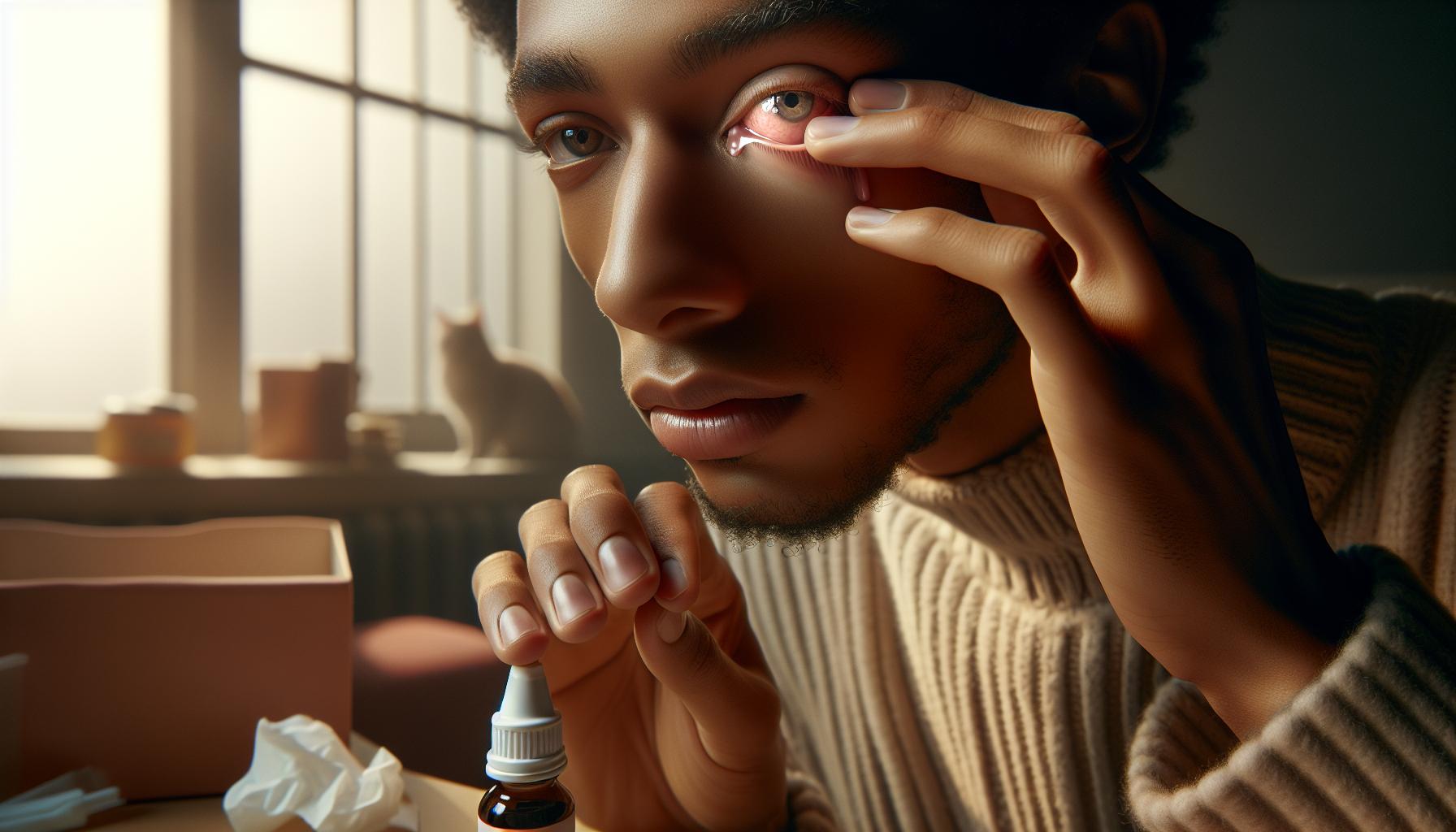
Can You Use Pink Eye Drops for a Stye? Expert Insights
Using pink eye drops to treat a stye can be tempting, especially if you’re looking for quick relief. However, understanding the fundamental differences between these two conditions is essential for effective treatment. A stye, which appears as a localized bump on the eyelid, is caused by a blocked gland or infection, while pink eye (conjunctivitis) typically affects the entire eye area. This distinction is crucial because the treatment for each condition targets different underlying problems.
Unlike pink eye drops, which are designed to address infection or inflammation associated with conjunctivitis, a stye typically benefits from warm compresses and gentle massage to facilitate drainage. Applying pink eye drops to a stye could not only be ineffective but may also irritate the eyelid further, prolonging healing time. It’s important to remember that styes do not require antibiotic treatment unless prescribed by a healthcare professional, as the infection is usually localized and resolves with time.
For those experiencing a stye, a daily regimen of warm compresses can help reduce discomfort and promote healing. Moisten a clean cloth with warm water, apply it to the affected area for 10 to 15 minutes several times a day, and avoid squeezing the stye. If symptoms persist or worsen, seeking professional advice is wise to ensure proper treatment without unnecessary complications. Always consult your healthcare provider before mixing treatments or using medications not specifically intended for your symptoms, empowering you to make informed decisions about your eye health.
Risks of Mixing Eye Treatments: What You Should Know
Using the wrong type of eye medication can lead to complications that may slow recovery or exacerbate underlying issues. When it comes to eye care, clarity is crucial-especially with conditions like pink eye and styes, which require distinct treatments. While both conditions involve the eye area, their causes and appropriate treatments are markedly different. Combining treatments without professional guidance can result in irritation or prolonged recovery, elevating discomfort and frustration.
When it comes to pink eye drops-which are formulated to tackle inflammation and infection in conjunctivitis-using them on a stye can be a misstep. The active ingredients in pink eye drops may irritate the delicate skin of the eyelid, leading to increased inflammation rather than relief. It’s important to remember that styes are caused by blocked glands or localized infections and thus benefit primarily from gentle care like warm compresses. In contrast, applying pink eye drops can create an unnecessary burden on the eyelid tissue and complicate healing.
Self-diagnosing and self-treating conditions can also mask symptoms that require a doctor’s keen eye. If symptoms persist despite treatment, it’s essential to seek professional help rather than try to treat with combinations of home remedies and over-the-counter solutions. Misguided DIY remedies may provide a sense of control, but the safest route is consulting with a healthcare provider who can recommend the most appropriate treatment tailored to your specific condition.
Fostering good habits is key. Before using any eye treatment, ask yourself the following:
- Do I know the exact condition affecting my eye?
- Have I consulted with a healthcare provider about the best treatment course?
- Am I certain that the products I plan to use do not interact negatively with each other?
Taking time to address these questions ensures that you’re making informed decisions about your eye care, helping to protect your vision and overall eye health.
Effective Home Remedies for Stye Relief
Styes can be uncomfortable and unsightly, but effective home remedies can provide much-needed relief. A stye, characterized by a red, painful bump on the eyelid, often results from bacterial infection or blocked oil glands. Many individuals seek quick solutions from their medicine cabinets, but natural remedies can be equally beneficial, promoting healing without the risks associated with mixing treatments.
One of the simplest yet most effective methods for relieving a stye is using warm compresses. Applying a clean, warm cloth to the affected area for about 10-15 minutes can help reduce inflammation and encourage drainage of the blocked glands. Repeat this several times a day to experience the most relief. Always ensure that the cloth is clean to prevent further infection.
Another home remedy involves chamomile tea bags. Brew a chamomile tea bag, let it cool slightly (ensuring it’s warm but not hot), and place it over your eye for about 10-15 minutes. Chamomile’s natural anti-inflammatory properties can aid in reducing swelling and discomfort. Similarly, a diluted mixture of apple cider vinegar and water can be applied carefully to the area, as its antibacterial properties may help combat infection.
Additionally, maintaining good eyelid hygiene is crucial. Gently cleaning the eyelids with diluted baby shampoo or a specific eyelid scrub can help keep the area free from debris and bacteria. This simple practice can prevent the recurrence of styes and other eyelid issues by ensuring that oil glands function properly.
Remember to avoid squeezing or popping the stye, as this can lead to complications or spread the infection. If pain persists or the stye does not show signs of improvement within a few days, seeking professional medical advice is important. Empower yourself with knowledge and feel confident in caring for your eye health effectively!
When to Seek Professional Help for Eye Issues
Recognizing is crucial, especially when it comes to conditions like styes and pink eye, as treatment varies significantly between the two. While many styes can be effectively managed with home remedies and do not typically require medical intervention, there are specific circumstances where consulting an eye care professional becomes necessary.
If the stye worsens or fails to improve within a few days of home treatment, it’s vital to get medical advice. Signs that you should see a doctor include persistent pain, rapid swelling, or if the stye appears to be spreading. Furthermore, if you experience vision changes, increased sensitivity to light, or any symptoms that could indicate a more severe infection, don’t hesitate to reach out to an ophthalmologist. In particular, conditions accompanied by fever or swollen lymph nodes may signal a systemic infection requiring immediate attention.
For those who suffer from recurrent styes, professional assessment is important to rule out underlying issues such as blepharitis or other eyelid conditions. Furthermore, if your symptoms resemble conjunctivitis-such as red or itchy eyes accompanied by watery discharge-it’s essential to determine the correct diagnosis. Using pink eye drops on a stye is not recommended, as each condition requires tailored treatment approaches. Consulting with an expert ensures you receive the appropriate medications, avoiding potential complications linked to incorrect self-treatment.
It’s also advisable to seek professional opinion if you’re unsure about the nature of your eye issue, especially if you have a history of eye problems or wear contact lenses. Your eyes are delicate organs, and prioritizing their health means being proactive about seeking help whenever something feels off. The earlier you address eye health concerns, the better your chances for a prompt and complete recovery.
Preventing Styes: Best Practices for Eye Care
Taking proactive steps to prevent styes can make a significant difference in your eye health and overall comfort. Styes typically form due to blocked glands or bacteria, and certain habits can either contribute to or help prevent these pesky irritations. By integrating a few simple practices into your daily routine, you can significantly reduce the likelihood of developing styes.
Start with cleanliness; ensure your hands are washed thoroughly before touching your eyes or applying any makeup. Bacteria can easily transfer from fingers to the delicate skin around your eyes. Avoid sharing towels or makeup products, including mascara and eyeliner, to minimize the risk of bacterial transmission. Additionally, regularly clean your makeup brushes to eliminate any buildup of dirt and bacteria.
Incorporating good skincare can also play a role in preventing styes. Use non-comedogenic products-this means they won’t clog your pores-to keep your eyelids free from excess oil. If you wear contacts, ensure that you’re cleaning and storing them as directed by your eye care provider, as improper handling can introduce bacteria into your eye area.
Regular warm compresses can be an effective preventive measure. Simply soak a clean cloth in warm water and place it over your closed eyelids for a few minutes. This process helps to open up blocked glands and keeps them functioning properly. If you notice any early signs of eyelid irritation or inflammation, such as redness or discomfort, apply this technique to help soothe the area.
Finally, maintain a healthy diet rich in vitamins and minerals. Foods high in omega-3 fatty acids, like fish and flaxseed, support overall skin health, while staying hydrated helps maintain moisture levels. Each of these holistic approaches not only aids in stye prevention but also reinforces your overall eye care regimen, making it easier to maintain optimal eye health.
Natural Alternatives to Over-the-Counter Eye Drops
Natural remedies can offer effective alternatives to over-the-counter eye drops, especially for common concerns like dryness or mild irritations. While pink eye drops are designed specifically for treating conjunctivitis, using them for a stye can be counterproductive. Instead, consider these natural options that promote eye comfort and health without the risk of mixing treatments.
Gentle Warm Compresses
Applying a warm compress is one of the simplest and most effective home remedies for soothing eyelid discomfort. The warmth helps increase blood circulation, unclog blocked oil glands, and reduce inflammation. To create a compress, soak a clean cloth in warm water, wring it out, and place it over the affected eyelid for 10-15 minutes. Repeat this several times a day to help alleviate symptoms.
Cold Tea Bags
Used tea bags, particularly those made from chamomile or green tea, can provide relief due to their anti-inflammatory properties. After steeping, allow the tea bags to cool (or refrigerate them for added coolness) and then place them over your closed eyes for about 15 minutes. This method is excellent for reducing puffiness and calming irritation without introducing any additional chemicals to the eye area.
Hydration and Diet
Maintaining adequate hydration and a diet rich in omega-3 fatty acids can also support eye health. Foods like fish, walnuts, and flaxseed oil can help combat dryness and inflammation. Staying hydrated is essential, as well, so make sure to drink plenty of water throughout the day.
Essential Oils with Caution
While essential oils like lavender or tea tree oil are known for their antimicrobial properties, they should be used with caution around the eyes. Instead of applying them directly, consider diluting them in a carrier oil and using them on the skin around the eyes, never directly on the eyelid or eyeball. Always do a patch test first to check for any allergic reactions.
By incorporating these natural remedies into your routine, you can nurture your eyes and promote healing without relying solely on over-the-counter drops. It’s essential to listen to your body and seek professional help if symptoms persist, as certain conditions may require more specialized treatments.
Debunking Common Myths About Eye Care Treatments
Many people hold misconceptions about eye care treatments, often leading to confusion in managing conditions like styes and conjunctivitis. One common myth is that all eye drops are interchangeable; specifically, using pink eye drops as a treatment for styes. Understanding the differences between these conditions and their respective treatments is crucial to maintaining eye health and ensuring effective care.
Firstly, it’s vital to recognize that pink eye, or conjunctivitis, typically results from infections or allergies, requiring treatments that aim to reduce inflammation and irritation. Pink eye drops often contain antihistamines or anti-inflammatory ingredients. In contrast, a stye is a painful lump caused by a blocked oil gland, and its treatment usually focuses on relieving discomfort and promoting drainage rather than combating an infection or allergy. Using pink eye drops for a stye may not only be ineffective but could potentially irritate the already sensitive area.
Additionally, many believe that applying any form of topical treatment, such as ointments or lotions, to the eyes is harmless. This is misleading; the eye area is delicate, and improper use of products can lead to further irritation or complications. It’s essential to use treatments specifically designed for eye conditions, as regular skincare products may contain fragrances or chemicals that can exacerbate eye issues. When dealing with eye discomfort, always opt for targeted treatments and avoid any home remedies unless they have been proven safe and effective.
Lastly, preventative care is often underestimated. While it may be tempting to treat symptoms as they arise, proactive measures such as proper hygiene, avoiding touching the face, and keeping makeup tools clean can significantly reduce the risk of developing eye conditions like styes or conjunctivitis. Understanding these nuances empowers women to take charge of their eye health, making informed choices that prioritize well-being and comfort.
Caring for Your Eyes: Essential Tips for Women
Taking care of your eyes goes beyond simply treating discomfort; it’s about cultivating healthy habits that shield your vision and well-being. Did you know that about 75% of vision problems are preventable with proper care and awareness? This truth underscores the importance of making eye health a priority, especially for women who may juggle multiple responsibilities while managing health concerns. Here are some essential tips to keep your eyes healthy and vibrant.
- Practice Good Hygiene: Regularly wash your hands and avoid touching your eyes. Bacteria from your hands can lead to infections or aggravate existing conditions like styes or conjunctivitis.
- Choosing the Right Products: Select skin and makeup products that are labeled as hypoallergenic or suitable for sensitive skin. Always check expiration dates on cosmetics, especially eye products, to avoid irritation.
- Regular Eye Exams: Schedule comprehensive eye exams with an eye care professional at least once a year. This helps detect potential issues early and ensures your prescription is up to date.
- Protect Your Eyes: Wear UV-blocking sunglasses outdoors, even on cloudy days. Exposure to harmful UV rays can contribute to cataracts and other eye conditions.
- Manage Screen Time: Follow the 20-20-20 rule: every 20 minutes, look at something 20 feet away for at least 20 seconds. This helps reduce eye strain from screens.
Maintaining a balanced diet rich in vitamins C and E, omega-3 fatty acids, and zinc can also help protect your eyes. Foods such as leafy greens, fish, nuts, and citrus fruits are fabulous choices that nourish your vision. Staying hydrated is crucial too; aim for at least eight glasses of water daily to keep your eyes lubricated.
Understanding that your eyes are a window to overall health is vital. If you notice persistent pain, redness, or changes in your vision, don’t hesitate to consult a healthcare provider. Prioritize your eye care routine as an integral part of your self-care regimen-your eyes will thank you!
Faq
Q: What are the main differences between pink eye drops and stye treatments?
A: Pink eye drops are designed to treat infections or inflammation in the eye, mainly caused by viruses or bacteria, while stye treatments focus on relieving blockages in the oil glands of the eyelids. It’s essential to choose the right product to avoid worsening symptoms.
Q: Can I use over-the-counter eye drops for a stye?
A: Over-the-counter eye drops may provide temporary relief for irritation, but they typically don’t treat the underlying cause of a stye. Warm compresses are often more effective for stye management. Consult a healthcare professional for proper treatment.
Q: What symptoms indicate I have a stye rather than pink eye?
A: Symptoms of a stye include a red, painful bump on the eyelid, localized swelling, and possibly discharge. In contrast, pink eye usually involves widespread redness in the eye, discharge, and itchy or watery eyes. Seek medical advice for accurate diagnosis.
Q: How can I prevent a stye from developing?
A: To prevent a stye, maintain good eyelid hygiene by cleaning your eyelids regularly and avoiding touching your eyes with unwashed hands. Additionally, replace old makeup and avoid sharing eye products to reduce the risk.
Q: Is it safe to use pink eye drops if I suspect I have a stye?
A: It’s not recommended to use pink eye drops without consulting a healthcare professional if you suspect a stye. Using the wrong treatment can delay healing or exacerbate the condition. Always seek proper medical advice for eye issues.
Q: Can styes go away on their own, or do they always need treatment?
A: Many styes can resolve on their own within a week or two, especially with home remedies like warm compresses. However, if symptoms persist or worsen, it’s essential to seek professional treatment to prevent complications.
Q: When should I see a doctor for a stye?
A: Consult a doctor if your stye does not improve after a week, if you experience significant pain or vision changes, or if you develop fever. Early intervention can help prevent complications and ensure proper treatment.
Q: What home remedies are effective for stye relief?
A: Warm compresses applied for 10-15 minutes several times a day can help relieve pain and promote drainage. Over-the-counter pain relief medications can also assist with discomfort. Avoid squeezing or popping the stye to prevent infection spread.
Key Takeaways
As we wrap up our discussion on whether you can use pink eye drops for a stye, remember that proper treatment is key to alleviating discomfort and promoting healing. Misusing medications can lead to further complications, so be sure to consult with a healthcare professional about your specific symptoms. If you’re still unsure about your eye care routine, check out our articles on eye health essentials and remedies for common eye issues [link to related content], which can provide you with valuable insights.
Don’t hesitate to explore our detailed guides on skincare and beauty treatments, as well as our newsletter subscription for the latest tips right in your inbox. Your health journey matters, and we’ve got your back with credible information that empowers your choices. Have questions or experiences to share? We invite you to leave a comment below and engage with our community. Remember, taking proactive steps can lead to a brighter, clearer future for your eyes!