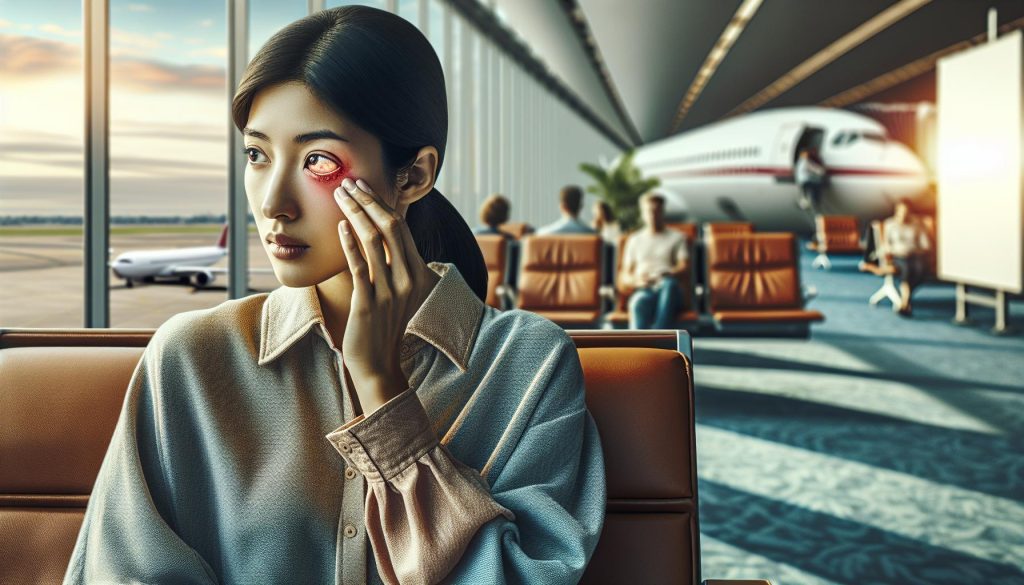
Did you know that nearly 20% of adults experience styes at some point in their lives? If you’ve ever dealt with one, you know the discomfort it can bring, especially when travel plans are on the horizon. Understanding the implications of flying with a stye in your eye is essential for maintaining your health and enjoying your journey.
In this guide, we’ll explore what a stye is, how it can affect your travel experience, and what precautions you can take to ensure your comfort while airborne. With the right knowledge and preparation, you can make informed choices about your eye care and travel plans. So, whether you’re bound for a tropical getaway or a quick business trip, let’s dive into the crucial considerations for flying with a stye-and how to get back to feeling your best.
Understanding Styes: Causes and Symptoms
A stye, scientifically known as a hordeolum, can be a frustrating inconvenience, especially when you’re preparing for travel. This common eyelid condition is characterized by a painful, red bump that appears along the eyelash line, often resembling a pimple or cyst. Styes occur when an oil gland or hair follicle becomes infected, leading to swelling and tenderness. Although they can develop anywhere on the eyelid, styes are typically external, creating noticeable discomfort and sometimes hindering vision.
Recognizing the symptoms early can help you manage a stye effectively. Alongside the visible bump, individuals may experience sensations of itching, burning, or a gritty feeling in the eye. The affected eyelid may also appear red and swollen. In most cases, styes are not serious and tend to resolve on their own within a week or so. However, factors such as stress, lack of sleep, hormonal changes, or inadequate hygiene can heighten the risk of developing a stye, particularly during travel when routines are disrupted.
To minimize discomfort, applying a warm compress to the affected area can promote drainage and healing. This simple remedy involves soaking a clean cloth in warm water, wringing it out, and gently placing it on the stye for 10 to 15 minutes several times daily. It’s vital to avoid squeezing or attempting to pop the stye, as this can exacerbate the infection and lead to further complications. Empowering yourself with this knowledge on styes will help you better navigate any symptoms that may arise, ensuring you focus on your travel experiences rather than discomfort.
Is It Safe to Fly with a Stye?

Flying with a stye can seem concerning, but many travelers manage this common eyelid condition without significant issues. While it’s generally safe to fly with a stye, there are important considerations to keep in mind to ensure your comfort and well-being during your journey. Altitude changes and dry cabin air can exacerbate eye discomfort, potentially aggravating the symptoms of a stye. Additionally, the close quarters of an airplane can facilitate the spread of infection, so taking precautions is crucial.
Before flying, it’s wise to assess the severity of your stye. If you’re experiencing intense pain, significant swelling, or if the stye hasn’t improved with home care, consulting a healthcare professional is recommended. They may provide treatments, such as antibiotic ointments, that can help mitigate issues while you’re traveling. If you decide to proceed with your travel plans, consider implementing a few strategies to ease discomfort:
- Use warm compresses: Bringing a clean washcloth to apply warm compresses during your flight can help alleviate pain and promote drainage.
- Stay hydrated: Drink plenty of water to counteract the dry air in the cabin, which can help keep your eyes moist.
- Avoid makeup: It’s best to avoid applying makeup around your eyes, as this can irritate the stye and lead to complications.
- Don’t touch your eyes: Maintaining good hygiene is essential; wash your hands frequently and avoid rubbing your eyes.
By taking these precautions, you can manage your stye effectively while flying, allowing you to focus on your travels rather than discomfort. However, if you notice any signs of the stye worsening or if it does not improve in a few days, it’s crucial to seek medical attention. A proactive approach will ensure your journey is as enjoyable and stress-free as possible.
Traveling with a Stye: Tips for Comfort

Traveling can be an exciting yet challenging experience, especially when you’re dealing with a stye. This common eyelid condition, characterized by a painful lump and potential swelling, can make flying uncomfortable. Nevertheless, with a few thoughtful strategies, you can travel more comfortably and keep your eye health in check while flying.
One of the most effective ways to manage discomfort is by using warm compresses. Before your flight, prepare a clean washcloth or a small heat pack. Applying it gently to your eye for about 10-15 minutes can help soothe irritation and encourage drainage of the stye. Just remember to keep your compress warm, not hot, to avoid additional irritation.
Staying hydrated during your flight is essential. The air on planes can be exceptionally dry, which not only affects your skin but can also exacerbate your eye discomfort. Be sure to drink plenty of water before and during your flight. This hydration not only keeps your body comfortable, but it also helps maintain moisture in your eyes, potentially alleviating some of the stye symptoms.
Another practical tip is to maintain good hygiene throughout your journey. Air travel often exposes you to germs, which can worsen a stye if hygiene is neglected. Make it a habit to wash your hands regularly, especially after using the restroom or before touching your face. Additionally, refrain from wearing eye makeup while flying; cosmetics can irritate your stye further and may lead to complications.
Finally, if your symptoms persist or worsen during your trip, seeking medical attention is crucial. Carrying a small first-aid kit with essentials like antiseptic wipes and your healthcare provider’s contact information can be helpful in case of an emergency. With these tips, you can navigate your travel plans with confidence and comfort even while managing a stye.
Preventing Styes: Protective Eye Care for Travel

Traveling can be a wonderful adventure, but when you’re dealing with the discomfort of a stye, it can add an extra layer of stress. Styes, which are painful red bumps along the eyelash line, often result from blocked glands or bacterial infections. Fortunately, there are proactive steps you can take to protect your eye health and minimize the risk of developing styes while traveling.
To start, maintaining excellent hygiene is crucial. Regularly wash your hands and avoid touching your face, especially your eyes, to prevent spreading bacteria. When traveling, consider packing individual hand sanitizers and antibacterial wipes to keep your hands clean on the go. Avoid using shared items like towels or makeup brushes, which can harbor bacteria.
Another key preventive measure is managing your eye makeup routine. If you wear eye makeup, try to limit or avoid using it while traveling, especially on long flights where it can become a breeding ground for bacteria. If you must wear makeup, choose waterproof formulas to reduce smudging and irritation. Don’t forget to remove your makeup before bed, allowing your eyes to breathe and preventing blockage of the glands.
Staying hydrated is equally important. The dry air in airplanes can exacerbate eye discomfort and promote the formation of styes. Drink ample amounts of water before and during your flight to keep your eyes moist. You may also want to bring along a moisturizing eye spray or artificial tears to combat dryness and irritation, ensuring your eyes remain comfortable throughout your journey.
Finally, consider using sunglasses while traveling, especially in bright environments or when exposed to direct sunlight. Protective eyewear can shield your eyes from irritants and allergens that may contribute to eye issues while enhancing comfort and reducing strain. By implementing these simple preventive techniques, you can help protect your eyes and enhance your overall travel experience, making your journey more enjoyable and stress-free.
Treating a Stye Before You Travel
One of the most effective ways to ensure a comfortable journey is to address a stye before you travel. Styes, swollen red bumps that form at the base of the eyelashes due to clogged glands or bacterial infections, can become more pronounced during travel. Taking proactive steps to treat the stye can help reduce discomfort and prevent further irritation from the dry and often allergen-rich air in planes.
Start with a warm compress-the gentle heat can help soothe pain and reduce swelling. Simply soak a clean cloth in warm water, wring it out, and place it over your closed eyelid for about 10-15 minutes, repeating this several times a day. This simple method can promote drainage of the blocked gland and speed up healing. If you can access over-the-counter treatments, consider using lubricating eye drops to keep your eye moist and alleviate discomfort.
It’s also crucial to maintain strict hygiene during this time. Wash your hands regularly and avoid touching or rubbing your eyes, as this can aggravate the stye or introduce more bacteria. Keep makeup and other products away from the affected eye until it heals, as they can irritate the sensitive skin and lead to further complications.
If the stye persists or worsens despite initial treatment efforts, don’t hesitate to seek professional medical advice. Your healthcare provider may recommend antibiotic ointments or drops if an infection is suspected. Being proactive about treatment not only enhances your comfort but also helps in managing your eye health effectively while on the move. Prioritizing eye care will help ensure your travels remain enjoyable rather than overshadowed by discomfort.
Home Remedies for Styes On-the-Go
If you’re on the move and find yourself dealing with a stye, knowing how to manage it effectively can make all the difference in maintaining your comfort. Styes, those bothersome red bumps at the eyelid’s edge, can be a nuisance, especially while traveling. Fortunately, there are several home remedies you can utilize to help alleviate symptoms and promote healing without requiring a pharmacy visit.
Start by continuing to use warm compresses, even while traveling. If you’re on a plane or in a car, simply soak a clean cloth in warm water and apply it to your eye for about 10-15 minutes. This not only helps reduce inflammation and pain but can also assist in unclogging blocked glands. If access to hot water is challenging, you can fill a small, reusable heat pack or purchase disposable warm packs that you can activate easily on the go.
In addition to compresses, you might consider using over-the-counter lubricating eye drops to keep your eyes moist and alleviate discomfort caused by dryness, which is common in planes. Make sure to avoid any products that contain preservatives, as these can further irritate sensitive eyes. Another practical solution involves maintaining strict hygiene; consistently wash your hands and avoid touching your face. Keeping your hands clean helps prevent the transfer of bacteria that could exacerbate the stye.
Moreover, if you have space in your travel kit, include natural ingredients like tea bags or aloe vera gel. After steeping a chamomile or green tea bag, let it cool slightly and then place it on your eye for a soothing effect. The antioxidants in tea can provide additional comfort. Aloe vera gel, known for its anti-inflammatory properties, can also be soothing when applied gently around the affected area-just ensure it doesn’t get into your eyes.
Finally, while you navigate your travels, remember to avoid eye makeup or any eye products until the stye has fully healed. This precaution not only minimizes the risk of irritation but also helps prevent further complications. By taking these proactive steps, you can effectively manage a stye on-the-go, ensuring your travels remain pleasurable and without unnecessary discomfort.
When to See a Doctor for a Stye
It can be both frustrating and concerning to deal with a stye, especially when you’re preparing for travel. Knowing when to seek medical attention can prevent further complications and ensure your comfort. A stye often appears as a painful red bump on the eyelid, typically arising from a blocked gland that becomes infected. While many styes resolve on their own with home care, there are specific signs that indicate the need for a doctor’s visit.
If your stye does not begin to improve within a few days, or if the swelling and redness continue to worsen, it’s essential to consult a healthcare professional. Persistent symptoms may signify a more severe infection that requires medical intervention. Additionally, if you experience significant pain, changes in your vision, or if the stye affects your ability to open your eyelid, these are red flags indicating that it’s time to seek medical advice.
Signs That You Should See a Doctor
- Signs of Infection: If you notice increasing redness, warmth, or tenderness around the stye or your non-affected eye develops swelling.
- Vision Changes: Any blurriness, double vision, or difficulty seeing can be concerning and warrant immediate attention.
- Fever: A fever can indicate that the infection has spread beyond the local area.
- Multiple Styes: If you develop multiple bumps or a stye recurs frequently, it’s best to speak to your doctor.
When flying, the changes in cabin pressure and dry air can exacerbate discomfort around the eyes. If you suspect that your stye may be getting worse during travel, prioritize seeing a doctor as soon as possible to avoid complications. Your health is paramount, and understanding when to reach out for professional care can help you manage this condition effectively while on your journey. Keeping an eye out for these symptoms can empower you to take charge of your eye health, ensuring your travels remain enjoyable rather than stressful.
Styes and Air Travel: What You Should Know
Traveling can be a joy, but when a stye rears its head, it can shift your focus from adventure to discomfort. Styes, those uncomfortable little bumps that appear on the eyelid, can be aggravated by air travel, which often introduces changes in cabin pressure and dry environments. If you’re wondering about the safety and comfort of flying with a stye, it’s important to acknowledge a few key considerations. Maintaining hygiene and avoiding touching your eyes are crucial, especially in close quarters like an airplane.
When you fly, the lack of humidity in the cabin can lead to dry eyes, potentially exacerbating any discomfort caused by a stye. It’s wise to bring along lubricating eye drops to relieve dryness and keep your eyes comfortable during the flight. Additionally, applying a warm compress to your affected eyelid for several minutes before the flight can help soothe irritation and may promote healing. If you find that your symptoms are worsening while in transit, try to prioritize both your comfort and eye health by minimizing any strain on your eyes.
If you’re experiencing severe symptoms, such as intense pain or significant vision changes, it’s best to consult a healthcare professional before flying. In some cases, a stye might require treatment with antibiotic ointment or drops, especially if signs of infection begin to manifest. Remember, while it’s generally safe to fly with a stye, listening to your body and knowing when to seek medical help can make all the difference in ensuring that your travels remain enjoyable and stress-free. Keep these tips in mind, and you can navigate air travel with confidence, even with a stye.
Managing Eye Health While Traveling
Travel can often be a whirlwind experience, filled with new sights and adventures, but it can also present challenges for those dealing with eye issues like styes. Maintaining eye health while traveling is essential, not only for comfort but also for ensuring that your adventures remain enjoyable. When packing your bags, consider including a few essential items to keep your eyes feeling their best. It’s wise to carry a travel-sized bottle of lubricating eye drops; these can combat dryness and irritation caused by the low humidity in airplane cabins or changing climates.
In addition to drops, having a portable warm compress or a clean cloth handy can provide immediate relief. Applying heat to the affected area helps soothe discomfort and can aid in the natural drainage of a stye. Remember to practice good hygiene-wash your hands regularly and avoid touching your eyes. Keeping your fingers away lessens the risk of further infection or irritation.
Stay vigilant about your symptoms. If you notice any significant changes in your vision, increased swelling, or unbearable pain, don’t hesitate to consult medical professionals who can offer tailored advice or necessary treatments. This proactive approach not only enhances your travel experience but also helps manage your eye health, allowing you to fully embrace your adventures without the shadow of eye discomfort looming overhead.
While navigating airports and unfamiliar places, be mindful of irritants such as smoke, strong fragrances, or pollution; these can bode poorly for sensitive eyes. Wearing sunglasses can be more than just a stylish accessory; they act as a barrier against harmful environmental factors. Additionally, keeping hydrated during your travels is essential for overall wellness, including eye health. Drinking plenty of water can help maintain the moisture balance in your body and in your eyes, giving you the best chance to enjoy each moment of your journey.
Stye Prevention: Best Practices for Travelers
Traveling can stir excitement and joy, but for those prone to styes, it’s also a time to be vigilant. Styes, which result from bacterial infections of the oil glands at the base of your eyelashes, can become uncomfortable and distracting, particularly in the bustling environment of airports or on long flights. Fortunately, by adopting a few best practices, you can reduce your risk of developing a stye during your travels and ensure that your journey remains enjoyable.
First and foremost, maintaining good hygiene is essential. Always wash your hands before touching your eyes or face, especially when navigating through crowded airports where germs are prevalent. Pack a small bottle of hand sanitizer for added safety on-the-go. When it comes to your eye makeup, consider using disposable applicators and avoid sharing cosmetics. If you wear contact lenses, switch to glasses when possible during your travels to minimize the potential for irritation.
Stay Hydrated and Nourished
Keeping your body well-hydrated is crucial not only for overall health but also for maintaining moisture in your eyes. Airplane cabins tend to have low humidity, which can lead to dryness and discomfort, potentially triggering styes. Consider carrying a refillable water bottle and sipping on it regularly throughout your journey. Additionally, consuming a balanced diet rich in vitamins, particularly A, C, and E, can support eye health. Snacks like nuts, berries, and carrots are great travel-friendly options.
Use Protective Measures
To shield your eyes from potential irritants like smoke, pollution, and allergens common during travel, consider wearing sunglasses. They not only protect against harmful UV rays but also act as a barrier against environmental factors that might provoke a stye. Moreover, applying a warm compress periodically, especially after long hours of travel, can help soothe your eyelids and promote circulation, reducing the likelihood of clogged glands.
Lastly, pay attention to your eye care routine. If you have prescription eye drops or ointments, ensure they are packed and handy. If you feel any discomfort or notice the onset of a stye, address it immediately with a warm compress and avoid touching or rubbing your eyes. Should symptoms persist, don’t hesitate to consult a healthcare professional for guidance.
Incorporating these simple practices into your travel routine can go a long way in preventing styes and ensuring that your adventure unfolds without unwanted interruptions.
Aftercare Tips Post-Flight for Eye Care
After a long flight, your eyes may feel fatigued, especially if you’ve been dealing with a stye. It’s essential to give your eye health some tender, loving care to ensure a comfortable transition back to your routine. The first step is to gently cleanse your eyelids. Use a soft, clean cloth and lukewarm water, or consider an eyelid scrub specifically designed to remove debris. This helps eliminate any leftover bacteria or irritants from your travel that could exacerbate the stye.
Next, applying a warm compress can be incredibly soothing. Simply soak a clean cloth in warm water, wring it out, and place it gently over your closed eyelid for 10-15 minutes. This warmth helps to increase circulation and can promote drainage of the gland, alleviating discomfort connected with a stye. For added comfort, try repeating this process several times, especially if your eyes feel particularly strained or dry post-flight.
Hydration is crucial not just for your body but also for your eyes. Replenish with plenty of water to combat the dehydrating effects of airplane air. Consider integrating eye drops designed for dryness or stye relief if you continue to feel any irritation after your trip. These can also provide a cooling effect that soothes tired eyes.
Finally, monitor your symptoms closely. If the stye becomes increasingly red or swollen, or if you experience significant pain, it’s wise to consult a healthcare professional. Avoid applying makeup around the affected area until it has healed completely to minimize further irritation. By following these aftercare tips, you can help your eyes recover swiftly and effectively, ensuring a quicker return to comfort and clarity.
Debunking Myths About Styes and Flying
Flying can be a daunting prospect for those dealing with a stye, but many misconceptions can add undue worry. One common myth is that air travel will exacerbate the condition due to changes in cabin pressure or dry air. While it’s true that flying can cause eye discomfort, a stye is generally a localized issue and not significantly affected by altitude. Instead of focusing on the risk of flying with a stye, consider the practicalities of managing your symptoms during travel.
Another prevalent myth is that you should avoid all contact with your eyes, including eye drops or soothing treatments, while flying. In reality, properly using lubricating eye drops can provide significant relief from dryness and discomfort. Before your flight, pack preservative-free artificial tears to use if your eyes feel dry. Additionally, it’s important to remember that styes are typically caused by bacteria associated with blocked glands; they are not contagious, meaning they won’t spread to others during your journey.
A third misconception is that wearing makeup during your flight is completely off-limits if you have a stye. While it’s wise to avoid applying makeup over the stye itself to prevent further irritation, you can still wear makeup on other parts of your face. Just be cautious to minimize any risk of getting products near your eyes, and be prepared to remove them as soon as you arrive at your destination, allowing your eyes to breathe and recover.
As you prepare for your travels, knowing the facts can empower you to make informed decisions. Stay hydrated, care for your eyes as best as you can, and maintain a positive mindset about your journey. By arming yourself with accurate information, you can reduce anxiety and focus more on the experiences awaiting you at your destination.
FAQ
Q: Can I wear contact lenses if I have a stye?
A: It’s best to avoid wearing contact lenses when you have a stye, as they can irritate the eye further and increase the risk of infection. Instead, consider wearing glasses until the stye resolves. Refer to the section on “Traveling with a Stye: Tips for Comfort” for guidance on eye care during travel.
Q: What are the symptoms of a stye?
A: Symptoms of a stye typically include redness, swelling, tenderness, and pain around the eyelid, sometimes accompanied by watery eyes and a feeling of lumpiness. For more information, see “Understanding Styes: Causes and Symptoms.”
Q: Should I take medication for a stye before flying?
A: Consult a healthcare professional before taking any medication for a stye. Over-the-counter pain relievers may help with discomfort, but it’s essential to verify safe options specific to your health needs. Check the “When to See a Doctor for a Stye” section for further advice.
Q: How can I prevent styes while traveling?
A: To prevent styes during travel, maintain good hygiene by washing your hands frequently, avoid touching your eyes, and refrain from sharing personal items like towels. Explore “Preventing Styes: Protective Eye Care for Travel” for more preventative strategies.
Q: What should I do if my stye worsens in-flight?
A: If your stye worsens while in-flight, avoid touching it and consider applying a warm compress to provide relief. If symptoms persist or become severe, seek medical attention upon arrival. For more tips, refer to “Managing Eye Health While Traveling.”
Q: Can flying aggravate a stye?
A: Flying can potentially aggravate a stye due to changes in air pressure and dryness in the cabin. To mitigate discomfort, stay hydrated and use artificial tears. This is discussed in detail in the “Styes and Air Travel: What You Should Know” section.
Q: How long does a stye usually last?
A: A stye typically lasts about 5 to 7 days, but symptoms can subside earlier with proper care. If the stye persists longer, it’s important to consult a doctor. Find more insights in “When to See a Doctor for a Stye.”
Q: Is a stye contagious?
A: No, styes are not contagious. They result from blocked oil glands and often involve bacteria that are normally present on the skin. For further clarity, see “Debunking Myths About Styes and Flying.”
Final Thoughts
Before you book your next flight, remember that understanding the impact of a stye on your travel can make all the difference. Prioritize your eye health and consider seeking advice from a healthcare professional if you have concerns. If you’re looking for effective eye care tips and skincare routines to prevent issues like this, check out our related articles on eye care essentials and DIY skincare solutions.
Don’t miss out on more valuable insights-join our newsletter for the latest updates on health and beauty topics that matter to you! Your health journey deserves informed choices, so explore our resources for expert guidance and supportive community advice.
Stay empowered and proactive about your health; leave a comment below to share your experiences or tips! Your well-being is our priority as you navigate your travel adventures with confidence.