
Did you know that simple habits like rubbing your eyes can lead to uncomfortable conditions, such as styes? A stye is a painful, red bump that can form along the eyelash line, and while it may seem like a trivial issue, it can significantly impact your daily life and beauty routine. Understanding the connection between eye rubbing and styes is crucial for maintaining both your eye health and your overall well-being.
Many of us unconsciously rub our eyes due to irritation, stress, or fatigue, but this seemingly harmless action can introduce bacteria and irritants, increasing the risk of developing a stye. By recognizing this link, you can take proactive steps to break the habit and protect your eyes. This article will explore how to avoid styes and implement healthy eye care practices that not only safeguard your vision but also enhance your beauty routine. Dive in to discover how you can keep your eyes healthy and free from discomfort!
Understanding Styes: What Are They and Why Do They Occur?
A stye, medically known as hordeolum, is a common condition that many experience at some point in their lives. It manifests as a tender, red bump located on the edge of your eyelid, typically resulting from a bacterial infection. This infection most often occurs within the oil-producing glands of the eyelids, leading to inflammation and discomfort. While styes can affect anyone, certain factors can increase the risk, such as improper hygiene, touching the eyes with unclean hands, or suffering from skin conditions like acne or blepharitis.
Understanding why styes occur helps in recognizing their early signs and taking preventive measures. They tend to pop up when bacteria, often Staphylococcus, infiltrate the glands around your eyelashes. Once one of these glands becomes clogged with oil or debris, it creates the perfect environment for bacteria to thrive, leading to swelling and pain. While stress and hormonal changes can also contribute to stye development, personal habits such as rubbing or touching your eyes with unwashed hands play a significant role in their onset.
To reduce the risk of developing a stye, it’s essential to cultivate good eye hygiene. This includes regularly washing your hands, avoiding the habit of rubbing your eyes, and keeping cosmetics and applicators clean. Keeping your eyelids clean can minimize the buildup of oils and dirt that can lead to infections. Ultimately, by understanding the causes and taking proactive measures, you can significantly reduce your chances of experiencing this uncomfortable yet common eye irritation.
How Rubbing Your Eyes Can Cause Styes
Rubbing your eyes may seem like an innocuous habit, but it can have serious consequences for your eye health, particularly when it comes to developing styes. This common condition arises from an infection in the eyelid’s oil glands, often triggered by bacteria such as Staphylococcus. When you rub your eyes, you transfer these bacteria from your fingers to your eyelids, creating a perfect storm for infection. The act of rubbing can also irritate and disrupt the delicate balance of oils and debris around the eyelid, leading to clogged glands-a key factor in stye formation.
Moreover, habits like eye rubbing can inadvertently introduce dirt and other irritants into your eyes. This is especially concerning if your hands aren’t clean, as they can carry all sorts of microbes. Each time you touch your eyes without proper hygiene, you’re increasing your risk of an infection that could manifest as a painful red bump. Keeping your hands away from your face is essential, not just for preventing styes but also for overall eye health.
To protect yourself from styes, consider implementing small adjustments to your daily routine. Here are a few tips to help you break the habit of eye rubbing and maintain healthier eyes:
- Stay Aware: Make a conscious effort to notice when your hands gravitate toward your eyes. Acknowledge the urge to rub and try to redirect that energy.
- Find Alternatives: If your eyes feel itchy or tired, instead of rubbing, use a clean, damp cloth to gently pat around the area or use lubricating eye drops to alleviate discomfort.
- Practice Good Hygiene: Wash your hands frequently and avoid touching your face. If you do need to touch your eyes for any reason, ensure your hands are clean.
- Stress Reduction Techniques: Sometimes rubbing occurs in response to stress. Engaging in mindfulness or relaxation techniques can help lessen the urge.
By fostering these habits, you can significantly reduce your chances of developing styes and maintain better overall eye comfort. Remember, while styes can be common and usually harmless, preventing them is far more effective than treating them once they occur.
Identifying Symptoms of a Stye: What to Look For
Recognizing the symptoms of a stye early can make a significant difference in managing this common eye condition and preventing it from worsening. A stye, often characterized by a painful, swollen lump on the eyelid, typically develops due to a bacterial infection in the oil glands along the eyelid. Understanding what to look for can empower you to take action promptly.
Initially, you may notice a small red bump forming on the edge of your eyelid, which can be mistaken for a pimple or other minor irritation. This bump can rapidly swell, often accompanied by tenderness or sensitivity to touch. In addition to the external visible signs, you might experience discomfort, itchiness, or a feeling of heaviness in the affected eye. If the stye progresses, it may become filled with pus, resembling a blister, and could cause your eyelid to become crusty, particularly after sleeping.
It’s also common for a stye to lead to watery eyes or mild sensitivity to light. If you’re experiencing these symptoms along with the swelling, it’s crucial to avoid rubbing the affected area, as this can exacerbate the irritation and increase the risk of spreading bacteria. Instead, keeping the infected eye clean and applying a warm compress can help ease discomfort and promote healing.
Being mindful of these signs can help you distinguish a stye from other eye irritations or conditions. If you observe persisting symptoms or notice changes like vision problems, it’s wise to consult a healthcare professional for further advice and treatment. By recognizing these early indicators, you can take proactive steps towards maintaining your eye health and addressing any issues before they escalate.
Eye Care Tips: How to Prevent Styes
Maintaining the health of your eyes is not just about regular checkups; it’s also about practicing good hygiene and being mindful of your habits. Did you know that the simple act of rubbing your eyes can lead to styes? This seemingly innocuous behavior can introduce bacteria and irritate the oils and glands in your eyelids, increasing your risk of developing these painful lumps. By taking a proactive approach, you can significantly reduce your chances of experiencing a stye.
Here are some effective strategies to prevent styes:
- Practice Good Hygiene: Wash your hands frequently and avoid touching your face, especially your eyes, unless your hands are clean. This simple habit can protect your eyes from bacteria that may lead to infections.
- Avoid Eye Rubbing: If you feel the urge to rub your eyes, try to resist. Instead, use a clean tissue or cloth to gently dab away irritants. Consider having a warm compress nearby to soothe your eyes without the need to rub.
- Remove Eye Makeup Before Bed: Always cleanse your eyelids and remove any makeup before sleeping. Leftover makeup can clog your glands, contributing to the risk of styes. Use an oil-free makeup remover for safe and thorough cleansing.
- Use Clean Tools: Ensure that your applicators for eye makeup, like brushes and sponges, are clean. Regularly sanitize these tools to prevent bacteria buildup, which could transfer to your eyelids.
- Manage Stress Levels: Stress can weaken your immune system, making it harder for your body to ward off infections. Incorporate stress-reduction techniques into your routine, such as yoga, meditation, or mindfulness exercises.
- Stay Hydrated and Nourished: Drinking plenty of water and maintaining a healthy, balanced diet rich in fruits and vegetables can provide the nutrients your body needs to keep your skin and eyes healthy.
By integrating these practices into your daily routine, you can take charge of your eye health and reduce the likelihood of developing styes. Making small changes now can lead to long-term benefits, helping you maintain clear and comfortable eyesight. Empower yourself with knowledge and the right habits, and say goodbye to those pesky lumps!
At-Home Remedies for Treating Styes
While nobody enjoys dealing with discomfort, understanding effective can provide some relief and speed up recovery. A stye, characterized by a painful lump near the eyelid, is often caused by bacterial infection or clogged glands. The good news is that many remedies can be done at home, empowering you to take charge of your eye health.
A warm compress is among the most universally recommended treatments for styes. It helps to soothe discomfort and promotes drainage of the blocked glands. To create a warm compress, soak a clean washcloth in warm water, wring it out, and gently place it over the affected area for 10-15 minutes, several times a day. This simple yet effective method not only reduces swelling but also encourages the body’s natural healing process by increasing blood flow to the area.
Additionally, practicing good eye hygiene is crucial during this time. Avoid wearing eye makeup until the stye has healed, as this could irritate the area further or introduce additional bacteria. If you’re using any topical ointments or drops prescribed by your doctor, ensure your hands are clean to prevent transferring more germs to your eyes. For those who frequently experience styes, consider incorporating eye-friendly practices into your routine, such as using anti-bacterial wipes designed for eyelids.
For a touch of natural therapy, some individuals find relief with diluted tea tree oil or chamomile compresses. Both ingredients are known for their antibacterial properties. Mix a few drops of tea tree oil with a carrier oil, like coconut or almond oil, and apply it carefully with a cotton swab around the stye, avoiding direct contact with the eye itself. For chamomile, steep a tea bag in hot water, allow it to cool, and then place it as a compress over the stye.
Remember that while these remedies can be soothing, it’s essential to avoid squeezing or popping the stye, as this can worsen the infection and spread bacteria. Should the stye not improve after several days of home treatment or if you experience worsening symptoms, seek professional medical advice. Taking these steps not only helps to treat existing styes but also fosters long-term eye health.
When to See a Doctor for a Stye
It can be alarming to develop a stye, especially when the discomfort is compounded by questions of how to treat it effectively. While most styes can be managed with home remedies, there are specific circumstances when seeking professional medical advice becomes essential. Recognizing these signs can be crucial for your eye health and overall well-being.
If a stye is not improving after a week of diligent home treatment, such as warm compresses and maintaining good hygiene, it’s time to consult a doctor. Delaying treatment in such cases can lead to complications or prolonged discomfort. Additionally, if the stye becomes increasingly painful, appears redder, or if there is swelling that extends beyond the eyelid, a medical evaluation is warranted. These symptoms may indicate that the infection is worsening or could be spreading.
Another reason to see a healthcare professional is if you experience vision changes. Blurred vision, increased sensitivity to light, or any unusual changes in your eyesight should prompt immediate medical attention. Eye health is delicate, and addressing problems early can help prevent more serious issues down the line.
For those who frequently develop styes, discussing preventive measures with your doctor can provide personalized strategies to reduce their occurrence. It may be beneficial to explore lifestyle adjustments, such as improved hygiene practices and dietary recommendations that support overall eye health. Your healthcare provider can guide you on appropriate over-the-counter treatments or prescription options if necessary.
Remember, your eyes are a vital part of your health and beauty routine. Never hesitate to reach out to a trusted healthcare professional when something feels off; your proactive approach could lead to better outcomes and relief from discomfort.
Debunking Myths: Exploring Common Misconceptions
It’s a common misconception that rubbing your eyes can only lead to temporary irritation, but this habit can indeed set the stage for developing a stye. Many people believe that their eyes are resilient and that a bit of rubbing is harmless; however, this mindset overlooks several key issues. When you rub your eyes, you not only introduce bacteria from your hands into a sensitive area but also irritate the oil glands located within your eyelids. This irritation can lead to blockage and, subsequently, infection, which is precisely what a stye is-a painful lump formed from infected glands or hair follicles.
- Rubbing does not cause styes alone: While it’s important to recognize that rubbing your eyes is a risk factor, styes are typically caused by bacterial infections. Individuals who neglect proper hygiene or have underlying skin conditions may find themselves more prone to styes.
- Not all bumps on the eyelid are styes: Many people misidentify other types of eyelid issues, such as chalazia or cysts, as styes due to similarities in appearance. Understanding the differences can help you take more appropriate action when eye problems arise.
- Improper hygiene doubles the risk: It’s a common belief that simply washing your hands is enough. However, the eyes are particularly vulnerable; ensure you’re using clean towels and products specifically designed for eye care, as this can drastically reduce the risk of infection.
Education is vital for debunking these myths. By adopting healthier habits-such as avoiding eye rubbing and prioritizing hand hygiene-you can protect your eyes from unnecessary irritation and infections. Incorporating these practices into your routine not only prevents styes but also contributes to overall eye comfort and health. If you feel the urge to rub or touch your eyes, consider using a clean tissue or cloth to manage discomfort instead of using your fingers. Making thoughtful changes today can protect your vision and wellbeing for tomorrow.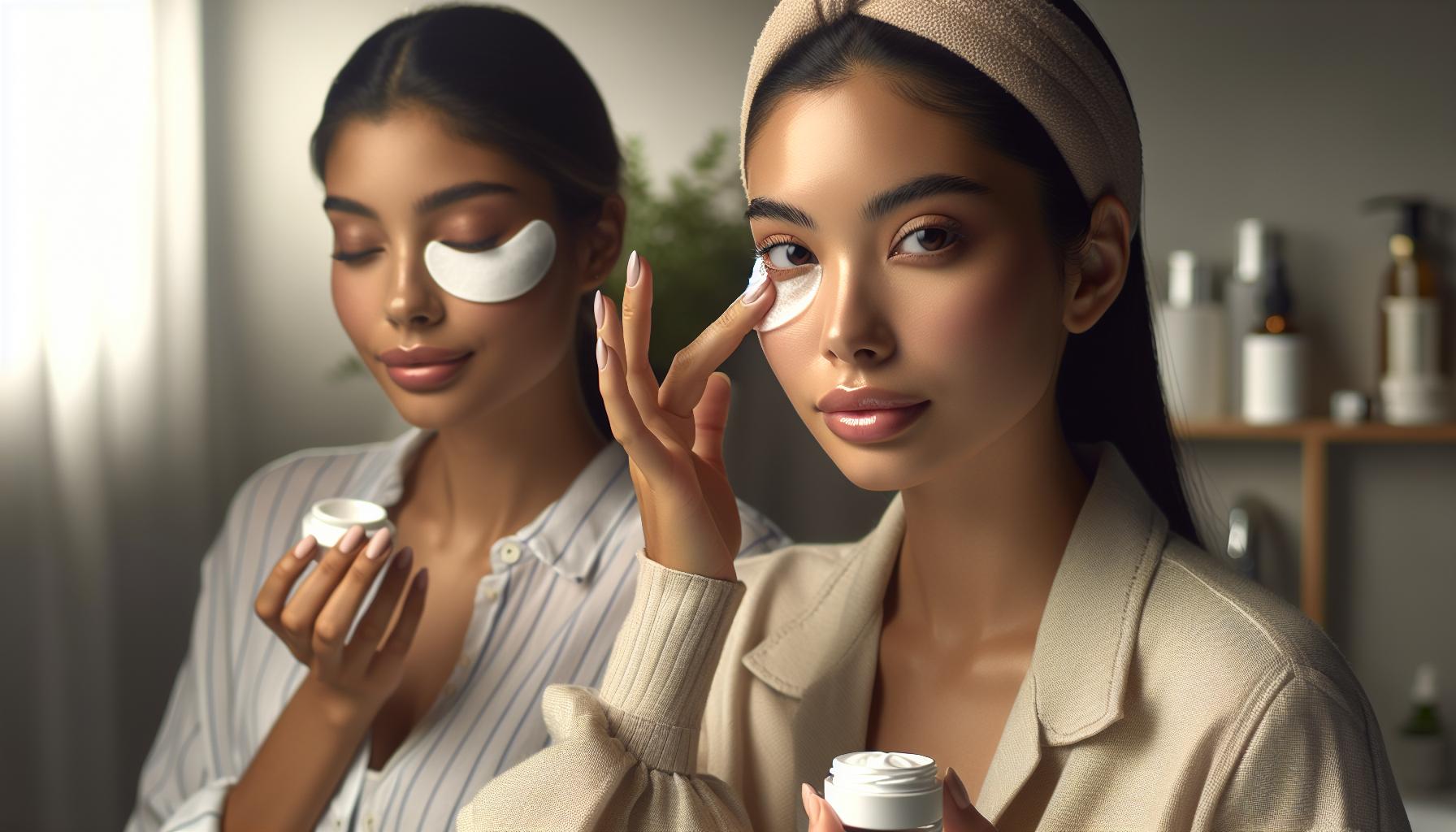
Safe Eye Rubbing Alternatives to Consider
When the urge to rub your eyes strikes, it’s crucial to have safe alternatives ready to avoid potential irritation or the development of styes. Instead of succumbing to the instinctive impulse of rubbing, consider these gentle yet effective options that can provide immediate relief and maintain your eye health.
One of the best practices is to use a clean tissue or soft cloth. When your eyes feel itchy or uncomfortable, lightly dabbing or gently pressing a cool tissue against your eyelid can alleviate discomfort without the risks associated with using your fingers, which can harbor bacteria. Additionally, eye drops designed for dryness or irritation can provide moisture and soothe your eyes. Choose preservative-free options to minimize irritation, especially if you wear contact lenses.
If you’re experiencing persistent discomfort, employing a warm compress may also help. Soak a clean cloth in warm water, wring it out, and place it over your closed eyes for a few minutes. This method can relieve tightness and improve circulation, providing a calming effect on your eyelids and potentially preventing any blockage of glands that could lead to a stye.
To enhance your approach, try practicing eye relaxation techniques. Simple exercises such as closing your eyes and taking slow, deep breaths can significantly reduce the urge to rub. If your eyes are tired from screen time, implement the 20-20-20 rule: every 20 minutes, look at something 20 feet away for at least 20 seconds. This not only gives your eyeballs a break but also helps reduce any strain that might be prompting the need to rub.
By incorporating these alternatives into your routine, you empower yourself to better manage the discomfort of your eyes while safeguarding against conditions like styes. Making these thoughtful choices can enhance your eye care and keep irritants at bay, contributing to overall eye health and comfort.
The Role of Hygiene in Eye Health
Maintaining proper hygiene is vital for preventing eye infections and conditions such as styes. The eyes are particularly susceptible to bacteria, dirt, and oils that can be transferred from our hands or surroundings. By integrating good hygiene practices into your daily routine, you can significantly reduce the risk of developing styes and other eye irritations.
One crucial aspect of eye hygiene is washing your hands regularly, especially before touching your face or eyes. Use soap and water to scrub your hands for at least 20 seconds. If soap is unavailable, hand sanitizer can be a good alternative. Additionally, keeping your makeup brushes and applicators clean is essential, as they can harbor bacteria that increase the risk of infection. Clean these tools regularly to avoid any build-up of oils and germs.
It’s equally important to be mindful of the products you use around your eyes. Opt for hypoallergenic and preservative-free eye drops or cosmetics when possible, as these choices minimize irritation and allergic reactions. Avoid sharing personal items such as towels or eye makeup with others, as this can facilitate the spread of bacteria. Moreover, regularly change your pillowcases and avoid sleeping with makeup on to maintain a clean environment for your skin, including your eyelids.
Incorporating these simple yet effective habits into your daily routine not only helps in preventing styes but also promotes overall eye health. By being proactive in your hygiene practices, you empower yourself to enjoy clearer, healthier eyes while reducing the risk of irritating conditions that can disrupt your daily life.
Nutrition and Stye Prevention: Foods That Help
Incorporating specific foods into your diet can play a vital role in preventing styes and promoting overall eye health. Consuming a balanced diet rich in vitamins, minerals, and antioxidants helps support your immune system, which is crucial in fighting off the bacterial infections that cause styes. Foods that are particularly beneficial include:
- Omega-3 Fatty Acids: Found in fatty fish like salmon, walnuts, and flaxseeds, omega-3s help reduce inflammation and support eye lubrication. This can be especially important in preventing blockages in the oil-producing glands of your eyelids.
- Vitamin A: This nutrient is essential for maintaining good vision and a healthy immune system. Foods high in vitamin A include carrots, sweet potatoes, spinach, and apricots. Incorporating these into your meals can boost your eye health.
- Vitamin C: An antioxidant that helps protect your body against infections, vitamin C is found in citrus fruits, strawberries, bell peppers, and broccoli. A diet high in vitamin C can help bolster your immune response.
- Zinc: This mineral plays a role in maintaining proper eye function and is found in foods like beans, nuts, and whole grains. Including zinc-rich foods can help strengthen your immune system.
Staying hydrated is also critical for overall skin and eye health. Drinking adequate water helps maintain moisture in your eyes, reducing the likelihood of irritation that can lead to rubbing and potential stye formation.
Making dietary changes can seem daunting, but small steps can have significant benefits. For example, try adding a serving of salmon to your weekly meal plan or snack on nuts and fruits rich in vitamins. By focusing on nutrient-rich foods, you not only nourish your body but also create a healthier environment for your eyes, ultimately reducing the risk of developing styes. Prioritizing these dietary strategies alongside good hygiene practices will empower you to take control of your eye health effectively.
Understanding Different Types of Eye Irritations
The eyes are complex organs that can be susceptible to various irritations, leading to discomfort and potential health concerns. Understanding the different types of eye irritations is crucial for effective management and prevention. Among the most common eye irritations are dry eyes, allergic reactions, infections, and inflammation. Each type has its own causes, symptoms, and appropriate treatments.
Dry eyes occur when the tear film that lubricates the eye is inadequate, leading to feelings of discomfort, grittiness, or burning. Common causes include prolonged screen time, environmental factors like wind or smoke, and certain medications. To alleviate dry eyes, consider using artificial tears, taking regular breaks from screens, and ensuring adequate hydration.
Allergic reactions can also significantly impact eye health, often manifesting as red, itchy, or watery eyes. Common allergens include pollen, dust mites, pet dander, and mold. Managing allergies may involve over-the-counter antihistamines or prescription medications, along with avoiding known allergens whenever possible.
Infections, such as conjunctivitis (pink eye), can be caused by bacteria, viruses, or allergens. Symptoms typically include redness, discharge, and irritation. It’s essential to consult with a healthcare provider for proper diagnosis and treatment; sometimes, antibiotics may be necessary for bacterial infections.
Lastly, inflammation of the eyelid, commonly seen in conditions like blepharitis, can lead to styes if not addressed. Symptoms can include swelling, redness, and crusted eyelids. Maintaining good eyelid hygiene is vital in managing this irritation, emphasizing the importance of cleaning the eyelids and avoiding touching the eyes with unwashed hands.
By recognizing the specific type of irritation affecting your eyes and implementing targeted solutions, you can protect your eye health. Regular eye care, such as keeping your environment clean and practicing good hygiene, alongside a healthy diet rich in protective nutrients, is an empowering step to maintaining overall eye wellness.
Long-Term Strategies for Healthy Eyes and Skin
Rubbing your eyes may seem like a harmless habit, but it can lead to various complications, including styes, infections, and worsening irritation. To promote long-term eye and skin health, it’s essential to formulate effective strategies that work together to create a protective barrier for your delicate eye area. First and foremost, adopting good hygiene practices can significantly reduce the risk of developing styes. Regularly wash your hands before touching your face or applying any products, and avoid touching your eyes with unwashed hands. Incorporate a gentle eyelid scrub or a warm compress into your weekly routine to clear any debris and oil that could block glands.
Maintaining proper hydration and incorporating a diet rich in vitamins A, C, and E will also contribute positively. Foods like carrots, oranges, spinach, and nuts are beneficial for overall eye health. Omega-3 fatty acids found in fish such as salmon, walnuts, and flaxseeds can help combat dry eyes, making them a tasty addition to your meals. Additionally, consider an antioxidant-rich skincare routine that includes targeted vitamins. Using products that contain hyaluronic acid can offer moisture, while those with vitamin C can brighten the skin around your eyes and combat signs of aging.
Another key practice is reducing screen time and taking regular breaks using the 20-20-20 rule: every 20 minutes, look at something 20 feet away for at least 20 seconds. This not only helps to reduce eye strain but also curbs the impulse to rub your eyes, mitigating a common trigger for stye formation. Don’t forget to wear sunglasses that provide UV protection when outdoors to safeguard your eyes from harsh sunlight.
Lastly, if you find yourself with the urge to rub your eyes due to irritation or allergies, consider safer alternatives such as using a cold compress to soothe the eyes or using lubricating eye drops approved for your specific needs. These proactive steps will empower you to maintain healthy eyes and skin, allowing for a more vibrant and refreshed appearance while minimizing the risk of conditions like styes.
Frequently asked questions
Q: Can rubbing your eyes lead to other eye infections?
A: Yes, rubbing your eyes can introduce bacteria, viruses, or allergens, increasing the risk of other eye infections like conjunctivitis. To protect your eyes, practice good hygiene and avoid touching your face, particularly your eyes.
Q: What are the immediate consequences of rubbing your eyes?
A: Immediate consequences include eye irritation, redness, and increased sensitivity. Rubbing can also worsen existing conditions, such as allergies or dry eye syndrome. Instead, consider using lubricating eye drops for relief.
Q: How can I relieve the itchiness instead of rubbing my eyes?
A: To relieve itchiness, use a cool compress on closed eyelids, or try over-the-counter antihistamine eye drops. Keeping your environment dust-free and using a humidifier can also help. For persistent issues, consult an eye care professional.
Q: Are there safe ways to soothe tired eyes without rubbing?
A: Yes, techniques like palming (gently resting your palms over closed eyes), performing eye exercises, and taking breaks during screen time can soothe tired eyes. Ensure proper lighting and reduce glare while working on digital devices.
Q: How can allergies contribute to eye problems when rubbing your eyes?
A: Allergies can cause inflammation in the eyes, leading to symptoms like redness and itchiness. Rubbing may exacerbate these reactions, causing further discomfort or styes. Managing allergies with appropriate medications can reduce the need to rub your eyes.
Q: What preventive measures can be taken to avoid styes?
A: Preventive measures include practicing good hygiene, avoiding eye rubbing, and keeping eyelids clean. Regularly change pillowcases and avoid sharing cosmetics. Visit the “Eye Care Tips: How to Prevent Styes” section for more detailed strategies.
Q: Can stress lead to increased eye rubbing?
A: Yes, stress can heighten the urge to rub your eyes due to tension or fatigue. Managing stress through relaxation techniques or mindfulness practices can help reduce this habit, promoting better overall eye health.
Q: Are there any lifestyle changes that can help prevent eye irritation?
A: Lifestyle changes like reducing screen time, incorporating eye-friendly foods, and maintaining proper sleep can help prevent eye irritation. For more insights, check out the “Nutrition and Stye Prevention: Foods That Help” section in the article.
Concluding Remarks
Rubbing your eyes can lead to uncomfortable styes; now is the perfect time to break this habit for healthier eyes. Remember, consistent care is essential, and keeping your hands clean is a simple yet effective step toward preventing styes. If you’re interested in eye care techniques or healing remedies, check out our articles on “Simple Techniques to Reduce Eye Strain” and “Top Remedies for Styes.”
Don’t let lingering questions hold you back-reach out in the comments, share your thoughts, or explore our related content for more insights. Ready to take charge of your eye health? Sign up for our newsletter for regular tips tailored just for you. Your path to healthier, happier eyes starts today-take that step!