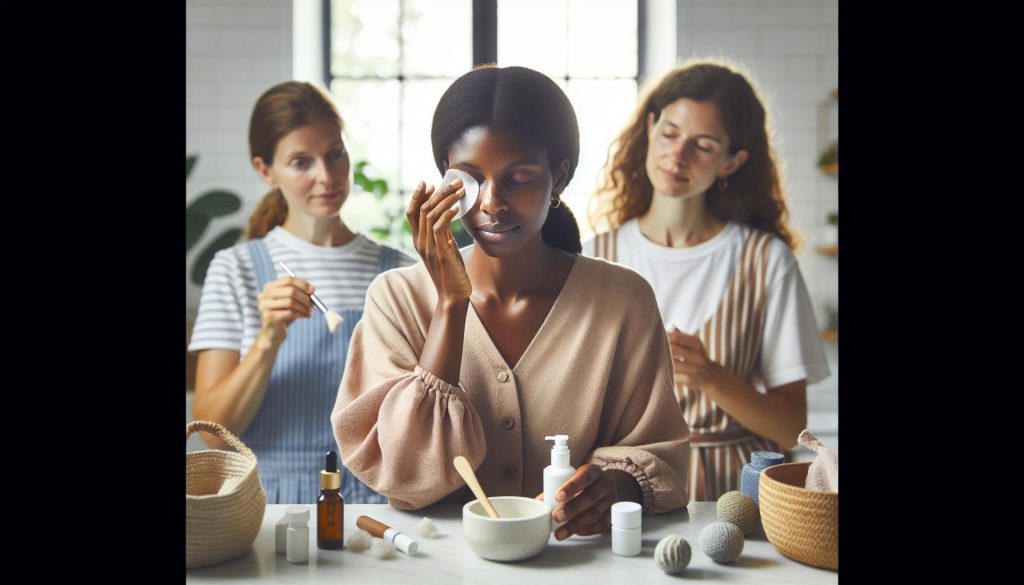
Did you know that styes, often mistaken for common blemishes, can actually appear in both eyes at the same time? This painful condition, caused by bacterial infections in the oil glands of your eyelids, can leave you feeling self-conscious and uncomfortable. Understanding how styes develop and why they can affect both eyes is crucial for maintaining your eye health and beauty.
Many people wonder about the likelihood of having simultaneous styes and the best ways to prevent them. With increased awareness, you can take proactive measures to keep your eyes clear and healthy. This article will delve into the reasons behind the occurrence of styes in both eyes, share effective prevention tips, and empower you with actionable strategies to minimize your risk and alleviate symptoms. By learning about styes and how they can impact your life, you are better equipped to safeguard your precious eye health.
Can You Get a Stye in Both Eyes? Understanding the Causes
Styes, those annoying and often painful lumps that can appear on the eyelid, can indeed occur in both eyes. This suggests a higher likelihood of styes if there are underlying factors such as bacterial infections, poor hygiene, or skin conditions affecting both eyelids. Each eyelid holds numerous oil glands that can become blocked or infected, leading to styes. If one eye experiences a stye, it can increase the risk of the other eye developing one, particularly in individuals with compromised immune systems or when the stye is caused by rubbing the eyes with contaminated hands.
Several factors can contribute to the development of styes in both eyes. Poor eyelid hygiene, for example, can allow bacteria to thrive and spread. Likewise, frequent touching of the eyes or wearing eye makeup that isn’t properly cleaned off can also heighten risk. Conditions such as blepharitis, which causes inflammation of the eyelids, can predispose individuals to styes as well. Additionally, stress and hormonal changes may weaken the immune response, fostering an environment conducive to infection. Therefore, it’s essential to focus not solely on treating existing styes but also on implementing preventive measures that promote overall eye health.
In conclusion, taking proactive steps in eyelid care, incorporating good hygiene practices, and being aware of your overall health can significantly reduce the chances of experiencing styes in one or both eyes. When it comes to managing styes, a mindful approach to eye care combined with awareness of how external factors can affect your eyelids will empower you to maintain brighter, healthier eyes.
Common Symptoms of Styes and When to Seek Help
When a stye strikes, it often presents with a unique set of symptoms that can be both uncomfortable and distressing. This painful bump on the eyelid typically resembles a pimple or boil, often causing emotional concern-not to mention the physical irritation. Early recognition of symptoms can make a significant difference in managing this common condition effectively. Typically, you’ll first notice a red, swollen area on the eyelid that might feel warm to the touch. The area may be tender, and as the stye progresses, it can develop pus, leading to increased pressure and discomfort.
In addition to these visual and tactile symptoms, you may experience other discomforts such as itching or a burning sensation in the affected eye. It’s also not uncommon to feel gritty or foreign body sensations, as if something is stuck in your eye. If these symptoms are followed by more significant signs like vision changes, severe pain, or swelling that extends beyond the eyelid, it’s essential to consult a healthcare provider. Seeking help early on can prevent potential complications such as the spread of infection or the formation of a chalazion, a larger blockage of the oil gland.
Understanding when to reach out for professional advice can be liberating. If self-care measures, such as warm compresses, do not alleviate the symptoms after 48 hours or if the stye worsens, don’t hesitate to connect with an eye care professional. This is especially vital if you have recurrent styes or if the affected area shows signs of severe infection. Your eye health is crucial, and recognizing the signs early can lead to better outcomes and reassurance.
Preventing Styes: Top Tips for Eye Care
Maintaining eye health goes beyond a pretty makeup routine; it involves protective practices that can prevent painful conditions like styes. These bumps can appear on one or both eyes, making it crucial to adopt daily habits that keep your eyelids clear and healthy. Simple adjustments to your skincare and hygiene routines can significantly reduce your risk of developing a stye, helping you feel more confident and comfortable in your own skin.
To start, commit to a thorough and consistent cleansing routine. Washing your face with a gentle cleanser twice a day helps remove excess oil, dirt, and bacteria. Don’t forget to include your eyelids; a specific eyelid scrub or diluted baby shampoo can effectively clean this sensitive area. Additionally, it’s essential to avoid touching your eyes with unwashed hands, as this can transfer bacteria and increase the risk of infection. Always remember, if you wear makeup, to replace your eye products every three months to prevent old products from harboring harmful bacteria that could lead to a stye.
Hygiene Practices
- Hand Washing: Frequently wash your hands, especially before applying makeup or touching your eyes.
- Makeup Hygiene: Regularly replace eye makeup and avoid sharing products with others.
- Contact Lens Care: If you wear contacts, ensure they’re cleaned properly, and avoid wearing them while swimming or in water, which can introduce bacteria.
In addition to hygiene, maintaining a balanced diet can play a significant role in eye health. Foods rich in antioxidants, vitamins A, C, and E, and omega-3 fatty acids are particularly beneficial. Incorporating these into your meals not only supports your overall wellness but specifically aids in maintaining healthy eyelids and clear eyes.
Lastly, don’t underestimate the power of stress management. High-stress levels can compromise your immune system, making you more susceptible to infections including styes. Engage in relaxation techniques like yoga, meditation, or regular exercise to manage your stress levels effectively.
By integrating these practical tips into your daily routine, you safeguard your eye health against styes while promoting a glowing, confident appearance. Small changes can lead to significant benefits, enabling you to shine brightly without the discomfort of common eye irritations.
The Role of Hygiene in Stye Prevention
To keep styes at bay, practicing excellent hygiene is essential. Styes are often caused by bacteria that can thrive on the skin, making it crucial to adopt a proactive approach to cleanliness. One significant factor contributing to the appearance of these painful bumps is the accumulation of oil, dirt, and makeup on your eyelids. Regularly cleaning your eyelids helps eliminate these irritants and reduces the likelihood of infection.
Implementing a dedicated eyelid cleansing routine is key. Start by gently washing your face twice a day with a mild cleanser that suits your skin type. Don’t neglect your eyelids; consider using specialized eyelid wipes or diluted baby shampoo on a soft cloth to carefully cleanse this delicate area. This ensures you’re removing any buildup that could potentially clog your glands and lead to a stye. Furthermore, it’s vital to avoid touching your eyes with unwashed hands; habits like rubbing your eyes can transfer bacteria and heighten your risk of developing infection.
Proper makeup practices also play a significant role in maintaining hygiene. Make sure to replace eye makeup products regularly-ideally every three months-to prevent the growth of harmful bacteria in old products. Avoid sharing your eye makeup with others, as this can easily spread infections. If you wear contact lenses, ensure they are cleaned correctly and follow the manufacturer’s guidelines to prevent contamination, especially in moist environments like swimming pools.
By making these simple yet effective hygiene practices part of your daily routine, you’re not only reducing your risk of styes but also ensuring healthier, clearer eyes. Every small effort counts, leading to a significant impact on your overall eye health. Embracing these habits empowers you to maintain your beauty and confidence while mitigating the discomfort of styes.
Dietary Considerations: Foods That Boost Eye Health
A well-balanced diet plays a vital role in maintaining eye health, which can indirectly help in preventing the occurrence of styes. Foods rich in specific nutrients not only improve overall health but also support the immune system, enabling your body to fight off infections more effectively. Consuming a diet that promotes strong eye health can create a healthier environment for your eyelids and reduce the risk of bacterial growth that leads to styes.
Incorporating foods high in antioxidants, vitamins, and omega-3 fatty acids can be particularly beneficial. For instance, leafy greens like spinach and kale are packed with lutein and zeaxanthin, which protect your eyes from harmful light. Likewise, colorful fruits and vegetables such as carrots, bell peppers, and berries are rich in vitamins A and C, which are essential for maintaining healthy tissues in your eyes. Omega-3 fatty acids found in fatty fish like salmon, walnuts, and flaxseeds help reduce inflammation and may lower the risk of dry eyes and related complications.
It’s also helpful to reduce foods that can trigger inflammation or an imbalance in your body, such as sugary snacks, processed foods, and excessive dairy. These can contribute to poor immune function and may increase susceptibility to infections. Instead, focus on hydration, as drinking plenty of water helps maintain moisture in your body and supports overall health, which is crucial for preventing infections, including styes.
Focusing on a nutrient-dense diet tailored to enhance eye health is a proactive step you can take to not only help prevent styes but also to promote your overall well-being. By replacing processed foods with wholesome choices, and ensuring your diet is rich in vitamins, antioxidants, and healthy fats, you empower your body to defend itself against various ailments, ensuring your eyes remain bright and healthy.
Home Remedies for Styes: What Works?
If you’re dealing with a stye, the discomfort can be frustrating, but several effective home remedies can help alleviate symptoms and promote healing. Warm compresses stand out as one of the simplest yet most effective solutions. Applying a clean, warm cloth to the affected eyelid for about 10 to 15 minutes, three to four times a day, can help soften the stye, encourage drainage, and reduce inflammation. Remember to ensure the compress isn’t too hot to avoid burns.
Another remedy worth considering is tea bags. Black tea or green tea bags can harness the anti-inflammatory properties of tannins. After steeping a tea bag in warm water, allow it to cool slightly, then place it on your closed eyelid. The warmth soothes the area, while the natural compounds in the tea may aid in reducing swelling and irritation.
For those who prefer a more herbal approach, aloe vera is a well-known remedy. The gel extracted from fresh aloe vera leaves can be applied directly to the stye. Its soothing and anti-inflammatory properties might help relieve pain and redness. Just remember to use a clean finger to apply it gently.
Additionally, maintaining eyelid hygiene is crucial. Regularly cleaning your eyelids with a diluted baby shampoo or a gentle eyelid scrub can prevent bacteria from accumulating and reduce the chances of developing future styes.
Lastly, always consider your overall wellness. Adequate hydration and a diet rich in vitamins A, C, and E can bolster your body’s immune response, which plays a key role in combating infections, including those that lead to styes.
If at-home treatments do not yield improvement after a few days or if the stye worsens, consulting a healthcare professional is essential. They can offer guidance and, if necessary, prescribe treatment options that will help you recover swiftly.
When to Use Over-the-Counter Treatments for Styes
Over-the-counter (OTC) treatments can be a convenient and effective option for managing styes when home remedies don’t yield the desired relief. Many women may find themselves asking when it’s appropriate to reach for these solutions, especially amidst the various home treatments available. If a stye begins to cause significant discomfort, redness, or swelling that interferes with daily activities, it might be time to consider OTC options.
There are several types of OTC treatments specifically designed for eye care. Many contain antiseptics or anti-inflammatory ingredients that can help reduce the swelling and discomfort associated with styes. For instance, eyewash solutions can be gentle yet effective in cleansing the eye area, removing debris, and flushing out irritants that may exacerbate the stye. Alternatives also include topical antibiotic ointments that can be applied around the infected area, though caution is needed to avoid getting these in your eye directly.
When to Consider OTC Treatments:
- Persistent Symptoms: If your symptoms do not improve after a few days of home treatment, an OTC option might provide the necessary relief.
- Increasing Discomfort: If the stye becomes increasingly painful or disrupts your day-to-day life, using an ointment or wash may help manage pain and inflammation.
- Frequent Recurrence: If you find that styes keep returning, integrating an OTC solution into your routine upon the first signs of a stye may help curb deeper infections.
Considerations for Safe Use
Always ensure any treatment you choose is suitable for your specific needs, especially if you wear contact lenses or have sensitive eyes. When trying an OTC product, it’s advisable to:
- Read the Labels: Check the active ingredients and ensure there are no allergens for you.
- Consult a Pharmacist: If unsure, consult with a pharmacist who can suggest appropriate options based on your symptoms.
- Follow Up with a Professional: If over-the-counter options do not alleviate your symptoms or if the stye worsens, consult an eye care professional for further evaluation.
Incorporating these easy and accessible treatments can be a wise move in promoting eye health and comfort, ensuring that the beauty of your eyes remains a priority.
The Importance of Regular Eye Check-Ups
Regular eye check-ups are a vital part of maintaining not just your vision but your overall eye health, especially for those susceptible to conditions like styes. Having a professional evaluate your eyes can help catch potential issues before they escalate into more serious problems, including recurrent styes. A routine eye exam can identify underlying conditions, such as blepharitis or dry eye syndrome, that may predispose you to eye infections and inflammation, leading to stye formation.
Moreover, an eye care professional can provide personalized advice tailored to your unique needs. For instance, they may recommend specific hygiene practices, proper eye care routines, and even dietary tips that help bolster eye health. If you frequently experience styes or other eye conditions, regular visits can establish a pattern that aids in understanding your triggers, enabling you to take proactive measures.
Don’t overlook the role of your eye doctor in preventive care! Regular exams can go beyond addressing existing issues, ensuring you receive valuable education on maintaining eye health. Simple guidance, such as how to incorporate warm compresses into your routine or avoid known irritants, can significantly reduce the risk of future styes. Therefore, prioritizing these check-ups can be a game-changer in your journey toward optimal eye wellness.
Identifying Other Eye Conditions That Resemble Styes
It’s not uncommon to confuse a stye with other eye conditions due to their similar appearances and symptoms. Understanding these differences can be crucial for proper management and treatment. Here are some common conditions that resemble styes:
Chalazion
A chalazion occurs when a meibomian gland, which produces oil to lubricate the eye, becomes blocked. Unlike a stye, which is often painful and red, a chalazion may appear as a firm, painless lump on the eyelid. It can grow slowly over time and may resolve on its own, but persistent cases might require warm compresses or even surgical drainage. If you notice a lump that doesn’t go away, it’s wise to consult an eye care professional.
Blepharitis
This is an inflammation of the eyelid margins, often resulting from seborrheic dermatitis or bacterial infection. Blepharitis can lead to symptoms that mimic a stye, such as swelling, redness, and crusted eyelashes. Unlike styes, blepharitis may cause itching and burning sensations. Maintaining good eyelid hygiene-like using diluted baby shampoo to clean the eyelids regularly-can help manage this condition.
Dermoid Cyst
A dermoid cyst is a congenital condition where a cyst forms on the eyelid, containing skin and tissue components. This type of cyst is generally painless and feels firm to the touch. It may not change in size or cause discomfort. If you suspect a dermoid cyst, a visit to an eye specialist can help determine the right course of action, which may include monitoring or surgical removal.
Allergic Reactions
Allergic reactions can also cause swollen eyelids and potentially mimic stye symptoms. Allergies may produce a red, itchy, and swollen appearance, often seen alongside seasonal pollen or contact allergies. Over-the-counter antihistamines can provide relief, but if swollen eyelids persist, it’s essential to see a healthcare provider for further evaluation.
Identifying these conditions early can prevent unnecessary anxiety and lead to more effective treatment. If you’re unsure whether you have a stye or another eye condition, it’s always best to consult with an eye care professional for a proper diagnosis and tailored care plan.
Managing Stress and Its Impact on Eye Health
Stress can have a profound impact on various aspects of your health, including your eye health. High stress levels can lead to physical manifestations, one of which may be the increased likelihood of developing conditions like styes. When you’re stressed, your body reacts by releasing cortisol and other hormones that can weaken your immune system, making you more susceptible to infections, including those affecting your eyelids.
To effectively manage stress and protect your eye health, incorporating relaxation techniques into your daily routine can be incredibly beneficial. Practices such as yoga, meditation, and deep-breathing exercises can help lower stress levels and promote overall well-being. Set aside a few minutes each day for these practices; this can not only help center your thoughts but may also contribute to healthier skin and reduced inflammation around your eyes.
Moreover, maintaining a balanced lifestyle plays an essential role in stress management. Eating a nutrient-rich diet can boost your immune system and overall health. Incorporate foods high in antioxidants, vitamins, and minerals-such as leafy greens, fatty fish rich in omega-3s, nuts, and berries-into your meals. Staying hydrated is equally important, as dehydration can lead to increased stress levels and fatigue, which may exacerbate eye health issues.
Lastly, remember the importance of quality sleep. Ensuring you get enough restorative sleep can significantly reduce stress and help your body recover from the day’s challenges. Aim for 7-9 hours of sleep each night, and consider creating a calming bedtime routine, free from screens, to help signal to your body that it’s time to wind down. By addressing stress proactively and prioritizing self-care, you can enhance your overall health, including maintaining clear and healthy eyes.
Understanding the Connection Between Allergies and Styes
While many may not realize it, allergies and styes are closely connected, with one potentially exacerbating the other. Allergies can lead to inflammation and congestion in the eyes, creating an environment that makes styes more likely. When allergies trigger symptoms like itching, redness, and swelling, it can cause you to rub your eyes more frequently, increasing the risk of introducing bacteria from your hands into the delicate glands along your eyelids. This can subsequently lead to a blockage or infection that results in a stye.
Beyond mere irritation, allergic reactions can compromise the skin’s barrier function. When your skin is less able to protect itself, any small openings can become entry points for bacteria. If you suffer from seasonal allergies, common triggers like pollen can lead to localized inflammation around the eyes, making you more susceptible to infections. Moreover, the eye’s natural defenses may be weakened, increasing the chances of developing styes from the staphylococcus bacteria that commonly reside on the skin.
To mitigate the impact of allergies on your eye health, consider implementing a few proactive measures. Regular cleaning of your eye area can help minimize allergens. Use gentle, hypoallergenic cleansers to remove any pollen or irritants that accumulate throughout the day. Keeping your living space clean by vacuuming with HEPA filters and using air purifiers can also combat indoor allergens. Additionally, if you know you’re prone to allergic reactions, be mindful of the products you use around your eyes; opt for fragrance-free cosmetics and skincare to reduce the risk of irritation.
Staying on top of your allergy management can form a crucial line of defense against styes. Medications, whether over-the-counter antihistamines or prescription treatments, can help you manage allergy symptoms effectively. By recognizing the link between allergies and styes, you can take steps to lower your overall risk and maintain the health of your eyes.
Faq
Q: Can stress cause styes in both eyes?
A: Yes, stress can trigger styes by weakening the immune system, making the eyes more susceptible to infection. To minimize stress, practice relaxation techniques such as meditation or deep breathing, and ensure you’re getting enough sleep.
Q: What should I avoid if I have a stye?
A: Avoid touching or rubbing your eyes, as this can spread infection. Additionally, refrain from wearing eye makeup and contact lenses until the stye heals. It’s also important to avoid using old or contaminated eye products.
Q: How long do styes usually last?
A: Most styes resolve on their own within a week to 10 days. To speed up healing, apply warm compresses several times a day, as mentioned in our section on home remedies for styes.
Q: Can I prevent styes from recurring?
A: To prevent recurring styes, maintain good eye hygiene, avoid sharing personal items like towels, and ensure that any makeup products are kept clean and replaced regularly. Regularly cleaning your eyelids can also help reduce the risk.
Q: Are there dietary changes that help prevent styes?
A: Yes, a diet rich in vitamins A, C, and E can support eye health. Foods such as leafy greens, carrots, and nuts provide essential nutrients that help strengthen the immune system and prevent infections like styes.
Q: What is the difference between a stye and a chalazion?
A: A stye is a painful lump caused by an infected eyelash follicle, while a chalazion is a painless lump that occurs when a meibomian gland is blocked. Both can occur in or on the eyelid but have different causes and treatments.
Q: When should I see a doctor for a stye?
A: You should see a doctor if the stye persists for more than a week, worsens, or if you experience severe pain, vision changes, or the eyelid becomes swollen and red. Seeking medical help is essential for persistent or extensive infections.
Q: Can allergies contribute to developing styes?
A: Yes, allergies can exacerbate eye irritation, leading to frequent rubbing and increased risk of bacterial infections, which may cause styes. Consider managing allergies through antihistamines or avoiding known allergens, as noted in our section on allergies and styes.
Future Outlook
While it’s possible to have a stye in both eyes, implementing effective prevention strategies can significantly reduce your risk. Remember, maintaining good eye hygiene and avoiding irritants are essential steps. If you found this information helpful, consider exploring our other articles on eye care and skincare routines, such as “10 Daily Habits for Healthy Eyes” and “Essential Skincare Tips for Radiant Skin.”
Don’t forget to sign up for our newsletter to receive ongoing tips straight to your inbox. Taking charge of your eye health today will empower you to enjoy clearer, more comfortable vision tomorrow. If you have any questions or experiences to share, leave a comment below-your insights could help others! Stay mindful of your eye care practices, and be on the lookout for our next post on how nutrition impacts eye health. Your journey to optimum wellness continues here!