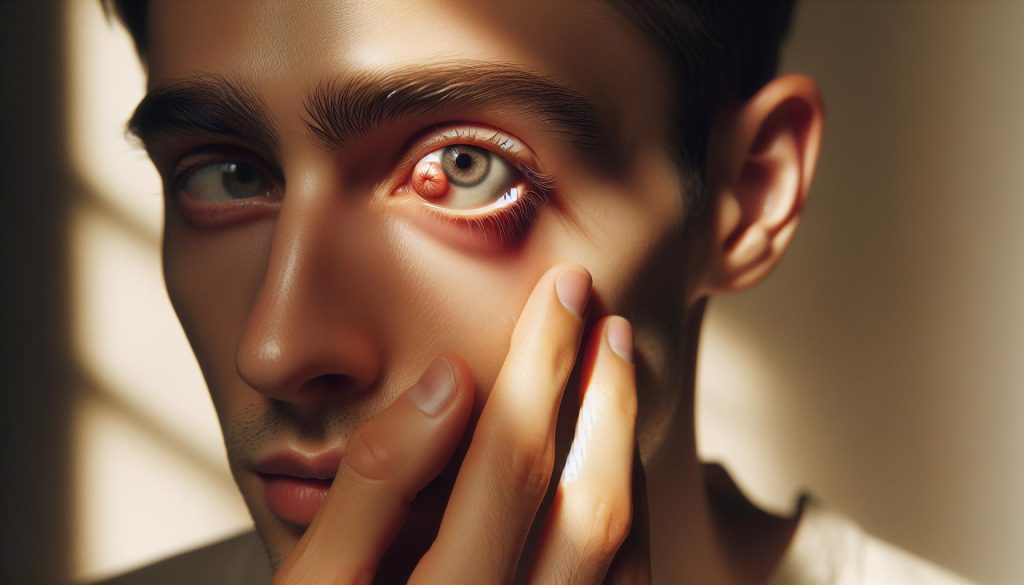
Did you know that your emotional well-being could directly affect your physical health, including the state of your eyes? Many people are surprised to learn that stress can contribute to the development of a stye-a painful, red bump near the eyelash line. This connection between mind and body is an important topic, especially for those juggling the pressures of daily life.
A stye typically arises from bacterial infection, but various factors, including stress, can exacerbate its occurrence. As you navigate your busy days, it’s essential to pay attention to both your mental and physical health. Understanding how stress impacts your body not only helps in preventing troublesome conditions like styes but also empowers you to take proactive steps in managing your overall well-being.
Stay with us as we explore the intricate relationship between stress and eye health, uncovering valuable insights and practical tips to foster both mental clarity and clear, comfortable eyes. Your journey to healthier, happier eyes starts here!
Can Stress Lead to Styes? Understanding the Connection
Stress plays a significant role in our overall health and can impact various body systems, including the delicate balance of our skin and eyes. While a stye itself is primarily caused by the infection of an oil gland in the eyelid, recent studies suggest that stress can indirectly contribute to their development. When we face stress, our bodies react by releasing hormones that can compromise our immune system. A weaker immune response may make individuals more susceptible to bacterial infections, including those that cause styes.
Moreover, it’s essential to recognize that stress is often accompanied by behaviors that can exacerbate eye problems. For instance, touching or rubbing your eyes when you’re anxious may transfer bacteria present on your hands, leading to localized infections. Maintaining proper hygiene, especially during stressful periods, is vital. This means washing hands frequently, avoiding touching the face, and being mindful of the products applied around the eyes.
To cultivate a proactive approach to eye health during stressful times, consider integrating relaxation techniques into your routine. Techniques such as deep breathing, meditation, and gentle yoga can help reduce stress levels and bolster your immune defense. By investing time in managing stress, you not only improve your emotional well-being but also support your physical health, potentially reducing the instances of styes and other related ailments.
The Science Behind Stress and Eye Health
Stress can profoundly impact various aspects of our health, including our eye health. The complex relationship between stress and physical health reveals itself particularly in the context of eye conditions such as styes. These small, painful bumps usually result from bacterial infections of the oil glands in the eyelids, but stress can create an environment that increases susceptibility to such infections. When under pressure, our bodies release stress hormones like cortisol, which can weaken the immune response. This reduction in immunity may make it easier for bacteria to thrive, leading to conditions like styes.
Moreover, stress often alters our behaviors in ways that can exacerbate eye problems. For example, during stressful periods, many people unconsciously touch their faces or rub their eyes, which can transfer harmful bacteria from our hands to the delicate skin around our eyes. It becomes vitally important to maintain hygiene during these times-make it a practice to wash your hands frequently, ensure you remove any makeup thoroughly before bed, and be conscious of avoiding eye contact with potentially contaminated surfaces.
To support eye health while managing stress, incorporating relaxation techniques can be incredibly beneficial. Engaging in activities such as yoga or meditation not only helps reduce stress levels but can also foster a stronger immune system. By prioritizing self-care, you are taking a proactive step toward maintaining both emotional and physical well-being, which may lessen incidents of styes and other related eye ailments. Understanding this mind-body connection empowers you to manage stress effectively, thus enhancing your overall eye health and beauty routine.
How Stress Influences the Immune System
The relationship between stress and immune function is a crucial link that many often overlook, especially when considering common health issues like eye styes. When you experience stress, your body enters a heightened state of alert, releasing stress hormones such as cortisol and adrenaline. While this response can sometimes be beneficial in short bursts, chronic stress can lead to a range of adverse effects on your immune system. A weakened immune response means your body is less equipped to fend off infections, making it easier for bacteria-such as those that lead to styes-to take hold.
Impact of Stress on Immunity
Another critical aspect of understanding how stress impacts health is the way it influences behaviors that can further compromise the immune system. Stress may lead individuals to neglect healthy habits, such as proper sleep, nutrition, and self-care practices. For instance, when you’re feeling overwhelmed, the likelihood of skipping your nightly skincare routine or touching your face increases, inadvertently introducing bacteria to your eyelids and elevating the risk of developing a stye.
To promote better immune health amidst stress, consider the following strategies:
- Maintain a balanced diet: Incorporate immune-boosting foods rich in vitamins A, C, and E, such as leafy greens, citrus fruits, and nuts.
- Practice good hygiene: Regularly wash your hands and avoid touching your face, especially when feeling stressed.
- Get adequate sleep: Aim for 7-9 hours of quality sleep each night to support your body’s recovery processes.
- Engage in physical activity: Regular exercise can help reduce stress levels and enhance immune function.
By adopting these practices, you can help strengthen your immune system against stress-induced vulnerabilities. Being proactive about both your emotional and physical health can ultimately reduce your risk of experiencing common yet uncomfortable conditions, such as styes.
Identifying Symptoms of a Stye
Recognizing the early signs of a stye can empower you to take action before it becomes uncomfortable. A stye, scientifically known as a hordeolum, typically manifests as a painful red bump on the edge of your eyelid. This bump is often filled with pus and can appear similar to a pimple. One of the first symptoms to notice is tenderness or discomfort in the affected area, which can make blinking or touching the eyelid uncomfortable.
As the stye develops, you might experience additional symptoms, including swelling and redness around the eyelid. This localized inflammation often leads to increased sensitivity, making your eyelid feel hot or throbbing. In some cases, you may notice an increased tear production or even a sensation of grit in your eye, as if something is irritating it. It’s important to monitor your eyes during this time; if the swelling worsens or if your vision becomes obstructed, it’s essential to seek professional attention.
To effectively manage a stye, you can employ some home remedies that may alleviate discomfort. Applying a warm compress to the eye for about 10-15 minutes several times a day can help reduce swelling and promote drainage of the stye. Make sure the compress is clean and warm, but not hot, to prevent burns. Additionally, maintaining good eyelid hygiene is crucial; gently washing your eyelids with mild soap or eyelid scrubs can help prevent further bacterial growth.
In summary, being aware of the symptoms that precede and accompany a stye allows for prompt intervention, minimizing discomfort and potential complications. By taking proactive steps such as warmth and hygiene, you can effectively navigate this common yet bothersome condition. If symptoms persist beyond a few days or worsen, it’s wise to consult a healthcare professional for further evaluation and treatment options.
Effective Home Remedies for Stye Relief
Applying a warm compress to your affected eyelid is one of the most effective home remedies for relieving the discomfort associated with a stye. This simple technique helps promote drainage and healing by encouraging blood flow to the area. To use this remedy, follow these steps:
- Prepare the Compress: Soak a clean washcloth in warm (not hot) water. Wring out the excess moisture.
- Apply: Place the warm compress gently over the stye for about 10 to 15 minutes. You can do this several times a day, making sure to use a fresh compress each time to maintain cleanliness.
- Maintain Hygiene: After using the compress, be cautious not to touch or rub your eyes with unwashed hands. It’s also a good idea to avoid wearing eye makeup until the stye has resolved.
In addition to warm compresses, eyelid hygiene plays a vital role in stye relief. Regularly cleaning your eyelids can help prevent further irritation and bacterial buildup. Here’s how to effectively clean your eyelids:
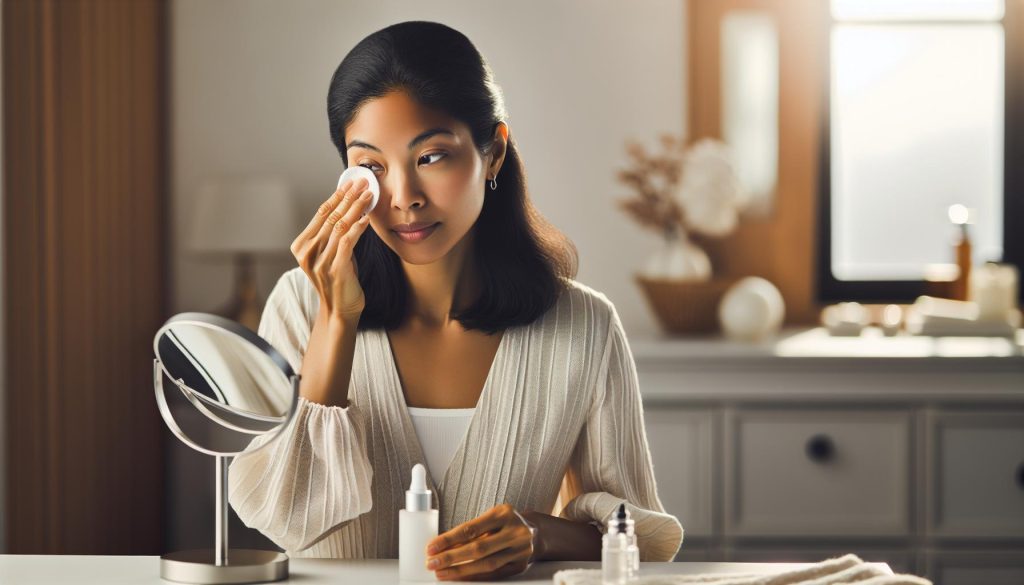
- Use Diluted Baby Shampoo or Eyelid Scrubs: Mix a few drops of baby shampoo with warm water or use store-bought eyelid scrubs. Using a cotton pad, gently wipe along the eyelid margin.
- Rinse Thoroughly: Ensure that all soap residue is rinsed away to prevent irritation.
- Frequency: Aim to do this once or twice a day for optimal results, especially during episodes of styes.
Another supportive remedy is the use of natural anti-inflammatory ingredients such as chamomile tea bags. Chamomile has soothing properties that can provide additional relief. Simply steep a chamomile tea bag in hot water, let it cool to a safe temperature, and then place it over your closed eyelid for about 10-15 minutes.
If symptoms persist or worsen, it’s essential to seek medical advice. Ultimately, by combining home remedies with good eyelid hygiene, you can effectively manage discomfort and promote healing-allowing you to focus on your wellness without the bothersome distraction of a stye.
When to Seek Professional Help for Styes
While understanding how stress can impact various aspects of health, including eye health, it’s crucial to recognize when a simple stye warrants professional intervention. A stye, typically a localized infection or inflammation of an eyelid gland, often resolves with at-home care. However, if you experience certain signs, it’s time to consult an eye care specialist.
If a stye persists for longer than two to three weeks, it might not respond to basic remedies and could require medical assessment. Additionally, if you notice your stye worsening-whether in size, pain intensity, or if symptoms become severe (such as significant swelling or fever)-you should seek professional help to rule out more serious conditions. Your ophthalmologist may recommend a biopsy to ensure that it’s not associated with underlying health issues.
In some cases, styes can develop into chalazia, which are non-infectious lumps that can cause discomfort or vision issues. If you experience symptoms such as prolonged redness, blurred vision, or increased discharge, it’s wise to have a medical evaluation. Moreover, if you regularly face styes or similar issues, this could be linked to factors such as poor hygiene or stress levels, indicating a need for a tailored treatment plan or preventive strategies. Remember, taking charge of your eye health not only improves your comfort but also supports your overall well-being.
Preventive Measures: Reducing Stress for Eye Health
Reducing stress can be a crucial step for maintaining not only overall health but also specific conditions like styes, often exacerbated by heightened emotional states. Stress has a direct impact on the immune system, and a weakened immune function can make it easier for bacteria to flourish, potentially leading to conditions like styes. Therefore, integrating stress-reduction techniques into your lifestyle can serve as preventive care for your eyes and enhance your overall wellbeing.
One effective approach is to incorporate mindfulness practices into your daily routine. Mindfulness techniques, such as meditation or deep-breathing exercises, can significantly lower stress levels. Consider setting aside just a few minutes each day to engage in these practices; even brief sessions can help ground you and reduce anxiety. Regular physical activity-a simple walk or yoga session-can also be beneficial, as exercise not only releases endorphins but also improves circulation, aiding in better eye health overall.
Creating a balanced lifestyle is essential for reducing stress and its effects on eye health. Ensuring adequate sleep is one of the most crucial components. Aim for 7-9 hours of quality sleep per night to allow your body and mind to recover and regenerate. Establishing a relaxing bedtime routine, such as reading or taking a warm bath, can enhance sleep quality and ease stress-related symptoms.
Furthermore, nutrition plays a pivotal role in both stress levels and eye health. Foods rich in antioxidants, like fruits and vegetables, or omega-3 fatty acids, found in fish, can provide the nutrients your body needs to combat stress. Keeping hydrated is also vital, as dehydration can exacerbate stress effects. Remember, cultivating supportive social connections can act as a buffer against stress; sharing experiences with friends or family can make challenges more manageable.
By actively addressing stress through these strategies, you’re not only caring for your eye health but also fostering a holistic approach to your overall wellness.
The Role of Nutrition in Eye Wellness
To maintain healthy eyes and potentially reduce the risk of styes, it’s essential to pay attention to your nutritional choices. The connection between food and eye health is profound, as certain nutrients can directly influence the immune system and combat the effects of stress, which may inadvertently contribute to the development of styes. Incorporating a rich variety of foods can bolster your body’s defenses and promote overall eye wellness.
One of the most crucial components of a balanced diet for eye health is antioxidants. These compounds help fight free radicals, which can weaken your immune system and lead to infections. Foods high in antioxidants include colorful fruits and vegetables such as berries, spinach, and carrots. These not only support your immune system but also improve your general health. Additionally, consider incorporating foods rich in beta-carotene, like sweet potatoes and pumpkin, which support overall eye function.
Fatty acids, particularly omega-3s, are another vital aspect of your diet. Found abundantly in fatty fish like salmon and mackerel, omega-3s help reduce inflammation and can enhance tear production, keeping your eyes moist and potentially lowering the chances of irritation that can lead to styes. If you’re not a fan of fish, consider plant-based sources such as chia seeds or flaxseeds.
Hydration plays an equally important role. Dehydration can lead to dry eyes, creating an environment where your body may become more susceptible to infections like styes. Aim to drink plenty of water throughout the day, and consider consuming hydrating foods such as cucumbers and oranges, which can also contribute vitamins that support eye health.
Incorporating these nutrient-dense foods into your daily meals can improve not only your eye health but also provide your body with the resilience to better handle stress, a known contributor to the development of styes. By making strategic dietary choices, you empower your body to defend against various health concerns and to maintain a vibrant, healthy lifestyle overall.
Mindfulness and Stress Reduction Techniques
Practicing can profoundly impact your overall well-being, especially when faced with the discomfort of a stye or other stress-related health issues. Engaging in mindfulness allows you to center yourself, alleviating not just emotional distress but potentially fortifying your immune system, which is essential for preventing infections like styes. A grounded approach to wellness encourages a check-in with your mind and body, enabling you to manage stress more effectively and reduce the chances of health complications tied to anxiety and fatigue.
One powerful technique is controlled breathing, where you take slow, deep breaths to activate your body’s relaxation response. This method can be as simple as inhaling for a count of four, holding for four, and exhaling for six. Repeat several times to calm your mind and body. Additionally, meditation-even for just a few minutes daily-can help reduce stress. Focus on a mantra or visualize a serene place; this directs your mind away from stressors while fostering a sense of peace.
Incorporating yoga or gentle stretching into your routine also provides mental and physical benefits, promoting relaxation and enhancing circulation, which is vital for optimal eye health. A few simple poses, such as Child’s Pose or Cat-Cow, can relieve tension built up in the neck and shoulders, areas where stress often manifests. The added bonus is that these physical activities stimulate blood flow, potentially improving the delivery of nutrients to your eyes.
Moreover, consider exploring journaling as a tool to unload pent-up thoughts and worries. Writing can serve as a personal outlet, helping you articulate your feelings and reframe negative thought patterns. Dedicate a few minutes each day to jot down your thoughts, express gratitude, or list out stressors and potential solutions. This practice fosters a sense of control and perspective, mitigating feelings of helplessness that can accompany stress.
Lastly, remember that creating a balanced routine incorporating these mindful practices can empower you to take charge of your health. Regular engagement in mindfulness not only supports emotional resilience but also contributes to better physical health outcomes, including the reduction of conditions like styes. By nurturing your mind, you create a stronger foundation for your entire well-being.
Understanding the Impact of Sleep on Eye Conditions
A good night’s sleep is often undervalued, yet it’s one of the most important factors that can affect your overall health, including your eye condition. Quality sleep plays a crucial role in the body’s ability to heal and regenerate tissues, and it directly impacts immune function, which is essential for preventing infections like styes. When you’re stressed, your sleep patterns can easily suffer, leading to a cycle of fatigue and increased vulnerability to various health issues. This connection highlights why prioritizing restorative sleep is vital for both your general well-being and eye health.
During sleep, the body undergoes various restorative processes, including tissue repair and the regulation of immune response. Lack of sleep can compromise these functions, leaving the eyes susceptible to inflammation and infection. The stress hormone cortisol, which often rises during periods of poor sleep, can also weaken immune function, making it challenging for the body to fend off bacterial infections, including those that cause styes. If you notice that you’re having trouble sleeping due to stress or other factors, addressing these underlying issues can help create a healthier sleep environment.
To improve sleep quality and, in turn, support eye health, consider implementing a nighttime routine that promotes relaxation. Techniques such as limiting screen time at least an hour before bed, practicing mindfulness or meditation, and creating a sleep-conducive environment-dark, cool, and quiet-can significantly enhance the quality of your rest. Additionally, incorporating relaxing herbal teas such as chamomile or lavender can aid in soothing your mind and preparing your body for a restful night.
In summary, understanding the profound impact that sleep has on eye conditions is an essential step toward maintaining good eye health. By making sleep a priority and managing stress effectively, you can help protect your eyes from potential issues like styes and ensure that your overall health remains in balance. Embracing good sleep hygiene practices is not just a method of luxury-it’s a necessity for your well-being and beauty.
Alternative Therapies for Stress Management
Finding effective ways to manage stress is crucial, not just for your mental well-being but also for preventing conditions like styes, which can be exacerbated by stress. Exploring alternative therapies can provide holistic benefits and support eye health by fostering a sense of calm. These therapies embrace natural methods to soothe the mind and body, helping to lower cortisol levels and enhance immune function.
Meditation and Mindfulness
Practicing meditation or mindfulness techniques can profoundly impact your stress levels. Research shows that regular meditation can lead to a decrease in anxiety and emotional stress. Start with just a few minutes each day-find a quiet space, close your eyes, and focus on your breath. Apps like Headspace or Calm offer guided meditations specifically designed for stress relief. This practice not only helps in fostering a tranquil mind but can also contribute to better eye health by reducing the likelihood of stress-induced flare-ups, such as styes.
Herbal Remedies
Incorporating herbal remedies into your daily routine can provide additional support in managing stress. Herbs like ashwagandha, known for its adaptogenic properties, help the body cope with stress while enhancing overall resilience. Chamomile tea is another excellent option; it can promote relaxation and improve sleep quality, essential for a well-functioning immune system. Always consult with a healthcare provider before starting any new supplement, especially if you have existing health conditions or are on medication.
Physical Activity
Engaging in physical activity is one of the most effective stress relief techniques. Exercise releases endorphins, often referred to as the body’s natural mood lifters. Simple practices like yoga not only strengthen your body but also enhance mental clarity and calmness. Consider joining a local yoga class or follow online sessions that focus on relaxation and breathing exercises. Aim for at least 30 minutes of activity most days-this can be as simple as a brisk walk or a dance session in your living room.
Creative Expression
Exploring creative outlets can also serve as a powerful stress management tool. Engaging in activities like painting, writing, or playing music allows for emotional release and can be incredibly cathartic. Even simple activities such as coloring in an adult coloring book have been shown to reduce anxiety. These creative expressions can serve as a mindful distraction, allowing you to detach from daily stressors and redirect your focus, ultimately benefiting your body and eye health.
By incorporating these alternative therapies into your routine, you can create a well-rounded approach to stress management. This not only supports emotional well-being but also helps protect your eyes from issues such as styes, reinforcing the important mind-body connection.
Common Myths About Styes and Stress
The connection between stress and health is a hot topic, especially when it comes to eye disorders like styes. Despite common perceptions, several myths persist regarding whether stress can directly cause styes. One prevalent belief is that simply being under stress can trigger a stye, but this isn’t entirely accurate. While stress can indeed influence your immune system, which may contribute to the development of styes, it is not the sole culprit. Styes are primarily caused by bacterial infections, particularly from the Staphylococcus bacteria, often leading to blockage in the oil glands of the eyelids.
Another myth is that only people who are chronically stressed can develop styes. In reality, styes can occur in individuals experiencing temporary stress due to life changes or commitments, as well as those who may be feeling relaxed. Stress may exacerbate certain underlying factors, such as poor hygiene or fatigue, which can heighten the risk of a stye. Thus, maintaining good eye hygiene and managing stress can go hand in hand to support overall eye health.
Lastly, a common misconception is that once a stye is formed, stress management will have little effect on the healing process. This is misleading; managing stress through mindfulness techniques and proper nutrition not only aids in overall recovery but can also reduce the likelihood of future occurrences. Stress can indeed hinder the immune response, making it harder for your body to fight off infections effectively. Therefore, embracing a holistic approach that includes stress management is essential in maintaining eye health and preventing recurrent styes.
By understanding these myths, you can take proactive steps to manage both your stress and eye health. Adopting routines that reduce stress, like incorporating mindfulness or engaging in regular physical activity, can not only enhance your well-being but also help safeguard your eyes from infections like styes. Remember that balancing both mental and physical health is crucial in preventing and managing styes effectively.
Frequently asked questions
Q: Can stress cause reoccurring styes in the eye?
A: Yes, chronic stress can weaken the immune system, increasing the likelihood of developing reoccurring styes. Managing stress through relaxation techniques and a healthy lifestyle can help reduce this risk. For effective home remedies, refer to the section on stye relief in our article.
Q: What are the signs that stress is affecting eye health?
A: Signs include increased eye strain, dry eyes, and frequent styes. Stress can lead to neglect in proper eye care. Pay attention to any discomfort or changes and explore stress-reduction strategies mentioned in our article to maintain eye health.
Q: How does sleep deprivation related to stress impact stye development?
A: Sleep deprivation, often caused by stress, can impair the immune system, making the body more susceptible to infections such as styes. Aim for adequate sleep to boost your immune function, which is discussed in more detail in our article.
Q: Can meditation help prevent styes related to stress?
A: Yes, meditation can help reduce stress levels and improve overall health, potentially decreasing the occurrence of styes. Incorporating mindfulness practices into your routine is an excellent preventive measure against eye health issues.
Q: Are there specific foods that can help reduce stress and prevent styes?
A: Foods rich in antioxidants and omega-3 fatty acids, such as berries, nuts, and fatty fish, can promote eye health and help mitigate stress. Explore the section on the role of nutrition in eye wellness for more details.
Q: What role does hydration play in preventing styes when stressed?
A: Staying hydrated is crucial for maintaining overall health, including eye health. Dehydration can exacerbate stress and contribute to stye formation. Make sure to drink sufficient water daily to support your body’s functions.
Q: Is there a link between hormonal changes, stress, and eye infections like styes?
A: Yes, hormonal changes, often exacerbated by stress, can affect the immune response, increasing vulnerability to infections including styes. Understanding these connections can help in managing stress more effectively as mentioned in our article.
Q: Can focusing on relaxation techniques help with existing styes?
A: While relaxation techniques won’t cure styes, they can help reduce stress, which may prevent future occurrences. Effective methods include deep breathing, yoga, and mindfulness-we discuss these stress-reduction techniques in detail in our article.
The Conclusion
Understanding the mind-body connection can truly transform how you approach stress and its physical effects, such as the potential for developing a stye. Remember, prioritizing self-care and learning stress-reduction techniques not only benefits your eyes but enhances your overall well-being. If you’re still concerned about eye care or want to explore practical remedies, check out our articles on “Natural Eye Care Tips” and “Stress Relief Techniques for Everyday Life” for more valuable insights.
Don’t hesitate to take action today-implement some of these strategies to protect your eyes from stress-related issues. Have questions, or want to share your own experiences? We invite you to leave a comment below. Let’s continue this conversation and empower each other toward healthier lives. Sign up for our newsletter for more tips on women’s health and beauty care, and take the next step to nurture yourself both inside and out!