
Styes may seem like a minor annoyance-a painful red bump on your eyelid-but they can lead to serious complications that affect your vision. If you’ve ever wondered, “Can you lose your eye from a stye?” you’re not alone. It’s a common concern, especially when faced with discomfort and uncertainty. Understanding the potential risks associated with styes is crucial for taking proactive measures to protect your eye health.
In this article, we’ll delve into the nature of styes, exploring their causes, symptoms, and the rare but significant complications that can arise. Knowledge is your best defense, so let’s uncover the truths behind this common eyelid condition, empowering you to act quickly and confidently if a stye ever strikes. Keep reading to learn how to safeguard your vision and navigate the treatment options available to maintain your eye health.
Understanding What a Stye Is and Its Symptoms
A stye, often mistaken for a mere cosmetic annoyance, can actually be quite uncomfortable and alarming. This small, tender bump on the eyelid arises from a blocked oil gland, leading to inflammation and redness. Understanding the symptoms is crucial for addressing the issue before it escalates. Typical signs include a painful red bump appearing on the upper or lower eyelid, eyelid drooping, excessive tearing, light sensitivity, and a sensation that something is lodged in your eye. Additionally, itchy eyes and the formation of pus can also occur, creating discomfort and distress.
Recognizing these symptoms early can help you manage a stye effectively, often without the need for professional intervention. However, if the stye persists or worsens, it’s important to be vigilant. In rare cases, untreated styes can lead to complications like conjunctivitis or even more serious infections, raising concerns about eye health. This makes understanding what a stye is and promptly addressing any signs of it essential for maintaining your overall eye health and well-being.
Can a Stye Lead to Serious Eye Complications?

A stye, while often seen as a minor irritation, has the potential to lead to serious complications if not treated properly. The inflammation and infection that cause a stye can sometimes extend beyond the confines of the eyelid. In cases where a stye remains untreated, it can evolve into more severe conditions such as conjunctivitis or cellulitis, both of which can pose risks to your overall eye health. In extreme situations, these infections can lead to complications that may threaten vision, emphasizing the importance of early intervention.
Recognizing the Risks
One pivotal factor to be aware of is that a stye can cause an excess of inflammation. If the infection spreads, it can lead to periorbital cellulitis, a serious condition characterized by swelling and redness around the eyes and eyelids. Symptoms such as fever, severe pain, and changes in vision warrant immediate medical attention. Though rare, if left untreated, these issues could escalate, putting you at risk for more drastic complications-including the potential loss of vision.
The good news is that most styes resolve with proper care and hygiene. Regularly applying warm compresses can alleviate discomfort and encourage drainage, minimizing the chances of escalating the infection. Understanding these risks fosters a proactive approach to eye care, allowing you to respond swiftly and effectively to symptoms. By prioritizing eye health and seeking guidance when styes arise, you can significantly reduce the likelihood of facing severe complications in the future.
Risk Factors: Who Is Most Vulnerable to Styes?

Many individuals may be surprised to learn that certain factors can significantly increase the likelihood of developing a stye. Understanding who is most vulnerable can empower you to take preventive actions. Styes are primarily caused by bacterial infections, often stemming from the oil glands in the eyelids becoming blocked. Thus, conditions that can lead to inflammation or excess oil production may predispose individuals to styes.
One of the most notable risk factors is chronic skin conditions, particularly blepharitis. This condition, characterized by inflammation of the eyelid, creates an environment where bacteria can thrive, making styes more likely to occur. Additionally, rosacea, which affects the skin and often presents with facial redness, can also increase the risk of styes due to its effect on eyelid health.
People with compromised immune systems, whether due to underlying health conditions such as diabetes or due to the use of immunosuppressive medications, should be particularly vigilant. A weakened immune system can struggle to fight off infections effectively, making stye occurrences more frequent and potentially leading to severe complications. Furthermore, poor hygiene practices can contribute to this risk; touching the face with unwashed hands or using contaminated makeup can introduce bacteria to the eye area.
Stress may also play a role, as it can impact overall skin health and immune function, potentially making one more susceptible to not only styes but infections in general. Finally, environmental factors such as exposure to dust, smoke, or allergens can irritate the eyes, leading to increased oil production and blockage of the glands.
Implementing hygiene measures, such as regularly washing your face, removing makeup before bed, and avoiding touching your eyes, can significantly diminish your chances of developing a stye. Incorporating these preventive tips into your daily routine can safeguard your eye health and help maintain your radiant beauty with minimal disruption.
How to Recognize the Signs of a Complicated Stye
Recognizing the signs of a complicated stye is crucial for maintaining eye health and preventing further issues. While most styes resolve on their own with little intervention, certain indicators signal that the condition may be worsening or leading to serious complications. An increase in the size of the stye, shifting from a small bump to a large, swollen area, is one of the first signs that warrants attention. If you notice persistent redness surrounding the stye, especially if it spreads to the surrounding skin, this may suggest an escalating infection.
Another red flag is the presence of excessive pain or discomfort not associated with the normal irritation of a stye. While some level of soreness is expected, severe throbbing or increasing pain can indicate that the stye has developed into a more serious issue, such as an abscess. If you experience a change in vision, such as blurriness or spots, or notice any discharge that contains pus or blood, these symptoms demand immediate medical evaluation.
It’s also important to be aware of accompanying symptoms like fever or swollen lymph nodes, as these can signify that the infection is affecting your overall health. If you find that your eyelid is becoming increasingly difficult to open due to swelling or that the stye does not begin to improve after a few days of at-home treatment, it’s best to consult with a healthcare professional. Early recognition and intervention can make a significant difference in avoiding further complications, ensuring your eyes remain healthy and your vision clear.
Preventive Measures: Avoiding Styes Before They Occur

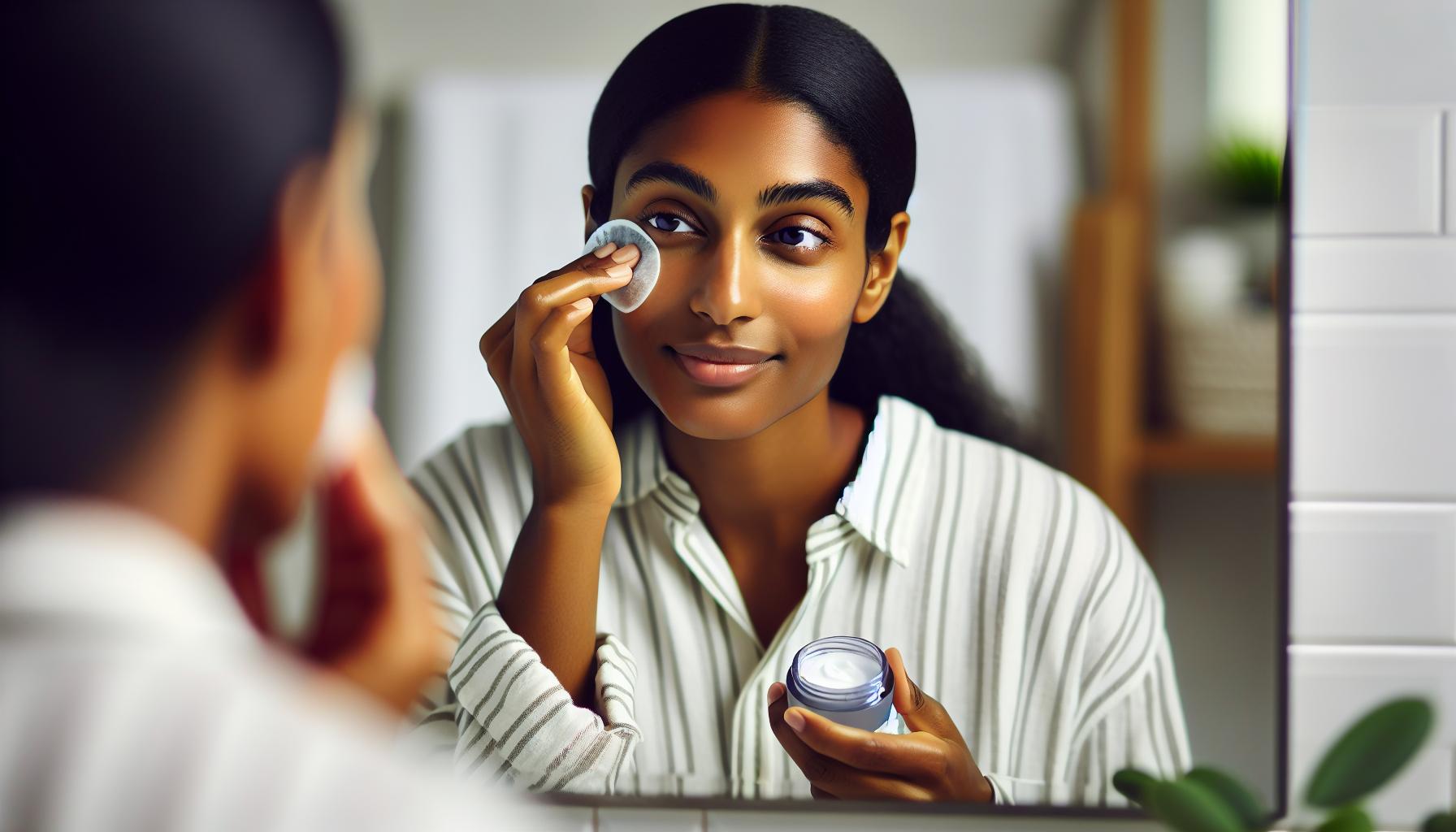
Styes might seem like a minor annoyance, but they can lead to significant discomfort and potential complications if not managed properly. Fortunately, there are several practical steps you can take to significantly reduce your risk of developing a stye. One of the fundamental aspects of stye prevention is maintaining good eye hygiene. Keeping your eyelids clean helps to eliminate bacteria that can block the glands and lead to infection. Gently wash your eyelids daily with mild soap or use eyelid wipes specifically designed for this purpose.
It’s equally important to avoid touching your eyes with unwashed hands, as this can transfer dirt and bacteria, increasing your risk. If you wear makeup, be diligent about removing it every night. Ensure that your makeup tools, such as brushes and applicators, are clean and replaced regularly to prevent the buildup of bacteria. Additionally, consider giving your eyes a break from makeup at times to help them breathe.
Another significant preventive measure is to manage chronic health conditions that might predispose you to styes, such as diabetes or blepharitis (an inflammation of the eyelids). Regular visits to your healthcare provider can help you control these conditions effectively. Staying hydrated and eating a balanced diet rich in nutrients can also fortify your body’s overall ability to fend off infections.
Lastly, be cautious about sharing personal items like towels, pillowcases, and eye care products. If someone close to you has a stye, ensure that their belongings are kept separate to reduce the chance of spreading bacteria. By incorporating these simple but effective practices into your daily routine, you can confidently take charge of your eye health and significantly lower your risk of developing a stye.
Home Remedies: Treating Styes Safely at Home
A stye, while often bothersome, can frequently be managed effectively from the comfort of your home. Understanding the right home remedies can not only alleviate discomfort but can also help facilitate healing. To start, warm compresses are a popular go-to treatment. Simply soak a clean cloth in warm water, wring it out, and gently apply it to the affected eyelid for about 10 to 15 minutes, several times a day. This can help reduce swelling and promote drainage of the stye.
Another helpful strategy is to maintain proper eyelid hygiene. Using diluted baby shampoo or an eyelid scrub can aid in keeping the area clean and free from irritants. Make sure to rinse thoroughly with warm water afterward. Additionally, if you have access to antihistamine eye drops, they may reduce itchiness and redness associated with a stye.
It’s important to resist the urge to squeeze or pop a stye, as this can lead to further irritation or potential infection. Instead, focusing on relaxation and minimizing eye strain can also support recovery. Utilizing over-the-counter pain relievers, such as ibuprofen or acetaminophen, can help manage any discomfort.
Lastly, ensuring a nutrient-rich diet can support overall eye health. Foods high in omega-3 fatty acids, such as salmon, flaxseeds, and walnuts, may help your body combat inflammation. By integrating these home remedies into your routine, you can take proactive steps to manage styes effectively while minimizing potential complications.
When to Seek Medical Attention for a Stye
While most styes may resolve on their own with proper care, it’s crucial to recognize when a stye requires professional medical attention to prevent complications. If you notice a stye that grows increasingly painful, starts to interfere with your vision, or fails to improve after about a week, it’s time to consult a healthcare professional.
Another red flag is if the swelling spreads beyond the initial area or if you begin to experience symptoms such as fever or chills, which might indicate a more serious infection that could need antibiotics or other medical intervention. Additionally, if you have recurrent styes or if this is your first experience with them and you’re worried about underlying causes, don’t hesitate to reach out to your healthcare provider. They can perform a thorough examination to determine if there are any other issues at play.
In some cases, a stye can lead to complications like chalazia (a more chronic bump that may require drainage) or even cellulitis, which is a serious infection of the surrounding tissue. Addressing these aspects early on, rather than waiting for them to worsen, can make a significant difference in your recovery and overall eye health.
Ultimately, trusting your instincts is key. If something about your stye feels off or you’re simply unsure, seeking medical advice can offer peace of mind and ensure that you’re taking the right steps for your eye health.
Treatment Options: What Healthcare Professionals Recommend
When dealing with a stye, understanding the right treatment options can be crucial for alleviating discomfort and preventing complications. Healthcare professionals often recommend a balanced approach that includes both at-home care and, in some cases, medical interventions. Most importantly, if you notice persistent symptoms or worsening conditions, don’t hesitate to seek expert advice.
Home Care Strategies
Beginning with at-home treatment, applying a warm compress is one of the simplest yet most effective methods to soothe a stye. Use a clean cloth soaked in warm water, applying it gently to the affected area for about 10 to 15 minutes, several times a day. This promotes drainage of the stye and helps to reduce pain. Over-the-counter pain relievers, such as ibuprofen or acetaminophen, can also help manage discomfort.
In addition to warm compresses, maintaining good eyelid hygiene is essential. Cleaning the eyelids with mild soap or commercially available eyelid scrub pads can help clear oil, dirt, and bacteria, which can contribute to stye formation.
Medical Treatments
If a stye does not improve with home care after about a week or shows signs of worsening, it may be time to consult a healthcare provider. They may prescribe antibiotic ointments or oral antibiotics if there’s a risk of spreading infection. In severe cases, a physician might recommend a minor surgical procedure to drain the stye, especially if it has persisted for a prolonged period or if it’s causing significant discomfort.
Preventive Medications
For individuals prone to recurrent styes, healthcare professionals may suggest preventive measures. This could include regularly applying warm compresses during high-stress periods or after illness, as these are times when styes are more likely to develop. Keeping your hands clean and avoiding touching your eyes also play a key role in prevention.
These treatment options not only aim to alleviate a stye’s immediate symptoms but also to support your long-term eye health, allowing you to reclaim comfort and confidence in your daily life. Always remember that managing health is a partnership with your healthcare provider, so keep the channels open for conversations about your symptoms and treatment progress.
Complications: Beyond the Stye – Understanding Severe Risks
While most styes are not serious and typically resolve on their own, complications can arise that may jeopardize your eye health. One significant risk is the potential for the stye to develop into a more severe infection, such as cellulitis, which is an infection of the surrounding tissue. This condition can cause swelling, redness, and pain, extending beyond the initially infected area. If left untreated, cellulitis may lead to complications that affect your vision and overall eye health.
Additionally, in rare cases, a stye can lead to the formation of a chalazion, which is a blocked oil gland that can become hardened and may require surgical intervention to remove it. More alarmingly, an untreated infection can spread to the orbit, the bony cavity that contains the eye, leading to orbital cellulitis. This is a serious condition that may cause vision loss if not treated promptly. Symptoms of orbital cellulitis include severe pain, swelling of the eyelid, and possibly visual disturbances.
To minimize these risks, it’s vital to monitor your symptoms closely. If a stye persists beyond a week, grows larger, or is accompanied by worsening pain, fever, or vision changes, it’s crucial to seek medical attention. Early intervention can help prevent complications and ensure prompt treatment, allowing you to safeguard not only your immediate comfort but also your long-term eye health.
Maintaining good hygiene practices is equally important in preventing complications. Regularly washing your hands, avoiding touching your eyes, and maintaining eyelid cleanliness can help diminish your risk of developing styes and the complications that may follow. Invest time in self-care routines that promote healthy skin and eyes, as they play a critical role in your overall well-being. Remember, being proactive about your eye health empowers you to take control and enjoy clearer, more comfortable vision.
The Role of Hygiene in Stye Prevention and Treatment
Maintaining proper hygiene is paramount in preventing and treating styes, ensuring that your eyes remain healthy and free from unnecessary complications. Styes, often caused by bacterial infections, thrive in environments where bacteria can easily spread. Ensuring clean hands and avoiding contact with your eyes can dramatically reduce your risk of developing a stye. Simple habits, such as washing your hands thoroughly before touching your face or eye area, can make a significant difference in your ocular health.
To further aid in stye prevention, establish a routine that includes the following hygiene practices:
- Daily Eyelid Cleansing: Use a gentle eyelid scrub or a diluted solution of mild baby shampoo and water to clean the eyelid margin, removing any debris, oils, or bacteria that accumulate throughout the day.
- Avoid Makeup Sharing: Never share eye makeup or applicators, as this can introduce bacteria to your eyes. If you do wear makeup, be sure to replace it regularly and avoid applying it directly onto your eyelids when you have a stye.
- Regular Towel Changing: Use clean towels daily to avoid reintroducing bacteria to the eye area. Consider using paper towels for drying your face and hands after washing.
- Keep Hands Away: Try not to touch your eyes without good reason. If you do need to touch them, ensure your hands are clean and dry.
In addition to these practices, responding quickly to any early signs of styes-such as redness, swelling, or discomfort-can prevent the condition from worsening. Applying a warm compress to the affected eye for 10-15 minutes several times a day can promote drainage and healing. However, if the stye does not improve within a week or if you experience increased pain, vision changes, or spreading redness, seek medical attention promptly to rule out more serious complications. Prioritizing hygiene not only empowers you to manage and prevent styes but also plays a crucial role in maintaining your overall eye health.
Debunking Myths: Truth About Styes and Eye Loss
The fear of losing an eye due to a stye is a common concern, but many misconceptions surrounding styes contribute to unnecessary anxiety. A stye is essentially a localized infection of the oil glands in the eyelid, often presenting as a red, painful lump. While it is important to recognize that styes typically do not lead to serious complications like vision loss, they can escalate if left untreated. Understanding these patterns can help alleviate fears and drive proactive health decisions.
One of the most significant myths is that a stye itself can directly cause blindness or severe eye damage. In truth, styes are generally harmless and resolve on their own or with appropriate treatment. They do not penetrate the eyeball or spread internally if managed correctly. However, complications can arise from neglecting proper hygiene. If the bacteria causing the stye were to spread, it could potentially lead to more severe conditions, such as cellulitis or a more widespread bacterial infection, which might impact vision if not addressed swiftly.
To protect your eye health, it’s vital to treat styes promptly and keep a vigilant eye on symptoms. For instance, if you notice increased swelling, significant pain, or any changes in vision, this could indicate a complication that requires medical attention. Early intervention often includes applying warm compresses to facilitate drainage and reduce discomfort. Should symptoms persist beyond a week or worsen, it’s advisable to consult with a healthcare professional who may prescribe antibiotics or recommend other treatments to eliminate the infection effectively.
Maintaining good hygiene is key to preventing styes and their potential complications. Regularly cleaning the eyelid area, avoiding touching your eyes with unwashed hands, and not using expired makeup can dramatically decrease the occurrence of these annoying infections. By staying informed and proactive about eye care, you can navigate the world of styes with confidence and peace of mind, knowing that with proper attention, they are rarely more than a temporary inconvenience.
Supporting Eye Health: Essential Care Tips for Women
Understanding how to care for your eyes is essential, particularly for women who often juggle busy lives and beauty routines. Supporting eye health involves more than just regular check-ups; it’s about integrating small, effective habits into your daily life to prevent issues like styes and to maintain overall eye health.
Start by cultivating a proper hygiene routine. This can include washing your hands frequently, especially before applying makeup or touching your eyes. Ensure all makeup brushes and tools are cleaned regularly to prevent bacteria buildup, which is a common cause of styes. When using eye makeup, opt for hypoallergenic products and ensure they are stored properly. It’s also vital to replace makeup items like mascara every three months to minimize risks.
Nutrition plays a crucial role in maintaining eye health. Incorporate foods rich in vitamins A, C, and E, as well as omega-3 fatty acids, into your diet. Leafy greens, carrots, nuts, and fatty fish help protect your eyes from oxidative stress and can improve overall eye vitality. Staying hydrated is equally important; dry eyes can lead to discomfort and increase susceptibility to infections. Aim for at least eight glasses of water daily, and consider ways to remind yourself to stay hydrated throughout the day.
Protecting your eyes from environmental factors also contributes to their well-being. Wear sunglasses with UV protection when outdoors, even on cloudy days, to shield your eyes from harmful rays. If you spend long hours in front of screens, incorporate the 20-20-20 rule: every 20 minutes, look at something 20 feet away for at least 20 seconds to reduce eye strain. Additionally, create a comfortable workspace arrangement with appropriate lighting to avoid glare that could lead to discomfort.
Finally, regular eye exams are crucial. They not only help assess vision changes but can also catch potential issues early on, preventing complications down the road. Be proactive about your eye wellness and make it a priority, allowing your eyes to thrive as part of your overall health and beauty routine. Remember, by investing in these small but significant practices, you’re not just protecting your eyes but also enhancing your confidence and quality of life.
FAQ
Q: Can a stye cause permanent damage to my eyesight?
A: While serious eye damage from a stye is rare, untreated styes can lead to complications like cellulitis or orbital abscess, which may threaten vision. Prompt treatment can help prevent these severe outcomes, so consult a healthcare professional if symptoms worsen.
Q: How can I differentiate a stye from other eye issues?
A: A stye typically appears as a red bump at the eyelash line, often painful and tender. In contrast, other conditions, like chalazia or conjunctivitis, may present differently. If unsure, seek guidance from a healthcare provider for accurate diagnosis and treatment options.
Q: Are there specific risk factors that increase the likelihood of developing styes?
A: Yes, factors include poor hygiene, oily skin, and certain skin conditions like acne or rosacea. Additionally, individuals with frequent eye irritation or rubbing may be more susceptible. Understanding these risks can aid in prevention efforts.
Q: What signs indicate that a stye has become complicated?
A: Signs include increased swelling, redness spreading beyond the eyelid, or persistent pain. If vision issues, fever, or drainage that appears green or yellow occur, it’s crucial to seek medical attention promptly to address potential complications.
Q: Is there a risk of recurring styes?
A: Yes, individuals with oily skin or frequent eye infections may experience recurring styes. Maintaining proper hygiene and avoiding eye irritants can reduce this risk. Regular follow-ups with a healthcare provider can also help manage predisposing factors.
Q: What are the best preventive measures against styes?
A: To prevent styes, practice good hygiene by washing hands before touching your eyes, avoid sharing cosmetics, and regularly clean eyelid areas with gentle soap. Keeping skin hydrated and using non-comedogenic products can also help maintain eyelid health.
Q: Can over-the-counter medications effectively treat a stye?
A: Over-the-counter treatments may alleviate discomfort but may not treat the underlying infection. Warm compresses can help promote drainage. However, if a stye worsens or doesn’t improve, consult a healthcare provider for possible prescription solutions.
Q: When should I go to the doctor for a stye?
A: Seek medical attention if a stye lasts longer than a week, causes significant pain, affects vision, or shows signs of spreading infection. Prompt intervention can help prevent complications and ensure proper care for eye health.
The Way Forward
Understanding the potential complications of a stye is crucial for safeguarding your eye health. While losing your eye from a stye is rare, the anxiety surrounding such scenarios can be overwhelming. Remember, early intervention is key, so don’t hesitate to consult with a medical professional if you notice any concerning symptoms.
For further insights, check out our articles on eye care and stye prevention techniques. You can also explore our comprehensive guide on skincare routines that promote overall eye health. Be sure to subscribe to our newsletter for the latest updates on women’s health and beauty tips, empowering you to take charge of your well-being. Your health matters, and being informed is the first step towards prevention! Share your thoughts or questions in the comments below-we’re here to support you every step of the way.