A stye, or hordeolum, can be an uncomfortable and unsightly nuisance, often causing redness, swelling, and tenderness on the eyelid. Many people wonder if they can safely use eye drops to alleviate symptoms or combat the infection. With the right guidance, understanding your options for safe application is essential for effective treatment and relief.
In this article, we’ll explore the best practices for using eye drops on a stye, ensuring you can navigate your eye care routine confidently. It’s important to prioritize your eye health while addressing your concerns, and we’ll provide you with practical tips to manage this condition and help prevent future occurrences. Stay with us as we uncover the best methods to support your healing journey!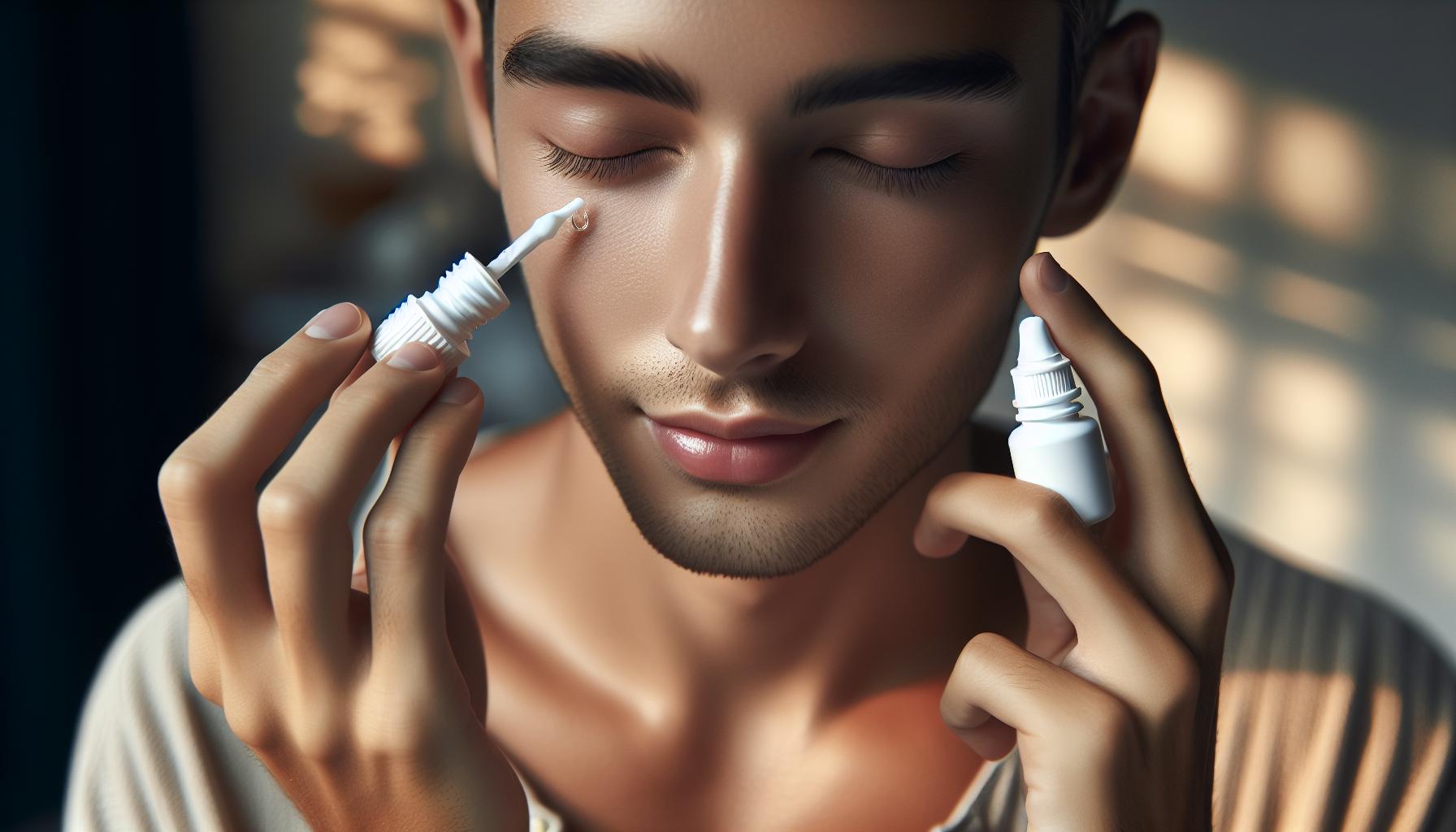
Can You Use Eye Drops for a Stye? Understanding the Basics
When faced with the discomfort of a stye, many wonder if eye drops can provide relief. Eye drops designed for this purpose may offer a soothing solution, specifically formulated to alleviate symptoms such as burning, stinging, and itching that accompany styes. Products like the Stye Sterile Lubricant Eye Drops play a crucial role, as they not only lubricate the eyes but also help to prevent further irritation by creating a protective barrier on the ocular surface. This dual-action effect can be particularly beneficial when managing stye symptoms, allowing for a greater range of comfort and relief.
Understanding the basics of eye drops for stye treatment is essential. They usually consist of sterile, lubricating ingredients that moisturize the eye, helping to relieve dryness and discomfort caused by a stye. However, it’s crucial to note that not all eye drops are created equal; those containing preservatives may irritate sensitive eyes, especially when an infection is present. Thus, opting for preservative-free formulations can provide gentler relief. Moreover, using these drops consistently according to package instructions can promote healing and comfort more effectively.
When applying eye drops, it’s essential to practice safe techniques to maximize relief and minimize the risk of further irritation. A clean hand wash before application is a must to prevent introducing bacteria into the eye. Tilt your head back slightly, pull down your lower eyelid to create a small pocket, and carefully place the drop into the eye without letting the dropper touch the eye directly. Close your eyes for a moment to allow the drop to spread evenly across the surface. This method ensures that the medicated solution reaches the affected area, providing the best chance for relief.
Types of Eye Drops: Which Ones Are Safe?
When dealing with the discomfort of a stye, selecting the right type of eye drops can significantly enhance your relief. The key lies in choosing formulations specifically designed for eye comfort, as these can help alleviate symptoms effectively without causing additional irritation. Products such as Stye Sterile Lubricant Eye Drops are particularly beneficial, as they provide soothing relief while offering lubrication to the affected area. These eye drops are formulated to minimize burning and itching, acting as a protective barrier to reduce irritation on the ocular surface.
When considering eye drops for styes, it’s crucial to focus on preservative-free options. Preservatives in some eye drops can exacerbate sensitivity, especially when an infection is present. Opting for preservative-free lubricating eye drops ensures a gentler application, making them safer for frequent use. It’s also important to follow the instructions provided on the packaging carefully, as consistent application plays a vital role in promoting healing and comfort.
Always be mindful of the ingredients in the eye drops you choose. Look for those that contain natural lubricants, such as hyaluronic acid or carboxymethylcellulose, which can help maintain moisture in the eyes and enhance comfort. If you’re ever unsure about which product to use, consulting with a healthcare professional can provide personalized recommendations based on your specific symptoms and needs.
In summary, using eye drops designed for comfort and relief, particularly those that are preservative-free and formulated with soothing ingredients, can make a significant difference in managing stye symptoms effectively. Taking a proactive approach to eye care not only aids in immediate relief but also contributes to long-term ocular health.
Recognizing Symptoms: How to Identify a Stye
Developing an understanding of a stye is key to effectively managing its uncomfortable symptoms. This small, painful bump usually appears along the eyelid and is often caused by a bacterial infection. Recognizing the signs early can help you address the issue promptly and potentially avoid a more involved treatment process.
The most obvious symptoms of a stye include a localized redness and swelling, often accompanied by tenderness around the affected area. You may feel discomfort or a sensation of something being in your eye. Discharge could also occur, leading to crusting around the eyelid, particularly after sleeping. Other indicators include increased sensitivity to light, which can further contribute to feelings of irritation.
To differentiate a stye from other potential eye issues, look for its distinct characteristics. A stye typically manifests as a swollen bump that resembles a pimple, often filled with pus. In contrast, a chalazion, though similar in appearance, tends to develop more slowly and is not usually painful. It’s important to monitor how your symptoms evolve; if they persist or worsen, it may be time to seek professional advice.
Addressing a stye with appropriate treatment, such as preservative-free eye drops or warm compresses, can soothe discomfort and promote healing. Remember, maintaining good hygiene is essential to prevent further irritation or reoccurrence. Understanding these symptoms empowers you to manage your eye health proactively and seek help when needed, ensuring you stay comfortable and confident in your daily life.
Safe Application Techniques for Eye Drops
Applying eye drops correctly is essential, especially when dealing with the discomfort of a stye. The right techniques not only enhance the product’s effectiveness but also ensure that you minimize any potential irritation or contamination. Before diving into the application process, make sure you wash your hands thoroughly with soap and water. This simple step is vital to prevent introducing any new bacteria, which can worsen your condition.
When you’re ready to apply the eye drops, consider these straightforward techniques:
- Positioning: Tilt your head back slightly and look up. This angle helps create a natural pocket in your lower eyelid for the drops.
- Using Your Fingers: With one hand, gently pull down your lower eyelid to form a small pocket. Avoid touching your eye or eyelid with the dropper tip to maintain cleanliness.
- Dispensing the Drops: With your other hand, hold the dropper bottle above the pocket you created. Squeeze the bottle to release one drop into the pocket without touching your eye.
- Closing Your Eyes: After applying the drop, close your eyes gently. It can be helpful to keep them shut for a minute or two to allow the drops to spread evenly over your eye.
- Wiping Excess: If any drops spill out, gently wipe the area with a clean tissue, being careful to avoid rubbing your eyes.
To maximize the benefits of the drops, consider using them while inflamed areas are less sensitive, perhaps after applying a warm compress for a few minutes to soothe the stye. This approach can also enhance absorption as the warm compress alleviates discomfort and can help open up the glands around the eye briefly.
Lastly, if you’re using multiple types of eye drops, allow a few minutes between different applications to prevent any interaction and ensure each medication can work effectively. Becoming familiar with these techniques can be a substantial step toward relieving stye-related discomfort while supporting your overall eye health.
Alternative Treatments for Managing a Stye
Managing a stye can often feel frustrating, but there are several alternative treatments that can help alleviate symptoms and promote healing. One of the most effective methods is the application of warm compresses. Applying a warm, damp cloth to the area for about 10 to 15 minutes several times a day can reduce swelling and encourage drainage of the blocked gland, thus providing relief from discomfort. It also increases circulation to the area, facilitating healing.
Over-the-Counter Treatments
In addition to warm compresses, over-the-counter options like stye lubricant eye drops can be beneficial. Products designed to soothe stye symptoms-such as burning, itching, and irritation-help to lubricate the eye and provide short-term relief. Keeping the eyes moist can also prevent further irritation and allow for a more comfortable recovery.
Natural Remedies
Natural remedies can bolster your stye treatment approach. Here are a few you might find helpful:
- Tea Bags: Black tea bags, when cooled to a safe temperature, can be applied to the affected area. The tannins in tea have anti-inflammatory properties that can help reduce swelling.
- Coconut Oil: Due to its antimicrobial properties, applying a small amount of coconut oil may help in preventing infection and soothing the stye.
- Aloe Vera: Known for its soothing and healing qualities, applying aloe vera gel around the stye can ease discomfort and promote healing.
Remember, while these alternative treatments can provide relief, they should be implemented with care and not replace professional medical advice. If symptoms persist or worsen, consulting a healthcare professional is essential to ensure there are no underlying issues necessitating medical attention.
When to Consult a Healthcare Professional
In the realm of eye health, knowing when to seek professional help is critical, especially when dealing with styes. While many styes are self-limiting and can be managed at home with warm compresses and soothing eye drops, there are certain indicators that signal it’s time to consult a healthcare professional. Persisting pain or discomfort, especially if it intensifies or persists for more than a few days, can indicate a more serious underlying issue that requires medical evaluation.
If you notice changes in your vision-such as blurriness or loss of vision-or if the stye is accompanied by excessive swelling, redness, or discharge, these are red flags that warrant immediate attention. Additionally, if you experience fever or systemic symptoms, it may suggest an infection that could spread beyond the eyelid. In those cases, a timely visit to your eye care provider is essential to prevent complications.
Some individuals may find that styes frequently recur. If you’re experiencing recurring styes, it may indicate a need for a thorough examination to determine potential underlying conditions, such as blepharitis or other gland dysfunctions. A healthcare professional can offer insight into personalized treatment options and preventive measures, tailoring advice to your unique needs.
Ultimately, your eyes deserve the best care. Don’t hesitate to reach out for professional guidance when in doubt. It’s always better to be safe and ensure the health of your eyes, allowing you to continue enjoying your daily activities without discomfort.
Long-Term Prevention Tips: Keeping Styes at Bay
To maintain optimal eye health and reduce the risk of developing styes, establishing a consistent eye care routine is essential. Similar to how a good skincare regimen can prevent breakouts, applying diligent care to your eyes can help keep pesky styes at bay. One of the most effective methods is to ensure your eyelids are clean and free from buildup. Gently washing your eyelids with a mild soap or a specific eyelid scrub can help remove excess oil and debris that may clog glands and lead to stye formation.
It’s also important to take a closer look at your makeup and beauty products. Using old or contaminated cosmetics can introduce bacteria to your eyes, increasing the risk of infections. Always check expiration dates, discard old products, and never share your eye makeup with others. When applying cosmetics, consider using hypoallergenic and non-comedogenic products, which are less likely to irritate your skin or clog your glands.
Another crucial aspect of stye prevention lies in your lifestyle choices. Stress and sleep deprivation can impact your immune system, leaving you more vulnerable to infections. Aim for a balanced diet rich in vitamins A, C, and E, as these nutrients support healthy skin and immune function. Staying hydrated is equally important, as it helps maintain healthy skin and mucus membranes around the eyes. Additionally, ensure you’re getting enough rest; adequate sleep allows your body to repair and rejuvenate, contributing to overall health.
Lastly, if you’re prone to styes or have a history of recurring ones, regular visits to your eye care professional are vital. They can help identify any underlying issues, such as blepharitis or skin conditions, and provide tailored advice to minimize your risk of future occurrences. Embrace these preventative strategies as part of your self-care routine, and you’ll be on your way to enjoying clear, healthy eyes without the hassle of styes.
Understanding the Healing Process of a Stye
The healing process of a stye can often feel frustrating and slow, but understanding the timeline and what to expect can help alleviate concerns during recovery. A stye, which is a blockage and inflammation of the oil glands in the eyelid, typically begins as a small, red bump, sometimes accompanied by pain, swelling, or even a crusty eyelid. Fortunately, styes usually resolve on their own in a week or two, but there are ways to support the healing process effectively.
To expedite healing and minimize discomfort, applying warm compresses can be incredibly beneficial. Taking a clean cloth and soaking it in warm water, then applying it gently over the affected area for 10-15 minutes several times a day can help the gland drain naturally. This warmth facilitates increased blood flow, helping your body’s natural defenses fight the infection and clear out clogged oils. Avoid squeezing or attempting to pop the stye, as this can lead to further irritation or even spreading the infection.
While eye drops can offer relief from associated symptoms, it is essential to choose the right type. Some over-the-counter drops designed for dry or irritated eyes can be soothing, but you should consult with a healthcare professional first to ensure they are safe for use on a stye. Additionally, maintaining eyelid hygiene during this time is crucial; gently clean your eyelids with mild soap or commercial eyelid scrubs to help reduce bacterial buildup.
As your stye heals, you may notice it gradually decreases in size; the redness will diminish, and any associated discomfort should lessen. If a stye does not improve within a week or worsens, it’s essential to seek advice from a healthcare professional. Persistent styes may require medical attention, potentially including prescription medications or in rare cases, minor surgical intervention to drain the pus. Remember, self-care is vital to the healing process, so keep your hands away from your eyes, avoid makeup, and allow your body the time it needs to recover fully.
Do’s and Don’ts of Eye Care for Styes
When managing a stye, understanding the proper eye care practices is crucial for promoting healing and alleviating discomfort. The temptation to meddle with an inflamed area is strong, but following some simple do’s and don’ts can make all the difference in recovery time and overall eye health.
Do’s
- Apply Warm Compresses: As noted, applying a warm compress can significantly help in easing inflammation and encouraging natural drainage. Make sure to do this multiple times a day for effective results.
- Maintain Cleanliness: Gently clean your eyelids with a mild soap or a commercially available eyelid scrub to reduce bacteria and promote healing.
- Use Sterile Eye Drops: If considering eye drops for symptomatic relief, opt for sterile lubricant eye drops that are safe for use even when dealing with styes. These can help soothe dryness and irritation.
- Hands Off: Avoid touching or rubbing your eyes, as this can worsen irritation or spread the infection.
Don’ts
- Don’t Squeeze or Pop the Stye: This action can lead to further complications, including increased irritation and the potential to spread infection.
- Skip Eye Makeup: While dealing with a stye, refrain from using eye makeup; this helps keep the area clean and reduces the risk of further irritation.
- Avoid Contact Lenses: If you normally wear contact lenses, consider switching to glasses until the stye fully heals to prevent discomfort and possible aggravation of the condition.
- Dismiss Symptoms: If the stye persists beyond a week or worsens, it’s essential to consult a healthcare professional to rule out more serious conditions.
By adhering to these guidelines, you empower yourself to manage a stye effectively. Remember, the goal is to alleviate discomfort while allowing your body the necessary time to heal. Taking thoughtful care of your eye health can ultimately lead to quicker recovery and fewer future issues.
Common Myths About Eye Drops and Styes
Many individuals harbor misconceptions about the use of eye drops in treating styes, which can lead to ineffective management or even worsen the condition. One common myth is that all eye drops are suitable for styes, but that is incorrect. Using non-sterile or inappropriate eye drops can introduce contaminants or exacerbate irritation. It’s crucial to opt for sterile lubricant eye drops that provide symptomatic relief by soothing dryness and irritation associated with styes, rather than treating the stye itself. Such specific formulations help mitigate discomfort without risking further infection.
Another prevalent belief is that applying eye drops directly onto the stye will help it heal faster. In reality, while the drops can alleviate discomfort from irritation, they won’t assist in the healing process of the stye itself. Instead, it’s essential to focus on basic care practices, such as warm compresses and maintaining eye hygiene. This approach can encourage natural drainage and healing without the risk of adding more substances to the affected area.
Some may think that the presence of a stye signifies a severe underlying issue or indicates that they are unclean. This is a misconception; styes can develop for various reasons, including blocked oil glands and irritation. Understanding that they are relatively common and often treatable can help alleviate anxiety. Practicing good hygiene and using appropriate products when necessary can be effective in managing and preventing future occurrences.
Lastly, it’s often misunderstood that styes can be completely prevented if one is diligent about eye care. While maintaining good hygiene can reduce the likelihood, factors beyond one’s control, such as hormonal changes or stress, can still lead to stye formation. Education and awareness are key; knowing the myths can empower individuals to approach the situation with informed confidence and prompt them to seek appropriate care when needed.
The Impact of Lifestyle Choices on Stye Formation
It’s fascinating how our everyday habits can significantly impact our eye health, particularly when it comes to conditions like styes. Lifestyle choices play a crucial role in the formation and prevention of these painful, swollen lumps that occur on the eyelid. Factors such as diet, hygiene, stress levels, and sleep patterns can either increase the risk of developing a stye or help maintain clear and healthy eyes.
One main contributor to stye formation is inadequate eyelid hygiene. Failure to remove makeup, oils, and dirt from the eyelid area can lead to clogged oil glands, creating a breeding ground for bacteria. It’s essential to incorporate a gentle cleansing routine into your daily schedule. Consider using a mild eyelid scrub or warm compress to promote eye hygiene, especially after wearing makeup. Remember, clean eyes not only reduce the risk of styes but also enhance your overall eye comfort and health.
Nutrition also plays a pivotal role. A diet high in antioxidants-such as fruits and vegetables-can strengthen the immune system, making your body better equipped to fight off infections, including those that can lead to styes. Hydration should not be overlooked; drinking plenty of water helps maintain skin moisture and overall health, reducing the likelihood of irritations that may trigger a stye.
Lastly, managing stress through relaxation and self-care can contribute to healthier eye conditions. High-stress levels may disrupt various bodily functions, including those influencing oil production in the glands around your eyes. Finding time for activities that bring you joy, such as yoga or meditation, can ease stress and ultimately benefit your eyelid health. Ensuring you get adequate rest is equally critical; quality sleep fosters better overall health and helps maintain the body’s healing processes, reducing the likelihood of developing a stye.
By integrating these lifestyle modifications-practicing good hygiene, eating a balanced diet rich in antioxidants, staying hydrated, managing stress, and getting enough sleep-you can significantly impact your susceptibility to styes and promote lasting eye health. Embrace these changes and empower yourself with knowledge for a happier, healthier eye care routine.
Frequently asked questions
Q: Can you use over-the-counter eye drops for a stye?
A: Yes, over-the-counter lubricating eye drops can help alleviate discomfort caused by a stye. However, avoid antiseptic or medicated drops unless specifically recommended by a healthcare professional. For more detailed information, check the “Types of Eye Drops: Which Ones Are Safe?” section.
Q: How often can you apply eye drops to a stye?
A: You can apply eye drops as often as directed on the product label, usually every 4 to 6 hours, to relieve irritation. Ensure hands are clean before application to prevent further infection. For application techniques, refer to the “Safe Application Techniques for Eye Drops” section.
Q: What are the side effects of using eye drops on a stye?
A: Possible side effects include stinging, redness, or temporary blurred vision. If symptoms worsen or new symptoms appear, discontinue use and consult a healthcare professional. See the “When to Consult a Healthcare Professional” section for guidance.
Q: Are there specific eye drops to avoid with a stye?
A: Yes, avoid using drops that contain preservatives or are meant for treating allergies or redness. These can irritate the stye further. For further details, refer to the “Types of Eye Drops: Which Ones Are Safe?” section in the article.
Q: Should you apply heat before or after using eye drops on a stye?
A: Applying a warm compress before using eye drops can help relieve pain and open pores, improving absorption. To learn more, check the “Safe Application Techniques for Eye Drops” section.
Q: Can styes cause vision problems?
A: While styes generally do not lead to vision problems, they can cause temporary blurred vision due to discomfort or swelling. If vision changes persist, it’s essential to consult a healthcare professional for further evaluation. Refer to the “When to Consult a Healthcare Professional” section for more information.
Q: Does using eye drops affect the healing time of a stye?
A: Using appropriate eye drops can help alleviate symptoms but won’t necessarily speed up healing time. Styes typically heal on their own within a week. For more tips on managing a stye, see the “Alternative Treatments for Managing a Stye” section.
Q: Can you wear contact lenses while treating a stye with eye drops?
A: It is advisable to avoid wearing contact lenses until the stye has fully healed to prevent irritation and further infection. For care tips, check the “Do’s and Don’ts of Eye Care for Styes” section.
Closing Remarks
If you’re dealing with a stye, remember that proper eye drop application can aid in your recovery. Always prioritize gentle techniques and consult with a healthcare professional if you’re uncertain about your symptoms. For more comprehensive tips on eye health, explore our articles on common eye problems and the best practices for eye care. Don’t wait-take the first step to clearer vision and a healthier eye routine today!
Feeling curious? Engage with others experiencing similar issues by leaving a comment or sharing your story. Also, check our guide on skincare routines to complete your beauty regimen and ensure your eyes look their best. Your path to empowerment starts here-let’s keep your eyes shining bright!