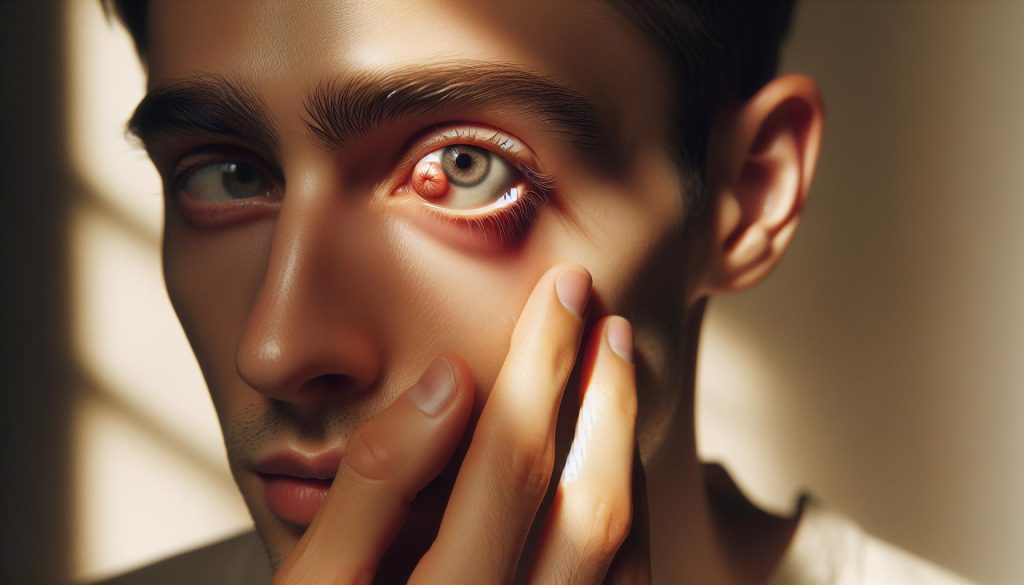
Did you know that styes can often be mistaken for common eye irritations? These painful, red lumps near the eyelid can disrupt your daily life, impacting everything from how you feel to how you see. Understanding how to identify a stye visually is crucial, as it empowers you to take action promptly and effectively.
In this guide, we’ll explore the visual signs of a stye, helping you differentiate it from similar conditions. Whether you’re a busy mom or a professional on the go, knowing what to look for can save you time and worry. You’ll learn how to care for your eyes, recognize potential issues, and discover practical steps to manage styes, ensuring your vision and well-being remain a priority. Let’s dive into the details and equip you with the knowledge you need for healthier eyes!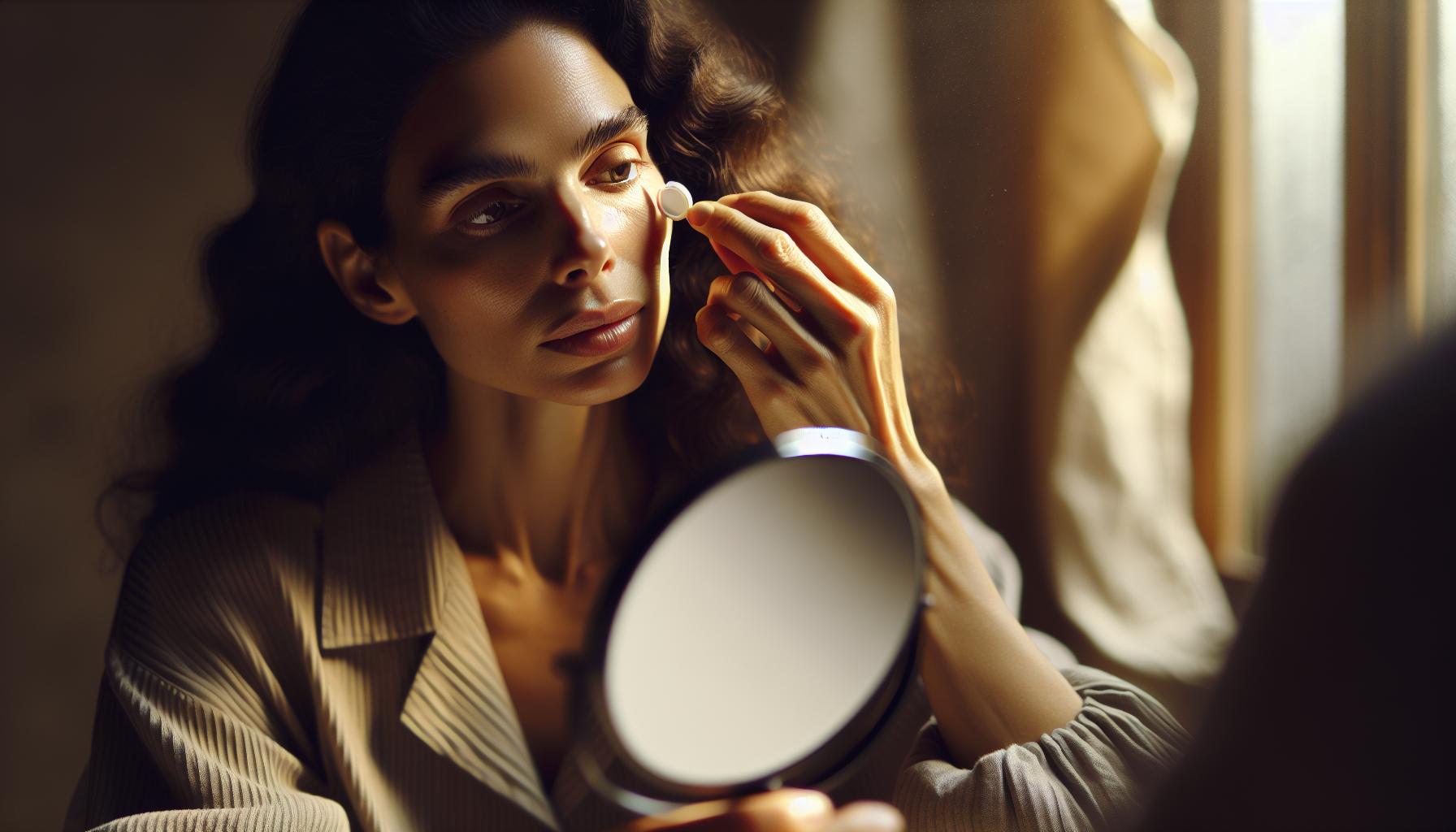
Understanding What a Stye Is and Its Symptoms
A stye, often referred to as a “sty,” is a common and typically harmless condition that manifests as a small, painful lump on the eyelid. This lump can develop on or inside the eyelid and is caused by a bacterial infection of the oil glands at the base of your eyelashes. can help you manage this condition with more confidence and ease.
Symptoms of a stye generally include:
- Redness and Swelling: The area around the bump becomes red and swollen, making the eyelid visibly inflamed.
- Pain or Tenderness: A stye is usually painful to the touch and can cause discomfort when blinking.
- Warm Sensation: The bump often feels warm due to the inflammation and infection.
- Pus-filled Lump: Styes may become filled with pus, similar to a pimple, and can sometimes rupture.
- Increased Tear Production: You may notice more tears than usual, possibly due to irritation.
It’s important to distinguish between a stye and other conditions that can affect your eyelids, such as a chalazion, which is usually painless and arises from a blocked oil gland rather than an infection. Recognizing these symptoms early can lead to quicker relief and minimize discomfort. If you see these signs, remember that while styes are common, taking proactive steps can help you feel your best while managing the irritation they cause.
How to Identify a Stye in the Mirror
To effectively identify a stye in the mirror, begin by finding natural, bright lighting as dim surroundings can obscure details. Take a moment to closely examine both your eyelids, looking for any unusual bumps or lumps. A stye typically presents itself as a small, red, swollen bump on the eyelid-often at the base of an eyelash or on the inner eyelid. It’s essential to distinguish between a stye and other eyelid conditions, such as a chalazion, which is generally larger, painless, and doesn’t involve infection.
Look for key symptoms: a stye often feels warm to the touch, is tender or painful, and may have a visible pus-filled tip. This pus-filled condition could resemble a pimple, indicating an ongoing bacterial infection. If you experience increased tear production or sensitivity to light, it would further suggest a stye’s presence. Use your fingers to carefully touch the area around the bump-if you feel pain or tenderness, it reinforces the likelihood that you are dealing with a stye.
For effective identification, take note of other symptoms that might accompany the bump. This could be redness and swelling around the eye, which indicate inflammation. Should you observe these signs, remember to avoid rubbing your eyes or using makeup, as these actions can exacerbate irritation or prolong healing. Understanding these visual cues empowers you to manage your eye health proactively and know when it might be time to consult a healthcare professional for further advice or treatment.
Common Causes of Styes You Should Know
A stye, often characterized by a painful, red bump on the eyelid, can cause concern and discomfort, but understanding its common causes can empower you to take preventive measures. Styes primarily arise from bacterial infections, typically affecting the oil glands at the base of your eyelashes. The bacteria responsible are often *Staphylococcus aureus*, which can thrive in various environments, making it crucial to maintain good hygiene around your eyes.
- Poor Hygiene: Infrequent washing of your face or touching your eyes with unclean hands can introduce bacteria, heightening the risk of developing a stye. Regular cleansing with a gentle face wash and avoiding eye makeup that hasn’t been properly removed will help keep your eyelids free from irritants.
- Blocked Glands: Conditions that cause blockage in the oil glands, such as blepharitis, can lead to stye formation. Ensuring that your eyelids are free from excess oil and debris is essential for preventing these blockages. Using a warm compress can help open clogged glands and promote drainage.
- Stress and Hormonal Changes: Stress can weaken your immune system, increasing susceptibility to infections like styes. Maintain stress-reduction practices such as mindfulness, yoga, or regular exercise to help keep your body resilient against infections.
- Risk Factors: Individuals with certain skin conditions, such as rosacea or seborrheic dermatitis, may have an increased tendency for styes. It can also be more common in those with chronic health issues that compromise immune function.
By recognizing these triggers, you can take proactive steps to reduce your likelihood of developing a stye. Remember that simple changes, like washing your hands frequently and keeping your eye area clean, can make a significant difference in your eye health. If styes become a recurrent issue, consider consulting a healthcare professional to explore underlying conditions or adjustments you might need in your skincare routine.
At-Home Remedies for Stye Relief
A stye, while often uncomfortable and sometimes alarming to see in the mirror, can be managed effectively with simple at-home remedies. Firstly, applying a warm compress is one of the most recommended approaches. It helps to soothe the area and can promote drainage, which is essential for relief. Simply soak a clean cloth in warm water, wring it out, and place it over the affected eye for about 10 to 15 minutes, several times a day. This practice not only can alleviate pain and reduce swelling but may also encourage the stye to open on its own.
Another effective remedy is maintaining cleanliness around the eye area. Gently cleansing your eyelids with mild soap or a specially formulated eyelid scrub can help remove any crust or debris that may contribute to irritation. Avoid harsh chemicals or irritating products, as they can worsen the situation. If you wear makeup, consider temporarily halting its use until the stye has resolved, as cosmetics can exacerbate irritation.
In addition to these options, over-the-counter pain relievers, such as acetaminophen or ibuprofen, can assist in managing discomfort if necessary. Should you wish to explore natural alternatives, some people find relief using chamomile tea bags. After brewing a chamomile tea bag, allowing it to cool slightly, then placing it on the stye can offer a soothing effect, thanks to the anti-inflammatory properties of chamomile.
While these remedies can be effective, it’s important to avoid squeezing or attempting to pop the stye, as this can lead to further irritation or spread of infection. By integrating these practical at-home solutions into your care routine, you can effectively manage the discomfort of a stye while supporting your overall eye health. If symptoms persist or worsen after a few days, seeking the advice of a healthcare professional is encouraged for further evaluation and treatment options.
When to Seek Professional Care for a Stye
If you’ve noticed persistent discomfort or a visible bump on your eyelid that hasn’t shown improvement with at-home treatments, it’s essential to recognize when to seek professional care. Many styes, while annoying, can often resolve independently with basic treatments like warm compresses and gentle cleansing. However, professional intervention may be necessary in certain situations to prevent complications and ensure your eye health remains intact.
Consider reaching out to an eye care professional if you observe any of the following signs:
- Increased Pain or Swelling: If the pain intensifies or if swelling spreads beyond the original site, this may indicate a more serious infection that needs medical attention.
- Vision Changes: Any blurring, light sensitivity, or other changes in vision accompanied by a stye should prompt an immediate consultation.
- Persistence Beyond a Week: If the stye lasts longer than a week despite home care, a healthcare professional can assess whether additional treatments, such as prescription antibiotics or drainage, are necessary.
- Frequent Recurrences: If styes begin to occur regularly, it might point to an underlying issue requiring further investigation.
Seek medical attention not only for treatment but also for peace of mind. Healthcare providers can offer insights into potential causes and preventive measures for future occurrences. They may recommend specific hygiene practices, medications, or even lifestyle adjustments to facilitate healthier eyelid conditions. Remember, early intervention is key to avoiding complications and ensuring your eyes remain in optimal condition.
Preventing Styes: Tips for Healthy Eyes
Taking proactive steps to maintain eye health is crucial in preventing styes, those pesky little bumps that can cause discomfort and irritation. The good news is that styes are largely preventable with some mindful practices aimed at keeping your eyelids clean and free from bacteria. A little attention to hygiene and general eye care can go a long way.
The first and most effective measure you can adopt is practicing good eyelid hygiene. Regularly clean the area around your eyes with warm water and a gentle cleanser, or consider using diluted baby shampoo for a more thorough cleanse. This helps to eliminate oil, dirt, and bacteria that can accumulate and lead to blocked glands. Additionally, remember to wash your hands thoroughly before touching your eyes and avoid sharing personal items like makeup brushes and towels, which can be breeding grounds for bacteria.
When it comes to cosmetics, be mindful of the products you use. Avoid using old or contaminated makeup, as these can harbor bacteria and increase your risk of developing styes. Always remove your makeup before sleeping, as sleeping with eye makeup on can contribute to clogged glands. If you wear contact lenses, ensure they are clean, and follow your eye care professional’s recommendations for wear and care to minimize risk.
Lastly, if you find that you are prone to styes, it may be beneficial to consult an eye care professional. They can provide personalized advice tailored to your needs, recommend specific hygiene practices, and discuss lifestyle factors that might contribute to the problem. By implementing these preventive measures, you can empower yourself to maintain healthy eyes and keep styes at bay.
Difference Between a Stye and Other Eye Conditions
Understanding the nuances between a stye and other eye conditions is vital for effective self-care and prompt decision-making about treatment. A stye is characterized by a small, red, painful lump that typically appears on the eyelid, often resembling a pimple or boil. It’s often caused by bacteria infecting the oil glands, leading to localized swelling and discomfort. However, other eye issues can present similar symptoms, making it essential to identify and differentiate them.
One common condition that can be confused with a stye is a chalazion. While a stye generally appears suddenly and is painful, a chalazion develops more gradually and usually doesn’t cause pain. A chalazion occurs when a blocked oil gland does not become infected but rather swells and forms a lump. Unlike styes, chalazia can resolve independently over time, although continued blockage may require medical intervention.
Another condition to consider is blepharitis, which entails inflammation of the eyelid margins. This condition often presents with redness, irritation, and flaking of the skin along the eyelids. Unlike a stye, blepharitis is generally chronic and may require a regular cleansing routine for effective management. Symptoms such as itching, crusted eyes in the morning, or a gritty sensation are telling signs that differentiate it from a stye, which tends to be localized and acute.
Finally, allergic reactions can mimic the appearance of a stye, leading to swollen, red eyelids; however, these are typically accompanied by other allergy symptoms like itchiness and watery eyes. Identifying whether the swelling is due to an allergic reaction, a stye, or another condition is crucial in determining the right course of treatment. Keeping a close eye on symptoms and their development will help in recognizing which condition affects you, enabling you to seek appropriate care when needed.
In summary, understanding the differences not only empowers you to manage your symptoms more effectively but also helps you avoid unnecessary anxiety and potential complications. If uncertainty persists, consulting an eye care professional is always a wise course of action.
Myths and Facts About Styes
Many misconceptions surround styes, which can perpetuate misunderstandings about this common eyelid condition. A stye, or hordeolum, is not just a cosmetic nuisance; it can be painful and affect daily life. By debunking prevalent myths, you can better understand styes and take appropriate action when needed.
One common myth is that styes are caused by poor hygiene. While maintaining good eye hygiene is crucial for overall eye health, styes are usually the result of bacterial infections in the oil glands of the eyelid. This means that even those with excellent hygiene can still develop a stye. In contrast, wearing makeup or eye products doesn’t directly cause styes, but it’s essential to use these products carefully and to avoid sharing them, as they can harbor bacteria when not stored properly.
Another misconception is that styes only occur in individuals who wear eye makeup. The truth is that anyone can develop a stye, regardless of makeup use. Various factors contribute to their formation, including stress, hormonal changes, or underlying conditions like blepharitis or rosacea, which can make someone more prone to these infections.
People often believe that styes will always require medical intervention. While most styes resolve independently within a week, some cases may need medical treatment if they persist or worsen. Over-the-counter remedies and warm compresses can often provide relief and promote healing. Knowing when to consult a healthcare professional is paramount-if symptoms intensify or do not improve, seeking expert advice is essential.
Taking an informed approach helps dispel the fears and uncertainties surrounding styes. By understanding the facts, you can empower yourself to manage your eye health effectively, ensuring you prioritize prevention and treatment in a confidence-inspiring manner.
The Role of Hygiene in Eye Health
Maintaining proper hygiene is essential not only for your overall health but also for the health of your eyes. The eyes are especially vulnerable to infections and irritations because they’re constantly exposed to the environment. Every day, dust, allergens, bacteria, and even makeup can come into contact with your eyelids and eyes, making good hygiene practices crucial in preventing conditions like styes, which are painful and inconvenient.
One fundamental hygiene practice is to keep your hands clean. Before touching your face or eyes, always wash your hands with soap and water. This simple step can significantly reduce the risk of transferring bacteria. When using makeup, ensure that you are using clean brushes and applicators. Regularly disinfect your tools, and be mindful to avoid sharing any makeup products; doing so can easily exchange bacteria between users, heightening the risk of developing a stye.
Another important aspect of eye hygiene includes removing makeup before bedtime. Leaving makeup on overnight can clog your eyelid glands, providing a breeding ground for bacteria. A gentle eye makeup remover, followed by a thorough wash with a mild cleanser, can help keep the area free from buildup. You can also incorporate warm compresses into your routine-soaking a clean cloth in warm water and applying it to your closed eyelids can help to dissolve any blockages in the glands, promoting healthy drainage.
For those prone to eye issues, enhancing your skincare routine with antibacterial products designed for eyelid care can provide additional defense against infections. Look for eyelid scrubs or wipes that are specially formulated, as they can help remove oil and debris that other cleansers may miss. By integrating these hygiene practices into your daily routine, you’ll not only be reducing the risk of styes but also promoting overall eye health as part of your commitment to self-care.
Nutritional Support for Eye Health
Maintaining eye health goes beyond just hygiene; nutrition plays a crucial role in supporting the delicate structures of your eyes. A well-balanced diet rich in specific vitamins and nutrients can help preserve vision quality and reduce the likelihood of conditions like styes and other eye-related issues. It’s fascinating to note that certain foods can foster a healthier environment for your eyes, enhancing their ability to fight off infections.
Incorporating foods high in omega-3 fatty acids is particularly beneficial. These healthy fats, found in fish like salmon and sardines, as well as flaxseeds and walnuts, support tear production and help combat dry eyes, which may alleviate conditions that lead to styes. Additionally, vitamin A is vital for maintaining good vision and overall eye health. You can find it in carrots, sweet potatoes, and leafy greens like spinach. Consuming foods rich in vitamin C, such as oranges, strawberries, and bell peppers, can boost your immune system, giving your body the resources it needs to fend off infections, including those that contribute to styes.
Another key nutrient for eye health is zinc, which plays an essential role in maintaining the retina’s function. Foods like chickpeas, nuts, and whole grains are excellent sources of zinc. Pairing these with other nutrients enhances their effectiveness: for example, a salad with leafy greens, oranges, and chickpeas not only tastes delicious but also delivers a powerful punch of nutrition tailored for your eye health.
Ultimately, a well-rounded diet that emphasizes these nutrients can help you enjoy clear vision and healthy eyes. Making conscious choices in your meals not only enhances your beauty routine but nurtures your body’s defenses against common eye problems. By prioritizing nutritional support, you empower yourself to maintain beautiful, healthy eyes, capable of keeping styes at bay and contributing to your overall well-being.
Aftercare Tips Following Stye Treatment
After treating a stye, it’s essential to follow effective aftercare tips to minimize discomfort and prevent recurrence. Styes can be quite bothersome, but with the right approach post-treatment, you can foster healing and maintain eye health. One of the best practices is to continue applying warm compresses to the affected area even after the stye has burst or started to drain. Simply soak a clean cloth in warm water, wring it out, and place it gently over the eye for about 10-15 minutes, several times a day. This can help clear any remaining debris and alleviate swelling.
Additionally, keeping your eyelid area clean is crucial. Use a gentle eyelid scrub or a mild soap with water to wash your eyelids daily. Avoid rubbing your eyes, as this can introduce more bacteria and irritate the area further. It’s also important to refrain from wearing makeup, especially eye makeup, until the stye has completely healed. Applying makeup too soon can trap bacteria, leading to further irritation or another stye.
Pay attention to your skincare routine as well. If you’ve used any products containing irritants previously, consider switching to more natural options until your eye is fully healed. Maintaining proper hygiene with personal items is equally vital; ensure that you dispose of any contaminated products, like mascara or eyeliner, to avoid the risk of re-infection.
Lastly, take care of your overall eye health by staying hydrated and getting adequate rest. A balanced diet enriched with vitamins A, C, and E, along with omega-3 fatty acids, can support immune function, further reducing the likelihood of future styes. Remember, implementing these aftercare tips not only promotes recovery but also empowers you to take control of your eye health, ensuring that your beautiful eyes remain healthy and vibrant.
Insights on Recurring Styes and Long-Term Management
Recurring styes can be a frustrating concern for many, often leading to discomfort and self-consciousness. It’s crucial to understand the contributing factors that may lead to their reappearance and how you can manage them effectively over the long term. Styes, fundamentally caused by bacterial infections in the oil glands of the eyelid, can recur due to several underlying issues, including poor hygiene, an unstable immune system, or chronic conditions like blepharitis.
To effectively manage styes and reduce their occurrence, implementing a consistent eye care routine is vital. Regularly washing your eyelids with a gentle cleanser can help eliminate bacteria and excess oils that may lead to blockages in the glands. Consider using pre-moistened eyelid scrubs, which can provide additional convenience and ensure that you thoroughly cleanse the area around your eyes. Additionally, keeping your makeup tools clean and avoiding sharing eye products can significantly diminish the risk of reinfection.
Another pivotal aspect of long-term management is paying attention to your overall health. Ensure that your diet is rich in essential nutrients, particularly those that support immune function and skin health. Incorporate foods high in vitamins A, C, and E, as well as omega-3 fatty acids found in fish, walnuts, and flaxseeds. Staying hydrated and managing stress through regular exercise and relaxation techniques can also enhance your body’s ability to ward off infections.
If styes are a recurrent issue, consider consulting with an eye care professional who can provide insights into underlying conditions that may predispose you to these infections. They may suggest additional preventive measures, such as using warm compresses regularly, implementing a nightly eyelid massage to maintain oil flow, or even prescribing specific medications if necessary. By adopting these practices, you can take proactive steps to minimize the impact of styes on your life and maintain healthy, vibrant eyes.
Faq
Q: How can I visually identify a stye in my eye?
A: You can visually identify a stye by looking for a red, swollen bump on the eyelid, often resembling a pimple. It may feel tender or painful. Checking in good lighting and with a mirror can help assess its presence and severity.
Q: What are the differences between a stye and a chalazion?
A: A stye, or hordeolum, is usually painful and appears as a red bump on the eyelid. In contrast, a chalazion is a non-painful lump resulting from a blocked oil gland, typically more gradual in appearance and often larger.
Q: Are styes contagious?
A: No, styes are not contagious. They are caused by blocked glands or bacterial infections affecting the eyelid and do not spread from person to person.
Q: What symptoms indicate a stye is getting worse?
A: A stye may be worsening if you experience increased pain, swelling that spreads across the eyelid, or worsening redness. If vision is affected or if there is significant discomfort, seeking medical attention is advisable.
Q: Can allergies cause styes?
A: Yes, allergies can irritate the eyes, leading to rubbing and inflammation, which may contribute to the development of styes. Managing allergies can help reduce the risk of getting a stye.
Q: How long does a stye usually last?
A: A stye typically lasts about 7 to 10 days. With proper care, many styes may resolve on their own without the need for medical treatment.
Q: What home treatments can help reduce the pain of a stye?
A: Applying a warm compress can help soothe the stye and promote drainage. Additionally, over-the-counter pain relievers can alleviate discomfort. Always keep the area clean to prevent further irritation.
Q: What should I do if a stye doesn’t improve?
A: If a stye does not improve within a week, or if it worsens, consult a healthcare professional. They may prescribe antibiotics or recommend other treatments to address the infection or blockage.
Key Takeaways
Thanks for exploring our Visual Identification Guide on styes! Remember, understanding how to identify and address a stye can make a significant difference in your eye health. If you still have questions or concerns about your eye care, check out our articles on At-Home Remedies for Eye Conditions and Understanding Eye Anatomy for deeper insights.
Don’t forget to sign up for our newsletter for the latest tips on skincare and women’s health. Your journey to informed and confident choices doesn’t end here. By clicking on our related resources, you can enhance your understanding of eye wellness further. If you found this guide helpful, share it with friends and family who may benefit from it too! Keep caring for your eyes, and we’ll see you in our next article!