Did you know that nearly 50% of adults deal with styes at some point in their lives? If you’re one of those facing this uncomfortable issue while wearing contact lenses, you might be wondering whether stye eye drops can be safely used. Understanding the connection between styes, eye drops, and contact lenses is crucial for maintaining eye health and avoiding further irritation.
As styes can cause redness, swelling, and discomfort, knowing how to effectively manage them while wearing contacts is essential. You might be feeling frustrated and unsure about what to do next. This guide will provide you with valuable insights on using stye eye drops with contacts, ensuring you can make informed decisions while navigating your eye care routine. Keep reading to discover safe and effective strategies for soothing your eyes without compromising your vision.
Can You Use Stye Eye Drops with Contact Lenses? Understanding the Basics
Wearing contact lenses while dealing with a stye can be a tricky situation, as comfort and eye health are paramount. A stye, characterized by the painful bump on the eyelid, may cause irritation and discomfort. Understanding how to manage contact lens use in this context is essential. The key is to prioritize your eye health; using stye eye drops can be beneficial, but caution is advised.
Stye eye drops typically contain antibiotics or anti-inflammatory ingredients designed to alleviate symptoms and promote healing. While some drops may be safe to use with contacts, others could contain preservatives or ingredients that can irritate the eye further. It’s important to check the specific type of stye drops you’re using. If they contain preservatives, it’s generally best to avoid wearing your contact lenses while using these drops, as they can lead to increased discomfort or even worsen the stye.
When considering wearing contacts during a stye, consult with your eye care professional. They can guide you on whether the specific eye drops you’re using are compatible with your lenses. In many cases, they might recommend switching to glasses until your stye heals, allowing for proper application of medications and minimizing irritation. This approach not only helps your stye heal more efficiently but also protects your lenses from contamination.
In summary, always prioritize your eye health by consulting with a professional and ensuring any treatments are compatible with your contact lenses. Taking proactive steps will help safeguard your vision and comfort as you navigate the discomfort of a stye.
What Are Stye Eye Drops and How Do They Work?
Stye eye drops serve as a key ally in the journey toward healing when faced with the discomfort of a stye. These specialized formulations often contain a blend of antibiotics and anti-inflammatory agents tailored to combat infection and reduce swelling, allowing for a clearer path toward recovery. Knowing how these drops work and their appropriate use can significantly enhance your comfort and expedite healing.
Understanding the Components
Most stye eye drops are designed to target the common bacteria responsible for styes, typically Staphylococcus aureus. By delivering antibacterial agents directly to the source, these drops help to prevent the infection from worsening. Additionally, anti-inflammatory ingredients in the drops can alleviate pain and swelling, creating a soothing effect on the affected area. Here’s a closer look at some common ingredients you might find in stye eye drops:
- Antibiotics: These fight bacterial infections, effectively tackling the root cause of the stye.
- Anti-inflammatories: Medications like corticosteroids can reduce swelling and discomfort.
- Lubricants: Some formulations include lubricants to provide additional comfort and ease dryness.
How They Work in Practice
When applied, stye eye drops penetrate the affected area, delivering medication where it’s needed most. The key is to use them consistently as directed by your eye care professional. For optimal results, ensure that you have thoroughly washed your hands before administering the drops, and avoid touching the dropper tip to any surfaces, including your eye. This helps maintain the integrity of the drops and prevents potential contamination.
Choosing the right drops-many of which might be available over-the-counter-requires paying attention to your individual symptoms and any recommendations from your healthcare provider. If the stye is particularly painful or not responding to treatment, seeking professional advice is crucial to ensure your eye health is adequately protected.
Ultimately, stye eye drops are a powerful tool in managing styes and supporting your eye health, but understanding their proper application and combining their use with preventive practices can lead to quicker recovery and prevent future occurrences. Always prioritize consulting with your eye care professional about any medications you are considering, especially when wearing contact lenses, to ensure compatible and safe practices.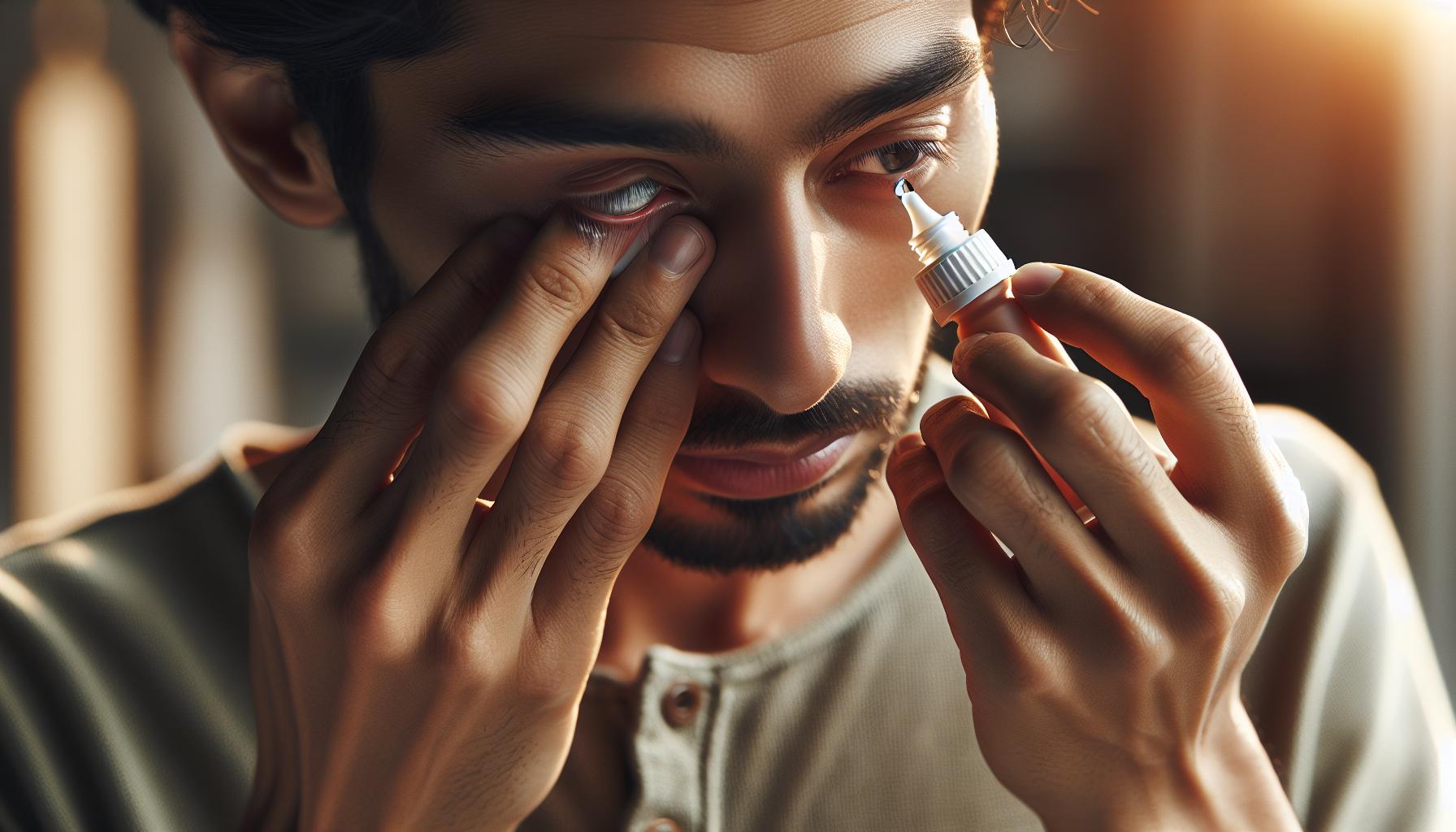
Safety Concerns: Using Stye Eye Drops with Contacts
Using stye eye drops while wearing contact lenses often raises concerns about safety and effectiveness. It’s important to prioritize eye health, especially when dealing with an irritation like a stye. The primary issue with using stye eye drops and contact lenses simultaneously lies in the preservatives commonly found in these drops. These preservatives can be absorbed by contact lenses, potentially leading to irritation or an allergic reaction when the lenses are reinserted. Consequently, the best practice is to remove your contacts before applying stye eye drops, allowing the medication to act without interference.
Another significant consideration is that wearing contact lenses with a stye can exacerbate discomfort and prolong healing. Styes can cause swelling, redness, and sensitivity, and contact lenses might aggravate these symptoms. It is typically recommended to avoid wearing your lenses until the stye has fully healed and you have received the all-clear from your eye care professional. This way, you can prevent further irritation and protect your eye from additional infection risk.
Moreover, individual reactions can vary depending on the severity of the stye and the types of drops you’re using. If you absolutely need to wear contacts, some sources suggest that it may be okay with an external stye, but playing it safe is usually best. Always consult with your eye doctor regarding the specific eye drops you are using and whether they are compatible with your contact lenses. By taking these precautions, you can ensure both effective treatment for the stye and the safety of your eye health.
Alternative Treatments for Styes While Wearing Contacts
When faced with the discomfort of a stye, managing eye health while wearing contact lenses can be particularly challenging. While stye eye drops provide relief, it’s crucial for contact lens wearers to consider safer alternatives during this time to avoid further irritation. Fortunately, various approaches can help manage styes effectively without compromising your vision or comfort.
One excellent remedy is applying warm compresses to the affected area. A warm, moist cloth placed over the eye for about 10 to 15 minutes, several times a day, can help reduce inflammation and promote drainage of the stye. This simple practice aids in soothing irritation and improves blood circulation, which can expedite the healing process. Remember to always use a clean cloth and make sure the compress is not too hot, as excessive heat can cause more harm than good.
Moreover, if you have a stye, it’s advisable to consider daily disposable contact lenses. These types minimize the risk of bacteria buildup since you discard them after one use. If you usually wear reusable lenses, switching temporarily can decrease information. Additionally, over-the-counter topical treatments, such as eyelid scrubs, can help maintain eyelid hygiene and prevent further stye occurrences without interfering with your contact lens routine.
Lastly, maintaining good eye hygiene is essential during this period. Ensure that your hands are thoroughly washed before touching your eyes or contact lenses, and avoid touching or rubbing the stye to prevent aggravation. If the stye worsens or does not improve, consulting with an eye care professional can provide personalized treatment recommendations. Together, these alternatives can support both your eye health and comfort while navigating the inconveniences of styes.
When Is It Safe to Reinsert Contacts After Using Stye Drops?
Reinserting contact lenses after treating a stye is a common concern for many wearers. The main goal is to ensure that your eyes are completely healed before returning to your regular contact lens routine. Generally, you should wait until the stye has resolved and is no longer painful or irritated. This could take anywhere from a few days to a couple of weeks, depending on the severity of the stye and your body’s healing response.
To further guide you, here are some practical tips to consider before reinserting your contacts:
- Monitor Symptoms: Ensure that the stye has fully matured and drained, and that you are no longer experiencing redness, swelling, or discomfort.
- Consult Your Eye Care Professional: It’s always a good idea to get personalized advice from a professional, especially if you are unsure about your eye’s condition. They can assess whether it is safe to resume contact lens wear.
- Clean and Replace: Use fresh, sterile contact lenses when you are ready to reinsert them. If you’ve been using re-usable lenses, consider switching to daily disposables for a while to reduce the risk of reintroducing bacteria.
- Allow for Eye Rest: After applying stye drops and treating the stye, give yourself a day or two without contacts for your eyes to adjust and recover before wearing them for extended periods.
If you’ve used any medicated eye drops, always check the product instructions. Many products recommend waiting a specific period after application before using contact lenses, to avoid contamination or discomfort. Make sure to prioritize your comfort and eye health as you transition back to your contact lens routine.
Best Practices for Contact Lens Wearers with Styes
Wearing contact lenses while dealing with a stye can be challenging. It’s essential to understand how to care for your eyes properly during this time to avoid further irritation or complications. Adhering to best practices will help ensure your comfort while protecting your eye health.
First and foremost, prioritize hygiene. Always wash your hands thoroughly before touching your eyes or handling your contact lenses. Consider using daily disposable lenses until your stye has completely healed. This practice helps reduce the risk of transferring bacteria to your eye and encourages a safer healing environment.
Another crucial step is to monitor your symptoms closely. Pay attention to any increased redness, swelling, or discomfort in the affected area. If you notice that your stye is worsening or not improving, it may be time to consult your eye care professional. They can provide personalized guidance on whether it’s safe to resume wearing contacts and help assess the suitability of the eye drops you’re using.
While using stye eye drops, it’s advisable to avoid wearing contacts during the treatment period. If you must wear them, ensure that the drops do not cause an adverse reaction or discomfort when in contact with your lenses. Always follow the instructions on the medication to determine if there’s a recommended waiting time before re-inserting your lenses. Typically, allowing your eyes to rest for one to two days post-treatment before donning your contacts is a wise practice.
Lastly, supporting your eyes’ natural healing process is vital. Regularly applying warm compresses can help alleviate discomfort associated with styes while promoting drainage. By combining these best practices with diligent care, you can facilitate a smoother recovery and return to your contact lens routine with confidence.
Signs You Should Avoid Contacts When You Have a Stye
When faced with a stye, understanding when to avoid wearing contact lenses is crucial for your eye health and comfort. It’s essential to listen to your body and recognize the signs that indicate it’s best to give your eyes a break from contacts during this uncomfortable time.
One clear sign to avoid contacts is if you experience persistent redness or swelling around the affected area. If your eyelids feel more puffy or inflamed than usual, these symptoms may indicate that your stye is worsening, and continuing to wear lenses could exacerbate irritation. Additionally, if you’re feeling any discomfort or pain, it’s wise to remove your contacts. Discomfort can often indicate inflammation or infection, making it necessary to put your lenses aside until you fully heal.
Another red flag is if you notice an increase in discharge or crusting around your eyes. This discharge can trap bacteria and exacerbate the infection, leading to further complications. In such cases, allowing your eyes to breathe without the obstruction of contact lenses can promote healing and reduce the risk of spreading bacteria. To support the recovery process, you might also want to rely on warm compresses and other soothing remedies that don’t involve lenses.
If you’ve recently started using stye eye drops, it’s particularly important to avoid contacts. Many eye drops can cause temporary blurriness or increased sensitivity upon application. Wearing contacts during this time can create an uncomfortable combination of medication and lens interaction, leading to a heightened risk of irritation. In general, if there’s any doubt about comfort or healing, opting for glasses until your stye has fully resolved is the safest and most effective choice. Taking these precautions ensures a smoother recovery and protects your overall eye health.
Immediate Steps to Take for Eye Comfort with a Stye
Experiencing a stye can be uncomfortable and frustrating, but taking the right steps can significantly enhance your eye comfort during this time. One of the most effective immediate actions is to apply a warm compress to the affected area. This simple remedy helps to soothe irritation, reduce swelling, and may even promote drainage of the stye. To use a warm compress, soak a clean cloth in warm water, wring it out, and gently press it against the eye for about 10-15 minutes. This can be repeated several times a day to help alleviate discomfort.
In addition to warm compresses, it’s crucial to maintain good hygiene. Avoid touching your eyes with unwashed hands, as this can exacerbate the infection and lead to further irritation. If you’re using stye eye drops, ensure that your hands are clean before applying them, and follow the dosage recommendations provided by your healthcare professional. If you’re experiencing any symptoms of discomfort after applying the drops, such as redness or a stinging sensation, it’s best to consult your doctor for further advice tailored to your situation.
When dealing with a stye, remember that minimizing the use of makeup, particularly eye makeup, can also contribute to your comfort and facilitate healing. Makeup products can irritate the area further or introduce bacteria, thus prolonging the healing process. You may want to save your makeup routine for when your eye is fully healed. Opting for glasses instead of contact lenses during this period will allow your eye to breathe and recover without additional pressure or irritation from the lenses.
Lastly, staying hydrated and eating a balanced diet rich in vitamins can support your body’s healing process. Foods high in vitamins A, C, and E, as well as omega-3 fatty acids, are beneficial for eye health. By incorporating these practices, you’ll not only address the immediate discomfort of a stye but also support your overall eye health effectively.
Consulting Your Eye Care Professional: Key Questions to Ask
Consulting a professional when you’re dealing with a stye can feel daunting, but it’s an essential step in ensuring your eye health, especially if you wear contact lenses. Having essential questions prepared for your eye care professional can empower you to make informed decisions about your treatment. Start by asking about the suitability of stye eye drops for your specific condition. It’s crucial to know if the medication is compatible with your contact lenses, as certain preservatives in eye drops can accumulate on lenses and lead to irritation or infection.
Additionally, inquire about when it’s safe to resume wearing your contacts after using stye drops. Understanding the healing timeline can help you plan appropriately and avoid complications. Ask if there are specific signs of infection to look for while using drops, so you can quickly address any issues that may arise.
Another critical question is to seek guidance on alternative treatments that might be more suitable given your contact lens use. Your doctor may provide insights into lifestyle changes or over-the-counter options that can ease discomfort while you wait for the stye to heal. Don’t hesitate to discuss your eye hygiene routine as well; your eye care professional can suggest best practices tailored to your situation, ensuring you maintain optimal eye health while using contacts.
Finally, consider asking about preventive measures to avert future occurrences of styes, especially if you frequently wear contact lenses. Engaging in a clear dialogue with your eye care provider not only alleviates your concerns but also embraces a proactive approach to your eye care management.
Preventive Eye Care Tips for Contact Lens Users
Wearing contact lenses shouldn’t compromise your eye health, and special care is needed to ensure that styes don’t become a recurring issue. Protecting your eyes is not only about managing existing conditions but also about taking proactive steps to prevent future problems. Maintaining proper hygiene and following good contact lens practices can significantly lower the risk of developing styes while you enjoy the convenience and comfort of your lenses.
To begin with, always wash your hands thoroughly before handling your contact lenses. This simple yet effective measure significantly reduces the risk of transferring bacteria to your eyes. When cleaning your lenses, stick to recommended cleaning solutions; never use tap water or saliva as substitutes, as they can introduce harmful organisms. Additionally, make it a habit to change your lenses as recommended-whether daily, bi-weekly, or monthly-depending on your lens type to avoid issues related to buildup or irritation.
A critical aspect of eye health, especially for contact lens wearers, is staying hydrated and maintaining a balanced diet rich in vitamins A and C, omega-3 fatty acids, and antioxidants. These nutrients support ocular health and can help mitigate inflammation. Moreover, consider incorporating a consistent eye care routine that includes regular use of lubricating eye drops (ensure they’re preservative-free) to keep your eyes moist and comfortable, particularly in dry environments or after prolonged screen time.
Building a Routine
When experiencing discomfort or signs of a stye, such as redness or swelling, it is wise to offer your eyes a break from contact lens wear. Opt for glasses until any irritation subsides, as this allows your eyes to heal and reduces the risk of worsening the condition. If you routinely experience eye discomfort, consult your eye care professional, as they may recommend specific products or lifestyle adjustments to prioritize your eye health.
Lastly, educate yourself on stye symptoms and their triggers. Stress, poor hygiene, and inadequate sleep can all contribute to their development. By managing stress through relaxation techniques, ensuring a full night’s sleep, and following rigorous hygiene standards, you can significantly reduce the likelihood of future styes disrupting your daily life. Empowering yourself with knowledge and good habits will not only help keep your eyes healthy but can also enhance your overall well-being.
Common Misconceptions About Styes and Contacts
Many people hold misconceptions about styes and how they interact with contact lenses, which can lead to unnecessary discomfort or complications in eye care. One common myth is that wearing contact lenses is completely safe even if you have a stye. In reality, wearing contacts can exacerbate irritation and prolong healing because the lenses can trap bacteria and debris against the eye, leading to further inflammation and discomfort. It is often advisable to switch to glasses during a stye episode to allow your eye to recover properly.
Another misconception is that all stye treatments are suitable for contact lens wearers. Some over-the-counter eye drops and ointments may contain preservatives that can irritate the eye further if used with contact lenses. Using preservative-free lubricating eye drops can provide relief from discomfort, but you should always consult with your eye care professional about the best options tailored to your specific situation. This is especially true when considering antibiotic medications, as some eye drops meant for treating styes can also affect lens wear.
Moreover, many believe that styes are simply caused by poor hygiene. While hygiene plays a role, other factors such as hormonal changes, stress, and underlying health conditions can contribute to their development. It’s essential for contact lens users to maintain overall eye health through a balanced diet rich in nutrients that support vision. Regular eye exams can also help in identifying risk factors before they lead to a stye, ensuring that you can wear your contacts comfortably and safely.
In addition to these points, there’s the myth that it is fine to reinsert contacts immediately after treating a stye with medication. Typically, it’s safer to wait at least 24 hours after using stye drops before putting your contacts back in. This allows your eye the time it needs to heal and reduces the risk of irritation or infection. Staying informed and aware of these misconceptions can empower contact lens users to manage their eye health effectively and enjoy their lenses without complications.
Resources for Managing Styes and Protecting Eye Health
Ensuring eye health while managing a stye can be a delicate balancing act, especially for those who rely on contact lenses. One pivotal resource is your eye care professional. Don’t hesitate to reach out with questions about the best stye treatments while wearing contacts, as well as personalized recommendations for drops or ointments that minimize irritation. They can guide you on the safest eye drops to use, ensuring they align with your contact lens care routine.
Practicing good hygiene is paramount for preventing and managing styes. Always wash your hands thoroughly before handling your contact lenses, and clean your lenses as per manufacturer’s instructions. Regularly replacing your contact lenses as directed can also prevent buildup of bacteria, reducing the risk of styes. Utilize preservative-free eye drops to alleviate dryness or discomfort without compromising the safety of your lenses. It’s vital to keep your eye area clean; gently wash your eyelids with a mild soap or a lid scrub, especially if you frequently experience styes.
Be aware of the signs that indicate you should avoid contact lens wear during a stye outbreak, such as increased redness, swelling, or discharge. Switching to glasses not only allows the eye to heal but also reduces irritation from the lens. Immediate comfort measures, including applying a warm compress to the affected area, can help reduce swelling and promote healing. Even something as simple as adjusting your environment-reducing exposure to dust and allergens-can make a significant difference.
Lastly, maintaining overall eye health through a balanced diet rich in vitamins A, C, and E, along with regular eye exams, can fortify your defenses against styes. Stay informed about nutrition that supports eye health and the benefits of hydration. Educating yourself about styes, their causes, and treatment options empowers you to take control of your eye care routine, allowing you to wear your contact lenses comfortably and safely. Engaging with these practices not only helps manage current styes but also contributes to long-term eye health.
Frequently Asked Questions
Q: Can you use stye eye drops while wearing contact lenses?
A: No, it’s not recommended to use stye eye drops while wearing contact lenses. It’s best to remove your lenses until the stye has healed completely to prevent further irritation and promote healing [2[2].
Q: How long should you wait before wearing contacts after using stye drops?
A: You should wait until the stye has fully healed and you no longer experience redness or discomfort. Typically, it’s advisable to consult your eye care professional for a specific timeframe based on your condition [2[2].
Q: What are the risks of using stye drops with contacts?
A: Using stye drops with contacts can introduce bacteria or irritants that may worsen your condition or lead to complications. Always prioritize eye safety by removing lenses [3[3].
Q: Are there alternatives to stye drops for contact lens wearers?
A: Yes, warm compresses can help alleviate discomfort from a stye without the need for stye drops, allowing you to continue wearing your contacts as long as they are clean and your eyes aren’t irritated [2[2].
Q: What are signs that you should avoid contacts when you have a stye?
A: Symptoms like redness, pain, and swelling around the eye indicate that you should avoid contacts. If these symptoms persist, it’s best to consult a healthcare provider [2[2].
Q: Can using stye eye drops cause further irritation while wearing contacts?
A: Yes, using stye eye drops could potentially irritate your eyes further when combined with contact lenses. Any medication needs to be carefully managed to avoid complications [3[3].
Q: What should I do if I accidentally wore contacts with a stye?
A: If you have worn contacts with a stye, remove them immediately and monitor for any increased irritation. It’s advisable to consult your eye care provider for further instructions [2[2].
Q: Is it safe to wear daily contacts if I have a history of styes?
A: Daily contact lenses can be safer for those prone to styes as they reduce the risk of buildup and contamination compared to reusable lenses. Regular cleaning and proper hygiene are crucial [3[3].
To Conclude
In summary, while using stye eye drops with contacts may seem convenient, it’s crucial to prioritize your eye health. Always consult with an eye care professional to ensure you’re making the best choice for treatment. If you’re experiencing discomfort, consider removing your contacts until the stye has resolved and you can safely resume wear. Don’t forget to explore our articles on proper eye care practices and effective at-home remedies for styes to empower your health journey.
Ready to dive deeper? Sign up for our newsletter to receive expert tips directly in your inbox, and join our community for ongoing discussions about women’s health and beauty concerns. Your journey towards healthier, happier eyes starts now-please share your thoughts or questions in the comments below!