
Did you know that using the wrong medication for an eye condition can worsen your symptoms or lead to prolonged discomfort? Many people confuse treatments for styes with those for pink eye, but these conditions require different approaches. Understanding this difference is crucial to ensure proper healing and avoid complications.
In this article, we’ll explore the risks of using stye medicine for pink eye. By shedding light on the distinct differences between these two common eye issues, we aim to empower you with the knowledge you need to make informed decisions about your eye care. Whether you’re dealing with irritation or discomfort, knowing the right treatment can save you time, money, and unnecessary suffering. Let’s dive into what you need to know to keep your eyes healthy and thriving.
Understanding Styes vs. Pink Eye: Key Differences
While styes and pink eye may both cause discomfort around the eyes, they are fundamentally different conditions that require distinct approaches to treatment. Understanding these differences is crucial for effective management and preventing complications. A stye, or hordeolum, is a localized infection of the eyelid, often appearing as a red, swollen bump filled with pus. It typically arises from the blockage of an oil gland at the base of the eyelashes, often due to bacterial infection. On the other hand, pink eye, or conjunctivitis, is the inflammation of the conjunctiva-the tissue covering the white part of the eye and the inside of the eyelids. This condition can be caused by infections (viral or bacterial), allergies, or irritants, leading to symptoms like redness, itchiness, and watery discharge.
Proper diagnosis is key, as using stye treatments for pink eye can aggravate the latter condition. For instance, while warm compresses can alleviate the pain and swelling of a stye, they may worsen the symptoms of an infectious conjunctivitis. Conversely, antibiotic drops used for bacterial pink eye may not be effective for a stye, which is often self-limiting and may not require antibiotics unless there’s a more severe infection. Recognizing these differences not only aids in selecting the right treatment but also helps mitigate the risk of spread, particularly in cases of contagious pink eye.
It’s vital to pay attention to symptoms and seek professional evaluation if there’s uncertainty. For example, if swelling persists beyond a few days or if vision is affected, attention from an eye care professional is essential. In summary, distinguishing between these eye conditions is not just a matter of nomenclature-it can significantly impact treatment efficacy and overall eye health.
How Stye Medicine Works: Ingredients and Uses
When it comes to treating eye conditions, knowing how specific medicines work and their intended effects can make a significant difference in recovery and comfort. Stye medicine typically includes ingredients that target the underlying infection or swelling associated with a stye, yet these treatments are not suitable for pink eye, which necessitates a different approach.
Common over-the-counter treatments for styes may include antibiotic ointments or topical treatments formulated to reduce inflammation and combat bacteria. Ingredients like bacitracin or chloramphenicol are often found in these products. Bacitracin is effective against bacteria, helping to clear an infection, while products containing warm compress applications, like those made from salt or herbal extracts, can reduce pain and promote drainage. The objective is to alleviate the localized infection and restore the normal function of the meibomian glands, which can be obstructed in stye formation.
Conversely, using stye treatments for pink eye can hinder healing and lead to complications. This is primarily because the root causes diverge; styes are often bacterial while pink eye can stem from various factors including viral infections, allergic reactions, or irritants. Utilizing antibiotic ointments aimed at treating styes on a viral pink eye may not only prove ineffective but could also exacerbate symptoms. Therefore, it’s critical to understand the unique needs of each condition. In cases of pink eye, antihistamines or antiviral medications are usually recommended instead, depending on the cause.
### Key Considerations:
- Stye Treatment: Antibiotic ointments and warm compresses.
- Pink Eye Treatment: Antihistamines, antiviral medications, or antibiotic eye drops if bacterial.
- Effectiveness: Using stye treatments for pink eye can delay proper care and recovery.
By ensuring you select the appropriate treatment according to the specific eye condition, you empower yourself to achieve a quicker recovery. Always consider consulting a healthcare professional for an accurate diagnosis before using any medications on your eyes. Understanding the distinctions between these treatments is essential for maintaining eye health and avoiding unnecessary complications.
Risks of Using Stye Medicine for Pink Eye
Using stye medicine to treat pink eye may seem like a quick fix, but it comes with significant risks that can impede your recovery. These two conditions have different underlying causes, and treating one with the medication intended for the other can lead to complications. Styes are typically caused by bacterial infections affecting the oil glands in your eyelid, while pink eye, or conjunctivitis, can be triggered by viral infections, allergies, or irritants. Therefore, using the antibiotic ointments designed for styes may not only fail to alleviate pink eye symptoms but could also worsen them by introducing additional bacteria to an already vulnerable area.
The ingredients in stye treatments, like bacitracin and chloramphenicol, are effective against bacteria but inappropriate for addressing the broader range of causes that lead to pink eye symptoms. If the pink eye is allergic or viral, applying stye medicine may lead to an extended recovery period, as it does not target the actual culprit. Additionally, overusing antibiotics can contribute to resistance, meaning that if you later need proper treatment, it may be less effective.
Moreover, mistaking stye symptoms for pink eye can delay appropriate care. If the condition worsens or doesn’t improve, seeking professional help is vital. Experienced eye care professionals can offer specific treatments, such as antihistamines for allergic reactions or antiviral medications for viral infections, that appropriately address the root of the problem.
In conclusion, while self-treatment can be appealing, understanding the differences between styes and pink eye is essential for effective management. The best approach is to consult a healthcare provider to obtain a correct diagnosis and treatment plan, ensuring a safe and swift recovery for your eye health.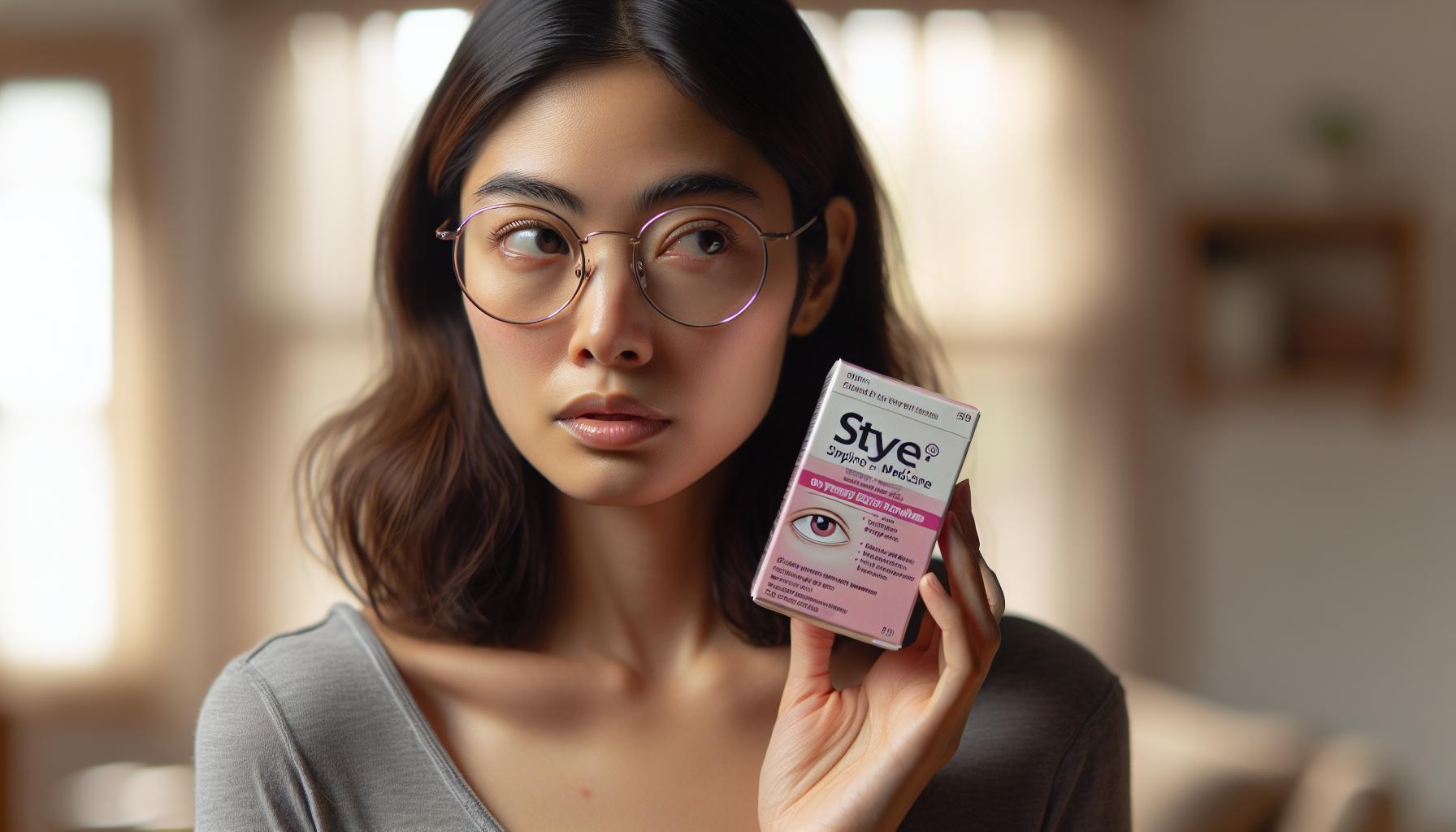
When to Choose Stye Treatment Over Pink Eye Remedies
When faced with eye discomfort, knowing whether to reach for stye treatment or pink eye remedies can be confusing, especially since the two conditions can present with overlapping symptoms. Styes, characterized by a painful, swollen lump on the eyelid, are primarily caused by bacterial infections in the oil glands. In contrast, pink eye, or conjunctivitis, can arise from viral infections, allergies, or irritants, leading to redness, itching, and discharge. Understanding these differences is vital in guiding your treatment choices.
If you notice a bump on your eyelid accompanied by tenderness, redness, and swelling, it’s likely indicative of a stye. In such cases, using treatments specifically designed for styes, which often contain antibiotics like bacitracin, can be effective in targeting the bacteria responsible. Apply a warm compress to the area for relief and expedite healing; this method, while simple, can work wonders by promoting drainage and reducing discomfort. However, if your symptoms lean more towards generalized redness, itching, and tearing without a distinct lump, it’s time to reconsider your approach, as these signs point towards pink eye.
Making a decision should also hinge on symptom duration and severity. If you’ve had painful eyelids for a few days with no sign of improvement after the application of stye medicine, it’s crucial to reassess. Persistent symptoms suggest that your condition may not be appropriately addressed with stye treatments. Remember, eye health can significantly impact daily life, so prioritizing effective treatment is essential. Consulting a healthcare provider can ensure you receive the right medication, whether it’s antihistamines for allergies or antiviral agents for viral infections.
Ultimately, distinguishing between these eye conditions is key to choosing the correct treatment. Each requires specific remedies tailored to their underlying causes; misusing stye medicine could lead to complications like prolonged discomfort or even worsening of symptoms. Trust your instincts, monitor your symptoms, and don’t hesitate to seek help when needed; your eyes deserve the best care!
Common Symptoms of Styes and Pink Eye
Understanding the nuances between styes and pink eye can make all the difference in effectively managing these common eye conditions. Both can create discomfort, but they often manifest very differently. A stye typically presents itself as a painful, swollen bump on the eyelid, often resembling a pimple or cyst. The area around the stye may become red and tender, and it’s not uncommon to experience some localized swelling. In contrast, pink eye, or conjunctivitis, is characterized by a broader array of symptoms that include general redness in the eye, excessive tearing, discharge, and itching. Those affected by pink eye might also experience a gritty feeling in their eyes, which can be quite bothersome.
Recognizing these symptoms is crucial. For a stye, the focus is often on a specific, localized area on the eyelid, while pink eye tends to affect the entire eye, including the inner eyelids. In addition to these key symptoms, it’s important to be vigilant about any accompanying signs, such as sensitivity to light or crusting around the eyes, which can indicate a more serious condition.
To further guide your understanding, consider these common symptoms associated with each condition:
- Stye: Painful lump on the eyelid, swelling of the eyelid, redness, tenderness, and sometimes drainage of pus.
- Pink Eye: Redness of the whites of the eyes, increased tearing, eye discharge (which can be watery or thick), itching, and irritation.
Understanding these distinctions helps in choosing the appropriate course of treatment. Using stye medication for pink eye may not only be ineffective but could also worsen your condition or prolong discomfort. Therefore, observing the specific symptoms and understanding their implications can lead to better eye health decisions. If you’re ever in doubt, consulting a healthcare professional will ensure you receive the right guidance tailored to your symptoms.
Alternative Treatments for Pink Eye at Home
Many individuals seek alternative treatments at home for managing pink eye symptoms due to the discomfort and disruption this condition can cause. While it’s essential to recognize that professional medical advice should be sought for a definitive diagnosis and treatment plan, there are various home remedies that can help alleviate discomfort associated with pink eye.
One of the most effective home treatments is to apply warm compresses to the affected eye. This can help soothe irritation, reduce puffiness, and alleviate discomfort caused by inflammation. To create a warm compress, soak a clean cloth in warm water (not too hot), wring it out, and gently place it over your closed eyelid for about 5-10 minutes, several times a day. This simple practice can also aid in loosening any crusty discharge.
In addition, maintaining good eye hygiene is crucial. Washing your hands regularly and avoiding touching your eyes can prevent further irritation or infection. If discharge accumulates, consider using a saline solution to rinse the eyes gently. A homemade saline solution can be created by dissolving a teaspoon of salt in 2 cups of boiled, cooled water. With a clean dropper or an eye wash cup, you can apply this solution to the affected eye as needed.
For those who experience allergic conjunctivitis, over-the-counter antihistamine eye drops may provide relief from symptoms such as itching and redness. Always check with a healthcare professional before introducing any new treatment, even over-the-counter options, to ensure they are appropriate for your specific situation.
Lastly, practicing some eye-friendly habits can be beneficial. Ensure you give your eyes regular breaks when using screens, maintain proper lighting, and ensure your environment is free from irritants like smoke or strong perfumes. These modest lifestyle changes, combined with appropriate home remedies, can effectively help manage pink eye symptoms and promote overall eye health.
Consulting a Doctor: When Is It Necessary?
While many may feel inclined to self-diagnose and treat their eye issues at home, there are critical moments when consulting a healthcare professional becomes necessary for proper care. Recognizing the nuances between different eye conditions, such as styes and pink eye, is crucial for effective treatment. A stye typically presents as a painful bump on the eyelid, stemming from a blocked gland, while pink eye, or conjunctivitis, involves inflammation and redness in the eye’s thin layer. Misusing stye medicine, designed to tackle a localized infection, may lead to increased discomfort or unaddressed complications if a more serious condition like pink eye is present.
Understanding when to seek medical advice boils down to tracking specific symptoms and their severity. If your symptoms worsen or you experience accompanying issues such as vision changes, increased redness, or pus-like discharge from the eye, it’s time to schedule a visit. Persistent symptoms lasting more than a few days, particularly if you notice swelling or significant pain in the eye area, warrant professional consultation. These could be signs of a more significant underlying issue-such as a deeper infection-that requires targeted treatment rather than general over-the-counter remedies.
It’s also essential to consider any history of eye conditions or existing health issues. Individuals with existing eye diseases or compromised immune systems should be especially vigilant. This also applies if there are multiple instances of similar symptoms; recurrent eye infections should not be dismissed. Physicians can provide a comprehensive evaluation and determine the specific cause of the eye discomfort, ensuring you receive the most effective treatment.
In summary, while home remedies can be beneficial for minor issues, it’s crucial to listen to your body and recognize when professional guidance is needed. Erring on the side of caution not only aids in swift recovery but also helps in preventing potentially serious complications in eye health. Trusting your instincts and prioritizing your eye care plays an essential role in maintaining overall well-being.
Preventative Measures for Eye Health
Taking proactive steps to maintain your eye health can significantly reduce your risk of infections such as styes and pink eye. One fundamental practice is regular hygiene, particularly handwashing. Washing your hands often, especially before touching your face or handling contact lenses, is crucial in preventing bacteria or viruses from reaching your eyes. When you manage to keep your hands clean, you not only enhance your overall health but also minimize the likelihood of eye infections.
Another important aspect is proper eye makeup care. Ensure that any eye makeup you use is fresh and non-expired. Always remove makeup before sleeping to prevent clogged glands in your eyelids, which can contribute to stye formation. Consider using hypoallergenic products to reduce irritation, particularly if you have sensitive skin or allergies. Additionally, sharing makeup, especially eyeliners and mascara, should be avoided to reduce the transmission of harmful bacteria.
Protective Measures and Lifestyle Choices
Incorporating a few lifestyle choices can also make a substantial difference in eye health. Eating a balanced diet rich in vitamins A, C, and E, along with omega-3 fatty acids, supports eye function. Foods like carrots, sweet potatoes, spinach, and fatty fish can help maintain eye health. Staying hydrated is important, as well, since proper hydration keeps the mucous membranes in your eyes moist, reducing irritation.
Regular visits to your eye care professional for comprehensive exams should be a priority. This is particularly vital if you have a history of eye conditions or wear contact lenses. Your doctor can provide personalized advice and preventive care strategies based on your unique health profile. They may also recommend protective eyewear to shield your eyes from the sun’s harmful UV rays or from digital screens if you spend extended periods in front of them.
By adopting these practices, you empower yourself to take charge of your eye health. Knowing the preventative measures to implement can help stave off conditions like styes and pink eye, ultimately allowing you to enjoy clearer vision and a greater sense of well-being.
Debunking Myths About Eye Infections
Despite the commonality of eye infections, a myriad of misconceptions surrounds their origins, treatments, and implications. One prevalent myth is that stye medication can effectively treat pink eye (conjunctivitis). While both conditions are eye-related, their causes and treatments are distinctly different. Styes are typically caused by bacteria leading to localized infections in the eyelid, often appearing as red, painful bumps. In contrast, pink eye is generally an inflammation of the conjunctiva, which can stem from various sources, including viruses, bacteria, and allergens. Using stye medicine for pink eye not only fails to address the underlying issue but can also lead to complications, as these medications are not formulated to combat viral infections or the diverse causes of conjunctivitis.
Another common misconception is that eye infections can only occur in dirty environments. In reality, cleanliness is crucial for eye health; however, infections can arise even in seemingly sterile situations. Even everyday habits, like touching your eyes after handling contact lenses or using contaminated makeup, can lead to infections. Education about proper eye hygiene-such as washing hands before touching the face and ensuring makeup is fresh-can go a long way in preventing these infections.
It’s also important to understand the role of antibiotics in eye infections. Many people believe that antibiotics can treat all types of eye infections effectively. However, viral conjunctivitis, for example, cannot be treated with antibiotics and will typically resolve on its own. Overusing these medications can contribute to antibiotic resistance and may result in ineffective treatment when truly needed. The key takeaway is that understanding the nature of your eye infection is essential in determining the appropriate treatment and avoiding the risks associated with misusing medications.
Staying informed and remaining skeptical of common myths enables you to take proactive steps in eye care. When in doubt, seeking guidance from a healthcare professional ensures accurate diagnosis and appropriate treatment tailored to your specific condition. Empowering yourself with the right knowledge not only enhances your eye health but also contributes to overall well-being.
Understanding Over-the-Counter Options: What Works?
Over-the-counter (OTC) options for managing eye conditions have become increasingly popular as individuals seek relief without the need for a prescription. However, choosing the right product and understanding its purpose is crucial, especially when considering the differences between treatments for styes and pink eye. Stye medications typically contain ingredients designed to reduce inflammation and fight localized bacterial infections, making them effective for treating a painful bump on the eyelid. Commonly found OTC options may include warm compresses, antibiotic ointments, and anti-inflammatory eye drops aimed specifically at alleviating these symptoms.
In contrast, medications marketed for styes are not appropriate for treating pink eye, which can be caused by bacteria, viruses, or allergens. OTC remedies for pink eye usually focus on alleviating redness, itchiness, or discomfort and may include antihistamines or lubricating eye drops. It’s essential to read labels carefully; for instance, some products may contain active ingredients like ketotifen, which helps with allergic reactions but does not address infections. This distinction is vital because using stye medicine for pink eye won’t just be ineffective, it could also mask symptoms of a more serious condition.
When faced with eye irritation, it’s often helpful to start with basic self-care measures. A simple routine may include applying a warm compress to soothe discomfort, keeping the eye area clean, and avoiding touching the eyes without washing hands first. Consulting a pharmacist or doctor can provide tailored recommendations, ensuring the chosen OTC option suits your specific situation, particularly if symptoms persist or worsen.
While navigating OTC eye medications, always prioritize understanding their intended use. By doing so, you empower yourself to make informed decisions that promote eye health and comfort. Knowing the right product to choose can significantly reduce the risk of complications and facilitate a quicker recovery for your eyes.
The Importance of Accurate Diagnosis for Eye Conditions
Misidentifying eye conditions can lead to ineffective treatments and prolonged discomfort. Styes and pink eye may exhibit overlapping symptoms, such as redness and swelling, which can easily confuse even the most attentive individuals. This highlights the importance of obtaining an accurate diagnosis to ensure the right approach to treatment. Utilizing stye medication for pink eye, for instance, is not only incorrect but can also obscure underlying issues that may require different therapies.
When in doubt, consulting a healthcare professional is paramount. They can swiftly examine the eye and determine the specific nature of the irritation. Their expertise can alleviate unnecessary worry and guide you toward the right medications or home remedies. Self-diagnosing and treating eye conditions might seem convenient, but it can lead to complications or chronic issues if the condition is mismanaged. A proper diagnosis will help identify whether the issue is due to bacteria, a virus, an allergy, or simply an irritation, allowing for an adapted treatment plan.
Furthermore, understanding which symptoms align with each condition is beneficial. Common signs of a stye include localized pain and tenderness, often accompanied by a visible bump on the eyelid, whereas pink eye generally entails more generalized redness, itching, and discharge. Keeping track of these symptoms can empower women to communicate clearly with healthcare providers, ensuring a more efficient and effective diagnosis process. Always be vigilant-if symptoms worsen or new ones arise, it’s crucial to seek further medical advice promptly.
In essence, obtaining an accurate diagnosis is the cornerstone of effective eye care. Not only does it enhance treatment outcomes, but it also fosters peace of mind. By making informed decisions and prioritizing professional guidance, you set the stage for optimal eye health and a swift return to clarity and comfort.
Q&A
Q: What are the main differences between a stye and pink eye?
A: A stye is a localized infection of an eyelash follicle or oil gland, resulting in a painful bump, while pink eye (conjunctivitis) is broader, involving inflammation of the conjunctiva, causing redness, discharge, and irritation. Knowing these differences is crucial for effective treatment.
Q: Can you use over-the-counter stye medication for pink eye symptoms?
A: No, over-the-counter stye medications are designed to treat localized infections and cannot address the broader symptoms of pink eye. Using stye medicine for pink eye risks delaying appropriate treatment and worsening the condition.
Q: What are the potential risks of using stye treatments for pink eye?
A: Using stye treatment for pink eye can lead to ineffective relief, increased irritation, or complications such as worsening infection or bacterial spread. For accurate diagnosis and appropriate treatment, consult a healthcare professional.
Q: When should you consult a doctor for pink eye versus a stye?
A: Seek medical advice if pink eye symptoms persist longer than a few days, worsen, or if you experience severe discomfort. In contrast, styes typically resolve within a week but should be evaluated if they last over 10 days.
Q: Are there preventative measures for styes and pink eye?
A: Yes, maintaining good hygiene, such as frequent hand washing, avoiding touching your eyes, and not sharing personal items, can help prevent both styes and pink eye. Regularly cleaning eyelids and avoiding makeup during infections are also beneficial.
Q: What home remedies can help alleviate symptoms of pink eye?
A: For pink eye, applying a warm compress can soothe irritation, while artificial tears can help with dryness. However, avoid home treatments that are not medically recommended; consult with a healthcare professional for proper guidance.
Q: How can you differentiate the symptoms of styes and pink eye?
A: Styes typically present as a red, painful bump on the eyelid, whereas pink eye manifests as red, itchy eyes, with possible discharge. Recognizing these symptoms helps ensure proper treatment and care.
Q: Why is accurate diagnosis important for eye conditions?
A: Accurate diagnosis prevents inappropriate treatments, which can lead to complications or prolonged discomfort. Understanding the specific condition allows for effective management, especially since treatments for styes and pink eye differ significantly.
Wrapping Up
It’s essential to prioritize the right treatment for your eye health. Using stye medicine for pink eye can lead to complications and may not provide the relief you seek. If you’re experiencing symptoms of pink eye, seek professional advice to prevent worsening your condition. Don’t hesitate to check out our articles on eye care best practices and common misconceptions about eye treatments for further insights.
Take control of your health by exploring our resources on eye hygiene and skincare routines, ensuring you’re well-informed. Stay connected with us for regular updates-consider subscribing to our newsletter for expert tips directly to your inbox. Remember, making informed decisions today fosters a healthier tomorrow for your eyes!