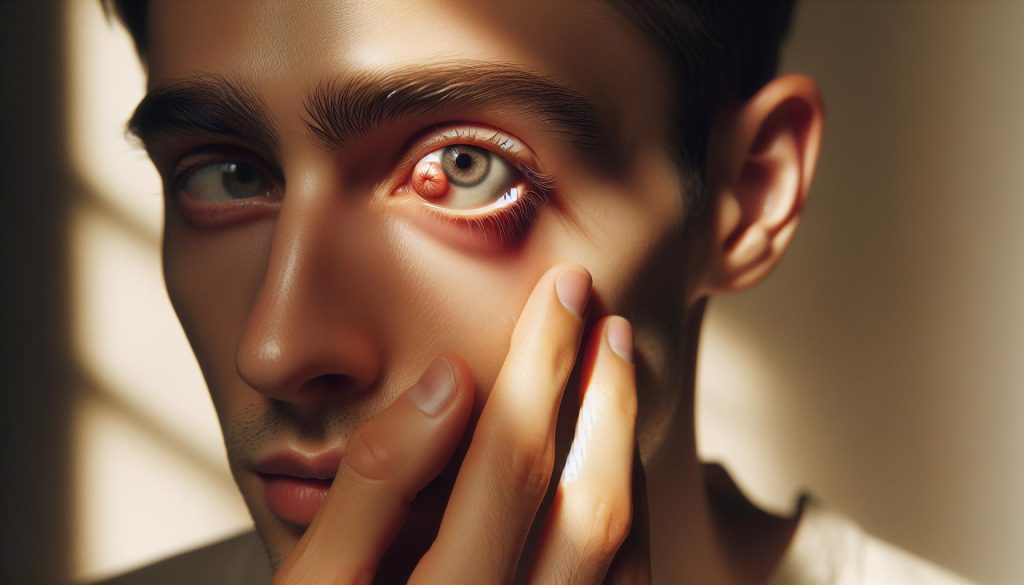
Dealing with a stye can be frustrating, especially when it comes to maintaining your beauty routine. A stye, which is a painful lump near your eye caused by an infected oil gland, often raises the question: Can you wear eye makeup while dealing with this irritation? Understanding the do’s and don’ts of makeup application in this situation is crucial for protecting your eye health and promoting healing.
Many women find themselves wanting to conceal the stye, but wearing makeup incorrectly can exacerbate the issue and lead to further complications. In this article, we’ll explore practical tips to navigate makeup usage during a stye outbreak, providing you with the knowledge to balance beauty and health. Plus, we’ll share effective remedies to alleviate discomfort while keeping you looking your best. Your eyes deserve the utmost care, and making informed choices can help you achieve both comfort and confidence during this time.
Can You Wear Eye Makeup With a Stye? Understanding the Basics
Wearing eye makeup when you have a stye can be a tricky decision. A stye, which is a painful lump that forms on the eyelid, often results from blocked glands and can cause discomfort and swelling that affects your entire eye area. Applying makeup during this time might seem like a way to maintain your beauty routine, but it can also complicate your condition and prolong healing.
When dealing with a stye, the primary focus should be on allowing it to heal. This means being cautious about what products you use. Many eye makeup products, especially those containing irritants or heavy pigments, can exacerbate inflammation. They can also introduce bacteria into the area, increasing the risk of a worsening infection. Moreover, if you have been using the same makeup brushes or applicators that may have come into contact with bacteria, it’s best to avoid using them to prevent further irritation or infection.
Instead of traditional makeup, consider lighter products or simply opt for a more natural look. If you feel that you need to use makeup for an event or gathering, focus on products specifically designed to be safe and non-irritating. Always prioritize your eye health; if you experience any increased irritation or redness while using makeup, it’s best to remove it immediately and consult with a healthcare professional. Understanding how to navigate makeup use with a stye is essential for both your beauty routine and your overall well-being.
What is a Stye? Causes and Symptoms Explained
A stye, medically known as a hordeolum, is more than just a minor annoyance; it’s a common yet painful eyelid infection that can disrupt your daily routine. Typically, it appears as a red, swollen bump at the base of your eyelashes and can range from a small pimple-like lesion to a larger, more inflamed area. Understanding the causes and symptoms of a stye is vital, especially if you’re considering wearing eye makeup during an outbreak.
The primary cause of a stye is a bacterial infection, often due to germs that enter through the oil glands or hair follicles near the eyelashes. This infection can be triggered by factors such as stress, poor hygiene, or pre-existing skin conditions like blepharitis. Symptoms may include redness, tenderness, and swelling of the eyelid, along with a sensation of tingling or irritation. In some cases, the stye may also produce a discharge or cause excessive tearing.
Recognizing these signs early on can help you take appropriate measures to alleviate discomfort and prevent the condition from worsening. Avoiding eye makeup during this time is crucial, as applying products can aggravate irritation and potentially spread bacteria. When considering your beauty routine, prioritize your eye health, opting instead for gentle care methods and consulting with a healthcare professional if symptoms persist. By focusing on healing first, you’ll be able to return to your makeup routine more effectively and safely in the long run.
Eye Makeup Risks: Why You Should Avoid Certain Products

Using eye makeup when you have a stye might seem tempting, especially if you want to mask the redness or swelling, but it’s crucial to understand the inherent risks involved. With a stye being an infection, applying makeup can not only worsen the condition but also prolong your recovery time. The delicate skin around your eyes is sensitive, and the introduction of products-particularly those that are not sterile-can lead to further irritation or even a more severe infection.
Certain eye makeup products, especially older ones, can harbor bacteria, and the risk of transferring those bacteria to your eyelid is significantly heightened when applying makeup over an infected area. Mascara, eyeliner, and eyeshadow that contain preservatives and chemicals may irritate your skin and exacerbate the inflammation associated with a stye. If you’re using a product that’s past its expiration date, the risk increases; expiration can lead to bacterial growth, which is particularly harmful when an infection is already present.
Moreover, touching your eyes to put on makeup can inadvertently spread the bacteria from the stye to other parts of your eye or even to your other eye, leading to multiple styes or other infections. It’s essential to resist the urge to apply makeup until your stye has fully healed to ensure that you don’t extend the life of the irritation or create an entirely new issue. Instead, consider alternatives for soothing the area, such as warm compresses, which can help alleviate discomfort and promote healing.
In short, avoiding eye makeup during a stye outbreak is the best approach for your eye health. Prioritize healing and allow your body to recover so that when you’re ready to return to your favorite beauty routines, you can do so without additional complications.
Do’s for Wearing Eye Makeup with a Stye

It’s understandable to want to look your best, even when dealing with the discomfort of a stye. However, if you find yourself in this situation, there are some considerate steps you can take to manage your eye makeup choices while prioritizing your eye health.
Firstly, if it’s absolutely necessary to wear makeup around the affected area, consider the use of brightly colored eyeshadows to draw attention away from the stye instead of applying products directly over it. Choosing lighter, less irritating formulations can help minimize discomfort and possible irritation. Opt for hypoallergenic and fragrance-free products, which are usually gentler on sensitive skin. An eye shadow with minimal ingredients helps to reduce the likelihood of further irritating the stye.
Always ensure your tools are clean. Makeup brushes should be thoroughly sanitized before each use, as they can harbor bacteria that may exacerbate your condition. Use a clean cotton swab or sterile applicator rather than your fingers to apply products around the eye. This not only enhances hygiene but also prevents the risk of transferring more bacteria to the stye or other parts of your eye.
If you experience any irritation or discomfort, it’s wise to remove all makeup immediately. At this time, placing a warm compress over the stye can provide relief and encourage healing. Remember, your eye health is paramount; it’s best to err on the side of caution and give your body the time it needs to heal before indulging in your full makeup routine again.
Don’ts: Makeup Mistakes to Avoid with a Stye

Applying makeup when you have a stye can be tempting, especially if you want to maintain a polished look. However, certain choices can worsen the condition or prolong discomfort. It’s important to recognize common pitfalls when navigating your beauty routine during this time.
First and foremost, avoid using products directly on or near the stye. Liquid eyeliners, mascaras, and cream eyeshadows can further irritate the area or introduce bacteria, increasing the risk of infection. Instead, steer clear of these products altogether. If you do decide to apply makeup, ensure it’s at a safe distance from the stye. Additionally, abstaining from using old or expired makeup is crucial. Bacteria can thrive in outdated products, making your stye worse.
Another critical mistake is neglecting to update your application tools. Using the same mascara wand or eyeliner pencil that you’ve had for months can introduce harmful bacteria into your eye area. Consider using disposable applicators or cleaning your brushes with rubbing alcohol before each use to minimize contamination. This creates an extra barrier between your sensitive eye area and any potential irritants.
It’s also essential to bypass heavily pigmented and irritating makeup products, like glitter or bold colors that require heavy layering. These can lead to excessive rubbing of the eyes. Instead, opt for gentle, hypoallergenic formulations that promise good quality without the irritating chemicals. Remember to prioritize comfort and simplicity; sometimes less is more, especially when healing from a stye. If you find that any makeup causes discomfort, do not hesitate to remove it immediately and give your eye the chance to recover.
Choosing Safe Eye Makeup Options During Treatment

When facing a stye, your eyes may feel especially sensitive and irritable, making it essential to choose makeup carefully. While it can be tempting to conceal the discomfort with cosmetics, selecting the right products can play a significant role in your healing process. Opting for safe eye makeup options does not mean sacrificing your desired look; rather, it’s about being mindful of ingredients and product formulations that won’t exacerbate the condition.
Start by seeking out hypoallergenic and fragrance-free products specifically formulated for sensitive eyes. These options are less likely to cause irritation or trigger allergic reactions. Look for brands that offer gentle formulas, such as mineral-based products, which often contain safer ingredients. Avoid any formulations that advertise long-lasting wear or waterproof qualities, as these can be more difficult to remove and may require more friction during cleansing, further irritating your eyes.
Additionally, prioritize products that are labeled as non-comedogenic and dermatologist-tested. Creams or liquid shadows can harbor bacteria, so consider using powdered products, which are generally safer as long as you remember to keep your brushes clean. Always ensure to apply makeup from a safe distance-steering clear of your stye-to minimize the risk of contact. If you must use mascara or eyeliner, try applying it only to the other eye and finding a product designed for sensitive eyes to reduce potential irritation.
By being attentive to the makeup you choose and maintaining a gentle application technique, you can enhance your appearance while allowing your eyes the healing space they need. Prioritizing your eye health fosters a beautiful glow that radiates well-being, emphasizing that beauty routines should be supportive of your overall health, especially in times of discomfort.
Home Remedies to Alleviate Stye Symptoms
A warm compress is one of the simplest yet most effective remedies for alleviating stye symptoms. It helps to increase blood circulation to the area and encourages the stye to drain naturally. To make a warm compress, soak a clean washcloth in warm (not hot) water, wring it out, and gently place it over the affected eye for around 10-15 minutes. This can be done several times a day. Remember to use a fresh cloth each time to avoid introducing bacteria.
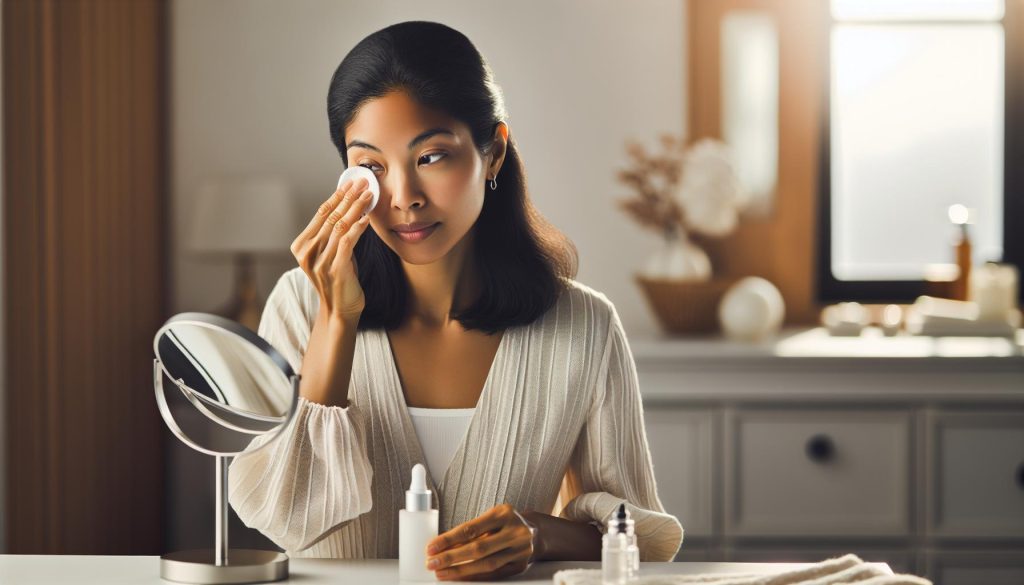
In addition to warm compresses, eyelid hygiene plays a critical role in managing styes. Keeping your eyelids clean can help prevent the buildup of debris and oil that can contribute to styes. You can create a gentle eyelid scrub using diluted baby shampoo or buy over-the-counter eyelid wipes. Be sure to clean your eyelids gently, avoiding any direct contact with the stye itself, to reduce irritation.
Another helpful home remedy is using chamomile tea bags. After steeping the tea bags, allow them to cool slightly, then place them on your closed eyelids. Chamomile has soothing properties and may assist in reducing inflammation and discomfort.
For some, applying a small amount of tea tree oil diluted with a carrier oil (like coconut oil) around the eye area, being cautious not to get it directly in the eye, can help due to its antibacterial properties. However, sensitivity can vary, so it’s wise to perform a patch test on skin away from the eyes first.
If pain or swelling persists, consider over-the-counter pain relievers, such as ibuprofen or acetaminophen, which can help manage discomfort. Avoid any cosmetics near the affected eye, as this may worsen the irritation. By following these remedies and maintaining eye hygiene, you can promote a quicker recovery while minimizing the potential for recurrence of styes. Always consult a healthcare professional if symptoms do not improve within a week or worsen, as they may require further medical intervention.
Tips for Maintaining Eye Hygiene with Makeup
Maintaining eye hygiene, especially when dealing with a stye, is crucial to prevent worsening the condition or risking future outbreaks. Many women love their eye makeup, but during this time, you must be vigilant about keeping your eyelids clean and free from contaminants. Proper hygiene not only helps with recovery but can also enhance your overall comfort, making it easier to transition back to your regular beauty routine once the stye has healed.
One of the most effective strategies is to ensure your makeup tools are pristine. Always wash your hands before touching your face or applying makeup. Clean your brushes and applicators regularly, using a gentle soap or a specialized brush cleaner to kill any bacteria that could exacerbate the stye. It’s advisable to avoid using mascara, eyeliner, or eye shadow during this period, as these products can harbor bacteria that may lead to further irritation or infection. If you must use makeup, opt for new, hygienic products, and consider using disposable applicators.
In addition to sanitation practices, adopting a basic eyelid care routine is essential. Use dilutive baby shampoo or over-the-counter eyelid wipes to clean your eyelids gently. This action helps to remove oils and debris that can cause blockage in the glands around your eyes, contributing to styes. Remember to dab softly around the affected area, avoiding any direct contact with the stye itself to minimize irritation. Keeping your eyelids clean and free from buildup supports recovery and can help prevent future styes from developing.
Lastly, consider your environment and lifestyle habits. Ensure to change pillowcases frequently, as they can collect bacteria and oil that transfer to your skin. Additionally, always remove eye makeup before bed, as leaving it on can irritate your eyes and potentially aggravate any underlying conditions. By prioritizing these hygiene practices, you not only help your stye heal faster but also create a healthier canvas for your beauty regime in the long run.
When to Seek Medical Advice for a Stye
It’s important to be vigilant about your eye health, especially when dealing with a stye, which is often a source of discomfort and concern. While many styes can resolve on their own with proper care, there are certain signs and symptoms that indicate it’s time to consult a healthcare professional. If you find that the stye is not improving within a few days or begins to worsen, seeking medical advice is essential. Persistent symptoms, such as increased redness, swelling around the eyelid, or a fever, may signal a more serious infection that requires treatment.
Furthermore, if you experience significant pain, vision changes, or discharge that seems abnormal, these are clear indicators that you should consult with a healthcare provider. A stye can sometimes lead to complications, including chalazia, which are larger lumps formed when a gland is blocked, or even cellulitis, a bacterial skin infection that may spread. If you’re uncertain whether to continue wearing eye makeup, err on the side of caution; irritable and compromised areas are more susceptible to bacterial colonization which could prolong healing.
When visiting a healthcare provider, be prepared to discuss your symptoms and any home remedies you’ve tried. They may suggest tailored treatment options, ranging from warm compresses to topical antibiotics or, in some cases, drainage procedures. Remember, early intervention can often prevent complications and promote quicker healing, so don’t hesitate to reach out for help when dealing with a stye. Prioritizing your eye health is key to maintaining your beauty routine and overall well-being.
Preventive Care: How to Avoid Future Styes
Maintaining eye health is crucial, especially when it comes to preventing styes. Styes, often caused by bacterial infections in the glands around the eyelash base, can be both painful and unsightly. Following some simple yet effective preventive measures can drastically reduce your chances of experiencing these irritating bumps.
First and foremost, practicing good hygiene is key. Always wash your hands before touching your face or eyes. Consider using separate towels for your face, and wash your pillowcases regularly to eliminate any bacteria that may linger. If you wear eye makeup, ensure that your brushes and applicators are cleaned regularly. Avoid sharing makeup with others, as this can spread bacteria that lead to styes.
Additionally, evaluate your makeup products for potential irritants. Look for hypoallergenic and non-comedogenic labels, which are less likely to cause reactions. Ingredients like fragrances and preservatives found in some cosmetics can irritate sensitive skin around the eyes, potentially leading to infections. If you suspect certain products might lead to issues, consider switching to brands specifically designed for sensitive skin or consult a dermatologist for recommendations.
It’s also wise to remove your makeup thoroughly before bed. Sleeping with makeup can clog the glands in your eyelids, increasing the likelihood of styes. Use a gentle makeup remover that effectively cleans without causing irritation. After removing your makeup, consider applying a warm compress to your eyelids. This practice not only soothes tired eyes but also helps to keep the oil glands functioning properly.
Lastly, if you’ve had recurrent styes, it might be beneficial to discuss with a healthcare professional about underlying conditions, such as blepharitis or other eyelid issues, that may contribute to the problem. By arming yourself with knowledge and adopting consistent eye care practices, you can protect your eye health and enjoy applying makeup without worry.
Alternative Beauty Tips During Stye Recovery
Navigating beauty routines during stye recovery can be challenging, but it doesn’t mean you have to sacrifice your self-care or feel less confident. In fact, there are several alternative beauty tips to help you look and feel your best while promoting healing.
Firstly, consider embracing a minimalistic approach to your makeup routine. While heavy eye makeup should be avoided during a stye episode, you can still achieve a fresh look with a few key products. Focus on enhancing your skin’s natural glow with a tinted moisturizer or lightweight foundation. This not only offers coverage but also keeps your skin hydrated without irritating it further. For lips and cheeks, opt for natural, nourishing products such as tinted lip balms and cream blushes that provide a healthy pop of color without the heaviness of powders.
Gentle Alternatives
In terms of eye care, explore non-irritating eye products that don’t require applying anything directly along the lash line. For instance, a good quality eye serum can hydrate and soothe the entire eye area without aggravating your stye. If your eyes feel tired or puffy, use a cooling eye gel or create a DIY eye mask with chilled cucumber slices or cold green tea bags. These methods can revitalize your look while avoiding any products that may interfere with the stye healing process.
Focus on Hygiene
When it comes to maintaining your makeup tools during this period, cleanliness is paramount. Regularly disinfect your brushes and applicators, and consider using disposable applicators whenever possible to reduce the risk of bacterial contamination. Additionally, if you need to replace any makeup items that come into contact with your eyes, steer clear of your old products to avoid reinfection.
Through this time, remember that your health and comfort should take precedence. Supporting the healing process can lead to a quicker recovery and allow you to return to your regular beauty routine feeling refreshed and revitalized. Embrace this opportunity to give your skin a break, and focus on loving your natural beauty until you can safely proceed with your full makeup regimen.
Understanding Makeup Ingredients: What to Look For
When you’re dealing with a stye, understanding the ingredients in your makeup can significantly influence your healing process. Certain ingredients can irritate sensitive skin around the eyes or exacerbate inflammation, while others can offer soothing benefits. Therefore, becoming an informed consumer is key to maintaining both your beauty routine and eye health.
Start by looking for products labeled as hypoallergenic or non-comedogenic, which means they are less likely to cause allergic reactions or block pores. Ingredients such as aloe vera or cucumber extract can provide calming effects that may help alleviate discomfort surrounding the stye. Products free from parabens, fragrance, or alcohol are often gentler and less likely to irritate the skin. In addition, consider formulations that are water-based rather than oil-based, as they tend to be lighter and less irritating for inflamed areas.
It’s equally important to avoid products with harsh chemicals or irritants. For example, avoid any makeup that contains sulfates or certain preservatives, which can trigger further irritation. If you use mascara or eyeliner, choose brands that specifically advertise eye safety, ideally those labeled as ophthalmologist-tested. Additionally, take a closer look at expiration dates on your products-expired makeup can harbor bacteria that could worsen your stye.
When selecting eyeshadow or makeup for your cheeks and lips, aim for products with minimal ingredients, favoring those that utilize natural components. The simpler the formula, the lesser the risk of irritating your stye. Always patch test new products on a less sensitive part of your skin before applying them near your eyes, especially during stye recovery. This ensures that you can enjoy beauty without compromising your healing process. As you navigate your makeup choices, prioritize your comfort and health while still feeling beautiful.
Faq
Q: Can eye makeup worsen a stye?
A: Yes, wearing eye makeup can worsen a stye by introducing bacteria into the affected area and causing further irritation. Avoid mascara, eyeliner, and eyeshadow until the stye has healed to prevent exacerbating the condition.
Q: How long should you wait to wear makeup after a stye?
A: It’s best to wait at least a week after the stye has completely healed before applying eye makeup again. Ensure that your eye is fully recovered to prevent reinfection and irritation.
Q: What types of eye makeup are safest during a stye?
A: If you must wear eye makeup with a stye, consider using hypoallergenic, non-irritating products designed for sensitive eyes. It’s crucial to apply them carefully and avoid touching your stye.
Q: Can I use makeup brushes if I have a stye?
A: It’s advisable to avoid using makeup brushes around a stye since they can harbor bacteria. If you must use them, ensure they are thoroughly cleaned and sanitized beforehand.
Q: Should I throw away my eye makeup after a stye?
A: Yes, it’s recommended to discard any eye makeup used while you had a stye, as it can become contaminated. This includes mascara, eyeliner, and other eye products to avoid reinfection.
Q: How can I cover up a stye without makeup?
A: Use a cold compress to reduce swelling, and consider wearing glasses instead of contact lenses to minimize irritation without applying makeup. This approach helps keep the area clean and free from further irritation.
Q: Is it safe to wear false eyelashes with a stye?
A: It is not safe to wear false eyelashes with a stye. The adhesive can irritate the stye further and increase the risk of infection. Wait until the stye has completely healed before applying any false lashes.
Q: Can allergies cause styes, affecting my makeup use?
A: Yes, allergies can contribute to stye formation due to inflammation and irritation of the eyelid. If you have allergies, it’s crucial to avoid makeup that may contain allergens and consult with a healthcare provider for appropriate management strategies.
In Retrospect
While it’s essential to prioritize your eye health when dealing with a stye, understanding the do’s and don’ts of wearing makeup can help you navigate this sensitive situation. Remember, avoiding makeup is often the best choice until your stye has healed to prevent irritation and further complications. For more tips on caring for your eyes, check out our articles on eye hygiene and skincare routines that promote eye health.
Feeling uncertain about your next steps? Give yourself the best chance for a quick recovery by exploring our guide to at-home remedies and preventive measures for styes. Don’t forget to subscribe to our newsletter for the latest insights on women’s health and beauty-empower yourself with knowledge and confidence! Share your experience in the comments below, and let’s support each other on this journey to healthy, beautiful eyes.