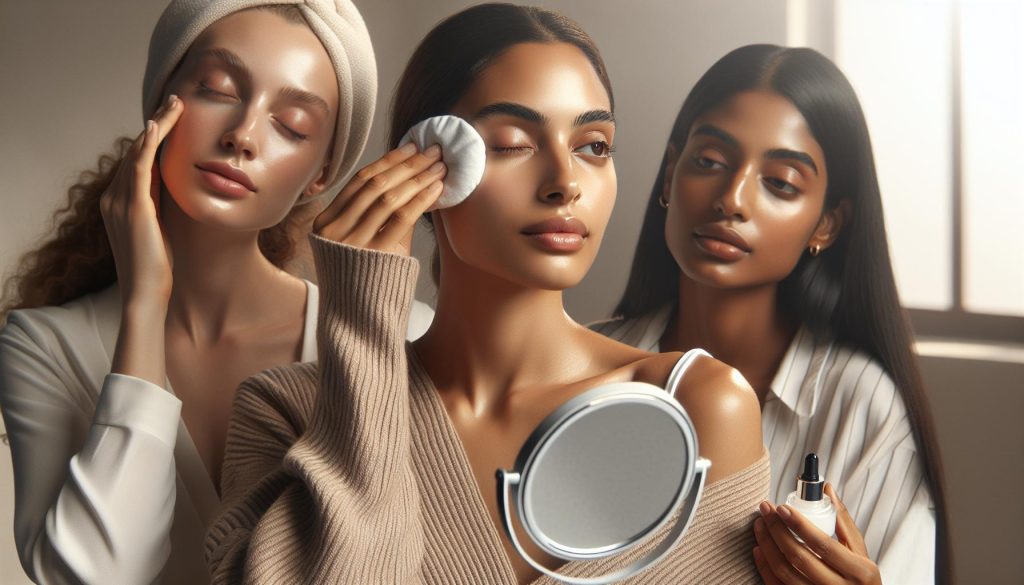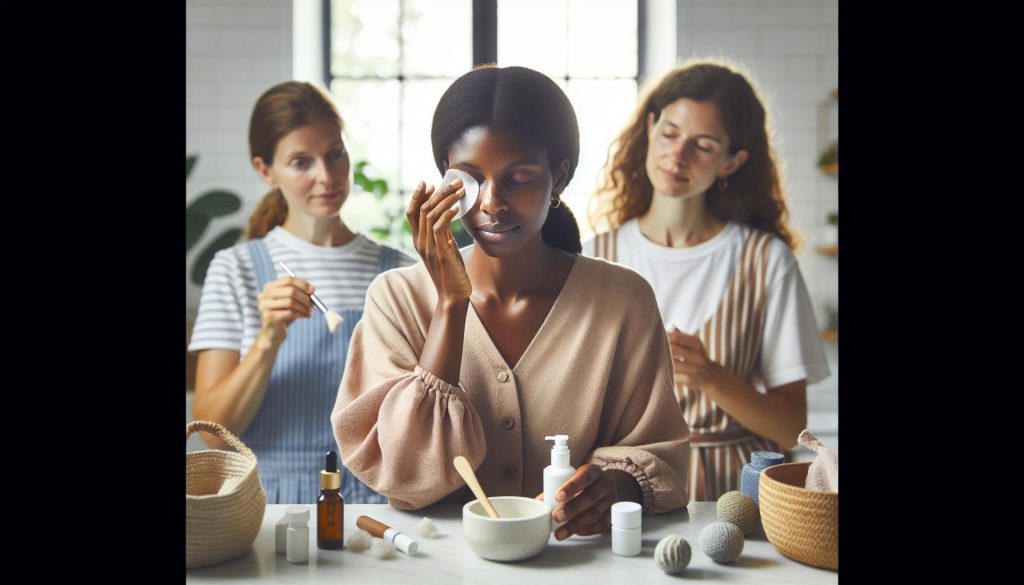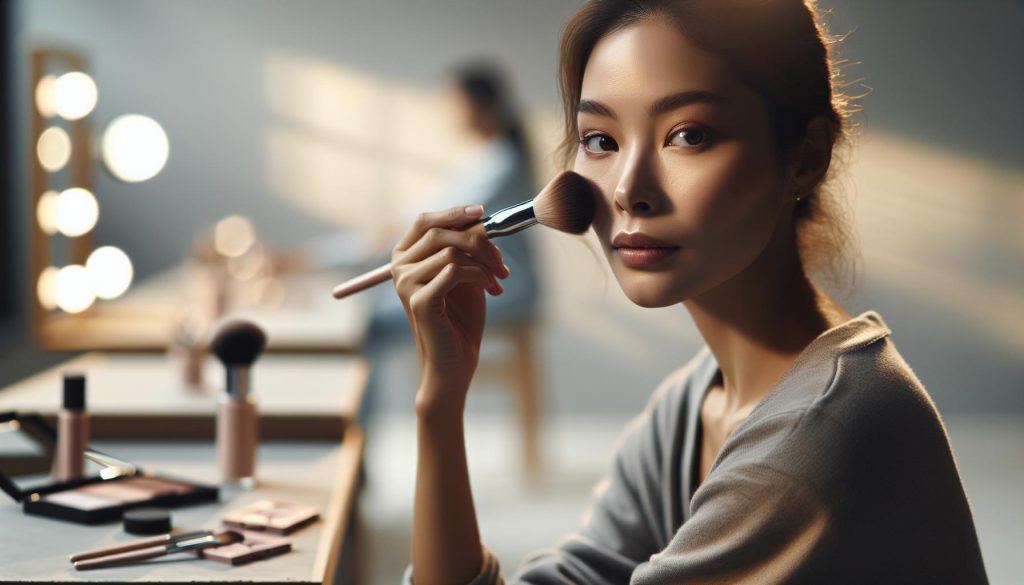
A stye can disrupt not only your vision but also your beauty routine, leaving many wondering, “Can I still wear makeup?” It’s a common concern: while makeup enhances our features, a stye can lead to discomfort and irritation. Understanding how to care for your eyes while still feeling good about your appearance is essential.
In this article, we will explore the important safety guidelines regarding makeup use during a stye, helping you make informed and responsible choices. By addressing your beauty needs alongside your health concerns, we aim to empower you with practical knowledge and effective tips to navigate this challenge-ensuring that you can prioritize both wellness and beauty seamlessly. Read on to discover what steps you can take to maintain your eye health while enjoying your favorite beauty products.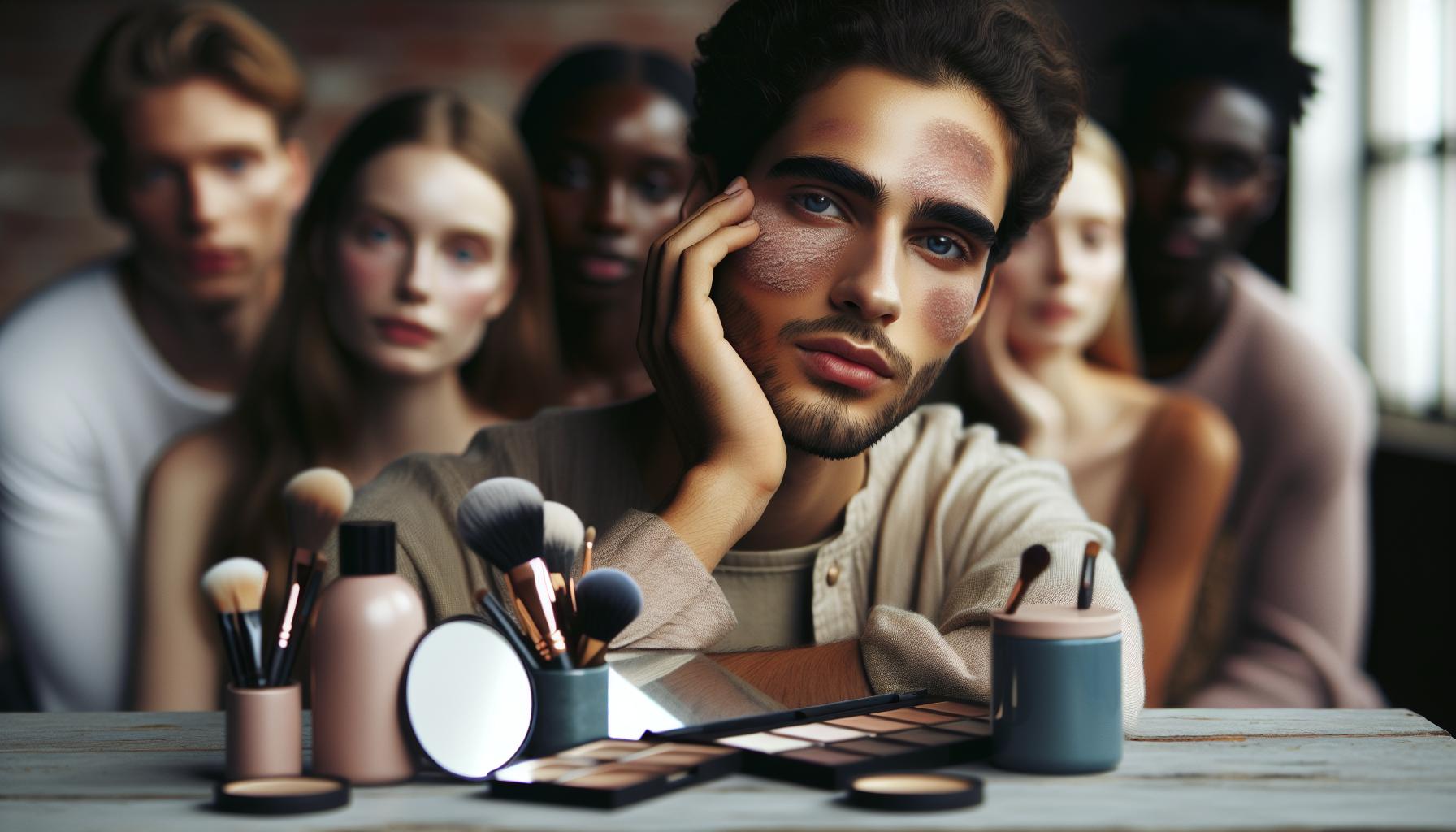
Can You Wear Makeup With a Stye? Understanding the Risks
Wearing makeup with a stye can feel like a dilemma that straddles the line between beauty and health. A stye, generally appearing as a painful red bump on the eyelid, signifies an infection in one of the oil glands and can be exacerbated by makeup use. While it might be tempting to cover up the irritation, applying makeup can potentially worsen the condition or prolong healing due to the introduction of bacteria or additional irritation.
Firstly, let’s address the risk of exacerbating the infection. Makeup products can trap bacteria, not only in the stye area but also on brushes or applicators if they are not thoroughly cleaned. This increases the likelihood of spreading the infection to other parts of the eye or even to the other eyelid. If makeup is necessary, consider opting for non-comedogenic products that are less likely to cause irritation, and ensure your tools are disinfected before use.
Additionally, the type of makeup you choose can impact the healing process. Avoid heavy, oil-based products that may further clog the pores. Instead, look for lightweight formulas that provide some coverage while allowing your skin to breathe. If you choose to wear makeup, focus on the areas of the face that are not affected by the stye; this could include non-eye makeup such as foundation or blush. It’s also advisable to remove all makeup before going to bed to prevent irritation during the night.
To summarize, while it’s not advisable to wear makeup near a stye, if you choose to do so, proceed with caution. Prioritize products that are appropriate for sensitive skin, maintain a clean application process, and keep the eye area as free of makeup as possible. By doing this, you can help ensure your stye heals more quickly while still feeling confident in your appearance.
Identifying a Stye: Symptoms and Causes You Should Know
Identifying a stye can be straightforward if you know what to look for. Often mistaken for a pimple, a stye appears as a red, painful bump on or near your eyelid. This condition arises due to an infection in one of the oil glands located at the base of your eyelashes, leading to localized swelling and tenderness. The area may feel warm to the touch, and in some cases, a stye can produce discharge that may crust over your eyelashes, especially upon waking. Understanding these symptoms is crucial, particularly when navigating the delicate balance between health and beauty.
The causes of a stye often include bacterial infections, with Staphylococcus being the most frequent culprit. Factors such as poor hygiene, using old makeup, and the presence of another condition like blepharitis (inflammation of the eyelids) can increase your chances of developing a stye. Stress and hormonal changes may also play a role. It’s important to note that while styes are generally harmless, their appearance can be frustrating, especially for those who wear makeup regularly. The presence of an active stye raises concerns not only about physical discomfort but also about the potential for makeup to irritate or infect the area further.
To manage the situation, pay attention to early symptoms, such as itching or redness around the eyelid. Early intervention, like applying warm compresses, can help reduce discomfort and promote drainage. Keeping your hands clean and avoiding touching your face are effective preventative measures. If you find yourself experiencing recurrent styes, it may be beneficial to evaluate your skincare and makeup routines, opting for products labeled as non-comedogenic to minimize clogging of the pores. Recognizing these symptoms and causes empowers you to take proactive steps in your beauty routine while caring for your eye health.
Safe Makeup Practices: Tips for Managing a Stye
While it can be tempting to conceal a stye with makeup, doing so requires careful consideration to prevent aggravating the condition or introducing further irritation. The skin around your eyes is delicate, and applying makeup over a stye can risk exacerbating inflammation or prolonging healing. This doesn’t mean you have to abandon all makeup altogether; rather, it’s an opportunity to adjust your routine with safety in mind.
First and foremost, when dealing with a stye, maintaining a clean and hygienic environment is crucial. If you choose to wear makeup, make sure your brushes and applicators are thoroughly cleaned. This minimizes the risk of bacteria transferring to your eyelids, which can worsen the stye. Avoid using any old or expired products; these are potential culprits for infection. Instead, opt for new, hypoallergenic makeup that is less likely to irritate your eyes.
Timing is key. If possible, consider abstaining from eye makeup, especially mascara and eyeliner, until the stye begins healing. If you feel you must wear some makeup, focus on areas away from the eye – a radiant foundation or blush can enhance your look without compromising the delicate eyelid area. Moreover, if you must apply any product around your eyes, use a sterile applicator, and apply it carefully, avoiding direct contact with the stye.
Lastly, pay attention to your skin’s reactions throughout this process. If you notice increased irritation, redness, or swelling after applying makeup, it’s best to remove the products immediately. Your comfort and health should always be the primary concern over cosmetic preferences. As you navigate this situation, remember to prioritize eye health over aesthetic appearances, allowing your stye to heal properly before resuming your full makeup routine.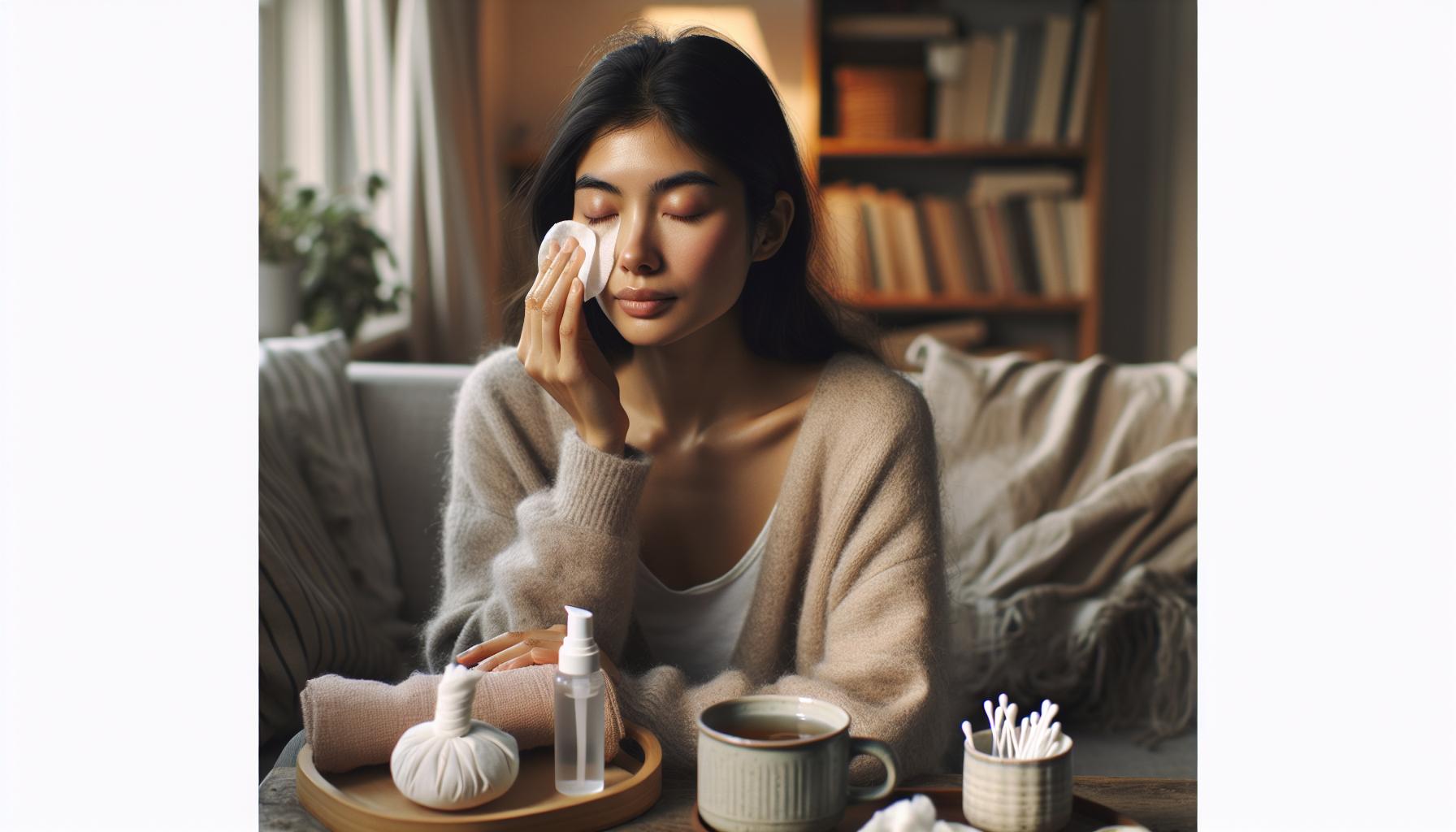
Best Eye Care Practices During a Stye Infection
When dealing with a stye, eye care takes on heightened importance to facilitate healing and comfort. A stye, which appears as a painful bump on the eyelid, is usually caused by blocked glands or bacterial infections. It’s essential to adopt practices that prioritize both soothing the irritation and preventing further complications.
One of the best strategies is to apply warm compresses to the affected area for about 10-15 minutes, several times a day. This simple yet effective remedy helps to soften the oil and promotes drainage from the clogged gland. Remember to use a clean cloth dampened with warm water, ensuring the compress is warm but not too hot to avoid burns. After applying the compress, gently massage the area with your fingertip to encourage drainage without causing additional irritation.
Additionally, maintaining strict hygiene is crucial. Always wash your hands before touching your face, especially your eyes. Avoid touching your stye or the eye area with your fingers and ensure to keep any eye makeup brushes or applicators clean. If using makeup near the eyes is unavoidable, make sure that products are hypoallergenic and specifically formulated for sensitive skin; anything synthetic or potentially irritating should be avoided. Discontinue using any makeup that is applied directly on or around the stye until it has completely healed.
Lastly, stay aware of other ocular indicators, such as increased sensitivity to light or vision changes, which may signal that you need to consult a healthcare professional. By integrating these mindful practices into your daily routine, you not only enhance your comfort during a stye infection but also foster a quicker recovery, allowing you to return to your regular beauty regimen sooner.
Makeup Alternatives: What to Use When You Have a Stye
While a stye can be an uncomfortable and unsightly issue, there are still makeup alternatives that can help you feel more polished without aggravating your condition. When dealing with a stye, the priority should always be on healing, but that doesn’t mean you have to completely forego beauty. Choosing the right products and applying them carefully can help you maintain your beauty routine while also promoting eye health.
Start with gentle, hypoallergenic options. Opt for products specifically designed for sensitive skin, as these are formulated to minimize irritation. Look for foundations and concealers that boast non-comedogenic properties, meaning they won’t clog your pores or further confuse your skin’s oil production. Creamy formulations may be better as they typically apply more smoothly and can be blended easily without tugging at the skin. Brands that offer mineral makeup often provide excellent alternatives; these contain natural ingredients and are less likely to cause inflammation.
When applying makeup, keep your tools clean and avoid common irritants. Use clean brushes and applicators to reduce the risk of introducing bacteria to your stye. If you’re wearing eye makeup, consider using a simple mascara on only your upper lashes and avoid eyeliner entirely until the stye has resolved. If you want a more polished look, a light application of brow gel can also enhance your brows without affecting the stye area.
In terms of eye products, focus on hydration and soothing ingredients. Products containing aloe vera, calendula, or chamomile can provide relief and nourishment during this time. Just be sure to check that any product you consider is safe for use around the eyes. Additionally, if you really need to use eye shadow, opt for powder formulas and apply them only above the stye, steering clear of the area completely.
Lastly, remember that your health is paramount. If makeup aggravates your stye or leads to increased redness or discomfort, it’s best to remove all products and allow your skin to breathe. Keeping your makeup light and thoughtful during this time can help you balance beauty and health effectively.
When to Consult a Doctor About Your Stye
When it comes to managing a stye and the temptation to mask it with makeup, understanding when to seek medical attention is crucial for both health and beauty. A stye is not just an irritating bump; it signals an underlying infection that needs care. If you notice that the stye is worsening-becoming larger, more painful, or increasingly red-it’s time to consult a healthcare professional. Persistent symptoms may indicate that the infection is not responding to at-home remedies and could require medical intervention.
Another reason to reach out to your doctor is if you experience accompanying symptoms such as fever, swelling of the eyelid beyond the immediate area of the stye, or changes in vision. These can be signs of a more serious condition that may need urgent treatment. Additionally, if the stye lasts longer than a few days without improvement, particularly after trying common home remedies like warm compresses, professional advice should be sought.
If you also find that applying makeup exacerbates the irritation, leading to more discomfort or increased redness, it’s best to stop using those products. Your medical provider may suggest suitable alternatives or treatments to alleviate your symptoms while considering your beauty routine. Seeking timely medical care can help ensure a faster recovery, allowing you to safely return to your favorite makeup practices without the risk of re-infection or complications.
In summary, prioritizing your eye health over cosmetic convenience is always the best course of action. Make it a routine to monitor your symptoms closely and don’t hesitate to consult a doctor if anything seems amiss. Doing so not only protects your wellness but also helps you make informed decisions about your beauty practices during times of discomfort.
Stye Prevention: Skincare and Beauty Routines to Follow
Adopting a well-thought-out skincare and beauty routine is key to preventing styes and maintaining overall eye health. The delicate skin around the eyes is particularly susceptible to irritation and infections, making it essential to keep it clean and well-cared for. By implementing a few simple yet effective practices into your daily regimen, you can reduce your risk of styes and enjoy your beauty routine without unnecessary interruptions.
Start with a strict cleansing routine. Ensure that you remove all makeup thoroughly before bed using a gentle cleanser, which helps eliminate any residual oils or dirt that can clog your eyelash follicles. You can consider using micellar water or an oil-based cleanser, as they are effective at dissolving makeup without harsh rubbing. Additionally, avoid touching your eyes and always wash your hands before applying or removing makeup to minimize the risk of transferring bacteria to your eyelids.
Hydration is equally important. Keeping your skin moisturized can promote a healthy barrier that may prevent infection. Use eye creams or gels formulated for your skin type, but be cautious with products containing heavy oils or fragrances that might trigger reactions. It’s sensible to perform a patch test if trying a new product; apply a small amount near your eye and wait 24 hours to check for any adverse reactions.
During the day, if you’re prone to eye irritation, consider using hypoallergenic or comedogenic-free cosmetics tailored for sensitive skin. Mineral makeup can be a great alternative as it tends to be lighter and less likely to irritate the skin.
Finally, always prioritize the cleanliness of your makeup products. Regularly replace old or expired cosmetics and ensure brushes and applicators are washed frequently to prevent bacteria buildup. Following these preventive measures can help you maintain not only beautiful eyes but also overall eye health, allowing you to embrace your makeup routine with confidence.
Common Myths About Makeup and Eye Infections
Many people hold misconceptions about the relationship between makeup and eye infections, particularly when dealing with conditions like styes. One common myth is that wearing makeup can exacerbate a stye, forcing individuals to give up their favorite beauty products entirely. However, the truth is a bit more nuanced. While it’s essential to be cautious, certain makeup practices can allow you to maintain your beauty routine without compromising your eye health.
One prevalent belief is that all eye makeup is off-limits when you have a stye. In reality, the key is to choose your products wisely and focus on hygiene. Opt for hypoallergenic or mineral-based cosmetics, which are often less irritating, and ensure all tools, such as brushes and applicators, are clean. This helps minimize the risk of introducing bacteria to the affected area. It’s vital to avoid using old makeup, especially mascara or eyeliners, since these can harbor bacteria that may worsen the infection.
Another misconception is that you should completely avoid touching your eyes or any area around them, including makeup application. While it’s true that touching or rubbing your eyes can irritate a stye, applying makeup gently and using clean tools can be safe. It’s crucial to wash your hands thoroughly before you apply any makeup to reduce the transfer of germs. If you do experience any discomfort or see worsening symptoms, it’s best to remove the makeup and allow your eyes to heal.
In addition, many assume that all cosmetic products will obstruct stye recovery, but this isn’t entirely accurate. Some ingredients can actually be soothing. For example, certain eye creams and gels formulated with hydrating botanicals can promote healing and comfort. Always check ingredient labels and choose products designed for sensitive skin to avoid any potential aggravation during your stye recovery.
Understanding these myths helps empower women to manage their beauty routines effectively while taking care of their eye health. By being informed and making well-considered choices, you can enjoy both beauty and health, even when faced with a stye.
Post-Stye Care: Returning to Your Beauty Routine Safely
Returning to your beauty routine after a stye can feel daunting, but with the right approach, you can safely ease back into your makeup habits. First and foremost, it’s essential to ensure that your stye has fully healed before reintroducing any makeup. Patience is key; even if the external bump appears to have subsided, lingering irritation can still be present. Once you’re certain that your eyelid is clear, it’s vital to reassess your makeup collection.
Start by cleansing your makeup tools and products. Any brushes, sponges, or applicators that have been in contact with your eyes during your stye should be thoroughly cleaned or replaced. Bacteria can linger in these tools, potentially leading to another infection. Choose fresh, hypoallergenic products to minimize the risk of irritation. It might be worth investing in new mascara and eyeliner, as these items are often breeding grounds for bacteria. Don’t shy away from products labeled specifically for sensitive eyes or those designed to be non-irritating.
When you first apply makeup after healing, consider using lighter products to allow your skin to breathe. Opt for cream-based formulas or tinted moisturizers instead of heavy foundations that may clog pores. If you wish to add color to your eyes, stick to eyeshadows and liners that are free from irritating ingredients, such as fragrance and harsh chemicals. Here are some supportive tips to guide your post-stye beauty journey:
- Patch test new products: Before fully committing to new makeup, apply a small amount to an inconspicuous area to check for any reactions.
- Give your eyes a break: If irritation occurs, remove makeup promptly and allow your eyes to rest.
- Moisturize around the eyes: Use gentle, hydrating eye creams to keep the area nourished without overloading it with ingredients.
While engaging in your beauty routine, continue to practice good hygiene by washing your hands before touching your face, and always remove makeup thoroughly before bed to prevent any buildup. By being gentle and thoughtful about your choices, you can return to the beauty practices you love while safeguarding your eye health. Remember, prioritizing your eye care not only supports your beauty regimen but also fosters a sense of confidence in how you present yourself to the world.
Emergency Remedies for Soothing Styes at Home
When faced with a stye, swift action can bring considerable relief. These painful red bumps, often appearing on the eyelid, are usually the result of a blocked oil gland infection. While the discomfort is frustrating, several effective home remedies can soothe the irritation and promote healing, allowing you to manage your symptoms while minimizing disruption to your daily life.
One of the most effective methods is applying warm compresses. Simply soak a clean cloth in hot water (ensuring it’s not too hot to avoid burns) and place it on the affected eyelid for about 10-15 minutes, multiple times a day. This practice helps to soften any blockage in the gland, facilitating drainage and speeding up healing. Make sure your eyes are closed during this treatment to avoid introducing bacteria.
In addition to warm compresses, consider using chamomile tea bags as a soothing alternative. Chamomile is known for its anti-inflammatory properties that can aid in reducing swelling. After brewing, allow the tea bags to cool slightly and then place them on your closed eyelids for around 10 minutes. The gentle properties of chamomile combined with the heat can enhance relaxation and ease irritation.
Maintaining a clean environment for your eyes is crucial. Ensure that your hands are washed thoroughly before touching your face, and avoid any makeup around the eye area until the stye resolves. If you’re experiencing significant pain or discomfort, over-the-counter pain relievers can also be a helpful adjunct for symptom management. However, it’s essential to avoid any topical ointments or creams unless directly advised by a healthcare professional, as they can potentially worsen the situation or lead to further irritation.
Should symptoms persist beyond a week or worsen, don’t hesitate to consult a healthcare provider. They may recommend specific treatments such as antibiotic ointments or, in more severe cases, drainage if the stye becomes too painful or doesn’t respond to initial treatments. Understanding these remedies can empower you to take proactive steps in alleviating discomfort, ensuring your eye health remains a priority even during challenging times.
Ingredients to Avoid in Makeup with a Stye
When dealing with a stye, it’s essential to be mindful of what you apply around your eyes, as certain makeup ingredients can exacerbate irritation or prolong healing. While it might be tempting to cover up the stye, understanding which ingredients to avoid is crucial for your eye health. Styes are a result of blocked oil glands, often caused by bacterial infection, and applying the wrong makeup can aggravate the situation.
Firstly, steer clear of products that contain harsh preservatives and fragrances. These can increase irritation and inflammation, leading to a worsening of the stye. Ingredients like parabens, which are commonly found in various cosmetics, can be a red flag. Instead, opt for fragrance-free and hypoallergenic formulations, particularly those labeled as suitable for sensitive skin.
Furthermore, avoid oil-based makeup products, such as heavy foundations or eyeliners, since they can clog pores and the already compromised oil glands in your eyelids. Instead, consider using water-based or non-comedogenic options that won’t exacerbate oiliness or block pores further. It’s also crucial to ditch any products with heavy pigments or additives, which may contain irritants that can lead to discomfort.
Key Ingredients to Avoid
- Parabens: Preservatives that may cause irritation.
- Fragrances: Often unnecessary and can lead to allergic reactions.
- Oil-based formulations: These can worsen clogged glands.
- Heavy pigments and additives: Can aggravate sensitive areas around the eyes.
In summary, keeping your makeup routine simple and focused on soothing, gentle products can help promote healing and comfort. Should a stye develop, it is wise to refrain from using eye makeup altogether until it heals, ensuring that your eye health is a top priority during this time. By being cautious with ingredient choices and maintaining cleanliness in your beauty routine, you can navigate the challenge of a stye with more confidence and less discomfort.
FAQ
Q: What should I do if I accidentally get makeup in my eye with a stye?
A: If makeup gets in your eye with a stye, rinse your eye immediately with clean water or saline solution. Avoid rubbing your eye and stop using eye makeup until the stye heals. Consult a doctor if irritation persists, as they may recommend appropriate treatment.
Q: How long does a stye typically last if I don’t wear makeup?
A: A stye usually lasts about 7 to 10 days, especially if you avoid wearing makeup and follow proper eye care practices. Keeping the area clean and applying warm compresses can help speed up healing. For detailed care tips, refer to the section on eye care practices during a stye infection.
Q: Can wearing makeup worsen a stye?
A: Yes, wearing makeup can worsen a stye by introducing bacteria and irritating the stye further. It’s advisable to avoid all eye makeup products until the stye has completely healed. Explore our safe makeup practices for managing a stye for additional guidance.
Q: Are there any types of makeup I can safely use while I have a stye?
A: While the best practice is to avoid all eye makeup during a stye, if necessary, consider using products labeled as hypoallergenic or non-comedogenic. Always check for irritants and consult our section on makeup alternatives to make safer choices.
Q: Can a stye spread if I wear makeup?
A: Yes, using makeup while having a stye can increase the risk of spreading the infection to other areas of your eye or to your other eye. It’s crucial to refrain from applying makeup until the stye fully resolves to prevent complications.
Q: Is it safe to use contact lenses if I have a stye?
A: It is not safe to wear contact lenses with a stye, as they can exacerbate irritation and bacteria growth. Use glasses instead until your eye is fully healed for better comfort and safety.
Q: When should I seek medical help for a stye?
A: You should consult a doctor if the stye doesn’t improve after a week, causes significant pain, or if you experience vision problems. Our section on when to consult a doctor provides more insights on recognizing serious symptoms.
Q: Can styes cause other eye problems if makeup is applied?
A: Applying makeup on a stye can lead to complications like conjunctivitis or other infections. It’s important to follow the best eye care practices during a stye infection to minimize risks and ensure a swift recovery.
The Conclusion
Before applying makeup, it’s crucial to prioritize your eye health, especially when dealing with a stye. Remember that skipping makeup during this time can allow your eye to heal faster, reducing discomfort and preventing further irritation. For more tips on caring for your eyes and skin, check out our guides on safe eye makeup practices and soothing home remedies for styes.
If you found this discussion helpful, don’t hesitate to sign up for our newsletter for more beauty and health insights. We’re here to support your journey to informed beauty choices-feel free to share your thoughts in the comments below. Explore additional resources on eye care and skincare routines to enhance both your beauty and wellbeing. Participating in our community will help you stay updated and empowered for your future beauty endeavors.