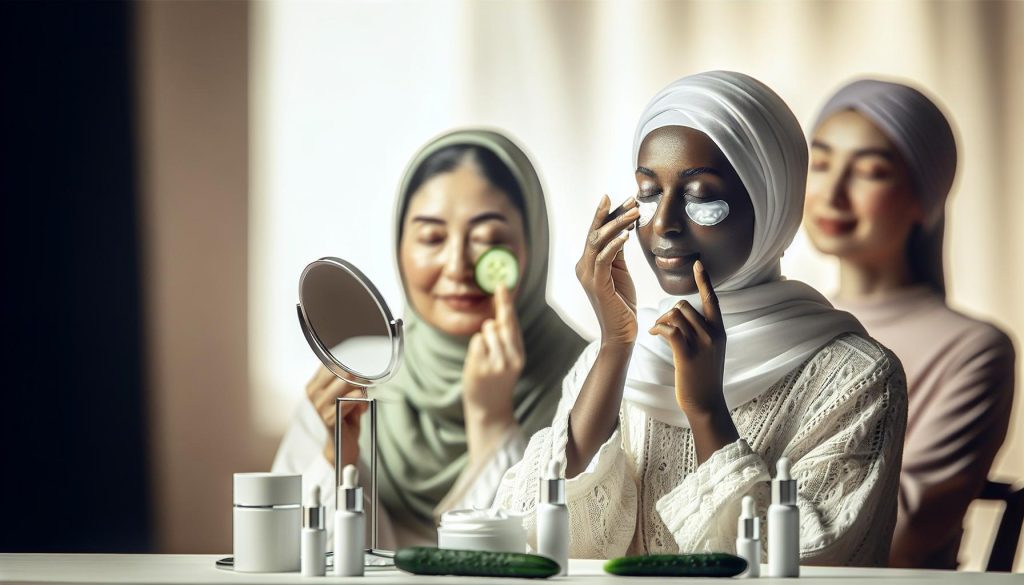
Waking up with crusty eyes can be frustrating, especially if a stye is the culprit. Styes are often accompanied by discomfort and can leave your eyes looking less than their best. Understanding how styes affect your eyes and how to care for them in the mornings is essential for maintaining eye health and comfort.
By implementing a simple morning care routine, you can reduce irritation and keep your eyes feeling fresh and clear. Whether you struggle with recurring styes or want to prevent them from forming, knowing the right techniques and products can make all the difference. Let’s delve into effective tips that will empower you to tackle this common issue and reclaim your confidence each day.
Understanding Styes: What They Are and Causes
A stye is an irritating yet common eye condition that can leave you feeling self-conscious and uncomfortable. It typically appears as a red, swollen bump on the eyelid, often caused by a bacterial infection in the oil glands near your eyelashes. When bacteria, usually stemming from the skin’s surface or from other sources, enter these glands, they can cause inflammation and the formation of pus, resulting in that painful, tender bump you see. Understanding that styes result from very ordinary pathogens can be reassuring; they are not caused by major health concerns but rather common skin and eye microbiota.
Several factors can increase your chances of developing a stye. Poor hygiene, such as not removing eye makeup properly, touching your eyes with unwashed hands, or using expired makeup, can have a significant impact. Additionally, if you have underlying skin conditions like acne or seborrheic dermatitis, you’re at higher risk. Stress and hormonal shifts may also play a role in exacerbating these issues. Keeping these factors in mind allows you to proactively manage and reduce your likelihood of experiencing styes.
The discomfort often associated with styes can lead to lingering questions about proper eye care, particularly in the morning when crustiness or irritation might be more pronounced. Although styes can result in crusty eyelids, especially upon waking, being informed about effective morning routines can mitigate this issue. A gentle cleansing of the eyelids with warm water and a mild soap can help remove any buildup, thereby providing relief and reducing irritation as you begin your day. By prioritizing eye hygiene, you empower yourself to maintain eye health and personal comfort.
Do Styes Lead to Crusty Eyes? Debunking Myths
Experiencing styes can lead to concerns about the appearance and comfort of your eyes, particularly when it comes to crustiness upon waking. While many believe that styes are solely responsible for this irritative symptom, it’s essential to understand the broader picture. Styes themselves do not directly cause crusty eyes; rather, they may contribute to an environment where your eyelids can become sticky or crusty. This can happen due to the discharge from a stye or as a result of tear film instability that may occur when the oils produced in the eyelids are disrupted.
To help minimize crustiness, maintaining proper eyelid hygiene is crucial. A simple morning routine can alleviate discomfort and improve the overall health of your eyes. Start your day with a gentle cleansing of your eyelids using warm water and a mild, non-irritating soap or eyelid scrub. This can help to remove any existing debris, including skin flakes and the remnants of oily secretions that might contribute to that unwanted crust. Incorporate soft movements with a clean washcloth or cotton pad to ensure that your eyes feel refreshed without any harsh rubbing.
Additionally, drinking plenty of water and incorporating omega-3 fatty acids into your diet can support optimal eye moisture levels, reducing the likelihood of crustiness. While managing styes and their symptoms, consider natural remedies such as applying warm compresses to the affected area, which can soothe discomfort and promote drainage. Remember, good eye hygiene not only protects against styes but can also enhance your overall eye comfort, especially during morning routines when crustiness may naturally occur. Embrace these preventive measures to enjoy clearer, healthier eyes each day.
The Connection Between Styes and Morning Eye Care
Waking up to crusty eyes can be a frustrating experience, especially for those dealing with styes. These small, painful lumps that develop on the eyelids often result in discomfort and can disturb your morning routine. However, understanding the connection between styes and effective morning eye care is essential for maintaining optimal eye health and comfort. By adopting simple practices, you can significantly mitigate the discomfort associated with styes and enhance your overall eye hygiene.
Start your day with a gentle cleansing routine that focuses on your eyelids. Using warm water and a mild, non-irritating soap or a specialized eyelid scrub can help remove debris and excessive oil, which are common culprits of crustiness. Here’s a quick step-by-step guide:
- Wet a clean washcloth or cotton pad with warm water.
- Apply a gentle facial cleanser or eyelid scrub to the cloth.
- Gently wipe your eyelids in a soft, circular motion, making sure to reach the areas where a stye might have developed.
- Rinse the cloth and wipe your eyes again with warm water to remove any soap residue.
Incorporating this simple cleanse into your morning may not only reduce crustiness but also promote the healing of any existing styes. Additionally, consider the role of nutrition in your eye care regimen. Foods rich in omega-3 fatty acids, such as fish, flaxseeds, and walnuts, can help maintain eye moisture, further reducing crustiness and irritation.
As you create your morning routine, remember that consistency is key. Regular eyelid hygiene combined with a healthy diet will create a proactive approach to eye care. You’ll notice how these practices not only clear away crustiness but also help prevent future stye occurrences, allowing you to start each day with comfort and confidence.
Essential Morning Care Routine for Stye Prevention
Starting your day with an eye-friendly routine is not just a matter of aesthetics; it can significantly influence your overall eye health, especially when dealing with conditions like styes. These small, painful lumps on the eyelids can lead to discomfort and pesky crustiness, often making mornings difficult. The good news is that incorporating a few simple yet effective practices into your morning care can help prevent styes and keep your eyes feeling fresh.
A well-rounded morning eye care routine begins with cleansing. Using warm water, gently rinse your eyelids to remove any overnight buildup of oil, dust, and debris that might lead to irritation. Then, follow up with a mild, non-irritating cleanser or a specialized eyelid scrub. This helps to maintain hygiene and reduce the risk of stye formation. Here’s a quick step-by-step guide to kick-start your routine:
- Wet a clean washcloth or cotton pad with warm water.
- Apply a gentle facial cleanser or eyelid scrub to the cloth.
- Gently wipe your eyelids in a soft, circular motion, paying special attention to areas where styes are likely to form.
- Rinse the cloth and wipe your eyes again with warm water to remove any soap residue.
In addition to cleansing, consider adding nourishing foods rich in omega-3 fatty acids to your diet. These nutrients are known to enhance eye moisture levels and overall eye health, potentially alleviating issues like crustiness and irritation. Foods such as salmon, walnuts, and flaxseeds can make a big difference.
Lastly, remember that consistency is crucial. Establishing a regular eyelid care routine not only clears away any immediate discomfort but also fosters long-term eye health. Through diligent care and mindful dietary choices, you can minimize the chances of developing styes and enjoy clearer, more comfortable eyes each day.
Effective Home Remedies for Soothing Styes
Styes can be an annoying and painful occurrence, often leading to uncomfortable symptoms like irritation, redness, and even crusty eyes. Fortunately, several effective home remedies can help soothe styes and promote healing. By integrating these natural treatments into your routine, you can alleviate discomfort and restore your eye health more quickly.
One of the simplest yet effective remedies involves the warmth of a compress. Applying a warm compress to the affected area promotes circulation and helps the stye drain naturally. To make a warm compress, you can follow these steps:
- Soak a clean cloth in warm (not hot) water and wring out the excess.
- Close your eyes and place the cloth over the stye for 10 to 15 minutes.
- Repeat this process three to four times a day to reduce inflammation and discomfort.
In addition to heat, a soothing chamomile tea bag can work wonders. Chamomile has anti-inflammatory and antiseptic properties, making it an excellent choice for treating styes. After brewing a tea bag, let it cool down, then place it on the stye for about 15 minutes. This natural remedy not only helps in relieving pain but can also provide a calming effect on your eyes.
Natural Ingredients for Relief
Several natural ingredients in your kitchen can assist in managing styes effectively. For example, aloe vera gel is renowned for its cooling and healing properties. Apply a small amount of pure aloe vera gel directly to the stye to alleviate redness and swelling. Similarly, honey has natural antibacterial properties that can help fight infection. Dab a bit of raw honey onto the affected area, allow it to sit for about 15 minutes, and then rinse it off gently with warm water.
Lastly, incorporating a diet rich in vitamins A, C, and E can bolster your immune system and support skin health, reducing the likelihood of styes recurring. Foods such as carrots, sweet potatoes, almonds, and citrus fruits can be beneficial in this regard.
By implementing these easy home remedies and advocating for regular eye care, you’re not only addressing the discomfort caused by styes but also promoting healthier, clearer eyes overall. Remember, persistence is key; consistently applying these remedies will yield the best results and help you reclaim comfort and confidence in your daily life.
The Role of Hygiene in Managing Styes
Maintaining proper hygiene is a cornerstone in managing styes effectively, as it can significantly reduce the risk of their occurrence and aid in quicker recovery. Many people may not realize that everyday habits can greatly impact eye health. Styes, which are usually the result of bacterial infection associated with blocked oil glands, can be exacerbated by poor hygiene practices. This makes adopting a thorough and consistent eye care routine essential not just for prevention, but also for soothing existing irritations.
One of the primary steps in hygiene is ensuring that the hands are clean before touching the eye area. Always wash your hands with soap and water before applying any eye products or touching your face. This simple action can prevent the transfer of bacteria that may contribute to the formation of styes. Furthermore, regularly cleaning your eyelids and lashes can be beneficial. You can use a gentle eyelid scrub or diluted baby shampoo on a cotton pad to clean the area, especially if you wear makeup frequently.
Daily Hygiene Tips
Here are some practical hygiene tips to keep in mind for eye health:
- Dispose of old makeup: Regularly throw away expired cosmetics, especially eye makeup like mascara and eyeliner, as they can harbor bacteria.
- Use clean applicators: Always use fresh brushes and applicators for makeup to minimize contamination.
- Don’t share personal items: Avoid sharing towels, makeup, or brushes that come into contact with your eyes, as this can lead to bacterial spread.
- Keep eyeglasses and contact lenses clean: If you wear contact lenses, make sure to follow proper cleaning and storage procedures to reduce the risk of infection.
Implementing a dedicated skincare routine can also play a role in preventing styes. Keeping the face clean sustains an overall clear complexion and reduces oil buildup. Furthermore, incorporating anti-inflammatory ingredients like green tea or chamomile into your skincare could soothe irritation and help maintain skin health around the eyes.
By prioritizing hygiene in your daily routine, you not only prevent the potential development of styes but also promote overall eye health. These small yet impactful changes can ensure your eyes remain comfortable, clear, and free from irritation. Remember, staying consistent with your hygiene practices is your best defense in keeping those pesky styes at bay and enjoying clearer, healthier eyes.
Safe Eye Care Products to Use with Styes
Using the right eye care products when dealing with styes can help reduce discomfort and promote healing. It’s essential to choose items that are gentle and non-irritating, especially when your eyes are already inflamed or sensitive. The goal is to support your healing process while ensuring you maintain your daily eye care routine.
Start with hypoallergenic eye drops designed for sensitive eyes. These can provide relief from dryness and irritation without adding to the inflammation of a stye. Look for products that are preservative-free and formulated to be gentle, as these will be less likely to irritate the affected area.
If you wear makeup, it’s important to opt for mineral-based formulas. Mineral makeup typically contains fewer irritants and can be less likely to clog pores or contribute to oil gland blockages. Before applying any makeup, ensure that your eyelids are clean and dry. It might be best to forgo eye makeup entirely until the stye has resolved, but if you choose to wear it, stick to products that are marked as non-comedogenic and free of harsh chemicals.
For cleansing, invest in gentle eyelid scrubs or wipes that are specifically formulated for sensitive skin. These products can effectively remove debris and bacteria from the eyelid area without causing unnecessary irritation. Look for ingredients such as baby shampoo or tea tree oil, which have natural antiseptic properties that can help soothe and cleanse the skin around your eyes.
When it comes to skincare products, consider soothing gels or ointments that contain aloe vera or chamomile. These ingredients have natural calming effects and can provide relief from irritation. Be cautious to apply them gently and avoid direct application on the stye itself to reduce the risk of aggravating the area.
Finally, always ensure that your tools and products are kept clean. Regularly replace mascara and eyeliner, as these can harbor bacteria even when stored properly. Remember, using safe eye care products during a stye outbreak not only helps with managing discomfort but also plays a vital role in the prevention of future occurrences. Prioritizing gentleness and cleanliness in your eye care routine will empower you to navigate this challenge with ease.
When to Seek Professional Help for Styes
Experiencing a stye can be uncomfortable, and while many styes resolve themselves with at-home care, there are specific instances when it’s crucial to seek professional help. One vital indicator is the duration of the stye; if a stye persists beyond a week without showing signs of improvement, it’s wise to consult with a healthcare professional. This is particularly important because prolonged inflammation may lead to complications such as chalazia, which can necessitate more intensive treatment.
If you notice any progression of symptoms such as increased redness, warmth, or swelling spreading beyond the eyelid, these could signal an underlying infection requiring medical intervention. Other symptoms warranting a visit include persistent pain that interferes with your daily activities, accompanied by blurry vision or light sensitivity. These symptoms could indicate a more serious condition that might strengthen the case for prompt professional evaluation.
### When to Consult an Eye Care Specialist
Many women often wonder whether it’s time to seek help from an expert. Here are some scenarios to consider:
- Recurring Styes: If styes seem to be a frequent occurrence, this might suggest underlying issues such as blepharitis or hormonal imbalances that need addressing.
- Difficulty in Managing Symptoms: If the home remedies you’ve been using fail to provide relief or if symptoms worsen, professional guidance can offer alternative treatments.
- Impact on Daily Life: If the stye is impacting your ability to work, socialize, or engage in activities you enjoy, do not hesitate to consult a professional.
While there’s often an inclination to self-treat, relying solely on over-the-counter solutions could exacerbate the situation. A healthcare provider may prescribe antibiotics or recommend procedures that can expedite the healing process. They also have the expertise to determine if other skin conditions might mimic or contribute to your symptoms, allowing for a comprehensive approach to your eye health.
In summary, while styes are generally harmless, recognizing the signs that indicate the need for professional support can greatly enhance recovery and maintain your overall eye health. Getting timely help not only alleviates discomfort but also empowers you with the knowledge and resources needed to tackle this common issue effectively.
Natural Ingredients for Stye Treatment
Natural remedies can offer gentle and effective relief for styes, empowering you to address your symptoms with confidence. Incorporating everyday ingredients into your routine may not only soothe the discomfort associated with styes but can also help promote healing. Here are some natural ingredients to consider:
Warm Compress
One of the simplest and most effective methods involves using a warm compress. The heat from the compress can help to reduce pain, increase circulation, and promote drainage of the blocked glands. Simply soak a clean cloth in warm water, wring it out, and apply it over the affected eyelid for 10-15 minutes. Repeat this several times a day to encourage healing.
Tea Bags
Certain herbal tea bags, like chamomile or green tea, can provide soothing benefits. Both contain anti-inflammatory properties that can calm irritation. After brewing your tea, allow the bag to cool (or use it warm, as long as it’s comfortable) and place it on your closed eyelid for about 15 minutes. The antioxidants present in these teas may also aid in the healing process.
Aloe Vera
Known for its skin-soothing properties, aloe vera can also be beneficial for styes. Use fresh aloe vera gel directly from the leaf. Apply a small amount to the affected area, avoiding the eye itself. Its anti-inflammatory and antibacterial properties can help reduce swelling and promote healing.
Castor Oil
Castor oil is another natural remedy worth considering. With its anti-inflammatory and antimicrobial properties, it can help alleviate discomfort and promote healing. Dot a small amount of pure castor oil onto a cotton swab and gently apply it to the stye. This can be done twice a day until the stye improves.
Apple Cider Vinegar
With its antibacterial properties, apple cider vinegar can serve as a natural treatment for styes. Dilute one part apple cider vinegar with three parts water and use a cotton ball to apply it gently to the stye. Avoid getting it directly in your eye, and ensure that you rinse thoroughly afterward to avoid irritation.
In addition to these remedies, it’s essential to maintain proper eye hygiene and avoid touching your eyes with unwashed hands. Incorporating these natural ingredients into your eye care routine can not only help treat existing styes but also prevent future occurrences, fostering a proactive approach to eye health. Remember to always perform a patch test with any new ingredient to avoid allergic reactions, and consult a healthcare professional if necessary.
By nurturing your eye health with natural remedies, you can feel empowered and informed, ready to face any stye challenges that come your way.
Lifestyle Changes to Prevent Styes
Making simple yet impactful lifestyle changes can significantly reduce the likelihood of developing styes, which often disrupt daily routines and cause unnecessary discomfort. Here are some effective strategies to consider, empowering you with knowledge to protect your precious eye health.
Maintain Good Eye Hygiene
Keeping your eyelids clean is paramount in preventing styes. Regular washing of your eyelids and eyelashes can help eliminate excess oil, debris, and bacteria that contribute to blockage in the glands. Use mild soap or a gentle eyelid scrub designed for sensitive skin, ideally as part of your morning routine. Aim to clean your eyelids daily, especially if you wear makeup or have oily skin.
Be Mindful of Cosmetics
Cosmetic habits can inadvertently foster bacteria growth and lead to styes. Always remove makeup before bedtime, and avoid sharing cosmetics, particularly eye makeup products. Opt for hypoallergenic and non-comedogenic formulations, which are less likely to irritate the eyes or clog the glands. Additionally, replace your eye makeup regularly-mascara and eyeliner should ideally be replaced every three to six months.
Stay Hydrated and Eat Well
A balanced diet rich in vitamins and antioxidants can strengthen your immune system and help your body fight off infections, reducing the risk of styes. Incorporate foods high in omega-3 fatty acids, like salmon and walnuts, to support eye health. Staying hydrated is equally important; drinking adequate water promotes overall skin health, which can contribute to healthier eyelids.
Manage Stress Effectively
Stress can impact your body’s defenses and increase susceptibility to infections, including styes. Implement stress management techniques such as mindfulness meditation, yoga, or even regular exercise to maintain a healthy mental state. Engaging in these activities not only alleviates stress but can also promote better overall health, aiding in the prevention of various conditions.
Practice Caution with Contact Lenses
If you wear contact lenses, ensure you follow the necessary guidelines for cleaning and wearing them. Adhere to a strict routine for lens care, never share lenses with others, and avoid wearing them while swimming or showering. Additionally, consider giving your eyes a break from lenses and opt for glasses whenever possible, especially during periods of redness or irritation.
By integrating these lifestyle adjustments into your daily routine, you can foster a proactive approach to stye prevention. These changes not only protect your eyes but also enhance your overall well-being. Embracing these practices encourages a long-term commitment to eye health, allowing you to enjoy clear vision and comfort.
Tips for Makeup and Eye Care with Styes
When dealing with styes, many women find themselves at a crossroads between wanting to maintain their beauty routine and being cautious about their eye health. While a stye is not an end to your beauty regimen, it does prompt careful consideration of the products you use and how you care for your eyes. Striking the right balance between makeup and eye care can make a significant difference in your recovery and overall eye comfort.
First and foremost, it’s crucial to avoid wearing makeup around the infected area. Doing so can exacerbate irritation and further clog the glands. If you have a stye, consider adjusting your makeup routine to focus on other features, like your lips or cheeks, while giving your eyes a break. If you feel the need to use eye makeup, opt for clean tools and easily removable products. Disposable applicators can help reduce the risk of infection. Always remember to throw away any old makeup, especially eye products that could harbor bacteria.
While your eyes are healing, prevention is key. Use only hypoallergenic products that are less likely to cause sensitivity or irritation. Look for formulas that are ophthalmologist-tested and free from fragrances and harsh chemicals. Non-comedogenic options are ideal since they don’t clog pores, reducing the likelihood of further gland blockage. Additionally, incorporating a gentle makeup remover designed for sensitive eyes can aid in keeping your eyelids clean and free from buildup.
Post-Stye Makeup Tips
As you recover from a stye, there are several best practices to consider for reintroducing makeup:
- Wait until fully healed: Ensure the stye has completely cleared before resuming regular eye makeup.
- Replace your old eye makeup: Mascara, eyeliners, and eye shadows can harbor bacteria; consider replacing them to avoid reinfection.
- Prioritize eye care: Establish a routine that includes warm compresses and eyelid washes before makeup application to keep your eyelids healthy.
- Keep it simple: Start with minimal products that focus on enhancing your features without overwhelming your eyes as they heal.
By taking these proactive steps, you can safeguard your eye health while still embracing your beauty routine. Remember, your eyes reflect your inner health-nurturing them with appropriate care is not just about avoiding styes, it’s about feeling confident and comfortable in your skin. Prioritize your well-being, and let your eyes shine brightly in their own unique way.
Post-Stye Care: Keeping Your Eyes Healthy
After experiencing a stye, it’s essential to prioritize the health of your eyes to prevent any recurrence and ensure optimal healing. A common misconception is that styes lead to crusty eyes, but while styes can cause some discharge, adopting proper care can mitigate this issue significantly. Maintaining a thorough morning care routine is crucial, as it sets the tone for the rest of your day, giving your eyes the best chance of healing.
Starting your day with gentle eye hygiene can make a world of difference. Begin by cleansing your eyelids with a warm, damp washcloth. This not only soothes the area but helps to loosen any buildup of oils and crusts formed overnight. After this gentle cleansing, consider using eyelid scrubs or pre-moistened pads specifically designed for stye and blepharitis treatment. These products often contain soothing ingredients like tea tree oil or chamomile, which can help ease inflammation and maintain cleanliness without causing irritation.
Emphasizing hydration is another key factor in post-stye care. Ensure you are drinking plenty of water throughout the day, as hydration affects every aspect of your health, including skin and eyes. Additionally, consider incorporating omega-3 fatty acids into your diet-found in fish, flaxseeds, and walnuts-to promote eye health and reduce dryness, which can further aggravate your eyelids.
Hygiene products are fundamental in supporting your recovery. Opt for hypoallergenic, fragrance-free moisturizers and makeup removers that won’t irritate your eyes. When using makeup products post-recovery, always opt for new products to avoid re-exposing your eyes to bacteria. Look for non-comedogenic formulas that do not clog pores and are specifically designed for sensitive skin.
Finally, incorporate a routine for follow-up care. This includes monitoring any changes in your symptoms and scheduling a professional check-up if the stye persists or worsens. Establishing these healthy habits not only enhances your healing process but empowers you to take proactive steps toward preventing future styes, ultimately leading to brighter and healthier-looking eyes.
Frequently Asked Questions
Q: What are the common symptoms of a stye?
A: A stye typically presents as a red, swollen bump on the eyelid, which may be painful. Symptoms can also include crusty discharge from the eye, tearing, and a sensation of grittiness. Keeping the area clean is essential to prevent further irritation. For further details, refer to the section on “Understanding Styes.”
Q: How can I prevent crusty eyes from styes?
A: Regular eyelid hygiene is crucial for preventing crusty eyes associated with styes. Use warm compresses and gently cleanse your eyelids daily. Avoid touching your eyes with dirty hands and make sure to remove all eye makeup before bed to maintain cleanliness.
Q: Can styes affect my vision?
A: While styes generally do not impact vision directly, swelling and discomfort can make it difficult to see clearly. If you experience significant vision changes, consult a healthcare professional to rule out other issues. Insights on when to seek help can be found in the article.
Q: Is it safe to wear makeup if I have a stye?
A: It is best to avoid wearing makeup while you have a stye to prevent further irritation and the risk of spreading bacteria. Opt for gentle, non-irritating products if necessary, and be cautious about keeping brushes and applicators clean. See the “Tips for Makeup and Eye Care with Styes” section for more.
Q: How long does a stye typically last?
A: Most styes resolve within one to two weeks with proper care, though some may persist longer if not treated correctly. Regular warm compresses can help speed up the healing process. For additional tips, refer to the “Post-Stye Care” section of the article.
Q: Are there any dietary changes that can help prevent styes?
A: Incorporating foods rich in vitamins A, C, and E can support eye health and may help in preventing styes. Staying hydrated and maintaining a balanced diet helps boost the immune system, reducing the likelihood of infections.
Q: Why do styes recur, and how can I stop them?
A: Styes can recur due to poor eyelid hygiene, underlying skin conditions, or blocked oil glands. To prevent recurrence, maintain good eyelid hygiene, manage stress, and consult a doctor if you notice frequent occurrences. The role of hygiene is discussed in greater detail in the article.
Q: Can styes be contagious?
A: Styes themselves are not contagious; however, the bacteria that cause them can spread. It’s important to practice good hygiene, such as washing hands and using separate towels, to avoid transmitting bacteria to others or developing additional styes. For more preventive measures, see the section on “Lifestyle Changes to Prevent Styes.”
In Retrospect
As we wrap up our discussion on whether styes make your eyes crusty and how to manage them in your morning care routine, remember that proper eye hygiene is key to comfort and clarity. Taking simple steps, like using warm compresses and keeping your eyelids clean, can significantly enhance your morning rituals and reduce discomfort. If you have lingering concerns about eye care or want to explore more effective skincare techniques, check out our articles on Eye Health Essentials and Top Skincare Tips for Busy Mornings.
Don’t wait until your eye discomfort interferes with your day-implement these strategies today! For more information and personalized recommendations, consider signing up for our newsletter, where we share the latest tips and expert advice directly with you. We’d love to hear about your experiences or any questions you might have; drop a comment below! Let’s continue this journey together toward healthier, happier eyes. Your well-being is our priority!