
Styes can be a frustrating and painful eye issue, often causing discomfort and concern about proper treatment. One common question is whether stye ointments should be applied directly to the eye. Understanding the safe application of these treatments is crucial for effective healing and preventing further irritation. Through this guide, we’ll explore not only the correct usage of stye ointments but also share tips for eye care that can help alleviate discomfort and promote recovery. By the end, you’ll feel empowered to manage a stye confidently and safely, enhancing your eye health and comfort. Stick around to discover valuable insights that can make a difference in your care routine.
Do You Need Stye Ointment for Your Eye?
Dealing with a stye can be bothersome, but you might wonder whether using stye ointment is necessary. Styes, which are often painful lumps on the edge of your eyelid, are caused by blocked oil glands or bacterial infections. They can lead to discomfort, redness, and even swelling. Understanding the role of stye ointment can help you make informed decisions about your eye care routine.
Stye ointments, such as the Stye Sterile Lubricant Eye Ointment, are specifically formulated to alleviate symptoms associated with styes. These ointments typically contain ingredients designed to reduce inflammation, soothe irritation, and promote healing. By applying this ointment, you create a nourishing environment for the affected area, which can speed up recovery and reduce discomfort.
It’s important to consider whether stye ointment is the right option for your situation. If you’re experiencing mild symptoms and the stye is not interfering with your vision, it may be beneficial to use an ointment as a part of your treatment. However, if the stye persists, worsens, or is accompanied by significant pain or vision changes, you should seek medical attention. This is particularly crucial if you have recurrent styes, as this might indicate underlying issues that need to be addressed by a professional.
Using a stye ointment effectively can help manage symptoms and speed up healing. Just remember, eye care is delicate, so approach it with caution and always follow recommended guidelines.
Understanding Styes: Causes and Symptoms
A stye, or hordeolum, can be a bothersome and painful condition that impacts your daily life. Caused by the blockage and inflammation of oil glands in the eyelid, a stye often results from bacterial infection. The onset of a stye typically brings noticeable symptoms such as redness, swelling, tenderness, and a sense of fullness at the site. Understanding these symptoms not only helps in early detection but also in determining the best course of action for treatment.
Common causes of styes include poor eyelid hygiene, touching your eyes with dirty hands, or wearing old or contaminated eye makeup. Even stress and hormonal changes can play a role in their development. Notably, styes often appear as a painful bump on the eyelid, resembling a pimple or cyst, and may be accompanied by watery eyes or sensitivity to light. Recognizing these symptoms early can be crucial; treating a stye when it is smaller can often involve simple home remedies, such as warm compresses to promote drainage and healing.
To mitigate the risk of developing styes, maintaining proper eyelid hygiene is essential. Regularly cleaning the eyelids with gentle soap and water or eyelid scrubs can help prevent blockages. If styes become a recurrent issue, it may be worth consulting a healthcare professional to rule out underlying conditions or to discuss preventative measures. Ultimately, a proactive approach to eye health not only alleviates discomfort but aids in preserving your vision and overall quality of life.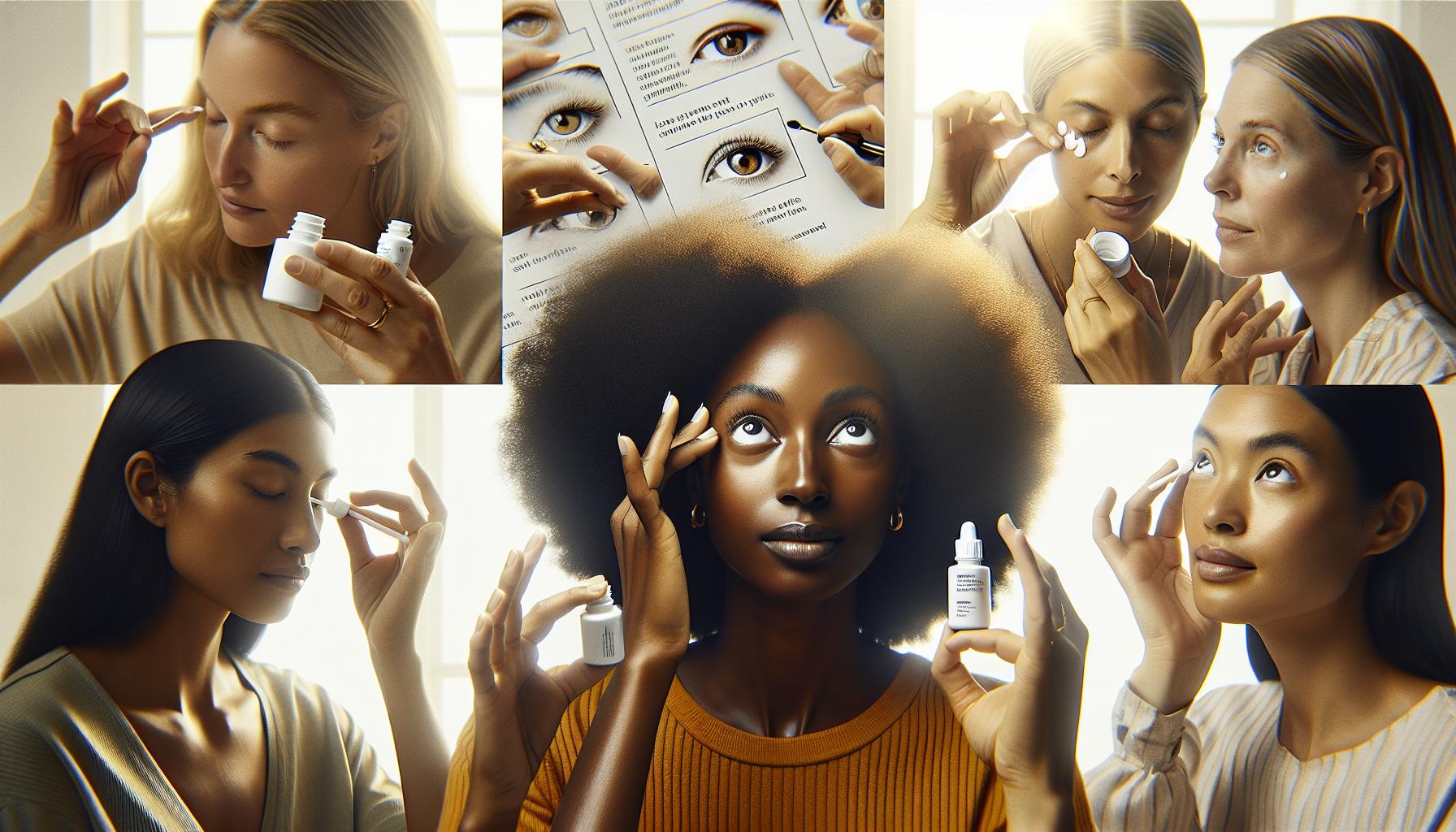
What Is Stye Ointment? Key Ingredients Explained
Stye ointments are specialized treatments designed to alleviate the discomfort associated with styes and support the healing process. While there are many over-the-counter options available, it’s crucial to understand what ingredients are commonly found in these ointments and how they contribute to effective treatment. Most stye ointments contain a blend of medicinal ingredients that aim to reduce inflammation, combat infection, and soothe irritation in the affected area.
One of the key ingredients in many stye ointments is bacitracin or neomycin, both of which are antibiotic agents that help to eliminate the bacteria causing the infection. These antibiotics work by preventing bacterial growth, thereby helping to resolve the infection more quickly. Additionally, hydrocortisone may be included in some formulations, as it acts as a mild anti-inflammatory agent that can reduce swelling and redness. This soothing effect makes the ointment not only effective at treating the condition but also more comfortable for the user.
Many stye treatments also feature ingredients like glycerin and mineral oil, which serve as moisturizers to keep the eyelid hydrated and promote healing. These ingredients help prevent dryness and discomfort, ensuring that your skin feels better as it recovers. Furthermore, some ointments may contain natural extracts, such as aloe vera or tea tree oil, known for their soothing and antimicrobial properties, enhancing the effectiveness of the treatment while providing a gentler option for sensitive skin.
When considering the application of stye ointment, it’s essential to follow the directions on the packaging closely for optimal results. Clean your hands before applying, and ensure the ointment is applied directly to the affected area without touching the actual eye. By using ingredients that target the root causes of styes while providing relief from accompanying symptoms, these ointments can significantly improve your healing process and comfort.
How to Safely Apply Stye Ointment
When it comes to applying stye ointment, understanding the proper technique is essential for effective treatment and to avoid any irritation or complications. To start, always wash your hands thoroughly with soap and water before touching your face or the ointment. This practice helps prevent introducing additional bacteria to an already sensitive area and ensures a clean application.
Next, find a comfortable position in front of a mirror with good lighting. Gently pull down on the lower eyelid to create a small pocket. This is where the ointment will go. If the stye is located on the upper eyelid, you can gently squeeze the tube to dispense a small amount of ointment directly into the pocket formed by the lower eyelid, or apply it to a cotton swab and then touch the affected area carefully. It’s important to avoid getting the tube tip directly in contact with your skin or eyes to prevent contamination. After applying, gently close your eye and allow the ointment to spread across the affected area; this may require blinking a few times.
To optimize healing, apply the ointment as directed, typically one to three times daily, depending on the severity of the stye or the directions provided by your healthcare professional. If your ointment requires overnight application, this can be beneficial as it allows the medication to work uninterrupted throughout the night, promoting greater relief and healing. Don’t forget to wash your hands again after application to maintain hygiene.
In case of any discomfort, increased redness, or if your symptoms persist or worsen, it’s crucial to consult with a healthcare provider. Adhering to these practices ensures that you’re not only helping to treat the stye effectively but also taking care of your overall eye health.
Can You Put Stye Ointment Directly in Your Eye?
Applying stye ointment correctly is crucial for effective treatment, and understanding where it goes is key. While it might be tempting to apply the ointment directly into the eye, this is not recommended. Stye ointments are specially formulated to treat the skin around the eyes and specific skin conditions without causing irritation or harm to the delicate eye tissues. Putting the ointment directly in the eye can lead to discomfort, blurred vision, and may not yield the desired healing effects.
Instead, the right method is to apply the ointment to the affected area outside the eye, specifically on the eyelid where the stye is located. This targeted application allows the medication to penetrate the infected gland while minimizing the risk of direct exposure to the sensitive parts of your eye. To do this safely, first, ensure that your hands are thoroughly washed to prevent any additional bacteria from entering the area. Then, gently pull down the lower eyelid to create a pocket and place a small amount of the ointment there, or use a cotton swab to deliver it carefully to the stye site. After application, blinking a few times can help distribute the medication naturally across the affected area.
If you accidentally get the ointment in your eye, don’t panic; simply flush your eye gently with clean water and contact your healthcare provider if you experience persistent discomfort or vision changes. Remember, keeping the ointment external will help you manage the stye without risking irritation to your eye itself. Safety practices and correct application methods go a long way in ensuring a swift recovery and preserving your overall eye health.
Common Mistakes When Using Stye Ointment
Using stye ointment can be an effective way to manage the discomfort of a stye, but certain common mistakes can undermine its effectiveness or even aggravate the situation. One prevalent error is the temptation to apply the ointment directly to the eye, which is a significant misstep. Stye ointments are intended for use around the eyelid area where the stye resides. Applying the ointment directly into the eye can cause irritation, blurred vision, and may inhibit the healing process. Ensuring that the ointment is applied externally to the skin surrounding the stye is crucial for better treatment outcomes.
Another mistake is neglecting proper hygiene before applying stye ointment. Many people forget to wash their hands, which can introduce new bacteria to an already infected area. To prevent this, always start by thoroughly washing your hands with soap and water. Additionally, avoid touching the applicator tip or the ointment itself to your skin, as this can contaminate the product. Keeping your hands clean and ensuring the ointment does not come into contact with unclean surfaces can significantly enhance its effectiveness.
Over-application is a third common error. Applying too much ointment does not increase the healing potential and can create a sticky residue that may lead to further irritation. A small strip, approximately one-fourth of an inch, is usually sufficient for treatment. Applying this small amount gently to the affected area allows for absorption without excess buildup that could impede healing or comfort.
Lastly, some may dismiss the importance of following the prescribed instructions. Each product can have varying guidelines for use, including the frequency of application and specific target areas. Always take the time to read the instructions on the package and adhere to your healthcare provider’s recommendations for optimal results. By avoiding these common mistakes, you can ensure a smoother recovery process and help alleviate the troublesome symptoms associated with a stye.
Alternative Treatments for Styes
Ineffective stye treatments can be frustrating, especially when you’re dealing with the discomfort and irritation they cause. While ointments can provide some relief, exploring alternative treatments can also be beneficial in managing a stye’s symptoms effectively. One widely recommended home remedy is the application of warm compresses. Simply soak a clean washcloth in warm water, wring it out, and place it over the affected eye for about 10-15 minutes several times a day. This method helps to improve circulation, promote drainage, and accelerate healing by softening any blockages in the eyelid’s oil glands.
Another alternative is using natural anti-inflammatory ingredients like tea bags. Green tea or chamomile tea bags can be soaked in warm water and then applied to the eye. The tannins in these teas have soothing properties that help reduce swelling and irritation, providing additional relief. To use this remedy, steep the tea bag in hot water, let it cool down to a comfortable temperature, and then place it on your closed eyelid.
Additionally, maintaining a balanced diet rich in vitamins A, C, and E, as well as omega-3 fatty acids, can support your immune system and promote healing. Foods such as leafy greens, nuts, and fatty fish can enhance overall eye health and may help prevent future occurrences of styes. Staying well-hydrated is also crucial, as proper hydration supports optimal bodily functions, including those of the skin and oil glands around the eyes.
While these options can be effective, it’s important to remember that if a stye does not improve within a few days or if symptoms worsen, seeking medical advice is essential. Eye care professionals can offer additional treatments, such as prescription ointments or, in some cases, lancing the stye to hasten healing. Embracing a holistic approach that combines at-home remedies with professional guidance can empower you to handle styes more effectively and maintain comfort.
When to Seek Medical Attention for a Stye
Styes, although generally not serious, can cause significant discomfort and concern. Knowing when to seek medical attention is crucial to ensure proper healing and to avoid complications. If you experience any of the following symptoms, it may be time to consult a healthcare professional.
First and foremost, if your stye persists beyond two weeks without improvement, it is essential to seek medical advice. While most styes resolve on their own within 7-10 days, a prolonged presence could indicate an underlying issue requiring attention [1[1]. Additionally, if the stye is accompanied by severe pain, excessive swelling, or vision problems, don’t hesitate to reach out for help.
Another situation warranting a visit to the doctor is if you notice pus or other drainage, especially if it has a foul odor. This could indicate an infection that may need more than at-home treatment. Furthermore, if you experience fever or general malaise, these symptoms are signs that your body is fighting an infection, and you should consult a healthcare provider promptly.
Lastly, if you have recurrent styes, this could signify that there is a chronic condition, such as blepharitis or meibomian gland dysfunction, that requires a specialized treatment plan. A healthcare professional can provide guidance, potential prescription ointments, or other interventions to help you heal effectively and prevent future occurrences. Being proactive about your eye health allows you to maintain comfort and confidence in your daily routine.
Tips for Preventing Styes in the Future
Styes can be a discomforting nuisance, but the good news is that there are several proactive strategies you can employ to prevent them from recurring in the future. One of the most critical aspects is maintaining proper hygiene around your eyes. Always wash your hands thoroughly before touching your face or applying any makeup. This practice helps minimize the transfer of bacteria that could lead to infections. Additionally, ensure that any items in contact with your eyes, such as washcloths or pillowcases, are kept clean. Regular laundering of these fabrics can drastically reduce the buildup of oils and bacteria that contribute to stye formation.
Another essential tip is to be mindful of your makeup brushes and cosmetics. Clean your brushes regularly-ideally every week-to remove makeup residue and bacteria. Also, replace eye makeup every three to six months, as these products can harbor harmful germs over time. When applying makeup, avoid sharing products with others, particularly mascara or eyeliner, as this can directly transmit bacteria. The use of hypoallergenic and non-comedogenic products is also advisable, as they are less likely to irritate the delicate skin around your eyes.
Maintaining a healthy lifestyle plays a significant role in eye health as well. Ensure you are drinking plenty of water to keep your body hydrated and support your skin’s health. Incorporate foods rich in vitamins A, C, and E-like carrots, spinach, and nuts-into your diet, as these nutrients are essential for maintaining healthy eyes. Furthermore, managing stress through regular exercise and relaxation techniques can also benefit overall eye health and reduce the likelihood of the inflammation associated with styes.
Lastly, consider implementing a nightly routine that includes a warm compress over your eyes. This simple practice can help clear blockages in the oil glands and promote better eyelid hygiene, significantly reducing your chances of developing a stye. Regular self-care combined with attentive hygiene can empower you to safeguard your eye health effectively.
The Role of Hygiene in Eye Health
Maintaining good hygiene is essential for promoting eye health and preventing the occurrence of styes, which can be both uncomfortable and inconvenient. When it comes to caring for the sensitive area around your eyes, the simple act of washing your hands can significantly reduce the likelihood of transferring bacteria. Before touching your face, applying skincare products, or putting on makeup, always ensure your hands are clean. This is a crucial step to minimize bacterial transfer that can lead to infections, including styes.
Regularly cleaning items that come into contact with your eyes is equally important. Items such as washcloths, pillowcases, and even your glasses should be laundered and sanitized frequently. For example, consider washing your pillowcase weekly, as dead skin cells and oils can accumulate, creating a conducive environment for bacteria. Similarly, makeup brushes should be cleaned at least once a week to remove buildup that could irritate your eyelids. Additionally, it’s prudent to replace eye makeup products every three to six months to prevent the risk of contamination.
Using hypoallergenic and non-comedogenic products can further enhance your eye area hygiene. This is particularly beneficial for those with sensitive skin or a history of allergies. Moreover, avoiding the sharing of eye makeup products, like mascara or eyeliner, is vital since these practices can easily spread bacteria and lead to complications such as styes.
Incorporating a regular routine that includes warm compresses can also play a significant role in maintaining eyelid hygiene. Not only do warm compresses help alleviate any discomfort, but they can also clear blockages in the oil glands, promoting healthy eyelid function. Coupled with hydration and a balanced diet rich in vitamins A, C, and E-found in foods like carrots, leafy greens, and nuts-your eyes can remain healthy and vibrant. By prioritizing hygiene and taking proactive steps, you empower yourself to maintain optimal eye health and reduce the occurrence of styes effectively.
Understanding the Recovery Process for Styes
Experiencing a stye can be both uncomfortable and concerning, but understanding the recovery process can empower you to navigate this common issue with confidence. Typically caused by a bacterial infection resulting from blocked oil glands, styes manifest as red, painful lumps on the eyelid. The good news is that they often resolve on their own within a week. However, there are steps you can take to support your recovery and alleviate discomfort during this time.
Incorporating warm compresses into your daily routine can significantly aid the healing process. Applying a clean, warm towel to the affected area for about 10-15 minutes several times a day can help to unclog blocked glands and reduce irritation. This simple method encourages drainage and can provide soothing relief. Additionally, ensure that you’re keeping the area clean. Gently washing your eyelids with mild soap or a dedicated eyelid scrub can prevent further irritation.
Using stye ointment can also expedite recovery, but it’s essential to apply it correctly. Ensure your hands are thoroughly washed before application, and avoid the temptation to touch the stye directly with your fingers. Instead, use a clean cotton swab or your fingertip to apply a small amount of ointment as directed by the packaging or your healthcare provider. Remember, stye ointment should only be applied to the outer eyelid and not directly in the eye, as this ensures safety and effectiveness.
While the majority of styes heal without complications, monitoring your symptoms is crucial. If you notice significant swelling, worsening pain, or if the stye does not improve after several days, it may be necessary to consult a healthcare professional for further evaluation. By being proactive in your care and understanding the recovery process, you can minimize discomfort and promote healing, allowing you to return to your regular beauty and health routine in no time.
Frequently Asked Questions about Stye Treatment
FAQ about stye treatment can help clarify common uncertainties surrounding this irritating condition. One pressing question many have is whether stye ointment should be applied directly to the eye. The answer is a resounding no-stye ointments are designed for external use only. They should be applied gently to the affected eyelid, never directly into the eye, as this could cause further irritation or complications. Always follow the instructions provided on the ointment packaging or those given by your healthcare provider to avoid any mishaps.
Another common inquiry relates to the ingredients of stye ointment. Typically, effective stye treatments contain antibiotics that target bacterial infections causing the stye, as well as soothing agents to ease inflammation. If you’re curious about safety, it’s essential to consider any personal allergies to the ingredients in the ointment. Consulting a healthcare provider before use can provide peace of mind and ensure you are using the right product for your symptoms.
Additionally, many people wonder how often to apply stye ointment. Generally, it’s recommended to apply the ointment as directed-often two to three times a day-until symptoms improve. Consistency is key, so incorporating it into your daily care routine can help expedite healing. However, if you notice no improvement after a week, or if symptoms worsen, it’s crucial to seek medical attention.
Lastly, for those concerned about hygiene, always wash your hands thoroughly before and after applying any treatment. This practice prevents the spread of bacteria and reduces the risk of further irritation or additional infections. Being aware of these simple yet vital practices empowers you to take charge of your eye health confidently.
In summary, using stye ointment safely includes applying it externally, following dosage recommendations, being mindful of your allergies, and maintaining good hygiene practices. By addressing these frequently asked questions, you can approach your treatment with clarity and assurance that you are making informed choices for your health.
Faq
Q: Can you use stye ointment if the stye is on the eyelid?
A: Yes, stye ointment can be applied directly to the affected eyelid area. Use a clean fingertip or a cotton swab to apply a small amount of ointment to the stye. Ensure that you avoid direct contact with the eye itself, as this could cause discomfort or worsen the irritation.
Q: How long does it take for stye ointment to work?
A: Stye ointment typically starts to relieve symptoms within a few days. Generally, you may notice improvement in redness and swelling after 48 to 72 hours of consistent application. For severe styes, or if symptoms persist, consult a healthcare professional for further treatment options.
Q: How often should you apply stye ointment?
A: Stye ointment can be applied 1 to 3 times a day, depending on the severity of the symptoms. Follow the instructions provided with the product or consult a healthcare provider for personalized guidance on frequency based on your specific case.
Q: Are there any side effects of using stye ointment?
A: Some individuals may experience mild side effects such as temporary blurred vision, stinging, or irritation upon application. If you notice severe discomfort or an allergic reaction, discontinue use immediately and consult a healthcare professional for advice.
Q: Can stye ointment be used with contact lenses?
A: It is not recommended to wear contact lenses while using stye ointment. If you wear contacts, remove them before applying the ointment and wait at least 30 minutes after application before reinserting them to ensure the ointment does not affect your lenses.
Q: What alternatives are there to stye ointment?
A: Alternatives to stye ointment include warm compresses, over-the-counter pain relievers, and, in more severe cases, prescription medications. Consulting with a healthcare provider can also lead to effective options tailored to your specific needs.
Q: When should you consult a doctor about a stye?
A: You should seek medical attention if the stye worsens, does not improve within a week, or if you experience significant pain, vision changes, or if the stye causes swelling in other areas, such as the face or near the eye.
Q: Why is hygiene important when treating a stye?
A: Maintaining good hygiene helps prevent the spread of infection and the recurrence of styes. Always wash your hands before applying ointment and use clean towels and pillows to avoid transferring bacteria to your eyes.
The Way Forward
Applying stye ointment correctly can significantly alleviate discomfort and promote healing, but it’s essential to follow guidelines for safe use. If you’re still unsure about the process or have lingering questions, consider consulting a healthcare professional or exploring our comprehensive articles on stye treatments and eye care routines. Don’t miss the chance to enhance your eye health-check out our recommended products and tips for effective at-home remedies.
For more insights on caring for styes, browse our sections on over-the-counter treatments or learn about when to seek further medical attention. Your eye health matters, and we’re here to empower you with knowledge that helps you make informed decisions. Stay connected for future content and share your experiences in the comments below-your journey can inspire others facing similar concerns!