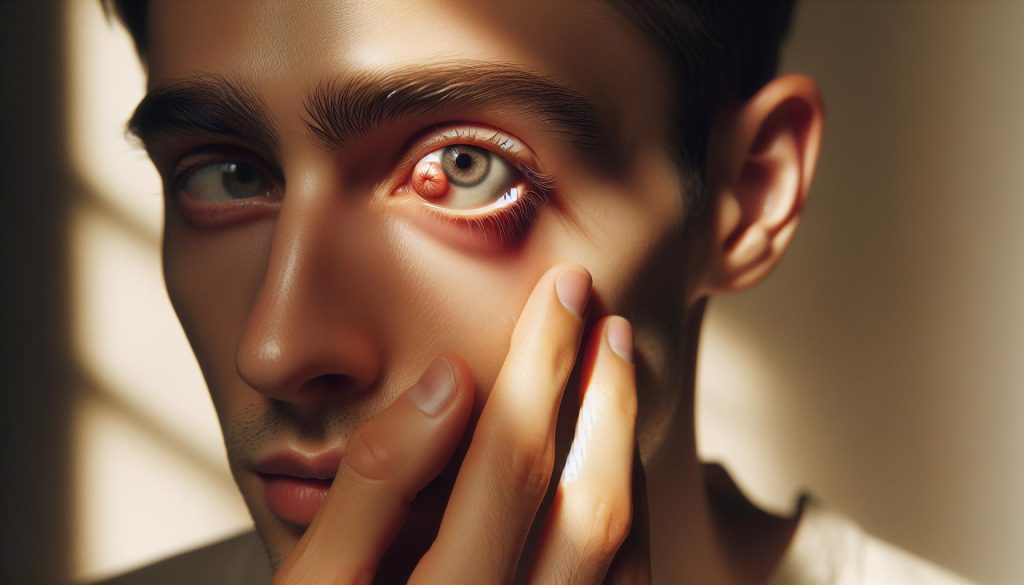
A stye, a small but often painful infection on the eyelid, can lead to uncomfortable symptoms, including watery eyes. Understanding how a stye affects your eye health is essential, especially for anyone who has experienced the discomfort of an irritated eyelid. Not only can watery eyes be bothersome, but they may also signal an underlying issue that requires attention.
In this article, we’ll explore the connection between styes and watery eyes while providing you with practical tips for instant relief. Whether you’re seeking to navigate the discomfort of a current stye or looking for ways to prevent them in the future, we’ll equip you with the knowledge you need for effective care. Your eye health is important, and understanding these common conditions will empower you to take control of your well-being.
Understanding Styes: What They Are and How They Form
A stye, medically known as a hordeolum, is a common eyelid condition that manifests as a painful, red bump on the edge of the eyelid. This small abscess occurs when an oil gland or hair follicle becomes infected, often by bacteria such as Staphylococcus. While the sight of a stye can be concerning, it’s essential to understand that they are usually harmless and resolve on their own. They may form in response to blocked pores, poor hygiene, or even excessive rubbing of the eyes.
The primary cause of styes is infectious agents that infiltrate the glands on your eyelids. When these glands become blocked, the trapped oils can lead to swelling and inflammation, resulting in a stye. Risk factors include not removing eye makeup properly, using expired cosmetics, and having underlying skin conditions like acne or eczema. Additionally, stress can weaken the immune system, making infections more likely, while hormonal changes can also contribute to clogging of the glands.
To alleviate the discomfort associated with styes and encourage faster healing, you can use warm compresses multiple times a day. This can help to open up blocked pores, improve drainage, and reduce inflammation. Though it’s tempting, avoid squeezing or attempting to pop the stye, as this may worsen the infection or lead to further complications.
Knowledge about styes can empower you to take better care of your eye health. By practicing good hygiene and managing contributing factors like stress and makeup usage, you can reduce your risk of developing styes. Remember, if symptoms persist or worsen, seeking medical attention is a wise choice to ensure proper care.
Do Styes Really Cause Watery Eyes?
Experiencing watery eyes can be frustrating, and if you have a stye, you might wonder if there’s a connection between the two. The good news is that styes, while primarily manifesting as painful bumps on the eyelid, can indeed contribute to watery eyes. This occurs because the inflammation and irritation triggered by the stye can cause your eyes to produce excess tears as a protective response. When your eyelid is inflamed, it may disrupt the normal blinking and drainage process, leading to a build-up of tears, which feels uncomfortable.
Moreover, the presence of a stye often makes the eyes more sensitive to light and other irritants. This heightened sensitivity can also result in increased tearing. For those who wear contact lenses or eye makeup, the irritation from these products might exacerbate the situation, leading to even more watery eyes. Therefore, it’s crucial to treat not only the stye but also any additional irritants that might be contributing to your watery eye symptoms.
To alleviate discomfort, using warm compresses can be a simple yet effective remedy. Applying a warm cloth to the affected area several times a day helps to reduce inflammation, promote drainage, and, in turn, can help manage excess tearing. Additionally, ensure you’re avoiding eye makeup and contact lenses until the stye has healed to minimize further irritation.
If watery eyes persist for an extended period alongside a stye or worsen in severity, it’s advisable to seek medical attention. A healthcare professional can help rule out other potential causes and recommend appropriate treatment to restore comfort and eye health.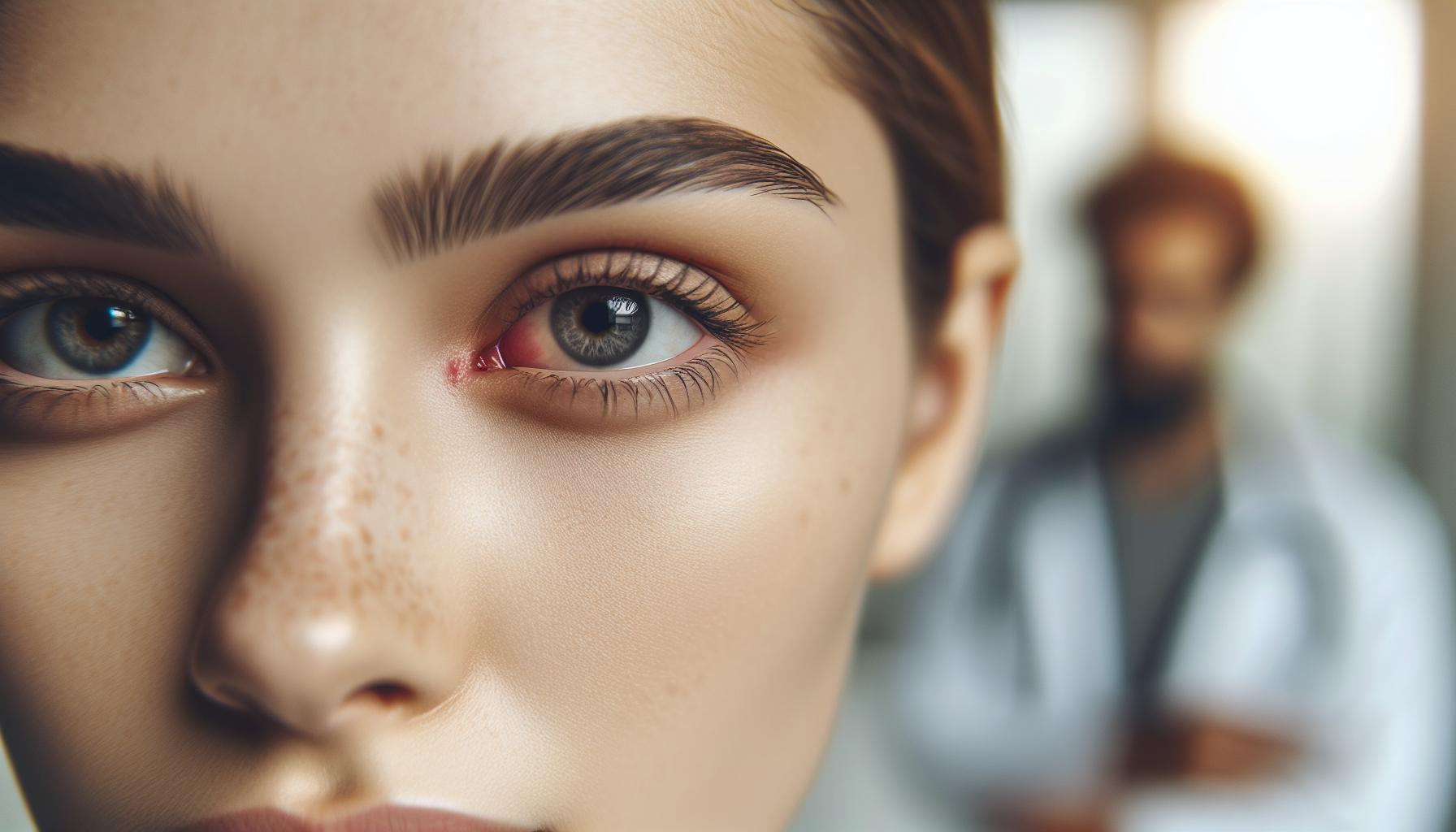
Identifying Other Common Symptoms of Styes
A stye, while often characterized by that painful bump on the eyelid, can produce a range of symptoms that signal its presence. Recognizing these signs early can not only lead to quicker relief but also minimize discomfort and prevent complications. The most common symptom that accompanies a stye is redness around the affected area, often taut with inflammation. This localized swelling is typically accompanied by tenderness, which can make even the gentlest touch feel uncomfortable.
Alongside physical symptoms, you might experience a sensation akin to a foreign object in your eye-many describe it as gritty or scratchy. This discomfort can become more pronounced with blinking, often exacerbated by increased tear production due to the irritation from the stye. In some cases, it can result in watery eyes, as the body attempts to wash away what it perceives as an irritant. Furthermore, light sensitivity is another notable symptom; you may find that bright environments become unbearable, a common issue when dealing with eye-related irritations.
Other symptoms to watch for include crusting at the eyelid margins, particularly after a night’s sleep, and a potential discharge that can accumulate on the lashes. This discharge, while not always present, is an indication that the stye may be progressing. Should you start to notice sharp pain, swelling that extends beyond the eyelid, or fever, these signs could indicate a more severe infection that warrants professional medical attention.
To alleviate the discomfort and promote healing, warm compresses can be a simple yet effective solution. Applying a warm, damp cloth to the affected eye for 10 to 15 minutes several times a day can help reduce swelling and promote drainage. Above all, remember to maintain gentle hygiene around the eye area to avoid further irritation and the spread of bacteria. Listening to your body and addressing symptoms promptly will help you navigate the discomfort of a stye more effectively.
Quick Relief Tips for Styes at Home
Experiencing a stye can be frustrating, especially when it brings along discomfort and symptoms like watery eyes. Thankfully, there are several practical, effective remedies to alleviate the pain and irritation associated with styes right from the comfort of your home. One of the most recommended methods is applying a warm compress to the affected area. The gentle heat helps to reduce inflammation and encourages the stye to drain naturally. Simply soak a clean cloth in warm water, wring it out, and place it over your eye for 10 to 15 minutes, repeating several times a day. This not only soothes the area but can also minimize tear production caused by irritation.
In addition to warm compresses, maintaining proper hygiene is paramount. This means washing your hands frequently and avoiding touching or rubbing your eyes. You can also cleanse the eyelid area gently with a diluted baby shampoo or a commercial eyelid scrub, which helps to remove any excess oil or debris that may be contributing to the blockage in the eyelid glands. If the stye is particularly bothersome, over-the-counter anti-inflammatory medications, such as ibuprofen, can help reduce swelling and pain.
If you prefer natural remedies, consider using chamomile tea bags. After steeping the tea, allow the bags to cool and then place them over your closed eyelids. Chamomile has soothing properties that can provide relief from irritation. Always make sure that any item used near the eyes is thoroughly cleaned and free from any irritants. In terms of dietary adjustments, staying hydrated and incorporating anti-inflammatory foods, like omega-3 fatty acids found in fish, can play a positive role in your overall eye health.
Lastly, while these home remedies can provide relief, it’s essential to monitor your symptoms. If the stye becomes increasingly painful, develops a pus-filled head, or does not improve within a few days, seeking medical attention may be necessary. A healthcare professional can offer additional treatment options or determine if there is a more serious underlying issue.
When to Seek Medical Attention for Styes
If you’re dealing with a stye, it’s essential to know when home remedies are no longer sufficient and seeking medical attention becomes crucial. Styes, while often harmless and typically resolving on their own, can sometimes lead to complications. One of the first signs that you should consult a healthcare professional is if the stye shows no signs of improvement after several days of at-home treatment, such as warm compresses or over-the-counter pain relievers. If you experience increasing redness, swelling, or pain in the affected area, it’s a clear indicator that the stye may be getting worse rather than better.
Another concerning sign to watch for is the development of a pus-filled head or, conversely, if the stye persists for an unusually long time without any change. Such symptoms could suggest a possible infection that might require prescription antibiotics or further intervention. Additionally, if the stye presents with vision changes, excessive tearing, or if you start to develop styes frequently, these could be signs of an underlying issue that requires a doctor’s evaluation.
For those with existing eye conditions, like blepharitis or rosacea, the risk of complications can be higher, making it even more important to seek medical advice sooner rather than later. A healthcare provider can evaluate your individual symptoms and possibly prescribe medications, including topical antibiotics or steroids, to facilitate healing.
In summary, while most styes are self-limiting, paying attention to your symptoms and acting promptly can not only relieve discomfort but also prevent potential complications. Empower yourself with knowledge about your body, and don’t hesitate to reach out to a healthcare professional if you have any doubts or concerns regarding your stye.
Preventive Measures to Avoid Styes
To keep those bothersome styes at bay, it’s essential to adopt proactive habits that prioritize eye health. Styes often arise from clogged glands and bacteria, making hygiene and regular care pivotal in prevention. One effective approach is to establish a daily eyelid hygiene routine. Gently washing your eyelids with a mild soap or commercially available eyelid scrub can help remove debris, oils, and bacteria that could potentially contribute to stye formation. You may also consider using warm compresses a few times a week; the warmth not only relaxes the eyelid skin but also stimulates oil gland secretion, preventing blockages.
In addition to keeping your eyelids clean, pay attention to makeup practices. Always ensure that any cosmetics, especially eye makeup, are hypoallergenic and fragrance-free to minimize irritation. It’s equally important to replace your makeup regularly, particularly mascara and eyeliner, as these can harbor bacteria over time. Never share makeup with others to prevent the spread of germs, and be diligent about removing makeup thoroughly before sleep.
Stress and overall health also play critical roles in your eye health. Incorporate stress-reducing activities into your lifestyle, such as yoga or meditation, as stress can exacerbate eye issues. Additionally, a diet rich in omega-3 fatty acids, vitamins A and E, and antioxidants can support eye health. Foods like salmon, leafy greens, and nuts can be beneficial. Staying hydrated is equally important; aim to drink plenty of water throughout the day to keep your skin and eyes hydrated.
Finally, keep an eye out for allergens in your environment that might lead to eye discomfort or conditions like allergies, which can cause watery eyes. Using air purifiers, keeping windows closed during high pollen seasons, and washing your bedding frequently can help reduce exposure to allergens. By integrating these practices into your daily routine, you can significantly lower your risk of developing styes and maintain overall eye health.
Natural Remedies for Eye Care and Stye Relief
Natural remedies can be a soothing solution for managing styes and maintaining overall eye health. If you’re experiencing discomfort from a stye, several simple, effective, and natural remedies can provide relief and support your healing process. One of the most renowned methods is the warm compress. Applying a clean, warm, damp cloth to the affected eyelid for 10 to 15 minutes, multiple times a day, can help to reduce swelling and promote drainage of the clogged gland. The warmth opens up the pores, allowing trapped oils and bacteria to escape, facilitating healing and alleviating pressure.
In addition to warm compresses, herbal teas can be a delightful and practical approach to soothe eye irritations. Chamomile and green tea possess anti-inflammatory properties that may help reduce redness and swelling. Brew a tea bag, allow it to cool, and place it over your closed eyelid for a gentle, calming treatment. This not only eases discomfort but can also provide a moment of relaxation in your busy day.
Maintaining hydration is also crucial for eye health. Drinking sufficient water not only improves overall health but helps keep your eyes well-lubricated. You can further enhance hydration by incorporating foods rich in omega-3 fatty acids, like fish, flaxseeds, and walnuts, which play a role in reducing inflammation and maintaining moisture levels in the eyes. Additionally, incorporating foods high in vitamins A and C, such as carrots and oranges, will support your immune system and eye health.
Lastly, practicing proper eyelid hygiene is a fundamental natural remedy for preventing styes. Use a gentle eyelid scrub or diluted baby shampoo to cleanse your eyelids daily. Regularly cleaning your eyelids can help remove allergens and bacteria that contribute to stye formation. By integrating these simple practices into your daily routine, you can naturally support your eye health and find relief from the discomforts associated with styes.
The Role of Hygiene in Stye Prevention
Maintaining proper hygiene is crucial in preventing styes, those pesky, painful lumps that can develop at the base of your eyelashes. An important factor in their formation is a blockage or infection of the oil glands in the eyelids, often exacerbated by bacteria that thrive in dirty environments. By adopting a robust eye care routine, you can greatly reduce your risk of developing a stye.
One effective method to maintain eyelid hygiene is to regularly cleanse your eyelids to remove excess oils, dust, and makeup. You can use a gentle eyelid scrub or a diluted solution of baby shampoo. Here’s a simple step-by-step guide you can follow:
- Gather your supplies: You’ll need a clean washcloth, warm water, and your eyelid scrub or baby shampoo.
- Wet the cloth: Soak the washcloth in warm water to create a comfortable compress.
- Apply the solution: If using baby shampoo, mix a drop with water and apply it to the cloth.
- Gently wipe: Closed your eyes and gently wipe the eyelids from the inner to the outer corner. This should be done daily to keep the area clean and bacteria at bay.
In addition to this routine, it’s pivotal to keep your hands clean. Always wash your hands thoroughly before touching your face or applying any eye makeup. Avoid sharing makeup products, particularly eye makeup, as this can introduce bacteria and increase your risk of developing styes.
Even your makeup choices matter; using old or contaminated cosmetics can significantly elevate your chances of eye infections. Make it a point to regularly replace eye makeup, particularly mascara and eye pencils, to minimize the risk. Proper hygiene not only decreases the likelihood of stye formation but also contributes to your overall eye health, giving you clear, beautiful eyes and peace of mind.
Exploring Eye Care Products for Stye Management
Maintaining eye health is essential, especially when dealing with styes, those painful bumps that can disrupt your daily life. Several eye care products can provide relief and help manage the symptoms associated with styes, including watery eyes, irritation, and discomfort. Choosing the right products can make a significant difference in your recovery and overall eye health.
One of the most effective solutions for stye management is the use of eyelid scrubs, specifically formulated to cleanse and soothe the eyelid area. Look for products containing gentle ingredients such as chamomile or tea tree oil, which have natural antibacterial and anti-inflammatory properties. Using an eyelid scrub regularly can help keep the eyelid area clean, reducing the likelihood of bacterial growth and subsequent stye formation. These scrubs can also alleviate symptoms of irritation and redness, making your eyes feel more comfortable.
In addition to eyelid scrubs, warm compresses are highly recommended for stye treatment. Investing in a reusable warm compress or eye mask can be beneficial. Applying warmth can promote drainage of the stye, speeding up the healing process. Some products are specifically designed for this purpose and can be heated in the microwave, providing soothing relief whenever needed. Additionally, consider using artificial tears or lubricating eye drops to combat dryness and irritation that often accompany styes, which can help maintain moisture and enhance comfort during recovery.
To further support your eye health, investing in high-quality eye makeup removers and gentle cleansers for sensitive eyes is essential. Products designed to dissolve makeup without harsh chemicals can help you maintain eyelid hygiene without causing further irritation. Regularly cleansing your eyelids after wearing makeup ensures that you remove potential irritants and prevent blockage of the oil glands, which are often implicated in the development of styes.
Ultimately, having a well-rounded approach using these eye care products, combined with good hygiene practices, can empower you to manage styes effectively and maintain your eye health efficiently. Prioritizing products that promote cleanliness and soothe irritation will not only help alleviate symptoms but also prevent future occurrences, allowing you to enjoy clear and comfortable vision.
The Impact of Stress and Diet on Eye Health
Stress and diet significantly influence our overall health, including eye health. Chronic stress can lead to a range of bodily responses that may exacerbate existing eye conditions, such as styes. When stressed, the body produces increased levels of cortisol, a hormone that, among other effects, can impair the immune system. This weakening of the immune response makes the body more susceptible to infections, including those that can lead to styes. Moreover, stress tends to encourage unhealthy habits, such as poor eating patterns and decreased sleep quality, both of which can further aggravate eye issues.
Diet, on the other hand, plays a pivotal role in maintaining optimal eye health. Foods rich in antioxidants-such as leafy greens, colorful fruits, and fatty fish-can help combat inflammation and support immune function. When your diet lacks essential nutrients, it might lead to a decreased ability to respond to minor infections, making styes more likely. For instance, a deficiency in vitamins A, C, or E can impact your body’s ability to heal effectively, potentially prolonging the duration and severity of a stye. Integrating foods high in omega-3 fatty acids, like salmon and walnuts, can also be beneficial for eye health as they help improve lubrication and reduce inflammation.
In practical terms, consider these steps to enhance your eye health through stress management and dietary adjustments:
- Mindful Eating: Prioritize a balanced diet rich in fruits, vegetables, whole grains, and lean proteins while avoiding excessive sugar and processed foods.
- Hydration: Drink adequate water throughout the day to help maintain moisture in your eyes, as dehydration can lead to irritation and exacerbate symptoms.
- Stress Management Techniques: Engage in activities such as yoga, meditation, or deep-breathing exercises to help mitigate stress levels and promote relaxation.
- Regular Eye Breaks: If you spend extended periods in front of screens, practice the 20-20-20 rule: every 20 minutes, look at something 20 feet away for at least 20 seconds.
Prioritizing both stress management and a nutrient-rich diet can empower you to maintain better eye health and potentially reduce the frequency and severity of styes. Small lifestyle changes can accumulate into significant benefits, making it easier to enjoy daily activities without discomfort or irritation.
Understanding the Connection Between Allergies and Watery Eyes
Allergies can significantly impact our eye health, leading to a range of uncomfortable symptoms, including watery eyes. When allergens like pollen, dust mites, or pet dander enter the body, they trigger an immune response, releasing histamines that can cause inflammation and irritation. This reaction can manifest as red, itchy, and watery eyes, which may be mistaken for symptoms of a stye. However, understanding this connection is crucial to effectively manage and relieve these symptoms.
For individuals prone to styes, allergies can create a perfect storm. The itching and irritation in the eyes may lead to frequent rubbing, which not only exacerbates allergy symptoms but also heightens the risk of developing a stye. To combat this, it’s essential to minimize exposure to known allergens and to practice good hygiene. Regularly washing your face and avoiding touching the eyes can help reduce the likelihood of both allergic reactions and stye development.
To effectively manage watery eyes caused by allergies, consider incorporating the following tips into your routine:
- Use antihistamines: Over-the-counter antihistamines can help alleviate allergy symptoms and reduce excessive tearing.
- Apply cold compresses: A cold compress can soothe itchy, swollen eyes and provide instant relief from discomfort.
- Maintain indoor air quality: Using air purifiers and regularly cleaning your living space can help minimize allergens in your environment.
- Consult an allergist: If you suspect allergies are a regular issue, seeking professional advice can help identify triggers and appropriate treatments.
By understanding the intricate relationship between allergies and eye symptoms, you can take proactive steps to protect your eye health. This proactive approach not only reduces watery eyes but also serves as a preventive measure against styes, promoting overall comfort and wellness.
Alternative Treatments: What Works for Styes?
When facing the discomfort of a stye, exploring alternative treatments can provide relief and aid in the healing process. While styes are typically harmless, they often come with irritating symptoms that can disrupt your daily life. Fortunately, many effective home remedies and lifestyle changes can support recovery and minimize recurrence.
One popular method is the application of warm compresses, which can help alleviate swelling and encourage drainage. Simply soak a clean cloth in warm water, wring it out, and place it over the affected area for about 10 to 15 minutes several times a day. This gentle warmth helps to calm inflammation and can promote faster healing by increasing circulation around the eyelid. For added comfort, you might consider chamomile or green tea bags as compresses, as both contain anti-inflammatory properties that can soothe irritation.
Another approach worth considering involves natural topical treatments. Products containing tea tree oil are often cited for their antibacterial effects, which can combat the bacteria responsible for many styes. However, this essential oil must be diluted properly; a drop mixed with a carrier oil, like coconut or almond oil, can be applied around the stye with caution, ensuring it doesn’t enter the eye. Additionally, aloe vera is a soothing remedy known for its healing properties; applying a small amount around the affected area can help reduce inflammation and promote skin health.
The significance of maintaining good hygiene cannot be overstated. Regularly cleaning your eyelids with gentle, non-irritating eyelid scrubs or diluted baby shampoo can help eliminate debris and bacteria that contribute to stye formation. Furthermore, consider your lifestyle choices-stress management, a balanced diet rich in vitamins and minerals, and staying hydrated can improve overall eye health. Foods high in omega-3 fatty acids, such as fish, walnuts, and flaxseeds, are especially beneficial for maintaining moisture and supporting tissue health.
In conclusion, there’s a range of alternative treatments available to help manage stye symptoms effectively. By incorporating these remedies into your routine, along with proper hygiene practices, you can empower yourself to combat styes and promote healthier eyes. Always keep in mind that if your stye worsens or doesn’t improve, seeking medical attention is crucial to avoid complications.
FAQ
Q: How do styes cause watery eyes?
A: Styes can cause watery eyes due to inflammation and irritation of the eyelid. The body’s natural response to infection or irritation includes increased tear production, leading to watery eyes as a symptom [3[3].
Q: What are the common symptoms of a stye besides watery eyes?
A: Common symptoms of a stye include a painful lump on the eyelid, redness, swelling, tenderness, and possibly discharge from the eye. These symptoms can accompany the watery eyes and indicate an ongoing infection [2[2].
Q: Can allergies also cause watery eyes similar to a stye?
A: Yes, allergies can cause watery eyes by triggering irritants that lead to lacrimation. If you experience watery eyes with itchy or swollen eyelids, it may be related to allergies rather than a stye [1[1].
Q: How can I relieve symptoms of watery eyes caused by a stye?
A: To relieve watery eyes from a stye, apply a warm compress for 10-15 minutes several times a day. This can help reduce swelling and promote drainage. Over-the-counter pain relievers may also ease discomfort [3[3].
Q: When should I see a doctor for a stye affecting my eyes?
A: Seek medical attention if the stye does not improve within a few days, worsens, or if you experience severe pain, vision changes, or recurrent styes. These could indicate a more serious condition [2[2].
Q: Are there home remedies for treating a stye and associated watery eyes?
A: Yes, warm compresses, eyelid hygiene, and over-the-counter pain relief can be effective home remedies. Additionally, maintaining good hygiene can prevent the recurrence of styes [1[1].
Q: Can stress impact the occurrence of styes and watery eyes?
A: Yes, stress may weaken the immune system, making individuals more prone to infections like styes, which can cause watery eyes as a symptom. Stress management techniques may help reduce recurrence [1[1].
Q: What lifestyle changes can help prevent styes?
A: Maintain good eyelid hygiene, manage stress, and ensure a balanced diet. Avoid touching your eyes with unwashed hands, and be mindful of cosmetics to prevent clogged glands that may lead to styes [2[2].
Future Outlook
While a stye can indeed lead to watery eyes, understanding its causes and exploring effective relief options are vital to managing this discomfort. If you found these insights helpful, don’t hesitate to visit our related articles on stye treatments and eye care routines for more in-depth guidance. For immediate relief, consider implementing a warm compress as a soothing first step, and remember, should symptoms persist, consulting a healthcare professional is essential.
Curious about prevention? Dive into our additional resources on maintaining healthy eyes and skincare practices. Join our community by signing up for our newsletter, where you’ll receive exclusive tips straight to your inbox. Your journey to informed eye care starts here-let’s explore more ways to protect your beauty and comfort together!