

Styes can be more than just a cosmetic concern; they often bring an uncomfortable itching sensation that can disrupt your daily life. If you’ve experienced this irritation, you’re not alone-many people wonder how to find relief from styes and the accompanying itchiness. Understanding the causes and effective home treatments can empower you to manage your symptoms and reclaim your comfort.
In this article, we’ll explore why styes can make your eyes itch and share relief strategies that work. From simple home remedies to preventive measures, you’ll gain insights that can not only alleviate the discomfort but also enhance your eye care routine. Let’s delve into these practical solutions to help you feel your best!
Understanding What Causes a Stye and Its Symptoms
A stye, a common but uncomfortable eyelid condition, can often catch you off guard with its sudden appearance. This painful, red lump usually surfaces at the edge of the eyelid, reminiscent of a pimple or boil. Styes are typically the result of a bacterial infection, specifically affecting the oil glands located near the base of your eyelashes. While they primarily develop due to bacteria that might normally reside on your skin, factors such as poor hygiene, stress, fatigue, or underlying skin conditions can increase your susceptibility to developing styes.
Symptoms of a stye can vary slightly from person to person but often include a localized redness and swelling, tenderness at the site, and discomfort when blinking or touching the eye. Some individuals may experience itchiness or a gritty sensation in the affected eye, although itching is not a universal symptom. It’s essential to keep an eye on the stye as they can sometimes lead to more significant issues like inflammation or blockage of other glands around the eye if left untreated.
Maintaining cleanliness around your eyes is crucial for preventing styes. Regular washing, especially after touching your face or handling contact lenses, can help reduce the risk. If you develop a stye, keeping your hands away from your eyes and avoiding eye makeup or contact lenses during the healing process will also facilitate quicker recovery and reduce irritation. Understanding these aspects can empower you to manage your eye health effectively and prevent the discomfort styes can bring.
Do Styes Always Make Your Eyes Itch?
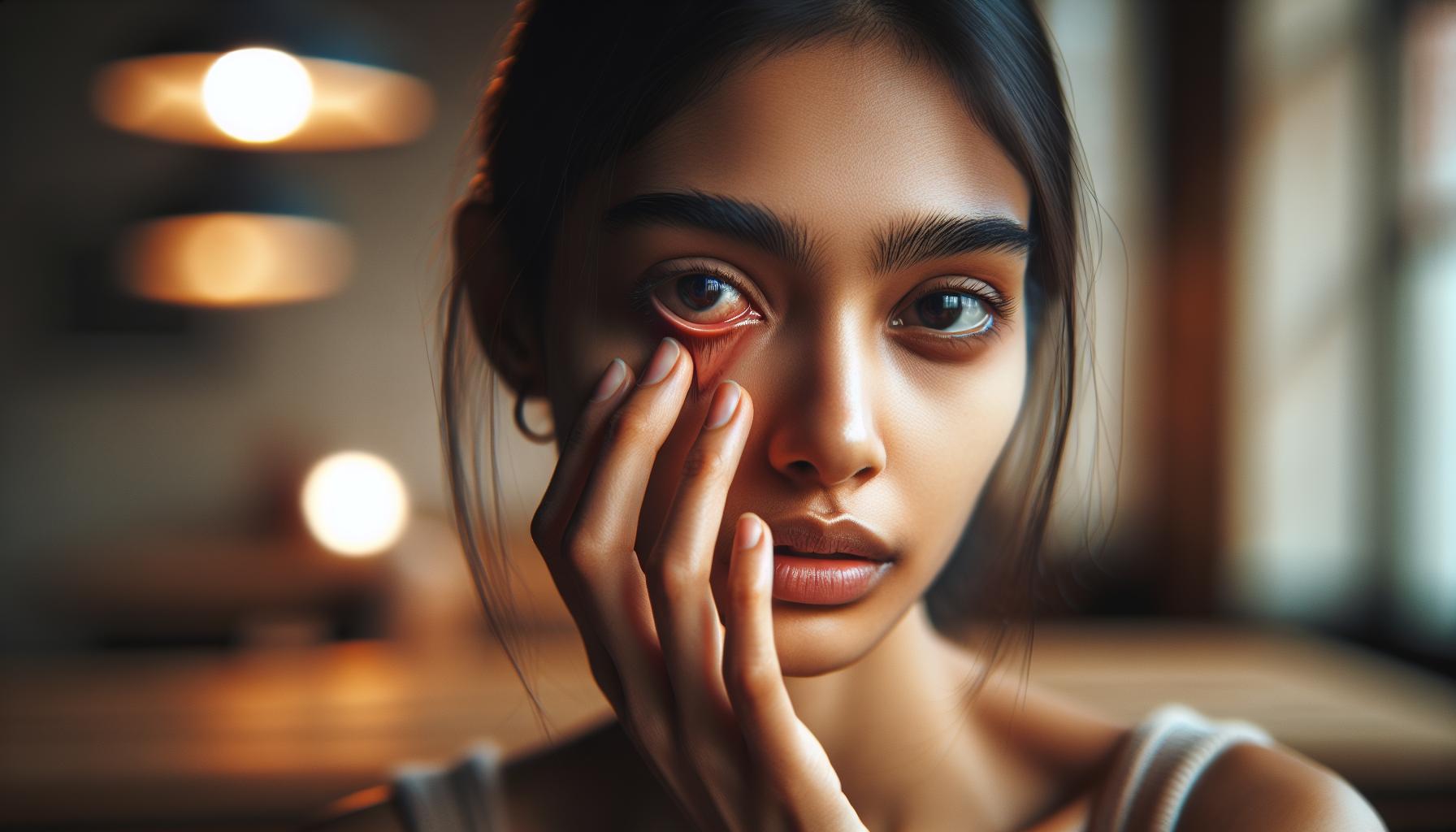
While many people expect a stye to come with a constant itch, the reality is a bit more nuanced. A stye is primarily a painful localized infection that can result in swelling and sensitivity around the eyelid, yet it does not always induce itching. The experience can vary significantly from person to person. Some may describe a gritty or irritating sensation in the eye, which can feel similar to an itch, while others might find the discomfort more related to pressure or tenderness rather than actual itchiness.
Understanding the Sensation
It is essential to recognize that the feelings associated with a stye are often linked to inflammation and irritation rather than inherent itchiness. The infection can result in redness and swelling, which may trigger an instinctual urge to rub the eye, mistakenly attributing the discomfort to an itch. This action can, however, exacerbate the situation, spreading bacteria and worsening the condition. Therefore, if you find yourself dealing with a stye, it’s crucial to avoid touching the affected area as much as possible.
Effective Relief Strategies
For those experiencing any discomfort, including itching, several relief strategies can help. Applying warm compresses to the affected eye can reduce inflammation and encourage drainage of the stye. This gentle heat can soothe irritation and may alleviate any feelings of itchiness. Aim for sessions of about 10-15 minutes, several times a day, to enhance the healing process.
Additionally, maintaining proper hygiene can significantly lessen the irritation caused by a stye. This means washing your hands thoroughly before touching your face and avoiding makeup and contact lenses during the healing period to prevent further aggravation. Staying well-hydrated and consuming a balanced diet rich in vitamins can also support your body’s healing ability, potentially reducing the overall discomfort from a stye.
In summary, while not everyone will experience itching with a stye, understanding the range of symptoms and managing them appropriately can lead to a more comfortable recovery.
Effective Home Remedies for Stye Relief

Applying warm compresses to the affected eye can be one of the most . The warmth helps to soothe irritation and can promote drainage, which may hasten healing. Simply soak a clean cloth in warm water, wring it out, and place it gently over the stye for about 10-15 minutes a few times each day. This simple yet powerful technique not only provides immediate comfort but also encourages blood flow, assisting in the natural healing process.
Maintain Proper Hygiene
Maintaining hygiene is crucial when dealing with a stye. Always wash your hands thoroughly before touching your face or eyes, as bacteria can easily transfer and worsen the stye. Avoid using eye makeup or contact lenses until the stye has healed to prevent further irritation. Towels and pillowcases should also be kept clean, as these materials can harbor bacteria that contribute to styes.
Nutritious Diet for Healing
Nutrition plays a vital role in your body’s ability to heal. Eating a balanced diet rich in vitamins A, C, and E can support eye health and boost your immune system. Foods such as leafy greens, nuts, and colorful fruits are powerful allies in recovery. Staying well-hydrated by drinking plenty of water can also assist in flushing out toxins, potentially reducing the duration of the stye discomfort.
Natural Ingredients for Soothe and Heal
Many women find relief through the use of natural ingredients. For instance, a drop of diluted tea tree oil applied carefully can help due to its antibacterial properties. However, it’s important to always dilute this oil with a carrier oil to avoid irritation. Alternately, chamomile tea bags, when brewed and cooled, can be placed over the eye like a compress; the soothing properties of chamomile can reduce irritation and provide comfort.
Remember, while these remedies can offer significant relief, it’s essential to be patient-the healing process can take several days. By incorporating these home care strategies, you can create a supportive environment for your body to heal and diminish the discomfort associated with styes.
Over-the-Counter Treatments for Styes
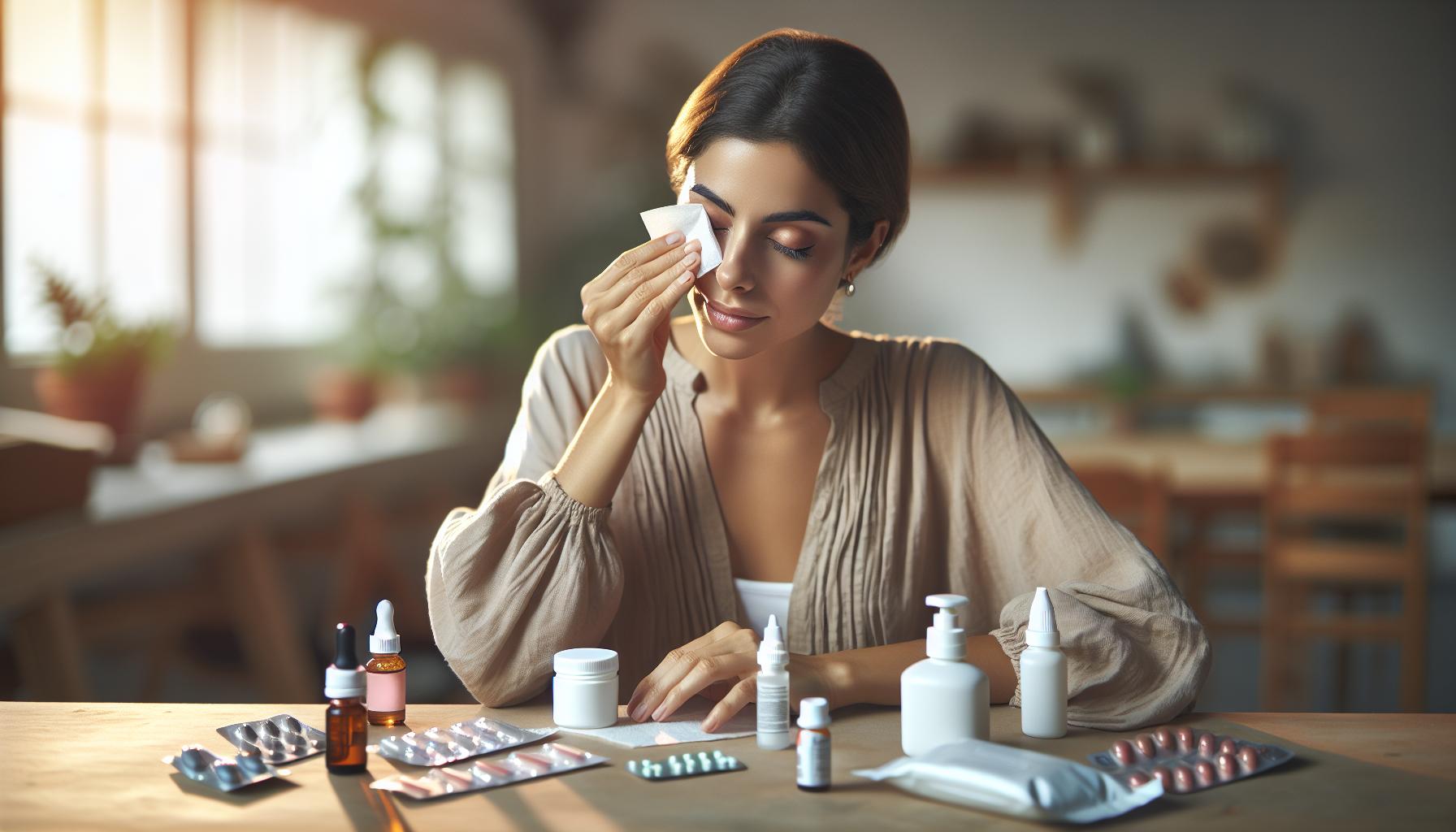
Over-the-counter (OTC) treatments can provide relief for the discomfort associated with styes, helping to soothe irritation and promote healing. While these remedies may not eliminate the stye completely, they can significantly ease symptoms and support the healing process. One commonly recommended product is an OTC eye wash or saline solution, which can help cleanse the eye area to remove irritants and bacteria that may exacerbate the condition.
Additionally, topical antibiotic ointments can sometimes be beneficial, especially if there’s a concern about bacterial infection. Look for products that contain Bacitracin or Polysporin; these can help keep the area clean and reduce the risk of further infection. When using ointments, be sure to apply a small amount to the affected area after washing your hands thoroughly to avoid introducing additional bacteria.
If itching is a significant concern, antihistamine eye drops may also provide relief. These drops can alleviate itchiness and redness, making it easier to focus on daily tasks without the constant reminder of discomfort. However, it’s vital to read the labels and select products specifically designed for use with styes, as some eye drops may be too harsh for irritated eyelids.
Pain relief is another aspect worth considering. Oral pain relievers such as acetaminophen or ibuprofen can help manage the discomfort associated with a stye. Always follow the dosing instructions on the packaging and consult your healthcare provider if you have any underlying health conditions or are on other medications.
To maximize the effectiveness of these over-the-counter options, combine them with at-home remedies like warm compresses. The warmth helps to open up clogged glands and can encourage drainage, enhancing the efficacy of the treatments mentioned. While OTC products can provide significant temporary relief, remember that persistent or severe styes may require a visit to a healthcare professional for further evaluation and treatment.
When to See a Doctor for Stye Management

It’s easy to overlook the subtle signs that a stye may require medical intervention, especially when they often appear harmless at first. However, knowing when to see a doctor is crucial for effective management and long-term relief. If your stye persists for more than a week, continues to worsen, or shows signs of spreading, it’s important to consult with a healthcare professional. Prolonged irritation may indicate a bacterial infection that could escalate without proper treatment.
In addition to duration, monitor your symptoms closely. If you experience significant pain, swelling, or redness that extends beyond the eyelid, it’s a clear sign that intervention is needed. Furthermore, if you start to notice changes in your vision or experience excessive discharge, do not hesitate to seek medical advice, as these could be signs of a more serious condition requiring immediate attention.
Also, those who frequently develop styes or have a history of recurring episodes should discuss this with their doctor. Understanding the underlying factors contributing to stye formation-such as skin conditions, hygiene practices, or lifestyle habits-can help formulate a tailored prevention strategy, reducing future occurrences. Empower yourself by staying informed and proactive; addressing styes early can lead to faster relief and prevent complications.
Preventive Measures to Avoid Future Styes
Maintaining proper hygiene around your eyes is essential to prevent styes from occurring. Many individuals may not realize that simple daily habits can significantly reduce their risk of this uncomfortable eye condition. For instance, regularly cleaning your eyelids and eyelashes can eliminate harmful bacteria that often lead to stye formation. Incorporating diluted baby shampoo rinses during your regular shower can be an effortless yet effective routine to remove debris and oils that accumulate throughout the day. Additionally, investing in eyelid cleansing pads available at drugstores can provide a quick and convenient solution for on-the-go cleansing.
Using makeup safely is another vital preventive measure. Always ensure that your cosmetics, especially those applied near your eyes, are fresh and have not reached their expiration dates. It’s also a good idea to avoid sharing makeup products, as this can transfer bacteria between users. If you wear contact lenses, adopt a diligent cleaning schedule for both your lenses and the case, as well as your hands. Consider wearing glasses instead of contacts when your eyes feel irritated, to give your eyelids a break and lessen exposure to potential irritants.
Nutrition plays a key role in eye health as well. Consuming a balanced diet rich in vitamins A, C, and E can bolster your immune system and help keep your skin and eyelids healthy. Foods like leafy greens, carrots, and nuts provide the essential nutrients needed to maintain overall eye health. Staying well-hydrated is equally important, as proper fluid intake helps maintain the moisture your eyes need to fend off irritation.
Developing a consistent skincare regimen can also support the health of your eyes. Avoiding harsh chemicals around the eye area and opting for gentle, hypoallergenic products can reduce the risk of irritation that may contribute to stye development. Implementing these preventive strategies not only helps keep styes at bay but also promotes long-term eye health. Remember that being proactive in your eye care will lead to healthier eyes and can significantly enhance your comfort and well-being.
Natural Ingredients for Soothing Stye Discomfort
Natural remedies can provide significant relief from the discomfort that styes often bring, including itching and irritation. One of the most comforting and accessible treatments is the warm compress. Applying a warm, damp cloth to the affected area for 10-15 minutes several times a day helps increase blood circulation and encourages drainage. This gentle approach not only soothes itching but can also accelerate healing by softening the stye.
In addition to warm compresses, several natural ingredients have soothing properties that can assist in alleviating stye discomfort. Here are a few notable options:
- Tea Bags: Used tea bags, particularly those from chamomile or green tea, can have a soothing effect on the eyes. The natural antioxidants and anti-inflammatory properties in these teas help reduce swelling and promote healing.
- Aloe Vera: Known for its healing properties, aloe vera gel can be applied around the stye (avoiding contact with the eye) to soothe irritation and reduce inflammation. Make sure to use pure aloe vera to avoid any additives that might irritate your skin.
- Honey: With its natural antibacterial properties, honey can be used as a topical treatment on the stye to combat infection. Apply a small amount directly to the affected area, ensuring to wash it off gently after some time.
- Coconut Oil: This versatile oil not only moisturizes but also has antimicrobial properties that can help prevent the spread of bacteria. Applying a thin layer around the stye may provide relief from irritation and support the healing process.
While these natural ingredients can aid in alleviating discomfort, it’s essential to practice caution. Always ensure that any substance applied near the eye is clean and free from potential irritants. If symptoms persist or worsen, consulting with a healthcare professional is crucial to rule out any more severe conditions. By embracing these soothing remedies, one can find comfort and promote healing during those pesky episodes of styes.
Lifestyle Changes to Improve Eye Health
Making small yet impactful lifestyle changes can play a significant role in maintaining eye health and reducing the risk of styes and other irritations. Healthy habits not only enhance your well-being but also contribute to the longevity of your beautiful eyes. One of the first steps is to ensure you maintain a balanced diet rich in vitamins and minerals. Foods high in omega-3 fatty acids, such as fish, nuts, and seeds, can help reduce inflammation and promote overall eye health. Additionally, incorporating leafy greens and colorful fruits into your meals provides essential antioxidants like lutein and zeaxanthin, which are known to protect your eyes from damage.
It’s also essential to practice good hygiene, particularly around the eyes. Make it a habit to wash your hands regularly and avoid touching your face, especially your eyes, with unwashed hands. This simple action can prevent bacteria from entering your eyelids. Reassessing your makeup routine is another critical factor; always ensure that your makeup is clean and disposed of after its expiration date. Furthermore, if you wear contact lenses, follow the recommended guidelines for their care and storage to prevent infections.
Creating a conducive environment is equally important; this means managing screen time and exposure to harsh lighting. Excessive screen time can lead to digital eye strain, so remember to follow the 20-20-20 rule: every 20 minutes, take a 20-second break and look at something 20 feet away. Ensuring proper lighting while reading or working can help reduce strain on your eyes too. Furthermore, incorporating routine eye check-ups can help detect any underlying issues early on and keep your vision at its best.
Lastly, staying hydrated is key. Drinking sufficient water daily helps keep your body, including your eyes, hydrated and functioning optimally. It also helps maintain eye moisture, which can alleviate dryness and irritation. By integrating these lifestyle changes into your daily routine, you can empower yourself with better eye health and reduce the chances of developing styes or other related irritations.
Caring for Your Eyes: Tips to Reduce Irritation
Irritated eyes can significantly impact your day-to-day comfort, especially when dealing with styes. Understanding how to care for your eyes can mitigate these irritations and enhance overall eye health. Simple steps and practical habits can make a remarkable difference in how your eyes feel, especially if you’re experiencing discomfort due to styes.
First and foremost, practicing good hygiene is crucial. Always wash your hands thoroughly before touching your face or eyes to prevent transferring bacteria that can exacerbate any irritation or lead to infections. It’s also essential to avoid sharing personal items like towels or makeup, as they can harbor germs. If you wear makeup, consider using hypoallergenic products and ensure to remove all makeup before bed to give your skin and eyes a chance to breathe overnight.
Applying a warm compress to your eyelids can provide immediate relief from irritation and help loosen any debris or clogged oils in the glands of your eyelids. This soothing practice aids in reducing inflammation and can promote faster healing of styes. Simply soak a clean washcloth in warm water, wring it out, and place it gently over your closed eyelids for about 10-15 minutes. Regularly repeating this process a few times a day can encourage optimal eyelid health.
Maintaining a supportive environment for your eyes is just as important as hygiene. Protect them from potential irritants like smoke, dust, and strong winds which can worsen discomfort. When using screens for extended periods, follow the 20-20-20 rule: take a 20-second break to look at something 20 feet away every 20 minutes. This practice can help reduce strain and prevent irritation. Additionally, ensure your work area is well-lit, as poor lighting can lead to further strain on your eyes.
Finally, hydration plays a key role in eye comfort. Drinking plenty of water throughout the day helps maintain moisture levels, reducing dryness and irritation. Foods rich in omega-3 fatty acids, like salmon and walnuts, promote eye health by reducing inflammation and can also alleviate some discomfort associated with styes. By incorporating these habits into your daily routine, you will not only reduce irritation but also enhance your overall eye health, allowing for a clearer and more comfortable vision experience.
What to Expect During Stye Healing Process
Experiencing a stye can be uncomfortable, and understanding the healing process can help you manage your symptoms and promote faster recovery. Typically, the healing journey of a stye unfolds over a period of a few days to two weeks. Initially, you may notice redness, swelling, and tenderness in the affected area, often accompanied by discomfort and itching. Unlike a chalazion, which is more chronic and painless, a stye is marked by sharp pain and noticeable inflammation around the eyelash line due to a bacterial infection in the oil glands.
In the following days, the stye may evolve. You might see it develop a yellowish tip as pus gathers, which indicates that it’s nearing the point of draining. This can signify a natural progression toward healing. At this stage, many find relief by applying warm compresses for about 10-15 minutes several times a day, as this can help bring the pus to the surface, facilitating drainage and reducing inflammation. Moreover, keeping the area clean is essential; gently washing your eyelids with mild soap and water can prevent further irritation and promote healing.
As the stye begins to drain, discomfort generally subsides, although it’s crucial not to squeeze or pop the stye, as this can lead to spreading the infection. After the pus is released, you’ll likely notice significant improvement, both in terms of swelling and pain. However, the entire process can take some time, and patience is key. In some cases, if a stye persists or worsens, consulting a healthcare professional for potential medical intervention, such as antibiotics or drainage procedures, may be necessary.
During the healing period, consider adopting certain lifestyle adjustments to expedite recovery. Consuming a diet rich in anti-inflammatory foods, such as fruits, vegetables, and omega-3 fatty acids, alongside maintaining hydration, can support your body’s healing processes. In adjusting your daily routine, you might also wish to minimize eye strain by adhering to the 20-20-20 rule-every 20 minutes, take a 20-second break to focus on something 20 feet away. This strategy can alleviate additional discomfort while your body works to heal the stye.
Common Myths about Styes Debunked
Experiencing a stye can often lead to confusion and apprehension, especially with the multitude of myths surrounding it. One prevalent misconception is that styes are a result of poor hygiene. While hygiene does play a role in prevention, styes, medically known as hordeola, typically arise from blocked oil glands and bacterial infections-not simply from not washing your face. Therefore, while maintaining good hygiene can help alleviate risk, it is not the sole factor behind this condition.
Another common myth is that styes are contagious. Many people fear that they can spread their stye to others, but the truth is quite the opposite. Styes are not contagious; they arise due to personal bacterial flora or irritation, not because they are easily transmitted through close contact. Understanding this can alleviate unnecessary worry and stigma about having a stye.
Some individuals believe that squeezing or trying to pop a stye will expedite healing. In reality, this behavior can worsen the infection or lead to complications. Instead of attempting to pop a stye, applying warm compresses regularly is a proven method to encourage drainage naturally without risking further irritation or infection.
Additionally, it is often thought that styes always lead to severe vision problems. While they can be uncomfortable and sometimes impede vision temporarily due to swelling, most styes resolve on their own with proper care. They rarely lead to long-term complications. By acknowledging these myths, you empower yourself with accurate knowledge, allowing for a proactive approach to management and care during an uncomfortable time.
Exploring Alternative Therapies for Stye Relief
Finding effective relief from a stye can feel like a daunting task, especially when discomfort and irritation cloud your daily routine. While many often rely solely on traditional methods, a variety of alternative therapies can provide substantial relief and enhance your overall eye health. These remedies not only aim to soothe the immediate symptoms but also tackle the underlying causes, empowering you to manage styes more effectively.
One popular alternative therapy is the use of warm compresses. Applying a warm, damp cloth over the closed eyes for about 10 to 15 minutes can decrease inflammation and promote drainage, helping the stye heal faster. Consider elevating this technique by incorporating herbal infusions, such as chamomile or green tea, which have soothing properties that can further enhance your comfort. Allow the tea to steep, then use the cooled tea bag as your compress-its natural anti-inflammatory compounds might offer an added layer of relief.
Another alternative worth exploring is essential oils. Oils such as tea tree or lavender are renowned for their antibacterial and anti-inflammatory qualities. Diluting a few drops of these oils in a carrier oil (like coconut or almond oil) and gently applying the mixture around the eye area (never directly on the eyelid) may help alleviate discomfort. However, remember to conduct a patch test on your skin to ensure you don’t have any adverse reactions.
Dietary considerations can also play a significant role in managing and preventing styes. Including foods rich in omega-3 fatty acids, such as flaxseeds, walnuts, and fatty fish, might improve overall eye health due to their anti-inflammatory effects. Staying hydrated is equally important; drinking plenty of water keeps your skin and eyes moist, reducing the likelihood of irritation that can lead to blocked glands.
Lastly, mindfulness and relaxation techniques can indirectly benefit eye health. Stress can exacerbate inflammation and irritation, so practices such as yoga, meditation, and deep-breathing exercises can play an integral part in your self-care routine. A holistic approach that embraces both physical and mental well-being can make a notable difference in your overall eye comfort and health.
FAQ
Q: What causes a stye to become itchy?
A: A stye may cause itching due to inflammation and irritation of the eyelid. When oil glands become clogged, they can swell and lead to discomfort, which often manifests as an itchy sensation. Using warm compresses can help soothe irritation and provide relief.
Q: How long does a stye typically itch?
A: A stye usually itches for a few days, but this can vary. Generally, as the stye heals, the itching tends to diminish. If itching persists, it’s advisable to consult a healthcare professional for further evaluation.
Q: Can I treat the itching from a stye at home?
A: Yes, you can treat itching from a stye at home by applying warm compresses several times a day. This helps reduce swelling and alleviate discomfort. Ensure to keep the area clean to prevent further irritation.
Q: Are there any foods that can help relieve stye discomfort?
A: Eating anti-inflammatory foods, such as omega-3 rich fish or walnuts, may support overall eye health and reduce inflammation. Staying hydrated and maintaining a balanced diet contributes to healing as well.
Q: Should I avoid wearing makeup if I have a stye?
A: Yes, it’s best to avoid wearing makeup until the stye has healed completely. Makeup can irritate the eye further and may lead to infection or prolong the healing process.
Q: What type of doctor should I see for persistent stye itching?
A: If itching persists beyond normal healing time, consult an eye care specialist, such as an ophthalmologist. They can assess for other underlying issues and provide appropriate treatment options.
Q: Can stress cause styes to itch more?
A: Stress may exacerbate itching by influencing immune response and overall skin health. Managing stress through relaxation techniques can help mitigate some discomfort associated with styes.
Q: Is it safe to pop a stye if it itches?
A: No, popping a stye can lead to infections and complications. It is advisable to let the stye heal naturally or seek medical advice for proper management and relief strategies.
Feel free to refer to sections on effective home remedies and when to see a doctor in your main article for more comprehensive guidance on stye management.
Future Outlook
If you’re looking to relieve the itch and discomfort from a stye, remember that the right strategies can make a significant difference. From warm compresses to over-the-counter treatments, we’ve discussed effective solutions that can help ease your symptoms. Don’t let a stye impact your day-take action now to find relief! If you’re curious about prevention techniques or additional skincare routines that support eye health, be sure to check out our articles on preventive eye care and the best at-home remedies for common eye issues.
Have more questions or want to share your stye experience? Join the conversation in the comments below! For even more insights into women’s health and beauty, consider signing up for our newsletter-your trusted source for the latest tips and tricks. Stay engaged, empowered, and informed about how to care for your eyes and overall wellbeing!


