
Did you know that eye styes are not only annoying but also quite common? These small, painful bumps can develop on the eyelid due to blocked oil glands, affecting your comfort and appearance. Understanding how eye styes form is essential not only to address them effectively but also to help prevent future occurrences.
In this article, we will explore the complete formation process of eye styes, shedding light on the culprits that contribute to their development. By recognizing the signs and underlying causes, you can empower yourself with the knowledge to take proactive steps in maintaining your eye health. Dive in to discover effective ways to prevent and treat styes so you can keep your beautiful eyes shining bright.
Understanding the Basics of Eye Styes
Understanding eye styes can empower you to take better care of your eye health. An eye stye, or hordeolum, is a common and often painful condition that typically appears as a red, swollen lump on the eyelid. Styes can form when the oil glands at the base of your eyelashes become blocked, causing inflammation and infection. These little bumps are not just a cosmetic nuisance; they can affect your vision and comfort, making it essential to understand how they develop and what you can do about them.
Styes often occur when bacteria or debris clog the glands responsible for producing oil in your eyelids. This blockage leads to an infection that results in redness, swelling, and discomfort. Although anyone can develop a stye, certain factors can increase the likelihood. For example, if you have a history of blepharitis (inflammation of the eyelid margins), are prone to touching your eyes with unclean hands, or have a weakened immune system, you may find yourself more vulnerable to these irritating bumps.
Recognizing the signs of a stye early on can help mitigate discomfort. You may notice a tender spot or lump that becomes red and swollen. Other symptoms can include tearing, sensitivity to light, or a gritty sensation in your eye. If left untreated, a stye can sometimes rupture and drain, offering relief but also carrying a risk of further infection. Thus, understanding not just how styes form but also the associated symptoms empowers you to take swift action if you find one forming, turning a potentially uncomfortable experience into a manageable one.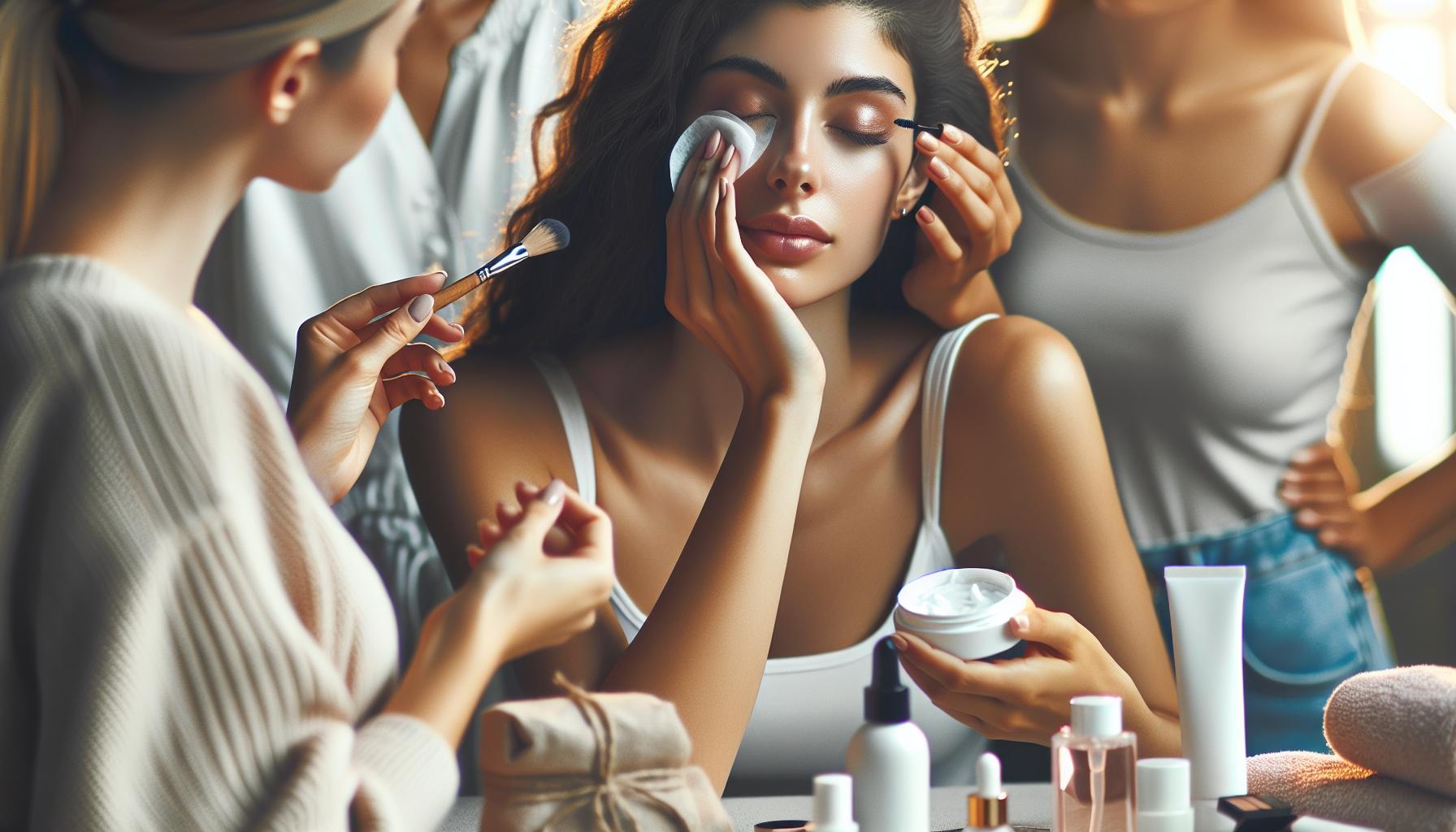
What Causes Eye Styes to Form?
An eye stye typically forms when one of the oil glands at the base of your eyelashes becomes blocked. This blockage can be due to a variety of factors, including the accumulation of oil, debris, or dead skin cells. When a gland is obstructed, it creates an ideal environment for bacteria to thrive, leading to inflammation and infection. Essentially, this process is a response to a physical blockage, and once the normal flow of oil is disrupted, the gland can become swollen and painful.
In most cases, the bacteria responsible for stye formation are part of the natural flora of the skin. However, under certain conditions, such as stress, lack of sleep, or poor hygiene, these bacteria can multiply rapidly. Factors like touching your eyes with unwashed hands or using expired or contaminated makeup can further exacerbate the situation. Strong immune responses, such as during an illness, may also make it more difficult for your body to keep these bacteria in check, increasing the chances of gland blockage and subsequent stye formation.
Understanding the root causes is crucial because it empowers you to take preventative actions. For instance, incorporating good eyelid hygiene into your daily routine can help minimize the buildup of oils and debris that contribute to stye formation. Additionally, properly caring for contact lenses, replacing makeup regularly, and ensuring that your hands are clean before touching your face can significantly reduce your risk.
Ultimately, knowing what causes eye styes to develop allows you to identify risk factors and alter habits that contribute to irritation. By being proactive, you can not only enhance your eye health but also maintain comfort and avoid the discomfort associated with these common conditions.
The Role of Bacteria in Stye Development
When it comes to eye styes, understanding the role of bacteria is crucial because they are often the hidden culprits behind this uncomfortable condition. A stye, or hordeolum, typically arises from a blockage in the oil glands at the base of your eyelashes. This blockage creates the perfect breeding ground for bacteria, notably *Staphylococcus aureus*, which is part of the normal skin flora. When the oil gland becomes obstructed, this bacterium can multiply unchecked, leading to an infection that causes inflammation, redness, and pain.
Bacteria thrive best in warm, moist environments, which is exactly what happens when an oil gland becomes blocked. Alongside higher bacterial activity, factors like stress, lack of sleep, and poor hygiene can diminish your body’s ability to fight off these microorganisms. Touching your eyes with unwashed hands or using contaminated makeup can introduce bacteria into this delicate area, increasing the likelihood of developing a stye. In moments of immune system weakness, such as during illness, the chances that these bacteria can overwhelm the defenses rise significantly, leading to a painful swelling.
To mitigate the influence of bacteria on stye formation, maintaining proper hygiene is essential. Here are a few actionable steps you can follow to safeguard your eye health:
- Wash Your Hands Regularly: Before touching your face or applying makeup, ensure your hands are clean to prevent the transfer of bacteria.
- Practice Good Eye Hygiene: Clean your eyelids gently with mild soap and water or specialized eyelid wipes to remove excess oil and debris.
- Be Mindful with Makeup: Use fresh, non-expired products, and avoid sharing cosmetics. Remove makeup thoroughly before bed to keep your eyelids clear.
- Manage Stress and Sleep Well: Prioritize self-care practices that help maintain your immune health, such as adequate sleep and stress management techniques.
Understanding how bacteria contribute to the development of styes allows you to take proactive steps to keep your eyes healthy. By being vigilant about hygiene and recognizing the conditions that foster bacterial growth, you can significantly lower the chances of experiencing this painful condition. Focus on creating a routine that emphasizes cleanliness and wellness; your eyes will thank you for it!
Common Symptoms of Eye Styes
Experiencing the onset of a stye can be both uncomfortable and distressing, especially when you’re unsure of what symptoms to watch for. Recognizing these signs early can make a significant difference in managing the condition effectively. Typically, a stye will begin with localized tenderness or discomfort at the edge of the eyelid. This sensitivity can quickly escalate into noticeable pain as the swelling progresses.
As the condition develops, you may observe a visible bump at the base of your eyelashes, which can appear red and swollen. This bump often resembles a pimple or small cyst and can be accompanied by an increase in tearing. Many women report a feeling of heaviness in their eyelids, making it challenging to fully open their eyes. Additionally, some may experience irritation or a gritty sensation in the eye, as if something is constantly irritating the surface.
Another common symptom is crusting along the eyelid margins, particularly after sleeping, which can result from discharge caused by the infection. This can make your eyes feel sticky upon waking and may involve the involuntary squinting or blinking of the affected eye due to discomfort.
Ultimately, understanding these symptoms early on is crucial for prompt treatment. If you notice the onset of these signs, it’s wise to consider simple home remedies, like warm compresses, which can promote drainage and soothe inflammation. Staying aware of how these symptoms evolve will empower you to take action before the condition worsens, allowing you to maintain your beauty regimen and comfort in everyday life.
Stages of Stye Formation: Step-by-Step
The development of a stye is a gradual process that begins with the infection of an oil gland at the base of your eyelashes. This often happens due to the presence of Staphylococcus bacteria, which can normally reside on the skin but can trigger an infection in the right conditions. Understanding the stages of stye formation can empower you to identify and address the issue early on, potentially preventing it from worsening.
Initially, when a stye starts to form, you may notice a localized area of tenderness or discomfort at the eyelid’s edge. This tenderness is often accompanied by a slight reddening of the skin. As the infection progresses, the inflamed oil gland fills with pus, leading to the characteristic swelling and the formation of a small, painful bump that may resemble a pimple or cyst. During this stage, the eye can feel heavy and irritated, making it difficult to open fully.
As the stye develops further, you might also experience increased tearing and sensitivity to light. The bump may enlarge and feel more painful as it pushes against surrounding tissues. This stage is often when women find themselves squinting or blinking involuntarily due to discomfort. If the stye progresses without intervention, it can become increasingly red and swollen and may even start to crust, especially after sleeping.
Finally, the stye can either begin to drain on its own or require intervention. Once it ruptures, pus will be released, alleviating some of the pressure and pain. It’s crucial during this stage to maintain proper hygiene to avoid further infection or spreading bacteria. Regularly cleaning the eyelid with a gentle solution and applying warm compresses can aid in soothing inflammation and promoting the healing process. Remember to avoid squeezing or popping the stye, as this can exacerbate the infection or lead to complications. By staying vigilant and mindful of these stages, you can navigate the discomfort of a stye more effectively and ensure a quicker recovery.
Risk Factors for Developing Eye Styes
Certain factors can significantly increase the likelihood of developing eye styes, often making them an unwelcome addition to your beauty care worries. Understanding these risk factors can empower you to take proactive steps in your skincare routine, ensuring your eyes remain healthy and irritation-free.
One of the most common contributors to stye development is poor eyelid hygiene. When makeup is not removed properly, or when eyelids are not cleaned regularly, oil glands can become clogged, fostering an environment where bacteria, particularly Staphylococcus, can thrive. Additionally, sharing personal items like makeup brushes or towels can spread bacteria and increase the risk of infection.
Underlying health conditions, such as diabetes and skin conditions like rosacea, are also linked to a higher incidence of styes. These conditions can impair your body’s ability to fight off infections, making it easier for bacteria to take hold in those delicate eyelid glands. Furthermore, conditions that cause the oil glands to malfunction may lead to blockages and increased stye formation.
Stress can indirectly influence stye risks as well. When stressed, some women may neglect their regular skincare routines or compromise their sleep, both of which can enhance susceptibility to infections. Environmental factors such as excessive heat or sweat can also exacerbate the issue, so it’s essential to be mindful of your surroundings and adjust your habits accordingly.
Incorporating a few preventive measures into your daily routine can go a long way. Make it a habit to clean your eyelids daily and remove makeup before bed. If you wear contact lenses, ensure they are sanitized correctly, as improperly cleaned lenses can introduce bacteria. Lastly, maintaining a healthy lifestyle with balanced nutrition and stress management techniques can further bolster your defenses against these annoying and uncomfortable eye irritations. By being proactive about these risk factors, you can foster a healthier, happier eye-care routine, helping to prevent those pesky styes from becoming a regular concern.
How to Prevent Eye Styes Effectively
Practicing good eyelid hygiene is not just helpful; it’s fundamental in preventing styes and keeping your eyes healthy. A simple yet effective daily routine can significantly reduce your risk. Start by cleansing your eyelids gently with a mild, hypoallergenic cleanser or warm water to remove excess oil and debris. Make it a habit to wash your face nightly and remove all makeup before bed. This prevents oil glands from becoming clogged and reduces bacterial growth around the delicate eyelid area.
Another key practice is to avoid sharing personal items, especially makeup brushes, towels, and even contact lenses. Bacteria can easily transfer through these items, increasing the risk of infection. If you use makeup, consider using disposable applicators or cleaning your brushes regularly to maintain hygiene. It’s also beneficial to avoid wearing eye makeup while experiencing any symptoms of a stye or following an outbreak, as this can irritate the eyes and introduce bacteria.
Stress management plays a vital role in your overall health, including your eye health. Engage in stress-relieving activities like yoga, meditation, or simple breathing exercises. Keeping your immune system strong through a balanced diet and adequate hydration can also enhance your body’s defenses against infections. Make sure to include foods rich in vitamins A, C, and E, as well as omega-3 fatty acids, to support skin and eye health.
Lastly, if you’re a contact lens wearer, ensure you’re adhering to proper hygiene practices. Always wash your hands before handling your lenses, and follow the recommended cleaning and storage procedures. Consider wearing glasses during periods of heightened stress or when you feel your eyelids are more prone to oils and irritants. By adopting a proactive approach towards eye care, you can significantly reduce your chances of developing a stye, helping your eyes remain clear and comfortable.
At-Home Remedies for Eye Styes
A stye can be a bothersome and painful condition, but there are several effective at-home remedies that can help alleviate symptoms and promote healing. One of the simplest and most soothing methods is warm compresses. By soaking a clean cloth in warm water and applying it gently to the affected eyelid for about 10 to 15 minutes, you can help to reduce swelling and encourage the stye to drain naturally. Repeat this several times a day to enhance comfort and speed up the healing process.
Another effective remedy is the use of natural antimicrobial agents. For instance, tea tree oil has been celebrated for its antibacterial properties. Dilute a few drops of tea tree oil in a carrier oil like coconut or almond oil, and carefully apply it to the stye using a clean cotton swab. Be cautious to avoid contact with your eyes; this can help in reducing the bacteria contributing to the stye while promoting healing.
Additionally, keeping your eyelids clean is essential for managing stye symptoms. You can create a gentle eyelid scrub by mixing baby shampoo with warm water. Use a clean cotton pad to apply the mixture to your eyelids, wiping away any debris or excess oil that may contribute to the formation of styes.
While these remedies can provide relief, it’s important to maintain a supportive diet rich in vitamins A, C, and E, as well as omega-3 fatty acids. Foods such as carrots, citrus fruits, and nuts can help boost your immune system, which is crucial for fighting off infections like styes. Incorporating these foods into your diet not only aids in healing but also enhances your overall eye health.
Avoid any unnecessary irritants such as makeup, especially eyeliner or mascara, until the stye has fully healed. This prevents further irritation and helps promote faster recovery. If symptoms persist despite these treatments, it may be best to consult with a healthcare professional for further advice and treatment options. With a little care and the right home remedies, you can navigate through a stye with comfort and confidence.
Medical Treatments for Persistent Eye Styes
For those facing persistent eye styes that don’t respond to home treatments, medical intervention may be necessary. While warm compresses and natural remedies can provide relief for many, stubborn styes sometimes require a more rigorous approach. It’s important to understand the available medical treatments, as they can expedite healing and prevent complications.
In office settings, healthcare providers might prescribe antibiotic eye ointments or drops if the stye shows signs of infection. These topical treatments aim to reduce bacterial growth and can be quite effective. For styes that remain unresponsive to medication or continue to grow, healthcare professionals may consider lancing the stye-a minor procedure performed under local anesthesia. This involves making a small incision to allow the stye to drain, thus hastening its resolution. This method is particularly useful for larger styes that cause significant discomfort or vision obstruction.
Additionally, for recurrent styes, evaluation of underlying factors like chronic blepharitis might be necessary. Lifestyle adjustments, such as improved eyelid hygiene and regular use of eyelid scrubs, can also be recommended to reduce the likelihood of future occurrences. To complement medical treatments, it’s essential to maintain a watchful eye on your symptoms and communicate with your healthcare provider if your stye doesn’t improve or worsens, ensuring that you receive timely and appropriate care.
When dealing with eye styes, it’s critical to balance effective medical treatments with at-home care strategies, thus giving yourself the best chance for quick recovery and sustained eye health.
When to Seek Professional Help
If you’ve ever had an eye stye, you know how uncomfortable and bothersome they can be. While many styes resolve on their own with basic care, there are situations when seeking professional help is crucial. If your stye persists for more than a week without improvement or begins to worsen, it’s essential to consult an eye care specialist. Prompt intervention can help prevent complications and promote healing, especially if the stye is becoming increasingly painful or obstructing your vision.
Another red flag is if the stye develops an unusual appearance, such as significant swelling, redness that spreads beyond the stye, or if there is discharge that is accompanied by fever. These signs may indicate a more serious infection that requires medical treatment. In such cases, healthcare providers may prescribe antibiotic ointments or, in severe instances, recommend drainage of the stye through a minor procedure.
For those who frequently suffer from styes, regular visits to a healthcare professional can help identify underlying conditions like blepharitis. Managing these conditions effectively often minimizes the recurrence of styes in the future. By maintaining open communication with your healthcare provider, you’ll be better equipped to manage your eye health proactively. Knowing when to seek help not only alleviates discomfort but also safeguards your overall eye health for the long term.
Distinguishing Between Styes and Other Eye Issues
Determining whether you have a stye or another eye issue is vital for effective treatment. While styes present as small, pimple-like bumps on the eyelid, other conditions may mimic their appearance but require different management approaches. For instance, a chalazion often follows a stye and appears as a painless bump due to blocked oil glands. It’s essential to recognize that while styes are often red and tender, a chalazion is typically larger, firm, and lacks the accompanying pain and redness indicative of a stye.
In addition to chalazia, other common eye conditions can lead to confusion. Conditions such as blepharitis-characterized by inflammation of the eyelid margins-or conjunctivitis, which involves eye redness and discharge, can also cause swelling and discomfort around the eyes. When a stye is improperly diagnosed, treatments for these conditions might not only be ineffective but could also exacerbate your symptoms. For example, while warm compresses and gentle cleaning are effective for styes, these may not provide the same relief for an infection or inflammation caused by blepharitis or conjunctivitis.
Understanding your symptoms can guide you in seeking the right care. Take note of critical details such as the size of the bump, the presence or absence of pain, and any accompanying symptoms like discharge or excessive tearing. If your eye bump does not improve or worsens, consulting with a healthcare professional is crucial. They can perform a thorough examination, considering your complete medical history and potentially recommending further treatment or diagnostic tests to ensure accurate identification of the issue.
By being informed and observant, you can better navigate eye health challenges. Maintain a routine of gentle eyelid hygiene, particularly if you are prone to styes or have a history of blepharitis, and never hesitate to reach out for professional guidance when faced with persistent or unusual symptoms. This proactive approach can help you maintain clearer, healthier eyes.
Post-Stye Care: Ensuring Quick Recovery
Taking care of your eyes after experiencing a stye can significantly affect your recovery time and overall eye health. Once the stye has begun to heal, focusing on gentle care will help reduce any residual irritation and encourage faster recovery. One of the most effective methods is to apply a warm compress to the affected area several times a day. This simple yet soothing treatment can help increase circulation to the eyelid and encourage the drainage of any remaining pus, providing relief from discomfort. Aim for about 10-15 minutes per session, ensuring the compress is clean and warm, not hot, to avoid burns.
In addition to warm compresses, maintaining good eyelid hygiene is vital. Gently cleansing your eyelids with mild, non-irritating cleansers can prevent further irritation and promote healing. Consider using baby shampoo diluted with water or commercially available eyelid scrubs. When applying any cleanser, use clean hands and soft motions to avoid exacerbating the irritation. After cleansing, ensure to rinse thoroughly to remove any residue.
It’s important to resist the urge to pop or squeeze the stye; doing so can worsen inflammation or introduce new bacteria. Instead, if you notice persistent or worsening symptoms, such as increasing pain, swelling, or discharge, it may be time to seek professional guidance. An eye care provider can assess your condition and determine if further medical intervention, such as drainage or antibiotic treatment, is necessary.
While you’re healing, consider avoiding eye makeup or contact lenses until your eyelid has fully recovered. Wearing makeup can harbor additional bacteria and irritate the skin, while contact lenses can exacerbate discomfort. Prioritize your eye health during this period, allowing your body to focus on recovery, and you’ll be back to your normal routine in no time. Always listen to your body, and don’t hesitate to reach out to a healthcare provider for any concerns you might have during your recovery process.
Faq
Q: What are the early signs of a developing eye stye?
A: Early signs of a developing eye stye include localized redness and swelling on the eyelid, tenderness, and a small bump that may feel warm. Prompt attention can help manage symptoms before the stye fully develops. For more details, refer to the “Common Symptoms of Eye Styes” section.
Q: Can stress contribute to the formation of eye styes?
A: Yes, stress can weaken the immune system, making it easier for bacteria to multiply, leading to stye formation. Managing stress through relaxation techniques may help in preventing styes. Explore the “Risk Factors for Developing Eye Styes” for more information.
Q: How long does it typically take for an eye stye to form?
A: An eye stye usually develops within a few days. The initial redness and tenderness can progress to a visible lump within 48 hours. Quick intervention can reduce discomfort and hasten recovery; see the “Stages of Stye Formation” for specifics.
Q: What role does diet play in preventing eye styes?
A: A healthy diet rich in vitamins A, C, and E can support immune function, helping to prevent the development of eye styes. Including antioxidants in your diet may also reduce inflammation. For prevention strategies, check the “How to Prevent Eye Styes Effectively” section.
Q: Are eye styes contagious?
A: No, eye styes are not contagious as they arise from blocked glands, typically due to bacterial infections present on the skin or eyelids. Proper hygiene can reduce the risk of developing them. For further details, refer to “Understanding the Basics of Eye Styes.”
Q: Can environmental factors trigger the development of eye styes?
A: Yes, environmental factors such as debris, smoke, or allergens can irritate the eyes and contribute to stye formation. Keeping your eyes clean and avoiding irritants can help. More preventive tips are in the “How to Prevent Eye Styes Effectively” section.
Q: Is there a difference between a stye and a chalazion?
A: Yes, a stye is an infection in the eyelash follicle or oil gland, while a chalazion is a blocked oil gland that may not be infected. Understanding this distinction is important for treatment and management; refer to “Distinguishing Between Styes and Other Eye Issues” for further clarification.
Q: What is the best way to care for an eye stye at home?
A: The best at-home care involves applying warm compresses to the affected area several times a day, which can help reduce swelling and promote drainage. For more details on remedies, see the “At-Home Remedies for Eye Styes” section.
Key Takeaways
Now that you understand how eye styes develop, you’re better equipped to recognize early signs and take proactive steps for prevention and treatment. Remember, maintaining good eyelid hygiene and addressing potential irritants can significantly reduce your risk of developing styes. If you have lingering concerns or require personalized care, consult a healthcare professional for tailored advice.
For further exploration, check out our articles on essential eyelid care techniques and ways to enhance your skincare routine to promote healthy skin. Don’t forget to subscribe to our newsletter for the latest insights on women’s health and beauty topics directly to your inbox. Your journey to informed health decisions starts here-take action today for a healthier tomorrow! Share your thoughts or questions in the comments below; we’re here to support you!