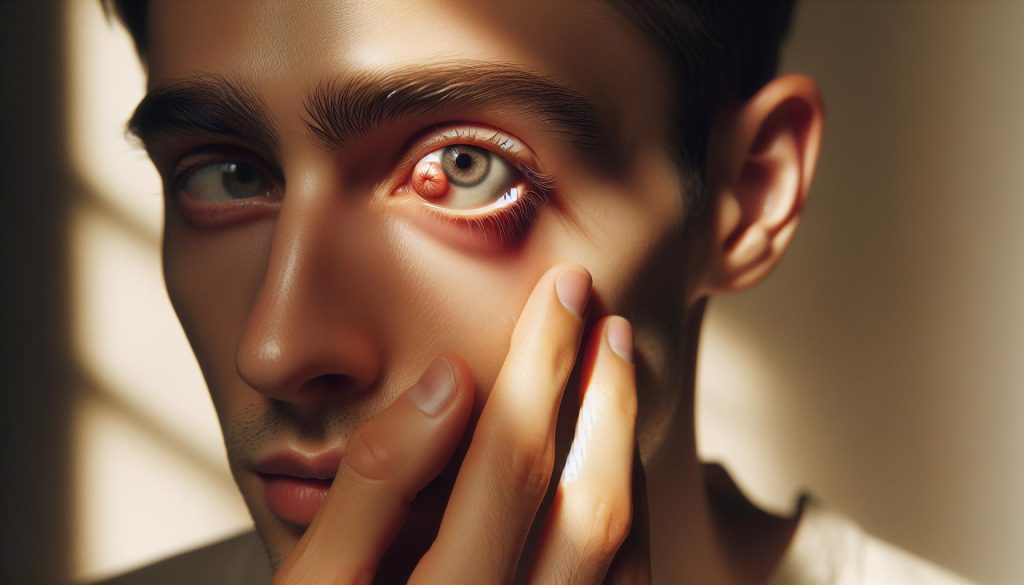
Styes are not only bothersome but can also affect your daily routines and well-being. Did you know that these common eyelid bumps typically form due to a bacterial infection in the oil glands? Understanding how to effectively treat a stye can alleviate discomfort and help you regain your confidence.
If you’ve ever woken up to find your eye irritated and swollen, you’re far from alone. Many people experience styes at some point, and knowing the right steps to take can lead to quick relief. In this guide, you’ll discover practical, research-backed solutions to help you manage and treat a stye effectively, all from the comfort of your home. So, let’s dive into these quick tips that truly work and get you back to feeling your best!
How a Stye Forms: Understanding the Causes
A stye forms when the oil glands at the base of your eyelashes become clogged, typically due to bacteria or debris. This blockage can lead to inflammation and infection, resulting in the painful, red bump often seen with styes. Most commonly, they are caused by Staphylococcus bacteria, which normally live on the skin without causing harm, but can create issues when they penetrate the glands. Risk factors include inadequate eyelid hygiene, touching your eyes with unclean hands, and certain skin conditions like dermatitis.
Understanding how the body responds to these blockages is crucial. When the glands get backed up, the surrounding tissue becomes irritated and swells, triggering an immune response. This response causes increased blood flow, which can lead to the characteristic redness and warmth, while the accumulation of pus forms the visible bump. It’s a reminder of how delicate the body’s systems are and how minor irritants can lead to uncomfortable symptoms.
To reduce the risk of developing styes, it’s essential to maintain proper eye hygiene. This includes regularly washing your face and using clean towels daily. Additionally, if you wear makeup, particularly eye makeup, ensure that you strictly follow removal procedures before bed. Here are some preventive tips you can incorporate daily:
- Wash your hands frequently, especially before touching your eyes.
- Replace old makeup, as expired products can promote bacterial growth.
- Be mindful of contact lenses, ensuring they are kept clean and stored properly.
These simple practices can significantly reduce the likelihood of styes and encourage overall eye health, allowing you to enjoy clear, comfortable vision.
Recognizing Stye Symptoms Early
The early signs of a stye can be subtle yet significant, and recognizing them promptly can help you manage the condition effectively before it worsens. Often starting as a feeling of discomfort or sensitivity in the eyelid, a stye can quickly develop into a visible inflammation. The first symptoms you may notice include a localized swelling on the upper or lower eyelid that may gradually become more tender and painful. It’s crucial to pay attention to these signals, as early intervention can expedite your recovery.
As the condition progresses, you might observe a red bump at the base of your eyelashes, resembling a pimple. This bump may be accompanied by additional symptoms such as increased tearing, sensitivity to light, and a constant itching sensation, giving the feeling that something foreign is present in your eye. These signs can often lead to an annoying distraction in your daily routine. If you notice drooping of the eyelid, it’s essential to take action swiftly as this can indicate worsening inflammation.
Recognizing these symptoms early allows you to adopt preventive measures and home remedies swiftly. If you find yourself experiencing any of these signs, consider applying warm compresses to the affected area, which can help soothe the irritation and promote drainage of the stye. Always remember that while styes often resolve on their own, consistent awareness of your symptoms can help you decide on the best course of action, leading to quicker relief and improved comfort. Listen to your body and don’t hesitate to take proactive steps if you suspect a stye is forming.
Effective Home Remedies for Styes
When faced with the discomfort of a stye, knowing how to manage it at home effectively can make a significant difference to your comfort level and healing speed. There are several home remedies to alleviate symptoms and promote healing, giving you a sense of control during what can be an irritating experience.
One of the most effective home remedies is the use of warm compresses. This simple technique involves soaking a clean cloth in warm (not hot) water and applying it to the affected eyelid for about 10 to 15 minutes, several times a day. The warmth helps to increase circulation to the area, encouraging the stye to drain and reducing inflammation. This can also provide immediate relief from pain and swelling. Make sure to use a separate cloth for each application and wash it thoroughly afterward to prevent the spread of infection.
In addition to warm compresses, maintaining good eyelid hygiene is crucial. Gently cleansing your eyelids using a diluted baby shampoo or a commercial eyelid scrub can remove any debris and oil buildup that may contribute to stye formation. This helps keep the area clean and reduces the chances of future outbreaks. Always rinse thoroughly with warm water after cleansing.
Aloe vera is another natural ingredient known for its soothing properties, and it can be applied topically to the stye. Known for its anti-inflammatory effects, aloe vera can help reduce redness and swelling while promoting healing. Simply extract the gel from a fresh aloe leaf and apply it gently to the affected area. Be sure to allow it to sit for about 20 minutes before rinsing it off.
Lastly, nutrition plays a vital role in skin health, including the health of your eyelids. Consuming foods rich in vitamins A, C, and E, as well as omega-3 fatty acids, can support your body’s healing processes. Additionally, staying hydrated is essential, as it helps maintain overall skin integrity.
By incorporating these home remedies into your self-care routine, you can support the healing of a stye while keeping discomfort to a minimum. Remember, consistency is key, and if your stye doesn’t improve within a few days or worsens, it may be best to consult a healthcare professional.
Over-the-Counter Treatments That Work
When dealing with a stye, reaching for the right over-the-counter (OTC) treatments can significantly ease your discomfort and promote healing. While styes typically resolve on their own within a week or two, the right OTC solutions can help manage symptoms and accelerate recovery. Here’s what you need to know about effective treatments you can find at your local pharmacy or drugstore.
Top Over-the-Counter Treatments
Several OTC products are specifically designed to relieve the swelling and pain associated with styes:
- Topical Antibiotic Ointments: Creams or gels containing antibiotics, like bacitracin or polymyxin B, can be applied around the stye to prevent infection and promote healing. It’s essential to apply them with clean hands and avoid direct contact with the stye.
- Pain Relievers: An oral NSAID, like ibuprofen or acetaminophen, can help alleviate pain and reduce inflammation. Always follow the dosage instructions on the label.
- Eye Wash Solutions: Gentle saline eye washes are available to cleanse the affected area. They help flush out irritants and debris, ensuring the eyelid remains clean.
- Warm Compress Kits: Some pharmacies offer absorbent heat packs designed specifically for eye care. These provide a moist heat application similar to homemade warm compresses, enhancing the ability to soothe swelling and discomfort.
Contribution to Healing
Using these OTC treatments can ease symptoms while your body works to heal the stye. Consistency is crucial; for example, applying warm compresses regularly, ideally paired with antibiotic ointment, enhances circulation and encourages drainage. This dual approach will help reduce inflammation, speed up the healing process, and alleviate discomfort more effectively than using a single treatment alone.
Before starting any new treatment, it’s wise to consult a healthcare professional, especially if the stye doesn’t improve or worsens after a few days. They may recommend additional treatments or prescribe a stronger medication if needed. By utilizing the right OTC options, you can navigate the discomfort of a stye with greater ease and confidence.
When to See a Doctor for a Stye
Recognizing when to seek medical attention for a stye can be crucial for preventing complications and ensuring a smooth recovery. Most styes will resolve on their own within a week or two, but there are specific signs that indicate it might be time to consult a healthcare professional. If you notice excessive swelling, persistent pain that doesn’t improve with home remedies, or if the stye appears to be worsening rather than healing, these can be red flags. Importantly, if you develop vision changes, increased redness of the eye, or if the stye spreads to other areas of your eyelid or face, you should seek medical advice promptly.
In some cases, recurring styes might suggest an underlying issue, such as chronic eyelid inflammation or blocked glands, which can be addressed more effectively with medical input. Additionally, if you have an existing health condition that affects your immune system, such as diabetes, and you experience a stye, this warrants a doctor’s evaluation. Styes that become particularly large or are accompanied by fever can indicate possible infection that may need treatment with antibiotics or other medical interventions.
If a stye persists despite consistent home treatment like warm compresses and good hygiene, don’t hesitate to make an appointment with your healthcare provider. They can assess the situation more thoroughly and may offer treatments such as prescription antibiotic ointments or, in some cases, procedural interventions to drain the stye if it doesn’t resolve on its own. When in doubt, it’s always best to err on the side of caution regarding your eye health.
Preventing Future Styes: Tips and Tricks
Keeping your eyes healthy and free from styes can be a straightforward endeavor with just a few mindful practices. Styes often arise from bacterial infections in the oil glands of the eyelid, exacerbated by factors like poor hygiene, stress, and oils or makeup left on the skin. By integrating simple yet effective habits into your daily routine, you can significantly reduce the risk of developing styes.
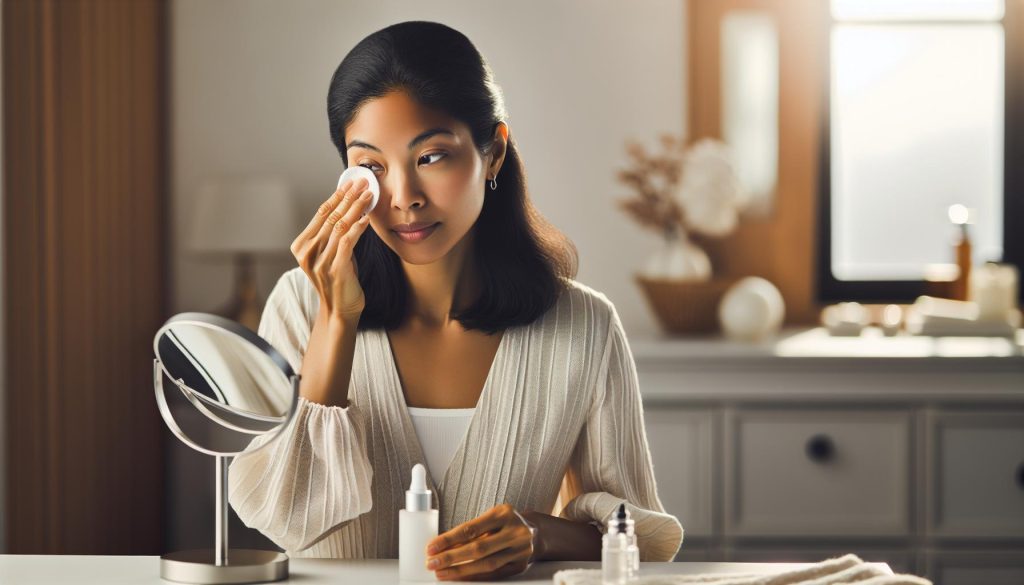
Start by ensuring you always maintain proper hygiene around your eyes. This means washing your hands regularly and avoiding touching your face, especially the eye area. Use a gentle cleanser to wash your eyelids daily-especially if you wear makeup or have oily skin. Consider using a dedicated eyelid scrub or wipes designed to cleanse the delicate skin around your eyes, which helps to remove debris and prevent the build-up of bacteria.
Another crucial aspect is managing your eye makeup. Always remove makeup before going to bed, and replace products like mascara and eyeliner regularly to avoid bacterial growth. If you’re prone to styes, consider opting for hypoallergenic or non-comedogenic cosmetics, as these are less likely to irritate the skin or clog glands around the eyelids.
Stress management is also important. High-stress levels can impact your immune system, making you more susceptible to infections. Incorporate stress-relief techniques into your routine, such as meditation, yoga, or even simple breathing exercises. Alongside this, ensure you’re getting enough sleep, as rest is essential for maintaining a healthy immune system.
Lastly, pay attention to your diet and hydration. A balanced diet rich in vitamins A, C, and E can support overall skin health, including that of the eyelids. Also, staying well-hydrated helps keep the skin moisturized and healthier, reducing the chance of blockage in your glands. By making these adjustments and staying vigilant about eye care, you can dramatically lessen the chances of encountering styes in the future.
Understanding the Role of Hygiene in Eye Care
Maintaining proper hygiene is paramount in caring for your eyes and preventing issues such as styes. Consider this: your eyelids and the area around your eyes are more sensitive and prone to infection than other parts of your body. This sensitivity emphasizes the importance of keeping the region clean and well-maintained. Simple but effective hygiene practices can significantly reduce the risk of developing these bothersome bumps.
Start by establishing a daily routine that includes washing your hands frequently. This habit is especially crucial before you touch your face or apply any makeup. Always use a mild, non-irritating cleanser designed for the sensitive skin around your eyes. Cleaning your eyelids gently each night can help remove oils, makeup residue, and dead skin cells that might otherwise clog your glands and lead to stye formation. For added convenience, eyelid scrubs or wipes specifically formulated for this area can be a fantastic addition to your hygiene regimen.
When it comes to makeup, practicing good hygiene is equally essential. Be diligent about removing all eye makeup before bed to allow your skin to breathe and regenerate overnight. Keep in mind that old cosmetics can harbor bacteria, so it’s wise to replace products like mascara and eyeliner every three to six months. Additionally, selecting hypoallergenic or non-comedogenic makeup options can help minimize irritation and reduce the likelihood of blockages in the oil glands.
Incorporating these simple yet effective hygiene measures not only promotes eye health but empowers you to take control of your wellbeing. By being proactive and consistent, you significantly lower the chances of experiencing styes, allowing you to enjoy clearer, healthier eyes.
Diet and Lifestyle Changes to Support Eye Health
Diet and lifestyle choices play a crucial role in maintaining eye health and preventing conditions such as styes. Nourishing your body with the right foods not only supports your overall wellbeing but can also enhance the health of your eyes. Certain nutrients, found in common foods, can strengthen your immune system and improve skin health around the eyes, helping you combat the factors that lead to styes.
To start, incorporate foods rich in antioxidants, vitamins, and healthy fats into your diet. For example, foods high in omega-3 fatty acids-like salmon, walnuts, and flaxseeds-can help keep your skin hydrated and support gland function that maintains clear eyelids. Additionally, vitamin A-found in carrots, sweet potatoes, and dark leafy greens-can promote healthy skin and eye function, making it essential for warding off infections. Consider building meals that combine these items for a skin-healthy and gut-friendly approach.
Staying hydrated is equally important, as proper moisture levels can prevent dryness and irritation around the eyes. Aim for at least eight glasses of water a day, and include hydration-boosting foods like cucumbers, oranges, and soups. Limiting processed foods and sugars is another effective strategy; these can contribute to inflammation and may disrupt skin health.
Stress Management and Sleep
Stress and lack of sleep can also impact your eye health. Chronic stress may weaken your immune system, making you more susceptible to infections like styes. Engage in stress-reducing activities such as yoga, meditation, or regular exercise to help manage stress levels effectively. Additionally, aim for 7-9 hours of quality sleep each night; this not only restores your body but enables your skin, including the area around your eyes, to heal and rejuvenate.
Healthy Habits for Eye Care
Beyond dietary changes, adopting healthy lifestyle habits can significantly support eye health. Avoid touching your face unnecessarily and always ensure your hands are clean before touching your eyes. If you wear contact lenses, follow proper hygiene protocols. Lastly, consider regular eye exams to catch any early signs of potential issues.
By making thoughtful choices in your diet and lifestyle, you empower yourself to maintain not just eye health but overall wellness, minimizing the risk of pesky styes and promoting a radiant appearance. Each step towards better nutrition and mindful living contributes to healthier, happier eyes.
All About Warm Compresses: The Best Techniques
Applying a warm compress is one of the most effective and simple treatments for alleviating the discomfort associated with a stye. The warmth helps to unclog blocked oil glands, promotes drainage, and can expedite the healing process. Plus, it’s a comforting and easy solution that you can do at home with minimal supplies. Just remember to follow some best practices to maximize its benefits.
To create a warm compress, start by heating a clean washcloth in hot (but not scalding) water. Wring out the excess moisture, and then gently place the compress over your closed eye for about 10 to 15 minutes. This can be repeated several times a day, ideally three to four times, until the stye improves. Ensure the compress is warm enough to provide relief without being uncomfortable; adjusting the temperature of the water may be necessary to find what works best for you.
For added benefits, some people like to infuse their warm compress with soothing ingredients. You might consider adding a few drops of chamomile or lavender essential oils, known for their anti-inflammatory properties, into the water before soaking the cloth. Alternatively, a tea bag-especially black tea-can also work well as it has tannins that may help reduce swelling.
It’s crucial to use a clean compress each time to prevent further irritation or infection. Also, avoid squeezing or trying to pop the stye; instead, allow the compress to gently encourage natural drainage. Not only does this at-home remedy aid in relief, but it fosters a sense of self-care, making it an excellent addition to your routine during times when eye health needs a little extra attention.
Natural Ingredients for Soothe and Heal
The journey to soothe and heal a stye can be greatly enhanced by incorporating natural ingredients known for their comforting and anti-inflammatory properties. Simple household items can play a pivotal role in your recovery and create a supportive environment for your eye health. For instance, honey is touted for its natural antibacterial and anti-inflammatory benefits, making it a wonderful option. Applying a small amount of pure, raw honey directly to the affected area may help reduce swelling and promote healing. Just be careful to keep it away from your eyes and rinse thoroughly afterward to avoid any irritation.
Another remarkable natural remedy is aloe vera, which is celebrated for its soothing and healing effects. The gel found within the aloe vera leaf can be gently applied to the stye area with clean hands or a cotton swab. Its hydrating properties can help reduce inflammation and provide a cooling effect. Ensure that the aloe vera used is pure and free from additives to avoid any adverse reactions.
Green tea, rich in antioxidants and anti-inflammatory compounds, can also offer relief. Steeping a green tea bag in hot water, allowing it to cool slightly, and then placing it over the closed eye for about 10 to 15 minutes can provide both comfort and healing benefits. The tannins in green tea may help reduce swelling and provide a calming effect.
Lastly, consider using lavender essential oil, known for its calming and anti-inflammatory effects, mixed with a carrier oil like coconut or olive oil. Apply this gentle concoction around the stye area, taking care to avoid direct contact with your eye. These natural ingredients not only help soothe the discomfort but can also empower you to take an active role in your healing process, blending holistic approaches with practical care while enhancing your overall sense of well-being.
By leveraging these natural remedies, you can create a nurturing routine that supports both immediate relief and long-term eye health.
Debunking Myths About Styes and Eye Care
Many misconceptions surround styes and how to manage them, making it crucial to clarify what is true and what isn’t. One common myth is that styes are caused by poor hygiene. While it’s true that styes can occur when bacteria infect the glands in the eyelid, many people who maintain good hygiene still experience them. Stress, hormonal changes, or underlying skin conditions can also contribute to their development, highlighting that styes are not solely a reflection of personal cleanliness.
Another pervasive myth is that you should ‘pop’ a stye to relieve it. This is not only unadvised but can also lead to further irritation or infection. Instead, the focus should be on gentle, effective home treatments, such as applying warm compresses. Using a clean cloth soaked in warm water and placing it gently over the stye several times a day can help reduce inflammation and move along the healing process.
Additionally, many believe that wearing makeup around the affected area is fine, thinking it might cover up the irritation. However, this can exacerbate the problem, as makeup can clog the glands further and introduce more bacteria. It’s always best to avoid makeup until your stye has completely healed, allowing your eyes to recover without additional irritation.
- Styes aren’t only caused by poor hygiene: They can develop due to stress, hormonal changes, or skin conditions.
- Avoid popping: Let a stye heal naturally without invasive measures.
- Skip the makeup: Avoid cosmetics to prevent further irritation and promote healing.
Understanding these myths empowers you to take proactive steps in addressing styes while fostering a healthier eye care routine. Remember, maintaining good overall eye hygiene-with practices such as washing your hands before touching your eyes and regular cleaning of your eyewear-can significantly contribute to preventing future styes.
Post-Stye Care: How to Heal Properly
To effectively heal from a stye, it’s essential to adopt a gentle, supportive approach that focuses on comfort and cleanliness. One of the most beneficial initial steps is to employ warm compresses, which can help reduce swelling and encourage drainage. Simply soak a clean cloth in warm water, wring it out, and place it over the stye for 10-15 minutes several times a day. This method not only soothes discomfort but also promotes healing by aiding the body in fighting the infection.
Ensure that during your post-stye care, you maintain strict hygiene practices. Always wash your hands before touching your eyes, and avoid rubbing or picking at the stye, as this could exacerbate irritation or spread bacteria. It’s also advisable to refrain from wearing eye makeup or contact lenses until the stye has completely healed. Makeup can introduce additional bacteria and irritants, potentially prolonging the healing process.
Incorporating natural remedies alongside your warm compresses can also be beneficial. For instance, aloe vera gel is known for its soothing properties, and applying it gently around the affected area can help reduce inflammation and promote healing. Additionally, if you’re interested in dietary support, consider increasing your intake of foods rich in vitamins A, C, and E, which can bolster your immune system and overall skin health.
Lastly, remember that patience is critical. Styes often take a few days to heal, and while you may be tempted to seek quick relief, allowing the stye to resolve naturally is the best course of action. If you notice that the stye isn’t improving or is accompanied by worsening symptoms, don’t hesitate to consult a healthcare professional for further guidance. This ensures that you can address any complications that may arise and continue caring for your eye health effectively.
FAQ
Q: What causes a stye in my eye?
A: A stye typically forms due to an infection of the oil glands in the eyelid. This can be triggered by bacteria, blocked oil glands, or poor hygiene. Maintaining proper eye hygiene can help prevent styes from forming.
Q: How can I reduce the pain of a stye?
A: To relieve pain associated with a stye, apply a warm compress to the affected area for 10-15 minutes several times a day. This helps reduce inflammation and promotes drainage, leading to quicker relief. For tips on warm compress techniques, refer to the section on All About Warm Compresses.
Q: Can a stye go away on its own?
A: Yes, most styes will heal on their own within a week or two. It’s essential to avoid squeezing or popping the stye, as this can worsen the infection. However, if symptoms persist, consult a healthcare professional.
Q: Are there any over-the-counter treatments for styes?
A: Yes, several over-the-counter treatments can help alleviate symptoms of a stye, such as antibiotic ointments or pain relievers like ibuprofen. For more detailed recommendations, check the Over-the-Counter Treatments That Work section in the article.
Q: When should I see a doctor for a stye?
A: You should see a doctor if your stye does not improve after a week, worsens, or if you experience severe pain, vision changes, or swelling in the surrounding area. Prompt medical attention can prevent complications.
Q: Is it safe to wear makeup with a stye?
A: It’s best to avoid wearing makeup, especially eye makeup, while you have a stye. Makeup can irritate the eye further and introduce bacteria, prolonging healing. It’s advisable to wait until the stye has completely cleared.
Q: What home remedies can help speed up stye healing?
A: Home remedies like warm compresses and gentle eyelid massages can help speed up healing. Incorporating natural ingredients like chamomile tea bags can also soothe the area. For more detailed home remedies, see the Effective Home Remedies for Styes section.
Q: Can stress contribute to stye formation?
A: Yes, stress can weaken your immune system, making you more susceptible to infections, including styes. Practicing stress management techniques, like mindfulness and relaxation exercises, can help improve overall health and potentially reduce the likelihood of stye formation.
Final Thoughts
If you’re dealing with a stye, remember that swift action can lead to quicker relief and healing. By following the effective solutions discussed, you’ll be equipped to tackle discomfort and prevent future occurrences. Don’t let irritation linger-try warm compresses or gentle eyelid hygiene today!
For more insights on eye care and beauty, check out our articles on “Natural Remedies for Eye Health” and “Best Skincare Routines for Radiant Skin”. Your eye health is essential, and staying informed empowers you to make the best choices.
We’d love to hear your thoughts! Share your experiences in the comments, and don’t forget to subscribe to our newsletter for expert tips and exclusive resources. Together, let’s ensure your beauty and health shine through every step of your journey!