
A stye, that uncomfortable red bump near your eyelid, is more than just a cosmetic concern; it can disrupt your daily life and cause unnecessary stress. Understanding how to effectively treat a stye not only brings relief but also empowers you to manage your eye health confidently. In this guide, we will explore proven healing methods to ease pain and promote healing, ensuring you can get back to enjoying your day without the distraction of this pesky ailment. From simple home remedies to effective over-the-counter solutions, we’ll provide you with the knowledge and tools to tackle a stye head-on. Your eyes deserve the best care, so let’s dive into the steps you can take today for clearer, more comfortable vision tomorrow.
Causes of Styes: Understanding the Triggers
A stye can often feel like a nuisance, but understanding what triggers its formation is essential for prevention and effective management. Styes typically begin when the oil glands located at the base of your eyelashes become blocked, usually due to bacteria. This blockage can result from several factors, such as poor hygiene, using old or contaminated cosmetics, or not removing makeup thoroughly.
Stress may also play a role, as it can weaken your immune system, making you more susceptible to infections like styes. Furthermore, underlying skin conditions, such as rosacea or seborrheic dermatitis, can compromise the health of your eyelids, thus increasing the likelihood of developing a stye.
Another common trigger is the presence of blepharitis, an inflammation of the eyelid margins. This condition can lead to the accumulation of bacteria and oils, creating a perfect environment for styes to form. Additionally, if you have a habit of touching your eyes with unwashed hands, you’re at an elevated risk.
To minimize the chances of getting a stye, prioritize regular eye hygiene and handle cosmetics with care. Also, staying aware of your skin’s health can help you identify and treat any underlying conditions that could contribute to stye formation. Remember, while styes are usually harmless, maintaining healthy habits can significantly reduce your chances of encountering this uncomfortable issue.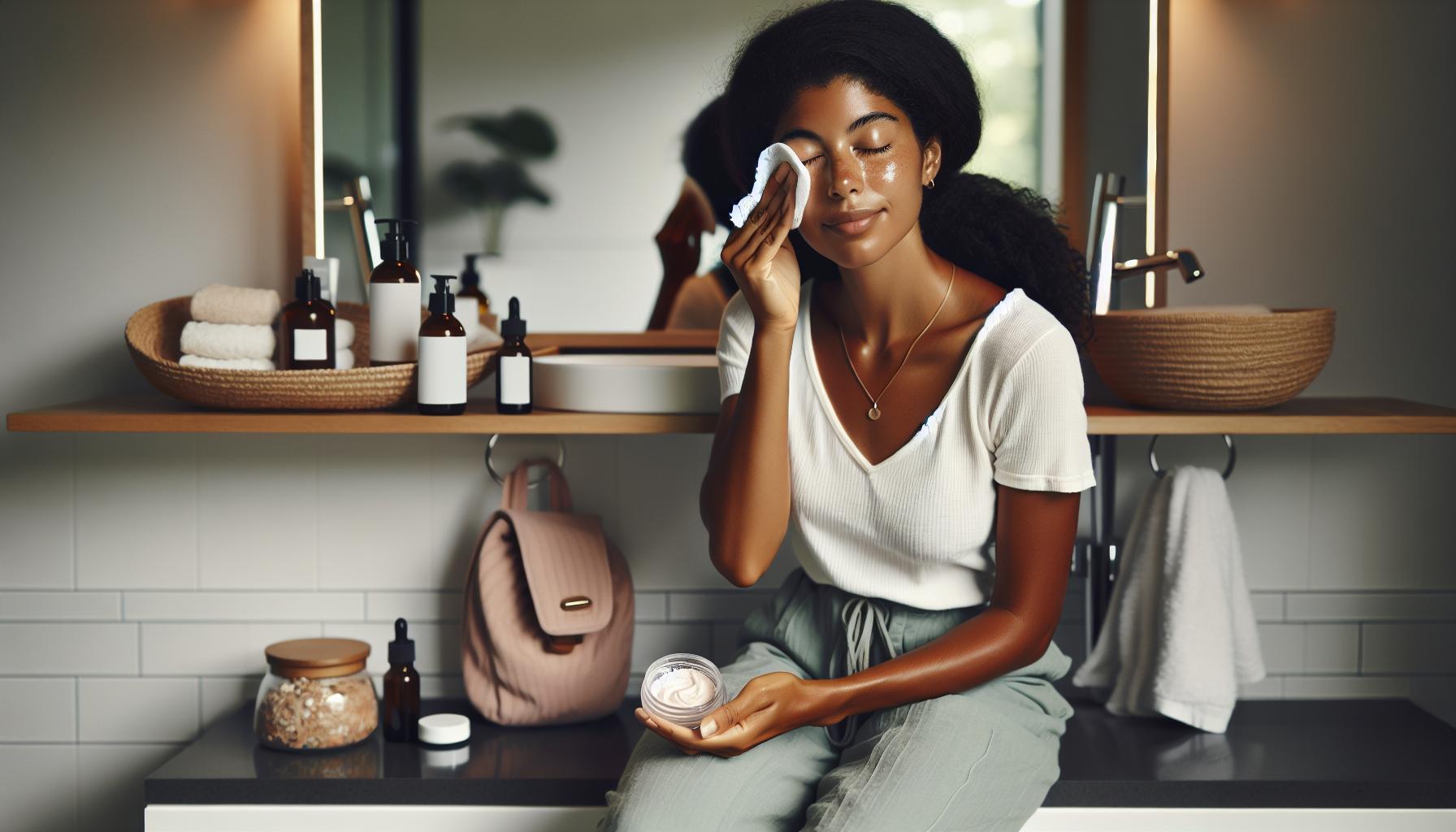
Symptoms of a Stye: Identifying the Problem
A stye typically manifests as a painful, red bump on or near the edge of the eyelid, and it can quickly become a source of discomfort and concern. Recognizing the signs early can make a significant difference in how you manage it. Usually, the symptoms start with itching or tenderness in the affected area, often progressing to noticeable swelling. This swelling can make your eyelid feel heavy or tight.
As the stye develops, you may notice increased redness, which is often accompanied by a sensation of warmth at the site. In some cases, the bump may fill with pus, resembling a pimple, and this can be accompanied by a feeling of pressure. You might experience tearing or a gritty sensation in your eye. While styes are generally harmless, they can sometimes cause blurry vision if they are particularly large or located on the inner eyelid, blocking the view.
If you experience recurring styes, it’s crucial to consider maintaining good eye hygiene, as frequent infections can lead to ongoing inflammation and discomfort. Addressing underlying issues like blepharitis or poor skin health can help reduce the frequency of these bothersome bumps. Being vigilant about the initial signals will empower you to take early action, whether through home remedies or seeking medical advice. By staying informed, you’ll be better equipped to tackle styes and maintain your eye health effectively.
Proven Home Remedies for Stye Relief
While dealing with a stye can be uncomfortable, there are several effective home remedies that can provide relief and promote healing. These methods focus on soothing the affected area, alleviating symptoms, and encouraging the stye to drain naturally, allowing for a more comfortable recovery process.
One of the most recommended approaches involves the use of warm compresses. Applying a warm, damp cloth to the affected eyelid for about 10-15 minutes several times a day helps to ease discomfort and encourages the stye to drain. The heat increases blood circulation to the area, which can accelerate healing. Make sure the compress is warm but not too hot to avoid any burns.
Another effective remedy is the use of over-the-counter pain relief medications, such as ibuprofen or acetaminophen. These can help manage any pain or discomfort associated with the stye. Additionally, some people find that eyelid scrubs, particularly those containing tea tree oil, can help clean the eyelid and reduce bacteria, although caution is necessary as tea tree oil should be diluted to prevent irritation.
Furthermore, maintaining proper hygiene is crucial. If you wear cosmetics, avoid using eye makeup until the stye heals, as this can exacerbate the irritation and possibly prolong recovery. Always ensure that your hands are clean before touching your face, especially the eye area, to prevent further infection.
Incorporating natural ingredients such as aloe vera or chamomile can also aid in soothing the stye. Aloe vera gel, known for its anti-inflammatory properties, can be gently applied around the eyelid to reduce swelling. Chamomile tea bags, once cooled, can serve as a compress for their calming effects as well.
By utilizing these home remedies in conjunction with good hygiene, you can effectively manage a stye and facilitate quicker healing. Always pay attention to how your body responds and seek medical advice if symptoms worsen or persist beyond a week or two.
When to Seek Medical Treatment for a Stye
Experiencing a stye can often feel bothersome, and while many can be managed with home remedies, knowing when to consult a medical professional is crucial for optimal eye health. If you’ve been following through with at-home care methods-such as warm compresses and maintaining good hygiene-but notice that the stye persists or worsens, it may be time to seek medical attention.
Consider reaching out to an eye care provider if you experience any of the following symptoms:
- Increased Pain or Swelling: If the pain intensifies rather than subsiding after a few days of treatment, it may indicate that further intervention is needed.
- Changes in Vision: Any blurriness or changes in your eyesight can be a red flag. Your eyes are delicate, and prompt evaluation is important.
- Multiple Styes: If you begin to develop multiple styes (or chalazia), it might suggest an underlying issue that needs to be addressed more thoroughly.
- Fever or Systemic Symptoms: If you develop a fever or experience systemic symptoms, this may indicate the infection has spread and requires immediate medical attention.
In cases where the stye does not improve after several days of self-care, your healthcare provider can assess and determine if a prescription for antibiotic eye ointment or oral antibiotics is necessary to treat any underlying infection. In rare instances, if the stye becomes particularly large or painful, your doctor might suggest lancing it to relieve pressure and facilitate drainage.
Recognizing these warning signs empowers you to take charge of your eye health. Prompt treatment not only alleviates discomfort but also helps prevent any potential complications, allowing you to return to your daily activities sooner while ensuring your beautiful eyes stay healthy and clear.
Preventing Styes: Tips for Healthy Eyes
Maintaining the health of your eyes is essential not only for preventing bothersome styes but also for overall well-being. Styes can often arise from blocked glands or bacterial infections, but adopting simple yet effective practices can significantly reduce your risk. A recent study suggests that good eyelid hygiene plays a crucial role in stye prevention, and making this a part of your daily routine can be a game changer.
One of the best strategies to prevent styes is through consistent eyelid hygiene. Start by gently cleansing your eyelids daily, especially if you wear makeup or have oily skin. You can use pre-moistened eyelid wipes or a diluted baby shampoo on a clean cloth to wipe along your lash line. This not only keeps oil and debris at bay but also helps minimize the growth of harmful bacteria. After cleansing, ensure your hands are clean before touching your face or applying makeup, as this can introduce bacteria to the eyelid area.
Another key factor in stye prevention is being mindful of your eye makeup and tools. Avoid sharing eye makeup with others, and make sure to replace your mascara and eyeliner every three months to prevent bacterial growth. If you develop a stye, it’s vital to refrain from using any eye makeup until it heals, as this can exacerbate the infection. Additionally, always remove your makeup before going to bed to give your skin a chance to breathe and recover overnight.
Moreover, consider lifestyle choices that support your eye health. Managing stress through mindfulness techniques can lower the likelihood of hormonal fluctuations that might lead to skin issues, including styes. Adequate sleep is equally important, as it allows your body to recharge and fight off infections. Incorporating a diet rich in omega-3 fatty acids, antioxidants, and vitamins contributes to not just eye health but your skin’s vitality as well.
Incorporating these eye care practices into your daily life will not only help you prevent styes but also empower you with knowledge about your ocular health. By taking proactive steps, you create a barrier against irritation and infection, keeping your eyes bright and beautiful.
Understanding the Role of Warm Compresses
Applying a warm compress is one of the simplest yet most effective methods for alleviating the discomfort caused by a stye. This technique not only provides soothing relief but also encourages the body’s natural healing processes. When exposed to heat, the oil in blocked glands can soften, allowing for easier drainage and reducing the inflammation that often characterizes styes.
To create a warm compress, you can follow these uncomplicated steps:
- Choose Your Material: Use a clean washcloth or a piece of soft cloth.
- Heat the Compress: Soak the cloth in warm (not hot) water. If using a microwave to heat the cloth, ensure it’s damp, and watch the time to avoid overheating.
- Apply: Once the cloth is at a comfortable warmth, wring it out to remove excess water and gently place it over the affected eye. Hold it there for about 10-15 minutes.
- Rewarm as Needed: As the compress cools, you can re-soak it in the warm water to maintain the temperature during the session.
Conducting this routine multiple times a day can facilitate quicker healing and provide much-needed comfort during a stye’s lifecycle. The warmth not only helps in alleviating pain but also promotes blood flow to the area, which carries vital nutrients to assist in the healing process.
It’s important to ensure that the cloth used for the compress is clean to prevent introducing any additional bacteria to the eye area. Also, avoid using any form of pressure when applying the compress, as the area around a stye is often sensitive. This gentle care can help you feel more comfortable and support your recovery, allowing you to return to your daily activities with less distraction from discomfort.
Integrating the use of warm compresses into your daily stye treatment regimen is a proactive step toward managing symptoms effectively. By understanding and utilizing this simple method, you empower yourself in your healing journey and can experience a more peaceful path to recovery.
Over-the-Counter Treatments for Styes
Over-the-counter (OTC) treatments can be a practical and effective way to tackle the discomfort of a stye, providing relief while minimizing the need for a doctor’s visit. Many people are surprised to learn that options available without a prescription can significantly alleviate the symptoms and speed up healing. When addressing an inflamed eyelid, your local pharmacy offers a range of products designed to soothe irritation and contribute to a more comfortable recovery.
Among the most accessible OTC options are eye drops and ointments specifically formulated for styes and general eye irritation. Products that include anti-inflammatory ingredients often help reduce swelling and redness while maintaining moisture. For instance, lubricating eye drops can ease dryness associated with styes and prevent further irritation. It’s essential to choose preservative-free options when possible, especially for those with sensitive eyes.
Top OTC Treatments to Consider
- Warm Compress Packs: Pre-packaged warm compresses are convenient and ensure consistent warmth without the guesswork. These can often be reused and are hygienic.
- Antibiotic Ointments: Some topical ointments can help prevent infection. Look for those that are recommended for eyelid use.
- Eye Drops: OTC lubricating drops (moisture drops) soothe irritation and help remove debris from the eye surface.
In addition, you might find cleansing pads formulated for eye care, which can assist in keeping the eyelid area clean and free from bacteria, promoting quicker healing. These gentle wipes are especially beneficial for those who wear makeup or have oily skin, as they can help remove excess oils that may contribute to gland blockages leading to styes.
While these treatments can provide relief, it’s crucial to give your eye the attention it deserves. Monitor your symptoms, and if you notice no improvement after a few days or if the stye worsens, seeking medical advice is a wise next step. Always remember to maintain good hygiene by washing your hands before applying any treatments and avoid touching your eyes to reduce the risk of infection. Navigating a stye can be a nuisance, but with the right OTC tools at your disposal, you’re well-equipped to handle this temporary condition and enjoy relief sooner rather than later.
Natural Ingredients That Aid Stye Healing
Natural remedies can play a vital role in alleviating the discomfort of a stye and facilitating faster healing. Utilizing everyday ingredients not only provides a gentle approach to care but also empowers you to take charge of your eye health. Many natural components boast anti-inflammatory and antibacterial properties, making them useful in combating styes effectively.
One popular remedy is tea bags, particularly those containing chamomile or black tea. Both varieties are rich in tannins, which can help soothe inflammation and reduce discomfort. Simply steep a tea bag in hot water, allow it to cool slightly, and then place it over the affected eye as a warm compress. This method can be repeated several times a day, promoting healing and providing instant relief.
Another beneficial ingredient is aloe vera, known for its soothing and moisturizing qualities. The gel extracted from the plant can be applied gently around the stye to reduce irritation. Aloe vera’s natural properties also help in addressing inflammation and cooling the skin, making it an excellent choice for eye care.
Moreover, coconut oil can act as a natural treatment as well. It contains anti-inflammatory and antimicrobial properties that aid in managing stye discomfort and preventing further infection. A small amount of organic coconut oil can be applied to the eyelid (avoiding direct contact with the eye) with clean fingers. This not only soothes the area but also creates a barrier that can help keep bacteria at bay.
Incorporating these natural ingredients into your regimen offers a holistic approach to eye health. However, while they can be effective, it’s crucial to monitor the affected area closely. If symptoms do not improve or worsen, seeking medical advice is essential. Being proactive about your eye care with these gentle remedies can make a significant difference in your overall well-being.
Lifestyle Changes to Support Eye Health
To maintain optimal eye health and reduce the likelihood of developing styes, integrating specific lifestyle changes into your daily routine can be profoundly beneficial. Simple adjustments in habits not only nurture your overall well-being but also empower you to be proactive in your eye care.
One critical element is maintaining a balanced diet rich in vitamins and antioxidants. Nutrients such as omega-3 fatty acids, vitamin C, and vitamin E are paramount in supporting eye health. Foods like salmon, spinach, sweet potatoes, and nuts can play a significant role in reducing inflammation and bolstering your immune system, which is crucial for preventing infections that lead to styes. Staying well-hydrated is equally important, as proper hydration helps maintain the moisture levels of your eyes, reducing irritation and dryness.
Stress management is another vital aspect of promoting eye health. High stress levels can lead to habits such as rubbing your eyes or neglecting regular hygiene, increasing the risk of stye formation. Incorporating stress-relief practices such as yoga, meditation, or leisure activities can create a more relaxed state, allowing you to be mindful of your eye care routine. Ensure you’re also getting adequate sleep, as quality rest is essential for your body to recover and function optimally.
Lastly, adopting good hygiene practices cannot be overstated. Regularly washing your hands and avoiding touching your face, particularly your eyes, can significantly decrease your susceptibility to bacterial infections. Make it a habit to cleanse your eyelids gently with a suitable eyelid scrub or mild soap, particularly if you use eye makeup frequently. This routine helps remove oil and debris, reducing the chances of blockages in your eyelid glands that contribute to styes.
Incorporating these lifestyle changes not only serves to protect your eyes from styes but helps foster a holistic approach to maintaining eye health. By being proactive and mindful, you can cultivate an empowering routine that supports your beauty and health seamlessly.
The Importance of Hygiene in Eye Care
Maintaining proper hygiene is vital for eye care, especially when it comes to preventing and treating conditions like styes. Styes, which are painful, red bumps on the eyelid caused by blocked oil glands, often stem from bacteria that can easily enter the eye area. By adopting good hygiene practices, you can create a protective barrier that helps keep your eyes healthy and free from irritation.
One of the simplest yet most effective routines is to wash your hands frequently, particularly before touching your face or eyes. This small action significantly reduces the risk of transferring bacteria that can lead to infections. Additionally, gentle cleaning of your eyelids should become a staple in your skincare regimen. Using a mild soap or specialized eyelid scrub can help to remove oil, debris, and potential irritants. For those who wear makeup, it’s crucial to remove it thoroughly at the end of the day to prevent buildup that could clog the pores of your eyelids.
Practical Steps for Eye Hygiene
- Wash your hands: Always use soap and water before touching your face or applying any products around your eyes.
- Keep eyelids clean: Use a clean cotton pad or cloth dabbed in warm water or an eyelid scrub to gently cleanse your eyelids.
- Remove makeup: Make it a habit to fully remove eye makeup before bed to avoid the trapping of bacteria overnight.
- Avoid sharing towels: Sharing personal items can transfer bacteria; use your own towel and avoid touching your eyes with it.
Implementing these hygiene practices not only helps prevent styes but also promotes overall eye health. By being mindful of your eye care routine and employing these simple yet effective strategies, you empower yourself with the knowledge and tools needed to maintain clear, healthy eyes. Remember, consistent care and attention make all the difference, allowing you to enjoy vibrant, well-cared-for eyes.
Aftercare Steps: Managing Stye Recovery
To promote healing and reduce discomfort, managing the aftercare of your stye is essential. Styes often resolve on their own, but adopting supportive strategies can expedite recovery and alleviate that bothersome irritation. First and foremost, applying warm compresses plays a crucial role. By fabricating a simple compress using a clean cloth soaked in warm water, you can place it gently over the affected eye for about 10-15 minutes, several times a day. This home remedy helps to soothe the area, reduce inflammation, and encourage the stye to drain naturally, mitigating its pain.
In addition to warm compresses, over-the-counter treatments may provide further relief. Look for products containing antibiotic ointments, which can help eliminate bacteria. These are usually applied directly to the affected area, but consult with a pharmacist if you’re unsure. If you wear contact lenses, it’s advisable to switch to glasses until the stye has healed completely to avoid exacerbating the irritation. Moreover, be conscious not to squeeze or pop the stye, as this can spread the infection or worsen the situation.
Maintaining good hygiene during recovery is pivotal. Continue to wash your hands frequently, and avoid touching or rubbing your eyes. Keeping the area clean with gentle eyelid scrubs can also help prevent bacteria from accumulating. If your symptoms persist beyond a few days or worsen, seek medical attention; an ophthalmologist can provide stronger prescription treatments or recommendations tailored to your condition. Remember, with the right aftercare, you’ll be on the path to recovery in no time!
Myths and Facts About Styes and Eye Care
Many misconceptions surround styes, which can lead to confusion and anxiety for those facing this common eye issue. Understanding the truth about styes versus the prevalent myths can empower you to manage your eye health effectively. For instance, a common belief is that styes are a result of poor hygiene. While maintaining cleanliness is essential, styes are typically caused by an infection of the oil glands in the eyelid, often due to bacteria like *Staphylococcus aureus*. Thus, anyone can develop a stye, regardless of their hygiene practices.
Another myth is that styes can lead to blindness or serious eye conditions. In reality, while styes are uncomfortable and can be bothersome, they usually resolve on their own within a week or two without leading to severe complications. However, persistent styes that worsen may require medical evaluation. If you ever find a stye impacting your vision or lasting longer than two weeks, it’s prudent to consult an eye care professional for tailored advice and treatment options.
Common Myths vs. Facts
- Myth: Styes are only caused by dirty hands or unclean environments.
- Fact: Styes can develop due to clogged oil glands or bacterial infections, which can occur even with good hygiene.
- Myth: You can pop a stye like a pimple to make it heal faster.
- Fact: Squeezing a stye can worsen the infection or lead to complications; warm compresses are the recommended method for relief.
- Myth: Styes are contagious and can spread to others.
- Fact: Styes are not contagious, but the bacteria that cause them can spread through direct contact.
Understanding these differences not only helps dispel unnecessary worry but also directs your attention toward effective management strategies. Incorporating good hygiene practices, using warm compresses, and considering over-the-counter treatments can significantly aid in healing while you wait for the stye to resolve on its own. Emphasizing proper eye care and paying attention to recurring symptoms can also guide you to the right prevention and treatment approaches for maintaining eye health.
FAQ
Q: What are the early signs of a stye?
A: Early signs of a stye include redness, swelling, and tenderness around the eyelid. You may also notice a small bump or pimple-like growth that feels warm to the touch. If you experience these symptoms, it’s essential to start treatment promptly to alleviate discomfort.
Q: Can I pop a stye to make it go away faster?
A: No, you should not pop a stye. Popping can worsen inflammation and may lead to infection. Instead, apply a warm compress to speed healing and reduce pain. This method promotes drainage naturally without the risk of complications.
Q: How long does it take for a stye to heal?
A: A stye typically takes 5 to 7 days to heal on its own. Using warm compresses can help speed up the process. If a stye persists beyond this period, it’s advisable to consult a healthcare professional for further evaluation and possible treatment.
Q: Are there any dietary changes that can help with stye prevention?
A: Yes, a balanced diet rich in vitamins A, C, and E may support eye health and reduce the risk of developing styes. Incorporate fruits, vegetables, and omega-3 fatty acids for better overall skin and eye health.
Q: Can styes be contagious?
A: Styes are not contagious, but the bacteria that cause them can spread through contact. Good hygiene practices, such as handwashing and avoiding sharing personal items like towels, can help minimize the risk of developing or spreading infections.
Q: What over-the-counter products are effective for styes?
A: Over-the-counter treatments include topical antibiotic ointments and anti-inflammatory eye drops. Always consult a pharmacist or doctor before use to ensure they are appropriate for your condition and won’t interfere with other medications.
Q: What should I avoid doing when I have a stye?
A: Avoid wearing eye makeup, using contact lenses, and rubbing or touching your eyes. These actions can irritate the area further and promote the spread of bacteria, increasing the risk of additional styes or infections.
Q: How can I differentiate between a stye and a chalazion?
A: A stye is generally painful, red, and swollen, located on the eyelid’s edge, while a chalazion is usually painless, has a firm bump on the eyelid, and can occur further away from the lash line. If unsure, consult a healthcare provider for accurate diagnosis.
Explore our Proven Home Remedies for Stye Relief section for additional tips on natural treatments and lifestyle changes to support eye health.
To Wrap It Up
If you’re dealing with a stye in your eye, remember that addressing it quickly can help minimize discomfort and promote healing. You’ve learned effective home remedies and professional treatments to get you back to feeling your best-prioritize your eye health with these proven methods. If irritation persists, don’t hesitate to consult a healthcare professional for further assistance.
For more insights, explore our related articles on eye care practices and skincare routines to enhance your overall well-being. Consider signing up for our newsletter for the latest tips on women’s health and beauty, and stay connected with a community that supports your journey. Your eyes deserve the best care-keep exploring and empower yourself with knowledge!