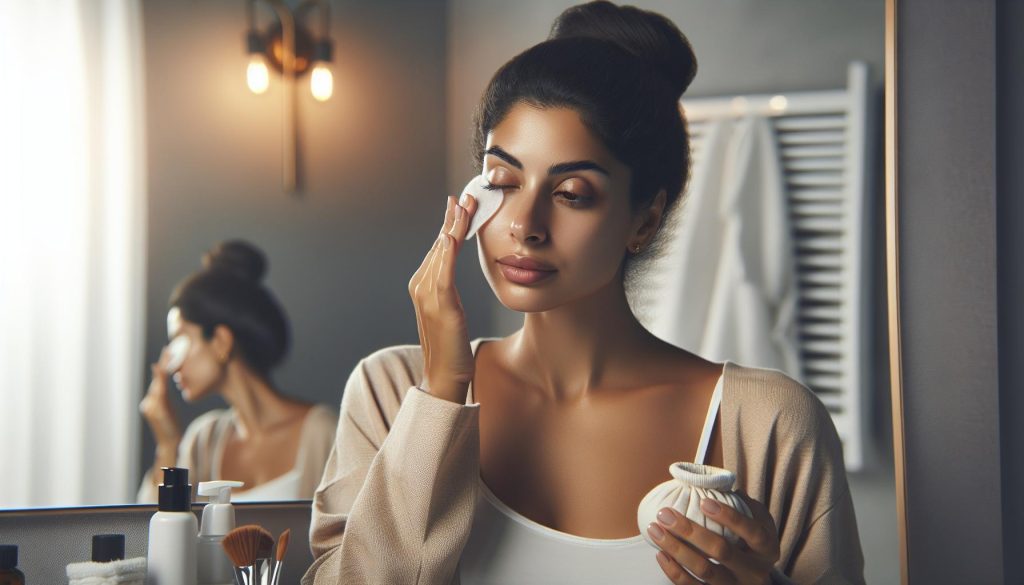
Did you know that nearly 80% of people will experience a stye at some point in their lives? This painful and unsightly bump along the eyelash line can be a significant concern for many, especially those who prioritize eye health and beauty. Understanding how to prevent and manage stye eye is essential for maintaining your confidence and comfort.
While styes are commonly associated with poor hygiene or eye irritation, hidden triggers like stress, certain medications, and even hormonal changes can also play a role in their emergence. By exploring these underlying causes, you can take proactive steps to keep your eyes healthy and free from infection. In this article, we’ll delve into the overlooked factors that contribute to stye development and provide you with practical tips to avoid these unwelcome intruders, ensuring your eyes look and feel their best.
Understanding What Causes Stye Eye Infections

A stye eye infection often starts as an unwelcome guest, presenting itself as a painful red bump along the eyelash line. This condition arises primarily from the blockage of the sebaceous glands near your eyelash follicles, leading to a bacterial infection that results in inflammation. Staphylococcus bacteria, commonly found on the skin, are typically the culprits behind these infections, which can create discomfort and affect self-esteem. Understanding the underlying causes of styes is essential for effective prevention and management.
Several factors contribute to the onset of styes, with poor eyelid hygiene leading the charge. Regularly touching your eyes with unwashed hands, using expired cosmetics, or failing to remove makeup before bed can all increase the risk. Additionally, certain skin conditions, such as acne or rosacea, may predispose individuals to styes by clogging the glands. It’s also noteworthy that a weakened immune system, due to stress or illness, can create an environment conducive to bacterial growth, heightening the likelihood of infection.
To further safeguard eye health, consider lifestyle adjustments that minimize the risk of stye development. First and foremost, maintain meticulous hygiene practices-wash your hands frequently, avoid touching your face, and clean your eyelids regularly with gentle eyelid scrubs. Regularly replacing makeup and brushes can help avoid bacteria buildup as well. Moreover, recognizing and managing stress through practices like yoga or mindfulness can bolster your immune health, thereby reducing your vulnerability to infections like styes.
Incorporating these valuable insights can empower you to take charge of your eye health. By understanding what causes stye infections and actively mitigating these risks, you not only enhance your well-being but also contribute to a more positive self-image.
Common Symptoms of Stye Eye
The emergence of a stye can be both frustrating and uncomfortable, especially when it manifests as a painful red bump near the eyelash line. Recognizing the common symptoms associated with this condition is crucial for identifying it early and managing discomfort effectively. Typically, the most immediate sign is tenderness in the affected area. This tenderness can escalate into noticeable pain or a throbbing sensation, making daily activities like applying makeup or even blinking uncomfortable.
In addition to localized pain, the infected area may exhibit distinct visual signs such as swelling and redness, which can be alarming. You might also notice the presence of a small, pus-filled bump, often yellowish in color-the hallmark of an acute stye. Depending on the severity of the infection, some people may experience increased tearing or a feeling that there’s something in their eye, indicating irritation.
It’s important to monitor other symptoms, including increased sensitivity to light and the potential development of a crust around the eyelid that can make it challenging to open your eyes comfortably. These combined symptoms often serve as clear indicators that it’s time to take action. If you start experiencing these signs, implementing home care measures promptly can enhance comfort and expedite recovery.
By being aware of these symptoms and their nuances, you can act swiftly to streamline your path to recovery, allowing you to return to your regular routine with minimal disruption.
Identifying Hidden Triggers for Styes

Styes, those uncomfortable red bumps along the eyelash line, can often appear out of nowhere, leaving you bewildered about their sudden onset. While a direct cause might be easily identifiable-like rubbing your eyes or suddenly experiencing a breakout-hidden triggers can often go unnoticed. Understanding these less obvious culprits can empower you to prevent future occurrences and keep your eyes healthy.
One common, yet often overlooked trigger is poor hygiene practices, particularly when it comes to eye makeup. Using expired cosmetics or sharing makeup applicators can introduce bacteria that lead to infections. Additionally, improper cleaning of eyeliner or mascara brushes can create a breeding ground for germs. To minimize this risk, ensure you replace makeup every three months and clean brushes regularly.
Another hidden factor could be your daily routine. High-stress levels can weaken your immune system, making styes more likely. In fact, stress has a direct correlation with inflammation, which can exacerbate eyelid conditions. Incorporating stress-management techniques such as yoga, meditation, or even simple breathing exercises can foster better overall health, contributing to eye health as well.
Nutrition also plays a pivotal role that might be a hidden trigger for styes. Diets high in grease or sugar may contribute to skin issues, including those around the eyes. Incorporating a balanced diet rich in vitamins and minerals can help fortify your skin’s natural defenses against infections. Foods rich in omega-3 fatty acids, such as fish and flaxseeds, along with plenty of fruits and vegetables, can improve skin health and resilience.
By being aware of these hidden triggers and making small adjustments in your routine, you can take significant steps toward preventing the discomfort of styes and promoting your overall eye health.
Hygiene Habits to Prevent Styes
Maintaining good hygiene is crucial for preventing stye eye infections, as these painful red bumps often stem from bacterial buildup. It’s essential to be proactive in your daily routine to keep your eyelids and surrounding areas free from irritants and pathogens.
One of the first steps in your hygiene regimen should involve regularly cleaning your eye makeup tools. Brushes, sponges, and applicators can harbor bacteria, especially when used repeatedly without proper sanitation. Aim to wash these tools weekly with mild soap and warm water, and replace makeup products every three months to reduce the risk of contamination. Additionally, avoid sharing mascara or other eye makeup to prevent transferring bacteria.
When it comes to daily skincare, a gentle cleansing routine can significantly help in preventing styes. Use a mild cleanser on your face each morning and evening, paying special attention to your eyelid area. Always ensure you rinse thoroughly to remove any residue that might irritate your eyes. If you wear contact lenses, wash your hands before handling them and avoid touching your eyes with unclean fingers. Consider using preservative-free eye drops to keep your eyes lubricated and free from irritants.
Paying attention to habits like rubbing your eyes can also reduce the likelihood of developing styes. If your eyes feel itchy or irritated, instead of rubbing them, opt for a clean tissue or cloth to gently dab away any discomfort. This minimizes the transfer of bacteria from your hands to your eyes, thereby cutting down your risk.
Lastly, developing a habit of regularly using warm compresses can provide dual benefits: relieving any irritation you may already have and helping to keep your eyelid glands clear. Simply soak a clean cloth in warm water, wring it out, and apply it to your closed eyelids for a few minutes daily. This promotes healthy gland function, which plays a key role in preventing the formation of styes. By incorporating these hygiene habits into your daily routine, you can significantly decrease your chances of encountering unwanted stye infections.
The Role of Allergies in Stye Development
Sneezing, itchy eyes, and a runny nose are all common symptoms of allergies, but did you know that allergies can also contribute to the development of styes? Allergies trigger inflammation in various parts of the body, including the delicate tissues surrounding the eyes, potentially leading to blockages in the eyelid glands. When the glands become blocked, bacteria can grow, resulting in a painful and unsightly stye.
Understanding the relationship between allergies and styes is essential for anyone prone to allergic reactions. It’s not just seasonal allergies that can impact eye health; food allergies, dust mites, and pet dander can also exacerbate issues. When allergens come into contact with the eyes, they can cause redness and irritation. This often leads to rubbing or scratching the area, which increases the risk of introducing bacteria into the eyelid glands.
To mitigate the risk of developing styes related to allergies, consider taking the following steps:
- Keep Allergens at Bay: Regularly clean your living space and use air purifiers to reduce dust and pet dander in your home.
- Control Allergic Reactions: If you know certain allergens trigger your symptoms, work with a healthcare professional to manage these reactions effectively.
- Practice Good Eye Hygiene: Avoid touching or rubbing your eyes, especially when experiencing allergy symptoms. If you must touch your eyes, always wash your hands first.
- Use Warm Compresses: Applying warm compresses can help relieve irritation and promote drainage of the eyelid glands, reducing the likelihood of stye development.
By being aware of how allergies can lead to stye infections and taking proactive measures, you can help protect your eye health. Remember, every little step you take towards managing your allergies can contribute significantly to maintaining clear, healthy eyes.
How Stress Impacts Eye Health
Stress can have a profound impact on our overall health, but its effects on eye health often fly under the radar. When we experience high levels of stress, our bodies enter a state of heightened alertness, leading to various physiological changes. These changes can affect the delicate balance within our eyes, contributing to inflammation and increasing the likelihood of conditions like styes. Understanding this relationship can empower you to take action to protect your eye health.
When stressed, your body releases hormones such as cortisol and adrenaline, which can result in increased inflammation throughout the body. This inflammation can extend to the eyelid and its glands, leading to blockages and infections. Additionally, stress often leads to habits that can exacerbate eye issues, such as rubbing your eyes or neglecting proper hygiene practices. It’s easy to overlook these details during tense times, but they can significantly heighten the risk of developing a stye.
To manage stress effectively and protect your eye health, consider implementing the following strategies:
- Mindfulness and Relaxation Techniques: Engage in activities that promote relaxation, such as yoga, meditation, or deep-breathing exercises. These practices can help lower cortisol levels and reduce inflammation.
- Regular Exercise: Physical activity not only alleviates stress but also enhances circulation, which is beneficial for overall eye health.
- Maintain Eye Hygiene: Be diligent about keeping your hands clean and avoid touching your face and eyes, especially during stressful periods when you may be more prone to these habits.
- Seek Support: Talk to friends, family, or professionals who can provide emotional support. Sharing your feelings can help alleviate stress and its physical manifestations.
By recognizing the link between stress and eye health, you can take proactive steps to mitigate its negative effects. Incorporating stress-reducing practices into your daily routine can not only improve your emotional well-being but also safeguard your eyes against common issues like styes, allowing you to maintain a clear and healthy gaze.
Dietary Factors That Contribute to Styes
Certain dietary choices can significantly impact the health of your eyes and even contribute to the development of stye infections. An unhealthy diet that includes high levels of sugar, processed foods, and unhealthy fats can promote inflammation in the body, potentially leading to issues like styes. In contrast, a balanced diet rich in vitamins and antioxidants can help maintain the health of your eyelids and the tiny glands that keep your eyes lubricated.
To combat the risk factors that contribute to styes, it’s essential to focus on incorporating anti-inflammatory foods into your diet. Foods high in omega-3 fatty acids, such as fatty fish (salmon, mackerel, sardines), walnuts, and flaxseeds, can help reduce inflammation and support overall eye health. Similarly, fruits and vegetables abundant in vitamins A, C, and E – like carrots, spinach, and oranges – play a critical role in maintaining healthy tissues and combating oxidative stress.
Among the dietary factors that can exacerbate the likelihood of developing styes are the following:
- High Sugar Intake: Sugary snacks and beverages can lead to spikes in insulin levels, promoting inflammation. Reducing sugar can support overall health and potentially decrease stye occurrences.
- Processed Foods: Many processed foods contain unhealthy fats and preservatives that may contribute to inflammation in the body. Opt for fresh, whole foods whenever possible.
- Dairy Products: Some individuals may find that dairy exacerbates skin issues, including conditions that might contribute to styes. If you notice a pattern, considering substituting with alternative sources of calcium like leafy greens or fortifying your meals with non-dairy options.
By making conscious dietary adjustments and prioritizing whole, nutrient-rich foods, you can promote healthier eyelid glands and reduce the risk of inflammation-related infections. Additionally, staying hydrated plays a vital role in overall skin health, including the skin around your eyes. Drinking adequate water daily helps maintain skin elasticity and can assist in flushing out toxins that could contribute to infections like styes. Embracing these dietary practices not only supports eye health but also enhances your overall well-being.
Home Remedies for Soothing Stye Eye
A stye can be an uncomfortable and annoying condition, but home remedies can provide relief and promote healing. One of the most effective methods is applying warm compresses to the affected area. Simply soak a clean cloth in warm (not hot) water, wring it out, and place it gently over the stye for about 10-15 minutes. This helps to diminish inflammation, encourages drainage of the blocked gland, and alleviates discomfort. Repeat this process several times a day for best results.
Another helpful remedy is to maintain eyelid hygiene. Keeping your eyelids clean can prevent additional bacteria from worsening the infection. Use a gentle eyelid scrub or a diluted baby shampoo on a cotton pad to gently cleanse the eyelids. Make sure to remove any makeup or debris to minimize irritation and promote healing.
Additionally, certain natural ingredients can soothe discomfort. Tea bags, particularly chamomile or green tea, possess anti-inflammatory properties. After brewing a tea bag, let it cool to a comfortable temperature, then place it on the stye for similar benefits to a warm compress. This can also offer a calming effect that may help with pain relief.
Lastly, consider incorporating anti-inflammatory foods into your diet. Foods rich in omega-3 fatty acids, such as salmon, walnuts, and chia seeds, can help reduce inflammation throughout your body. Staying hydrated is equally important; drinking sufficient water supports overall health and can aid in keeping the skin around your eyes healthy.
By integrating these home remedies and maintaining a balanced diet, you can promote faster healing of a stye and mitigate discomfort. If symptoms persist despite treatment, or if the stye worsens, it may be time to consult a healthcare professional for further evaluation and treatment options.
When to Seek Professional Treatment for Styes
When a stye appears, it can often be distressing, leading many to wonder how long until it resolves on its own. However, there are specific circumstances where professional intervention is essential for relieving discomfort and preventing complications. If a stye persists for more than a week or shows no signs of improvement despite at-home care, it is advisable to consult a healthcare professional. Persistent styes may require a more specialized treatment approach, including potential drainage procedures or prescription medications.
It’s also important to seek medical attention if the stye is accompanied by severe pain, vision changes, or notable swelling around the eye. These symptoms could indicate a more serious underlying infection or condition that needs immediate evaluation. Fluctuations in your overall health, such as a weakened immune system or underlying conditions like diabetes, may also increase the need for professional assessment when faced with recurring styes.
In cases where the stye develops into a chalazion-a larger, hard lump-professional guidance is even more crucial. Chalazia can require intervention if they do not drain naturally and may warrant medications or minor surgical procedures to alleviate discomfort effectively. Equally important is the observation for signs of secondary infections, such as increased redness or pus discharge, which also necessitates prompt medical attention.
Utilizing professional resources ensures that your eye health is prioritized and that the treatment plan is tailored effectively, addressing both immediate symptoms and any underlying issues that might heighten the risk of future styes. Remember, your comfort and eye health are paramount-don’t hesitate to seek help when needed.
Preventive Eye Care Routines
Eye health is often overlooked, yet maintaining it can significantly reduce the risk of infections like styes. Styes form when the glands at the base of your eyelashes become blocked, allowing bacteria to grow and causing pain and irritation. Establishing a routine that emphasizes preventive care can help protect your eyes and maintain overall hygiene.
Start with daily hygiene habits that include regularly washing your face with mild soap to remove dirt and oil. It’s essential to clean your eyelids gently-a simple warm compress for a few minutes can help soften any crust or debris around the eyes, promoting a healthier eyelid environment. Always make sure your hands are clean before touching your face, as this reduces the transfer of bacteria that can lead to infections.
Practical Tips for Eye Care Routines
- Choose the Right Makeup: Opt for non-comedogenic cosmetics, which are designed to not clog pores, helping prevent blocked glands.
- Avoid Sharing Personal Items: Sharing towels, cosmetics, or eye drops increases the risk of transferring bacteria. Always use separate items for each person.
- Switch to Clean Linens: Regularly change pillowcases and wash towels to minimize exposure to bacteria.
- Limit Eye-Rubbing: While it may be tempting, rubbing your eyes can introduce dirt and bacteria, exacerbating the risk of developing a stye.
Incorporating these steps into your daily routine can make a considerable difference in reducing the likelihood of stye eye infections. Remember, consistency is key. Regularly practicing these hygiene habits not only helps maintain eye health but also enhances your overall well-being.Taking a proactive approach empowers you to make informed choices about your eye care, keeping discomfort and infections at bay.
Misconceptions About Styes and Eyelid Health
Many people mistakenly believe that developing a stye is a sign of poor hygiene, but this is not entirely true. While good hygiene practices are essential in preventing eye infections, styes can occur even in those with the most meticulous cleansing routines. Styes are primarily caused by bacteria that can infect the oil glands of the eyelids, leading to blockage and inflammation. Factors like stress, hormonal changes, and underlying medical conditions such as blepharitis may contribute more significantly to stye development than the lack of cleanliness.
Another common misconception is that styes are contagious. This notion can cause unnecessary concern among friends and family members of those affected. In reality, styes arise from an overgrowth of bacteria already present on the skin, primarily Staphylococcus. This means they are not directly spreadable from person to person. However, since the bacteria can thrive in shared items like towels or makeup, it is advisable to avoid sharing personal hygiene products even if styes aren’t contagious.
Furthermore, many assume that once a stye forms, it must be treated with antibiotics or medical intervention immediately. In fact, most styes resolve on their own within a week or so. Warm compresses can effectively soothe discomfort and promote healing, allowing an open drainage of the stye without the need for invasive treatments. If swelling persists or if multiple styes occur frequently, it may indicate a need for professional evaluation to rule out other underlying issues.
Understanding these misconceptions empowers individuals to approach eyelid health with greater knowledge and confidence. By focusing on balanced hygiene practices, maintaining a healthy lifestyle, and managing stress levels, you can significantly reduce the risk of developing styes and enhance overall eyelid health. Don’t let myths cloud your judgment; embrace proactive eye care as a fundamental part of your wellness routine.
Differences Between Styes and Other Eye Conditions
The presence of a painful bump on your eyelid can cause great concern, especially if you’re unsure whether it’s a stye or another eye condition. Understanding the differences between styes and other eye issues can alleviate worries and help you determine the best course of action.
Styes, or hordeolums, are typically red and swollen, appearing on the eyelash line or inside the eyelid. They are caused by bacterial infection of the oil glands, leading to discomfort and sometimes, pus formation. In contrast, chalazia are often confused with styes but are usually larger, painless bumps formed when oil glands become blocked without bacterial infection. While a stye often arises suddenly and can be tender, chalazia develop gradually and can resolve without treatment over time.
Another condition that can mimic a stye is conjunctivitis, or pink eye. Unlike a stye, conjunctivitis is associated with itching, burning, or tearing and typically affects both eyes. The redness in conjunctivitis often covers the entire white part of the eye, giving it a distinct appearance. If you notice other symptoms like sensitivity to light or discharge, it may indicate a form of conjunctivitis rather than a stye.
Recognizing Symptoms
To further distinguish these conditions, watch for the following signs:
- Stye: Painful, swollen bump, often with a yellowish point of the pus; localized swelling.
- Chalazion: Firm, painless lump that might not be visible from outside; can result from untreated styes.
- Conjunctivitis: Redness, itching, discharge (clear, yellow, or green), and sensitivity to light affecting both eyes.
Being aware of these differences allows you to monitor your eye health effectively. While styes often resolve naturally within a week with home care, persistent or unusual symptoms warrant a consultation with a healthcare professional to rule out more serious conditions. Prioritizing prompt treatment not only eases discomfort but also maintains your overall eye health.
Frequently asked questions
Q: What lifestyle changes can help prevent stye infections?
A: To prevent stye infections, consider adopting a few lifestyle changes. Maintain proper hygiene by washing your hands regularly and avoiding touching your eyes. Limit the use of eye makeup, especially old or contaminated products, and ensure to clean your eyelids regularly. For more tips, refer to the “Hygiene Habits to Prevent Styes” section.
Q: Can stress really contribute to the development of styes?
A: Yes, stress can contribute to the development of styes by weakening the immune system and increasing inflammation. Managing stress through techniques like meditation, yoga, and exercise can help maintain eye health. You can learn more about the connection in the “How Stress Impacts Eye Health” section.
Q: Are there any specific foods that can increase the risk of styes?
A: Certain dietary factors, such as high sugar and processed foods, can contribute to inflammation and increase the risk of styes. Incorporating anti-inflammatory foods like fruits, vegetables, and omega-3 fatty acids may help reduce risk. More details can be found in the “Dietary Factors That Contribute to Styes” section.
Q: How can allergies lead to stye infections?
A: Allergies can lead to stye infections by causing inflammation and irritation of the eyelids, promoting bacterial growth. Identifying and managing allergens can help reduce the risk. Explore more in the “The Role of Allergies in Stye Development” section.
Q: What are some effective home remedies for treating styes?
A: Effective home remedies for treating styes include warm compresses to reduce swelling and promote drainage. Keeping the area clean and avoiding squeezing the stye can also aid recovery. More home remedies are outlined in the “Home Remedies for Soothing Stye Eye” section.
Q: When should I seek professional care for a stye?
A: It’s advisable to seek professional care for a stye if it worsens, does not improve after a few days, or if you experience severe pain or vision issues. You can learn more about when to consult a healthcare provider in the “When to Seek Professional Treatment for Styes” section.
Q: Are there any misconceptions about styes that I should be aware of?
A: Yes, one common misconception is that styes are contagious, but they are not. Understanding the myths versus facts about styes can help in effective management. For more information, see the “Misconceptions About Styes and Eyelid Health” section.
Q: How do styes differ from other eye conditions?
A: Styes are localized infections in the eyelid, while conditions like conjunctivitis (pink eye) affect the eye’s surface. Recognizing these differences is important for proper treatment. More insights can be found in the “Differences Between Styes and Other Eye Conditions” section.
In Summary
Now that you’re equipped with insights on the hidden triggers that cause stye eye infections, take a moment to evaluate your routine and make any necessary adjustments. Remember, preventing styes often involves simple changes, such as maintaining proper hygiene and being mindful of your eye care practices. If you’re concerned about recurring issues or symptoms, don’t hesitate to explore our comprehensive guides on effective eye care regimens or common skincare mistakes to avoid.
For continued support and tips tailored to your health and beauty needs, subscribe to our newsletter or check out our additional resources on skincare routines that empower your everyday choices. Let’s keep the conversation going-share your thoughts or questions in the comments, and don’t forget to explore related articles to enhance your eye care knowledge. Take proactive steps today for healthier eyes tomorrow!