Styes, those small, painful bumps on your eyelid, are more than just a nuisance; they raise important questions about eye health. Often mistaken for other conditions, a stye is, in fact, a type of eye infection caused by bacteria affecting the oil glands. Understanding whether a stye is simply a cosmetic issue or a sign of a serious infection is crucial for effective treatment and prevention.
Have you ever experienced the discomfort of a stye, worrying about how it might affect your daily life or self-esteem? You’re not alone! Many women face the frustration of these common eye infections, yet few realize how they can impact overall eye health. By exploring the medical facts behind styes, you’ll gain valuable insights into their causes, symptoms, and the best approaches for treatment and care. Let’s dive deeper into this important topic to empower yourself with knowledge and maintain the health of your beautiful eyes.
Is a Stye a Type of Eye Infection? Understanding the Basics

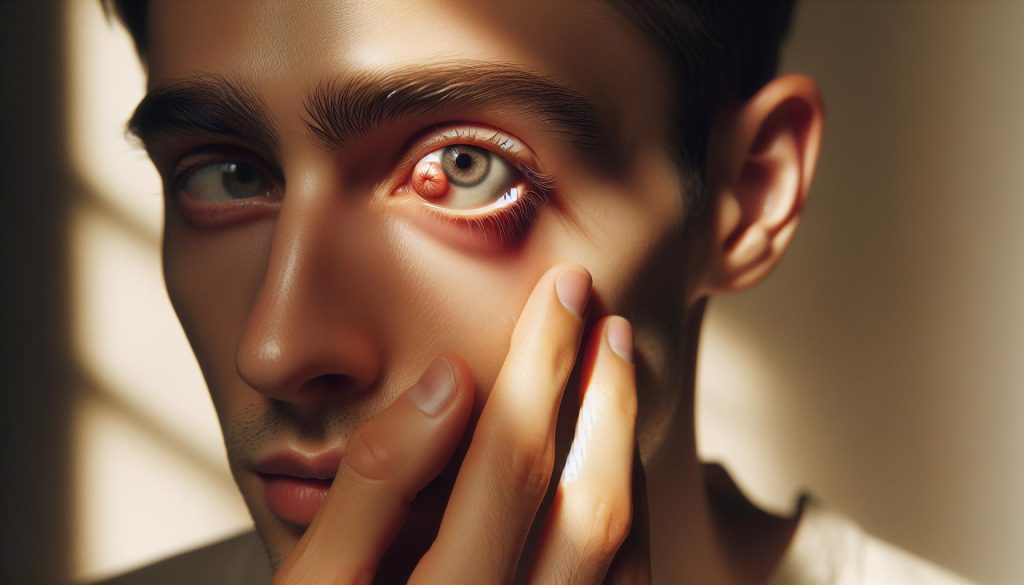
A stye, also known as a hordeolum, is not only a common nuisance but also an actual type of eye infection caused primarily by bacterial activity. This infection typically manifests as a painful, red bump along the eyelash line, akin to a pimple. Styes arise when the oil glands in the eyelids get blocked, leading to inflammation and subsequent infection. They are usually linked to the presence of Staphylococcus bacteria, which are often naturally found on the skin but can cause issues when they invade compromised areas such as clogged glands.
Understanding a stye as an eye infection is crucial for recognizing early symptoms and seeking appropriate treatment. If you feel a tender, swollen area on your eyelid, it’s important to monitor it closely. While some styes may resolve on their own with simple home care, they can sometimes develop into more severe infections if left untreated. Thus, informing yourself about the symptoms and potential complications can empower you to take charge of your eye health and maintain your overall well-being.
To effectively manage and prevent styes, it’s beneficial to maintain good eyelid hygiene. Regularly cleaning your eyelids, particularly if you wear makeup or have a history of oiliness or eye-related issues, can significantly decrease the likelihood of developing a stye. Moreover, if you experience frequent occurrences, it may warrant a deeper investigation with your healthcare provider. Staying aware and proactive about your eye health can help minimize the discomfort associated with these infections while enhancing your overall sense of comfort and confidence.
Common Symptoms of a Stye: What to Look For

Recognizing the symptoms of a stye early can significantly aid in effective treatment and relief. This common eyelid condition typically manifests in several distinctive ways. Initially, you might notice a tender, red bump at the edge of your eyelid, often resembling a small pimple. This bump can be sensitive to touch and may feel warm. The area around the stye may also appear swollen, which can make the eye look and feel inflamed. In some cases, you might experience discomfort while blinking, as it can irritate your eyelid.
As the stye progresses, you may also experience more generalized symptoms, such as watery eyes or a gritty sensation, akin to having something in your eye. It’s not unusual for some styes to produce a small amount of pus, which can lead to crusting at the eyelid margin, especially after sleeping. If you start feeling an increased sensitivity to light or experience any vision changes, these may signal that the stye is exacerbating or leading to other issues, necessitating medical attention.
Awareness of these symptoms can empower you to take action swiftly. For example, applying a warm compress to the affected area can often provide soothing relief and support drainage. Monitoring these signs closely ensures you are not left uncomfortable for longer than necessary and can inform your approach to eye care. Remember, a proactive stance-knowing what to look for-can help you maintain your eye health and overall well-being.
The Causes of Styes: Bacterial Infections and More
The eyes are one of the most sensitive parts of our body, and any irritation or infection can quickly disrupt daily life. A stye, often perceived as a simple annoyance, is actually a form of localized infection at the edge of the eyelid. Primarily caused by bacteria, particularly Staphylococcus aureus, a stye occurs when oil glands become blocked, leading to swelling and inflammation. But the causes of styes are more nuanced, with certain lifestyle choices and underlying conditions significantly influencing their development.
Poor hygiene practices are a primary contributor to stye formation. For instance, touching your eyes with unwashed hands or not removing makeup properly before bedtime can introduce bacteria and lead to infections. Furthermore, individuals who have oily skin or are prone to acne may find themselves more susceptible to developing styes, as excess oil can clog the glands around the eyelid. Other contributing factors include chronic skin conditions such as blepharitis, a condition characterized by inflammation of the eyelid margins, which also increases the risk of styes.
Certain lifestyle habits can either exacerbate or help prevent styes. For instance, stress is known to affect overall skin health, potentially increasing the likelihood of breakouts, including styes. A well-balanced diet rich in antioxidants and vitamins can boost your immune system, making it easier to fend off infections. Additionally, ensuring that you get enough sleep and manage stress effectively can contribute to better eye health.
Ultimately, understanding the multifaceted causes of styes empowers individuals to adopt healthier habits, not just for their eyes but as part of a comprehensive self-care routine. Practicing good hygiene, being mindful of skincare products, and maintaining a balanced lifestyle are all excellent steps to avoid the discomfort of styes and keep your eyes looking and feeling their best.
How Are Styes Diagnosed? Medical Examination Insights
Recognizing a stye can often feel daunting, especially if you’re not sure what you’re dealing with. When you notice a red, painful bump on your eyelid, it’s time to consult with a healthcare professional who can provide clarity through a thorough examination. Diagnosing a stye typically involves a simple visual inspection; an eye care specialist will assess the affected eye to determine whether the bump is indeed a stye or if it could be something else, such as a chalazion or another form of infection. This quick yet thorough evaluation is essential for moving forward with the appropriate treatment.
During the examination, your doctor will ask about your symptoms, including how long you’ve experienced discomfort, any accompanying symptoms like vision changes, or other problems that might hint at a larger issue. They may also inquire about your recent hygiene practices or any known skin conditions, such as blepharitis, that could contribute to the development of styes. Questions regarding your health history, particularly if you’ve had recurring styes, can help the doctor tailor advice specific to your situation.
In some cases, if the stye isn’t responding to traditional treatment or shows signs of complications, a doctor might perform further assessments such as swabbing the area to rule out more serious infections. Imaging tests are rarely necessary, but in persistent cases, your doctor may advise additional evaluations to ensure there are no underlying conditions requiring attention.
Speedy diagnosis and management are crucial to prevent complications like chronic irritation or secondary infections, which can complicate the healing process. By understanding the signs and being proactive about seeking professional advice, you can navigate this common issue with confidence, ensuring that your eye health remains a priority.
Stye Treatment Options: From Home Remedies to Medical Care
A stye, although often uncomfortable and unsightly, usually resolves on its own within a week or two. However, there are effective strategies you can use at home to expedite healing and alleviate discomfort. One of the simplest and most recommended treatments involves applying warm compresses to the affected eyelid. This can be done by soaking a clean washcloth in warm water, wringing it out, and gently placing it over the stye for about 10-15 minutes. This process can help loosen any blockage in the oil glands and promote drainage, reducing the inflammation and pain associated with the stye.
In addition to warm compresses, practicing good eyelid hygiene is essential. Make sure to keep the eyelid clean by using a mild soap or eyelid scrub, especially if you have conditions like blepharitis that can contribute to stye formation. If you wear makeup, it’s wise to avoid using eye makeup until the stye resolves, as this can irritate the area further or introduce additional bacteria.
Should home remedies not lead to improvement, or if your stye worsens, consulting a healthcare professional may be necessary. In some cases, a doctor might prescribe antibiotic ointments or drops to eliminate any lingering bacterial infection. For persistent styes that do not respond to typical treatments, more invasive procedures, like drainage of the stye, may be considered, allowing for quicker resolution and relief from symptoms.
It’s also helpful to understand that certain preventative measures can significantly decrease your chances of developing future styes. Maintaining proper hygiene, avoiding touching your eyes with unwashed hands, and regularly cleaning your makeup brushes can go a long way in promoting eye health. Empowering yourself with this knowledge can foster a proactive approach to eye care, minimizing disruptions to your daily life caused by styes.
Prevention Tips: How to Avoid Developing Styes
To keep your eyes clear of pesky styes, adopting a few key hygiene and skincare practices can go a long way. A stye is often triggered by bacteria, usually Staphylococcus, that thrive in unsanitary conditions. Thus, ensuring cleanliness around your eyes should be your first line of defense. By incorporating simple habits into your daily routine, you can greatly minimize your risk of developing these uncomfortable lumps.
Daily Hygiene Practices
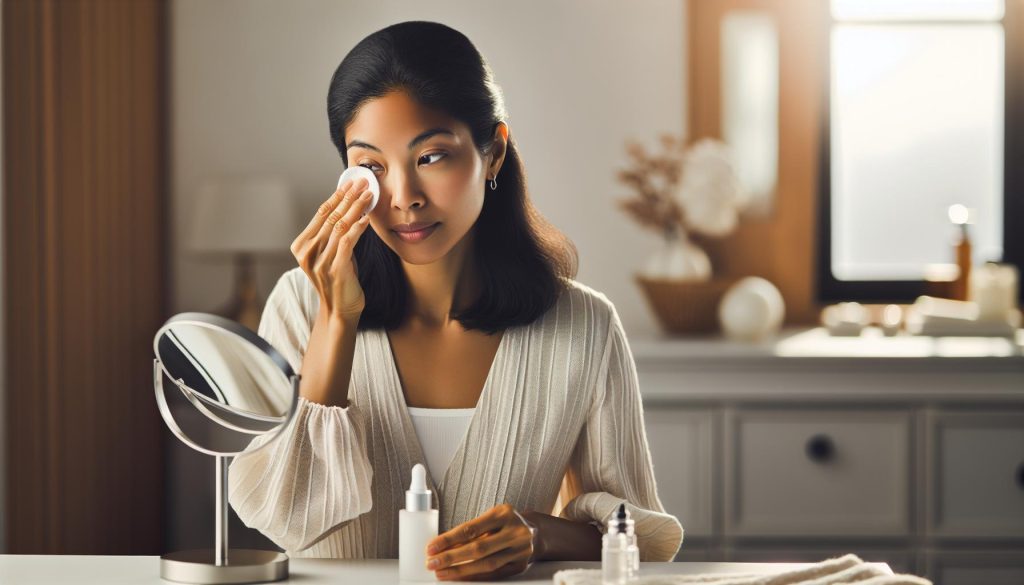
It’s essential to start with proper hand hygiene. Always wash your hands thoroughly with soap and water before touching your face or eyes. This simple act can prevent transferring bacteria to sensitive areas like your eyelids. Additionally, make it a habit to clean your eyelids daily. You can use diluted baby shampoo on a cotton pad or opt for eyelid scrubs available at pharmacies. Gently cleansing helps remove oils, debris, and potential irritants, thereby reducing your risk of stye formation.
Makeup Safety
If makeup is a part of your beauty routine, ensure that you keep your makeup tools clean. Regularly wash your brushes, sponges, and applicators to prevent bacterial buildup. It’s best to avoid eye makeup while experiencing eye irritation or if you’ve had a stye recently; using makeup can cause further irritation and might worsen the condition. Also, consider avoiding old or expired products-these can harbor bacteria and contribute to infections.
Additional Preventive Measures
Be conscious of your lifestyle choices as well. Maintaining a balanced diet rich in vitamins and minerals can support your overall eye health. Staying hydrated is equally important; dehydration can lead to dryness and irritation, making your eyelids more susceptible to styes. If you have oily skin, regular exfoliation can help manage excess oil that may block glands around your eyes.
By integrating these preventive tips into your daily life, you empower yourself to maintain better eye health and minimize the circumstances that lead to styes. With just a few mindful practices, you can keep your eyes comfortable and avoid the hassle of those troublesome infections.
When to See a Doctor: Red Flags and Complications
A stye can be a pesky and uncomfortable issue, but knowing when to seek professional help is vital for your eye health. While many styes resolve on their own with basic home care, certain symptoms and complications warrant a visit to a healthcare provider. If you notice that the stye is not improving within a week, or if it worsens, it’s essential to seek medical advice. Persistent swelling, redness, or pain, particularly if it spreads to other areas of your face, could indicate a more serious infection.
Another red flag to watch for is if the stye affects your vision. Changes in vision, such as blurriness or difficulty focusing, can arise from swelling pressing on the eye or surrounding areas. Moreover, if you experience fever or systemic symptoms like fatigue or malaise along with the stye, it could suggest that the infection has spread and requires prompt medical intervention.
Additionally, if you’ve had recurrent styes, it might be worthwhile to consult a doctor. They can evaluate if there’s an underlying issue contributing to these frequent occurrences, such as a blocked gland or blepharitis, a condition that causes inflammation of the eyelids. Regular doctor visits can lead to effective management strategies, ensuring that these nuisances don’t disrupt your life further.
In conclusion, while most styes are manageable at home, being attentive to symptoms and recognizing when they escalate can make all the difference. Prioritizing your eye health by knowing when to consult a healthcare professional equips you with the tools needed for both immediate relief and long-term care.
Potential Complications of Untreated Styes: What You Should Know
Ignoring a stye can lead to complications that extend beyond mere discomfort. While styes, or hordeola, often resolve without intervention, leaving them untreated may result in several adverse outcomes. Understanding these potential complications is crucial to prioritizing your eye health and ensuring that what begins as a minor irritation does not escalate into a more serious condition.
One significant risk of untreated styes is the potential for the infection to spread. The bacteria causing a stye can extend beyond the eyelid, possibly resulting in conditions like cellulitis, which is a serious infection of the surrounding skin. This can lead to increased swelling, redness, and pain, impacting your daily activities and overall wellbeing. Additionally, persistent inflammation may lead to cyst formation or chronic styes, which could necessitate medical intervention.
Vision issues are another concern. A stye can exert pressure on the eye, possibly leading to temporary vision disturbances. If swelling progresses, it could obscure your field of vision or create difficulty in focusing, which can be particularly concerning for daily tasks such as driving or reading. Moreover, in severe cases, untreated styes might cause complications like keratitis or even corneal ulcers, where the infection could compromise the integrity of the eye itself.
If you find yourself frequently battling styes, it may indicate underlying issues such as blepharitis, a chronic condition characterized by eyelid inflammation. Failing to address recurrent styes could lead to a cycle of discomfort and disruption. Regular visits to an ophthalmologist or healthcare provider can help identify any contributing factors and provide tailored strategies, including eyelid hygiene practices or treatments that can effectively minimize the occurrence of styes in the future.
By staying informed about the potential complications of untreated styes and prioritizing your eye health through proactive care, you empower yourself to manage this common issue effectively. Regular monitoring, clean habits, and communicating concerns with a medical professional can help keep your eyes healthy and prevent styes from becoming a recurring problem.
Styes vs. Other Eye Infections: Key Differences Explained
A stye, while often uncomfortable and noticeable, is just one of several types of eye infections that can affect the delicate structures of your eyes. Understanding the distinction between a stye (hordeolum) and other types of eye infections is essential for proper management and treatment. A stye manifests as a painful, red bump located on the eyelid, typically caused by a bacterial infection of the eyelash follicle or oil gland. In contrast, conditions like conjunctivitis, commonly known as pink eye, involve inflammation of the outer layer of the eye and inner eyelid, often due to viruses or allergens.
In many cases, the symptoms and origins of these infections can diverge significantly. For instance, while a stye is usually localized and painful, conjunctivitis typically presents with redness, itching, and a discharge that can affect both eyes. Moreover, styes are often self-limiting and may resolve with home care, while conjunctivitis may require specific treatments depending on its cause, such as antiviral medications for viral infections or antibiotics for bacterial cases.
Another critical difference involves the potential complications each condition can cause. Untreated, a stye can progress to larger, more painful lesions or cause cellulitis, an infection of the surrounding skin. But conjunctivitis, while bothersome, is more likely to lead to broader, systemic issues if not addressed appropriately-such as spreading to others or causing severe reactions in sensitive individuals.
To navigate these differences effectively, it’s essential to observe symptoms closely and consider factors like duration and severity. If you notice a painful bump on your eyelid accompanied by swelling and tenderness, it’s likely a stye-and applying warm compresses regularly can provide relief. However, if you experience persistent redness, discharge, or significant discomfort across the eyes, seeking out medical advice might be necessary to determine the appropriate treatment and prevent complications. Always prioritize self-care and stay informed about your eye health to make empowered decisions.
Can Styes Affect Vision? Understanding the Risks
A stye may appear as a minor nuisance, but it can lead to significant concerns if left unaddressed, including potential impacts on vision. Typically appearing as a red, painful bump on the eyelid, styes result from bacterial infections that can contribute to swelling and discomfort. While they often resolve on their own with home care, understanding how they might affect your vision is essential for overall eye health.
When a stye forms, the bacteria can create localized inflammation, leading to increased pressure around the affected area. This can obstruct normal sight temporarily, particularly when the stye is large or situated in a way that interferes with the line of vision. In some individuals, the swelling could even press against the eye itself, causing discomfort or blurred vision until it subsides.
If a stye becomes severely infected or untreated, it can lead to more significant complications, such as cellulitis or the development of multiple styes. These conditions can further affect vision, causing painful swelling that might obscure the eyelid area or impede proper eyelid function, potentially leading to conditions such as ectropion (where the eyelid turns outward). Therefore, maintaining routine eye care and monitoring symptoms closely is critical.
To manage styes effectively and protect your vision, consider implementing the following practices:
- Warm Compresses: Apply a warm, damp cloth to the affected area for 10-15 minutes, 3-4 times daily. This can help reduce inflammation and promote drainage.
- Good Hygiene: Regularly clean your eyelids with mild soap or eyelid scrub pads. This can help prevent future infections.
- Avoid Squeezing: Do not attempt to pop or squeeze the stye, as this can worsen the infection or cause it to spread.
If swelling persists for more than a few days, or if you notice significant changes to your vision, seeking medical advice promptly is advisable to prevent further complications. Your eyes are precious-taking proactive steps and addressing symptoms early can help safeguard your sight and overall eye health.
Living with Frequent Styes: Coping Strategies and Lifestyle Changes
Living with frequent styes can be a frustrating experience, especially when they disrupt your daily life. These small, painful bumps can feel like unwelcome guests, often reemerging at inconvenient times. In addition to applying warm compresses and maintaining good hygiene, there are several supportive strategies and lifestyle adjustments that can help manage the occurrence of styes and promote overall eye health.
One effective way to reduce the frequency of styes is to enhance your skin care routine, particularly focusing on your eyelids. Incorporating a gentle cleanser designed specifically for the eye area can help eliminate excess oils and bacteria that may contribute to stye formation. Look for products containing natural ingredients like tea tree oil or chamomile, known for their antibacterial properties. It’s also advisable to remove makeup thoroughly before bed, as residual makeup can clog glands and lead to infection.
Stress management plays an essential role in eye health as well. High stress levels can compromise your immune system, making you more susceptible to infections, including styes. Regular practices such as yoga, mindfulness meditation, or even simple breathing exercises can help alleviate stress. Engaging in these activities not only improves mental well-being but can also enhance your body’s resilience to various infections.
It’s also important to reevaluate your contact lens hygiene if you wear them. Ensure that your lenses are cleaned and stored properly, and replace them regularly as recommended. Avoid wearing lenses while dealing with other eye irritations to prevent compounding issues. Similarly, be cautious with eye products like mascara or eyeliner; consider changing them frequently to reduce bacterial contamination.
Lastly, diet can influence your overall skin and eye health. Incorporating foods rich in vitamins A, C, and E, as well as omega-3 fatty acids, can support skin health and reduce inflammation. Consider adding colorful fruits and vegetables, nuts, seeds, and fatty fish to your meals. Staying hydrated is also crucial, helping maintain the moisture balance in your eyes and skin.
By adopting these strategies and making small adjustments to your daily routine, you can take proactive steps toward reducing the likelihood of styes while promoting better eye health overall. Remember that if you notice any persistent symptoms or if a stye does not improve, seeking advice from an eye care professional is always the best course of action. Your vision is invaluable, and every effort you make toward maintaining it is worthwhile.
Empowering Your Eye Health: Best Practices and Resources
Understanding how to maintain optimal eye health is essential, especially for those prone to styes or other eye conditions. The good news is there are several evidence-backed strategies and resources available to help you empower your eye health daily.
A robust skincare routine is one of the cornerstones for preventing styes. Make it a habit to cleanse your eyelids gently with products specifically formulated for sensitive areas. Look for ingredients like honey or chamomile, renowned for their soothing and antibacterial properties. Always ensure your hands are clean before touching your face or applying skincare products. Establishing a routine that includes removing makeup thoroughly every night can also prevent pore-clogging, a common trigger for styes.
In addition to skincare, maintaining a balanced diet rich in vitamins and omega-3 fatty acids is pivotal. Foods such as fish, nuts, seeds, and vibrant fruits and vegetables provide essential nutrients that support overall eye health. Staying hydrated is equally vital; drinking plenty of water can help maintain the moisture balance in your eyes. If you struggle to drink enough water, consider incorporating herbal teas or watery fruits like watermelon and cucumber into your diet.
Another important aspect of eye health is managing stress, which can affect your immune system and make you more susceptible to infections. Engaging in activities that encourage relaxation, such as mindfulness meditation, yoga, or deep-breathing exercises, can significantly improve both your mental well-being and physical health. Incorporating these practices into your daily life can help build resilience against potential eye infections like styes.
Lastly, increase your awareness of when to seek professional help. Understanding the symptoms and recognizing the onset of a stye can help you act quickly, reducing the risk of complications. If you notice a stye that does not respond to home treatment after a few days, or if it becomes increasingly painful or swollen, reaching out to an eye care professional is the best way to ensure proper care.
By incorporating these practices into your routine, you can take significant steps toward not just preventing styes but enhancing your overall eye health. Remember, a proactive approach is always the best way to maintain the health of your eyes and the comfort of your vision.
FAQ
Q: What causes a stye to develop?
A: A stye typically develops due to a bacterial infection affecting the small glands near the eyelash base. Poor hygiene, stress, or using contaminated cosmetics can contribute to this condition. For prevention tips, refer to the “Prevention Tips” section of the article.
Q: How long does a stye usually last?
A: Most styes resolve within 7 to 10 days with proper care. However, if the stye persists or worsens, seeking medical advice is crucial. For treatment options, see the “Stye Treatment Options” section.
Q: Can a stye be mistaken for other eye conditions?
A: Yes, a stye can be confused with other eye conditions, such as chalazia or conjunctivitis. Understanding the differences is essential for proper treatment. Refer to the “Styes vs. Other Eye Infections” section for more details.
Q: Are styes contagious?
A: No, styes are not contagious. They are caused by bacteria that can infect an individual’s glands but do not spread through direct contact with others. Maintaining good hygiene can help prevent styes.
Q: What are the risk factors for developing a stye?
A: Common risk factors include having oily skin, touching your eyes frequently, and using old or contaminated makeup. For comprehensive insights, refer to the “The Causes of Styes” section of the article.
Q: Can I treat a stye at home?
A: Yes, you can treat a stye at home using warm compresses and over-the-counter pain relief. However, it’s essential to avoid popping or squeezing the stye. For more detailed home remedy tips, consult the “Stye Treatment Options” section.
Q: When should I seek medical attention for a stye?
A: Seek medical attention if the stye does not improve after a week, if you have severe pain, or if vision is affected. It’s crucial to address potential complications early. More information can be found in the “When to See a Doctor” section.
Q: What are the potential complications of untreated styes?
A: Untreated styes can lead to more serious infections or chronic eyelid problems. In severe cases, they may affect vision. For awareness on potential complications, refer to the “Potential Complications of Untreated Styes” section for more insights.
In Conclusion
As we conclude our discussion on whether a stye is considered an eye infection, remember that understanding your eye health is crucial for effective treatment. If you notice symptoms, don’t hesitate to seek guidance-timely action can prevent further irritation and promote healing. Curious about related topics? Explore our articles on eye care tips and natural remedies to nurture your eyes.
Stay proactive about your health by signing up for our newsletter for ongoing advice and the latest updates. If you have any questions or experiences to share, drop a comment below-we value your voice in our community. Your eye health matters; together, we can ensure you have the information you need to make informed decisions.