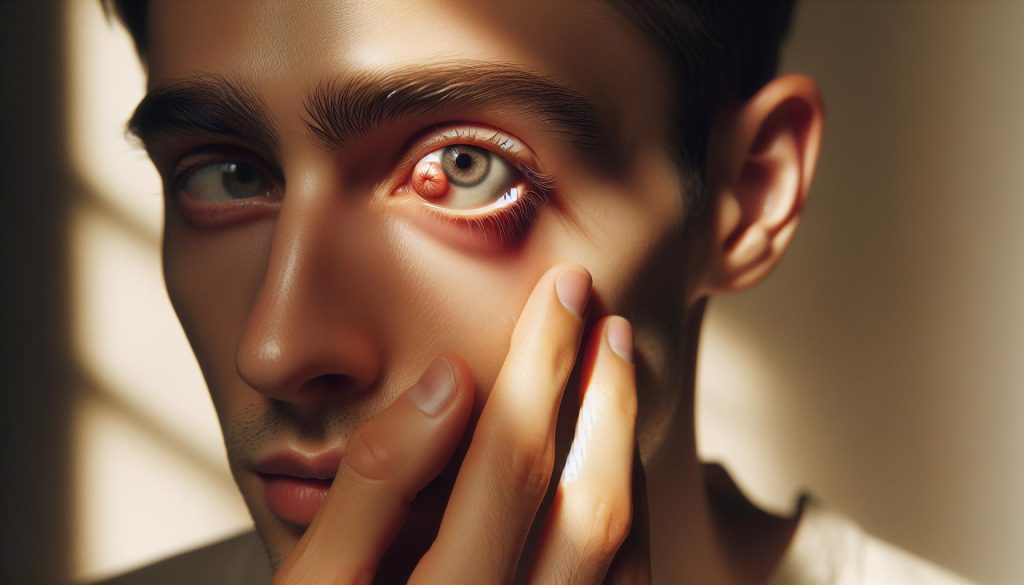
Have you ever noticed a bump on your eyelid and worried about its contagiousness? Eye styes are more common than you might think, often resulting from blocked oil glands. Understanding whether these pesky lumps can spread is crucial, especially if you have family members who may be at risk. In this article, we’ll explore the nature of eye styes, how they develop, and what steps you can take to protect your loved ones from potential infection. With the right knowledge, you can easily navigate this issue and maintain your family’s health. Curious to learn more? Let’s dive in!
Is an Eye Stye Contagious? Understanding the Facts
An eye stye, a painful and red bump typically found along the eyelash line, can be a source of concern for many. Understanding whether it is contagious is crucial, particularly when it comes to protecting your loved ones. Fortunately, the good news is that eye styes are not contagious. They are usually caused by bacterial infections that stem from the Staphylococcus bacteria, which are commonly found on the skin. When these bacteria invade the oil glands of the eyelid, a stye can develop.
Although eye styes can occur as a result of poor hygiene or touching the eyes with unwashed hands, the infection is localized and cannot be transmitted from one person to another through casual contact. However, it’s essential to maintain good hygiene practices to prevent future occurrences, both for yourself and your family. Regularly washing hands, avoiding sharing personal items like towels and makeup, and refraining from touching your eyes can help minimize the risk of bacterial spread.
For those dealing with a stye, the focus should be on care and management rather than fear of transmission. Keeping the area clean, applying warm compresses, and being mindful of eye care products can aid in recovery while safeguarding the health of those around you.
How Eye Styes Develop: Causes and Symptoms

A common yet uncomfortable issue, eye styes develop when the oil glands in the eyelids become blocked and infected, often leading to a small, painful bump along the edge of the eyelid. These bumps, filled with pus, can appear suddenly and may cause a range of symptoms, including swelling, redness, tenderness, and a sensation of grittiness as if there is something lodged in the eye. Sometimes accompanied by tearing and sensitivity to light, styes can also make it difficult to wear eye makeup comfortably.
The underlying cause of a stye is typically a bacterial infection, most often from the Staphylococcus bacteria, which normally reside on our skin. When these bacteria proliferate in the blocked gland, this can result in inflammation and the formation of pus. Factors contributing to the blockage of these glands can include poor eyelid hygiene, excessive oil production, stress, or even certain skin conditions like acne. In some cases, hormonal changes or allergies can exacerbate the conditions leading to styes, making awareness of your personal triggers essential.
Processing this understanding enables you to be proactive about your eye health. Keeping your hands clean and avoiding touching your eyes can go a long way in preventing the occurrence of styes. Moreover, if styes become a recurring issue, it might be helpful to review your skincare and makeup routines to ensure that you’re using safe, non-irritative products and applying them properly to avoid clogging the delicate glands in your eyelids.
Can You Spread an Eye Stye? Clarifying Misconceptions

A common concern for many is whether an eye stye can spread from one person to another. While it is true that styes are caused by bacteria, typically Staphylococcus, the good news is that they are not contagious in the same manner as common colds or the flu. You cannot “catch” a stye from someone who has one. This is primarily because the bacteria that lead to styes already inhabit our skin and are often harmless until certain conditions allow them to proliferate, typically due to blocked glands in the eyelid.
However, it’s important to understand that while the bacteria themselves aren’t spreadable, the factors that contribute to developing a stye, such as poor hygiene or touching one’s face, can be contagious. For instance, if a person touches their eye when they have bacteria or dirt on their hands, they can introduce those germs to their own eyelids, leading to a stye. This is why maintaining good hand hygiene and avoiding touching the face can significantly reduce the risk of developing not only styes but other infections as well.
To protect your family and yourself, encourage everyone to practice regular handwashing and to refrain from sharing personal items such as towels, makeup, or eye products, which can harbor bacteria. If someone in your household has a stye, it’s best to avoid close contact and be diligent about sanitizing common surfaces. Ultimately, fostering good eye hygiene habits can help keep styes at bay while ensuring those around you remain healthy and free from irritation.
In summary, while you can’t spread a stye directly, the underlying behaviors and hygiene practices can influence its development. Educating yourself and your loved ones about these aspects can lead to healthier choices and a reduced risk of styes in your household.
Protecting Your Family: Preventive Care Tips

To keep your family safe from eye styes and enhance overall eye health, adopting simple yet effective preventive care practices is key. Eye styes may occur due to blocked glands and bacterial proliferation, often exacerbated by inadequate hygiene. Engaging in proactive habits can significantly reduce the risk of developing these irritating bumps.
Firstly, instilling good hand hygiene is crucial. Teach your family the importance of washing hands frequently with soap and water, especially before touching the face or eyes. Encourage the use of hand sanitizers when soap isn’t available. Additionally, establish a no-touch rule for the face, which can help prevent dirt and bacteria from being transferred to the eyelids. Remind children, in particular, to avoid rubbing their eyes, especially during the allergy season when irritants may exacerbate problems.
Next, implementing safe practices regarding personal items can further decrease the likelihood of styes. Avoid sharing towels, pillows, and makeup products, as these can harbor bacteria. Instead, provide each family member with their own set of hygiene items, particularly for eye care. If someone is already experiencing a stye, ensure that they practice good hygiene by using clean towels and avoiding eye makeup until the stye has fully healed.
Moreover, incorporating regular cleaning routines for eye makeup brushes and applicators is essential. These tools can accumulate bacteria, leading to potential infections. Wash them every few weeks using a gentle cleanser and allow them to air dry completely before reuse.
Lastly, dietary choices play a role in maintaining eye health. Encourage a balanced diet rich in vitamins A, C, and E, as well as omega-3 fatty acids. Foods like carrots, spinach, nuts, and fish can nurture eye health and bolster the body’s defenses against infections.
By creating a culture of hygiene awareness and incorporating these straightforward practices into your family’s daily routine, you can significantly minimize the risk of developing eye styes and promote overall wellness. Implementing these small changes today can yield healthy benefits for everyone, ensuring that your loved ones stay free from irritation and discomfort.
Do’s and Don’ts When Dealing with Eye Styes
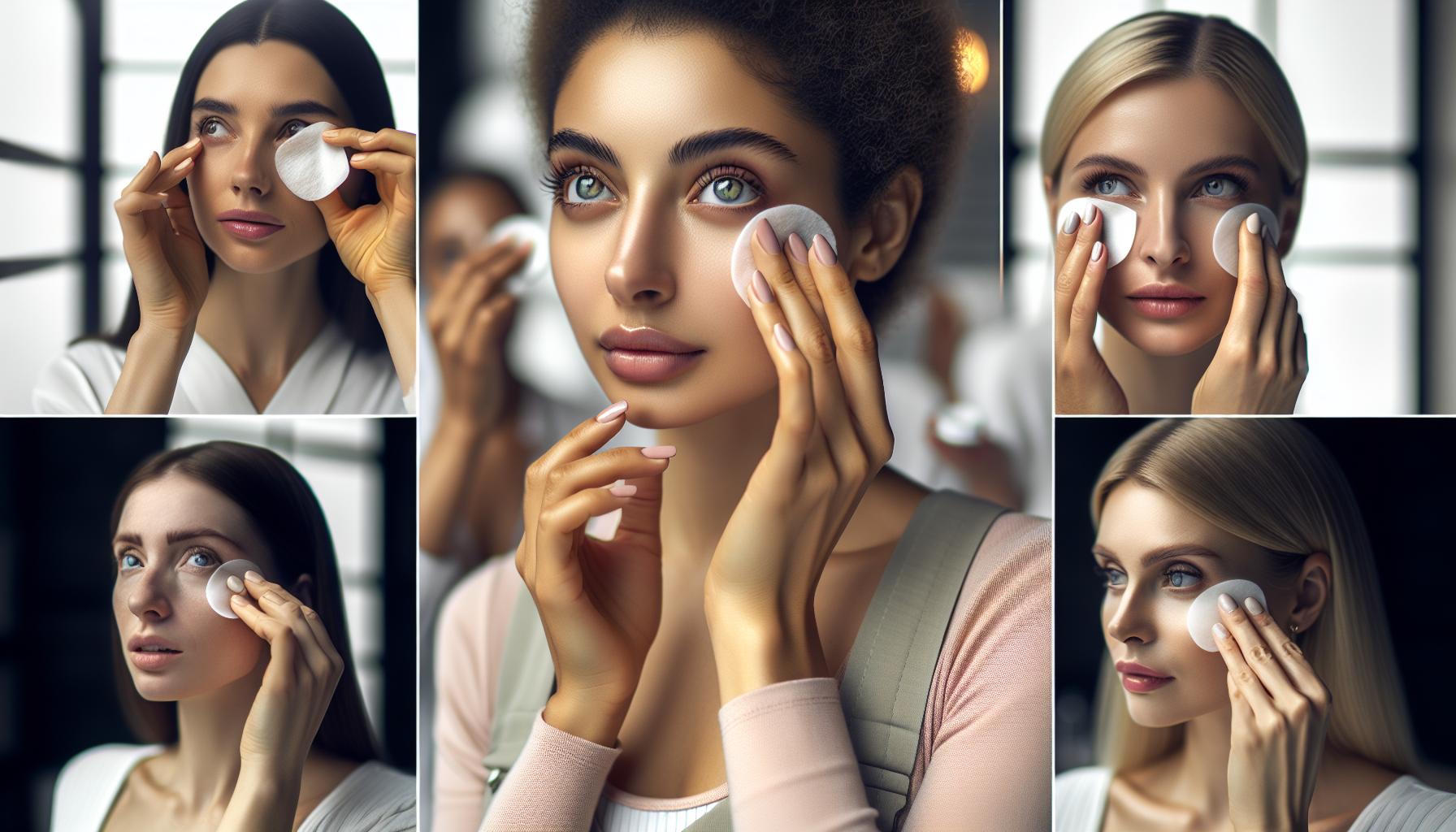
A stye can be a painful and bothersome experience, but knowing how to manage one effectively can provide much-needed relief and prevent its spread. Here are some practical do’s and don’ts to keep in mind when dealing with an eye stye.
Do’s
- Apply Warm Compresses: Gently pressing a warm, clean cloth against the stye for 10-15 minutes several times a day can help soothe irritation and promote drainage.
- Maintain Eye Hygiene: Keep your eyelids clean by washing them with a mild soap or eyelid scrub, especially if you have a history of styes.
- Use Over-the-Counter Pain Relief: If necessary, non-prescription pain relievers like ibuprofen or acetaminophen can help manage discomfort.
- Consider Eye Drops: Antibiotic eye drops can be beneficial if prescribed by your doctor, especially if the stye is recurrent or accompanied by infections.
Don’ts
- Avoid Squeezing or Popping: Although it may be tempting, never attempt to pop or squeeze the stye. This can worsen the infection and may cause it to spread.
- Do Not Wear Eye Makeup: Refrain from using makeup until the stye has completely healed to avoid further irritation and bacteria introduction.
- Don’t Share Personal Items: Prevent the stye from spreading by avoiding sharing towels, pillowcases, or eye makeup with others.
- Refrain from Rubbing Eyes: This can introduce additional bacteria and exacerbate the condition. Practice gentle touch and encourage others to do the same.
Following these guidelines can make a significant difference in managing an eye stye and safeguarding against potential infections. By emphasizing hygiene and care, you can help ensure that this irritating condition is handled effectively, allowing for quicker healing and better comfort.
Effective Home Remedies for Eye Stye Relief
A stye can be not only uncomfortable but also distressing, prompting many to seek immediate relief. Fortunately, several effective home remedies can help alleviate the discomfort associated with a stye and promote healing. Among the most beneficial is the application of warm compresses. This simple remedy involves soaking a clean cloth in warm water, wringing it out, and placing it gently over the affected eyelid for about 10-15 minutes. Repeating this several times a day can help reduce swelling and encourage drainage of the stye.
Maintaining proper eyelid hygiene is equally important. Using a mild, non-irritating cleanser or an eyelid scrub can help keep the area clean and prevent further infections. Additionally, bicarbonate of soda diluted in water can serve as a gentle cleansing solution. It’s also advisable to avoid makeup products around the eyes until the stye has healed, as these can irritate and compound the problem.
Another useful home remedy is the application of aloe vera gel. Known for its soothing and anti-inflammatory properties, applying aloe vera directly to the stye can provide relief and promote faster healing. Always ensure that any products used are free of harsh chemicals to avoid more irritation.
Finally, if discomfort persists, over-the-counter pain relief options like ibuprofen or acetaminophen can help manage pain effectively. However, it’s still essential to monitor the stye closely and maintain good hygiene practices to avoid complications. If symptoms worsen or do not improve within a few days, seeking medical advice is crucial to ensure appropriate treatment and care.
When to See a Doctor for an Eye Stye
Recognizing when to consult a doctor about an eye stye can be crucial for ensuring proper treatment and preventing complications. While most styes resolve on their own within a week or two, there are specific signs indicating that professional care might be necessary. If your stye persists beyond 10-14 days without improvement or shows any signs of infection, such as increasing redness, swelling, or pus, it’s important to seek medical attention. An untreated infected stye can lead to more serious issues, such as cellulitis, which is a bacterial skin infection.
Another reason to contact your healthcare provider is if the stye obstructs your vision. Vision problems, even if they seem minor, should always be taken seriously. Additionally, if you experience severe pain or discomfort beyond typical irritation, this may indicate a worsening condition that requires immediate evaluation. For those with underlying health conditions like diabetes, which can affect healing, promptly addressing a stye with a doctor becomes even more essential.
Your eye care professional can provide specialized treatment options, including medications to alleviate infection or inflammation. They can also offer guidance to avoid further occurrences. With proper attention, you can effectively manage styes and maintain overall eye health, ensuring that you and your family are well-protected from recurrent issues. Remember, you don’t have to navigate these concerns alone; healthcare providers are there to help with experience and solutions tailored to your needs.
Understanding the Link Between Eye Styes and Eye Hygiene
Maintaining good eye hygiene is a cornerstone of preventing eye styes, which can be both uncomfortable and unsightly. Did you know that simple daily habits may significantly reduce your risk of developing a stye? Styes usually occur when oil glands become clogged with bacteria or debris, often exacerbated by poor hygiene practices. By prioritizing eye care, you can help shield yourself and your family from these pesky infections.
To start, wash your hands regularly with soap and water, especially before touching your face or eyes. This simple precaution can minimize the transfer of bacteria that may lead to a stye. In addition, ensure that makeup brushes and applicators are cleaned frequently; accumulated grime on these tools can introduce harmful pathogens to your eyes. Consider using hypoallergenic products, as they are generally gentler on the skin and less likely to cause irritation or infections.
Having a structured skincare routine that includes removing makeup thoroughly at the end of the day can be vital. The use of gentle cleansers to wash your face, especially around the eye area, helps remove oils and dirt that can block glands. After cleansing, avoid rubbing your eyes vigorously, which can further irritate sensitive skin and lead to inflammation. Instead, use a soft towel to pat the area dry gently.
Incorporating these practices into your daily routine will create a robust defense against styes and promote overall eye health. Encouraging your family to adopt similar habits can amplify these benefits. Remember to educate children about eye hygiene, as they may be less aware of its importance, making them more susceptible. By fostering a culture of eye care at home, you enhance not only the health of your eyes but also instill lifelong habits that can prevent frequent issues like styes.
The Role of Allergies and Infections in Eye Styes
Allergies and infections can play a significant role in the development of eye styes, making it essential to understand their connection to this common eye ailment. When your eyes encounter allergens-such as pollen, pet dander, or dust-your body can respond with inflammation, leading to increased tear production and mucus. This overproduction can clog the oil glands in your eyelids. If the clogged glands become blocked with irritants and bacteria, the result is often a painful and sometimes unsightly stye.
Infections, specifically bacterial infections, are the primary culprits behind most styes. The bacteria, often strains of Staphylococcus, can enter the oil glands through tiny breaks in the skin or hair follicles around the eyelid. Individuals with allergies may rub their eyes more frequently due to irritation, inadvertently introducing more bacteria and increasing the likelihood of developing a stye. Therefore, understanding the interplay between allergies and infections is crucial in addressing the root causes of styes.
To manage the impact of allergies, consider implementing an effective allergy management plan that includes regular cleaning of your living environment, using air purifiers, and avoiding known triggers. Additionally, incorporating anti-allergy eye drops can provide relief and reduce inflammation, thereby minimizing the chances of gland blockage. Meanwhile, maintaining good hygiene practices, such as washing your hands and avoiding touching your face, is vital to prevent infections that could exacerbate or lead to styes.
Lastly, educating yourself and your family about the connection between allergies and infections will empower them to take preemptive actions. By being proactive and instilling effective eye care habits, you can significantly decrease the risk of styes, promoting overall eye health and comfort in your household.
Exploring Treatment Options: From Home Care to Medications
Styes, while common and often benign, can be a source of discomfort and concern. Addressing them effectively requires understanding the array of treatment options available, from simple home remedies to more formal medications. The goal is to promote healing, reduce pain, and prevent recurrence, ensuring that you and your family can protect your eye health.
One of the first lines of defense against a stye is home care. The application of warm compresses can be especially beneficial. Soak a clean washcloth in warm water, wring it out, and hold it against the affected eye for about 10-15 minutes, several times a day. This method helps to alleviate discomfort and encourages the stye to drain naturally. It’s important to use a clean compress each time to avoid introducing any additional bacteria. In addition, maintaining good eyelid hygiene can prevent future styes. Gently cleansing the eyelid edges with mild soap or baby shampoo mixed with water can eliminate oil and debris that may contribute to gland blockage.
If home remedies do not yield significant relief in a few days, over-the-counter options like antibacterial ointments may be considered to combat any underlying bacterial infection. However, medications should be used responsibly. If the stye persists or worsens, or if you experience significant discomfort, it might be time to consult with a healthcare professional. In some cases, they may prescribe antibiotics or recommend procedures to drain the stye if it does not resolve on its own.
For those with recurring styes, it’s also crucial to address contributing factors such as allergies. As you explore treatment options, be mindful of any environmental triggers and consider implementing lifestyle changes that minimize exposure to allergens. This proactive approach not only aids in faster recovery but also enhances overall eye health.
Understanding how to effectively treat a stye empowers you and your loved ones to manage this common issue better and prevent future episodes, reinforcing the importance of good practices in eye hygiene and care.
Caring for Your Eyes: Best Practices for Overall Eye Health
Taking care of your eyes goes beyond merely addressing immediate concerns like styes; it’s about fostering long-term health and wellness. With the prevalence of eye issues in today’s digital age, understanding how to maintain eye health is crucial. Simple daily practices can significantly reduce the risk of developing conditions like styes, as well as enhance overall visual comfort and clarity.
Implementing a robust eye care routine starts with maintaining proper eyelid hygiene. Regularly cleaning your eyelids can help prevent blockages that lead to styes. Try using a gentle eyelid scrub or a diluted solution of baby shampoo and water, gently wiping along the lash line. It’s essential to use a fresh material each time you clean to prevent the introduction of bacteria. Similarly, ensure that your hands are clean before touching your eyes, as germs can easily spread.
Additionally, incorporating a few lifestyle habits can greatly benefit your eye health:
- Limit screen time: Prolonged exposure to screens can lead to digital eye strain. Following the 20-20-20 rule-every 20 minutes, look at something 20 feet away for at least 20 seconds-can help reduce discomfort.
- Wear sunglasses: Protecting your eyes from UV light is key to preventing long-term damage. Choose sunglasses that block 100% of UVA and UVB rays.
- Stay hydrated: Drinking plenty of water is vital for overall health and helps maintain moisture in your eyes, preventing dryness.
- Eat a balanced diet: Foods rich in omega-3 fatty acids, vitamins C and E, and zinc can contribute to good eye health. Include plenty of leafy greens, fish, nuts, and citrus fruits in your diet.
While these practices are beneficial, it’s also crucial to be aware of the conditions that can arise from neglecting eye health, such as styes. If you notice symptoms like redness, swelling, or discomfort in your eyelid, addressing these promptly with warm compresses or over-the-counter remedies can help. For ongoing issues, consulting a healthcare professional may be necessary to rule out other underlying conditions.
Incorporating these practices into your daily routine not only fosters individual eye health but can also set a precedent for family members, reinforcing the idea that eye care is a vital aspect of overall wellness. Keeping a watchful eye on your family’s eye health will lay the foundation for a lifetime of clear vision and comfort.
Styes in Children: Special Considerations and Care
Children are particularly susceptible to developing eye styes, which can cause discomfort and anxiety both for the child and the parents. Understanding how to care for children with styes is essential, as their immune systems and ability to communicate discomfort are still developing. A stye, although usually non-contagious as it typically arises due to blockage in the oil glands of the eyelids, can still be a source of concern that needs thoughtful management.
There are a few steps you can take to help alleviate the symptoms of a stye in children. Begin with warm compresses, which can soothe irritation and promote drainage. Soak a clean cloth in warm water, wring it out, and gently place it on the affected area for 5 to 10 minutes several times a day-the warmth helps to ease pain and encourages healing. It is also crucial to ensure that your child maintains good hygiene. Teach them the importance of washing their hands regularly and avoiding touching their eyes to prevent further irritation or introducing bacteria.
Involve your child in understanding their condition-when they know what a stye is and that it’s a common issue, they may feel less anxious. You can also establish a routine for eyelid hygiene by incorporating gentle eyelid scrubs using commercially available products or a diluted baby shampoo solution. Making it a part of their daily hygiene behavior normalizes the routine and helps prevent future occurrences.
Lastly, it’s crucial to know when to seek professional help. If the stye persists for more than a few days, worsens, or if your child experiences significant pain or fever, consult your pediatrician or an eye care specialist. Early intervention can prevent complications and provide peace of mind, ensuring that the stye does not escalate into a more serious infection. By addressing these styes thoughtfully, you can not only provide comfort but also empower your child to take care of their eye health.
Q&A
Q: Can you catch a stye from someone else?
A: No, an eye stye is not contagious. It’s usually caused by bacteria that live on the skin. Maintain good personal hygiene to reduce the risk of developing a stye yourself, especially if someone around you has one.
Q: What can increase my risk of developing a stye?
A: Factors like poor eye hygiene, using expired makeup, and having skin conditions such as acne or rosacea can increase your risk for developing a stye. Regular cleansing of your eyelids can help prevent styes from forming.
Q: How can I prevent styes in children?
A: Teach your children to wash their hands regularly and avoid rubbing their eyes. Dispose of old cosmetic products, and discourage sharing items like towels or eye makeup to minimize the risk of developing styes.
Q: Are there symptoms that indicate I might get a stye?
A: Early symptoms include redness, swelling, and tenderness on the eyelid. If you notice these signs, applying warm compresses can help soothe discomfort and may prevent the stye from forming.
Q: How long do styes typically last?
A: A stye usually lasts about 5 to 7 days. Most styes will resolve on their own, but if symptoms persist or worsen, seek medical advice to explore treatment options.
Q: What home remedies can help soothe a stye?
A: Warm compresses for 10-15 minutes several times a day can reduce pain and speed healing. Over-the-counter pain relief may also be helpful. Avoid touching or squeezing the stye.
Q: Is there a difference between a stye and a chalazion?
A: Yes, a stye is an infection of the eyelash follicle causing pain and redness, while a chalazion is a blockage in oil glands that often is painless and appears as a lump. Both can benefit from warm compress treatments.
Q: When should I see a doctor for a stye?
A: Consult a healthcare professional if the stye does not improve after a week, there’s significant pain, or your vision is affected. Early assessment can prevent complications.
Concluding Remarks
In conclusion, understanding whether an eye stye is contagious is essential for protecting your family’s health. Remember that while they are generally not contagious, practicing good hygiene and avoiding sharing personal items can significantly reduce the risk of spreading any eye issues. If you’re concerned about styes or other eye conditions, check out our guide on common eye infections or learn about effective treatments to alleviate symptoms.
Don’t hesitate to explore more resources on eye care tips or sign up for our newsletter for the latest updates in eye health. Your proactive approach to eye care can make a real difference-for you and your loved ones. For any lingering questions, please leave a comment below or reach out to us. Together, let’s ensure a healthier future for your family’s eyes!