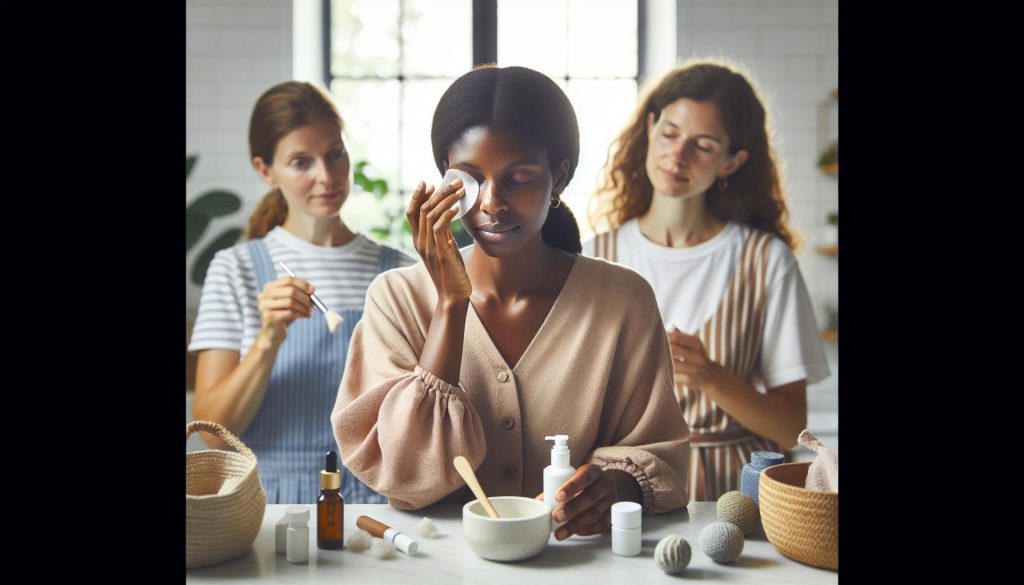
Styes are more than just an irritating eye problem; they can be a persistent issue that disrupts daily life and confidence. Understanding the underlying causes of these painful bumps can help you manage and prevent them effectively. In this article, we’ll explore “Why Do I Keep Getting Styes in My Eyes? 7 Hidden Triggers,” uncovering the lesser-known factors that could be contributing to your frequent styes.
Many people encounter styes, yet what triggers these bothersome nuisances might remain a mystery. From common habits like touching your eyes to less obvious culprits in your skincare routine, the reasons can vary. If you’re tired of dealing with the discomfort and disruption they bring, it’s time to shed light on these hidden triggers and empower yourself with actionable solutions that fit seamlessly into your lifestyle. Join us as we delve into the surprising connections that might be fueling your eye health concerns and discover effective preventive measures.
Common Causes of Recurrent Styes in Eyes
Recurrent styes, those bothersome red lumps near the eyelid, can often signal underlying issues that go beyond mere irritation. One of the most prominent culprits is the presence of bacteria, particularly Staphylococcus aureus, which can thrive in environments where hygiene practices are insufficient. When the delicate oil glands at the base of eyelashes become blocked or infected, a stye may develop. This can be further exacerbated by habits such as rubbing the eyes, using old or contaminated makeup, and failing to remove eye makeup before sleep.
In addition to bacteria, other factors contribute to the recurrence of styes. Hormonal changes can influence oil production in the skin, making some women more susceptible during certain times of their menstrual cycle. Similarly, chronic conditions like blepharitis, a common inflammation of the eyelid, can create a perfect storm for repeated stye formation. If these conditions are not adequately addressed, they can result in ongoing irritation, making it vital to understand that a stye is often a symptom of a broader health issue rather than an isolated incident.
Moreover, lifestyle factors like stress and inadequate sleep can lead to weakened immune defenses, increasing the likelihood of infections, including styes. Incorporating practices such as stress management techniques and maintaining a consistent sleep schedule can play a significant role in reducing the frequency of stye occurrences. By addressing these interconnected causes, individuals can take proactive steps toward minimizing the chances of future styes and protecting their eye health. Regular check-ins with an eye care professional are also advisable, especially for those with persistent issues, ensuring that any underlying conditions are correctly identified and treated.
Understanding the Anatomy of Styes
The eye, a marvel of biological design, contains a range of structures that work harmoniously to maintain vision and overall health. Understanding these elements can shed light on why styes occur and how their formation can be prevented. A stye, or hordeolum, typically arises from an infection in the glands located along the eyelid margin, often due to the bacteria Staphylococcus aureus. This bacterium can thrive in environments where proper hygiene is not observed, illustrating the critical role of cleanliness in maintaining eye health.
At the edge of the eyelid lie meibomian glands, which secrete oils that are essential for keeping the tear film stable and preventing dryness. When these glands become blocked, usually because of debris or an accumulation of dead skin cells, it creates a conducive environment for bacteria to flourish. The resulting inflammation manifests as a painful, red bump. In addition to blocked oil glands, infection can develop in hair follicles or sweat glands, further complicating the anatomy of stye formation.
Moreover, understanding that styes can be symptomatic of chronic conditions such as blepharitis highlights the importance of holistic eye care. Conditions that cause inflammation of the eyelids can exacerbate the likelihood of developing styes. Hence, maintaining regular eyelid hygiene-by gently cleaning the eyelids with warm compresses or specific eyelid scrubs-can significantly reduce the risk of blockages.
Incorporating proactive skincare routines is essential. Using high-quality, non-comedogenic makeup and ensuring thorough removal of eye cosmetics before bed can help minimize the build-up of irritants that lead to stye formation. By acknowledging the intricate interplay between eyelid anatomy and hygiene practices, individuals can take informed steps toward preventing these uncomfortable and often recurring eye annoyances.
Hygiene Habits That Contribute to Styes
Maintaining proper hygiene is an essential strategy in preventing styes, those pesky, painful bumps that can unexpectedly develop around the eyelids. A surprising fact is that almost half of stye cases are linked to poor hygiene practices related to the eyes. Understanding how everyday habits contribute to these infections is key to avoiding the discomfort associated with styes.
Regularly cleaning the eyelids is vital, especially for those who wear makeup or have chronic skin conditions. Dust, oil, and makeup residue can clog the meibomian glands at the eyelid margins, creating an environment ripe for infection. To avoid this, adults should incorporate a routine that includes gently cleaning the eyelids with a soft cloth or using commercially available eyelid scrubs designed to remove debris effectively. Warm compresses can also help keep these glands functioning properly by softening any blockages and promoting drainage.
Additionally, it’s important to avoid touching the eyes and face with unwashed hands. This is particularly crucial if you’re experiencing any form of skin irritation, as bacteria can be transmitted easily. Using clean towels and pillowcases can make a significant difference, too; bacteria can multiply on these surfaces and come into contact with your eyes while you sleep.
Another significant aspect is ensuring that any eye makeup is thoroughly removed before bed. Non-comedogenic products are advisable because they are less likely to clog pores or irritate the eyes. Regularly replacing your makeup, especially mascara and eyeliner, can also reduce the risk of harboring harmful bacteria. Following these simple yet effective practices can significantly minimize the likelihood of recurrent styes, leaving you with healthier eyes and peace of mind.
The Role of Allergies in Eye Health
Allergies can significantly impact eye health, often leading to a range of symptoms that can contribute to the development of styes. When allergens such as pollen, dust mites, or pet dander enter the eyes, they trigger an immune response, resulting in inflammation, redness, and itchiness. This discomfort may lead individuals to rub their eyes, a common behavior that can exacerbate the situation by transferring bacteria and irritants from the hands to the eyelids, setting the stage for stye formation.
In addition to direct irritation, the inflammatory response caused by allergies can affect the glands of the eyelids. Conditions like blepharitis, which is characterized by inflammation of the eyelid margins, can arise from excessive rubbing and the accumulation of allergens. When the meibomian glands-responsible for producing the oily layer of tears-become clogged or dysfunctional due to these inflammatory processes, the likelihood of developing styes increases. Keeping this in mind, it becomes evident that managing allergy symptoms is crucial not just for overall comfort but for maintaining good eye health.
To mitigate these risks, several practical steps can be taken. First, consider using antihistamine eye drops that can help reduce inflammation and redness linked to allergies. Regularly cleansing the eyelids with gentle wipes or commercially available eyelid scrubs can also assist in removing irritants and preventing blockage of the glands. Ensuring that your hands are clean before touching the face or eyes is another critical step in guarding against infection. Regular consultations with an eye care professional can also provide personalized strategies to manage allergies effectively, safeguarding your eyes from irritation and styes.
In conclusion, understanding the interplay between allergies and eye health is vital in preventing recurrent styes. By being proactive-whether through proper hygiene, effective allergy management, or professional guidance-you can protect your eyes from the discomfort of styes, leading to a healthier and more comfortable life.
How Stress Impacts Stye Formation
Stress is more than just a fleeting emotion; it can significantly impact your body’s overall health, including your eyes. When you’re under pressure, your body’s defense mechanisms can weaken, making it more susceptible to infections, including those that lead to styes. Stress triggers a cascade of physiological responses that alter your immune function, often resulting in inflammation and heightened sensitivity, particularly around vulnerable areas like the eyelids.
Under stress, your body’s cortisol levels rise, leading to an inflammatory response. This can flare up existing conditions, such as blepharitis, where the eyelid margins become irritated and swollen. The meibomian glands, responsible for secreting oil to the tear film, can also become affected, resulting in blocked ducts and increased likelihood of stye formation. Moreover, stress can often lead to behaviors that may contribute to stye development, such as poor hygiene practices stemming from rushed routines or even rubbing your eyes more due to discomfort or irritation.
To combat the effects of stress on your eye health, consider incorporating stress-reduction techniques into your daily routine. Simple practices, such as mindfulness meditation, yoga, or regular exercise, can lower cortisol levels and promote overall relaxation. Establishing a clear skincare and eye care routine can also provide a sense of control and comfort. Always remember to avoid touching your eyes and to wash your hands frequently, as introducing bacteria can exacerbate the risk of stye formation. Encouraging good sleep habits and maintaining a balanced diet rich in vitamins A, C, and E can also enhance your immune system, further protecting your eyes from potential issues.
Ultimately, recognizing the connection between stress and stye formation empowers you to take proactive steps toward maintaining your eye health. By managing stress effectively and implementing consistent eye care practices, you’re not just preventing styes but promoting overall well-being.
Identifying Hidden Triggers in Your Environment
Identifying underlying causes for recurrent styes is essential for maintaining eye health. Often, hidden environmental triggers can predispose you to these pesky infections. Common triggers include exposure to bacteria, allergens, and irritants that might not be obvious at first glance. By pinpointing these factors and making necessary changes, you can significantly reduce your risk of developing styes.
One common source of bacteria is your makeup. Old or contaminated makeup products can harbor harmful microorganisms that, if applied near the eyes, can lead to stye formation. Always check the expiration dates on your cosmetics and consider applying a daily skincare routine that includes cleansing your eyelids. Remove eye makeup thoroughly before bed to prevent residue buildup, which can clog the oil glands and increase susceptibility to styes. Additionally, ensure that any brushes or applicators are cleaned regularly to minimize bacterial contact.
Environmental irritants such as dust, smoke, and pet dander can also trigger styes. If you regularly find your eyes becoming itchy or irritated after exposure to these elements, it may be worth addressing the air quality in your home. Consider using air purifiers or humidifiers to create a more favorable environment for your eyes. Moreover, if you’re allergic to specific substances, staying indoors during high pollen counts or using hypoallergenic products can help shield your eyes from allergens that may provoke a reaction leading to styes.
To further protect your eyes from hidden triggers, evaluate your everyday habits. For example, if you frequently touch your face and rub your eyes, you may be transferring bacteria and irritants from your hands. Developing good hygiene practices, such as washing your hands thoroughly before touching your face and avoiding touching your eyes altogether, can go a long way in preventing stye formation. Implementing these small but impactful changes can empower you to take charge of your eye health, reducing the frequency of styes and enhancing overall well-being.
Effective Home Remedies for Stye Prevention
It’s startling to know that nearly 50% of people will experience a stye at some point in their lives. Understanding how to prevent this bothersome condition is crucial for maintaining healthy eyes. Implementing effective home remedies can significantly reduce your risk of recurring styes, transforming your eye care routine into a proactive shield against these irritations.
Start by incorporating warm compresses into your daily practice. Simply soak a clean cloth in warm water, wring it out, and place it gently over your closed eyelids for about 10 minutes. This method helps to loosen any debris and unclog oil glands that may become blocked, lessening the likelihood of stye formation. Repeat this process two to three times a day for best results.
Hygiene is paramount in preventing styes. Ensure that you regularly clean your eyelids with a mild cleanser to remove excess oil and dirt. You can create a soothing eyelid wash at home using a combination of water and a few drops of baby shampoo or a commercial eyelid scrub designed for this purpose. Gently massaging your eyelids can help stimulate oil production and keep glands functioning properly.
Pay attention to your makeup habits. Using old or uncleaned makeup brushes can introduce bacteria to your eye area, increasing the risk of developing a stye. Always remove eye makeup thoroughly before bed, and consider replacing your eye products every three months. Additionally, explore natural mascara or eyelash serums that incorporate antimicrobial ingredients.
Lastly, consider dietary changes that promote eye health. Incorporate foods rich in omega-3 fatty acids, such as salmon, or antioxidants like leafy greens and berries into your meals. Staying hydrated is equally essential; aim for at least eight glasses of water a day to keep your eyes lubricated and to support overall skin health.
By embracing these simple yet effective home remedies into your routine, you can significantly reduce the chances of experiencing styes, allowing your eyes to remain clear, healthy, and irritation-free.
When to Seek Professional Help for Styes
It can be frustrating and concerning to deal with recurring styes; they can disrupt daily life and raise questions about underlying health issues. While many styes are treatable at home with careful eye hygiene and warm compresses, there are critical moments when seeking professional help is essential for your eye health.
If you find that styes keep coming back, it may indicate an underlying condition, such as blepharitis or meibomian gland dysfunction. These chronic issues can block the eyelid’s oil glands, leading to an increased likelihood of stye formation. A healthcare professional can offer a more comprehensive evaluation and develop a tailored treatment approach to address these persistent problems.
Moreover, immediate consultation with an eye specialist is warranted if a stye persists for more than a week, shows signs of infection, or the eyelid swells significantly. Symptoms to watch for include increased pain, pus discharge, or fever. These could indicate a more serious issue that might require antibiotic treatment or even minor surgical intervention to drain the stye.
Lastly, if your vision begins to blur or changes occur in your vision, it’s essential to seek professional evaluation promptly. Protecting your vision is paramount, and healthcare providers can help ensure your eyes remain healthy and free from complications arising from recurring styes. Remember, taking action early can mitigate discomfort and promote long-term eye health.
Lifestyle Changes for Maintaining Eye Health
Maintaining optimal eye health involves adopting a few straightforward lifestyle changes that can significantly reduce the frequency of styes and promote overall well-being. One of the easiest yet most impactful adjustments you can make is to improve your daily hygiene practices. Regularly washing your face and eyelids with a gentle cleanser can help eliminate excess oil, bacteria, and debris that contribute to clogged glands. It’s vital to use a clean washcloth or cotton pad to avoid transferring bacteria back to your eyes.
Another key aspect is incorporating warm compresses into your routine. Applying a warm compress to your eyelids for about 5-10 minutes once a day can help keep the oil glands functioning properly and prevent blockages. This simple habit can soothe and stimulate the oil glands, ensuring they release oil adequately, which is essential for healthy tear film and preventing stye formation.
Your diet also plays a vital role in eye health. Consuming a balanced diet rich in omega-3 fatty acids and antioxidants can help reduce inflammation and support overall eye functionality. Foods such as fatty fish, nuts, seeds, and colorful fruits and vegetables are great choices. Staying hydrated is equally important, as adequate water intake helps maintain moisture balance in the eyes.
Lastly, managing stress through practices such as yoga, meditation, or regular physical activity can positively influence your eye health. Stress may exacerbate conditions like inflammation or impact immune response, both of which can contribute to the development of styes. By creating a holistic approach to your eye care that incorporates hygiene, nutrition, and stress management, you can significantly lower your chances of recurring styes and enjoy healthier eyes.
Nutritional Factors Influencing Eye Conditions
Nutritional choices have a significant impact on eye health, and understanding how specific dietary elements influence the risk of developing styes can empower you to take proactive steps. An imbalanced diet lacking essential nutrients may predispose your body to inflammation and infections, both of which could contribute to the recurring appearance of styes. By focusing on an array of specific nutrients, you can bolster your eye health and reduce the chances of these pesky eyelid bumps.
Certain vitamins and minerals play a pivotal role in maintaining healthy eyes. For instance, omega-3 fatty acids are renowned for their anti-inflammatory properties and can help improve the function of oil glands within the eyelids. You can find these fatty acids in foods like salmon, flaxseeds, and walnuts. Including a variety of colorful fruits and vegetables can also provide antioxidants such as vitamins A, C, and E, contributing to overall eye health and reducing inflammation that could exacerbate conditions like styes.
Hydration is another key player in maintaining eye health. Dehydration may lead to dryness and irritation, causing you to rub your eyes more often, which can introduce bacteria and increase the risk of infections. Aim to drink plenty of water throughout the day, and consider adding hydrating foods like cucumbers and watermelon to your diet.
Finally, avoid excessive amounts of processed foods and sugars, as these can lead to inflammation and overall poor health, indirectly contributing to the recurrence of styes. By prioritizing a well-rounded diet, you can provide your body with the necessary tools to defend against infections and maintain healthy eyes.
Skincare Routines to Protect Your Eyes
To keep your eyes healthy and reduce the risk of developing styes, a consistent and mindful skincare routine is essential. Your eyelids are particularly sensitive and require gentle care to maintain their health. Start by ensuring that your hands are clean before touching your face or applying any products. Regularly washing your hands with soap and warm water for at least 20 seconds can help minimize the transfer of bacteria, which is a common trigger for stye formation.
Incorporating a specialized eye makeup remover can also be a game-changer. Opt for gentle, oil-free formulas that effectively dissolve makeup without irritating the delicate skin around your eyes. Avoid rubbing your eyes during the removal process; instead, use a soft cotton pad and gently swipe away makeup, ensuring that all remnants are cleared away before going to bed. Leaving makeup on overnight can lead to clogged glands, ultimately increasing the likelihood of styes.
Adopting a consistent cleansing routine for your eyelids is another proactive step. Using a warm compress for a few minutes can help open up the meibomian glands, promoting better oil flow. After this, a mild eyelid scrub can help remove debris and excess oils that guide bacteria towards the glands. You can create a simple scrub at home using diluted baby shampoo or a regimen suggested by your eye care professional.
Lastly, keep your personal items like towels, pillows, and eye makeup tools clean. Regular washing can help prevent bacteria buildup. Ensure that makeup products are not shared, as this can spread bacteria among users. Consider replacing your mascara every three months and avoid using it during a stye outbreak or when your eyes are irritated. By instilling these practices into your routine, you not only protect your eyes but also enhance overall skincare and health.
Preventative Measures to Avoid Future Styes
Styes can feel like an unwelcome surprise, often occurring when you least expect them, but several preventative measures can be taken to reduce their occurrence significantly. Understanding the underlying causes and implementing a few simple lifestyle changes can empower you to maintain healthier eyes.
To begin with, practice good hygiene around your eye area. Consistently washing your hands before touching your face is crucial, as bacteria can easily transfer to your eyelids. Utilize warm compresses daily to help unclog the oil glands, which can become blocked and contribute to stye formation. Follow this with a gentle eyelid scrub using diluted baby shampoo or a recommended eyelid cleanser; this helps remove excess oil and debris that may harbor bacteria.
In addition to hygiene practices, the products you use can make a difference. Invest in quality eye makeup that’s hypoallergenic and non-comedogenic. This type of makeup doesn’t just minimize irritation but also helps prevent the clogging of glands. Furthermore, replace mascara every three months and avoid sharing makeup tools, as these can be sources of bacterial spread. When it comes to makeup removal, opt for gentle, oil-free removers to prevent leaving any residues behind that might lead to clogged glands.
Lastly, consider your overall health and environment. Chronic stress can weaken your immune system, making you more susceptible to infections, including styes. Incorporating stress-reducing activities like meditation, yoga, or regular exercise can bolster your resilience. Be mindful of environmental triggers as well, such as allergens and air pollution, which can irritate your eyes. Maintaining a clean environment with regular washing of bed linens and towels used for your face can limit bacteria and allergens around your eye area. By embracing these preventative strategies, you can take charge of your eye health and significantly reduce the likelihood of future styes.
Frequently Asked Questions
Q: What are the common symptoms of a stye?
A: Common symptoms of a stye include a red, swollen bump on the eyelid, tenderness or pain in the affected area, teary eyes, and sometimes a feeling of sand in the eye. Early treatment often helps reduce discomfort and speed recovery.
Q: Can stress cause styes to form?
A: Yes, stress can contribute to stye formation. Stress impacts overall health, potentially weakening immune response and increasing susceptibility to infections, including those that cause styes. Effective stress management, such as mindfulness or relaxation techniques, can help.
Q: Are there specific foods that can help prevent styes?
A: Foods rich in vitamins A, C, and E, as well as omega-3 fatty acids, can support eye health and help prevent styes. Incorporate leafy greens, nuts, fish, and citrus fruits into your diet for added protection against eye conditions.
Q: How can I treat a stye at home?
A: Home remedies for treating a stye include applying warm compresses to the affected area for 10-15 minutes multiple times a day, maintaining good eyelid hygiene, and avoiding eye makeup until healed. These can promote drainage and reduce discomfort.
Q: When should I see a doctor for a stye?
A: You should seek professional help for a stye if it doesn’t improve within a few days, if you experience vision changes, or if there are signs of infection, such as increased redness, swelling, or pus. Timely intervention can prevent complications.
Q: What lifestyle changes can help reduce the risk of developing styes?
A: Lifestyle changes include practicing good hygiene, managing stress levels, maintaining a balanced diet, and getting regular sleep. These habits can strengthen your immune system and decrease the likelihood of recurrent styes.
Q: Do eye infections have long-term effects on vision?
A: Most eye infections, including styes, do not cause long-term vision problems if treated promptly. However, if untreated, they can lead to complications such as cellulitis or chronic infections, which may impact vision.
Q: Can makeup use contribute to stye formation?
A: Yes, using expired or contaminated makeup can contribute to stye formation by introducing bacteria to the eyelids. Always dispose of old products, avoid sharing makeup, and keep makeup application tools clean to minimize risk.
In Retrospect
Understanding the hidden triggers behind recurring styes is crucial for maintaining eye health. By addressing hygiene practices, dietary influences, and stress management, you can significantly reduce the likelihood of these bothersome bumps. Don’t let discomfort linger-take action today to protect your eyes. For personalized tips, check out our articles on “Skincare Routines for Healthy Eyes” and “Top Foods for Eye Health,” and explore effective at-home remedies found in our “Natural Treatments for Common Eye Issues.”
Continuing your journey towards eye wellness doesn’t stop here. Sign up for our newsletter to receive the latest insights on women’s health and beauty topics right in your inbox. Join the conversation-share your experiences in the comments below, and don’t hesitate to reach out with any questions. Together, we can empower each other to make informed choices for our health and beauty routines. Your eyes deserve the best care-let’s make it happen!