

Eye styes can be an uncomfortable and frustrating experience, often leading to redness, swelling, and irritation around the eyelid. Interestingly, many people turn to something as simple and accessible as tea bags for soothing relief. The warmth from used tea bags may not only provide comfort but could potentially aid the healing process.
This natural remedy has gained popularity among women seeking gentle, effective solutions for common eye ailments. If you’re looking for a way to alleviate the discomfort of a stye, the benefits of tea bags might just surprise you. By exploring how this everyday item can offer relief, you’ll uncover helpful insights into promoting eye health while embracing holistic approaches to skincare. Keep reading to discover the secrets behind this simple remedy and how to use it effectively in your self-care routine.
Benefits of Using Tea Bags for Eye Styes
Tea bags, often found in kitchens and pantries, can serve as a surprisingly effective natural remedy for soothing eye styes. These small packages not only brew a delightful cup of tea but can also deliver therapeutic benefits directly to the eyes, making them an accessible option for relief from discomfort. Key to their effectiveness is the natural presence of tannins and anti-inflammatory compounds in certain types of tea, which can help reduce swelling and ease irritation associated with styes.
When applied externally, warm tea bags can provide a gentle warmth that increases circulation and promotes healing in the affected area. This warmth facilitates drainage, encourages relaxation of the eye muscles, and can make the experience of dealing with an eye stye much more bearable. Moreover, using tea bags-especially those containing chamomile or green tea-can deliver additional soothing properties. Chamomile, for instance, is renowned for its anti-inflammatory and antioxidant benefits, while green tea provides a rich source of catechins that may further aid in reducing swelling and redness.
To effectively harness the benefits of tea bags for eye styes, it’s beneficial to choose the right type and apply them correctly. The soothing nature of herbal tea, such as chamomile or even black tea, can offer a calming experience during troubling times, allowing individuals to feel more comfortable while addressing a common yet bothersome ailment. Incorporating this simple practice into your eye care routine can empower you to manage minor eye issues with minimal effort and cost, harnessing nature’s remedies right from home.
How Tea Bags Help Reduce Swelling and Pain
The application of warm tea bags to eye styes is more than just a home remedy; it harnesses the natural anti-inflammatory properties found in various teas, making it a soothing solution for discomfort. When heated, tea bags can provide gentle warmth that relaxes the eye muscles and increases blood circulation, which is essential for promoting healing. This warmth not only helps to alleviate pain and swelling but also encourages drainage by softening the affected area, allowing pus or fluid to escape more easily.
Among the most effective types of tea for this purpose are chamomile and green tea. Chamomile is widely recognized for its properties that combat inflammation and irritation, while green tea is rich in catechins, compounds that have strong antioxidant effects. These properties work synergistically, helping to reduce both swelling and pain effectively. The act of placing a tea bag over the eye also creates a calming routine, providing psychological comfort in addition to the physical benefits.
Additionally, regular application can help prevent the recurrence of styes by maintaining overall eye hygiene and promoting relaxation. Anyone experiencing discomfort from eye styes may find that incorporating this simple remedy into their routine not only provides immediate relief but also makes a significant difference in their healing journey.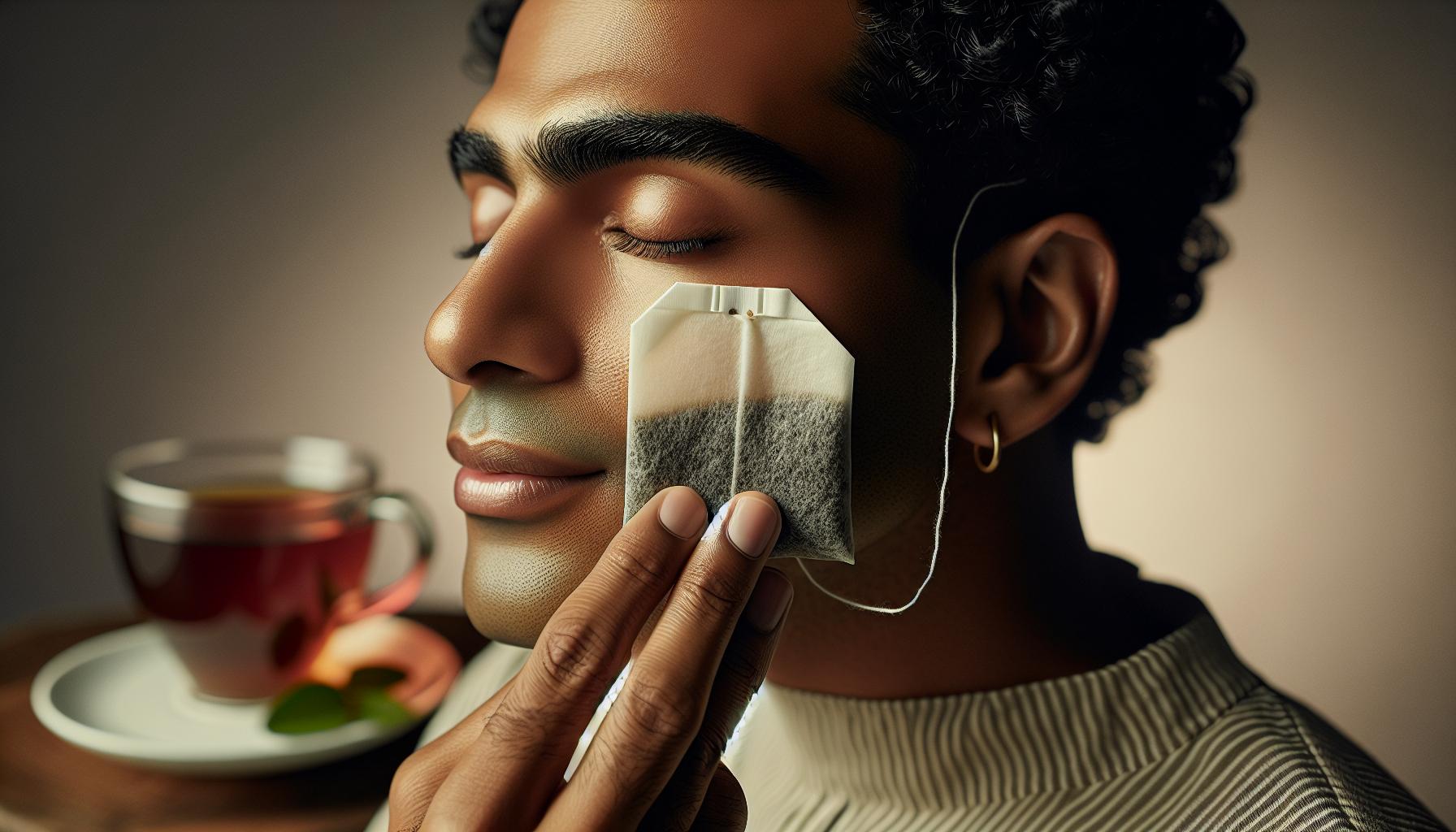
Step-by-Step Guide: Applying Tea Bags on Eye Styes
Applying tea bags to eye styes can be a soothing and effective remedy. The warm, moist environment created by the tea bags helps to relieve discomfort while promoting healing, making this simple practice a go-to for many. Here’s a straightforward guide on how to effectively use tea bags for alleviating the symptoms of eye styes.
Step 1: Choose Your Tea Bags
Select high-quality tea bags; chamomile and green tea are particularly beneficial due to their anti-inflammatory properties. Make sure the tea bags are free from additives, as pure herbal options will yield the best results.
Step 2: Prepare the Tea Bags
Boil water and steep two tea bags for about 5 minutes. Once they have infused well, remove the bags and let them cool slightly. You want them to be warm, not hot, to avoid burning your skin.
Step 3: Apply the Tea Bags
Once the tea bags reach a comfortable warmth, lie down in a relaxed position. Place one tea bag over each closed eyelid, ensuring it directly covers the stye. Close your eyes and let the bags rest on your eyelids for about 10 to 15 minutes. This allows the calming properties of the tea to work effectively.
Step 4: Clean Up
After the application time is over, gently remove the tea bags and discard them. Avoid rubbing your eyes; instead, allow them to breathe for a while. You may want to rinse your eyes with cool water afterward for extra soothing comfort.
Step 5: Frequency of Application
For best results, repeat this treatment 2-3 times a day. Regular application can promote faster healing and alleviate discomfort associated with styes.
With these steps, incorporating tea bags into your eye care routine can offer both comfort and relief. This natural remedy harnesses the healing powers of tea while being easy and economical to use at home.
Types of Tea Bags: Which Ones Work Best?
Using tea bags for eye styes isn’t just a trend; it’s an age-old remedy that truly packs a punch with its therapeutic properties. Among the myriad of tea options available, some varieties shine brighter than others when it comes to providing relief from the discomfort associated with styes. The right type of tea bag can make all the difference in reducing inflammation and promoting healing, turning this simple home remedy into a powerful ally for your eye health.
When considering which tea bags to use, chamomile and green tea are standout choices due to their natural anti-inflammatory and soothing properties. Chamomile has been widely recognized for its calming effects, making it a perfect companion for irritated skin and eyes. The antioxidants present in chamomile help reduce redness and swelling, promoting relaxation and comfort. On the other hand, green tea is a powerhouse of antioxidants, particularly catechins, which are known to combat inflammation. These properties not only provide immediate relief but also help in the long-term healing process, making these two types of tea bags ideal for treating styes.
Black tea, while less commonly mentioned, also holds its own with high tannin levels, which can help reduce swelling and draw out fluid from the stye. If you’re willing to explore herbal options, fennel tea can offer another layer of soothing, as fennel is known for its anti-inflammatory benefits. It’s essential to ensure your tea bags are free of additives and preservatives, as pure, high-quality options will yield the best results.
In using tea bags as a remedy, remember to check the temperature before application-warm, not hot, is key to comfort and safety. Incorporating these specific tea bags into your routine can provide a simple, effective way to harness nature’s healing power and manage the uncomfortable symptoms of eye styes. Whether you choose chamomile, green, or even black tea, you’re opting for an easy and natural approach to eye care that many have found benefit from, merging tradition with effective home remedy practices.
Potential Risks and Considerations for Eye Treatment
Using tea bags for eye styes can be soothing and effective, but it’s essential to be aware of potential risks and considerations to ensure the treatment is both safe and beneficial. While the natural properties of certain teas offer advantages, not every tea bag is created equal, and improper use can lead to irritation or complications.
One of the primary concerns involves allergies. Individuals sensitive to specific herbal ingredients, such as chamomile or eucalyptus, may inadvertently worsen inflammation rather than alleviate it. Always conduct a patch test on a non-sensitive area of skin before using any tea bag on your eyes to check for allergic reactions. Additionally, it’s vital to choose tea bags that are free from artificial additives and preservatives, as these can further irritate sensitive skin or trigger adverse reactions.
Cleanliness is Crucial
When using tea bags on your eyes, cleanliness cannot be overstated. Make sure to use freshly opened tea bags and maintain hygiene during application to avoid introducing bacteria to the eye area. Warm, damp tea bags can create a breeding ground for germs, particularly if left out for too long or placed on dirty surfaces. Always wash your hands before handling tea bags and consider using distilled water to brew your tea to minimize exposure to potentially harmful contaminants.
Temperature Matters
Another risk is the temperature of the tea bags. While warm compresses can provide relief, too hot a temperature can lead to burns or exacerbate swelling. It’s best to test the temperature of the tea bag on the inside of your wrist before applying it to the affected area to prevent discomfort or injury.
Lastly, while tea bags can provide temporary relief, they are not a substitute for professional medical treatment. Persistent symptoms or worsening of a stye could indicate an underlying condition that requires proper diagnosis and intervention. If you experience repeated styes or any signs of infection, such as increased redness, pain, or pus, consult a healthcare professional for tailored advice. By being mindful of these considerations, you can ensure a more effective and safe application of tea bags in your eye care routine, promoting both healing and comfort.
Alternative Natural Remedies for Eye Styes
Applying natural remedies can be a gentle and effective way to relieve the discomfort of eye styes. While tea bags are popular, there are several other alternative remedies that may also provide relief. Embracing a holistic approach can help soothe irritation, calm inflammation, and promote healing.
Honey, known for its antibacterial properties, can be applied carefully to the affected area. Dilute a small amount of raw honey with equal parts of water, then use a clean cotton swab to apply it directly onto the stye. Allow it to sit for 10-15 minutes before rinsing gently with lukewarm water. This not only helps fight infection but also hydrates the skin, contributing to faster recovery.
Another effective natural remedy is warm compresses, which can be created using clean cloths soaked in warm water or saline solution. The heat helps to increase blood circulation, promoting the drainage of trapped oils and reducing swelling. To maximize benefits, apply the warm compress for about 10-15 minutes, three to four times a day. Be sure the compress is not too hot to avoid burns and irritation.
Aloe vera is another powerful natural solution, renowned for its soothing and anti-inflammatory properties. Applying pure aloe vera gel directly to the stye can provide instant relief from itching and swelling. Simply slice open an aloe vera leaf, scoop out the gel, and gently place it on the stye. Allow it to remain for about 20 minutes before rinsing with cool water.
For those interested in herbal solutions, goldenseal is often suggested due to its antibacterial properties. Creating a tea from goldenseal and applying it as a compress may help relieve discomfort. However, ensure you are not allergic to this herb and consult with a healthcare provider if you have questions about its use.
While these alternative remedies can offer comfort, it’s essential to monitor the stye’s progression. If you notice increasing redness, pain, or any discharge, seeking professional medical advice is crucial to prevent complications. These natural options serve to complement, not replace, traditional treatments, empowering you to take an active role in your eye health management.
When to Seek Medical Attention for Eye Styes
When it comes to eye styes, it’s essential to be proactive and attentive. These small, painful lumps on the eyelid can often be managed effectively at home, but it’s crucial to recognize when they require professional medical evaluation. If you notice that your stye is becoming more painful or larger over a short period, this may be the first sign that it’s time to seek help. Increasing redness or swelling around the area can signal an escalated infection that may not respond to home treatments like tea bags or warm compresses.
Another important indicator is the presence of discharge. If your stye starts discharging pus or any fluid, it’s a clear indication that medical treatment is necessary. This could mean that the stye has become infected, and a healthcare professional can provide appropriate antibiotics or further intervention to prevent complications. Additionally, if you experience significant vision changes or difficulty opening your eye, don’t hesitate to seek medical attention. These symptoms could suggest that the infection is spreading or affecting your eye itself.
Women who experience recurrent styes may also benefit from consulting an eye care specialist. Frequent occurrences can sometimes point to underlying health issues, such as blepharitis or hormonal imbalances, that may need treatment. Regular check-ups can help you understand and manage these factors more effectively, giving you peace of mind and a clearer path to eye health.
In summary, being vigilant about your symptoms is key. If home remedies aren’t yielding results within a few days or if you notice any concerning changes, reaching out to a healthcare provider is not only wise but necessary for your overall well-being. Empower yourself with knowledge and don’t ignore the signs; your eyes deserve the best care possible.
Preventive Measures to Avoid Recurring Eye Styes
Preventing eye styes requires a blend of mindfulness and good hygiene practices to maintain optimal eye health. Did you know that the oil glands along your eyelids can clog, leading to tenderness and swelling if not properly cared for? By taking a proactive approach, you can significantly reduce your risk of styes and other eye irritations.
Start by incorporating a gentle eyelid hygiene routine into your daily life. Use warm water and a mild soap or eyelid scrub to clean your eyelids at least once a day, especially if you wear makeup or have oily skin. This helps remove any debris, excess oil, and bacteria that can contribute to clogged glands. Additionally, be mindful of your makeup products; ensure they are not expired, and avoid sharing them with others, which can introduce bacteria to your eyes.
It’s equally crucial to avoid touching your eyes with unwashed hands. Regularly wash your hands with soap and water; this simple act can prevent the transfer of bacteria and other irritants, significantly lowering your chances of developing a stye. If you’re prone to styes, consider avoiding eye makeup altogether during flare-ups, opting instead for hypoallergenic products when you do use makeup.
Proper hydration and a balanced diet rich in vitamins A, C, and E also support eye health. Foods such as carrots, sweet potatoes, and spinach can provide essential nutrients that promote healthy skin around the eyes. Staying hydrated ensures that your body functions optimally and can help flush out toxins that could otherwise contribute to skin health issues, including styes.
By adopting these preventive measures and staying attuned to your body’s signals, you can maintain healthy eyes and reduce the likelihood of experiencing the discomfort of styes. Remember, your eyes deserve the best care, and fostering a good eye hygiene routine can make all the difference in your overall eye health.
User Experiences: Real Results from Tea Bag Remedies
Despite the prevalence of eye styes, many individuals have found relief through simple home remedies, particularly the use of tea bags. This natural approach not only soothes the discomfort but also promotes healing, as evidenced by numerous user testimonials. Many users report effective results using both black tea and green tea bags due to their properties. For example, the tannins found in black tea can help reduce inflammation and swelling, while the antioxidants in green tea contribute to overall skin health.
One story comes from a user who experienced a painful stye just before an important work presentation. Desperate for quick relief, she applied a warm green tea bag to her eye for about 10 minutes. To her delight, the swelling decreased significantly, and by the time of her presentation, the stye was hardly noticeable. This is a common sentiment; many people find that the application of warm, moist tea bags provides immediate comfort, making it one of the go-to remedies.
In addition to reducing discomfort, users often highlight the fact that tea bag remedies are economical and easy to incorporate into daily routines. Many keep used tea bags in the fridge to cool them for a more refreshing treatment. Others have developed a ritual of preparing their cup of tea and simultaneously preparing a tea bag for later use on their eyes. This dual approach not only ensures they take care of their hydration needs but also provides a proactive method for managing eye health.
It’s important to note that while tea bags can be a beneficial remedy, most users stress the importance of seeking medical help if the stye persists or worsens. Combining personal experiences with practical advice allows individuals facing similar issues to feel empowered in managing their eye health effectively.
Expert Insights: What Ocular Specialists Recommend
Ocular specialists frequently endorse the use of natural remedies like tea bags for alleviating the discomfort associated with eye styes, thanks to their soothing properties. When used correctly, warm tea bags can provide a gentle heat that promotes circulation, assisting in the drainage of the blocked gland causing the stye. This is particularly effective with black tea bags, as they contain tannins that may help reduce inflammation. Specialists recommend steeping the tea bag in hot (but not boiling) water, letting it cool slightly, and then applying it to the affected eye for around 10 to 15 minutes. This simple practice can offer significant relief without complicated procedures.
However, experts emphasize that while tea bags can be helpful, they should not replace medical treatments when necessary. If symptoms persist after a few treatments, or if the stye worsens, an appointment with an eye doctor is essential. Conditions such as infections require more than just home remedies, and ocular specialists can provide prescriptions or procedures that ensure proper healing. Additionally, they caution against using unsterilized tea bags, as they could introduce bacteria to the sensitive eye area.
Maintaining proper hygiene is crucial when dealing with eye styes. Ocular specialists recommend washing hands thoroughly before applying any home remedy and directly after handling tea bags. It’s also advisable to avoid touching, rubbing, or squeezing the stye, as this can exacerbate the condition and potentially lead to more serious infections. Following these recommendations can contribute to a more effective treatment plan.
Ultimately, while the soothing effects of tea bags can serve as a beneficial adjunct to eye care, understanding when to seek professional advice remains vital. By combining natural remedies with medical guidance, individuals can effectively navigate the discomforts associated with eye styes while empowering themselves with knowledge about their health.
Comparing Tea Bags with Other Home Remedies
While tea bags are celebrated for their soothing properties against eye styes, they are not the only home remedy that can provide relief. Understanding how tea bags compare with other natural treatments can empower you to tailor your approach to your individual needs and preferences, ensuring effective care for uncomfortable eye styes.
One popular alternative to tea bags is the application of warm compresses using clean, soft cloths soaked in lukewarm water. This method also promotes blood circulation and helps unclog blocked glands, similar to the effect of tea bags. To enhance effectiveness, some choose to include epsom salt in the warm water, which can provide additional anti-inflammatory benefits. However, it’s important to ensure the water is not too hot to avoid skin burns.
Another commonly used remedy is the use of essential oils, such as chamomile or lavender. These oils carry anti-inflammatory and antibacterial properties that might aid in reducing the size of the stye and alleviating pain. To use, simply dilute a few drops of essential oil in a carrier oil, like coconut or olive oil, and apply sparingly around the affected area. This is best used cautiously and not directly on the stye to avoid irritation.
It’s essential to remember that while each of these treatments provides potential relief, they vary significantly in their effectiveness and safety profile. Tea bags, particularly those containing black tea, have the added benefit of tannins that may specifically reduce swelling. In contrast, essential oils can be irritating for some and should always be patch-tested before use.
When comparing remedies, hygiene remains paramount across the board. Regardless of the treatment you choose, ensure your hands are clean, and any fabric or compress you use is freshly laundered to reduce the risk of introducing bacteria to the sensitive eye area. Ultimately, finding the right remedy might require a bit of experimentation, but balancing these home solutions with professional advice will help you find a care regimen that fits both your lifestyle and health needs.
Scientific Evidence Supporting Natural Treatments for Styes
The use of tea bags as a natural remedy for eye styes is not just folklore; it has some scientific backing that makes it an appealing option for those seeking relief from this uncomfortable condition. Tea bags, especially those made from black or green tea, contain compounds like tannins and flavonoids, which possess anti-inflammatory and antioxidant properties. These compounds may help reduce swelling and redness associated with styes, providing a soothing effect on the affected area.
Research has shown that the warm compress effect of tea bags can enhance blood circulation to the eyelids, promoting faster healing. The heat can help unclog the blocked glands causing the stye, allowing trapped oils and debris to drain. A study highlighted the importance of warmth in treating hordeolum (another name for styes), emphasizing that applying heat can significantly improve recovery times. By using a tea bag that has been steeped in warm water, you combine the benefits of warmth with the therapeutic properties of the tea itself.
It’s also worth noting that the application of tea bags is a simple, low-risk approach that many have turned to for eye care. Anecdotal evidence from users often reflects positive experiences, indicating a significant reduction in discomfort after just a few applications. However, while tea bags can provide relief, they should not replace medical treatment when necessary. Understanding individual needs and recognizing when to consult a healthcare professional is essential in effectively managing eye styes.
In conclusion, while more rigorous scientific studies are needed to establish comprehensive guidelines, the existing evidence and user testimonies suggest that tea bags can serve as a beneficial adjunct treatment for styes. Always ensure to maintain good hygiene and consult with an eye care professional if symptoms persist or worsen, allowing for informed and effective management of your eye health.
FAQ
Q: Can green tea bags help with eye styes?
A: Yes, green tea bags can help with eye styes due to their anti-inflammatory and antioxidant properties. Applying warm green tea bags on the affected area may reduce swelling and promote healing. For best results, steep the tea bag, allow it to cool slightly, and then place it over the stye for 10-15 minutes.
Q: How often can you use tea bags for an eye stye?
A: You can use tea bags on an eye stye two to three times a day. Ensure the tea bags are warm, not hot, to avoid irritation. Regular application can aid in reducing inflammation and discomfort associated with the stye.
Q: Why do tea bags soothe eye styes?
A: Tea bags soothe eye styes due to their warmth and the natural tannins found in tea. The heat helps to increase blood circulation, while tannins possess antimicrobial properties, which can reduce the risk of infection and alleviate discomfort.
Q: What type of tea should I use for eye styes?
A: Chamomile and green tea are highly recommended for eye styes. Both varieties have soothing effects and contain anti-inflammatory properties. Chamomile, specifically, is known for its calming effects, helping to ease irritation around the eye.
Q: Are there any risks when using tea bags on eye styes?
A: While using tea bags on eye styes is generally safe, potential risks include irritation from hot tea bags or allergic reactions to tea ingredients. Always ensure the tea bag is cool enough before applying it to your eye and discontinue use if you experience increased discomfort.
Q: What are alternative natural remedies for treating eye styes?
A: Alongside tea bags, you can use warm compresses, diluted baby shampoo for eyelid hygiene, or aloe vera gel. Each method focuses on reducing inflammation and promoting healing. Consult your article’s “Alternative Natural Remedies for Eye Styes” section for more details.
Q: How long does it take for a stye to heal with home remedies?
A: Home remedies can significantly expedite the healing process of a stye, typically taking 3 to 7 days for noticeable improvement. Continuous application of treatments like warm tea bags may shorten recovery time, but individual results can vary.
Q: When should I consider seeing a doctor for a stye?
A: If a stye persists after 7 days of treatment, worsens, or affects vision, consult a doctor. It’s important to seek medical attention if you experience severe pain or recurrent styes, as these symptoms may indicate a more serious condition. Check the “When to Seek Medical Attention for Eye Styes” section of your article for more helpful insights.
Closing Remarks
Now that you know how tea bags can serve as a natural remedy for eye styes, it’s time to take action. Remember, the warmth and soothing qualities of tea can help alleviate discomfort and promote healing. If you’re curious about more effective eye care solutions, explore our guides on the best home remedies for eye infections and tips for maintaining eye health.
Don’t forget to leave a comment below to share your experiences or ask any lingering questions. We love connecting with our readers! For more helpful insights into women’s health and beauty, sign up for our newsletter to stay updated on the latest tips and remedies. Take charge of your wellness journey today-your eyes will thank you!


