

Have you ever noticed a painful bump along your eyelash line, commonly known as a stye? While it may start as a minor irritation, a stye can lead to discomfort that extends beyond just the localized area, causing your whole eye to feel achy. Understanding how a stye can impact your eye health is vital, especially if you’re seeking relief from the throbbing pain and discomfort it brings.
This article will delve into the connection between styes and eye pain, exploring why this common condition can affect your entire eye and offering practical pain relief tips. By learning about the symptoms, causes, and effective home remedies or treatments, you can take charge of your eye health. Stay with us to discover how to alleviate the discomfort-a healthier, pain-free eye experience awaits!
Causes of Styes: What You Need to Know
A stye, a common eye condition, often arises from the blockage or infection of oil glands located at the base of the eyelashes. Understanding its causes is essential for effective management and prevention. The most frequent culprit behind styes is bacteria, particularly Staphylococcus aureus. When these bacteria proliferate, they can overrun the oil glands, leading to inflammation and the formation of a painful lump along the eyelid.
Another contributing factor can be poor eyelid hygiene. Failing to properly clean the eyelid area can allow dirt, makeup residue, or oil buildup that obstructs the glands. Additionally, conditions that compromise skin integrity, such as eczema or seborrheic dermatitis, can increase susceptibility to stye development. You may also find that stress and hormonal changes can exacerbate these skin conditions, creating a cycle where styes become more likely.
Other risk factors include wearing contact lenses, which, if not cleaned properly, can introduce bacteria into the eye area, and certain underlying medical conditions like diabetes, which can impair the immune response, making it more challenging for the body to fend off infections.
Maintaining good eyelid hygiene is crucial. Simple practices like regularly washing your face and removing makeup thoroughly can significantly reduce the chances of developing a stye. Furthermore, if you frequently experience styes, consider consulting with a healthcare provider to explore potential underlying issues. By understanding the primary causes of styes, you empower yourself to take proactive steps towards healthier eyes, ultimately reducing discomfort and maintaining overall eye health.
Understanding Eye Pain Linked to Styes
The discomfort associated with a stye can extend beyond the localized pain of a red bump on the eyelid, often radiating to affect the entire eye. This phenomenon occurs due to the intense inflammation and irritation caused by the infection of the oil glands, which can lead to a sensation of throbbing or aching that may make daily activities difficult. For some, the pain may present as a sharp, throbbing sensation when blinking, excessive tearing, or a feeling of heaviness or pressure in the eye. Understanding this connection between styes and generalized eye pain can help you respond more effectively to the situation.
Inflammation is the body’s natural response to infection, but when it occurs in such a sensitive area, it can manifest in various ways. The surrounding muscles and tissues become involved, creating additional discomfort. This is especially true if the stye is located near key structures such as the cornea or the tear ducts. As the body’s immune system works to fight off the infection, you might also experience symptoms like light sensitivity, blurred vision, and even headaches as a result of the eye strain.
Practical Tips for Relief:
- Warm Compresses: Applying a warm compress to the affected eye can help soothe inflammation and encourage drainage of the clogged glands, potentially alleviating overall discomfort.
- Avoid Rubbing: While it may be tempting to touch or rub your eyes for relief, this can exacerbate irritation and introduce more bacteria.
- Maintain Hygiene: Keeping your eyelids clean will minimize the risk of further irritation from makeup or allergens that can complicate the healing process.
If the pain persists or worsens, it’s essential to consult a healthcare provider to rule out any more serious complications and to receive appropriate treatment. Remember, while home remedies can be helpful, knowing when to seek professional care is crucial in maintaining your eye health and comfort. Your eyes are precious, and taking the right steps can protect them from unnecessary pain and complications.
Common Symptoms of a Stye Infection
The presence of a stye can be both uncomfortable and alarming, often prompting questions about its symptoms and effects. Recognizing the signs early can help you address the situation promptly and effectively. The most identifiable symptom is a small, painful red bump, typically appearing on the eyelid, either on the outer or inner surface. This bump can vary in size, often resembling a pimple or boil, and is especially tender to the touch.
Along with the visible bump, styes can bring about a range of additional symptoms that might affect your daily life and comfort. Common experiences include increased tearing, light sensitivity, and a constant sensation of something being in your eye, which can be quite bothersome. In some cases, the stye might cause blurred vision, particularly if the bump is near the cornea, as the increased inflammation might alter your visual clarity.
You should also be aware that styes can lead to more systemic symptoms. The body’s response to the infection may result in generalized discomfort, leading to headaches or a sense of heaviness around the eye area. Such symptoms can sometimes be misattributed to other causes, making it essential to connect them with the presence of the stye to facilitate effective relief and treatment.
If you notice signs of a stye forming, it’s wise to be proactive. Keeping your eyelids clean and avoiding eye makeup during the healing process can minimize irritation and allow your body to fight off the infection more effectively. Understanding these common symptoms not only empowers you to take better care of your eyes but also enables you to seek appropriate treatment when necessary. Taking action early can help prevent complications and restore comfort swiftly.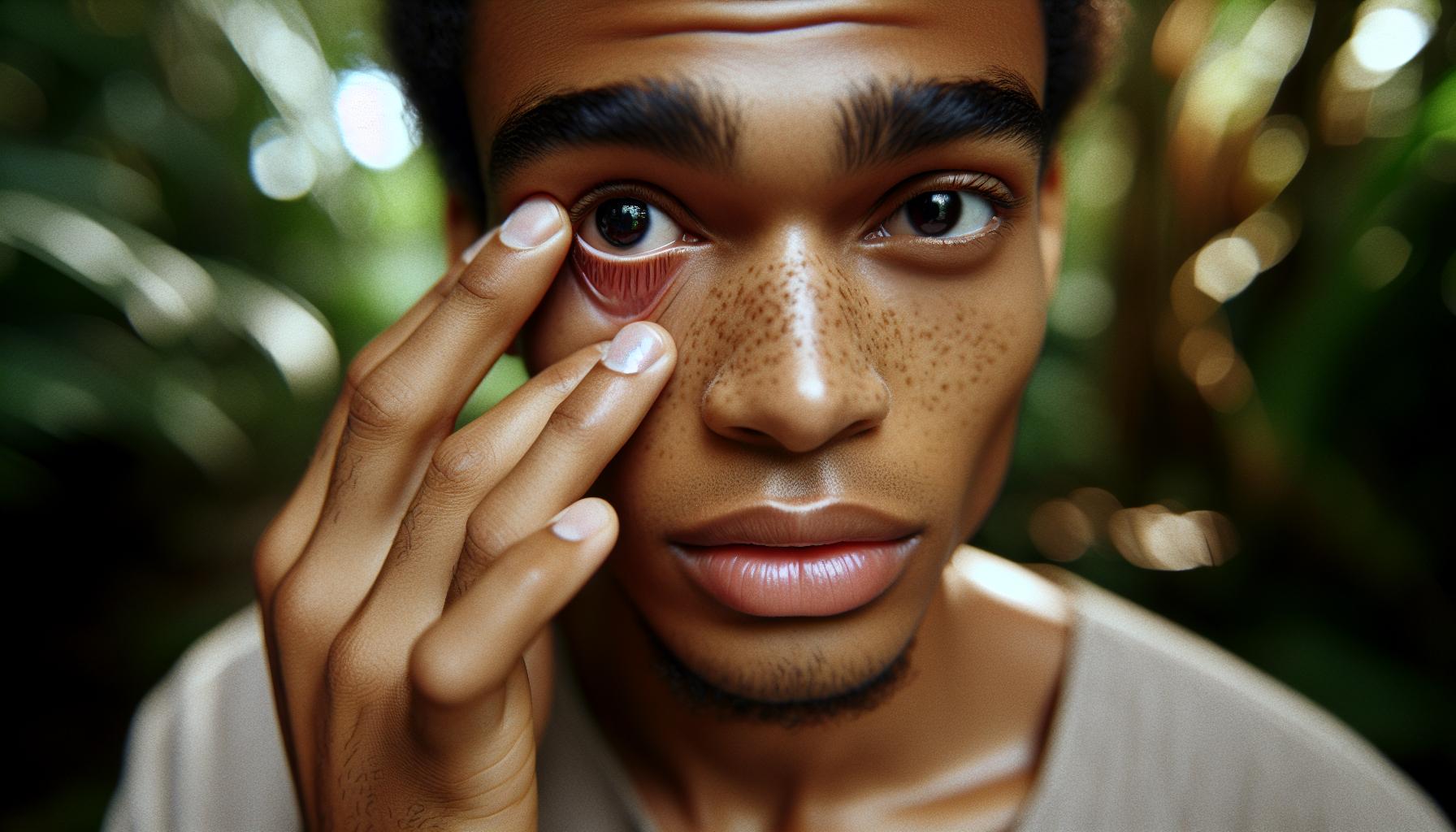
How a Stye Affects Overall Eye Health
Experiencing a stye can sometimes feel like the onset of something much worse, especially when it comes with a wave of discomfort that radiates through your entire eye. This painful little bump is not just an isolated annoyance; it can have a significant impact on your overall eye health. As the infection associated with a stye develops, it often triggers inflammation and irritation not only at the site of the stye but also in the surrounding tissues. This can lead to general discomfort in the eye area, including sensitivity to light and a persistent feeling of grittiness, which can be quite distracting during everyday activities.
When a stye appears, the body’s natural response is to send white blood cells to the area, which helps combat the infection. However, this immune response can also cause swelling, redness, and pain, leading to discomfort that might be interpreted as generalized eye pain. If the stye grows larger or if the infection spreads to nearby glands, it can further intensify these symptoms, sometimes resulting in headaches or feelings of pressure behind the eyes. This is particularly troubling because many people may not realize that a stye is the root cause of their eye discomfort, leading them to seek treatment for symptoms without addressing the underlying issue.
Practical Steps for Managing Overall Eye Health
To minimize the impact a stye can have on your eye health, consider these supportive measures:
- Maintain Cleanliness: Regularly clean your eyelids with a gentle cleanser or warm compress to keep the area free from bacteria.
- Warm Compresses: Applying a warm compress to the affected eye can help soothe irritation and promote drainage of the stye.
- Avoid Eye Makeup: During healing, forgo eye makeup to prevent further irritation and prolonging the infection.
- Stay Hydrated: Drinking plenty of water can assist in flushing out toxins and support your body’s healing processes.
Ultimately, addressing a stye with care and attention can raise awareness about your eye health and help avoid discomfort that could interfere with daily life. Taking proactive steps not only aids in the healing process but also contributes to long-term eye comfort and health.
Effective At-Home Remedies for Stye Relief
Applying warm compresses to the affected area is one of the most effective at-home remedies for providing relief from the irritation associated with a stye. The warmth helps to increase blood circulation, drawing white blood cells to the infection site, which can expedite healing. To prepare a warm compress, soak a clean cloth in warm water, wring it out, and place it over the closed eyelid for about 10-15 minutes, several times a day. This simple action can reduce discomfort and encourage the stye to drain naturally.
Another valuable at-home approach is practicing good eyelid hygiene. Gently cleansing the eyelids with a dilute saline solution or an eyelid scrub can help eliminate residues and bacteria that may contribute to stye formation. Remember to avoid harsh soaps or scrubs; instead, opt for products designed for sensitive eyes, as they will minimize irritation during cleaning. This routine can be particularly beneficial in conjunction with other stye treatments, as maintaining cleanliness around the eye area is critical.
Consider over-the-counter pain relief options as well. Non-prescription medications such as acetaminophen or ibuprofen can alleviate discomfort associated with the stye and any accompanying headaches or inflammation. However, always follow the dosing instructions provided on the medication label and consult your healthcare provider if you have any underlying health conditions or are currently taking other medications.
Finally, try to avoid touching or rubbing your eyes, as this can exacerbate irritation or spread the infection. Instead, practice relaxation techniques or distraction strategies like reading or listening to music to manage discomfort. By implementing these strategies, you can effectively manage the symptoms of a stye at home, promoting quicker recovery while minimizing the potential for recurrence.
When to See a Doctor for Eye Pain
Experiencing eye pain along with a stye can be frustrating and concerning, particularly when it disrupts your daily life. While styes are often benign and resolve independently, certain symptoms warrant medical attention to ensure your overall eye health. It’s essential to recognize when home remedies are not sufficient and when professional assistance is necessary.
If you notice that the pain is escalating or is accompanied by increased swelling and redness, it’s time to consult a healthcare professional. Particularly, if the pain radiates beyond the affected eyelid and you start feeling discomfort in the surrounding areas or even behind your eye, this may indicate a complication that requires evaluation. Other red flags include fever, persistent or worsening symptoms that do not improve with at-home care, or changes in vision. These could suggest that the stye has led to a more serious condition, such as an infection that may necessitate medical intervention.
Additionally, if you experience excessive tearing, sensitivity to light, or feel a throbbing pain that is not relieved by typical over-the-counter pain relievers, seeking medical advice is prudent. An eye care specialist can provide a thorough examination, determine the underlying causes of your symptoms, and recommend appropriate treatment options that could include prescription medications or more advanced therapeutic interventions.
Remember, your eye health is a priority, and understanding when to reach out for help can prevent complications and bring you peace of mind. Taking care of your eyes today can lead to brighter and healthier vision tomorrow.
Treatment Options for Styes: Medical Insights
Experiencing discomfort from a stye can be an unwelcome interruption to your daily routine, especially when it transforms into a broader sense of pain across the eye. Understanding the available treatment options can alleviate not just the symptoms but also the anxiety associated with eye health issues. Treatment may vary based on the severity and persistence of a stye, with medical professionals offering a variety of strategies to help you find relief.
In many cases, your healthcare provider may prescribe antibiotic ointments if they suspect a bacterial infection. These ointments can help clear the infection and reduce swelling. If the stye is particularly stubborn or painful, they might recommend oral antibiotics to combat a more severe infection. For styes that do not respond to conventional treatments, drainage might be necessary. This minor procedure involves carefully making an incision to allow the pus to drain, providing immediate relief from pressure and discomfort.
When Home Remedies Aren’t Enough
It’s vital to remain vigilant about the signs your body is showing. While home remedies such as warm compresses can offer relief, if you’re experiencing escalating pain, increased redness, or swelling that spreads beyond the stye, it is crucial to seek medical advice. An eye care specialist can conduct a thorough examination and recommend the appropriate course of action.
Furthermore, always discuss your symptoms openly with your doctor. They can provide tailored guidance on managing pain, recommend over-the-counter NSAIDs (non-steroidal anti-inflammatory drugs) like ibuprofen or acetaminophen for additional pain relief, and may suggest topical steroids in some severe cases to reduce inflammation around the stye. Remember, staying informed about your health and seeking timely treatment can lead not just to relief, but to a quicker return to comfort and normalcy in your life.
Prevention Tips: Keeping Styes at Bay
Maintaining good hygiene can be your first line of defense against styes, which can cause discomfort and pain that radiates through the eye. These small, painful lumps can develop when the glands in your eyelids become blocked or infected. Fortunately, there are several proactive measures you can take to significantly reduce your risk of developing styes.
One of the most effective strategies is to establish a rigorous eyelid hygiene routine. Start by washing your hands thoroughly before touching your face or eyes. This simple practice can help prevent the introduction of bacteria that lead to infections. If you wear contact lenses, be diligent about their care. Clean and store them as directed, and never wear them beyond the replacement schedule recommended by your eye care provider.
Using makeup can be a fun way to enhance your look, but it’s vital to remove all eye makeup before bed. Leaving eyeliner and mascara on overnight can lead to blocked glands and potential stye formation. When applying makeup, opt for high-quality products and avoid sharing them with others to minimize the risk of contamination. Moreover, consider using disposable applicators for eye makeup to keep your products clean.
Incorporating warm compresses into your daily routine can also be beneficial. Applying a warm, damp cloth over your closed eyelids for about 10 minutes can help unblock any clogged glands, reducing the likelihood of inflammation. You can also indulge in a relaxing warm compress during self-care evenings, transforming this preventive measure into a soothing ritual.
Lastly, be mindful of your overall eye health. Regular visits to an eye care professional can help monitor and maintain your eye health, catching potential issues before they become more serious. Keeping styes at bay can allow you to enjoy your beauty routines without the burden of pain, empowering you to feel your best.
Managing Pain: Over-the-Counter Solutions
Living with a stye can be uncomfortable, and the pain sometimes radiates beyond the lump itself, leading to overall eye sensitivity. Thankfully, over-the-counter (OTC) solutions can provide significant relief and keep pain at bay. Choosing the right methods can empower you to manage your discomfort effectively, allowing you to continue your daily activities with minimal disruption.
One of the most common approaches to alleviate pain from a stye is the use of pain relievers such as ibuprofen or acetaminophen. These medications not only help reduce pain but also combat inflammation, making them a straightforward option for immediate relief. Always follow the recommended dosage instructions on the packaging to ensure safety.
Alongside systemic medications, topical treatments can be beneficial. While it’s crucial to avoid squeezing or popping a stye, applying a warm compress to the affected area can work wonders. Simply soak a clean cloth in warm water, wring it out, and place it over your eyelid for about 10-15 minutes, several times a day. This practice encourages drainage of the stye while soothing discomfort.
For those needing specific responses to tenderness or redness, consider OTC eye drops, especially saline solutions. They can help flush out irritants and keep the eye moisturized, reducing strain and aiding your body’s healing process. It’s essential to ensure that these drops are suitable for use with styes; check with a pharmacist if unsure.
In addition to these common methods, maintaining good eyelid hygiene can further help manage pain and promote healing. If you wear makeup, ensure to use hypoallergenic products and remove them carefully at the end of the day. Keeping your eyelids clean can reduce the likelihood of irritation and allow any over-the-counter methods you’re using to be more effective.
By integrating these OTC solutions into your routine, you can navigate the discomfort caused by a stye more comfortably. Always keep in mind that if the pain persists or worsens, consulting with a healthcare professional is essential to rule out other underlying conditions and get tailored treatment.
Natural Remedies: Soothing Eye Pain
Relief from the discomfort of a stye often calls for more than just over-the-counter treatments; exploring natural remedies can further enhance your comfort and promote healing. One effective and gentle approach is the use of warm compresses. By soaking a clean cloth in warm water and applying it to the affected eye for about 10-15 minutes multiple times a day, you can help loosen crusts and promote drainage. This not only alleviates pain but also reduces inflammation.
Another beneficial remedy is tea bags, particularly black or chamomile tea. Brew a tea bag, let it cool slightly, then apply it to the closed eyelid. The natural anti-inflammatory properties of these teas can soothe irritation and reduce swelling. Many find this to be a calming ritual as well, providing both physical and mental relief.
Additionally, consider incorporating essential oils into your eye care routine cautiously. Oils such as lavender or tea tree have antibacterial properties that may help manage the infection. However, it’s essential to dilute essential oils properly before application and avoid direct contact with the eye area. For instance, mix a single drop with a carrier oil and gently apply it around the eyelid without touching the eye itself.
Maintaining proper eyelid hygiene is another key factor in preventing further irritation. Use a gentle eyelid scrub or a diluted baby shampoo to clean the area daily. This practice can help eliminate bacteria and debris, which are crucial for preventing styes from occurring or worsening.
By integrating these natural remedies into your self-care routine, you can effectively manage the discomfort caused by a stye while also supporting your eye health. Remember that if symptoms persist or worsen, seeking professional medical advice is important to ensure comprehensive treatment.
Addressing Styes in Sensitive Eye Areas
Managing styes in sensitive areas around the eyes requires a gentle and informed approach. These small but painful bumps can lead to discomfort not only at the site of the stye but also cause a broader sense of irritation throughout the eye, making it crucial to understand how to care for this sensitive region effectively. The skin around the eyes is delicate and requires special attention to avoid further complications or infections.
To begin with, maintaining hygiene is paramount. Regularly cleaning your eyelids with either a specialized eyelid scrub or a diluted mixture of baby shampoo can help keep bacteria at bay. It’s essential to use clean hands and soft, circular motions to avoid agitating the sensitive skin. For those who wear makeup, especially eye makeup, consider taking a break until the stye has healed completely to prevent irritating the area further.
Next, explore the benefits of warm compresses. When applied to the closed eyelid, these compresses can provide soothing relief and support natural drainage of the stye. Soak a clean washcloth in warm water, wring it out to remove excess moisture, and gently lay it over the affected eye for 10-15 minutes. This can be repeated several times a day to help reduce swelling and alleviate discomfort.
In some cases, home remedies such as chamomile or black tea bags can enhance relief. After brewing and slightly cooling the tea bag, apply it to the closed eye. The natural anti-inflammatory properties may help ease both pain and swelling. However, remember to ensure that any remedy is free from allergens or irritants that could worsen the situation.
Additionally, integrating essential oils cautiously can be beneficial. Certain oils, like lavender or chamomile, possess antibacterial properties. However, it’s crucial to dilute any essential oil before using it around the eye area-mixing a single drop of oil with a carrier oil can minimize risk. Apply the mixture gently around the affected area without directly touching the eye.
Finally, being aware of excessive rubbing or touching of the eyes is vital, as this can lead to irritation and possibly spread bacteria, worsening the stye. Utilizing a clean pillowcase while sleeping can also reduce bacteria exposure during the night.
By combining these proactive measures, you can effectively manage a stye while safeguarding your eye health. Always remember that if the stye persists or symptoms escalate, seeking professional medical advice is essential to avoid complications and ensure proper treatment.
Lifestyle Changes for Eye Health and Comfort
Maintaining eye health is essential, especially when dealing with the discomfort of a stye that can impact overall comfort and daily life. Simple yet effective lifestyle changes can significantly alleviate the pain associated with styes and contribute to long-term eye wellness. One of the most foundational practices is ensuring your hands are clean before touching your face or eyes. Regular hand washing, particularly before applying makeup or touching your eyelids, reduces the likelihood of bacteria affecting your eyes.
Another crucial aspect is hydration and nutrition. Incorporating foods rich in vitamins A, C, and E can enhance eye health, while Omega-3 fatty acids found in fish and flaxseeds promote better tear production and reduce inflammation. Staying hydrated by drinking plenty of water also helps maintain optimal eye function, ensuring your eyes are not dry or irritated. Regular use of protective eyewear, especially if you are exposed to irritants like smoke or allergens, can also prevent styes from forming.
Sleep is often underestimated but is vital for eye health. Aim for 7-9 hours of quality sleep per night to allow your eyes to recover and replenish moisture. Using a humidifier in your bedroom can combat dryness, especially in climates or seasons when air tends to be drier. Additionally, consider implementing a blue light filter on your devices to reduce strain from screens, which can exacerbate irritation.
Lastly, embrace a consistent skincare routine tailored for the delicate eye area. Use gentle, non-irritating products, and always remove makeup thoroughly at the end of the day. Minimizing the use of eye makeup during a stye outbreak is advisable, as it can further irritate the affected area. Explore natural remedies like aloe vera gel or cucumber slices to soothe the skin around your eyes. Combine these lifestyle changes with proper eye hygiene practices, and you’ll not only find relief from styes but also set the foundation for healthier eyes in the long run.
Q&A
Q: Can a stye cause pain in the whole eye?
A: Yes, a stye can cause discomfort and pain that may radiate throughout the affected eye. This occurs due to inflammation and pressure in the eyelid and surrounding areas, potentially affecting overall eye function. At-home remedies, such as warm compresses, can alleviate this discomfort.
Q: How long does eye pain last with a stye?
A: Eye pain associated with a stye typically lasts a few days to a week. However, if the pain persists beyond this timeframe, it’s advisable to consult an eye care professional. Regular warm compress applications can help speed recovery and relieve pain.
Q: What are some effective pain relief methods for a stye?
A: Effective pain relief for a stye includes applying warm compresses for 10-15 minutes, taking over-the-counter pain medication, and avoiding touching the affected area. These methods can reduce inflammation and provide comfort.
Q: When should I seek medical attention for stye-related eye pain?
A: You should seek medical attention if eye pain worsens, persists beyond a week, or is accompanied by vision changes or fever. It’s crucial to ensure there are no complications beyond the stye itself, as detailed in our “When to See a Doctor for Eye Pain” section.
Q: Can I use makeup with a stye?
A: It is best to avoid using makeup around the eyes while a stye is present to prevent irritation and further infection. Allowing the area to heal is essential for effective recovery, as advised in our “Addressing Styes in Sensitive Eye Areas” section.
Q: Are there any dietary changes that can help with stye discomfort?
A: While dietary changes alone won’t cure a stye, increasing hydration and consuming foods rich in vitamins A and C can support your immune system. This can aid in overall recovery and is referenced in our “Prevention Tips: Keeping Styes at Bay” section.
Q: What natural remedies can be effective against stye pain?
A: Natural remedies include warm chamomile tea bags applied as compresses and gentle eyelid massages. These can help reduce inflammation and soothe pain, aligning with advice found in our “Natural Remedies: Soothing Eye Pain” section.
Q: Could stress affect the severity of a stye?
A: Yes, stress may contribute to the frequency and severity of styes due to its impact on the immune system. Engaging in stress-relief activities and maintaining a balanced lifestyle may help reduce occurrences, as suggested in our lifestyle change advice.
Closing Remarks
If you’re experiencing discomfort from a stye and wondering about its impact on your overall eye health, remember that while styes can cause significant pain, effective relief is at your fingertips. Implementing warm compresses and maintaining proper eyelid hygiene are essential steps you can take at home. For more comprehensive strategies, check out our articles on eye care tips and home remedies for eye issues.
Ready to take control of your eye health? Don’t let a stye keep you down-explore our resources and stay informed by signing up for our newsletter for the latest updates on eye care and wellness. Your well-being is crucial, and by understanding how to manage styes and prevent them, you empower yourself for better health. Share your experiences or ask questions in the comments below; your voice matters to us!


