

An eye stye, though often harmless, can be an uncomfortable and unsightly problem that many people experience at some point. It can be tempting to pop it, thinking it will provide instant relief. However, doing so can lead to painful complications and potential infections. In a world where beauty and health are intertwined, understanding how to manage a stye safely is crucial to maintaining your overall well-being.
In this article, we’ll explore why popping a stye is a dangerous decision and provide you with effective, gentle alternatives for treatment. By arming yourself with knowledge, you can take charge of your eye health and avoid unnecessary risks, ensuring that any eye irritations are handled safely and effectively. Stay with us to discover practical tips and home remedies that will alleviate discomfort and promote healing, while keeping your vision clear and bright. Your eyes deserve the best care-let’s make sure you know how to give it to them!
Can You Safely Pop an Eye Stye?
Popping an eye stye may seem like a quick fix to relieve discomfort, but it can lead to a cascade of problems that are best avoided. Styes, which are typically caused by bacterial infections of oil glands in the eyelids, often present as painful, swollen bumps. While it’s tempting to relieve pressure by squeezing, doing so can exacerbate inflammation and potentially push the infection deeper into the tissue. This can lead not only to increased pain and swelling but also to more severe complications like cellulitis, a serious infection of the surrounding skin.
Instead of attempting to pop the stye, focus on safer alternatives to encourage healing. Using a warm compress can be highly effective; it helps to soften the stye and promote drainage in a natural way without the risks tied to popping it. Applying the compress for 10 to 15 minutes, several times a day, can significantly alleviate discomfort and support the body’s healing processes.
If the stye does not begin to improve after a couple of days of self-care, it’s wise to consult with a healthcare provider. They can safely drain the stye if necessary or prescribe antibiotics if an infection persists. Opting for professional care over self-remedy ensures your health is prioritized while sidestepping the potential pitfalls of popping a stye.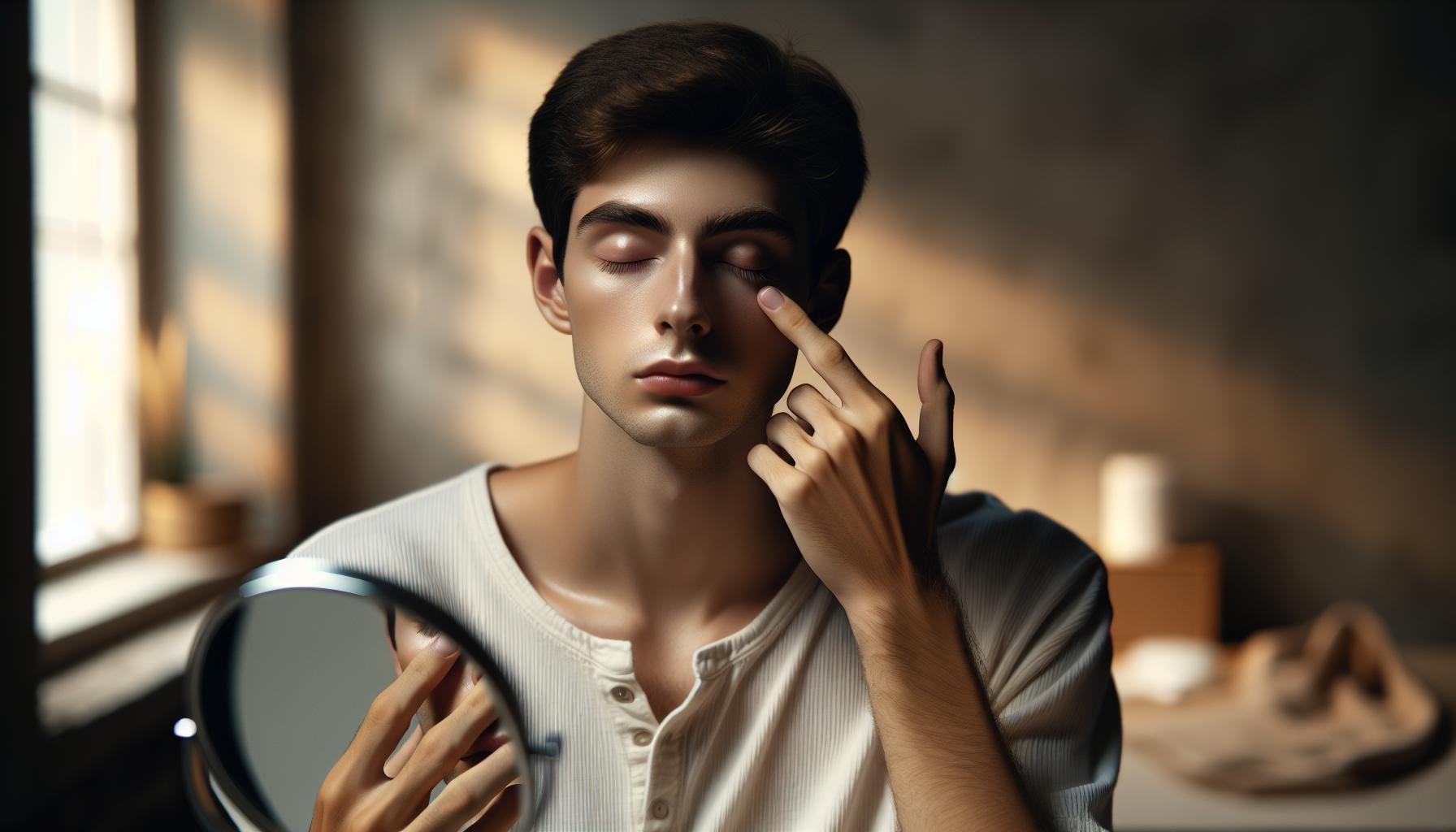
Understanding What an Eye Stye Is
A stye is a common and often troublesome eyelid condition that manifests as a small, painful bump. Typically appearing at the edge of the eyelid, these red and swollen nodules are caused by infections in the oil glands, primarily due to a blockage or inflammation. Many women experience eye styes at some point, and understanding what they are can empower you to manage symptoms effectively.
In essence, a stye can be classified into two types: external and internal. An external stye occurs at the base of an eyelash, while an internal stye develops in the oil gland inside the eyelid. Both types are generally harmless and tend to resolve on their own, usually within a week or two. However, they can be quite uncomfortable, often accompanied by tenderness, swelling, and sometimes discharge, which may cause concern or embarrassment.
If you find yourself noticing a bump on your eyelid, there are a few features to observe. External styes may start as a pimple-like bump, while internal styes might feel more like a swollen lump. Accompanying symptoms often include redness, irritation, and a sensation of something being stuck in the eye. Recognizing these signs is essential not only for self-care management but also for making informed choices about when to seek professional help if symptoms persist or worsen.
Understanding the nature of eye styes helps demystify the experience, allowing for greater control over your health. With some basic knowledge, you can implement effective home remedies and know when it’s time to turn to a healthcare professional for assistance.
Common Symptoms of Eye Styes You Should Know
A stye can manifest in several distinct ways, making it essential to recognize its symptoms to address them appropriately. Typically, a stye presents as a small, red bump on the eyelid’s edge, resembling a pimple. The appearance can vary depending on whether it’s an external or internal stye. External styes, which occur at the base of an eyelash, may appear as tender, swollen nodules and often come with visible redness. In contrast, internal styes develop within the eyelid’s oil glands and may feel like a deeper, rounded lump without a clear surface manifestation at first.
Along with these visible symptoms, many people experience discomfort or a sensation of pressure in the affected area. It’s not uncommon for a stye to accompany symptoms such as itching and tearing in the eye, which adds to the overall annoyance. Sometimes, you might notice a yellow or white spot forming at the center of the bump, indicating that it could be ready to drain naturally. A noticeable change in the eyelid, like swelling and potential sensitivity to light, can also serve as indicators of a developing stye.
In some cases, the discomfort from a stye may radiate to adjacent areas, causing headaches or a general feeling of malaise.
- Redness and swelling around the eyelid
- Pain and tenderness at the site of the bump
- Itching and tearing of the eye
- Sensitivity to light
- Possible discharge if the stye drains
Being aware of these symptoms helps you differentiate between a stye and other eye conditions, allowing for a more effective response. Understanding what’s normal can empower you to take action, including applying warm compresses to promote healing and knowing when to seek professional assistance. If left untreated, some symptoms may worsen, leading to further complications, which is why staying informed is crucial.
The Risks of Popping an Eye Stye
Attempting to pop an eye stye might seem like a tempting quick fix, but doing so can lead to serious complications. Popping a stye not only risks pushing the infection deeper into the eyelid but also opens the possibility of spreading bacteria to surrounding areas. This can exacerbate the inflammation and lead to more extensive swelling, pain, or even more severe infections, such as cellulitis, which is the infection of the skin and underlying tissue.
Moreover, the delicate skin around the eyes is particularly sensitive, and any attempts to puncture the stye could result in scarring or lasting damage. Performing this kind of procedure at home may introduce additional bacteria from your hands or the environment into the eye area, increasing the risk of infection. Eye complications arising from such actions may also necessitate more invasive medical treatments, including surgery, to address the fallout from improper handling.
Instead of succumbing to the urge to pop a stye, adopting a more supportive approach can lead to better outcomes. Applying warm compresses to the affected area can promote drainage as the stye naturally matures. This soothing method helps to reduce discomfort while encouraging the stye to heal on its own without the risks associated with popping it. Remember, if a stye persists for more than a few days or shows signs of worsening, consulting with a healthcare professional is always the safest choice. They can provide the appropriate treatment options and advice tailored to your situation, ensuring safer and more effective healing.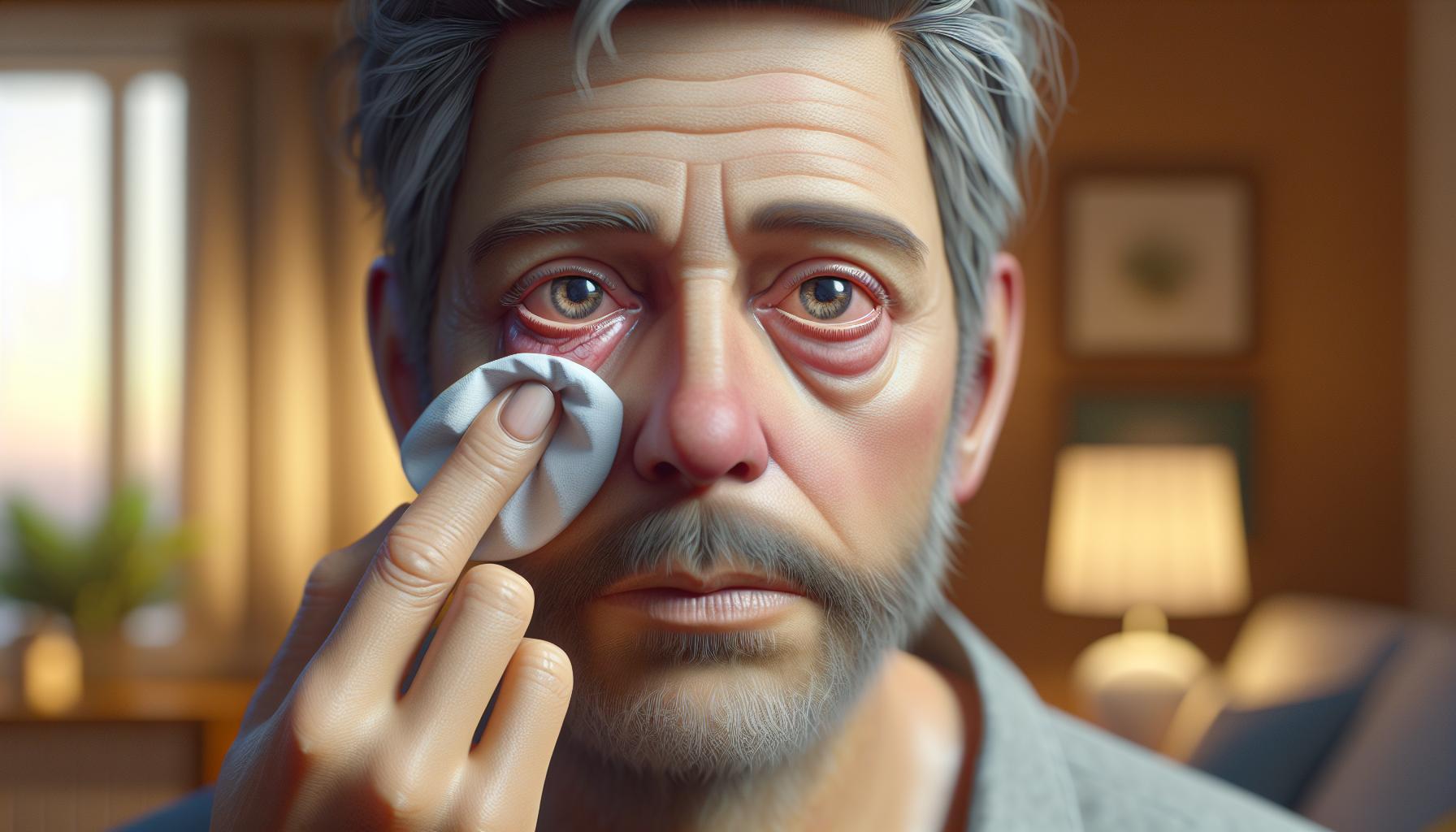
How to Treat an Eye Stye at Home
Applying effective home remedies for an eye stye can ease discomfort and encourage natural healing without the risks associated with popping it. The primary treatment method that many find beneficial is the use of warm compresses. Not only do these help reduce pain and swelling by enhancing blood circulation, but they also encourage the stye to rupture naturally and drain on its own without introducing bacteria or causing further complications.
To make a warm compress, simply soak a clean washcloth in warm water, wring it out, and place it over the affected eye for about 10 to 15 minutes. Repeat this process several times a day. Make sure the cloth is clean to avoid introducing new bacteria to the area. After applying the compress, you can gently massage the eyelid with clean hands to promote drainage.
In addition to warm compresses, maintaining good hygiene is crucial. Ensure that your hands are thoroughly washed before touching your face, and avoid rubbing your eyes, as this can aggravate the stye or spread infection. If makeup is a part of your routine, consider skipping eye makeup until the stye resolves, as this can reduce irritation and contamination. Over-the-counter pain relievers, such as ibuprofen or acetaminophen, can also be used sparingly to alleviate discomfort.
It’s also wise to consider your overall eye care practices. If you frequently experience styes, evaluate your skincare and makeup removal routines, and ensure you are using products that are gentle and appropriate for sensitive skin around the eyes. By incorporating these simple yet effective home treatments, you can support your body’s natural healing capabilities and avoid the temptation to pop a stye, allowing for safer, smoother recovery.
When to Seek Professional Help for Eye Styes
Recognizing when a stye requires professional intervention can be crucial to your eye health and comfort. While many styes are harmless and resolve on their own, there are specific signs that indicate a need for medical attention. If you notice that the stye is not improving after several days of home treatment, or if it appears to be growing larger, it’s time to consult a healthcare provider. Persistent symptoms may suggest that the stye has become infected or is not responding to standard care methods.
Moreover, if you experience significant pain, vision changes, or swelling that spreads to your entire eyelid or surrounding areas, professional help should be sought immediately. These symptoms can signify a more serious infection, requiring antibiotics or other treatments that only a healthcare provider can prescribe. It’s especially important to seek medical advice if a stye develops recurrently, as this may indicate underlying issues such as blepharitis or other eye conditions.
Additionally, while warmth and cleanliness are your best friends in treating a stye at home, if home remedies and over-the-counter medications offer no relief, don’t hesitate to reach out to your eye doctor. They may suggest treatments like corticosteroid injections or minor surgical procedures to assist in drainage, allowing for faster recovery and less discomfort.
Remember, prioritizing your eye health not only contributes to better well-being but can also ease worries as you navigate through the healing process. Taking steps to address concerns early on with a professional can lead to quicker relief and a better understanding of how to care for your eyes in the future.
Preventing Eye Styes: Tips You Need
Taking steps to prevent eye styes can significantly contribute to your overall eye health and comfort. Eye styes-painful lumps that can appear on the eyelids-are often caused by blocked oil glands at the base of your eyelashes or from bacterial infections. By adopting simple daily habits, you can maintain healthier eyelids and reduce the risk of developing a stye.
One of the most effective preventative measures is maintaining good hygiene around your eyes. This includes regularly washing your hands and avoiding touching your face, especially your eyes. Keep your eyelids clean by gently washing them with a mild soap or eyelid scrub. Additionally, removing makeup before bedtime is crucial; lingering makeup can block the glands and lead to inflammation.
Another key factor in preventing styes is managing stress. Stress can weaken your immune system, making you more susceptible to infections, including those that cause styes. Engage in stress-reducing practices such as yoga, meditation, or even regular physical exercise to boost your immune health.
Maintaining a healthy diet rich in vitamins and antioxidants can also promote eyelid health. Foods high in omega-3 fatty acids, such as fish and flaxseeds, help reduce inflammation. Hydration is equally important; drinking plenty of water ensures that your body functions optimally and your skin retains its natural moisture.
| Tip | Description |
|---|---|
| Good Hygiene | Wash hands frequently and avoid touching your face. |
| Eye Makeup Care | Remove makeup thoroughly each night to prevent clogged glands. |
| Stress Management | Engage in activities that reduce stress for better overall health. |
| Healthy Diet | Incorporate foods rich in omega-3s and antioxidants. |
| Stay Hydrated | Drink plenty of water to keep skin and body healthy. |
Taking these proactive measures not only helps keep styes at bay but also fosters a greater sense of well-being. By prioritizing eye care in your daily routine, you can enjoy clearer, more comfortable eyes and minimize the chances of experiencing painful eye styes.
Natural Remedies for Eye Stye Relief
Relief from an eye stye can often be achieved using simple and natural remedies that complement good hygiene practices. These remedies not only help to ease discomfort but may also promote the healing process, allowing you to avoid the temptation of popping a stye-a practice that can lead to serious complications.
One of the most effective and comforting natural methods is the application of warm compresses. Soaking a clean cloth in warm water, wringing it out, and gently placing it over the affected eye for about 10 to 15 minutes can help unclog blocked glands and reduce swelling. This method also enhances blood circulation, promoting the body’s inherent healing mechanisms. For added benefit, consider infusing your warm compress with chamomile tea, known for its soothing properties.
Another option to explore is eyelid massages. After applying a warm compress, gently massaging the area around the stye can assist in easing pain and encouraging drainage. Use clean fingers and apply light pressure to avoid causing further irritation. It’s important to wash your hands thoroughly before touching your face to minimize the risk of infection.
Herbal remedies may also provide additional relief. Tea tree oil, with its antibacterial properties, can be diluted with a carrier oil like coconut oil and carefully applied around the stye. A drop of this mixture can help to reduce inflammation, but caution is essential; make sure not to directly apply it to the stye or let it come into contact with your eye. Similarly, aloe vera gel can be soothing when applied topically, offering both cooling relief and anti-inflammatory benefits.
Pro Tips for Application:
- Warm Compress: Apply for 10-15 minutes, 2-3 times a day.
- Eyelid Massage: Gently massage after a warm compress to aid drainage.
- Tea Tree Oil Dilution: Use one drop diluted in a carrier oil.
- Aloe Vera Gel: Apply gently to soothe irritation.
In conjunction with these remedies, maintaining a balanced diet rich in vitamins such as A, C, and E can further support your skin and immune health, helping prevent future styes. By embracing these simple natural therapies, you can alleviate your discomfort safely and promote faster healing without the dangers associated with popping an eye stye.
Over-the-Counter Treatments for Eye Styes
can provide effective relief while promoting healing without the risks associated with popping them. For those seeking a quick solution, several products are readily available at your local pharmacy. Many people may not realize that eye styes are often due to blocked oil glands; hence, products formulated to soothe irritation and reduce inflammation can be particularly beneficial.
One of the first lines of defense is the use of antibiotic ointments. These can help combat bacterial growth, which is often a contributing factor to styes. If you have a known bacterial infection or if the stye persists, a topical antibiotic like bacitracin can be effective when applied as directed. Always remember to wash your hands before touching your face to avoid aggravating the condition.
Additionally, over-the-counter pain relievers such as ibuprofen or acetaminophen can help manage discomfort associated with styes. These medications not only reduce pain but also minimize swelling, offering a dual benefit.
Some formulations specifically designed for eye care include artificial tears or lubricating eye drops, which can relieve any accompanying dryness and irritation caused by the stye. Applying a few drops can help keep your eyes moist, which may enhance healing.
Other targeted products are warm compress eye masks that resemble heated gel pads, specifically designed to fit over the eyes neatly. These provide consistent warmth, helping to unclog oil glands and alleviate pressure without the need for frequent manual compresses.
Always consider consulting a healthcare provider if over-the-counter options do not yield improvement, or if symptoms worsen, as prescription treatments may be necessary. Such proactive measures can help you manage the condition effectively while avoiding the temptation to pop a stye, which may lead to complications or further infections.
Understanding the Healing Process of Eye Styes
can empower you to manage your condition more effectively and comfortably. An eye stye, also known as a hordeolum, typically arises from a bacterial infection in the oil glands of the eyelid. This inflammation results in a painful, red bump that can be alarming, but knowing how this condition evolves can ease your concerns. Most styes will resolve on their own within one to two weeks, but there are several ways to support your body’s natural healing process.
Most styes begin with localized swelling and redness as the body responds to the infection. This is a natural component of your immune response. During this time, applying warm compresses can help promote drainage and alleviate discomfort. The heat increases blood circulation to the area, which can facilitate healing by bringing more white blood cells to fight the infection. It’s advisable to apply a warm compress for about 10-15 minutes, three to four times a day, ensuring the compress is clean to prevent further irritation.
As the stye progresses, it may start to form a small pocket of pus, which is a normal sign that the body is dealing with the infection. While it may be tempting to pop a stye to speed up the process, doing so can introduce new bacteria and lead to complications, including the spread of the infection. Instead, allow the stye to rupture naturally if it is ready to do so; it usually breaks open and drains on its own, often greatly relieving the pain and pressure.
After a stye bursts, it’s vital to keep the area clean. Gently washing your eyelid with mild soap and water can help prevent further irritation. If you notice any signs of worsening infection, such as increased redness, swelling, or a fever, it’s time to consult a healthcare provider for possible prescription treatments. Overall, by understanding the stages of healing, employing home remedies, and allowing your body to do its job, you can navigate the discomfort of a stye with patience and care.
Recognizing Other Conditions That Mimic Eye Styes
Recognizing a stye can sometimes be straightforward, but various other eyelid conditions can mimic its appearance, leading to confusion and anxiety. It’s essential to differentiate between these conditions to ensure you receive the appropriate care. One common culprit is a chalazion, which, while similar in appearance to a stye, arises from a blockage in the oil glands of the eyelid rather than an infection. Chalazia tend to be less red and painful than styes, often appearing as a firm, painless lump on the eyelid.
Another condition to be aware of is the condition known as blepharitis, which involves inflammation of the eyelid margins. Symptoms include redness, swelling, and irritation, which may resemble a stye. Unlike styes, blepharitis is usually chronic and can accompany conditions like dandruff or seborrheic dermatitis. If you notice crusting around the eyelashes or feel a persistent itchiness, blepharitis may be the underlying issue.
Allergic reactions can also produce similar symptoms. Allergies to cosmetics, environmental factors, or even contact lenses can lead to swollen eyelids that resemble styes. In these cases, the eyelid may feel itchy and irritated rather than painful, often accompanied by redness or watery eyes. Identifying the trigger, whether it be a product or allergen, is vital for effective management.
It’s crucial to pay attention to specific symptoms and the progression of the condition. Should you notice a bump that doesn’t improve after a few days, becomes increasingly painful, or is accompanied by significant swelling, fever, or vision changes, seek the advice of a healthcare provider. Exploring these distinctions not only helps in managing your eye care but also empowers you to address potential issues more effectively. Remember, while home remedies are beneficial, consulting a professional ensures you’re treating the correct condition.
Frequently Asked Questions
Q: What happens if I pop an eye stye?
A: Popping an eye stye can lead to serious complications, including infection and worsening inflammation. It can also push bacteria further into the eyelid. It’s best to avoid this action and seek proper treatment instead, such as warm compresses or over-the-counter medication.
Q: How can I relieve pain from an eye stye without popping it?
A: To relieve pain, apply a warm compress to the affected area for 10-15 minutes several times a day. This helps reduce swelling and promotes healing. Over-the-counter pain relievers can also be used, but consult a healthcare professional if discomfort persists.
Q: Can an eye stye resolve on its own?
A: Yes, most eye styes will resolve on their own within a week or so without treatment. However, using warm compresses can speed up the healing process. If symptoms persist beyond this period, consult your healthcare provider for further evaluation.
Q: When should I see a doctor for an eye stye?
A: You should see a doctor if the stye doesn’t improve after a week, is extremely painful, affects your vision, or is accompanied by significant redness and swelling. Prompt medical attention is crucial in such cases to prevent further complications.
Q: Are there specific foods that help in preventing eye styes?
A: While there are no specific foods that directly prevent eye styes, a balanced diet rich in vitamins A, C, and E, along with omega-3 fatty acids, can support eye health. Staying hydrated also helps maintain overall eyelid hygiene.
Q: What are common causes of eye styes?
A: Eye styes are typically caused by the blockage of oil glands in the eyelids, often due to bacterial infection. Poor hygiene, makeup use, and skin conditions can also contribute to their development. Maintaining proper eyelid hygiene can help mitigate risks.
Q: Do eye styes ever become cancerous?
A: No, eye styes are benign growths and typically do not become cancerous. However, persistent or unusual lumps around the eye should be evaluated by a healthcare professional to rule out other conditions.
Q: Can eye styes affect vision?
A: Eye styes can cause temporary vision disturbances if they become large enough to press on the eyeball or if swelling obstructs the eyelid. If you experience changes in vision, consult your doctor for proper assessment and treatment.
In Conclusion
Before you consider any actions regarding an eye stye, remember that popping it can lead to infection or further complications. Instead, take proactive steps by applying warm compresses to alleviate discomfort and promote healing. For more guidance on eye care and skincare routines, explore our articles on “Effective Home Remedies for Eye Care” and “Understanding Eye Health: Tips for Women.”
Stay informed and confident in your health decisions-sign up for our newsletter for the latest insights and tips tailored to your needs. If you have specific concerns about your symptoms, don’t hesitate to consult a healthcare professional. Your wellness journey doesn’t end here; continue exploring our resources for empowering advice and practical solutions to enhance your overall beauty and health. Join the conversation by sharing your experiences or questions in the comments below!


