

Have you ever noticed a painful bump under your eye and wondered what it could be? Many people overlook the possibility of a stye forming on the lower lid, thinking it can only appear at the eyelash line. Understanding whether this bump is indeed a stye is crucial, as it serves as a signal from your body that may require attention and care.
Styes, often caused by blocked oil glands, can manifest as red, swollen bumps both on the upper and lower eyelids. Recognizing the signs early on is key to managing discomfort and preventing further irritation. In this article, we will explore the characteristics of lower lid bumps, how to identify a stye, and practical tips for treatment and prevention. Your eyes are a vital part of your beauty and health-let’s ensure they stay vibrant and healthy!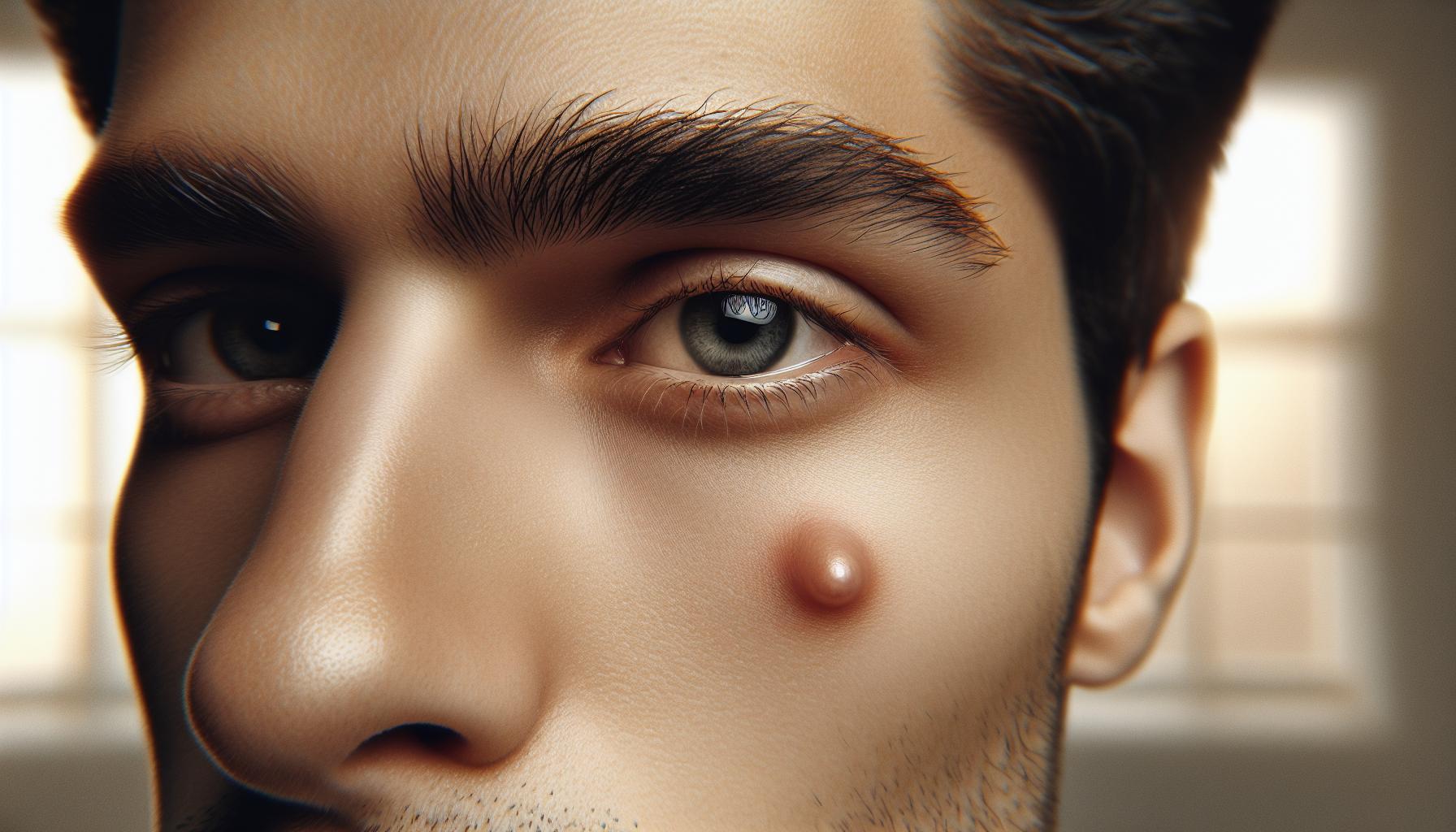
Can a Stye Form on the Lower Eyelid?
It’s a common misconception that styes can only appear on the upper eyelid, but they can indeed form on the lower eyelid as well. A stye, medically known as a hordeolum, is typically caused by a bacterial infection of the oil glands in the eyelid. When these glands become blocked or inflamed, a red, swollen bump can develop, regardless of its location.
When examining a lower eyelid bump, it’s essential to consider the characteristics of a stye. These bumps often present as tender, painful, and reddened spots, which can sometimes feel hot to the touch. Unlike chalazia, another type of eyelid bump that is usually painless and results from blocked oil glands, styes are typically accompanied by discomfort and may show signs of pus.
If you suspect you have a stye on the lower eyelid, it’s wise to observe its progress for a few days, as most styes will resolve on their own without the need for medical intervention. However, if the bump persists beyond a week, becomes severe, or is accompanied by vision changes, consulting a healthcare professional is recommended. They can provide treatments ranging from warm compresses to antibiotics, ensuring your eye health is prioritized.
Identifying and Understanding Styes
A stye can be an unwelcome surprise, often appearing as a tender bump on the eyelid. While many people assume that these painful little nuisances only develop on the upper lid, they can also occur on the lower eyelid. Understanding how to identify a stye and differentiate it from other types of eyelid bumps is crucial to managing this common condition effectively.
When a stye forms, it typically presents as a small, red, painful bump near the edge of the eyelid, caused by a bacterial infection that affects the oil glands. It may be sensitive to touch and, in some cases, feel warm. Most styes will also exhibit swelling and could potentially drain pus. Recognizing these signs early can help you take appropriate measures for treatment, reducing discomfort and healing time.
It’s essential to differentiate styes from other eyelid conditions. For instance, chalazia are similar bumps that generally arise from blocked oil glands but are usually painless and firm, lacking the inflammation and tenderness typical of a stye. Additionally, other conditions like cysts or even tumors can present as lumps, making proper identification vital.
If you notice a bump on your lower eyelid, keep an eye on it for a few days. Styes usually resolve on their own, but if the discomfort intensifies or signs of infection appear, such as spreading redness or change in vision, consulting a healthcare professional will ensure you receive appropriate care. Prioritizing eye health is crucial, and distinguishing between various eyelid bumps can help you make informed decisions and seek timely treatment when needed.
Common Symptoms of Lower Lid Bumps
Recognizing the symptoms associated with bumps on the lower eyelid is essential for effective management and treatment. Styes, which can occur on the lower eyelid, manifest as small, painful, red bumps that are typically localized near the eyelash line. Often compared to acne, a stye develops when an oil gland becomes blocked and subsequently infected. This condition can result in not only discomfort but also an accompanying feeling of warmth around the affected area, leading to sensitivity when touched.
When symptoms are present, you may notice several common indicators. These can include:
- Pain and tenderness: The bump often feels sore to the touch, making even minor movements of the eyelid uncomfortable.
- Swelling: The eyelid may appear puffy, and the bump itself may increase in size as the infection progresses.
- Foreign body sensation: Many individuals report a persistent feeling as though there is something irritating their eye, which can be distracting and bothersome.
- Discharge: In some cases, the bump may begin to drain, releasing pus that can crust over the lashes.
- Redness: The area surrounding the bump usually appears red and inflamed, a visible sign of the underlying infection.
Understanding these symptoms not only aids in identifying a stye but also helps distinguish it from other types of eyelid lumps, such as chalazia or cysts, which may present differently. For instance, while styes are characterized by pain and tenderness, chalazia are generally painless and may feel firmer. By being aware of these distinctions and the various symptoms, you empower yourself to take proactive steps in managing your eye health effectively, ensuring timely treatment when necessary. If you experience persistent discomfort or a worsening condition, seeking guidance from a healthcare professional is always a prudent choice.
Differentiating a Stye from Other Eyelid Lumps
Differentiating between a stye and other eyelid lumps is crucial for effective treatment and peace of mind. While styes create discomfort and are often alarming, it’s empowering to recognize the signs that distinguish them from similar eye conditions.
A stye, or hordeolum, typically presents as a painful, red bump located near the eyelash line, often accompanied by swelling and tenderness. In contrast, a chalazion is a blockage of an oil gland that can appear more prominent, firm, and painless, usually arising further from the edge of the eyelid. Furthermore, other eyelid lumps, such as cysts, may not exhibit the same inflammatory symptoms. Cysts can appear as soft, movable lumps without redness or discomfort. Understanding these differences can significantly impact how you approach treatment and when to seek medical advice.
When trying to identify these conditions, pay attention to the accompanying symptoms. For example, styes often cause discomfort, a sensation of pressure, and may even produce pus as they resolve. In contrast, a chalazion may linger for weeks and is generally not painful unless infected. If you notice a lump that persists for an extended period, especially if it’s accompanied by vision changes or increasing pain, it’s essential to consult a healthcare professional.
Being informed about these distinctions not only helps in identifying what you might be experiencing but also enables you to make informed decisions regarding your care. Regular self-examinations and maintaining good hygiene can aid in the early detection of these conditions, ensuring that you can address any issues before they escalate. Remember that your health is paramount; seeking professional advice is always a good step if you have concerns.
When to Seek Medical Attention for Eyelid Bumps
Knowing can be critical, especially when it comes to potential styes that may form under your eyes. If you have noticed a painful, red bump on your lower eyelid, it’s essential to monitor the situation closely. Immediate consultation with a healthcare professional is advised if you experience symptoms such as rapid swelling, increasingly severe pain, or if the bump shows signs of infection, like the presence of pus or fever. These could indicate that the stye is worsening or may require intervention beyond home remedies.
Moreover, if the bump persists for more than a few days without improvement, it’s time to seek medical evaluation. Your eye health is paramount; therefore, any changes in vision or excessive tearing accompanying the bump should also prompt a visit to a healthcare provider. These symptoms can suggest complications that might need more complex treatment options, ensuring that your overall eye health is safeguarded.
In some cases, a stye might be confused with other conditions, such as chalazia or even more serious infections. Knowledge of the right moments to reach out for professional help could save you from more extensive treatments down the line. Being proactive and alert about your body’s signals is vital in maintaining your eye health and well-being; never hesitate to seek help if something feels off.
At-Home Remedies for Treating Lower Lid Styes
A stye can be both uncomfortable and frustrating, but there are effective at-home remedies that can help alleviate the symptoms and promote healing. First and foremost, applying a warm compress can be incredibly soothing. Simply soak a clean washcloth in warm (not hot) water, wring it out, and place it gently over your affected eyelid for about 10-15 minutes. This will help to reduce swelling, relieve pain, and encourage the stye to drain, ultimately speeding up recovery.
In addition to warm compresses, maintaining proper eyelid hygiene is crucial. You can use gentle eyelid scrubs or diluted baby shampoo to clean the area, removing any excess oil or debris that may contribute to the blockage in the sebaceous glands. It’s essential to avoid squeezing or popping the stye, as this can worsen the infection or lead to complications. Instead, focus on keeping your eyelids clean and bacteria-free.
Here are some additional remedies you might find helpful:
- Tea Bags: Used tea bags, particularly black tea, can be used as warm compresses. The tannins in the tea have anti-inflammatory properties that may further soothe the area.
- Castor Oil: Applying a small amount of castor oil can help in reducing irritation and antibacterial effects, which may support healing.
- Over-the-Counter Pain Relief: If you’re experiencing discomfort, over-the-counter pain medications like ibuprofen or acetaminophen can help ease the pain.
Consistency is key with these remedies. Using them several times a day will provide the best results. While these home treatments can be effective, always listen to your body; if symptoms persist or worsen, it’s best to seek advice from a healthcare professional for further evaluation and treatment. By staying proactive and informed, you empower yourself to manage your eye health effectively and comfortably.
Preventative Measures for Eye Health and Hygiene
Maintaining eye health is pivotal in preventing styes and other eyelid issues, especially when it comes to proper hygiene. Did you know that a significant number of eye infections can be traced back to simple hygiene practices? By incorporating a few easy habits into your daily routine, you can significantly reduce your risk of developing a stye, particularly on your lower eyelids.
One of the most effective ways to keep your eyes healthy is to wash your face regularly with a gentle cleanser. This helps remove dirt, oil, and makeup that can accumulate around your eyes. When cleansing, pay special attention to your eyelids-using a clean, warm washcloth can be particularly beneficial. Consider using eyelid scrubs, which are specifically designed to target oil and debris buildup on the eyelids. Opting for scrubs that contain natural ingredients can enhance your routine without causing irritation.
The Importance of Regular Eye Care
In addition to daily cleaning, it’s crucial to avoid touching your eyes and face with unwashed hands. Bacteria from your hands can easily transfer to your eyelids, potentially causing blockages in the glands that lead to styes. If you wear makeup, ensure your products are fresh and not expired, as old cosmetics can harbor bacteria. When applying makeup, use clean brushes and sponges to further minimize the chance of introducing germs.
To enhance your preventative measures, consider these practices:
- Keep Your Eyes Moisturized: Use protective eye drops if you spend extended periods in front of screens to reduce dryness and irritation.
- Stay Hydrated: Drinking plenty of water is essential not just for overall health but also for maintaining healthy skin, which can help your eyelids stay clear of irritants.
- Manage Allergies: If you suffer from seasonal allergies, proper management can prevent itchy, inflamed eyelids that may lead to stye formation.
By adopting these habits, you promote not just the health of your eyelids but also overall well-being. Remember, a little daily care goes a long way in preventing discomfort and ensuring your eyes remain healthy and vibrant. With these tips, you’ll be empowered to take charge of your eye care routine confidently, keeping potential issues like styes at bay.
The Role of Hygiene in Stye Prevention
Practicing good hygiene is the cornerstone of preventing styes, particularly those pesky bumps that can form under your eyes on the lower eyelid. Styes can arise from blocked oil glands near the eyelash line, often exacerbated by bacteria. Thus, maintaining a clean and healthy environment for your eyes is essential. Did you know that many styes can be avoided with simple, daily hygiene practices? By integrating effective habits into your routine, you can significantly reduce your chances of developing these uncomfortable and unsightly lumps.
A vital step in your eye care regimen is ensuring your eyelids are regularly cleansed. This means gently washing your face, particularly around the eyes, with a mild cleanser-ideally, one free from harsh chemicals that can irritate the delicate skin. Using a clean, warm washcloth can be incredibly effective for this purpose. Additionally, consider incorporating eyelid scrubs into your routine, specifically designed to remove excess oil and debris that can clog glands. Look for products with natural ingredients; they’re less likely to cause irritation while keeping your eyelids clean and healthy.
Another critical factor is to avoid touching your eyes with unwashed hands. Our hands collect bacteria and can easily transfer these to the sensitive skin around our eyes, heightening the risk of infections or stye formation. If you wear makeup, it’s important to make sure your products are fresh and not expired, as old cosmetics can harbor harmful bacteria. Always use clean brushes and applicators to minimize the risk. Even seemingly small actions, like refraining from rubbing your eyes, are significant in your fight against styes.
Here are some additional practical tips to strengthen your hygiene practices:
- Stay Hydrated: Drinking plenty of water can help maintain healthy skin, preventing irritation around the eyelids.
- Manage Allergies: Proper allergy management can prevent itchy and inflamed eyelids, which can lead to stye formation.
- Prioritize Eye Moisturization: If you spend considerable time in front of screens, use protective eye drops to combat dryness and irritation.
By diligently following these hygienic practices, you not only promote the health of your eyelids but also contribute positively to your overall well-being. Adopting a proactive approach now can help you steer clear of styes and enjoy clearer, healthier eyes.
Over-the-Counter Treatments for Styes
When dealing with the discomfort of a stye, especially one that can form under the eye, turning to over-the-counter (OTC) treatments can provide immediate relief and speed up the healing process. Many effective options are available at your local pharmacy, making it easier to care for your eyes without needing a prescription.
One common approach is the use of warm compresses, which can be achieved through OTC eye pads or even fabric that you can soak in warm water. Applying a warm compress to the affected area for about 10-15 minutes several times a day can help to unclog blocked glands, promoting the drainage of the stye and reducing inflammation. Additionally, you may find eyelid scrubs helpful; these products are designed to gently cleanse the eyelid area, removing oil and debris that can exacerbate the condition. Look for scrubs that contain soothing ingredients like tea tree oil, which not only cleanse but may also help combat bacteria.
Another supportive option is using topical antibiotic ointments, which can be found at most drugstores. These are beneficial in preventing secondary infections, particularly if the stye has started to ooze or is at risk of breaking open. Make sure to apply these ointments as directed-typically, a small amount is placed directly on the affected area or along the lash line.
Lastly, consider taking anti-inflammatory medications, such as ibuprofen or acetaminophen, to help alleviate any discomfort or swelling associated with a stye. Always check with a healthcare professional if you’re unsure about the best approach or if your symptoms persist. By using these OTC remedies thoughtfully, you can manage a stye effectively while prioritizing your eye health.
Understanding When Surgery Might Be Necessary
If you’ve ever dealt with the uncomfortable irritation of a stye, you may wonder about the circumstances under which surgery becomes necessary. While most styes resolve on their own or with conservative treatment like warm compresses and over-the-counter medications, there are specific scenarios that can lead your healthcare provider to recommend surgical intervention. Understanding these situations can help you navigate your eye care options more effectively.
Surgery is generally considered when a stye does not improve after a reasonable period of conservative treatment-typically a few weeks. If the stye becomes increasingly painful, larger, or shows signs of secondary infection that do not respond to antibiotics, it may be time to consult a specialist. They might recommend a procedure called incision and drainage, where the stye is carefully opened to release the accumulated pus and alleviate pressure. This procedure not only provides immediate relief but can also prevent potential complications that might arise from an untreated infection.
In rare cases, an eyelid bump may be misidentified as a stye but could actually be a different condition. These include chalazia-similar lumps caused by blocked glands that often require surgical removal if they persist-or even more serious conditions that necessitate further investigation. If you experience persistent bumps or changes in the appearance of your eyelids, it’s crucial to consult a healthcare professional. They can accurately diagnose the underlying issue and determine the most appropriate course of action.
In summary, being aware of when surgery might be necessary empowers you to take proactive steps in your eye health journey. If at any point your stye doesn’t show signs of improvement or if you experience severe discomfort, don’t hesitate to reach out to an eye care specialist. Recognizing the signals your body sends can be the first step in ensuring lasting relief and maintaining the health of your delicate eye area.
Exploring Natural Remedies for Eye Care
It’s not uncommon to seek natural remedies as part of your eye care routine, especially when dealing with something as uncomfortable as a stye. These bumps, while usually benign, can cause irritation and worry. Exploring gentle, natural treatments can provide relief and support your overall eye health. One of the most effective and accessible remedies is the use of warm compresses. Simply soak a clean cloth in warm water, wring it out, and place it over your closed eyelid for about 10-15 minutes. This helps to increase blood circulation, promote drainage, and alleviate discomfort, making it a soothing practice to incorporate into your day.
In addition to warm compresses, incorporating anti-inflammatory natural ingredients into your routine can boost healing. For instance, chamomile tea bags-after they cool to a comfortable temperature-can be applied directly to the affected area. Chamomile is known for its calming properties and can help reduce swelling and irritation. Another promising natural option is using aloe vera gel. Known for its anti-inflammatory properties, a small amount of pure aloe vera applied to the stye can help soothe irritation and provide moisture, speeding up the healing process.
Practical Steps for Natural Eye Care
- Warm Compress: Apply for 10-15 minutes, 2-3 times daily.
- Chamomile Tea Bags: Steep one tea bag, let it cool, and place it on the eyelid for soothing relief.
- Aloe Vera Gel: Gently apply pure gel directly to the stye to reduce inflammation.
While these remedies can be helpful, it’s essential to maintain a clean environment around your eyes. Regularly washing your eyelids with a gentle cleanser will keep oil and impurity levels low, reducing the likelihood of blocked glands that lead to styes. Furthermore, be mindful of the products you use near your eyes. Opting for hypoallergenic and non-comedogenic makeup and skincare can prevent irritation.
One key takeaway is to listen to your body and respond accordingly. If your stye does not improve or worsens despite these natural remedies, seeking medical advice is advisable. Remember, keeping your eyes healthy not only enhances your beauty but also your overall well-being.
Long-term Eye Care Practices for Healthy Lids
Healthy eyelids are essential not only for comfort but also for overall eye health. Practicing good long-term eye care can help prevent styes and other common eyelid issues. One of the simplest yet most effective strategies is maintaining consistent hygiene. Regularly cleansing your eyelids with a gentle cleanser will remove excess oil, debris, and makeup, which can contribute to blocked glands and increase the risk of styes. For an added layer of protection, consider using eyelid scrubs that are specifically formulated for this purpose, especially if you wear makeup frequently.
In addition to hygiene, nourishing your body with a balanced diet rich in vitamins and minerals can significantly impact your eye health. Foods high in omega-3 fatty acids, such as salmon and walnuts, provide anti-inflammatory benefits that can help keep meibomian glands functioning well, reducing the likelihood of blockages. Staying hydrated is equally important; aim to drink plenty of water throughout the day to keep your skin and eyelids supple.
Another effective way to support your eye health is to establish a sleep routine that allows for adequate rest. Quality sleep is crucial for the body’s recovery processes, including maintaining healthy skin and reducing inflammation. Furthermore, practicing stress management techniques, like yoga or meditation, can contribute to overall health, helping to minimize physical tensions that might manifest around your eyes.
Finally, regular eye examinations with an eye care professional can catch any underlying issues early on. They can provide personalized advice depending on your eye health and lifestyle. Always remember, taking proactive steps towards your eye care is an investment in your well-being. By prioritizing hygiene, nutrition, hydration, and rest, you’re setting yourself up for healthy, beautiful eyelids that are less prone to irritation and discomfort.
Q&A
Q: Can a stye appear on the lower eyelid?
A: Yes, a stye can form on the lower eyelid. These bumps usually occur where an eyelash meets the eyelid and can result from blocked oil glands. If you notice a painful, red lump on your lower lid, it may be a stye. For more information, see the “Can a Stye Form on the Lower Eyelid?” section.
Q: How can I differentiate a stye from other eyelid bumps?
A: To differentiate a stye from other bumps, look for pain, redness, and swelling primarily at the hair follicle’s base. If the bump is more firm and painless, it might be a chalazion or other type of cyst. Refer to the “Differentiating a Stye from Other Eyelid Lumps” section for detailed comparisons.
Q: What causes a stye on the lower lid?
A: A stye on the lower lid is typically caused by bacteria infecting an oil gland or hair follicle. Poor hygiene practices can increase susceptibility. Maintaining good hygiene around the eyes, as discussed in the “The Role of Hygiene in Stye Prevention,” can help prevent styes.
Q: When should I see a doctor for a lower eyelid bump?
A: Consult a doctor if the bump is extremely painful, doesn’t improve within a few days, or if vision is affected. The “When to Seek Medical Attention for Eyelid Bumps” section provides guidelines on recognizing concerning symptoms.
Q: What home remedies can help alleviate a stye?
A: Warm compresses applied to the affected area can help reduce pain and promote drainage. Over-the-counter treatments, as mentioned in the “At-Home Remedies for Treating Lower Lid Styes,” can also provide relief. Regularly practicing eyelid hygiene is crucial.
Q: Can stress cause styes on the lower eyelid?
A: While stress itself isn’t a direct cause, it can weaken your immune system, making you more susceptible to infections, including styes. To bolster eye health, it’s vital to manage stress and follow preventative measures outlined in the “Preventative Measures for Eye Health and Hygiene” section.
Q: Are there specific factors that increase the risk of developing a stye?
A: Yes, factors such as poor hygiene, oily skin, and prior history of styes can increase the risk. Conditions like blepharitis can also contribute. Refer to “Identifying and Understanding Styes” for a deeper dive into risk factors.
Q: Is there a link between eye strain and styes?
A: While eye strain itself does not cause styes, prolonged digital screen use can lead to poor hygiene practices, like rubbing the eyes, which may increase the risk. Ensuring proper eye care, as discussed in “Long-term Eye Care Practices for Healthy Lids,” can help mitigate this risk.
In Retrospect
If you’re grappling with a bump under your eye, understanding its nature is crucial for effective care. Remember, while a stye typically presents on the eyelid, a lower lid bump may need further evaluation. Ensure you’re informed by exploring related content such as “Natural Remedies for Eye Health” or “Understanding Different Types of Eye Bumps.”
Don’t wait-take proactive steps in caring for your eye health today! Stay engaged with our community by signing up for our newsletter, where you’ll receive the latest insights and tips on skincare and eye care directly to your inbox. Your questions are important to us, so feel free to leave comments below; we’re here to help! Together, let’s empower your beauty and health journey with confident and knowledgeable choices.


