
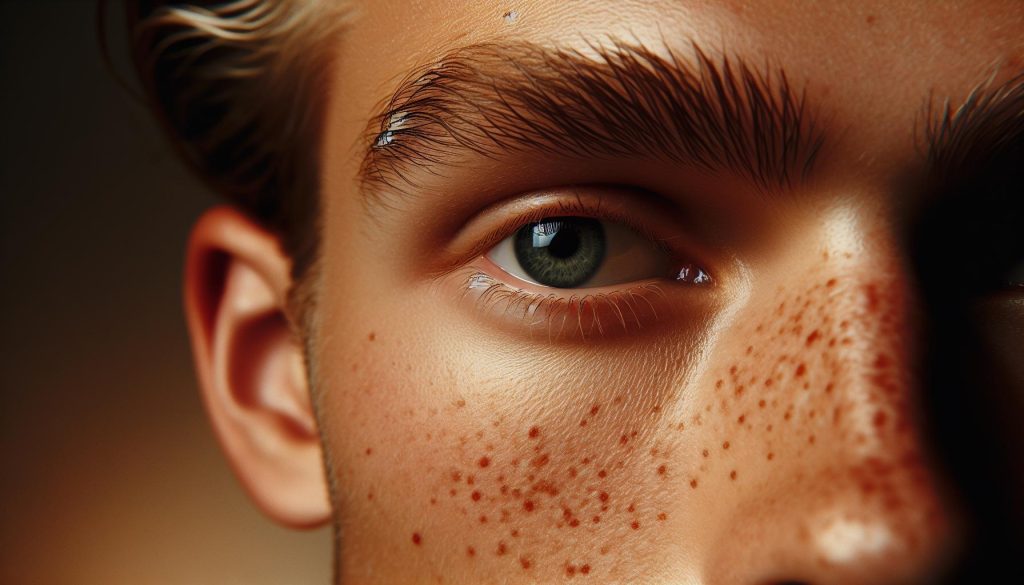
Styes, while often minor irritations, can lead to noticeable puffiness and swelling under the eye, causing concern for many. Understanding the connection between styes and eyelid swelling is essential, especially for those who want to maintain a fresh, vibrant appearance. If you’ve ever woken up with unexpected swelling, you’re not alone-styes can disrupt not just your comfort, but your confidence too.
In this article, we’ll explore how styes can cause puffiness, the underlying reasons for this phenomenon, and effective ways to manage and treat the symptoms. You’ll gain insights that empower you to make informed choices about your eye health and beauty routines. Keep reading to learn how to alleviate discomfort and prevent future occurrences, so you can enjoy clear, healthy eyes.
Understanding Styes: What Are They and How Do They Form?

A stye is more than just a common annoyance; it’s a type of eyelid infection that can lead to discomfort and swelling. Styes typically present as painful, red bumps located along the eyelash line, resembling a pimple. They form when an oil gland at the base of your eyelashes becomes clogged, often due to bacteria, dirt, or debris. When this gland gets infected, it leads to the localized swelling and redness characteristic of a stye. Over the years, many women have encountered these irritating cysts, which can be triggered by various factors including stress, poor hygiene, or even the use of cosmetics that irritate the eye area.
In addition to the visible bump, styes can sometimes cause swelling that extends to the entire eyelid or even the surrounding area, including under the eye. This can create a puffy appearance that is not only uncomfortable but could also affect your self-esteem, especially when it appears unexpectedly. While a stye itself is usually localized to the eyelid, the inflammation associated with the infection can lead to a broader reaction, resulting in noticeable swelling.
Recognizing how these little infections form is crucial for prevention and management. Maintaining good eye hygiene-such as removing makeup before bed, avoiding touching your face with dirty hands, and regularly cleaning your eyelids-can significantly reduce your risk of developing a stye. Additionally, incorporating a gentle eyelid scrub into your routine can help keep the glands unclogged and functioning properly, further protecting against irritation and infection. Understanding the lifecycle of a stye, from its initial formation to the care required during an outbreak, empowers you to take proactive steps in your eye health journey.
The Connection Between Styes and Eye Puffiness
Experiencing puffiness under the eyes can be more than just a cosmetic concern; it often signals underlying issues, particularly when associated with styes. These painful, red bumps that appear along the eyelash line can indeed lead to wider swelling, extending beyond the immediate infection site. When a stye forms, the body responds to the inflammation caused by the infection, which can result in not just localized swelling of the eyelid but also noticeable puffiness beneath the eyes. This reaction can understandably impact your appearance and confidence, as well as create discomfort.
Additionally, the skin under the eyes is particularly delicate and prone to swelling. When a stye occurs, the irritation and inflammation can lead to an influx of fluid in surrounding tissues, exacerbating puffiness. Factors such as lack of sleep, crying, or even dietary upsets can amplify this effect. It’s essential to recognize that while a stye itself may be the initial source of discomfort, subsequent eye puffiness could also indicate other issues, such as allergies or sinus problems, thereby creating a more complex situation that may require holistic management.
To help alleviate puffiness associated with styes, consider applying a warm compress to the affected area. This simple yet effective home remedy can soothe discomfort and promote drainage, which may help reduce swelling. Regularly cleaning your eyelids with gentle cleansers can also prevent further irritation or infection, helping to keep eye puffiness at bay. Staying hydrated and ensuring you get enough rest can support overall skin health, including the fragile area around your eyes.
Understanding empowers you to take specific actions for both prevention and relief. By maintaining good eye hygiene, managing environmental stressors, and incorporating gentle cleansing routines, you can effectively minimize the likelihood of developing styes and the subsequent puffiness that accompanies them.
Signs and Symptoms: How to Identify a Stye
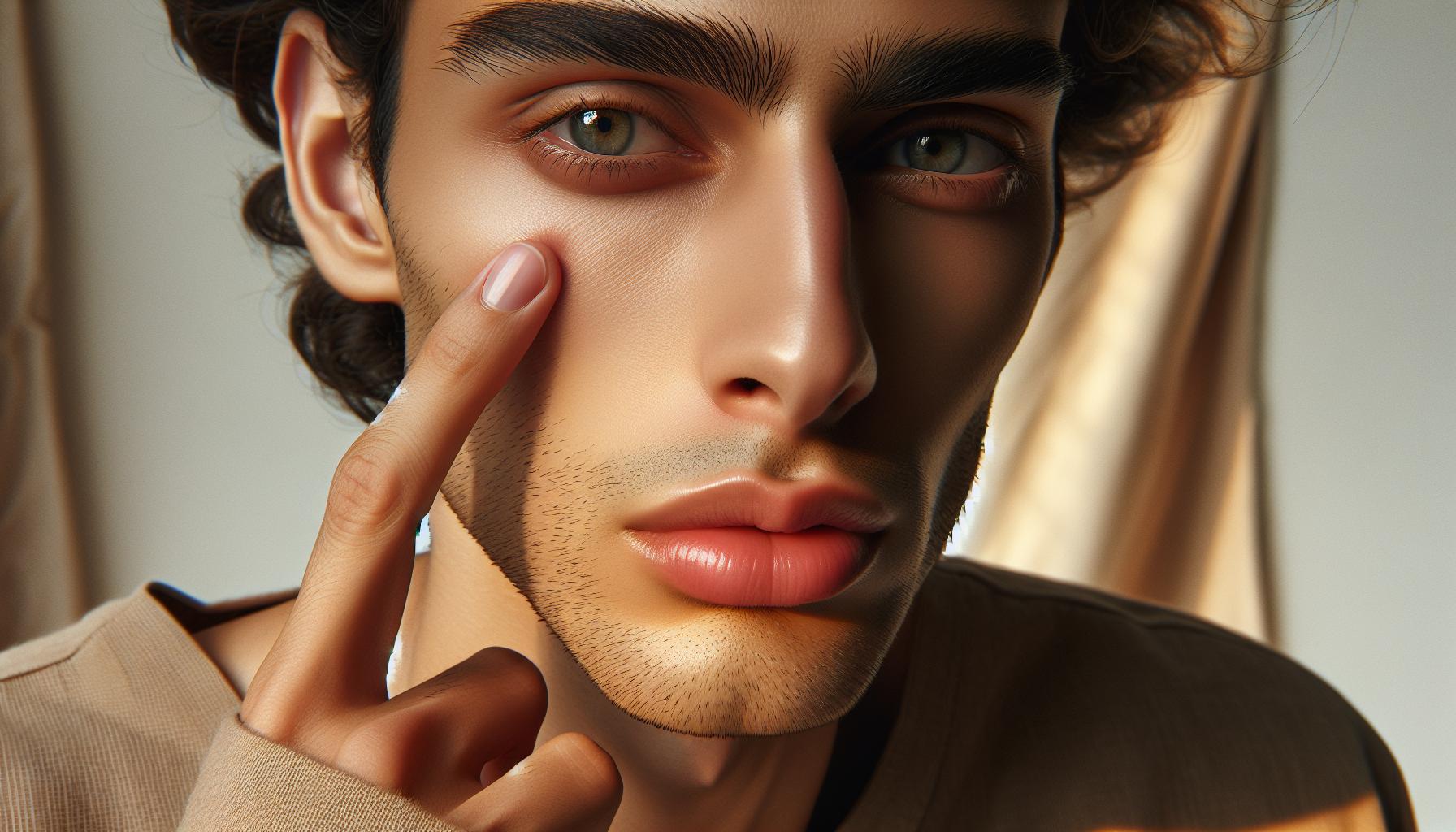
Recognizing the signs of a stye is crucial for early intervention and effective management. A stye, or hordeolum, typically presents as a painful, red bump located on the eyelid, either on the outer or inner surface. This nodule results from the infection or blockage of the oil glands at the base of the eyelashes, leading to irritation and inflammation. The symptoms can be quite distinctive, allowing you to identify a stye compared to other eye issues.
You might first notice a sensation of tenderness or discomfort on your eyelid, often accompanied by a swollen appearance. As the stye develops, it can become increasingly red and inflamed, sometimes resembling a pimple. In addition to the visible bump, symptoms can include:
- Discomfort or pain: The area may feel sore, especially when touched or blinked.
- Swelling: The eyelid can become puffy, leading to noticeable swelling that might extend to the surrounding areas.
- Tearing: You might experience watery eyes due to irritation.
- Crusting or discharge: In some cases, a stye can weep pus or fluid, which may crust over the lashes.
It’s important to differentiate a stye from other potential issues such as chalazia or eye infections, which may require different treatments. While styes often resolve on their own, the swelling they cause can sometimes lead to discomfort beyond the immediate area, potentially resulting in puffiness under the eyes as well.
Understanding these signs ensures you’re equipped to take immediate action. If you notice these symptoms, applying a warm compress may help reduce discomfort and promote drainage. Practicing good hygiene, such as avoiding touching your eyes with dirty hands and using a gentle cleanser, can also assist in preventing future occurrences. Pay attention to your body’s signals, as early treatment can make all the difference in managing a stye and minimizing any associated puffiness.
Is Swelling Under the Eye Normal with a Stye?
Experiencing swelling under the eye due to a stye is not uncommon, and understanding this connection can help you manage your symptoms more effectively. A stye, which manifests as a red, painful lump on the eyelid, can cause localized inflammation that sometimes extends beyond the eyelid itself. This inflammation can lead to puffiness in the surrounding areas, including the skin under the eyes. While the primary focus may be the stye itself, the body’s inflammatory response can result in a broader area of swelling that many individuals notice as they contend with the discomfort of the stye.
The swelling under the eye occurs as a result of increased blood flow and fluid accumulation in response to the infection and irritation caused by the stye. Your body is working hard to fight the infection, which can result in inflammation not just at the site of the stye, but also in adjacent tissues. This is particularly prevalent in sensitive areas like the skin around the eyes, where swelling can become pronounced.
To alleviate the discomfort and reduce puffiness, applying a warm compress to the affected eyelid can be particularly effective. The warmth helps promote circulation, encourages drainage, and soothes the inflamed tissues. Just be cautious to use a clean cloth and avoid any techniques that might irritate the stye or the surrounding skin. Additionally, maintaining good eye hygiene is crucial; this includes avoiding makeup or other products that might aggravate the area. If swelling persists or worsens, it may be a good idea to consult a healthcare professional for further guidance, as this can rule out other complications and ensure appropriate treatment.
Taking proactive steps can vastly improve your comfort during an episode of a stye, ensuring that any puffiness under the eyes is a temporary inconvenience rather than a prolonged concern.
Exploring Treatment Options for Styes and Puffiness
Understanding how to manage styes and the associated puffiness can significantly enhance your comfort and confidence during an uncomfortable episode. Styes, being bacterial infections of the eyelid, often result in inflammation, which can extend to the surrounding areas, including the skin under the eyes. Thankfully, there are numerous effective treatment options to alleviate both styes and puffiness.
One of the first lines of defense is applying a warm compress to the affected eyelid. This method helps increase blood circulation to the area, promoting healing and drainage of fluid. To use a warm compress, simply soak a clean cloth in warm (not hot) water, wring it out, and place it gently over your closed eye for about 10-15 minutes. Repeat this 3-4 times a day to reduce swelling and discomfort.
In addition to warm compresses, over-the-counter treatments can also provide relief. Nonsteroidal anti-inflammatory drugs (NSAIDs), such as ibuprofen, can help reduce inflammatory responses and alleviate pain. If you experience significant discomfort or your symptoms persist, consult a healthcare provider who may prescribe topical antibiotics, such as tobramycin, to help combat the bacterial infection, ensure proper healing, and prevent further complications [[1]].
Maintaining good eye hygiene plays a crucial role in both treatment and prevention. Keep the area around your eyes clean, avoid touching your eyes with unwashed hands, and refrain from wearing eye makeup until the stye has completely healed. Additionally, ensure that any makeup tools, like brushes, are clean to minimize the risk of harboring bacteria.
While most styes heal on their own, being proactive with these treatment options can speed up recovery and diminish puffiness. If the swelling or pain worsens, or if your vision is affected, it’s essential to seek professional help to explore further interventions or rule out other possible conditions. Remember, prioritizing your eye health will contribute immensely to your overall well-being, allowing you to feel your best every day.
Home Remedies: Soothing Swollen Eyes from Styes
Soothing swollen eyes caused by styes can be achieved with several effective home remedies that you can easily incorporate into your self-care routine. A stye, which is a painful, red bump on the eyelid, results from a bacterial infection and can lead to inflammation that extends beyond the eyelid. One of the simplest and most effective methods is the application of a warm compress. The warmth helps improve circulation, reduce swelling, and promote drainage of any built-up fluid.
To make a warm compress, start by soaking a clean cloth in warm (not hot) water, and wring it out thoroughly. Then gently place the compress over your affected eye for 10-15 minutes. This can be done 3-4 times a day. Not only does it provide immediate comfort, but it also assists in the healing process by encouraging the stye to drain naturally.
In addition to warm compresses, consider using chamomile tea bags. After brewing, let the tea bags cool down to a warm temperature and place them over your eyes. Chamomile has soothing anti-inflammatory properties that can help reduce discomfort and puffiness.
For those looking for natural cooling effects, cucumber slices can be used as a remedy. Place cooled cucumber pieces over your eyes for about 10 minutes. Cucumber helps hydrate and soothe the skin, which can alleviate swelling and provide a refreshing feeling.
Another effective remedy is a diluted solution of apple cider vinegar. Mix a teaspoon of apple cider vinegar with a cup of warm water, and using a clean cotton ball, gently apply it to the affected area. Its antibacterial properties can help address the root cause of the stye.
Incorporating these home remedies can significantly enhance your comfort and aid in healing when dealing with styes. Always remember to maintain good hygiene, and if the stye does not improve or worsens, it is advisable to seek medical advice.
When to Seek Professional Help for Styes
Recognizing when to consult a healthcare professional about a stye can be crucial for effective treatment and relief. While many styes will resolve on their own with simple home remedies, there are certain signs that indicate a more serious issue may be at play. If the swelling persists for more than a few days, becomes increasingly painful, or is accompanied by vision changes, it’s important to seek medical attention. The development of redness that spreads beyond the eyelid or inflammation in the surrounding areas may also be a warning sign of a more extensive infection that could require professional intervention.
In some cases, styes can lead to complications such as the formation of a chalazion, which can result when a stye doesn’t drain properly and becomes a more prolonged lump. If a stye remains untreated for a week or two, or if you notice the appearance of multiple styes, this could signify a need for professional evaluation, as it may indicate an underlying predisposition to eye infections. Similarly, if your eyes become consistently swollen or irritated, it’s advisable to rule out other conditions such as allergies or more serious infections like cellulitis.
For those who wear contact lenses, it’s especially important to address any signs of styes promptly. Wearing contacts during an active infection can exacerbate the situation and lead to further complications. If you’re experiencing recurring styes, a discussion with an eye care provider can also help identify potential preventive measures you can take to reduce their frequency.
Always trust your instincts: If you feel that something is not right with your eyes or your overall health, don’t hesitate to reach out for help. Seeking professional guidance can ensure you receive the best care possible, helping you return to your routine with confidence and comfort.
Preventing Styes: Tips for Healthy Eyes
To maintain healthy eyes and prevent styes, which can lead to uncomfortable swelling and puffiness, incorporating a few simple habits into your daily routine can be extremely beneficial. Styes often result from clogged oil glands or bacterial infections, so proper eye hygiene is crucial. One of the primary steps is to regularly clean your eyelids, especially if you tend to have oily skin or wear makeup. Use a gentle eyelid scrub or a dilute mixture of baby shampoo and water to remove any debris or excess oil that could promote gland blockage.
Another vital practice is to avoid touching your eyes with unwashed hands. Our hands are often a conduit for bacteria, so keeping them clean can significantly reduce your risk of developing styes. If you wear contact lenses, establish a safe cleaning and replacement routine, and never sleep in them, as this can exacerbate irritation and increase the likelihood of infection. It’s wise to replace your lenses as directed by your eye care professional and to avoid using old or damaged lenses.
Maintaining a healthy diet can also play a role in eye health. Foods rich in omega-3 fatty acids, such as fish, nuts, and seeds, promote good tear function and may help in reducing dry eyes, which could lower the risk of developing styes. Additionally, staying hydrated will ensure your body functions optimally, including your eye health.
Lastly, managing stress through relaxation techniques or mindfulness can be surprisingly effective. High stress levels can weaken your immune system, making you more susceptible to infections like styes. Incorporating short mindfulness exercises or engaging in hobbies you love can help keep your stress in check, supporting overall well-being, including your eye health. Embrace these strategies, and empower yourself to take control of your eye health, leading to fewer styes and less puffiness in the long run.
Post-Stye Care: Reducing Swelling and Discomfort
The discomfort and swelling that can accompany a stye may linger even after the initial irritation starts to subside. Your eyes, being incredibly sensitive, require careful attention during the healing process. To make this journey a little easier, it’s essential to focus on soothing the area and reducing any residual puffiness. Gentle warm compresses can be a game changer; simply soak a clean cloth in warm water, wring it out, and place it over the affected area for 10-15 minutes a few times a day. The warmth helps to promote drainage and speeds up the healing of the stye while providing immediate relief.
Incorporating anti-inflammatory ingredients into your skincare routine can also help tackle swelling. Look for soothing products containing ingredients like chamomile or green tea, which possess natural anti-inflammatory properties. When applying creams or lotions around the eye area, use your ring finger to apply the product gently, as this finger exerts the least pressure, minimizing any additional irritation.
Staying hydrated is vital as well. Drinking plenty of water supports your body’s natural healing processes and can help reduce overall swelling. Foods rich in omega-3 fatty acids, including fish, walnuts, and flaxseeds, can also promote skin health, helping your eyes to recover faster.
Lastly, patience is key. It may take some time for the swelling to fully subside, so prioritize rest and avoid eye makeup until the stye is completely healed to prevent additional irritation. If symptoms persist or worsen despite your diligent care, don’t hesitate to consult with a healthcare professional for further evaluation and guidance. Taking these small yet effective steps can lead to significant improvements in your post-stye recovery journey, empowering you to achieve healthy and comfortable eyes.
Exploring Other Causes of Eye Puffiness
Puffy eyes can be an everyday nuisance, but they often point to underlying issues that many women face. While styes can certainly contribute to swelling around the eye area, they are not the sole culprits. Various factors can lead to puffiness that could manifest beneath the eyes, and understanding these can help you manage and prevent the issue more effectively.
Common Causes of Eye Puffiness
- Allergies: Seasonal or environmental allergies frequently cause inflammation around the eyes, leading to swelling. Allergens like pollen, pet dander, and dust mites can trigger a histamine response, which results in puffiness.
- Fluid Retention: Sometimes, our bodies retain excess fluids due to dietary choices, hormonal changes, or even a lack of sleep. High-salt diets can exacerbate this, leading to noticeable swelling.
- Lack of Sleep: Not getting enough rest can drain your energy and cause your eyes to appear more swollen. Sleep deprivation leads to a lack of circulation in the eye area, causing blood vessels to dilate and creating a puffy appearance.
- Skin Aging: As we age, the skin loses elasticity and the tissues around the eyes may become weaker, leading to sagging and puffiness. This natural process can also allow fat to accumulate beneath the eyes.
- Infections or Inflammation: Conditions like conjunctivitis or skin infections can lead to localized swelling in the eye area. It’s important to monitor for additional symptoms, such as redness or discharge.
Each of these causes requires different considerations for management. For example, if allergies are triggering your puffiness, antihistamines or natural remedies like cold compresses can provide relief. Meanwhile, you can combat fluid retention by balancing your diet and increasing your water intake. Prioritizing sleep can significantly improve the overall look and health of your eyes as well.
Understanding these various contributors to eye puffiness empowers you to create tailored strategies to alleviate and prevent the condition. Making informed decisions-including simple changes in your lifestyle can lead to more refreshed and brighter eyes.
Understanding the Role of Allergies in Eye Swelling
Allergies are a common source of discomfort for many individuals, manifesting not only through sneezing and runny noses but also in the form of swelling around the eyes. When our bodies encounter irritants such as pollen, pet dander, or dust, they release histamines, which are chemicals that can trigger an inflammatory response. This process often leads to visible symptoms such as puffiness, redness, and irritation in the eye area, making it essential to understand how these allergic reactions contribute to eye swelling.
In the case of styes, while they are localized infections that can cause significant swelling and discomfort, they may coexist with allergy-related puffiness. The inflammation caused by allergies can exacerbate the symptoms of a stye, leading to an even puffier appearance below the eyes. This overlapping between styes and allergic reactions calls for attentive observation. Keeping a close eye on any accompanying symptoms, such as extreme redness or discharge, can help in distinguishing between stye-related swelling and that caused by allergies.
To effectively manage allergy-induced puffiness, various strategies can be employed. Over-the-counter antihistamines can provide relief by combating the histamine reaction responsible for inflammation. Beyond medications, practical home remedies play a crucial role. For instance, applying a cold compress to the swollen area can not only reduce puffiness but also soothe irritation. Additionally, maintaining good eye hygiene-such as washing your face and removing makeup regularly-can help minimize your risk of developing both allergies and styes alike.
Incorporating these approaches into your daily routine enables you to tackle puffiness effectively. Staying informed and proactive about managing allergies can pave the way to healthier, more vibrant eyes, reducing the instances of discomfort and enhancing your overall appearance.
The Importance of Eye Hygiene in Preventing Styes and Puffiness
Maintaining proper eye hygiene is crucial for the prevention of styes and the reduction of eye puffiness. Did you know that inadequate cleansing can lead to an accumulation of oil, debris, and bacteria on your eyelids? This is particularly significant because styes are often caused by blocked glands in the eyelids, which can become inflamed and lead to swelling. Incorporating regular eye care into your daily routine can help mitigate these risks and promote overall eye health.
One effective way to practice good eye hygiene is to ensure you clean your eyelids gently but thoroughly. Here are some proactive strategies to consider:
- Daily Cleansing: Use a gentle cleanser or eyelid scrub to remove excess oil and debris. Look for products specifically formulated for eye care, as they are usually ophthalmologist-tested for safety.
- Proper Makeup Removal: Always remove eye makeup before bed. Waterproof mascaras and heavy liners can lead to residue buildup that clogs your eyelid glands. Consider using oil-based removers that can effectively break down stubborn products.
- Hands Off: Avoid touching your eyes or rubbing them frequently. Your hands may carry bacteria that can introduce infections to the delicate eye area.
- Regular Towel Changes: Use a clean towel or tissue to pat your face and eyes dry. Avoid sharing towels, as this can spread bacteria.
To further enhance your efforts, consider the incorporation of warm compresses into your routine. Applying a warm compress a few times a week can help in keeping the eyelid glands open and functioning properly, reducing the likelihood of blockages and infections.
Strong eye hygiene practices not only prevent styes and reduce puffiness but also contribute to your overall eye health. By adopting these simple yet effective habits, you empower yourself to enjoy clearer, healthier eyes while minimizing the chances of discomfort or swelling associated with infections like styes.
Frequently Asked Questions
Q: Can a stye cause swelling under the eye?
A: Yes, a stye can cause swelling under the eye. This occur due to inflammation and irritation from the stye, affecting surrounding tissues. The swelling may be localized or more pronounced, impacting comfort and appearance. For more insights, refer to the section on “Is Swelling Under the Eye Normal with a Stye?”
Q: How long does swelling last after a stye?
A: Swelling from a stye typically lasts about 3 to 7 days. The healing process can vary based on the individual and treatment efficacy. Applying warm compresses can help reduce swelling and alleviate discomfort. Check “Home Remedies: Soothing Swollen Eyes from Styes” for effective methods.
Q: What can I do to reduce puffiness from a stye?
A: To reduce puffiness from a stye, apply warm compresses for 10-15 minutes several times a day. Over-the-counter pain relief can also help. Ensure proper eye hygiene and avoid eye makeup until healed. Explore “Post-Stye Care: Reducing Swelling and Discomfort” for additional tips.
Q: Are there any complications from swelling caused by a stye?
A: Complications from swelling due to a stye can include increased discomfort or, in rare cases, the spread of infection. It’s crucial to monitor symptoms and seek medical advice if swelling worsens or persists. Refer to “When to Seek Professional Help for Styes” for guidance.
Q: Can allergies mimic symptoms of a stye?
A: Yes, allergies can mimic stye symptoms, causing puffiness and redness. Identifying the cause of your symptoms is essential to determine whether it’s a stye or an allergic reaction. For further exploration, see “Understanding the Role of Allergies in Eye Swelling.”
Q: Is it safe to wear contacts with a stye?
A: It’s not advisable to wear contact lenses while experiencing a stye, as this can exacerbate irritation and delay healing. Opt for glasses until the stye resolves. Refer to “Preventing Styes: Tips for Healthy Eyes” for further eye care tips.
Q: What home remedies are effective for stye-related swelling?
A: Effective home remedies for reducing stye-related swelling include warm compresses, eyelid scrubs with diluted baby shampoo, and avoiding irritants like makeup. For detailed guidance, check “Home Remedies: Soothing Swollen Eyes from Styes.”
Q: Can a stye lead to permanent eye damage?
A: While rare, a stye can lead to complications, such as chalazion or orbitial cellulitis, which may threaten vision if untreated. Prompt treatment reduces risks significantly. For monitoring and care, see “When to Seek Professional Help for Styes.”
To Conclude
If you’re experiencing swelling under the eye due to a stye, know that understanding your symptoms is the first step toward relief. Remember, while styes can cause puffiness, proper eye care can significantly improve your condition. If you’re looking for effective treatments or preventive measures, check out our comprehensive guides on eye health and skincare routines. Your journey to healthier eyes starts here!
Don’t forget to subscribe to our newsletter for the latest tips on women’s health and beauty. Share your thoughts or questions in the comments below-we love hearing from you! As you explore further, consider checking out our articles on preventing common eye conditions and nurturing a holistic beauty regime. Take action today for a brighter, more confident tomorrow!


