
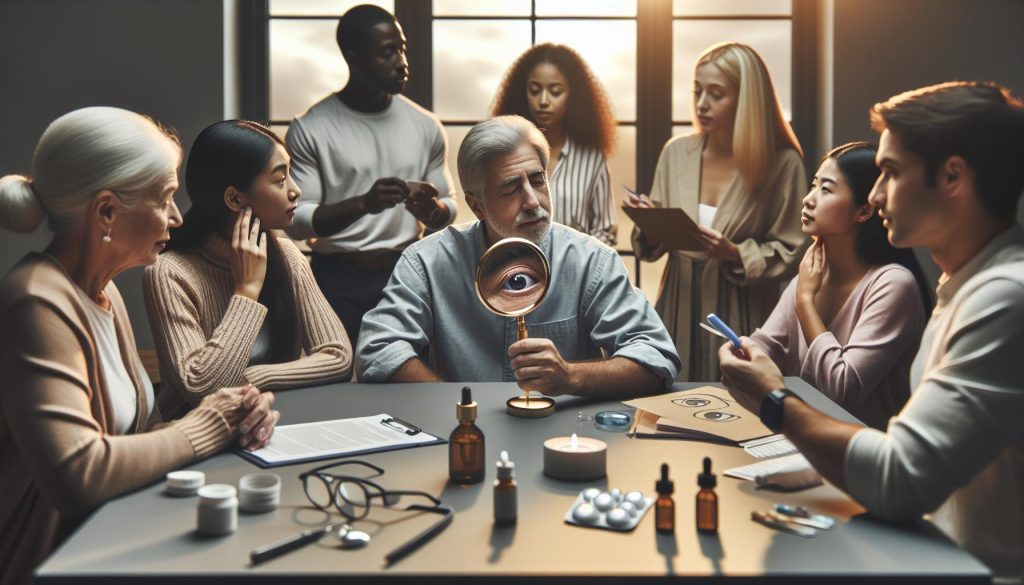
Eye styes, those annoying and often painful lumps that appear on the eyelid, can raise many questions about their nature, especially regarding their contagiousness. One common concern is whether these pesky bumps can spread from person to person. Understanding the facts about styes is essential not just for comfort but also for maintaining good eye health.
If you’ve ever dealt with a stye, you know the frustration it can bring, along with the worry of whether it might affect your loved ones. The good news is that while styes can sometimes mimic contagious conditions, they are generally not spreadable. However, awareness of their causes and proper treatment methods is crucial in preventing future occurrences and fostering healthier eye habits.
Join us as we explore the real facts about eye styes: how they form, their potential to spread, and practical advice to keep your eyes healthy and infection-free. Your well-being is our priority, and with the right knowledge, you can take proactive steps to protect yourself and your eyes.
Do Eye Styes Spread? Understanding Their Nature
Understanding whether eye styes can spread is a common concern for many, as these uncomfortable lumps can cause anxiety about infection and contagiousness. Eye styes, which develop when the glands near the eyelid become clogged or infected, are typically localized and are not contagious. This means that if you have a stye, you cannot directly spread it to someone else through close contact. It’s important to remember that while the bacteria that cause styes can be present on the skin and in the eyes, they don’t automatically result in styes for everyone.
To maintain your eye health and minimize the risk of developing more styes, focus on proper hygiene practices. Here are some practical tips to consider:
- Wash your hands frequently: Clean hands can help prevent the transfer of bacteria to your eyes.
- Use clean towels and pillowcases: Change these regularly to lower bacteria levels.
- Avoid touching your eyes: This can help prevent irritation and infection.
- Dispose of old cosmetics: Outdated makeup can harbor bacteria that may contribute to stye formation.
If you’re already dealing with a stye, practicing these hygiene tips can help prevent further irritation. While styes are not contagious, they can occur more frequently if you have oil glands that tend to clog easily, making vigilance essential. By understanding the nature of styes and incorporating preventive measures into your daily routine, you can manage their occurrence effectively.
What Are Eye Styes and Their Symptoms?
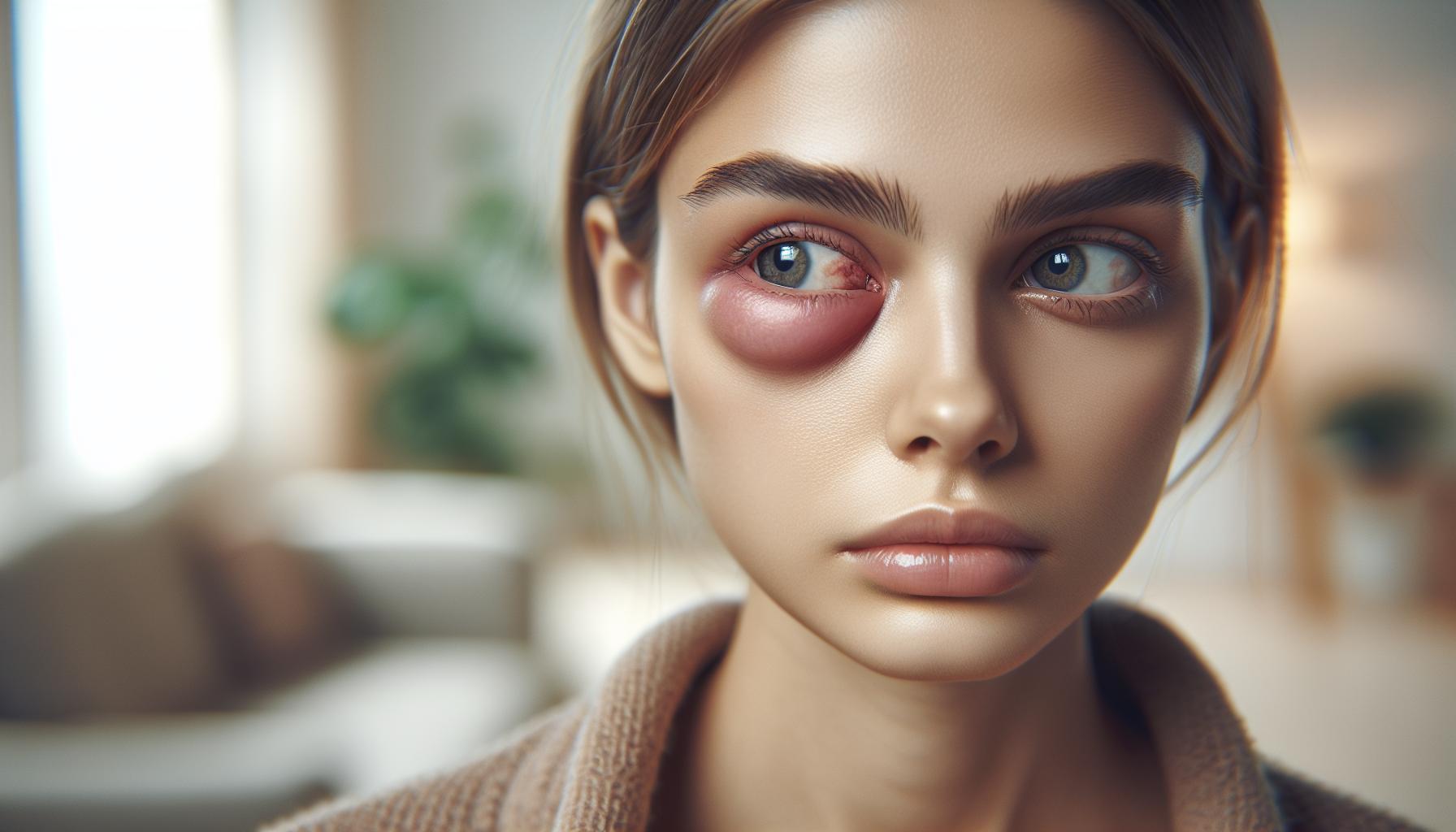
A stye, often seen as a small yet annoying bump on the eyelid, can be both uncomfortable and concerning. Formally known as a hordeolum, this condition arises when one of the oil glands at the base of an eyelash becomes clogged or infected. Styes can develop on either the inner or outer surface of the eyelid, and while they usually resolve on their own, understanding their signs and symptoms is crucial for effective management and care.
Typically, the first noticeable symptom of a stye is a tender, red bump, which may be accompanied by swelling and discomfort. You might also experience itching, a gritty sensation in the eye, or increased sensitivity to light. In some cases, the stye can lead to tearing or a discharge that crusts over the eyelids, particularly after sleep. The lump might eventually develop a yellowish center, resembling a pimple, and may even rupture, allowing pus to drain out. While styes can vary in size and severity, they generally don’t significantly affect vision.
Being aware of these symptoms is essential for anyone experiencing eye discomfort. If you notice a sore spot on your eyelid or feel persistent irritation, it’s beneficial to seek a diagnosis. Early identification enables you to adopt appropriate hygiene practices and treatment methods, potentially alleviating symptoms sooner. For women who are navigating beauty routines, it’s particularly important to avoid applying makeup over affected areas, as this can exacerbate irritation and prolong healing.
The Science Behind Eye Styes: Causes and Risk Factors

A stye forms when an oil gland at the base of an eyelash becomes clogged or infected, commonly caused by bacteria, particularly Staphylococcus aureus. Understanding the science behind styes not only helps in addressing them effectively but also in mitigating the discomfort they bring. Factors that contribute to the development of styes include poor hygiene, stress, hormonal changes, and pre-existing skin conditions. Inadequate eyelid hygiene can lead to the accumulation of oil, dirt, and bacteria, increasing the likelihood of a stye forming.
Certain risk factors can predispose individuals to styes. For instance, people with conditions such as blepharitis, which involves inflammation of the eyelids, or those with skin conditions like rosacea are more vulnerable. Lifestyle choices, such as lack of sleep or stress, can weaken the immune system, making it easier for bacteria to take hold. Additionally, hormonal fluctuations during menstruation or pregnancy can change the oil production in the glands, leading to blockages.
While the primary concern is often the discomfort styes cause, it’s essential to recognize that they can occur in clusters. Poor hygiene practices, such as sharing makeup or using contaminated tools, can potentially spread bacteria, increasing the risk of developing more styes. To reduce the likelihood of getting a stye, maintaining a consistent and thorough eyelid hygiene routine is crucial. Simple steps, like washing your hands before touching your face, avoiding the sharing of ocular products, and regularly cleaning eye makeup brushes, can make a significant difference.
In conclusion, understanding the causes and risk factors of eye styes empowers individuals to take actionable steps toward prevention. Creating a healthy routine not only helps minimize the chances of styes appearing but also enhances overall eye health-a vital aspect of maintaining beauty and comfort.
Is an Eye Stye Contagious? Debunking the Myths
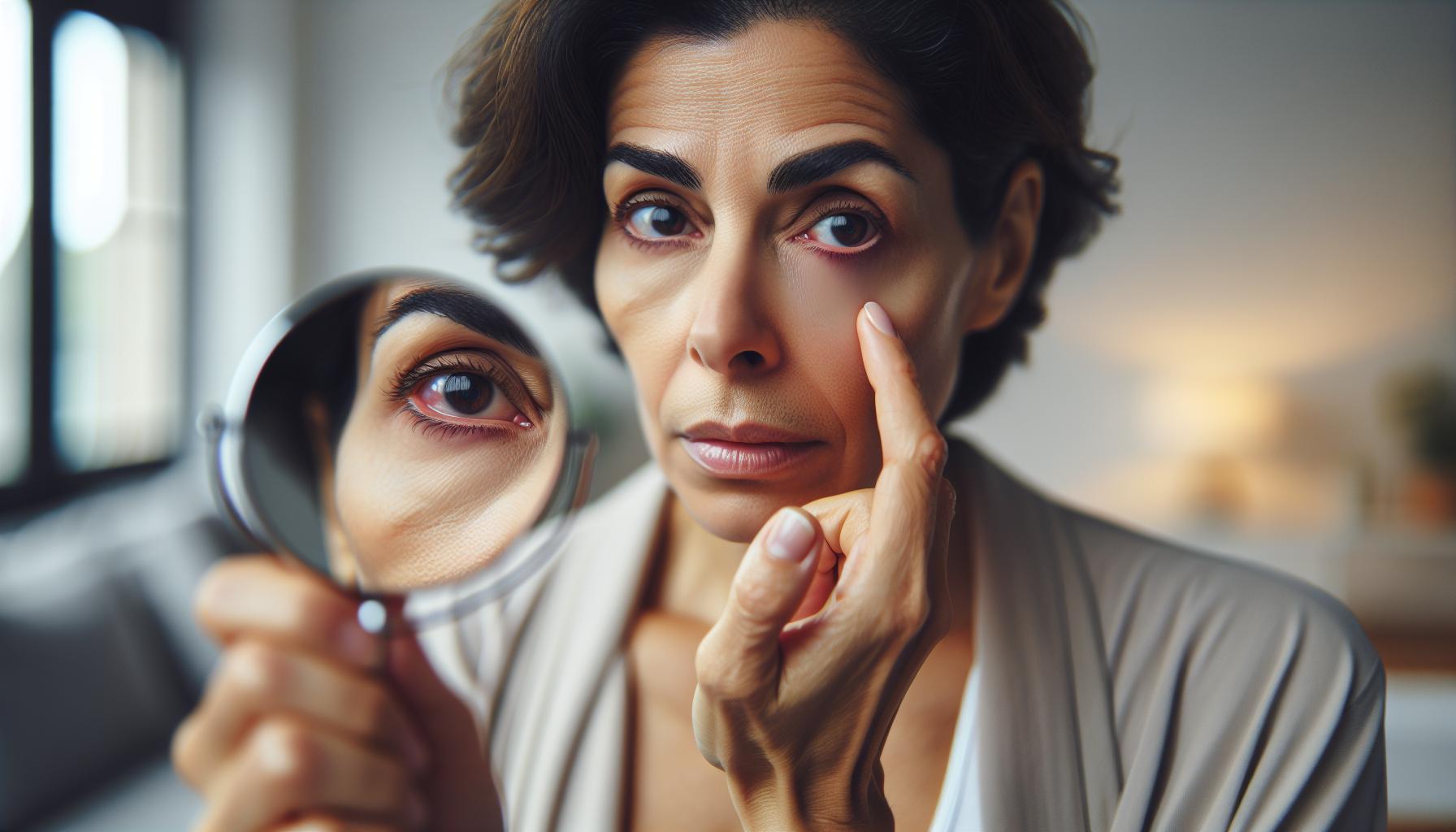
Debunking the myths surrounding eye styes can be crucial for maintaining both health and peace of mind. Many individuals worry that these painful, red bumps might be contagious, leading to unnecessary anxiety and changes in their daily routines. However, the reality is that eye styes are not classified as contagious. They form due to a blockage or infection in an oil gland at the base of an eyelash, typically caused by the bacteria Staphylococcus aureus, which is commonly found on the skin. Since the bacteria that cause styes are normally present on one’s skin, spreading the infection to someone else is highly unlikely.
While it’s true that poor hygiene practices can exacerbate the problem, it’s essential to clarify what that means. A stye does not magically transfer from one person’s eyes to another. Instead, styes may become more prevalent in environments where people share makeup, towels, or eye care products, potentially spreading the bacteria that lead to the condition. Therefore, practicing good hygiene-such as sanitizing brushes, avoiding the sharing of eye products, and washing your hands frequently-can significantly reduce the risk of a stye occurring in the first place.
If you or someone you know experiences a stye, it’s vital to focus on effective treatment and prevention strategies rather than fearing contagion. Keeping the eyelids clean and avoiding touching or rubbing the eyes can aid in quicker recovery and reduce the likelihood of future occurrences. If styes are frequent or particularly bothersome, a consultation with an eye care professional may yield additional insights tailored to individual needs and conditions.
In summary, while the discomfort of an eye stye can be unsettling, understanding that they aren’t contagious can alleviate concerns and empower individuals to take proactive measures in eye care. Prioritizing hygiene, recognizing personal risk factors, and reaching out for professional advice when necessary are all steps that support healthy eyes and overall well-being.
How to Treat Eye Styes at Home Effectively
The appearance of a stye, that painful, swollen bump on your eyelid, can be not only uncomfortable but also concerning. You might wonder how to alleviate the discomfort and expedite healing without resorting to medical intervention. Fortunately, there are several effective home remedies to treat eye styes that can bring you relief. Understanding how to manage a stye at home can alleviate anxiety and empower you to take charge of your eye health.
Start with warm compresses, which are one of the simplest and most effective treatments. Applying a warm, moist cloth to the affected area for about 10 to 15 minutes, several times a day, can help soften the stye, allowing it to drain naturally. Ensure the cloth is clean to prevent introducing any additional bacteria. You may also gently massage the area around the stye with clean fingers after the compress treatment to promote drainage, being cautious not to press too hard or cause further irritation.
In addition to warm compresses, maintaining proper eyelid hygiene is crucial. Use a gentle eyelid scrub or diluted baby shampoo to clean the eyelid area daily. This practice helps remove crusts, oil, and debris that can exacerbate the condition. If you wear eye makeup, consider avoiding it while you have a stye to prevent further irritation or infection.
You can also consider over-the-counter pain relief medications, such as ibuprofen or acetaminophen, to help manage any discomfort associated with the stye. Nevertheless, you should refrain from squeezing or popping the stye, as this can lead to complications and spread the infection.
If symptoms persist or worsen despite home treatment, it’s essential to consult with a healthcare professional. They can provide additional options such as antibiotic ointments or, in rare cases, drainage procedures to relieve more severe styes. Building a solid at-home routine that incorporates these methods will not only help in treating an existing stye but may also aid in preventing future occurrences by promoting overall eye health.
Preventing Eye Styes: Essential Hygiene Tips
Understanding how to prevent eye styes is crucial, not only for keeping your eyes healthy but also for avoiding the discomfort they bring. A stye-a painful, red bump at the edge of your eyelid-often results from blocked oil glands or bacterial infections. Fortunately, a few practical hygiene tips can significantly reduce your risk of developing a stye.
First and foremost, maintaining proper eyelid hygiene is essential. You can start your routine with a gentle eyelid scrub or diluted baby shampoo mixed with warm water. Use a clean cotton pad to lightly cleanse your eyelids and eyelashes. This daily practice helps remove dirt, oil, and debris that can clog the oil glands and contribute to stye formation. It’s also wise to wipe away any makeup residues before bed, as cosmetics can harbor bacteria and increase the likelihood of irritation.
Another important habit is to avoid touching your eyes with unwashed hands. Our hands can carry countless germs and bacteria, so keeping them clean is vital. Make it a rule to wash your hands thoroughly before applying makeup or touching your face. Furthermore, if you wear contact lenses, be diligent with lens hygiene by cleaning and storing them properly to avoid introducing infections.
Lastly, pay attention to your makeup tools. Regularly cleaning your brushes and applicators can help limit bacterial growth. Consider replacing eye makeup every three months, especially mascara, which can accumulate bacteria over time. By implementing these simple yet effective hygiene tips, you can greatly lower your chances of facing the discomfort of an eye stye and maintain overall eye health.
When to See a Doctor for Eye Styes
Experiencing an eye stye can be not only painful but also concerning. While many styes are harmless and can be effectively treated at home, there are certain situations where consulting a doctor becomes essential. Recognizing these circumstances is crucial in ensuring your eye health and avoiding complications.
If a stye persists for more than a week despite home treatment, it may indicate a deeper issue that warrants medical attention. Additionally, seek help if the stye is accompanied by significant swelling of the eyelid or surrounding areas, as this can suggest an infection that requires antibiotics or other medical interventions. If you notice any vision changes or if the pain intensifies, these symptoms should prompt an immediate visit to your healthcare provider.
Other signs that it’s time to consult a doctor include multiple styes appearing simultaneously, or if the stye is affecting your ability to open your eye completely. These conditions can lead to further irritation or complications. Always remember, when in doubt regarding your health, reaching out to a professional can provide peace of mind and the appropriate course of action.
As with many health issues, early intervention can make a significant difference in your recovery, providing a quick return to your daily routines without the discomfort of lingering styes.
Complications of Untreated Eye Styes: What You Need to Know
Leaving an eye stye untreated can lead to a range of complications that can affect not only your comfort but also your vision and overall eye health. While many styes resolve on their own, ignoring symptoms or delaying treatment can result in more serious issues. One of the primary risks associated with untreated styes is the development of a more severe infection. A stye, or hordeolum, occurs when a gland in the eyelid becomes blocked or infected, and this can spread to surrounding tissues if not addressed. This may lead to cellulitis, an infection of the skin around the eye, which can cause significant swelling and pain.
Moreover, if an eye stye persists or worsens, it might evolve into a chalazion, which is a larger, blocked oil gland that may require medical intervention, such as drainage. A chalazion can be more uncomfortable and may not resolve without treatment, often leading to prolonged discomfort and cosmetic concerns. In some cases, untreated styes can also interfere with vision. If the stye grows large enough, it may place pressure on the eye, obscure vision, or cause distortion.
Another critical factor to consider is that repeatedly ignoring the symptoms of eye styes can contribute to chronic eyelid issues. For example, frequent styes may indicate underlying conditions such as blepharitis or meibomian gland dysfunction. These conditions require a consistent care routine and may lead to further complications if left untreated.
In summary, while an occasional stye may not present severe threats, understanding the potential complications of leaving them untreated serves as a reminder to prioritize your eye health. Keeping an eye on your symptoms and seeking timely treatment will not only alleviate discomfort but also protect your eyes from more significant issues down the line. Take a proactive approach to your eye care, and don’t hesitate to consult a healthcare professional if you notice persistent or worsening symptoms.
Alternative Remedies for Soothing Eye Styes
Warm compresses are one of the most effective home remedies for soothing eye styes. Applying a warm, damp cloth to the affected eyelid for about 10 to 15 minutes, several times a day, can help alleviate pain and reduce swelling. The heat increases blood flow to the area, encouraging the stye to drain naturally. Ensure that the cloth is clean and not too hot to prevent burns.
Another alternative remedy is to salt-water rinses, which can act as a gentle antiseptic. Mix a teaspoon of salt in a cup of warm distilled water, soak a clean cotton ball in it, and gently apply to the eye for a few minutes. This can help reduce inflammation and cleanse the area.
Cold compresses can also be beneficial for reducing swelling and discomfort. Use a clean cloth soaked in cold water, placing it on the stye for short intervals. This method can help manage any throbbing pain associated with the stye.
For those interested in herbal solutions, chamomile tea bags may provide added relief. After brewing, cool the tea bags in the refrigerator and then apply them to the eye. Chamomile is known for its anti-inflammatory properties and can encourage healing.
Finally, it’s essential to maintain proper eye hygiene while dealing with a stye. Avoid touching or rubbing your eyes, and do not attempt to pop or squeeze the stye, as this can lead to further infection. Regularly washing your face and eyes can help prevent the occurrence of future styes.
Always remember, while these home remedies can provide comfort, they aren’t substitutes for professional medical advice. If symptoms persist or worsen, don’t hesitate to consult with an eye care professional.
Understanding the Connection Between Eye Styes and Allergies
Allergies can often be a hidden trigger for eye styes, as they contribute to a host of symptoms that can lead to the formation of these uncomfortable lumps on the eyelid. When your body reacts to allergens-such as pollen, pet dander, or dust mites-it responds with inflammation, causing itchiness and irritation in the eyes. This heightened sensitivity may lead to increased rubbing or touching of the eyes, which can inadvertently introduce bacteria or irritants, raising the risk of developing a stye.
Additionally, allergic conjunctivitis, a common condition whereby the eye becomes inflamed due to allergens, can result in the swelling of the eyelids and the clogging of the glands around the eyes. When these glands are blocked, they can become infected, leading to the painful and unsightly bumps known as styes. Common symptoms of eye allergies may include redness, tearing, and a sticky or mucoid discharge, which can compound the issue and make the eyes more susceptible to infections.
To mitigate the risk of styes related to allergies, it’s crucial to implement some proactive measures. Here are some effective strategies you can adopt:
- Maintain proper hygiene: Regularly washing your face and hands can help reduce the likelihood of introducing allergens and bacteria to your eyes.
- Manage allergens: Identifying and minimizing exposure to common allergens can significantly reduce the frequency of allergic reactions. This might include using air purifiers, washing bedding frequently, and keeping windows closed during high pollen seasons.
- Use antihistamines: Over-the-counter antihistamines can be effective in controlling allergy symptoms, thus potentially limiting irritation and reducing the need for eye rubbing.
By understanding the connection between your allergies and the formation of eye styes, you empower yourself to take control of your eye health. Embracing good hygiene practices, effectively managing allergens, and being proactive in treating your allergy symptoms can all contribute to healthier eyes and a lower risk of encountering styes.
Eye Care Routine: Keeping Your Eyes Healthy
To maintain healthy eyes and reduce the risk of developing conditions such as eye styes, it’s essential to adopt a comprehensive eye care routine. Your eyes are not only vital for vision but are also sensitive organs easily affected by external factors. A well-structured eye care regimen can help you keep your eyes healthy while promoting overall well-being.
One of the foundational elements of eye care is proper hygiene. Regularly cleansing your eyelids and the surrounding areas can significantly reduce the risk of irritation and infection. Use a gentle, fragrance-free cleanser specifically designed for the delicate skin around the eyes. Additionally, remember to wash your hands frequently, especially before touching your face or applying makeup. This simple practice can limit the introduction of bacteria that can lead to conditions like styes.
Another critical aspect is moisturizing. Using eye drops or lubricating solutions can help alleviate dryness and irritation, particularly in environments where air conditioning or exposure to screens is prevalent. Look for preservative-free options if you need to use eye drops regularly, as these tend to be gentler on the eyes. Furthermore, consider investing in blue light-blocking glasses if you spend long hours in front of screens, as this can help reduce eye strain and improve comfort.
Proper nutrition also plays a significant role in maintaining eye health. A diet rich in antioxidants, vitamins, and omega-3 fatty acids can support optimal eye function. Incorporate foods like leafy greens, carrots, fatty fish, and nuts into your meals. Staying adequately hydrated is equally important; drinking plenty of water throughout the day can prevent dryness and support overall eye health.
Finally, protecting your eyes from harmful UV rays is paramount. Always wear sunglasses that provide 100% UV protection when outside, even on cloudy days. This not only helps reduce the risk of cataracts but can also help maintain the health of your eyelids and surrounding skin.
By embracing these practices, you empower yourself to keep your eyes healthy and vibrant, minimizing the chances of encountering issues such as styes. Prioritize your eye care routine, and you’ll enhance your visual comfort while safeguarding against potential irritations and infections.
Myths vs. Facts: Eye Stye Edition
While eye styes can be bothersome and visually unappealing, they often come with a set of misconceptions that can exacerbate anxiety around this common eye condition. One of the most prevalent myths is that eye styes are contagious. Fortunately, this is not true. Styes result from blocked glands and the growth of bacteria that naturally reside on our skin, and they do not spread from person to person like a viral or bacterial infection would. Understanding this fact can alleviate unnecessary stress for those with a stye or those who may be in close contact with someone experiencing one.
Another common myth is that eye styes can be treated quickly with home remedies like applying heat or even trying to pop them. While applying a warm compress can indeed help alleviate discomfort and encourage healing by increasing circulation, attempting to squeeze or pop a stye can lead to further irritation or infection. Therefore, it’s essential to be gentle with any treatment and allow time for the stye to resolve naturally.
It’s also important to clarify that the appearance of a stye does not mean there is an underlying health issue, such as poor hygiene or systemic health problems. While good hygiene can help prevent styes, they can occur in anyone for various reasons, such as stress, hormonal changes, or even certain skincare products. It’s part of life’s many nuances. Instead of succumbing to fears about the causes, focus on maintaining a balanced routine and taking good care of your eyes.
Lastly, there’s a misconception that styes are only a concern for adults. In reality, styes can affect individuals of all ages, including children. Educating family members about the non-contagious nature and the basic care involved with styes can help in reducing anxiety and ensuring that proper practices are observed when caring for eye health across different age groups. With knowledge comes empowerment, and dispelling these myths can help foster a healthier attitude toward eye care and wellness overall.
Frequently asked questions
Q: Can I get a stye from someone else?
A: Eye styes are generally not contagious; they result from blocked oil glands or bacteria present on the skin. Maintaining good hygiene, such as washing hands regularly and avoiding sharing personal items, can help prevent the development of styes. For more details, refer to the section on “Is an Eye Stye Contagious? Debunking the Myths.”
Q: What causes recurring eye styes?
A: Recurring eye styes may indicate underlying issues, such as chronic eye infections or poor eyelid hygiene. It’s essential to improve your eye care routine and consult a healthcare provider if styes persist. More preventive tips can be found in the section on “Preventing Eye Styes: Essential Hygiene Tips.”
Q: What should I do if a stye doesn’t go away?
A: If a stye does not resolve within a few days or worsens, seek medical advice. Persistent styes may require professional treatment, such as drainage or antibiotic therapy. For guidance on when to see a doctor, check the relevant article section.
Q: Are styes related to stress?
A: While stress alone does not cause styes, it can weaken your immune system, making you more susceptible to infections. Managing stress through relaxation techniques might help in reducing stye occurrences. Further insights are available in the section discussing “The Science Behind Eye Styes: Causes and Risk Factors.”
Q: Is there a specific diet to prevent eye styes?
A: There isn’t a defined diet to prevent styes, but maintaining a balanced diet rich in vitamins and minerals can support overall eye health. Staying hydrated and managing oil intake might also help. Delve deeper into eye care routines in “Eye Care Routine: Keeping Your Eyes Healthy.”
Q: Can allergies contribute to stye formation?
A: Yes, allergies can lead to inflammation around the eyes and clogged glands, increasing the likelihood of stye formation. Identifying and managing allergies is crucial. Learn more in the section “Understanding the Connection Between Eye Styes and Allergies.”
Q: Do eye styes appear suddenly?
A: Styes can develop suddenly and may appear as a red, swollen bump on the eyelid. They often arise within a few days due to blocked glands. Check the symptoms detailed in “What Are Eye Styes and Their Symptoms?” for further clarification.
Q: Can touching a stye spread it to other parts of my eye?
A: While touching a stye does not directly spread it like a contagious infection, it can transfer bacteria and potentially cause other eye issues. To minimize risks, avoid touching your eyes and practice good hygiene. For more details, see “How to Treat Eye Styes at Home Effectively.”
Wrapping Up
Now that you know the real facts about whether eye styes can spread, you’re better equipped to handle any concerns that may arise. Remember, while these common eye conditions may be uncomfortable, they’re typically not contagious. If you’re experiencing symptoms, consider consulting our in-depth guides on eye care tips or preventive measures for eye health to keep your eyes in top shape.
Don’t hesitate to explore our related articles for more insights on maintaining your eye health or addressing skincare routines that complement your overall well-being. Every step you take towards understanding your health is a step towards empowerment. If you found this information helpful, join our community by signing up for our newsletter to receive the latest news and tips directly in your inbox. Share your thoughts below or with friends who might also benefit from this guide-your small action can lead to significant awareness!


