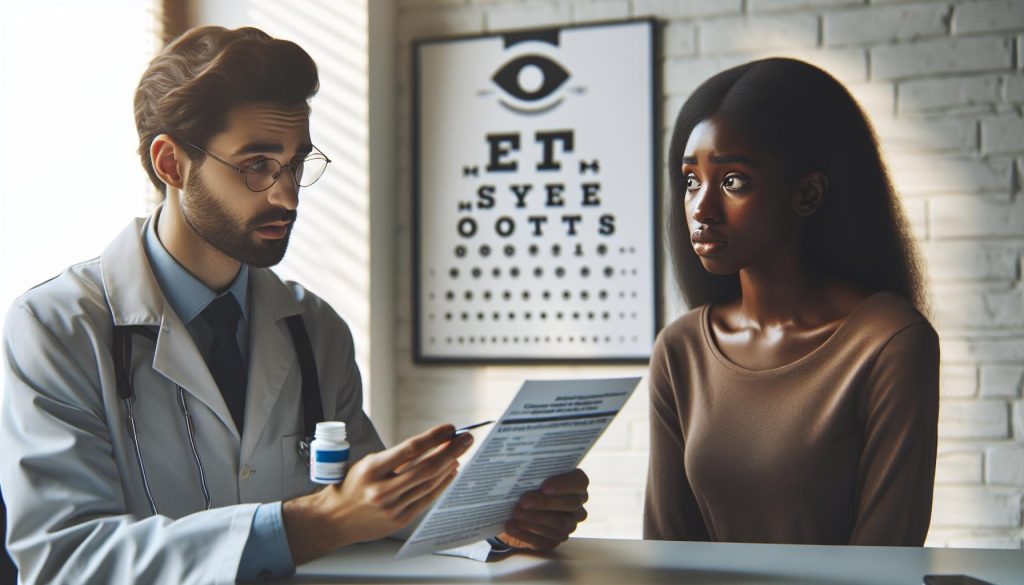
In recent years, the world has faced profound health challenges, and COVID-19 has been at the forefront of those concerns. Beyond respiratory symptoms, emerging research suggests that the virus could be linked to a surprising condition: eye styes. These small, painful bumps can be frustrating, especially when they disrupt your daily life and beauty routine. Understanding the connection between COVID-19 and eye styes is crucial for anyone looking to safeguard their eye health and overall well-being.
As we continue to navigate the implications of the pandemic, many women may be experiencing unexpected health issues that connect to the virus, including these bothersome eye irritations. By exploring this unexpected link, we can empower ourselves with knowledge and practical strategies to prevent and treat eye styes, ensuring that our eyes remain healthy and vibrant. Dive in to discover how to proactively care for your eye health during these uncertain times.
Does COVID-19 Affect Eye Health? Understanding the Link
COVID-19 has transformed our understanding of not just respiratory health but also eye health, raising intriguing questions about how this virus affects various bodily systems. Research suggests that the SARS-CoV-2 virus, responsible for COVID-19, can impact eye health due to various factors, including increased stress levels, changes in hygiene habits, and direct viral exposure. For many, the pandemic’s stress can lead to habits such as rubbing the eyes more often, which can increase the risk of developing conditions like eye styes.
Eye styes, small, painful lumps on the eyelid caused by bacterial infections, can occur when oil glands become blocked or infected, leading to inflammation. During the pandemic, individuals may experience heightened anxiety and stress, potentially compromising the immune system and making them more susceptible to infections, including those that cause styes. Furthermore, the increased use of masks and frequent hand sanitizer can alter our hand-eye interactions-if hands are not adequately cleaned before touching the face, the risk of transferring bacteria grows.
To mitigate these risks, maintaining rigorous hygiene practices is essential. Washing your hands regularly, avoiding touching your face, and ensuring that any cosmetic products used near the eyes are clean and stored properly can help lower the chances of stye development. Adding practices such as warm compresses can soothe existing styes while keeping a close eye on any persistent eye symptoms to facilitate early intervention if needed. As we navigate the complexities of post-COVID life, prioritizing eye health through simple, yet effective, preventive measures is more important than ever.
What Are Eye Styes? Causes and Symptoms Explained
A common yet uncomfortable occurrence, eye styes are small, red lumps that form on the eyelids when oil glands become blocked or infected. Typically the result of a bacterial infection, styes can lead to swelling, tenderness, and even discomfort in the affected area. While anyone can develop a stye, certain factors, such as poor hygiene, stress, and current health conditions-like those seen in the aftermath of COVID-19-can contribute to their frequency and severity.
Several underlying causes can lead to the formation of styes. Blocking of the meibomian glands, which help produce the oily layer of tears, is one major factor. When these glands become clogged with excess oil, skin cells, or bacteria, inflammation results, forming a stye. Other common triggers include insufficient hand hygiene, the use of expired makeup products, or touching the eyes with dirty hands-something that can happen more frequently during times of heightened stress or anxiety, such as during a pandemic.
The symptoms of a stye are generally straightforward and typically include:
- Red, swollen lump: This is usually found along the edge of the eyelid.
- Pain or tenderness: A stye can feel sore, especially when blinking.
- Itching or irritation: The area may feel uncomfortable, prompting the urge to rub the eyes.
- Crustiness: Discharge that forms around the eye, particularly after sleeping.
While styes often resolve on their own within a few days, understanding their causes can empower proactive measures to prevent their development, especially during challenging times. Maintaining proper hygiene, managing stress, and being conscious of touching the face can significantly reduce the likelihood of styes forming, making it essential to prioritize these practices in both daily health routines and overall well-being.
Unveiling the Connection: COVID-19 and Eye Styes
In recent studies, an intriguing link between COVID-19 and the development of eye styes has emerged, prompting a deeper investigation into how a global pandemic can affect our eye health. As we navigate the waves of anxiety, change, and health precautions brought on by COVID-19, it’s essential to recognize that our holistic well-being extends beyond just physical and mental health-it includes our eye care, too. The stress and altered routines that accompanied the pandemic have not only heightened anxiety but also created an environment conducive to the increase in stye occurrences.
The mechanisms behind this connection are quite revealing. Stress, a prevalent reaction to the uncertainties surrounding COVID-19, can weaken the immune system and affect bodily functions, making one more susceptible to infections, including those that lead to styes. Furthermore, disruptions in personal hygiene practices-like frequent touching of the face and inadequate handwashing due to mask mandates-can also introduce bacteria to the delicate skin around the eyes. This perfect storm of stress, poor hygiene, and increased touching can lead to clogged oil glands, resulting in the painful red lumps we recognize as styes.
Even the increased use of electronic devices during lockdowns, coupled with dry eyes from prolonged screen time, can exacerbate conditions that favor stye formation. As we hunched over screens, we may have inadvertently neglected proper eye care, paving the way for infections. To counter these effects, practicing good hygiene-like washing hands before touching the face, using clean makeup products, and incorporating soothing eye exercises into your routine-can make a significant difference.
Prioritizing eye health during these challenging times means being mindful of not only what we do but also how we feel. Integrating stress-reducing practices such as mindfulness or gentle eye yoga can improve overall health, potentially decreasing the frequency of stye appearances. Your eyes deserve just as much attention and care as any other aspect of your health, especially during such unprecedented times. By understanding the connection between COVID-19 and eye styes, you empower yourself to take proactive steps in maintaining your eye health.
How COVID-19 Might Trigger Eye Styes: The Mechanism
The unexpected rise in eye styes during the COVID-19 pandemic can be attributed to a combination of behavioral changes and physiological responses linked to stress and hygiene disruptions. Research suggests that the heightened anxiety, uncertainty, and changes in our daily routines have a direct impact on the immune system, making us more susceptible to infections, including those that cause styes. Stress leads to the release of cortisol, hormone levels spike, and this can weaken your body’s ability to fend off bacterial infections. With styes being primarily bacterial, this makes one vulnerable.
A significant factor in the increase of styes is the change in personal hygiene practices during the pandemic. With frequent mask usage came the tendency to touch one’s face more often, which can unintentionally transfer bacteria from the hands to the delicate skin around the eyes. This increased contact can clog the oil glands located at the base of the eyelashes, leading to inflammation and the formation of styes. Previously, people had more structured routines that naturally involved less touching of the face, but many found themselves adopting habits that could exacerbate eye issues.
Moreover, the pandemic saw a surge in the use of electronic devices as remote work and online entertainment became the norm. Extended screen time often leads to dry eyes and fatigue, which can further prompt individuals to rub their eyes – a common risk factor for styes. By neglecting regular eye care routines, such as taking breaks and practicing the 20-20-20 rule (look at something 20 feet away for 20 seconds every 20 minutes), individuals inadvertently increase their risk for eye-related problems.
Understanding these mechanisms also highlights the importance of proactive eye care during stressful times. By establishing good hygiene practices, such as regularly washing hands before touching the face, and creating a mindful approach to screen time, individuals can significantly reduce their risk of developing eye styes. Remember, caring for your eyes is just as crucial as caring for your physical health, especially during chaotic times like a pandemic.
Preventing Eye Styes During COVID-19: Essential Tips
Maintaining eye health during the COVID-19 pandemic has never been more crucial, especially with the recent spike in eye styes among many. These painful and often frustrating bumps can occur more frequently when we neglect simple hygienic practices. However, armed with a few effective strategies, individuals can significantly reduce their risk of developing styes and keep their eyes healthy.
To start, good hygiene practices are key. Make it a habit to wash your hands thoroughly and frequently, especially before touching your face or eyes. Use soap and water for at least 20 seconds, and consider carrying hand sanitizer with you when soap isn’t available. In addition to hand hygiene, avoid rubbing your eyes, as this can transfer bacteria from your fingers. Instead, use a clean tissue or cloth to make any necessary adjustments. Incorporating a daily facial cleansing routine can also help remove oils and bacteria that may accumulate around the eyes, reducing the likelihood of blocked glands and styes.
Furthermore, managing screen time effectively is essential in this digital age. Remember to follow the 20-20-20 rule: every 20 minutes, look at something 20 feet away for at least 20 seconds. This practice not only prevents eye strain but also minimizes the temptation to rub your eyes, which can lead to further issues. If you work on a computer for extended periods, consider using blue light-blocking glasses to alleviate fatigue and dry eye symptoms.
Another vital tip involves ensuring proper eye lubrication, especially if you are experiencing dryness due to prolonged screen use. Using preservative-free artificial tears can help keep your eyes moist and comfortable, reducing the urge to touch or rub them. Adding a humidifier to your workspace can also assist in maintaining optimal moisture levels in the air, which is beneficial for overall eye health.
Incorporating these simple yet effective practices into your daily routine can make a remarkable difference in preventing eye styes during this challenging time. By prioritizing hygiene, managing screen time, and ensuring your eyes stay lubricated, you can protect not only your eye health but also enhance your overall well-being in the face of ongoing stresses. Taking these small steps shows a commitment to self-care, empowering you to maintain both beauty and health in your daily life.
Effective Home Remedies for Eye Styes
Experiencing an eye stye can be both uncomfortable and frustrating, especially during times when our health is already compromised, as seen during the COVID-19 pandemic. Thankfully, there are several effective home remedies that can help alleviate the discomfort and promote healing.
One of the simplest yet most effective methods is applying a warm compress. To do this, soak a clean cloth in warm water and wring it out so it’s damp but not dripping. Hold the compress against the affected eye for about 10-15 minutes. This gentle heat can help reduce inflammation and promote drainage from the stye. Repeat this process several times a day to help soothe discomfort and speed healing.
Another option is to use aloe vera gel, known for its natural anti-inflammatory properties. Apply a small amount of pure aloe vera gel directly to the stye using a clean cotton swab. Allow it to sit for about 30 minutes before rinsing with cool water. The natural compounds in aloe vera can help reduce redness and inflammation, providing relief.
If you’re looking to add some natural antibacterial properties, consider tea bags. Black tea, in particular, contains tannins that can assist in reducing swelling and promoting healing. After brewing a tea bag, let it cool to a comfortable temperature and place it over your closed eyelid for around 10-15 minutes. This method not only promotes drainage but also provides a calming effect.
Lastly, maintaining hygiene is crucial in preventing further irritation or the development of additional styes. Always wash your hands before touching your face, especially your eyes. Keeping your eye area clean by using mild cleansers and avoiding eye makeup while healing can significantly reduce discomfort and prevent more styes from forming.
Utilizing these home remedies can empower you to take control of your eye health and manage the symptoms of a stye effectively. If symptoms persist or worsen, don’t hesitate to consult a healthcare professional for further guidance.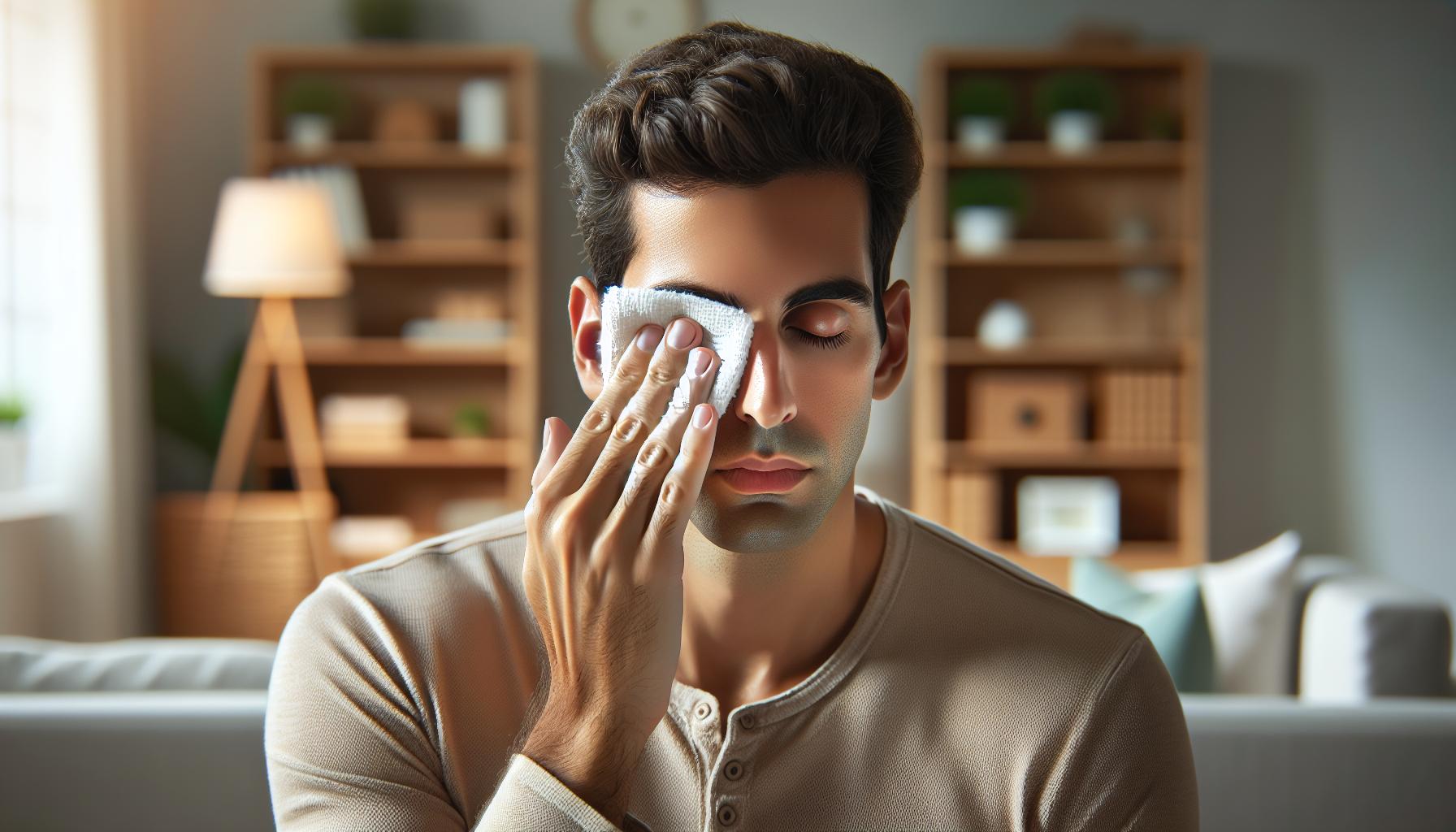
When to Seek Medical Attention for an Eye Stye
It’s essential to recognize that while many styes can be effectively managed at home, there are specific situations where professional medical attention becomes necessary. If you notice that a stye is not improving despite following home treatments, or if it continues to grow larger, it may indicate a more serious infection or an underlying issue that could require intervention from an eye care professional.
In particular, look out for symptoms such as:
- Persistent Pain: If the pain surrounding the stye intensifies or does not diminish after several days of applying warm compresses, it’s time to seek medical advice.
- Vision Changes: Should you experience any blurriness, double vision, or other alterations in your eyesight, this could point to complications that necessitate immediate attention.
- Increased Swelling or Redness: When swelling or redness spreads to surrounding areas, or if the eyelid becomes increasingly tender, these are red flags that should not be ignored.
- Fever or Other Systemic Symptoms: The presence of fever or general malaise could indicate that the infection is more extensive than initially believed. These systemic symptoms warrant prompt evaluation.
In many cases, an eye doctor can provide treatments such as antibiotics or drainage procedures to help resolve the stye more effectively than home remedies alone. They can also evaluate if there are any underlying conditions, such as blepharitis or seborrheic dermatitis, that might be contributing to stye formation. Remember, proactive care can prevent more serious complications and ensure that your eye health remains a priority, particularly during challenging times like the ongoing COVID-19 pandemic. Prioritize your well-being and consult a healthcare professional if you have any concerns regarding your eye health.
Post-COVID Eye Care: Protecting Your Eye Health
The pandemic has not only altered our daily lives but has also put a spotlight on the importance of eye health, particularly with the emerging connection between COVID-19 and various eye conditions, including styes. As many individuals navigate their post-COVID life, understanding how to protect and prioritize eye health is essential.
Incorporating a comprehensive eye care routine can effectively safeguard your vision and maintain the health of your eyes. Start by practicing good hygiene, especially when touching your face or eyes. Make it a habit to wash your hands regularly and avoid rubbing your eyes, as this can introduce bacteria that may lead to infections like styes.
Moreover, pay attention to the impact of screen time, which has increased dramatically during the pandemic due to remote work and online learning. To alleviate strain from screens, follow the 20-20-20 rule: every 20 minutes, take a 20-second break and look at something 20 feet away. This simple practice can help reduce eye fatigue and discomfort.
Another vital aspect of post-COVID eye care is nutrition. Incorporate foods rich in antioxidants, such as leafy greens, carrots, and fatty fish into your diet. These nutrients support eye health and can bolster your immune system. Staying hydrated is also crucial, as it helps maintain moisture in the eyes, reducing the risk of dryness and irritation.
Lastly, consider regular eye examinations, which can identify potential issues early on. Eye care professionals can provide personalized advice and treatment options tailored to your specific needs, ensuring that your eye health remains a priority in these uncertain times. Being proactive about your eye care can pave the way for a healthier and clearer vision as you move forward in a post-COVID world.
The Role of Stress in Eye Stye Development During COVID-19
Experiencing increased stress during the COVID-19 pandemic is a reality for many, and this stress can have surprising effects on your eye health, particularly in the development of eye styes. These painful, red bumps are not merely a cosmetic concern; they can arise due to various factors, including the body’s response to stress. Stress not only triggers physical reactions but can also weaken our immune system, making us more susceptible to infections that lead to conditions such as styes.
Stress can lead to poor hygiene practices, including an increased tendency to touch your face or rub your eyes. This is particularly alarming considering that styes are often caused by blocked glands around the eyelashes or infected hair follicles. When we are stressed, we may overlook essential hygiene measures or forget to wash our hands frequently, which can result in bacteria entering the eye area. Additionally, heightened stress levels can exacerbate skin conditions, including those affecting the eyelids, making it easier for infections to take hold.
To combat stress and its effects on eye health, it’s crucial to adopt supportive practices. Here are some strategies you can incorporate into your routine:
- Practice Mindfulness: Engaging in mindfulness exercises such as meditation or deep breathing can help alleviate stress and improve overall well-being.
- Stay Active: Regular physical activity is an excellent way to reduce stress. Consider incorporating walks or yoga into your daily routine.
- Maintain Good Eye Hygiene: Wash your hands frequently and avoid touching your face or eyes. Keeping your eye area clean can reduce the risk of infection.
- Limit Screen Time: With more time spent on screens, make a conscious effort to take breaks using the 20-20-20 rule-every 20 minutes, look at something 20 feet away for 20 seconds to reduce eye strain.
- Stay Hydrated: Drinking plenty of water supports not only your stress levels but also helps to keep your skin and eyes hydrated.
Implementing these practices can significantly help in protecting your eye health while managing stress. By taking proactive steps, you empower yourself to minimize the risk of styes and maintain clarity in both vision and life.
Building a Resilient Immune System for Eye Health
A robust immune system is a cornerstone of overall health, and this includes the health of your eyes. Understanding how to support your immune system is particularly important, given the increased stress and hygiene challenges posed by the COVID-19 pandemic. Strengthening your immune defenses can help reduce your susceptibility to infections, including those that could lead to eye styes.
To promote an immune system that supports eye health, focus on a well-rounded diet rich in vitamins and minerals. Nutrients like vitamin C, found in citrus fruits and leafy greens, play a crucial role in immune function. Similarly, zinc, present in nuts and seeds, is essential for maintaining healthy bodily responses. Incorporate a variety of colorful fruits and vegetables into your meals, as these are packed with antioxidants that can combat oxidative stress and inflammation.
Key Lifestyle Changes
Making certain lifestyle adjustments can significantly bolster your immune system. Here are impactful habits to consider:
- Regular Exercise: Engage in physical activities that elevate your heart rate, such as brisk walking or cycling. Aim for at least 150 minutes of moderate exercise each week.
- Quality Sleep: Prioritize sleep by creating a calming bedtime routine and aiming for 7-9 hours of sleep per night, as quality rest is vital for immune health.
- Stay Hydrated: Drink plenty of water throughout the day to support cellular processes and flush out toxins, helping your body function optimally.
- Manage Stress: Incorporate stress-reduction techniques like yoga or deep breathing exercises to lower cortisol levels that can negatively impact your immune response.
Additionally, consider integrating herbal supplements known for their immune-boosting properties. Echinacea and elderberry are popular choices that may enhance your body’s defenses against infections.
Incorporating these habits not only fortifies your immune system but also establishes a foundation for better eye health. By taking proactive steps, you empower yourself to ward off potential infections like styes and promote clarity in both vision and well-being. Remember, your immune health is a reflection of your overall lifestyle, so take small, consistent steps toward nourishing your body and nurturing your eyes.
Expert Insights: Eye Health Tips from Ophthalmologists
Maintaining eye health has never been more critical, especially during and after the COVID-19 pandemic, as stress and hygiene concerns can lead to increased instances of eye conditions like styes. Ophthalmologists stress the importance of integrating simple yet effective practices into your daily routine to protect your eyes and minimize any risk associated with infections like eye styes.
One foundational tip from experts is to always practice good hygiene. This means washing your hands frequently, especially before touching your face or eyes. Avoid sharing personal items like towels and make-up, which can harbor bacteria. Regularly cleaning your eyeglasses and screens can also reduce the transfer of germs to your eyes. Additionally, be mindful of your eye makeup-using products that are hypoallergenic and frequently replacing them can prevent irritations and infections.
Nutrition and Hydration
Nutrition plays a pivotal role in supporting not just overall health but specific eye health as well. Ophthalmologists recommend a diet rich in antioxidants, vitamins, and omega-3 fatty acids to combat inflammation and enhance immune response. Foods such as leafy greens, nuts, fatty fish, and berries should be staples in your diet. Adequate hydration is equally essential; not only does it support general health, but it also helps keep your eyes moist, thus reducing the risk of irritation. Aim to drink at least eight glasses of water daily to maintain optimal eye function.
Stress Management
Given the heightened stress levels many faced during the pandemic, implementing stress management techniques can also have a profound impact on eye health. Stress can contribute to various health issues, including inflammatory conditions that may increase the likelihood of developing styes. Activities like yoga, meditation, or even simple breathing exercises can help in reducing anxiety and promoting overall well-being.
Lastly, keep in mind the importance of regular eye check-ups. Early detection and management of any potential issues can significantly improve outcomes. Discussing any concerns with your eye care provider can help tailor a preventive strategy that best fits your lifestyle and health status. By incorporating these tips, you not only protect your vision but empower yourself to take control of your eye health amidst the ongoing challenges posed by COVID-19.
Styes vs. Other Eye Conditions: How to Differentiate
Understanding the differences between styes and other eye conditions is crucial for effective treatment and prevention. Styes, also known as hordeola, present as tender, red bumps on the inner or outer eyelid, often resembling a pimple or cyst. However, their distinct characteristics can help you differentiate them from other common eye issues like chalazia, conjunctivitis, and blepharitis.
Identifying Styes
Styes usually occur due to bacterial infection of the oil glands in the eyelid, leading to localized swelling and discomfort. Key symptoms include:
- Redness and tenderness: Styes are typically painful and can cause significant discomfort.
- Swelling: A noticeable lump forms, which may ooze if ruptured.
- Watery eyes: Associated symptoms may include tearing or an itchy sensation.
In contrast, chalazia are larger, painless lumps resulting from blocked oil glands and may take longer to resolve, often appearing less inflamed compared to styes.
Conjunctivitis and Blepharitis
Conjunctivitis, or pink eye, is characterized by redness, itching, and discharge, affecting the whites of the eyes and eyelids. Unlike styes, conjunctivitis typically presents with greater overall eye redness and a gritty sensation rather than localized swelling.
Blepharitis is an inflammation of the eyelid margins that results in flaky skin, redness, and sometimes crusting. If this condition is present, it can often coexist with styes as it contributes to gland blockage, leading to potential infections.
Quick Reference Comparison
To further clarify the differences, here’s a quick comparison of these conditions:
| Condition | Symptoms | Location |
|---|---|---|
| Styes | Painful red bump, swelling | On or near the eyelid |
| Chalazia | Painless lump, gradual development | On the eyelid |
| Conjunctivitis | Redness, itching, discharge | Affects whites of the eyes and eyelids |
| Blepharitis | Flaky skin, reddened eyelid margins | Eyelid edges |
By recognizing these distinctions, you empower yourself to seek the correct treatment promptly. If you experience symptoms that persist or worsen, consulting with an eye care professional can provide the guidance needed to ensure proper eye health. Remember, maintaining good hygiene practices, especially during the ongoing concerns surrounding COVID-19, is essential in preventing these conditions.
Q&A
Q: Can COVID-19 lead to increased incidence of eye styes?
A: Yes, COVID-19 can lead to increased instances of eye styes, primarily due to changes in hygiene practices and stress levels during the pandemic. Stress can weaken the immune system, making individuals more susceptible to infections and inflammatory conditions affecting the eye.
Q: What are the symptoms of eye styes related to COVID-19?
A: Symptoms of eye styes include redness, swelling, pain, and tenderness at the eyelid margin, accompanied by possible discharge. These symptoms can be exacerbated by underlying stress or compromised immune response during COVID-19.
Q: How can stress from COVID-19 contribute to eye stye development?
A: Stress can trigger hormonal changes and weaken the immune system, increasing inflammation and the likelihood of infections like styes. Managing stress through relaxation techniques may help reduce this risk.
Q: Are there specific prevention strategies for eye styes during COVID-19?
A: To prevent eye styes during COVID-19, maintain proper hygiene by washing hands frequently, avoid touching your face, and manage stress through exercises or mindfulness practices. Refer to the section on preventing eye styes for more detailed tips.
Q: How do eye styes differ from other common eye conditions?
A: Eye styes are localized infections at the base of eyelashes causing painful swelling, while conditions like conjunctivitis present as widespread redness and irritation. Understanding these differences can aid in appropriate self-care or seeking medical attention.
Q: When should I seek medical attention for an eye stye?
A: You should seek medical attention if an eye stye does not improve with home remedies after a couple of days, if you experience severe pain, vision changes, or if the stye becomes increasingly swollen or spreads. Consultation with an ophthalmologist can provide further insight and treatment options.
Q: Can home remedies effectively treat eye styes during the pandemic?
A: Yes, home remedies like warm compresses can effectively relieve pain and promote drainage of styes. Ensure cleanliness and avoid squeezing the stye to prevent further infection. Check the section on effective home remedies in the article for specific methods.
Q: What role does overall health play in preventing eye styes during COVID-19?
A: Maintaining overall health is essential in preventing eye styes. A robust immune system, supported by a balanced diet, regular exercise, and adequate sleep, can enhance your body’s ability to fight infections and inflammation, including those related to eye health.
To Conclude
In examining the unexpected connection between COVID-19 and eye styes, it’s essential to understand how disruptions to your health can manifest in various ways. While the relationship may not be direct, awareness and vigilance are crucial in maintaining your eye health. If you’ve experienced symptoms or have lingering concerns, consider exploring related topics such as effective eye care routines, preventive measures for styes, or the right skincare tips to support your overall health.
Take the next step today-sign up for our newsletter for expert insights and practical tips tailored to women’s health and beauty. Remember, your well-being is paramount, and staying informed empowers you to make the best choices. Share your thoughts in the comments below, and let’s continue this conversation to ensure we all thrive. Together, we can navigate these challenges with confidence and care!