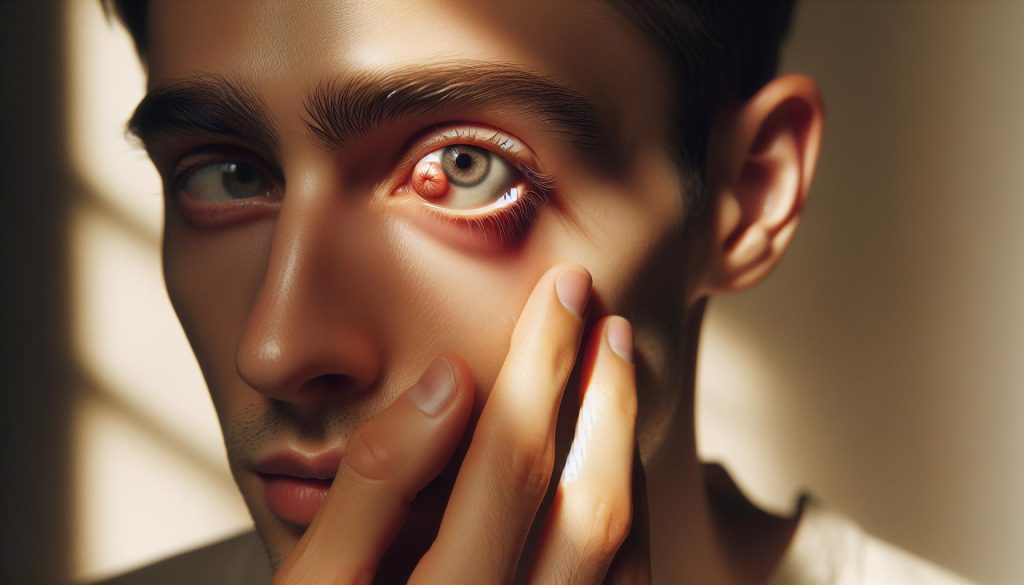
Eye styes, often a bothersome nuisance, can manifest as red, painful bumps on the eyelid. While typically harmless, they can lead to serious complications if not addressed. Understanding these potential risks is essential for anyone dealing with a stye, as timely action can prevent more severe issues like infections or vision problems.
Many women have experienced the discomfort of a stye, often wondering if it signals a bigger concern. Ignoring the situation may escalate it, sparking anxiety and discomfort that distracts from daily life. By staying informed about the possible complications of eye styes, you empower yourself to take proactive steps towards effective treatment and prevention.
Curiosity drives us to learn more, and this exploration of the seven complications to watch for will not only enlighten you but may also provide actionable insights to protect your eye health. Your eyes deserve the best care, so let’s delve into what you need to know about eye styes and their potential dangers.
What is an Eye Stye and How Does It Form?
A stye, often appearing as a small red bump on the eyelid, is not just an irritating blemish; it signifies an infection in the glands of your eyelid. These glands, located at the base of your eyelashes, play a crucial role in keeping your eyes lubricated by secreting oils. When bacteria invade these glands, typically Staphylococcus bacteria, an infection occurs, leading to the formation of a stye. While they can occur at any age, they are notably common, often resulting from factors like poor hygiene or facial oils clogging these glands.
Styes can develop externally on the eyelid or internally, causing varying degrees of discomfort. They may be accompanied by symptoms such as pain, swelling, and redness, and they can sometimes resemble a pimple or boil filled with pus. As the stye grows, the area may become tender and sensitive. Understanding how a stye forms is key to managing and preventing them: simple habits like regular handwashing and reducing eye makeup can greatly diminish your risk.
To avoid the blockage of these oil glands and the subsequent bacterial infection, consider adopting a routine that emphasizes eye hygiene. This includes gently cleaning your eyelids regularly, especially if you wear makeup or have oily skin. By keeping the eyelid area clean and free from excessive oil buildup, you substantially lower your chances of developing styes, ensuring your eyes remain healthy and your beauty routine uninterrupted.
Signs and Symptoms of Eye Styes You Should Know

An eye stye often starts with a small, painful bump on the eyelid, signaling an infection of the oil glands located at the base of your eyelashes. These bothersome occurrences can bring a host of distressing symptoms that are important to recognize for effective management and care. Pain is typically the most immediate symptom; the eyelid may feel tender or sore, making it uncomfortable even to blink or touch. Alongside this discomfort, swelling and redness often appear, transforming the affected eyelid into a noticeable, inflamed area.
As the stye develops, it may resemble a pimple, potentially filling with pus and creating a visually unappealing bump on your eyelid. This could lead to further irritation or sensitivity in the area, which can affect your daily activities, such as wearing makeup or focusing for extended periods. Some individuals also experience tearing or a gritty sensation in the eye, which further hints at the underlying issue. Though these symptoms can often resolve independently within a week or two, being mindful of them will help you better navigate your eye health.
If you notice any signs of increased redness that starts to spread, changes in vision, or if a stye doesn’t improve within a few days, it’s crucial to seek medical assistance. Ignoring these symptoms can lead to complications such as cellulitis or even vision impairment in severe cases. Remember, maintaining a dialogue with a healthcare provider about your symptoms and treatment options is an important step in managing your eye health effectively.
Understanding how to identify these signs and symptoms can empower you to take proactive steps in your skincare and eye hygiene routines. For instance, using warm compresses can not only provide relief but also promote drainage, helping to ease discomfort and speed up recovery. Recognizing when a stye might need professional intervention can make all the difference in ensuring that your eyes remain healthy and your quality of life intact.
When to Seek Medical Attention for an Eye Stye

When dealing with an eye stye, knowing when to reach out for medical care can be crucial in preventing complications. Although many styes resolve independently, several symptoms indicate that it’s time to consult a healthcare professional. If you experience intense pain, swelling that significantly worsens, or if the area becomes increasingly red, these signs should not be ignored. It’s particularly alarming if the stye expands or affects more than one eyelid.
In addition, if you notice any changes in your vision, such as blurriness or if you struggle to see clearly, it’s vital to seek medical attention. These symptoms can suggest that the infection is spreading beyond the eyelid, potentially leading to more severe conditions such as cellulitis or even an abscess. If a stye remains persistent and does not show signs of improvement after a few days-even with at-home care like warm compresses or over-the-counter medications-consulting an eye care specialist is advisable.
Another notable point to consider is the development of a fever. A fever, particularly one that accompanies an eye stye, can indicate a systemic infection that requires urgent medical attention. By keeping a close eye on your symptoms and seeking help when needed, you can protect your eye health and avert complications effectively. Always remember that maintaining open communication with your healthcare provider fosters better outcomes and enables you to navigate your eye care with confidence.
Potential Complications of Untreated Eye Styes
Untreated eye styes can pose several risks beyond mere discomfort, making it crucial to recognize potential complications early on. A stye, which often begins as a small lump near the eyelid’s edge, is caused by a bacterial infection in the oil glands. While many styes may resolve on their own, neglecting proper care can lead to more serious issues, emphasizing the importance of vigilance.
One concern is the possibility of the infection spreading. If not addressed, the bacteria can extend into the surrounding tissues, potentially leading to conditions such as blepharitis, an inflammation of the eyelid margins, or even cellulitis, a skin infection that can cause significant swelling and redness. In rare cases, untreated styes can result in the formation of an abscess, a collection of pus that may require surgical drainage. Symptoms like increasing redness, warmth, and persistent swelling may signal that the infection is worsening and needs urgent attention.
Another serious implication is the risk of vision problems. If the infection spreads deeper into the eyelid or even into the eye itself, it could lead to complications that impact vision. Symptoms such as blurred vision or diminished eyesight should never be ignored, as they may indicate a serious issue requiring immediate medical intervention. Moreover, recurring styes can signify underlying health issues, such as poor eyelid hygiene or systemic conditions like diabetes, and should be evaluated to determine the root cause.
In addition to these physical complications, the psychological impact of persistent styes can affect self-esteem and overall well-being. Dealing with visible bumps on the eyelid may lead to feelings of self-consciousness, especially in social or professional settings. Thus, recognizing when to seek help and taking preventive measures can greatly enhance both eye health and emotional wellness. By being informed and proactive, you can effectively manage styes and minimize their potential complications.
Can Eye Styes Lead to Vision Loss?
A stye may seem like a minor inconvenience, but sometimes, it can escalate into a serious issue that potentially affects your vision. The primary concern with a stye is its ability to lead to infections that go beyond the eyelid, possibly threatening the eye itself. When a stye forms, it indicates a bacterial infection in the oil glands of the eyelid, and if left untreated, these bacteria can spread deeper into the eyelid tissue and even into the eye, causing complications that impact vision and overall eye health.
If the infection spreads, it can lead to conditions like keratitis, an inflammation of the cornea, or even orbital cellulitis, an infection of the tissues surrounding the eye. These conditions can cause not only pain and discomfort but can also manifest as blurred vision or in severe cases, vision loss. Symptoms such as increased sensitivity to light, significant swelling, and redness around the eye should not be ignored, as they may indicate a serious escalation requiring immediate medical attention. Recognizing and addressing these symptoms promptly is crucial.
To mitigate the risks of vision loss associated with styes, maintaining proper eye hygiene is essential. Regularly cleaning the eyelids and avoiding touching your eyes with unwashed hands can help prevent initial infections. If you notice a stye forming, applying warm compresses can soothe pain and promote drainage, potentially preventing the infection from worsening. However, if symptoms persist or worsen, seeking professional advice is vital to avoid any lasting damage to your vision. Incorporating these practices into your daily routine can empower you to take charge of your eye health and prevent complications that could interfere with your quality of life.
Understanding Recurring Eye Styes: Causes and Prevention
Recognizing the underlying causes of recurrent eye styes is crucial for prevention. These pesky bumps on the eyelid signal a bacterial infection, often resulting from the blockage of oil glands near the eyelashes. However, various factors can contribute to their persistence. Individuals with conditions such as blepharitis, which involves chronic inflammation of the eyelids, or those with rosacea, a skin condition that leads to facial redness, are more prone to experiencing frequent styes. Hormonal fluctuations, particularly during menstrual cycles, can also exacerbate oil production, leading to blockages that spawn styes.
To take control over recurring styes, adopting a proactive skincare routine is essential. Begin with gentle cleansing of the eyelids, using warm water and a mild soap or eyelid scrub specifically designed for sensitive areas. This helps remove debris and excess oils that can clog glands. Incorporating warm compresses into your daily regimen can soothe irritation and promote drainage of any existing styes, reducing the likelihood of future occurrences. When applying a warm compress, ensure the cloth is clean and avoid sharing it with others to minimize the risk of spreading bacteria.
In addition to these routines, consider lifestyle modifications that support eye health. Maintaining proper hydration not only benefits your overall skin but also supports the natural balance of oils produced by your glands. A well-balanced diet rich in vitamins A, C, and E, along with omega-3 fatty acids found in fish, can bolster your immune system and improve skin health, further decreasing the risk of styes. Moreover, being mindful of makeup hygiene-such as replacing old makeup products and avoiding the use of expired cosmetics-helps limit exposure to bacteria and irritants that could lead to stye formation.
By understanding the causes and implementing preventive measures, you can effectively reduce your chances of dealing with those frustrating and uncomfortable styes. Remember, small daily habits can make all the difference in maintaining healthy eyes and a vibrant appearance.
Home Remedies for Managing Eye Stye Discomfort
Understanding how to address the discomfort of an eye stye can significantly enhance your overall well-being. A stye, often characterized by a painful bump on the eyelid, results from the blockage of oil glands, leading to inflammation and potential irritation. Fortunately, numerous home remedies can alleviate discomfort and support the healing process, allowing you to regain comfort and confidence.
One of the most effective and simplest ways to ease stye pain is by applying warm compresses. This method not only provides soothing relief but also encourages drainage of the stye. To create a warm compress, soak a clean cloth in warm (not hot) water, wring it out, and place it gently over the affected eye for about 10-15 minutes. Repeat this process several times a day. The warmth helps to increase circulation and can expedite the healing process, making it a favored remedy.
Another natural approach involves using tea bags, particularly those of chamomile or green tea, known for their antibacterial properties. After steeping the tea bag in hot water, allow it to cool slightly before placing it on the stye. The tannins in the tea can help reduce inflammation and fight bacteria. This gentle remedy can be particularly comforting and is easy to integrate into your daily routine.
In addition to warm compresses and tea bags, maintaining good eyelid hygiene is paramount. Gently washing the eyelids with a diluted baby shampoo or a specialized eyelid scrub can help eliminate debris and reduce the likelihood of future styes. Always ensure your hands are clean before touching your face or eyes to minimize the risk of introducing bacteria. Also, avoid wearing eye makeup until the stye heals, as this can further irritate the area.
For persistent discomfort, over-the-counter pain relief medication such as acetaminophen or ibuprofen can help reduce pain and inflammation. However, be sure to follow the recommended dosages and consult your healthcare provider if you have any concerns.
By employing these home remedies, you can manage the discomfort of an eye stye effectively while promoting healing. Always be observant of your symptoms and remember that if a stye does not improve or continues to cause significant pain, it’s important to seek professional medical advice.
Professional Treatments: When Home Remedies Aren’t Enough
When faced with a stubborn stye that refuses to improve despite your best home care efforts, it may be time to turn to professional treatments. While many styes heal on their own, certain situations warrant medical intervention to prevent potential complications and ensure a speedy recovery. A healthcare provider can offer targeted solutions that address the issue more effectively than home remedies alone.
Your doctor may first recommend prescription antibiotic ointments or oral medications if the stye is infected or particularly painful. These antibiotics help to eliminate the bacteria causing the infection and may speed up the healing process. In cases where the stye forms an abscess (a collection of pus), incision and drainage might be necessary. This minor procedure involves your doctor making a small cut to allow the fluid to drain, thus relieving pressure and discomfort.
Here are some professional treatments to consider if home remedies fail:
- Antibiotic Therapy: Prescribed medications can combat infection and inflammation.
- Incision and Drainage: A quick procedure to remove pus when a stye develops into an abscess.
- Corticosteroid Injections: For persistent inflammation, corticosteroids can reduce swelling and pain.
- Evaluation for Underlying Conditions: If you experience recurrent styes, your healthcare provider may check for skin conditions or other health issues that contribute to these occurrences.
Should you find yourself dealing with a stye that shows no signs of improvement after a week of diligent care or experiences worsening symptoms-like increased redness, swelling, or discharge-it’s crucial to seek medical attention. Monitoring your symptoms and understanding when to escalate your care will help you navigate the path to recovery more smoothly. Remember, timely treatment can prevent complications, ensuring you get back to feeling your best without unnecessary delays.
The Connection Between Eye Hygiene and Stye Prevention
Maintaining good eye hygiene is essential for preventing the formation of eye styes and other related complications. Styes often arise from the blockage of oil glands located at the base of lashes, typically caused by bacteria and debris that accumulate around the eyelid area. By committing to a consistent eye care routine, you can significantly minimize the risk of styes and enjoy clearer, healthier eyes.
One of the most effective ways to promote eye hygiene is to practice proper hand hygiene before touching your face or eyes. Always wash your hands with soap and water, especially before applying makeup or handling contact lenses. Avoid rubbing your eyes, as this can transfer oils and bacteria that lead to irritations or infections. Additionally, regular cleansing of your eyelids is crucial; using mild soap or eyelid scrub pads can help remove any excess oil, dust, or makeup residue.
It’s also advisable to choose cosmetics wisely. Opt for non-comedogenic makeup products that won’t clog your pores and make sure to replace your eye makeup every three to six months to avoid bacterial contamination. When using eyeliner or mascara, avoid sharing these products with others, and remove any makeup thoroughly at the end of the day. Finally, if you wear contact lenses, make sure to follow the specific cleaning and storage guidelines recommended by your eye care professional to prevent complications.
Incorporating these simple yet effective practices into your daily routine will empower you to take charge of your eye health, reducing the likelihood of developing bothersome styes. By investing just a few minutes each day into your eye hygiene, you not only enhance your beauty but also safeguard your vision against potential dangers associated with untreated eye conditions.
Tips for Preventing Eye Styes in Daily Life
Maintaining the health of your eyes not only enhances your appearance but also safeguards against uncomfortable and potentially dangerous conditions like styes. A proactive approach to eye hygiene can significantly decrease the likelihood of these annoying bumps forming. Consider implementing the following practices into your daily routine to enhance your eye health and avoid the pitfalls of styes.
- Maintain Cleanliness: Always wash your hands thoroughly before touching your face or applying any makeup. This simple step minimizes the transfer of bacteria that can lead to infections.
- Regular Eyelid Cleansing: Make it a habit to cleanse your eyelids regularly. Employ gentle eyelid scrub pads or a mild soap to remove debris, excess oil, and makeup residue that might clog the oil glands.
- Choose Makeup Wisely: Opt for non-comedogenic makeup products that are less likely to clog pores. Additionally, remember to replace eye makeup every three to six months to prevent bacterial growth.
- Avoid Sharing Personal Items: Refrain from sharing eyeliners, mascaras, or other eye care products, as this can spread bacteria between individuals.
- Makeup Removal Routine: Always remove your eye makeup before bedtime to give your eyelids a chance to breathe and recover from daily wear.
- Contact Lens Hygiene: If you wear contact lenses, adhere to the cleaning and storage recommendations provided by your eye care professional. This ensures that bacteria do not build up on your lenses and cause irritation.
By integrating these easy strategies into your life, you can not only reduce the risk of developing styes but also support your overall eye health. Developing a consistent routine focused on hygiene and care is essential in preventing complications associated with styes, especially those that could endanger your vision. Prioritize your eye health as you would any other aspect of your well-being; a few extra moments each day can lead to a lifetime of clearer, healthier eyes.
How to Distinguish Styes from Other Eye Conditions
A stye, often appearing as a small, red bump on the eyelid, can be easily mistaken for other eye conditions due to its common symptoms. Understanding how to differentiate a stye from similar issues is crucial in seeking the right treatment promptly. Styes typically arise from bacterial infections of the oil glands located at the eyelash roots, leading to localized swelling and discomfort. However, conditions such as chalazia, bacterial conjunctivitis, and even allergic reactions can present similarly, making it essential to observe distinguishing characteristics.
Chalazia, for example, may appear similar initially but are often painless and result from blocked oil glands rather than infection. They usually develop gradually and can linger longer than a standard stye. In contrast, conjunctivitis, or pink eye, affects the conjunctiva and presents with additional symptoms such as redness, tearing, and discharge, often accompanied by itching or burning sensations. Allergic reactions can also result in swollen eyelids but are typically accompanied by sneezing, nasal congestion, or other signs of allergic response.
When faced with an uncomfortable bump on the eyelid, it’s vital to check for additional signs such as level of pain, the presence of discharge, and the speed of development. If the bump is excruciatingly painful and grows quickly, it’s likely a stye. Meanwhile, if symptoms include persistent redness and discharge without localized pain, it might indicate an infection or allergy requiring medical attention. Always remember that if you’re uncertain or the symptoms worsen, contacting a healthcare professional for a quick assessment can help prevent complications and ensure appropriate care.
Frequently asked questions
Q: Can eye styes lead to serious complications?
A: Yes, while most styes are harmless and resolve on their own, untreated styes can lead to complications such as cellulitis, a more serious infection of the eyelid and surrounding skin. In severe cases, it may cause abscess formation or affect the vision if it spreads further.
Q: What are the warning signs of a dangerous stye?
A: Warning signs that a stye could be dangerous include increased swelling, persistent pain, fever, or if the stye does not improve after a couple of weeks. Seek medical attention if you notice these symptoms to avoid complications.
Q: Is it possible for a stye to cause vision loss?
A: While rare, a stye can lead to vision loss if it develops into a more severe infection that spreads to the eye itself. Prompt treatment can help prevent this. Always consult with a healthcare professional if you’re concerned about potential vision issues.
Q: How can untreated styes affect overall eye health?
A: Untreated styes can lead to chronic inflammation, recurring infections, or affect the production of tears by blocking glands. This can result in long-term discomfort and additional eye problems, including dry eye syndrome.
Q: Are there specific groups at higher risk for complications from a stye?
A: Yes, individuals with compromised immune systems, diabetes, or existing skin conditions like rosacea are at higher risk for complications from a stye. Proper eye hygiene and early treatment are crucial for these individuals.
Q: What preventive measures can help avoid dangerous complications from styes?
A: To prevent complications, maintain good eyelid hygiene, avoid touching or rubbing the eyes, and use warm compresses regularly. Additionally, addressing underlying conditions can reduce stye occurrences and associated risks.
Q: When should I seek professional treatment for a stye?
A: Seek professional treatment if a stye shows no signs of improvement within a week, worsens, or if you experience vision changes, fever, or increased pain. Early intervention can help prevent serious complications.
Q: Can styes recur, and what makes them return?
A: Yes, styes can recur, often due to conditions like meibomian gland dysfunction or poor eyelid hygiene. Regular eyelid cleansing and treatment of underlying conditions can help prevent recurrence.
Insights and Conclusions
Understanding the potential dangers of eye styes is crucial for your health. Remember, while most styes resolve without significant issues, staying aware of the possible complications can empower you to take proactive measures. If you experience persistent symptoms or increased discomfort, don’t hesitate to consult a healthcare professional for guidance. For further insights into eye health, check out our articles on preventative eye care and natural remedies for styes.
To stay updated on the latest tips for maintaining your eye health and beauty routines, consider signing up for our newsletter. Your health deserves attention, and we’re here to support you every step of the way. Share your thoughts or experiences in the comments, and explore our related content to continue your journey toward informed and confident self-care.