
Styes can be a bothersome and often painful experience, affecting not just your eyes but also your daily activities. These small, red bumps usually appear on the eyelid and can lead to discomfort and irritation. Understanding when to seek professional help is crucial, as eye doctors play a key role in diagnosing and treating these irritations effectively.
If you’ve ever found yourself wondering whether a stye warrants a visit to an eye care professional, you’re not alone. Many people hesitate to seek treatment, thinking that styes will resolve on their own. However, knowing the right time to consult an optometrist or ophthalmologist can make all the difference in finding relief and avoiding complications.
In this article, we will explore how eye doctors diagnose styes, the treatments they recommend, and the signs that indicate it’s time to see a professional. Stay tuned as we delve into the best practices for managing styes and ensuring your eye health remains a priority.
Do Eye Doctors Treat Styes? Understanding Professional Care Options
When dealing with a stye, it’s not only uncomfortable but can also raise questions about the best course of action for relief and recovery. Eye doctors, particularly ophthalmologists or optometrists, play a vital role in diagnosing and treating styes, providing expertise that goes beyond general advice. Understanding when to seek professional care is crucial, as they can help prevent complications and ensure a faster resolution.
An eye doctor will typically begin with a comprehensive examination to confirm that a stye is the issue. During this appointment, you may be asked about your symptoms, including any redness, swelling, or pain in the affected area. This dialogue is essential as it provides insights into the stye’s severity and helps guide the treatment process. Professional care options may include recommending warm compresses, which can be done at home to alleviate discomfort. However, in cases of persistent or troublesome styes, doctors can provide additional interventions such as draining the stye or prescribing antibiotics if there’s an underlying bacterial infection.
If you’re facing recurring styes, discussing preventative strategies with your eye doctor can also be beneficial. They might suggest lifestyle and skincare adjustments, including proper eyelid hygiene, to reduce future occurrences. Ultimately, consulting an eye doctor not only addresses the current issue at hand but also equips you with the knowledge and tools to keep your eyes healthy long-term. Remember, timely interventions are essential in health care; acting sooner rather than later ensures that potential complications do not arise.
What Are Styes? Symptoms and Causes Explained
A stye is a frustrating and often painful eye condition that can make daily activities uncomfortable. This condition is essentially an infection of the oil glands located near your eyelashes, resulting in a red, swollen bump that may resemble a pimple or boil. Styes are generally caused by bacteria, often from the skin or an existing eyelid condition, and can occur when these bacteria invade these glands, blocking the flow of oil and leading to inflammation.
When it comes to recognizing a stye, some common symptoms include:
- Redness and swelling around the eyelash line, typically on the upper or lower eyelid.
- Pain or tenderness, particularly when touching the affected area.
- Increased tearing or discomfort in the eye.
- Crusting of the eyelids, particularly upon waking in the morning.
There are a variety of factors that can contribute to the development of styes. Poor eyelid hygiene, existing skin conditions like rosacea or seborrheic dermatitis, and certain makeup products can increase your risk. Additionally, stress, hormonal changes, or systemic conditions like diabetes, which can affect overall skin health, may make you more susceptible to stye formation.
Understanding these symptoms and causes is fundamental, as it can help you distinguish a stye from other eye conditions, such as a chalazion, which is a non-infectious blockage of the oil gland. Being informed empowers you to make decisions about when to seek professional care, paving the way for effective treatment and prevention strategies which your eye doctor can provide. If you notice recurrent styes, this could be indicative of an underlying issue that merits a discussion during your next eye examination.
At-Home Remedies for Styes: Effective Relief Strategies
A stye can be an irritating and uncomfortable condition, but several effective at-home remedies can help alleviate symptoms and promote healing. Applying warm compresses is one of the simplest and most effective methods. This technique involves soaking a clean washcloth in warm (not hot) water, wringing it out, and placing it over the affected eye for 10-15 minutes, several times a day. The heat helps to soften any blockage in the oil glands, encouraging drainage and reducing inflammation.
In addition to warm compresses, maintaining proper eyelid hygiene is crucial. Gently washing your eyelids with diluted baby shampoo or an eyelid scrub pad specifically designed for eyelid hygiene can keep the area clean and free from irritants. This practice helps prevent further infection and can reduce the likelihood of recurring styes.
Using over-the-counter pain relief medications, such as ibuprofen or acetaminophen, can also provide symptomatic relief from discomfort. Be sure to follow the dosage instructions on the packaging. Additionally, avoiding eye makeup and contact lenses until the stye has healed can prevent further irritation and allow the area to recover more quickly.
Lastly, incorporating a few dietary changes may support your body’s healing process. Foods rich in vitamins A, C, and E, as well as omega-3 fatty acids, can boost your immune system and overall health. Examples include carrots, citrus fruits, leafy greens, nuts, and fatty fish. By combining these at-home strategies, you can effectively manage the discomfort of a stye while promoting recovery. However, if symptoms persist or worsen, seeking advice from an eye doctor is essential to rule out more serious conditions and receive appropriate treatment.
When to See an Eye Doctor for Styes: Key Indicators
It’s not uncommon for styes to form on the eyelid, often causing discomfort and concern. While many styes typically resolve with at-home treatments like warm compresses, there are certain situations where seeing an eye doctor becomes imperative. Recognizing these indicators can not only alleviate your worries but also ensure that you receive appropriate care promptly.
Should you notice persistent pain or increased redness around the stye, it’s time to consider professional help. If the swelling extends beyond the immediate area or involves the entire eyelid, these could be signs of a more serious infection requiring medical intervention. Additionally, if you experience changes in vision or symptoms like excessive tearing, an eye doctor can help determine if the stye is affecting your eye health.
Another key indicator is duration. If your stye hasn’t begun to improve after a week of consistent home treatments, booking an appointment is recommended. An eye doctor can provide insight on whether your condition is a stye or something else altogether. Lastly, if you notice recurring styes, it may suggest an underlying issue, such as blepharitis or other skin conditions. In such cases, seeking professional guidance for a tailored treatment plan can help mitigate future occurrences and complications.
Overall, being proactive about eye health is essential, and recognizing when to consult with a professional can lead to better outcomes and peace of mind.
What to Expect During a Professional Eye Examination
A visit to an eye doctor can be both reassuring and informative, especially when dealing with a bothersome stye. Knowing what to expect can help ease any anxiety and ensure you make the most of your appointment. Typically, your examination will begin with a review of your medical history and symptoms. This provides the doctor with insight into your overall eye health and any previous eye conditions that may be relevant.
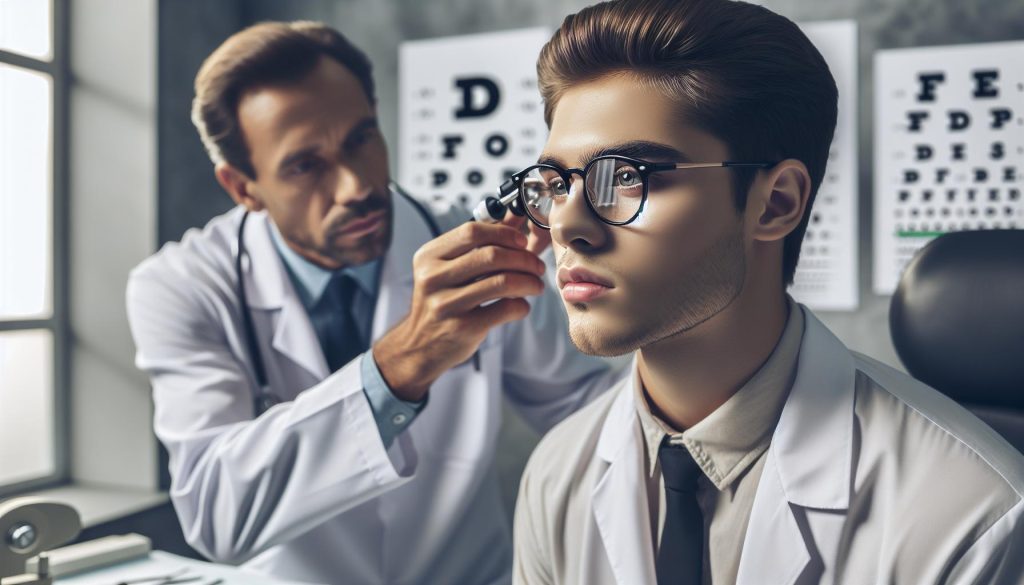
During the eye examination, the doctor will closely inspect your eyelids and lashes. They may use a magnifying device called a slit lamp, which allows for a detailed view of the stye and surrounding tissues. This examination helps determine whether the growth is indeed a stye or if it could be something different that may require further evaluation. Additionally, they might check your vision and how well your eyes work together, ensuring that there aren’t any underlying issues contributing to your concern.
If the stye is found to be obstructed or infected, your eye doctor may discuss various treatment options tailored specifically to your situation. This could include warm compresses, antibiotics, or in some cases, minor surgical procedures to drain the stye if it’s particularly persistent or painful. Always feel free to engage in conversation during your visit; ask questions about the treatment plan and any home care steps you might need to follow afterward.
Lastly, your doctor will likely offer preventive care tips to reduce the chances of future styes. This could involve advice on eyelid hygiene, recognizing the early signs of irritation, and understanding when to seek medical help. Keeping an open line of communication with your eye care provider during this visit empowers you with knowledge and provides a clearer understanding of your eye health.
Possible Treatment Options for Styes Offered by Eye Doctors
Styes can be more than just a minor inconvenience; they can cause pain and affect your daily activities. Understanding the range of treatment options available from eye doctors empowers you to seek timely and appropriate care, ensuring your eye health is prioritized. When you visit an eye care professional, they will assess the stye and provide you with tailored treatment based on its severity and your medical history.
Warm Compresses
One of the most common initial treatments for a stye is the use of warm compresses. This simple yet effective method helps to reduce swelling and promote drainage, making it a frontline recommendation. Typically, your eye doctor will suggest applying a warm, damp cloth to the stye several times a day for about 10-15 minutes. This can alleviate discomfort and speed up the healing process.
Topical and Oral Antibiotics
If the stye appears to be infected or if you’re experiencing significant discomfort, your eye doctor may prescribe topical or oral antibiotics. These treatments help to eliminate bacteria and reduce the risk of further complications. It’s important to complete the entire course of antibiotics, even if symptoms improve sooner, to ensure the infection is fully cleared.
Surgical Intervention
In more persistent or severe cases, particularly if a stye has not responded to other treatments, your eye doctor may recommend a minor surgical procedure. This involves making a small incision to drain the stye, which can offer immediate relief from pain and pressure. Rest assured, this procedure is typically conducted right in the office under local anesthesia and is relatively quick.
Preventive Care and Lifestyle Adjustments
Your eye doctor will likely discuss lifestyle changes and preventive care strategies to help reduce the risk of future styes. This can include maintaining good eyelid hygiene, avoiding touching your eyes with unwashed hands, and regularly cleaning your eye makeup tools. These small adjustments can create a significant difference in maintaining your eye health.
By understanding these treatment options and proactively seeking care, you can be confident in managing styes effectively. Empower yourself by being informed about what your eye doctor can do for your eye health, ensuring that discomfort from styes is minimized and that your vision remains clear.
Managing Recurring Styes: Prevention Tips and Best Practices
Recurring styes can be a frustrating issue, but with the right preventive steps, you can significantly reduce their frequency. One of the most important practices is maintaining proper eyelid hygiene. Regular cleansing of your eyelids helps remove excess oil and debris that can clog the glands near your eyelashes. Use a gentle eyelid scrub or diluted baby shampoo on a cotton pad to clean your eyelids daily. This simple routine can prevent the formation of styes and keep your eyelids clear of irritants.
Another essential measure is being mindful of how you handle your eyes and face. Avoid touching your eyes with unwashed hands, as this is a primary way bacteria can enter and cause infections. If you wear makeup, ensure that your tools are clean. Regularly wash your brushes and replace old makeup products, especially eyeliners and mascaras, to minimize the risk of introducing bacteria. If you wear contact lenses, keep them sanitized and follow your eye care provider’s recommendations to prevent irritation and infection.
In addition to these hygiene practices, consider implementing lifestyle adjustments that promote overall eye health. Staying hydrated, eating a balanced diet rich in vitamins A, C, and E, and omega-3 fatty acids can help strengthen your immune system and maintain healthy skin around the eyes. Limiting exposure to allergens or irritants, such as smoke or pollution, can also play a crucial role in preventing styes. Incorporating these strategies into your daily routine can create a robust defense against recurrent styes, allowing you to enjoy clear and healthy eyes.
Finally, don’t hesitate to consult with an eye care professional if you find yourself struggling with frequent styes. They can provide personalized advice and treatment options to help manage the issue better. Taking these proactive steps empowers you to maintain your eye health and minimize discomfort from styes, ensuring your beauty and vision remain uncompromised.
Understanding the Risks of Untreated Styes: Why Timely Care Matters
Ignoring the symptoms of a stye can lead to more serious complications beyond the initial discomfort and cosmetic concerns. Styes, typically appearing as small red bumps on the eyelid, indicate an infection of the oil glands along the eyelash line. While many people assume these to be minor irritations that will resolve on their own, untreated styes can escalate, resulting in potential risks to both eye health and overall well-being.
One of the primary dangers of neglecting a stye is the possibility of it developing into a more severe infection. If bacteria spread from the stye to surrounding tissues, it can cause cellulitis, a painful condition characterized by swelling, redness, and warmth in the affected area. This condition not only exacerbates discomfort but can also lead to complications that require more intensive medical interventions, such as oral antibiotics or even surgical drainage in severe cases.
Furthermore, untreated styes can impact your vision. In some instances, the swelling may lead to pressure on the eyeball or cornea, causing temporary blurred vision or discomfort during normal activities. Persistent irritation can also lead to conditions like chronic blepharitis, an inflammation that can recur frequently and complicate daily eye care routine and overall appearance.
It’s essential to seek professional guidance as soon as symptoms present themselves. Regular check-ups with an eye care professional can not only aid in early diagnosis but also provide tailored treatment options to alleviate discomfort while preventing further complications. Here are some signs that should prompt you to consult an eye doctor without delay:
- Persistent or worsening pain: If the stye does not improve within a few days or is becoming increasingly painful.
- Vision changes: Blurred vision or discomfort when trying to see clearly.
- Recurrence: Frequent styes occurring in short intervals may indicate underlying issues that need addressing.
- Fever or systemic symptoms: Any signs of fever or illness alongside the stye warrant immediate medical attention.
Addressing styes in a timely manner is crucial for maintaining optimal eye health. By understanding the risks of untreated styes, individuals can take proactive steps in managing their eye care and avoid complications that may arise from neglecting these seemingly innocent bumps.
When to Consider Other Types of Eye Specialists for Styes
Styes may seem like a minor inconvenience, but knowing when to seek specialized care is crucial for eye health. While most styes can be managed by general eye doctors, certain situations may necessitate the expertise of other specialists. If your stye is persistently painful, recurrent, or shows no signs of improvement despite home treatments, it might be time to consider consulting an ophthalmologist. These eye care professionals have additional training and resources to address more complicated cases that general practitioners might not be equipped to handle.
In some cases, the underlying cause of your styes could be related to skin conditions or chronic eyelid issues. Dermatologists, for instance, can provide valuable insights into conditions such as rosacea or seborrheic dermatitis, which may contribute to stye formation. They can recommend targeted treatments that go beyond typical remedies, addressing the root issues rather than just the symptoms. Additionally, optometrists specializing in ocular health might offer advanced diagnostic tools, such as tear film analysis, that can determine whether dry eye syndrome is a contributing factor.
If you experience signs of systemic infection, such as fever or swelling spreading beyond your eyelid, immediate evaluation by a primary care physician or an emergency room might be necessary. They can offer timely treatment to prevent the infection from worsening and provide any needed antibiotic prescriptions.
By recognizing the potential need for specialized care, you not only improve your chances of a faster recovery but also take control of your eye health proactively. Don’t hesitate to seek help if your stye situation escalates; early intervention can make a significant difference in outcomes and overall well-being.
Differences Between Styes and Other Eye Conditions: A Comparison
Understanding the differences between styes and other eye conditions is crucial for effective management and treatment. Styes, or hordeola, typically manifest as painful, red bumps on the eyelid, often resulting from bacterial infections of the glands at the base of the eyelashes. In contrast, conditions such as blepharitis, which is characterized by inflammation of the eyelid margins, can present with symptoms like crusted eyelashes and itchy eyelids. This distinction is essential, as blepharitis may also contribute to recurrent styes by blocking the glands, leading to further irritation and infection.
Another eye condition to consider is chalazion, which may resemble a stye but differs in its pathophysiology. A chalazion occurs when a meibomian gland becomes blocked, resulting in a painless lump on the eyelid that can persist longer than a stye. Unlike the acute pain associated with styes, chalazia generally don’t cause discomfort unless they become infected. Understanding these differences helps individuals recognize when to seek professional care; persistent lumps that don’t resolve could signal a chalazion or other underlying issues that require attention.
Moreover, allergic conjunctivitis can often be mistaken for styes due to symptoms like redness and swelling. However, this condition usually involves itchy, watery eyes without the localized bump characteristic of a stye. Patients noting an improvement with antihistamines may likely be encountering an allergic reaction rather than a stye.
Recognizing these distinctions not only aids in identifying the correct condition but also plays a vital role in determining the type of treatment needed. For example, while hot compresses may help alleviate a stye, they might not be effective for chalazia or allergic reactions. This understanding empowers individuals to make informed decisions about their eye health and engage the appropriate medical professionals when necessary.
Understanding Prescription Treatments for Styes and Their Efficacy
Styes can be uncomfortable and distressing, but knowing the available prescription treatments can provide effective relief and speed up recovery. When you visit an eye doctor, they may offer treatment options tailored to your specific needs, making a significant difference in managing this common eyelid issue.
Prescription treatments typically involve the use of topical antibiotics to combat the bacterial infection causing the stye. These medications, like tobramycin, are specifically formulated to penetrate the area and eliminate the infection, promoting faster healing. Alongside antibiotics, an eye doctor may also prescribe corticosteroid drops or ointments. These can help reduce inflammation and discomfort, bringing soothing relief to your eyelids while helping alleviate swelling and redness associated with styes.
| Prescription Treatment | Purpose | Application |
|---|---|---|
| Tobramycin | Antibiotic to fight infection | Topical drops or ointment applied to the affected area |
| Corticosteroid drops | Reduces inflammation | Applied to the eye as directed by a doctor |
In some cases, if there is a significant amount of pus or if the stye does not respond to medication, an eye care professional may recommend drainage procedures. This minor office procedure can help relieve pressure and allow for a quicker recovery, especially when conservative treatments haven’t been effective.
It’s essential to follow your eye doctor’s instructions closely when using prescription medications. Additionally, while these treatments are effective, combining them with at-home care, such as warm compresses, can enhance results. The warmth helps increase circulation to the area, promotes drainage, and complements the healing effect of prescribed medications.
Considering the risks of untreated styes, timely intervention with prescription treatments not only alleviates discomfort but also helps prevent complications such as recurrence or the spread of infection. Being proactive about your eye health empowers you to manage your condition effectively, ensuring that styes are not a recurring nuisance in your wellness journey.
Faq
Q: Can styes go away without treatment?
A: Yes, many styes can resolve on their own within a week or two if treated with warm compresses and good hygiene. However, persistent or painful styes may require professional care to prevent complications, as detailed in the section on potential treatments for styes.
Q: What complications can arise from untreated styes?
A: Untreated styes can lead to more serious infections, cyst formation, or chronic eyelid inflammation. It’s crucial to seek professional help if a stye lasts more than a couple of weeks, as highlighted in our guide on the risks of untreated styes.
Q: How can I differentiate a stye from a chalazion?
A: A stye typically appears as a painful, red bump on the eyelid, while a chalazion is usually larger, painless, and occurs deeper within the eyelid. For more detailed comparisons, see the section on differences between styes and other eye conditions.
Q: When should I seek emergency care for a stye?
A: Emergency care is necessary if you experience significant vision changes, eye swelling that affects surrounding areas, or severe pain. If you’re unsure, consult our guide on when to see an eye doctor for styes for more specific indicators.
Q: What lifestyle changes can prevent styes?
A: To prevent styes, practice good eyelid hygiene, avoid touching your eyes with dirty hands, and regularly wash your makeup brushes. Our article on managing recurring styes offers more preventive tips for long-term eye health.
Q: How are styes diagnosed by eye doctors?
A: Eye doctors typically diagnose styes through a physical examination of the eye and eyelid. They may ask about symptoms and history to rule out other conditions. Learn more in our section on what to expect during a professional eye examination.
Q: Are styes contagious?
A: Styes are not contagious, but the bacteria that cause them can spread from one person to another. Maintaining proper hygiene can help reduce the risk of developing styes, as outlined in our discussion on at-home remedies.
Q: What over-the-counter treatments are recommended for styes?
A: Over-the-counter treatments for styes usually include warm compresses to alleviate discomfort and promote drainage. Some may use antibiotic ointments, but consulting an eye doctor is advised for severe cases. More treatment options can be found in our section on possible treatment options for styes.
In Summary
If you’re experiencing discomfort from a stye, seeking professional advice from an eye doctor can lead to effective treatment and relief. Remember, addressing styes early can prevent further complications and ensure your eye health remains a priority. For more tips on eye care, consider checking out our articles on home remedies for styes and the best practices for maintaining eye hygiene.
Don’t forget to explore our resources on common eye conditions and the importance of regular eye check-ups-knowledge is key to prevention! Join our newsletter for expert tips delivered straight to your inbox, and if you’ve found this information helpful, share it with someone who might benefit. Your journey to healthier eyes starts here-take the next step today!


