
Have you ever felt like there’s something stuck in your eye, only to discover it’s a stye? Styes can produce discomfort that mimics foreign objects, often accompanied by redness and swelling. Understanding this condition is crucial, as it not only affects your comfort but can also influence your daily activities.
In this article, we’ll delve into the telltale signs of styes, their causes, and what this experience means for your eye health. Knowledge is empowering, especially when it comes to addressing concerns about our bodies. By recognizing the symptoms and understanding effective treatments, you can take control and ensure your eyes remain vibrant and healthy. Read on to gain valuable insights that will help you navigate the discomfort of a stye and maintain your eye care routine effectively.
Understanding Styes: What They Are and How They Form
Understanding styes begins with recognizing that they are common, painful bumps on the eyelid often mistaken for something larger or more menacing in the eye. A stye, medically known as a hordeolum, usually forms when bacteria infect the oil glands at the edge of the eyelid, leading to inflammation and redness. This typically manifests as a swollen, tender area that may feel like something is indeed stuck in the eye. The sensation often stems from the irritation caused by the inflamed area, causing discomfort that can be misinterpreted as an object in the eye.
Health professionals note that styes can develop rapidly, usually within a day or two, and while they can be unsightly, they are generally harmless and resolve on their own. Common triggers include poor eyelid hygiene, stress, and certain skin conditions, making it important to be aware of your eye care routine to lower your risk. Keeping the eyelid clean and free from excess oil or debris can significantly reduce the chances of developing a stye, highlighting the importance of good eyelid hygiene.
If you’re experiencing discomfort and worry about a stye, consider gentle home remedies like warm compresses, which can help alleviate pain and promote drainage. Remember, while the sensation might feel like you have something in your eye, it’s usually just a stye. With the right care, this irritation can be managed effectively.
Common Symptoms of a Stye: Is There Something in Your Eye?

The discomfort of a stye can often be puzzling, especially when the sensation feels eerily similar to having something stuck in your eye. This common eyelid condition, which is typically characterized by a painful, swollen lump, can lead to feelings of irritation akin to the presence of a foreign object. These sensations are primarily due to the inflammation of the oil glands along the eyelid, where a stye forms, causing nearby tissues to swell and create pressure.
When dealing with a stye, be attentive to the specific symptoms that can accompany the bump. You may experience:
- Localized Tenderness: The area around the stye can be very sensitive. You might find it painful to touch or when blinking.
- Redness and Swelling: The eyelid may become visibly red and swollen, which can create the impression that your eye is more affected than it actually is.
- Discomfort or Pain: The swollen area can feel achy or throbbing, further contributing to the feeling of having something irritating in your eye.
- Discharge: Depending on the severity, there may be a discharge or crusting, particularly after sleep, which can enhance the feeling of irritation.
This constellation of symptoms reinforces the comforting truth that those affected by a stye may not need to worry about a severe underlying issue, as these bumps typically resolve themselves within a few days. It’s critical to distinguish this from other eye ailments that may require more urgent interventions.
To promote comfort, a gentle application of warm compresses can relieve some of the discomfort associated with a stye. The warmth helps to stimulate drainage, reducing swelling and easing the sensation of irritation. Recognizing the nature of a stye not only helps in managing your discomfort but also empowers you to take proactive steps in your eye care routine for future prevention. While it might feel like there’s something in your eye, it’s generally just a reminder from your body to practice good eyelid hygiene and attend to any irritation swiftly.
Difference Between Styes and Other Eye Issues

A stye may be mistaken for various other eye conditions, each presenting distinct characteristics and requiring different approaches to treatment. Understanding these differences can help you navigate discomfort more effectively. Styes, for example, are localized infections that typically manifest as painful, red bumps on the eyelid due to the inflammation of oil glands. The sensation of a stye can mimic having something stuck in your eye, but it is crucial to differentiate it from other eye issues that might indicate more serious problems.
One common condition often confused with a stye is a chalazion. While both involve inflammation of the eyelid glands, a chalazion is usually painless and results from a blocked oil gland rather than an infection. Unlike a stye, which may be tender and swollen with visible pus, a chalazion tends to develop gradually and may not cause immediate discomfort. Recognizing these signs early on can prevent unnecessary worry and help direct you toward appropriate treatment strategies.
Another eye issue that might share symptoms with a stye is conjunctivitis, or pink eye. This condition is often accompanied by redness, swelling, and discharge, but it primarily affects the conjunctiva-the clear membrane covering the white part of the eye and inner eyelids. Unlike styes, which are localized to the eyelid, conjunctivitis can cause widespread symptoms, including itching and tearing in both eyes. Moreover, conjunctivitis can be contagious, making it essential to seek medical advice if you suspect you have this condition to mitigate the risk of spreading it.
In summary, while a stye can feel remarkably similar to having something in your eye, distinguishing it from other eye problems like chalazia and conjunctivitis is crucial for effective management. If discomfort persists or escalates, considering a healthcare provider consultation will ensure proper diagnosis and treatment tailored to your specific needs. Regular eye check-ups and practicing good hygiene can also help reduce the risk of developing these issues, empowering you to take control of your eye health confidently.
Home Remedies for Relieving Stye Discomfort
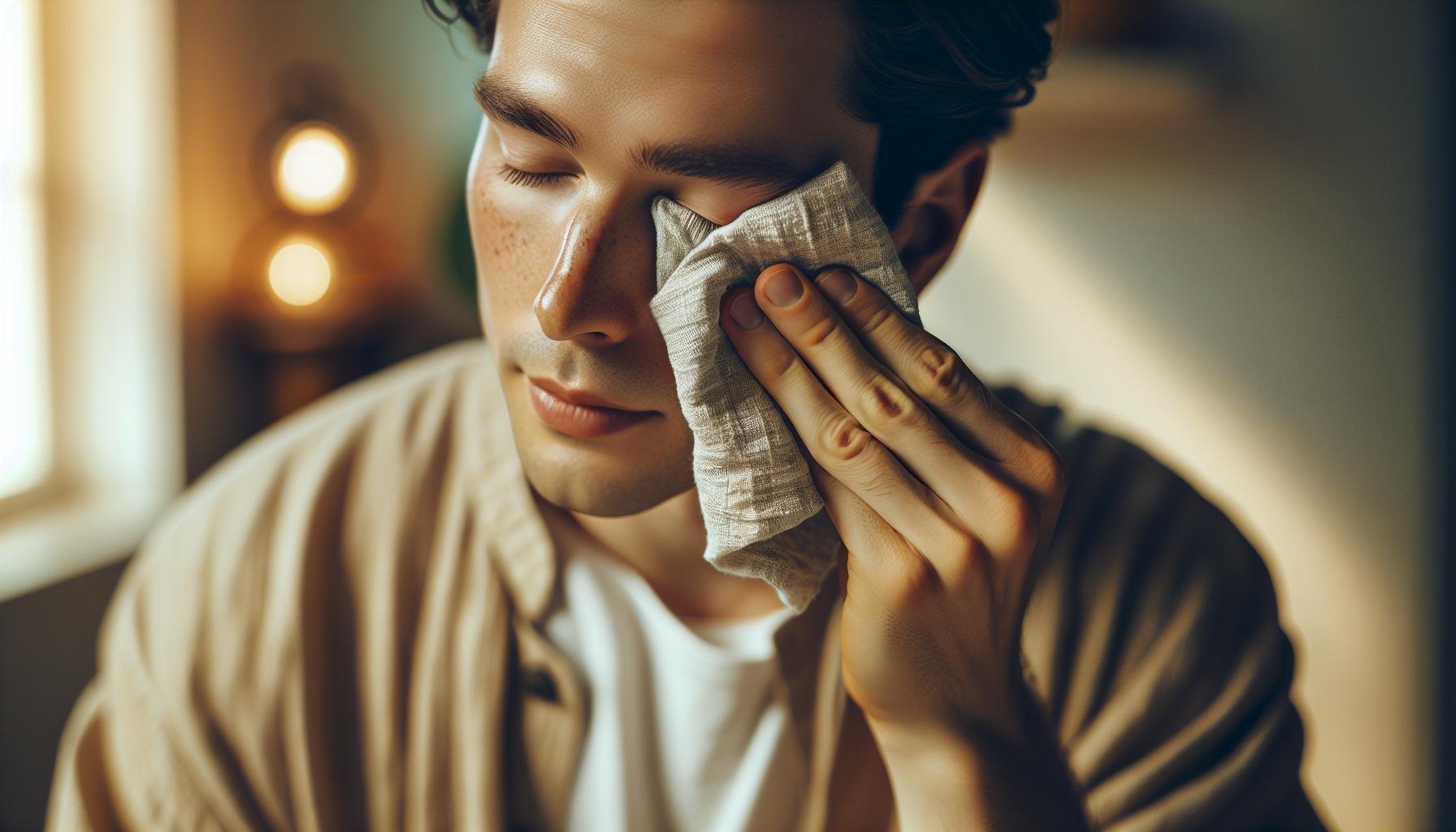
Experiencing a stye can be uncomfortable and frustrating, often leading to feelings of irritation and the sensation of having something stuck in your eye. Fortunately, there are several home remedies that can help alleviate discomfort and promote healing. These simple yet effective methods can empower you to manage the symptoms of a stye with ease, providing comfort and relief during this bothersome time.
One of the most accessible and soothing remedies is warm compresses. Applying a warm, damp cloth to the affected area for about 10-15 minutes, several times a day, can help increase blood circulation and encourage the stye to drain naturally. The warmth helps to soften the blockage in the oil gland and can reduce discomfort. Ensure the cloth is clean, and gently dab rather than rub the stye to avoid irritation.
In addition to warm compresses, maintaining strict hygiene around the eyes is crucial. Wash your hands regularly and avoid touching your eyes to prevent further irritation or infection. If you wear makeup, consider skipping it until the stye has healed, as this can exacerbate the condition. You can also use diluted tea tree oil or chamomile tea cools applied to the stye with a clean cotton ball. Both ingredients possess antibacterial and anti-inflammatory properties that may help soothe the swelling.
Furthermore, staying hydrated and maintaining a balanced diet rich in vitamins A, C, and E can aid in speeding up the healing process. Foods such as spinach, carrots, and citrus fruits not only promote overall health but also support skin and eye health. If you’re experiencing anxiety or stress, try incorporating relaxation techniques such as meditation or yoga, as high-stress levels can sometimes trigger stye flare-ups.
By integrating these home remedies into your care routine, you can take control of your comfort and support your body’s natural healing processes.
When to See a Doctor for a Stye
If you’ve found yourself questioning whether that annoying sensation in your eye is caused by a stye, you’re not alone. Styes can often mimic the feeling of having something stuck in your eye, leading to confusion and discomfort. However, not every stye is the same, and understanding when to seek medical attention is crucial for effective management.
It’s generally advisable to schedule a visit to your doctor or an eye care professional if a stye shows no signs of improvement within a few days. Persistent swelling, increasing pain, or the stye becoming larger can indicate a more serious infection that might require medical intervention. Additionally, if you experience vision changes or severe redness of the eye, these could be signs of complications like conjunctivitis or other serious conditions.
Another key indicator for medical attention is the recurrence of styes. If you find yourself frequently developing styes, it may suggest an underlying issue with your eyelid hygiene, or it could be related to other factors such as blepharitis (inflammation of the eyelid). A doctor can offer tailored advice and potential treatment options to help mitigate these occurrences.
In rare instances, a stye can progress to form a chalazion, a lump that develops when a blocked oil gland becomes inflamed and fails to drain. If you notice that the swelling has become persistent and hard, medical evaluation is warranted to discuss treatment options which might include drainage procedures.
Being proactive in your eye health is key, and understanding when to visit a healthcare provider can make all the difference in finding relief and preventing complications. Always trust your instincts; if something feels off or unusually severe, it’s best to consult with a professional who can provide personalized care tailored to your situation.
Preventing Styes: Tips for Eye Care
One of the best ways to maintain eye health and prevent styes is through diligent self-care and hygiene practices. Styes arise when oil glands in the eyelids become blocked and infected, often leading to discomfort and that nagging sensation, as if something is in your eye. By adopting a proactive approach, you can significantly reduce the likelihood of developing these annoying blemishes.
Maintaining proper eyelid hygiene is paramount. Gently cleaning your eyelids and lashes with warm water or a diluted baby shampoo can help eliminate debris and reduce bacteria. Consider using a clean washcloth or cotton round for this purpose. Additionally, avoiding touching your eyes, especially with unwashed hands, minimizes the introduction of harmful bacteria that can contribute to stye formation.
Here are some other essential tips to keep your eyes and eyelids in top condition:
- Limit Eye Makeup Use: If you’re prone to styes, it’s wise to avoid wearing eye makeup during flare-ups. Makeup can exacerbate irritation and trap oils and bacteria.
- Remove Makeup Before Bed: Always ensure you remove all eye makeup before sleeping. Products left on overnight can clog glands.
- Manage Stress: Stress has been linked to stye formation. Employ relaxation techniques such as yoga or meditation to help keep your stress levels in check.
- Stay Hydrated: Adequate water intake supports overall health, including eye health. Aim for at least 8 glasses of water a day.
Implementing these simple yet effective practices can lead to healthier eyelids and a decreased risk of styes. Your eyes are an important part of your overall well-being, so nurturing them with proper hygiene and care routines is fundamental. By prioritizing eye health, you empower yourself to feel your best every day, free from the discomfort that styes can cause.
Treatment Options: Over-the-Counter vs. Prescription
When dealing with the discomfort of a stye-which often feels like something is stuck in your eye-it’s essential to know the appropriate treatment options available to you. Styes result from bacterial infections in the oil glands of the eyelids, leading to painful and swollen bumps. While most styes can resolve on their own, understanding the distinctions between over-the-counter (OTC) remedies and prescription treatments can empower you to make informed choices about your care.
Over-the-counter treatments are often the first line of defense against styes. These options typically include warm compresses, which can help reduce swelling and promote drainage, as well as topical antibiotic ointments that may alleviate irritation. You can easily create a warm compress at home by soaking a clean cloth in warm (not hot) water, wringing it out, and gently applying it to the affected area for about 10-15 minutes. Doing this several times a day can significantly speed up recovery. If irritation persists, OTC pain relievers such as acetaminophen or ibuprofen can provide relief from discomfort.
For more persistent or severe cases, seeking a prescription from a healthcare professional may be necessary. Your doctor may prescribe stronger topical antibiotics or, in some cases, oral antibiotics if the stye is particularly stubborn or recurrent. In rare instances, if a stye does not drain on its own, a healthcare provider might perform a minor surgical procedure to effectively drain the pus. This is usually done quickly and under local anesthesia, providing immediate relief and a clearer path to healing.
Knowing when to act is crucial for effective stye management. If your stye doesn’t improve with OTC treatments after a week or begins to worsen, it’s best to consult with a healthcare provider. They can provide personalized recommendations and determine if any underlying conditions, such as blepharitis, are contributing to the problem. Taking a proactive approach to treatment will help you manage styes effectively and maintain your overall eye health.
After-Care Tips: Ensuring Quick Recovery from a Stye
The discomfort of a stye can be quite bothersome, often leaving you feeling as though something is lodged in your eye. To hasten recovery and alleviate this sensation, implementing effective after-care strategies is vital. After dealing with a stye, nurturing your eyes and maintaining proper hygiene can make a significant difference in your healing process and overall eye health.
One of the simplest yet most effective after-care tips is to continue applying warm compresses to the affected area. This helps soothe inflammation and promotes drainage of the stye. Aim for 10-15 minutes, several times a day, using a clean, soft cloth soaked in warm water. Ensure the compress isn’t too hot to avoid burns; lukewarm is ideal. Once the stye begins to improve and if it drains, gently wash the area around your eye with mild soap and water to clear any residual debris and bacteria.
In addition to warm compresses, consider integrating gentle eyelid hygiene into your routine. Use eyelid scrubs or wipes specifically designed to clean sensitive eyelid skin, available over the counter. These products help eliminate excess oil, dirt, and bacteria that can lead to further irritation or new stye formation. Remember to use a separate cloth or wipe for each eye to prevent cross-contamination.
Another essential aspect is to avoid touching or rubbing your eyes. This can introduce more bacteria and irritants, leading to worsening symptoms or additional styes. If you wear makeup, it’s prudent to skip eye makeup until the stye has completely healed, preventing further irritation.
Furthermore, maintain a stress-free environment as much as possible. Stress can take a toll on your immune system, potentially prolonging the healing process. Engaging in relaxation techniques such as meditation, gentle yoga, or even simple breathing exercises can not only improve your overall well-being but also support your recovery from a stye.
By incorporating these thoughtful after-care practices, you can support your body in its healing journey while minimizing discomfort and the chances of future styes. Stay consistent with your care routine, listen to your body, and remember that most styes resolve on their own with time and the right treatment.
The Role of Hygiene in Eye Health
Maintaining proper hygiene is crucial for your overall eye health, especially when dealing with conditions like styes. The delicate skin around your eyes is prone to harboring bacteria, oils, and debris, all of which can contribute to eye infections and irritation. A stye, often characterized by a red, painful bump along the eyelid, can feel like something is lodged in your eye-this is often a sign of blocked glands that promote bacterial growth. To alleviate discomfort and prevent future occurrences, implementing a rigorous hygiene routine can be highly beneficial.
Start your eye care regimen with daily eyelid hygiene. Cleaning your eyelids can help remove potential irritants before they cause problems. Use warm water with a gentle, hypoallergenic soap or commercially available eyelid wipes specifically designed for sensitive skin. By gently wiping the eyelid margins, you eliminate excess oil and debris that can clog the glands. Make sure to use a separate cloth or wipe for each eye to avoid cross-contamination, which can lead to a stye in the other eye.
Next, consider reducing the use of eye makeup, especially during an active stye or if you’re prone to developing them. Makeup can harbor bacteria and exacerbate irritation. If you must wear makeup, opt for non-comedogenic products and ensure that you thoroughly remove it before bedtime. Regularly replace makeup products to avoid the possibility of using expired or contaminated items, and always keep your applicators and brushes clean.
Keeping your hands clean is just as important. Wash your hands frequently, especially before touching your face or eyes, and avoid rubbing or touching your eyes unnecessarily. This simple practice can significantly reduce the transfer of bacteria that might lead to styes or other infections. Additionally, if you wear contact lenses, ensure that you follow the proper cleaning and wear procedures to avoid introducing bacteria into your eyes.
Incorporating these hygiene practices not only supports recovery from a stye but also fosters long-term eye health. By paying attention to cleanliness and embracing a dedicated eye care routine, you can prevent styes and maintain vibrant, healthy eyes. Remember, your eyes deserve that extra care, helping you feel more comfortable and confident every day.
Styes During Pregnancy: What You Need to Know
Experiencing a stye during pregnancy can be particularly uncomfortable and distressing, often amplifying concerns about the health of both the mother and the unborn child. Styes, which appear as red, swollen bumps on the eyelid, typically result from the blockage of oil glands, leading to inflammation and potential bacterial infection. During pregnancy, hormonal changes can indeed make some women more susceptible to developing styes. The increase in hormones can cause shifts in skin oil production and immune system alterations, heightening the risk of these annoying eye irritations [[2]](https://abubakrbinusman.medium.com/stye-during-pregnancy-what-should-i-do-3e18d89c83ef) [[3]](https://anileyehospital.com/eye-infection-during-pregnancy-tips-precaution/).
Taking proactive measures for eye care is essential when managing styes during this sensitive time. Practicing good hygiene is key: regularly wash your hands, avoid touching your face, and keep eye makeup to a minimum. If a stye does occur, symptomatic relief can often be achieved through warm compresses applied to the eye for about 10-15 minutes several times a day, as this helps to alleviate discomfort and promote drainage of the blocked gland [[3]](https://anileyehospital.com/eye-infection-during-pregnancy-tips-precaution/). However, it is important to refrain from squeezing or trying to pop the stye, as this can lead to further irritation or infection.
While styes generally resolve on their own, it’s advisable for pregnant women to consult a healthcare professional if they experience severe pain, vision changes, or if the stye persists for longer than a week. Medical professionals can provide safer treatment options, ensuring both mother and baby remain healthy [[2]](https://abubakrbinusman.medium.com/stye-during-pregnancy-what-should-i-do-3e18d89c83ef). Pregnant women should also be cautious about using over-the-counter medications and seek guidance on suitable treatments that won’t affect their pregnancy.
In conclusion, being informed and proactive about eye health during pregnancy can help manage styes effectively. Creating a gentle yet thorough eye care routine, being mindful of hygiene, and knowing when to seek medical advice can empower expectant mothers to navigate this common but uncomfortable issue while safeguarding their own health and that of their baby.
Exploring the Link Between Stress and Stye Formation
Stress is more than just an emotional burden; it can manifest physically in our bodies in various ways, including the eyes. When you’re under stress, elevating levels of cortisol and other hormones can potentially compromise your immune system, making it easier for infections to take hold. Although there’s no direct evidence that stress alone causes styes, the indirect effects of stress can certainly increase your susceptibility to developing them. Factors such as lack of sleep, poor nutrition, and neglecting personal hygiene during stressful times can all contribute to the formation of styes.
The body’s response to stress typically includes hormonal changes and heightened bodily inflammation. These changes can clog oil glands in your eyelids, leading to blocked pores and the subsequent development of a stye. Additionally, during periods of high stress, individuals may unconsciously neglect their eye hygiene, such as forgetting to remove makeup or failing to wash their hands properly before touching their eyes, which can further increase the risk of a stye.
To manage stress and its effects on your eye health, consider incorporating practices that promote relaxation into your routine. Techniques like mindfulness, yoga, and regular exercise can not only reduce your stress levels but also help bolster your immune response. Additionally, maintaining a consistent eye care regimen-such as regularly cleaning your eyelids and avoiding eye makeup during stressful times-can serve as a preventive measure against stye formation, allowing you to maintain both your eye health and overall well-being. Remember, taking care of yourself holistically is key; addressing stress will benefit not only your mind but the health of your eyes as well.
Natural Ingredients That Soothe Stye Symptoms
When faced with the discomfort of a stye, many seek natural relief methods that can help alleviate symptoms. Understanding how certain ingredients work can empower you to take control of your eye health and soothe those annoying sensations, such as the feeling of something being in your eye. Incorporating natural remedies into your care routine not only provides relief, but also offers a gentler alternative to conventional treatments.
One time-tested natural remedy is warm compresses, which can be simply made using a clean cloth soaked in warm water. Applying this compress to the affected eye for 10-15 minutes can help to reduce swelling and unclog any blocked glands. This method is not only effective but also soothing, allowing for an immediate sense of comfort. For enhanced benefits, consider adding green tea bags to your regimen. The antioxidants and tannins in green tea can reduce inflammation and antimicrobial properties that may help with infection, making it a wonderful option for application after cooling.
Another ingredient to consider is aloe vera, renowned for its calming and anti-inflammatory properties. Applying pure aloe vera gel directly to the stye can provide soothing relief. Make sure to use a clean finger or cotton swab to prevent introducing any further bacteria. Moreover, tea tree oil, while potent, must be used with care; it is advisable to dilute it with a carrier oil (like coconut oil) before applying to ensure that it won’t irritate the sensitive skin around the eyes.
Lastly, don’t overlook the hydration factor. Maintaining hydration supports overall skin health, including the delicate tissues of your eyes. Drink plenty of water and consider incorporating foods high in omega-3 fatty acids, like walnuts and flaxseeds, to help reduce inflammation within the body. Implementing these natural ingredients into your daily routine can steer you towards relief from stye discomfort while fostering long-term eye health.
Q&A
Q: What are the common signs that a stye is developing?
A: Common signs of a developing stye include redness and swelling on the eyelid, a tender lump that feels like a small bump, itching, and possibly a sensation of pressure as if something is in your eye. Early recognition can help in managing symptoms effectively.
Q: How can I differentiate between a stye and a chalazion?
A: A stye typically appears as a painful, red bump on the eyelid, caused by an infection. In contrast, a chalazion is a painless lump resulting from a blocked oil gland. Consult your healthcare provider if you’re uncertain about your symptoms.
Q: Why does a stye cause sensitivity to light?
A: A stye can cause sensitivity to light due to irritation and inflammation of the eyelid. This discomfort can affect how your eyes respond to bright lights. Resting your eyes and avoiding bright environments can help alleviate this symptom.
Q: Are styes contagious to others?
A: Styes are not contagious since they result from blocked glands or bacterial infections in your own body. However, practicing good hygiene, such as washing hands frequently and avoiding touching your eyes, can help prevent the spread of bacteria.
Q: Can stress lead to stye formation?
A: Yes, stress can contribute to stye formation. Stress weakens the immune system, making you more susceptible to infections, including those that cause styes. Managing stress through relaxation techniques can support overall eye health.
Q: What home remedies might help ease stye discomfort?
A: Warm compresses are effective in easing stye discomfort. Place a clean, warm cloth over your closed eyelid for 10-15 minutes several times a day. This can help reduce pain and promote drainage of the stye. Always maintain hygiene during treatment.
Q: When should I seek medical help for a stye?
A: Seek medical help if the stye does not improve in a few days, worsens, or if you experience significant pain or vision changes. A healthcare professional may need to drain the stye or prescribe antibiotics if necessary.
Q: What lifestyle changes can help prevent the occurrence of styes?
A: Good hygiene is crucial in preventing styes. Regularly wash your face, avoid touching your eyes, and keep makeup brushes clean. Additional measures like managing stress and staying hydrated can also contribute to eye health and stye prevention.
Insights and Conclusions
If you’ve been wondering, “Does a stye feel like something is in your eye?”, you’re not alone. Understanding this common condition is crucial for taking the right steps toward relief. Remember, while a stye might cause discomfort and the sensation of something being in your eye, it’s typically easily treatable. Don’t ignore your symptoms; early intervention can make a difference.
To further support your eye health, explore our articles on effective eye care routines and the best home remedies for soothing irritation. If you’re interested in personalized consultations or want to dive deeper into skincare and eye wellness, be sure to check out our related resources. Your health and comfort are important-take action today! Share your thoughts or experiences in the comments below; we love hearing from you. Let’s keep the conversation going as you prioritize your well-being!