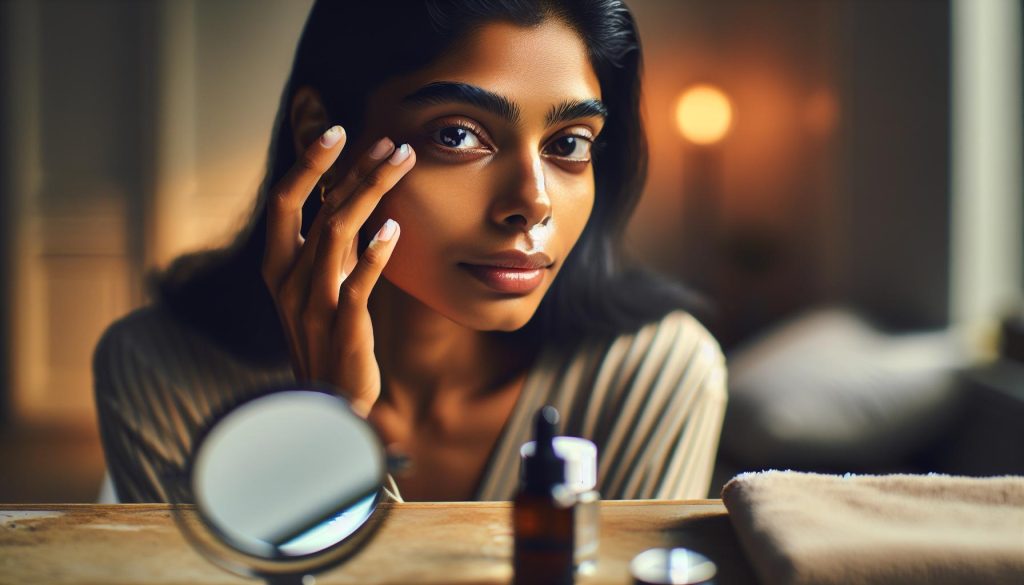
Did you know that almost everyone experiences a stye at some point in their lives? This common eyelid infection, characterized by a painful red bump along the eyelash line, can be easily prevented with the right care. Understanding how you get a stye is crucial for maintaining eye health and avoiding discomfort.
Many people unknowingly contribute to the development of styes through everyday habits. By identifying and avoiding these common mistakes, you can protect your eyes and enjoy clearer, healthier skin around them. In this article, we’ll explore the underlying causes of styes, share practical tips for prevention, and empower you to take charge of your eye care routine. Let’s dive in and discover how to keep those pesky styes at bay!
Understanding What Causes a Stye on the Eye
A stye, a common yet distressing eye condition, usually appears as a tender red bump along the edge of the eyelid. This bump, often filled with pus, is primarily caused by the infection of the oil glands in your eyelids, often by Staphylococcus bacteria. When these glands become clogged with oil, dead skin cells, or bacteria, inflammation occurs, leading to the formation of a stye. Though they can be uncomfortable, styes are generally not serious and can often be managed with at-home care.
A key contributor to the development of styes is poor eyelid hygiene. Not regularly cleaning your eyelids can encourage the accumulation of oil and debris, creating an environment ripe for infection. Additionally, using expired or contaminated cosmetics, such as eyeliner or mascara, can compromise the integrity of your eye area and facilitate the growth of bacteria. If you frequently rub your eyes, you may inadvertently transfer bacteria from your hands to your eyelids, further increasing your risk.
Stress can also play a role in stye formation; it may weaken your immune response, making your body more vulnerable to infections. Be mindful of your stress management techniques and prioritize self-care practices. Incorporating gentle eyelid hygiene routines and being cautious with makeup can go a long way in preventing these annoying bumps, helping you maintain both eye health and beauty.
The Role of Hygiene in Preventing Styes
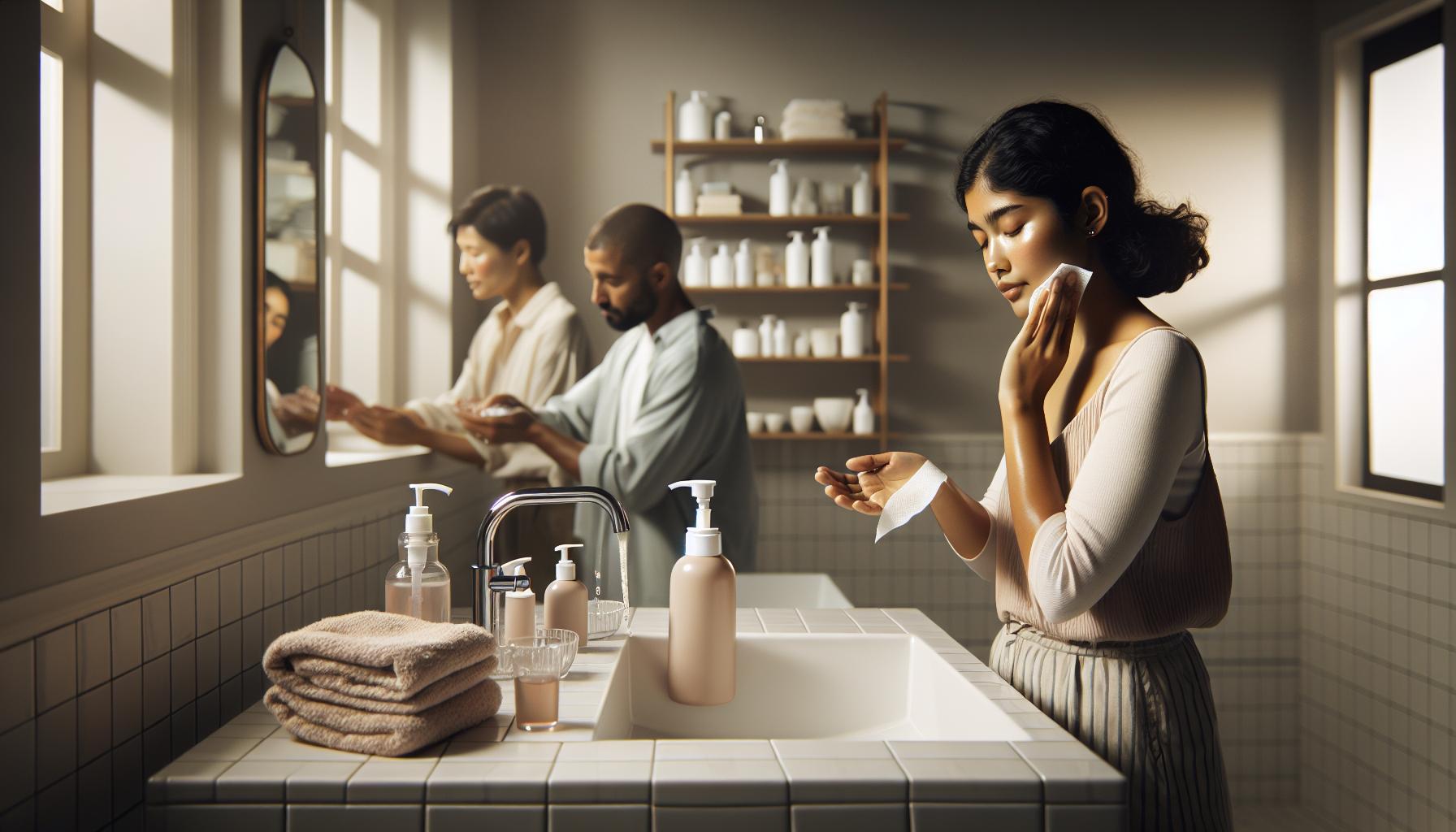
Maintaining proper hygiene around your eyes is crucial in preventing the discomfort of styes. Did you know that simple daily habits can significantly reduce your risk? One of the most effective strategies is to establish a dedicated eyelid cleaning routine. Gently washing your eyelids with a mild cleanser or warm water can help remove excess oil, dust, and debris that can clog the oil glands and lead to bacterial infections, which cause styes.
It’s also essential to be cautious with cosmetics. Using expired or contaminated products, such as mascara and eyeliner, can introduce harmful bacteria to your eyelids. Regularly check expiration dates and consider using single-use applicators for eye makeup to minimize the risk of infection. Additionally, avoid sharing makeup brushes or eye products with others, as this can easily spread bacteria that may contribute to stye development.
Be mindful about how often you touch your face or rub your eyes. It’s a common misconception that frequent hand washing is enough to keep germs at bay. In many cases, bacteria from your hands can transfer to your eyelids, increasing the likelihood of developing a stye. Keeping hand sanitizer convenient can help remind you to avoid touching your face unnecessarily, especially when you’re out and about.
Incorporating these hygiene practices into your daily routine is not just about preventing styes; it’s about fostering a holistic approach to eye health. By prioritizing cleanliness and being conscious of your eye care products, you can create a safe environment for your delicate eye area, ensuring it remains healthy and free from such irritations. Remember, small changes can lead to significant differences!
Common Mistakes That Lead to Styes
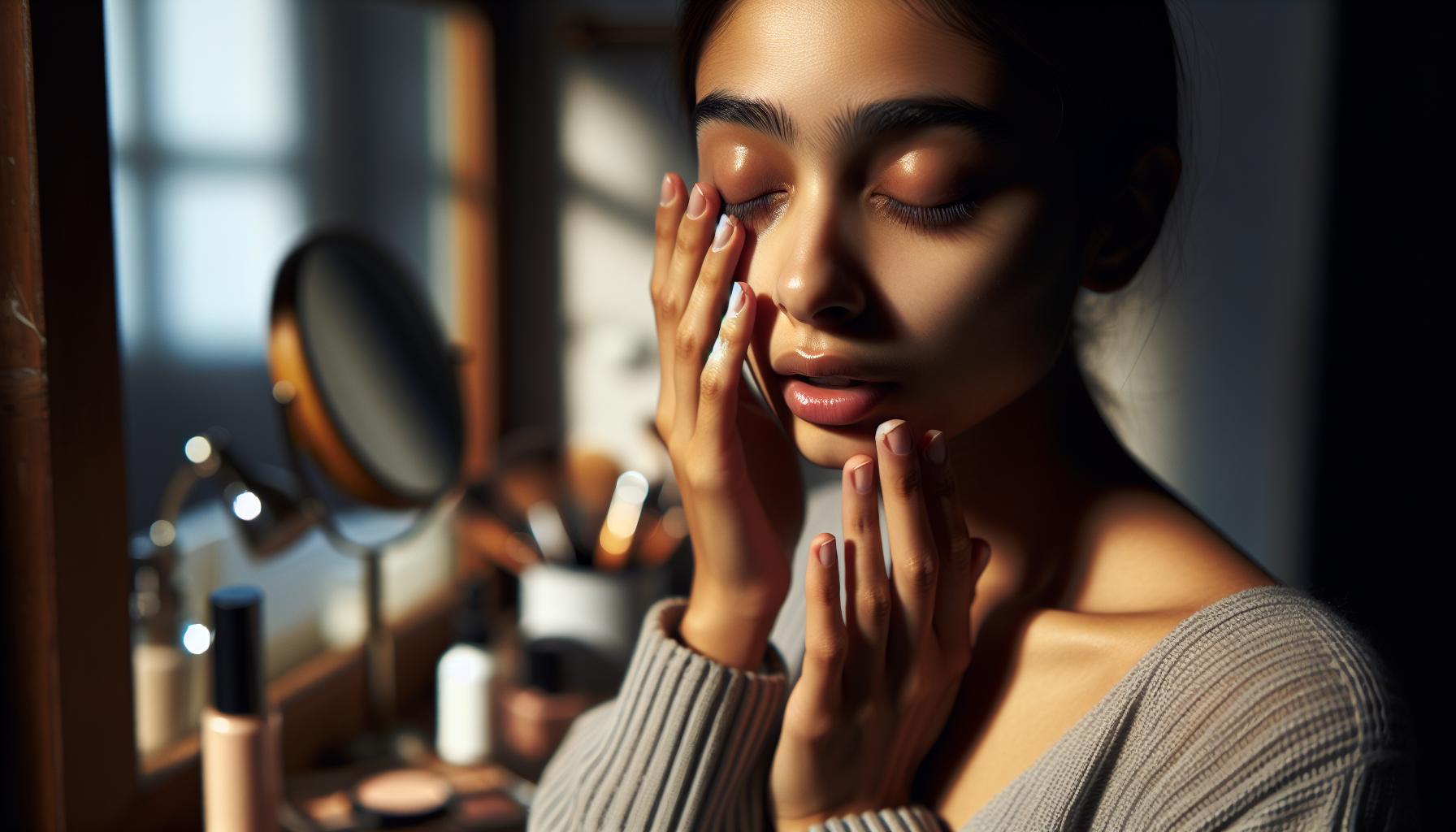
The path to developing a stye can often be traced back to seemingly harmless habits that many of us may overlook. For instance, neglecting to wash your face before bed or touching your eyes with unwashed hands are common practices that can pave the way for bacteria to thrive around your eyelids. This can lead to blocked oil glands and subsequent stye formation. Fear not; becoming aware of these missteps can empower you to protect your eye health effectively.
Another crucial mistake is using expired or contaminated make-up products. Mascara, eyeliner, and eyeshadow can harbor bacteria if they are not disposed of regularly. Adopting a makeup hygiene routine-such as replacing mascara every three months-can remarkably reduce the chances of developing a stye. Additionally, sharing eye makeup is a practice that should be avoided. Bacteria can easily transfer between users, increasing the risk of infection. Always opt for single-use applicators when available, and never share your beauty products.
Moreover, some may not realize how frequent eye rubbing can contribute to eye irritation and infection. It’s essential to be conscious of how often you touch your face. Instead of rubbing or scratching at your eyes when they feel itchy, try using an over-the-counter allergy relief drop instead. Creating a buffer between your hands and your delicate eye area can significantly lower the chance of bacteria finding their way in and causing inflammation.
Lastly, maintaining hydration and a balanced diet can also play an overlooked role in your eye health. Poor nutrition or dehydration can lead to clogged oil glands, which increase the likelihood of styes. Ensure you’re drinking enough water daily and consuming a balanced diet rich in vitamins A, C, and E to support overall eye health. Making small adjustments in your daily habits can significantly help in avoiding these common pitfalls that lead to styes, keeping your eyes comfortable and free from irritation.
Debunking Myths About Styes

The misconception surrounding styes often creates unnecessary anxiety, leading many to avoid necessary preventive measures for eye care. One prevalent myth is that styes are contagious. In reality, while the bacteria causing styes can be transferred through direct contact, styes themselves are not contagious. This means you cannot get a stye simply by being around someone else who has one. However, maintaining good hygiene is crucial to prevent the spread of bacteria that may cause styes.
Another common myth is that you can “pop” a stye, similar to a pimple. This idea can be tempting; however, doing so can lead to further infection and complications. Instead of trying to pop the stye, it’s advisable to let it run its course while keeping the area clean. Applying warm compresses can help alleviate discomfort and speed up the healing process by promoting drainage naturally.
Many believe that only people with poor hygiene or who do not wash their hands get styes. While hygiene plays a significant role, other factors such as hormonal changes, stress, and even dietary habits can predispose individuals to stye formation. Thus, everyone should be mindful of their overall health and eye care routine, regardless of their cleanliness.
Finally, some women may think that specific makeup products are inherently safe and won’t lead to styes. The truth is that expired or contaminated makeup can harbor bacteria. Regularly replacing makeup, especially eye products, and using brushes or applicators instead of fingers can significantly reduce the risk of infection. Remember, prevention is key, and knowledge about these myths can empower you to take better care of your eye health.
Signs and Symptoms: How to Identify a Stye

A stye can manifest suddenly, typically catching individuals off guard. It’s often characterized by a painful, red bump that appears at the edge of the eyelid, resembling a pimple. But recognizing the finer details can be crucial for effective management and prevention. Often, this bump is accompanied by swelling and tenderness that can extend to the entire eyelid, creating discomfort that may feel similar to having something in the eye.
It’s important to note that as the stye progresses, it may cause a scratchy sensation or mild irritation, urging you to rub your eyes-a common misstep that can worsen the situation. In addition to physical symptoms, some individuals may experience increased sensitivity to light or the production of watery eyes. These signals serve as crucial indicators to take proactive steps in managing the condition early on, including keeping the area clean and refraining from touching or squeezing the stye, which could lead to further infection.
To identify a stye accurately, consider the following signs and symptoms:
- Location: The bump is typically found on the outer edge of the eyelid.
- Color and Appearance: Look for a red, swollen bump that may have a white or yellowish center.
- Discomfort: There may be tenderness or pain upon touching the affected area.
- Visual Changes: You might notice increased tearing or sensitivity to light.
Recognizing these symptoms early can empower you to take appropriate action, such as applying warm compresses to help alleviate discomfort and promote healing. Being aware of these signs not only aids in identifying a stye but also helps you differentiate it from other eye conditions that may require different treatments. Keeping this knowledge handy will support your overall eye health and ensure that you respond effectively should a stye appear.
Effective Home Remedies for Stye Relief
Warm compresses can be a soothing and effective remedy for relieving the discomfort associated with a stye. Simply soaking a clean cloth in warm water, wringing it out, and gently placing it on the affected eyelid for about 10 to 15 minutes can help reduce swelling and promote drainage of the clogged oil gland. This method not only provides relief but also encourages healing by increasing blood circulation in the area.
In addition to warm compresses, opting for an eyelid scrub can help maintain hygiene and prevent further infections. You can create a gentle scrub at home using a mixture of diluted baby shampoo and warm water. Using a clean cotton pad, dip it into the solution and gently cleanse the eyelid area, making sure to avoid direct contact with the eye. This practice can help remove debris and oil build-up that might contribute to stye formation.
Natural remedies such as tea bags are also worth considering. The tannins in black or green tea possess anti-inflammatory properties that may alleviate swelling and discomfort. After steeping the tea, let the bag cool, and then place it on the stye for about 10 minutes. This can provide both relief and promote healing.
Finally, it’s essential to keep in mind that while these home remedies can help manage mild symptoms, they are not a substitute for professional medical advice. If symptoms persist or worsen, seeking the guidance of a healthcare provider is crucial to prevent complications. Staying diligent with hygiene practices and utilizing these gentle remedies can empower you to navigate stye issues effectively and comfortably.
When to Seek Medical Attention for a Stye
While most styes resolve on their own, understanding when to seek medical attention is crucial for effective management and to prevent complications. If you notice that your stye is not improving after a few days of at-home treatment, it may be time to consult a healthcare provider. Signs that warrant immediate attention include persistent swelling, increased pain, or the development of multiple styes on the same eyelid.
In addition to discomfort, be mindful if the stye starts to affect your vision. If you experience blurry vision or significant changes in your ability to see, these could indicate a more serious issue requiring professional evaluation. Furthermore, if the area around the stye becomes red and inflamed, or if you develop a fever, you should seek medical care. These symptoms may suggest a more systemic infection that needs to be addressed.
Another important factor to consider is the frequency of stye occurrences. If you find that you frequently develop styes, it may be wise to consult an eye care provider. They can help identify underlying conditions that could be contributing to repeated infections, such as blepharitis or poor eyelid hygiene.
Lastly, if the stye does not drain or improve with typical treatments, your doctor may recommend other interventions, such as drainage procedures or antibiotic ointments. Addressing a stubborn stye with professional help can prevent complications, ensuring that your eye health and overall well-being remain a priority.
Choosing the Right Eye Care Products
can be a pivotal step in both preventing and managing styes. A common yet often overlooked aspect of eye health, these products not only help maintain cleanliness but also ensure your sensitive eye area remains protected from irritation and infection. To effectively avoid styes and promote overall eye health, consider investing in specific types of products designed for delicate eyelid care.
Start by exploring gentle eyelid cleansers that are specifically formulated to remove debris, oils, and make-up without causing irritation. Look for products that contain natural ingredients like tea tree oil or aloe vera, known for their antibacterial and soothing properties. Regular use can help clear clogged oil glands, reducing the likelihood of stye formation. Additionally, warm compresses can be an excellent home remedy; use a clean cloth soaked in warm water several times a day to promote oil gland drainage and reduce swelling.
When it comes to makeup, ensure that you’re using non-comedogenic products that won’t clog your pores or oil glands. Pay attention to expiration dates and avoid using eye makeup that is older than three months, as this can harbor bacteria that might contribute to infections. Opt for hypoallergenic brands if you have sensitive eyes, and always remove makeup thoroughly before bedtime.
Lastly, always wash your hands before touching your face or eyes, as hygiene plays a crucial role in preventing eye infections. Consider keeping hand sanitizers near your makeup area or bathroom to make it easier. Remember, the health of your eyes is interconnected with the products you choose; prioritizing gentle, high-quality items can make a significant difference in avoiding styes and maintaining overall eye health.
Lifestyle Changes to Avoid Future Styes
To maintain optimal eye health and prevent the occurrence of styes, making targeted lifestyle changes is essential. One foundational step is improving your hygiene practices. Ensure that your hands are always clean before touching your face or eyes, as bacteria can easily transfer from your fingers to your eyelids. Consider using hand sanitizer when on the go, especially when you’re or about to apply makeup. Additionally, routinely cleans your makeup brushes and applicators to reduce the risk of bacteria buildup.
Incorporating specific dietary changes can also contribute positively to overall skin and eye health. A diet rich in omega-3 fatty acids, vitamins A, C, and E, as well as antioxidants, can support skin health and reduce inflammation. Foods like fatty fish, nuts, seeds, avocados, and leafy greens are excellent choices. Hydration is another crucial element; drinking plenty of water helps maintain the moisture balance in your skin, including the delicate skin around your eyes.
Moreover, adjusting your skincare routine can significantly impact your likelihood of developing styes. Opt for non-comedogenic and hypoallergenic products, particularly when it comes to makeup and skincare applied near your eyes. This ensures that you’re not inadvertently clogging oil glands. Pay particular attention to your eye makeup; replace mascara and eyeliner every three months to limit bacterial contamination and consider using eye-specific removers to prevent residue buildup.
Lastly, managing stress levels is vital for your overall health, including your eye health. High stress can compromise your immune system, making you more susceptible to infections. Incorporating practices such as yoga, meditation, or even regular physical activity can help alleviate stress and promote a healthier lifestyle. By adopting these changes holistically, you can significantly reduce your chances of experiencing styes while enhancing your overall well-being.
The Connection Between Stress and Eye Health
Stress can have a profound effect on your overall health, and your eye health is no exception. When you’re stressed, your body produces higher levels of cortisol, a hormone that can weaken the immune system. This reduction in immune response makes you more susceptible to infections, including those that lead to styes. A stye is essentially a bacterial infection of the glands in the eyelid, often arising when oil glands become clogged, which can be more likely when your body is under stress.
To break the cycle of stress and its negative impacts on your eyes, consider implementing techniques that promote relaxation and wellness. Regular physical activity is one of the most effective ways to reduce stress. Aim for at least 30 minutes of moderate exercise most days of the week. This doesn’t have to be strenuous; activities like walking, yoga, or dancing can boost your mood and improve blood circulation, including to the delicate tissues around your eyes, fostering better overall health.
In addition to physical activity, cultivate a mindfulness practice such as meditation or deep-breathing exercises. Just a few minutes a day can help clear your mind and reduce anxiety levels. These practices not only calm your mind but also encourage better sleep, further supporting your body’s ability to heal and fend off infections. Consider journaling, practicing gratitude, or engaging in your favorite hobbies, as these can also provide emotional support and break the cycle of stress.
Finally, don’t underestimate the importance of social connections. Surrounding yourself with friends and family who provide emotional support can lessen stress significantly. Engaging in enjoyable conversations, sharing experiences, or even participating in group activities can elevate your mood and contribute to a healthier stress response. By addressing stress proactively, you not only enhance your eye health but also elevate your overall quality of life.
Preventive Measures to Keep Your Eyes Healthy
Maintaining eye health is crucial, as our eyes are often exposed to environmental stressors and bacteria that can lead to conditions like styes. With some simple, proactive measures, you can significantly reduce your risk of developing these uncomfortable infections. One essential habit is proper hygiene. Regularly washing your hands and ensuring they are clean before touching your face or eyes can prevent the transfer of bacteria. This is especially important before inserting or removing contact lenses, as improper handling can introduce unwanted germs.
Additionally, keeping your eyelids clean is vital. Use a gentle eyelid scrub or a diluted baby shampoo to clean the area regularly. Rinsing eyelids with warm water can also help unclog oil glands, promoting better drainage and reducing the chances of blockages that lead to styes. Remember to always remove makeup at the end of the day, as leftover products can contribute to clogged glands.
It’s also beneficial to be mindful of your choice of products. Select hypoallergenic and non-comedogenic cosmetics that are less likely to irritate your skin or clog your pores. Avoid sharing makeup or eye care products to limit the spread of bacteria. Choosing high-quality contact lenses and adhering to their replacement schedule can also prevent infections by minimizing the risks of irritation and buildup around your eyes.
Finally, lifestyle choices play a significant role in eye health. Staying hydrated, eating a well-balanced diet rich in vitamins A and C, and omega-3 fatty acids can strengthen your immune system, making it less likely for infections to take hold. Incorporating regular physical activity and stress-reduction techniques can further support overall health, as stress can compromise your immune system and make conditions like styes more likely. Prioritize enough sleep and make time for relaxation to foster a resilient body and mind, paving the way for healthier eyes.
Understanding the Lifecycle of a Stye
is essential for preventing this uncomfortable eye condition. A stye typically begins as a small bump on the eyelid, caused by the blockage of oil-producing glands, often due to an accumulation of bacteria or debris. Initially, you may not notice any symptoms, as the inflammation may not be immediately visible. However, as the irritation progresses, you might feel tenderness, swelling, or a general sense of discomfort in the affected area.
As the stye develops, it enters a more pronounced stage where symptoms become more evident. The affected eyelid may turn red and visibly swollen, often resembling a pimple. This stage can last several days as the body’s immune response kicks in, causing the area to become increasingly painful. If left untreated, the stye can progress further, potentially leading to the formation of pus, which may create pressure and trigger additional discomfort.
Most styes will resolve on their own within a week or two, but timely intervention can expedite healing. Applying warm compresses to the affected area will help unclog the blocked gland and soothe discomfort. This simple yet effective home remedy promotes drainage and alleviates inflammation. Regularly practicing good hygiene-like keeping your eyelids clean and avoiding touching your eyes-can also minimize the risk of stye formation, addressing the initial culprits before they escalate into a fully developed stye.
Once a stye ruptures, it often leads to a quick resolution of symptoms as the trapped fluid is released. However, if a stye is recurrent or exhibits signs of infection, such as excessive redness or fever, seeking medical attention is crucial. Understanding this lifecycle not only empowers you to recognize the signs early but also equips you with practical steps to take, ensuring your eye health remains a top priority.
Frequently asked questions
Q: What is a stye and how does it form?
A: A stye, or hordeolum, is a red, painful bump on the eyelid caused by a bacterial infection in an oil gland. This usually occurs when bacteria such as Staphylococcus enter through a hair follicle or an oil gland, often exacerbated by poor hygiene or touching the eyes with dirty hands.
Q: Can stress contribute to the development of styes?
A: Yes, stress can weaken your immune system, making you more susceptible to infections like styes. It’s important to manage stress effectively through relaxation techniques or lifestyle changes to maintain overall eye health.
Q: How can I identify a stye versus a chalazion?
A: A stye appears as a painful, red bump typically at the eyelid’s edge, while a chalazion, which is a blockage of an oil gland, is usually painless and may be located further back on the eyelid. If unsure, consult a healthcare professional for clarification.
Q: Are there specific eye care products to avoid if I have a stye?
A: Yes, avoid using eye makeup, particularly eyeliner and mascara, as these can irritate the affected area and potentially worsen the infection. Also, steer clear of contact lenses until the stye heals. Refer to the section on choosing the right eye care products for more details.
Q: How long does it take for a stye to heal?
A: Most styes resolve within a week or two. However, applying warm compresses can expedite healing by promoting drainage. If symptoms persist, consider seeking medical advice, as outlined in the article.
Q: Can diet affect the formation of styes?
A: While diet is not a direct cause, a balanced diet rich in vitamins and minerals supports overall immune health. Maintaining healthy eating habits can help prevent infections, including styes.
Q: Is it safe to pop a stye?
A: No, popping a stye is not recommended as it can lead to further infection or complications. Instead, applying warm compresses and allowing the stye to heal naturally is advisable, as detailed in the home remedies section.
Q: What are the common triggers for recurrent styes?
A: Common triggers include poor hygiene, stress, hormonal changes, and certain skin conditions. Identifying your triggers can help you prevent future occurrences. Explore preventive measures discussed in the article for a comprehensive approach.
In Conclusion
Now that you understand how to avoid common mistakes that can lead to a stye, it’s crucial to prioritize your eye health. Remember, maintaining proper hygiene and being mindful of your skincare routine are key steps in prevention. If you’re still concerned about existing styes or recurring issues, consider exploring our detailed guides on effective eye care routines and skincare tips specific to your needs.
Don’t let an uncomfortable stye derail your day! Act now: check out our article on natural remedies for stye relief and sign up for our newsletter for ongoing tips and expert advice tailored to your health and beauty journey. If you have questions or personal experiences to share, feel free to leave a comment below. Your engagement not only enriches our community but also helps others facing similar challenges. Let’s keep the conversation going for a healthier, brighter you!